7 Foods You Should Never Freeze (But Almost Every Home Does)
We’ve all done it. That extra block of cheese in the fridge, a jar of mayo about to expire, leftover fried chicken from last night’s dinner. The freezer seems like the perfect solution to avoid waste, right? Honestly, freezing works wonders for many foods, preserving them for months without much fuss. Yet some items just don’t play well with subzero temperatures. Freezing affects the texture of any food because the water expands and breaks cell walls, leading to some rather unappetizing results when you thaw them out. Let’s be real, nobody wants to bite into soggy fried food or see their favorite creamy cheese turn into a grainy mess. Here’s the thing about freezers: they slow bacterial growth and preserve many foods brilliantly, but they can also destroy delicate textures and ruin perfectly good ingredients.
Soft Cheeses Turn Into Grainy Disasters
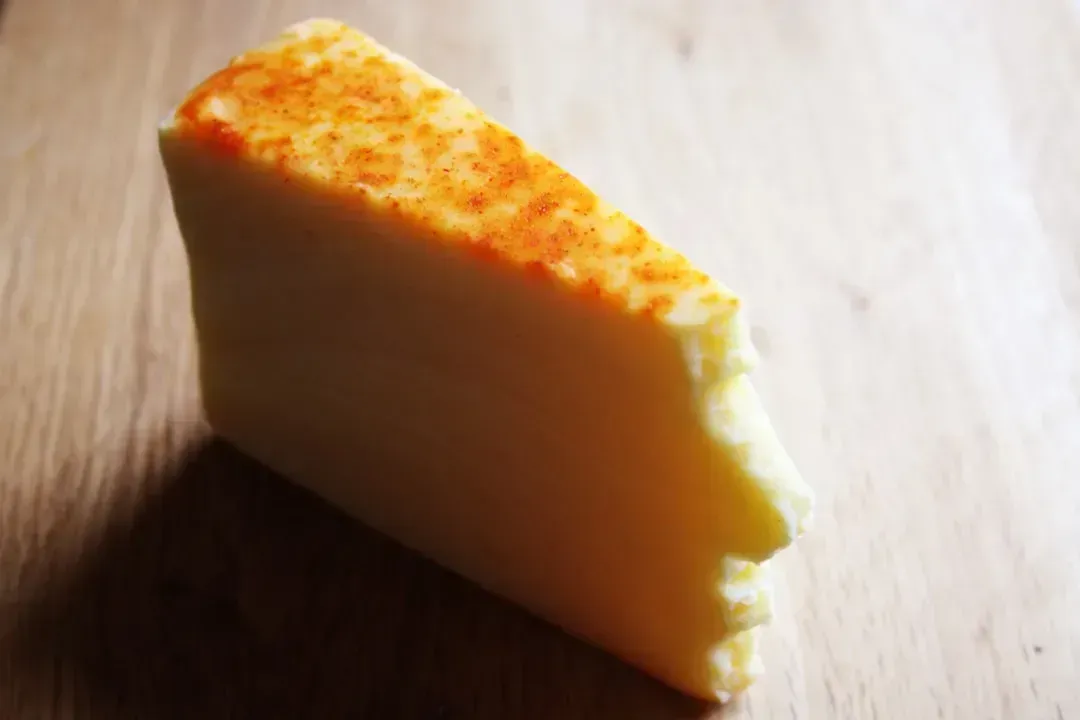
Picture this: you freeze that beautiful wedge of Brie or creamy goat cheese, thinking you’re being smart about food storage. When you thaw it, though, you’re met with a crumbly, watery disappointment. Soft cheeses don’t stand up to freezing well due to their higher moisture content, as more ice crystals form and the texture degrades on thawing. The high moisture in varieties like Camembert, ricotta, and cream cheese makes them especially vulnerable.
The pressure from expanding ice crystals can rupture the cheese’s protein network, as casein proteins that normally form a cohesive structure are disrupted. Research from 2024 examining frozen Gouda cheese confirmed this, showing that texture and sensory attributes could be adversely affected, with freezing causing localized concentration gradient formation, dehydration of the casein-fat matrix, and damage due to ice recrystallization. If you’ve already made this mistake, don’t throw it away. Use frozen soft cheese in cooked dishes like casseroles or quiches where the texture change won’t be as noticeable.
Mayonnaise Separates Into an Oily Mess
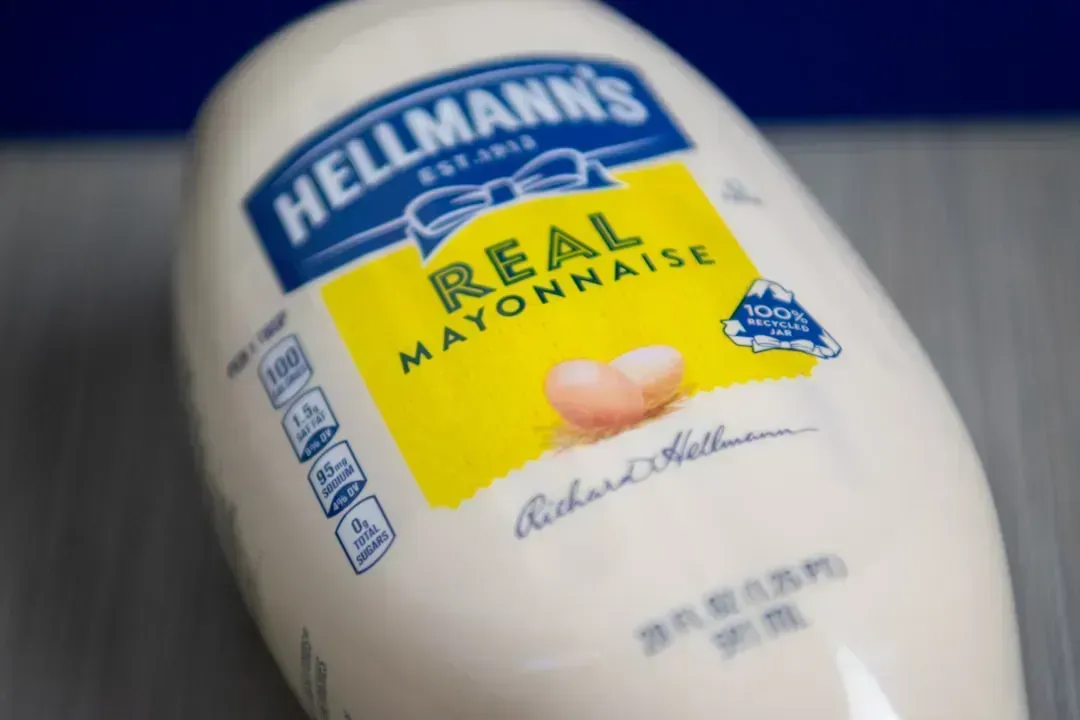
Mayonnaise typically exhibits oil-water separation after freezing and thawing, which significantly impairs the product value. This condiment is basically an emulsion of oil, eggs, and acidic ingredients like vinegar or lemon juice, all carefully balanced to create that creamy texture we love. When you freeze it, the delicate emulsion breaks apart completely.
Studies from 2020 examining commercial mayonnaise found that oil-water separation was observed after thawing for all mayonnaises, except when rapidly frozen at negative 80 degrees Celsius. Ice crystals form and expand, disrupting the water content and separating oil from water, while proteins in egg yolks break when they freeze. The result? A separated, unappetizing mixture with liquid sitting on top. Homemade mayonnaise is at greater risk of splitting than store-bought mayonnaise because commercial varieties contain added preservatives and stabilizers. While technically safe to eat after freezing, thawed mayo will never quite return to its original glory, even if you try to re-emulsify it.
Fried Foods Lose Their Satisfying Crunch
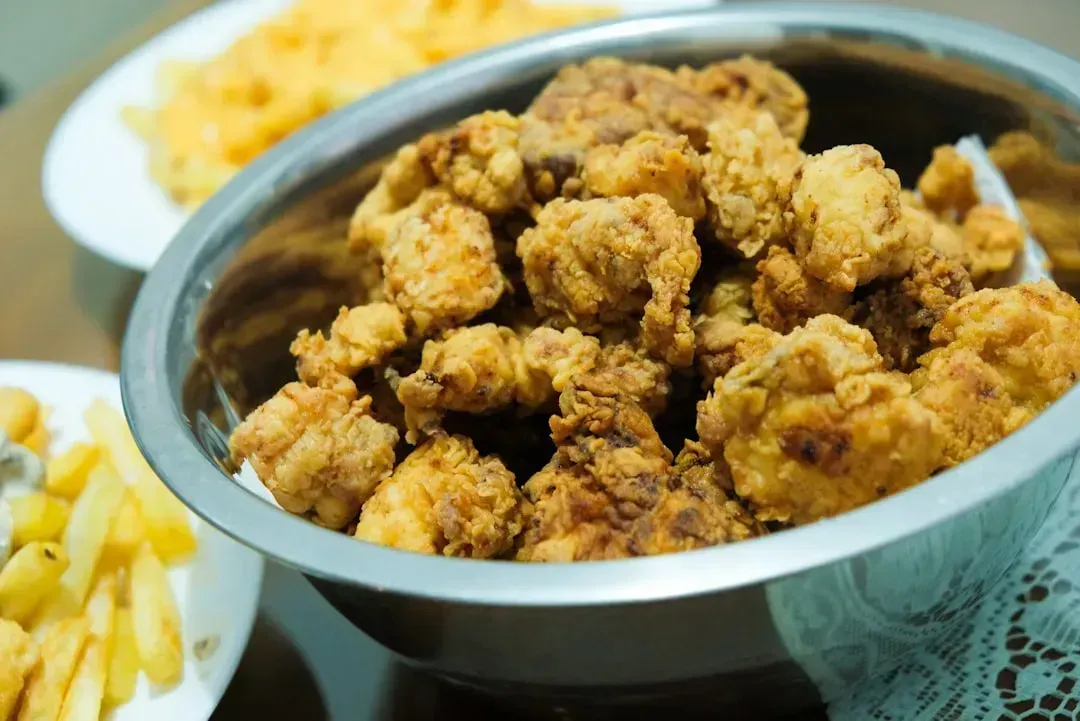
You might notice frozen french fries and chicken tenders in grocery stores and wonder why your homemade fried leftovers can’t get the same treatment. Here’s the difference: those commercial products are specially prepared for freezing with specific coatings and flash-freezing techniques. Your leftover fried chicken from dinner? That’s a different story entirely.
When you freeze fried foods at home, the batter or coating often absorbs moisture, and once thawed they can turn soggy and lose that satisfying crunch. Fried food that’s been frozen often ends up soggy rather than crunchy due to the thawing process, as moisture and extra oil seep into the food which results in a soft, mushy texture. Research from food science experts shows that fried foods tend to be soggy and taste stale after freezing. Instead of freezing those leftovers, refrigerate them in an airtight container with a paper towel to absorb moisture, then reheat in an air fryer or convection oven for the best results.
Shell Eggs Crack and Expand
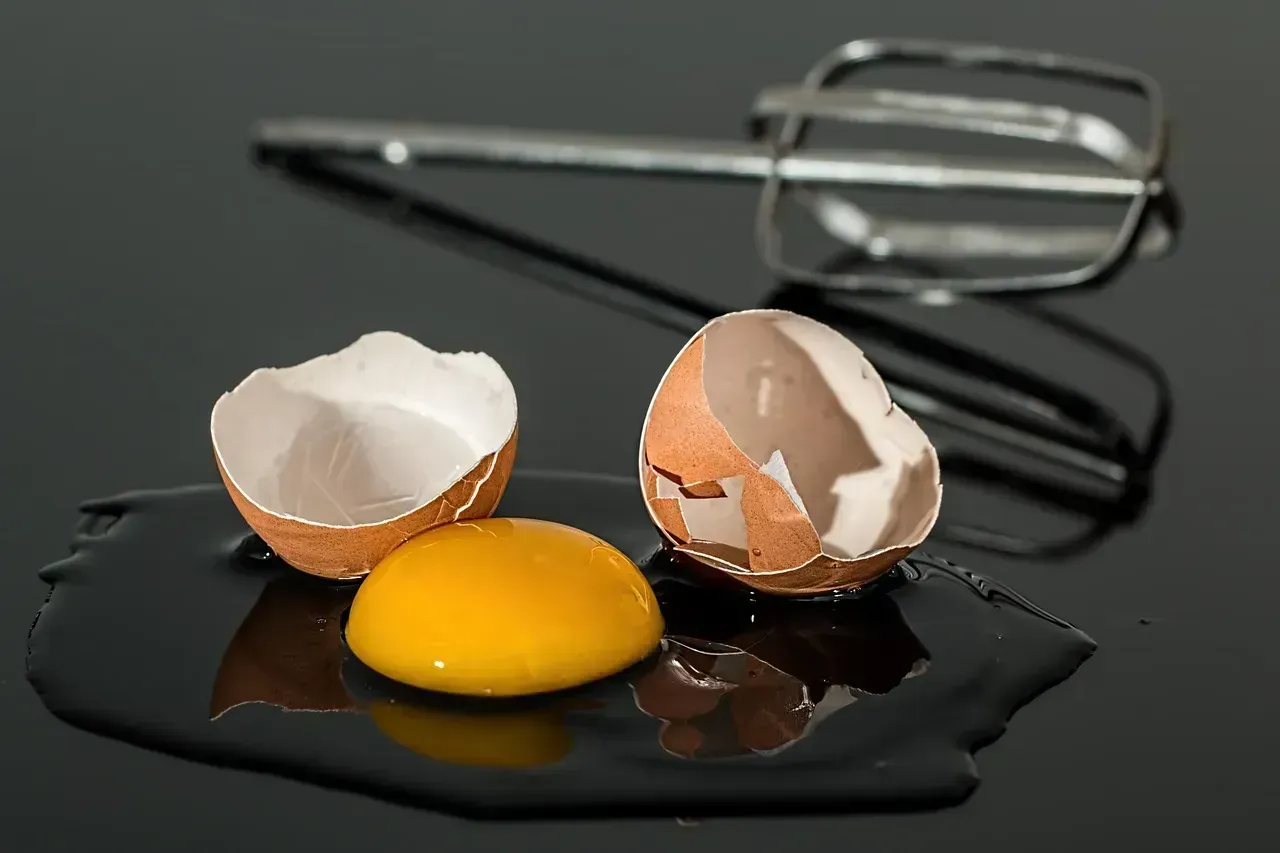
It might seem convenient to freeze eggs when you have extras, but whole eggs in their shells are freezer enemies. Water makes up a significant portion of an egg, and everyone knows what happens when water freezes – it expands. This expansion creates enough pressure to crack the shell completely, making a mess in your freezer.
Even without the shell, whole eggs don’t freeze particularly well in their natural state. The yolk becomes thick and gel-like, almost unusable for most recipes. Food preservation guidelines consistently warn against freezing eggs in shells for safety and quality reasons. If you absolutely must preserve eggs, beat them together and freeze in small portions, but expect some textural changes. The proteins and fats in eggs react poorly to the freeze-thaw cycle, similar to other dairy products.
Milk Separates and Turns Grainy
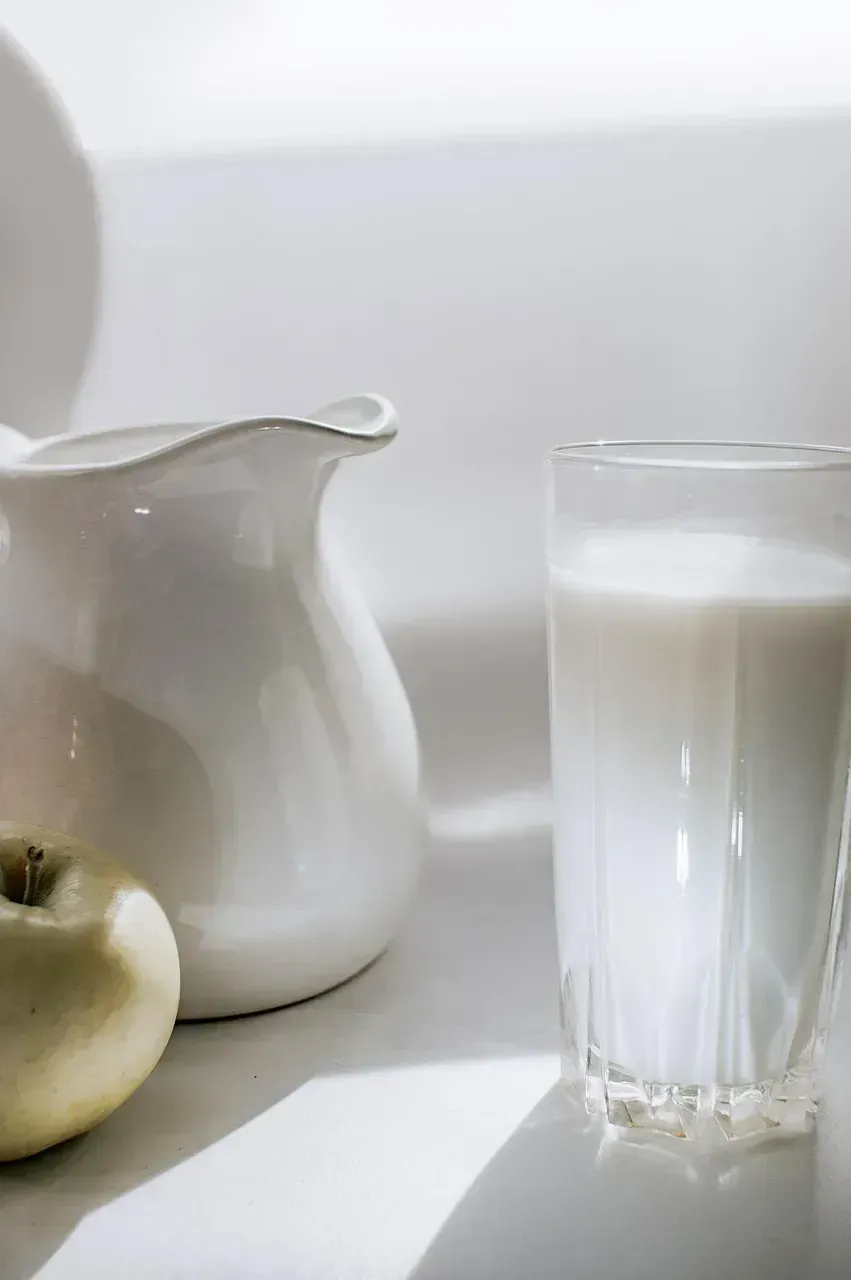
Opening your freezer to see a gallon of milk might seem like a money-saving hack, but when frozen, milk separates as the fat globules clump together and the water and proteins form a more solid mass, resulting in a grainy texture and uneven consistency when thawed. The high water and fat content in milk makes it particularly vulnerable to freezing damage.
You can try to shake or remix thawed milk, but it rarely returns to its original smooth consistency. The mouthfeel just feels off, with a slightly watery yet grainy quality that makes it unpleasant for drinking straight. Milk tends to separate when thawed, turning grainy or watery. While it might still work in cooked dishes like soups or baked goods where texture matters less, you’ll definitely notice the difference if you pour it over cereal or in your coffee. Fresh milk stored properly in the coldest part of your fridge stays good long enough without needing to risk freezer storage.
Lettuce and High-Water Vegetables Become Limp Mush
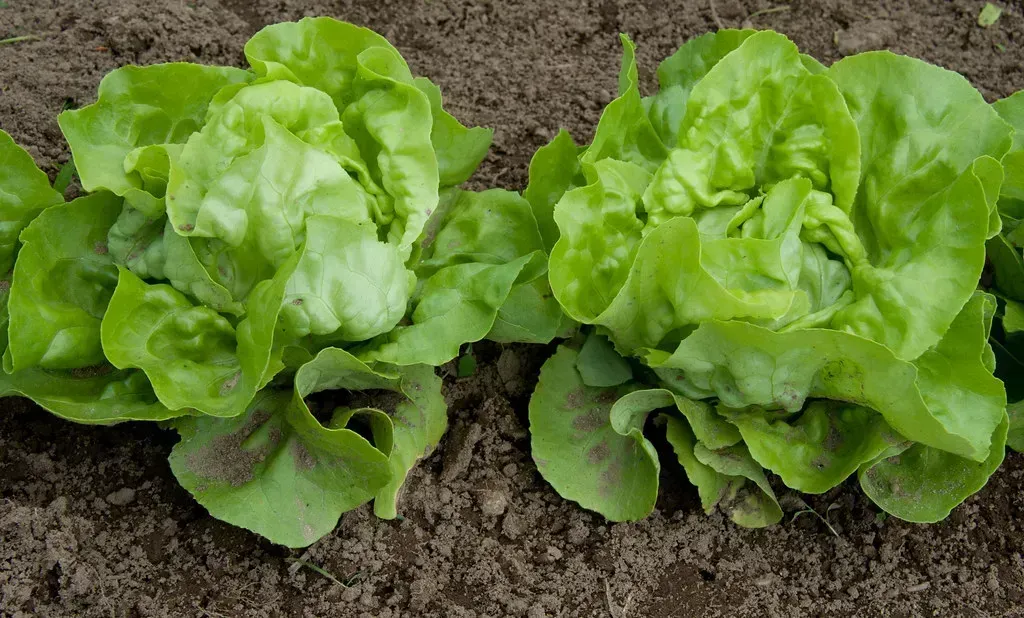
Ever wondered why frozen vegetable sections never include lettuce, cucumbers, or raw tomatoes? There’s a very good reason for that. Foods with high water content like cucumbers, melons, peppers and leafy greens often turn mushy once thawed, as expanding ice crystals rupture their cells. The cell structure in these vegetables is delicate, held together by water pressure.
When a frozen tomato is thawed it becomes mushy and watery, which is why celery and lettuce are not usually frozen. The same principle applies to radishes, fresh herbs, and other crisp salad vegetables. Lettuce, tomatoes, celery, cucumbers, parsley, radishes and similar high-water-content vegetables become limp and watery after freezing. That satisfying crunch you love in a fresh salad completely disappears, leaving you with a wilted, unappetizing mess. These vegetables are best enjoyed fresh or preserved through other methods like pickling or canning for cucumbers.
Cream-Based Sauces Curdle and Separate
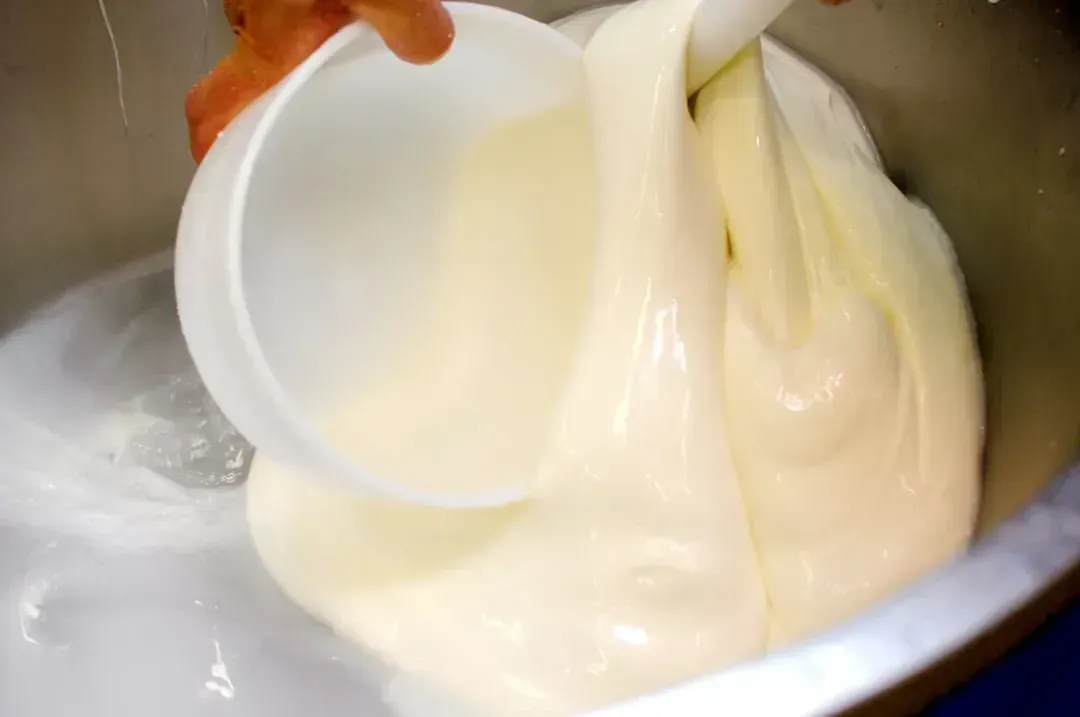
That delicious Alfredo sauce or creamy soup you worked so hard to make deserves better than the freezer. Cream sauces tend to separate when frozen, and certain dairy products and emulsified sauces can separate or curdle when frozen. The emulsion that keeps cream sauces smooth and velvety breaks down during the freezing process.
Sour cream, crème fraîche, and other cultured dairy products face similar fates in the freezer. The proteins and fats that create their luxurious texture simply can’t maintain their structure through freeze-thaw cycles. When you thaw these sauces, you’ll often see the liquid separating from the solids, creating an unappetizing, curdled appearance. While you might be able to whisk them back together somewhat, they’ll never fully recover that original silky texture. Some home cooks have success with flour-thickened sauces or using specialized starches like Clear Jel, but traditional cream sauces are better made fresh or refrigerated for short-term storage.