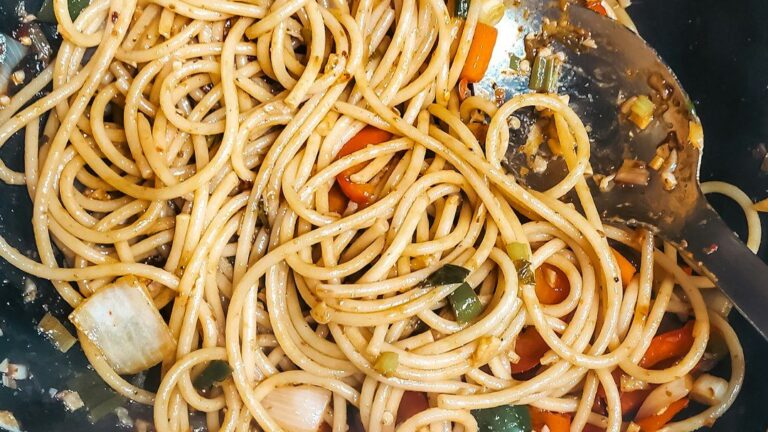
Chef Truths: 10 Home Cooking Habits Pros Say Completely Ruin Flavor
Ever wonder why restaurant food tastes so much better than what you’re cooking at home? It’s not just fancy equipment or secret ingredients. Professional chefs notice patterns in how home cooks approach their meals. Small habits that seem harmless can strip away flavor, destroy texture, and leave you with disappointing results.
The truth is, most of us are sabotaging our own cooking without even realizing it. These mistakes fly under the radar but make a massive difference between a mediocre meal and something truly delicious. Let’s dig into what the pros really think.
Overc rowding the Pan Like It’s a Subway Car at Rush Hour
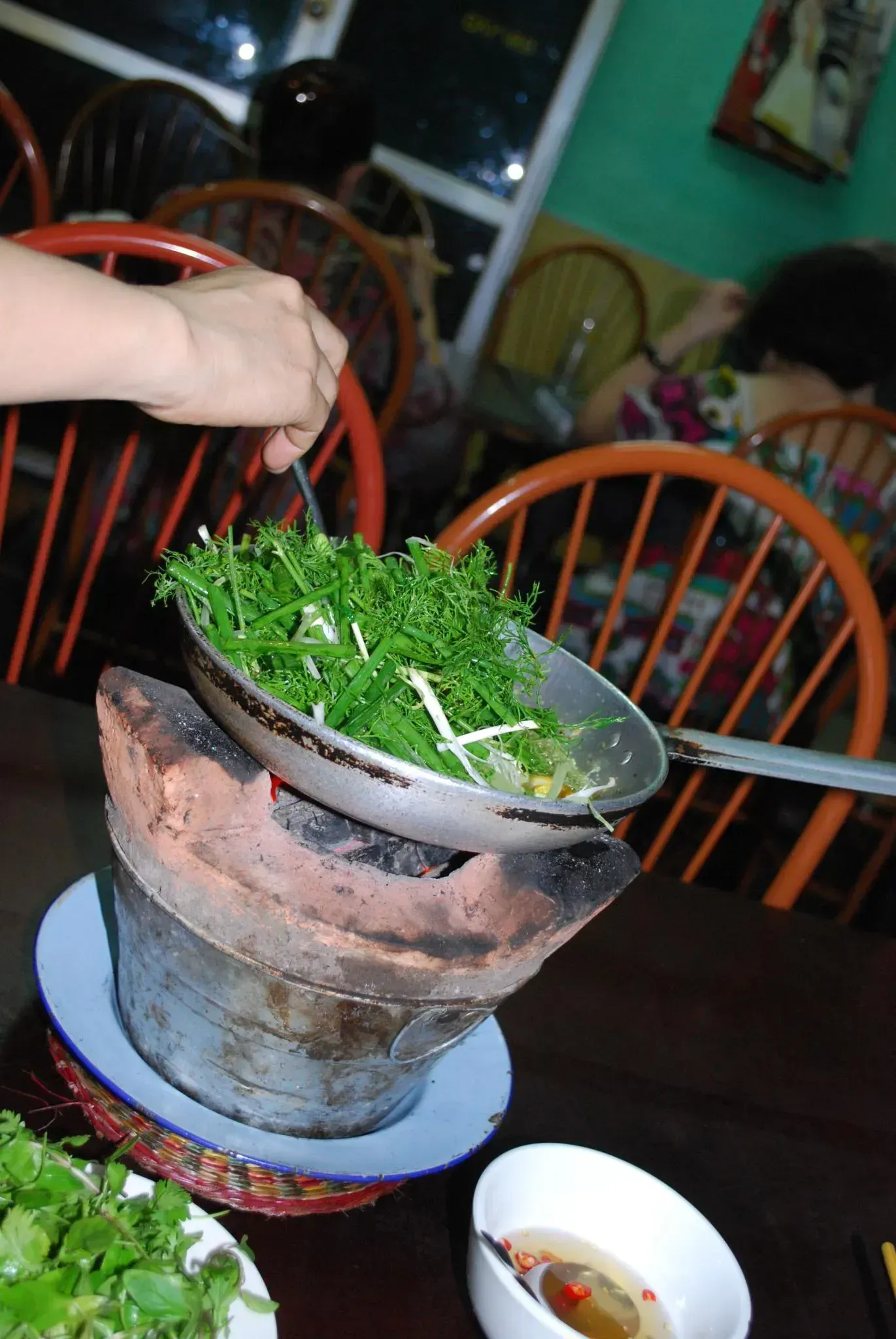
Overloading a hot pan causes a sudden drop in temperature, leading to steaming rather than searing, which affects both texture and flavor, according to Michelin-starred chef Gabriel Kreuther. Piling the pan with excessive amounts of beef causes the moisture released during cooking to get trapped between the crowded chunks of meat. The result? Gray, soggy food instead of that beautiful golden crust you’re after.
If your meat is not browning, you’re likely trying to cook too much at a time. Browning relies on the quick evaporation of moisture from the meat, and if a pan is crowded, that moisture can’t leave the pot, and instead it steams the meat. Think about it like this: every piece of meat or vegetable you add to a hot pan drops the temperature. When there’s no room to breathe, you’re basically boiling your ingredients in their own juices.
Here’s the thing. Cooking in batches sounds tedious. I get it. Sear your meat in batches. While this might seem time consuming, the rewards are well worth the effort. The payoff is worth every extra minute because properly seared food contributes depth and richness to the final dish.
Cooking With Fridge-Cold Ingredients Straight From the Icebox
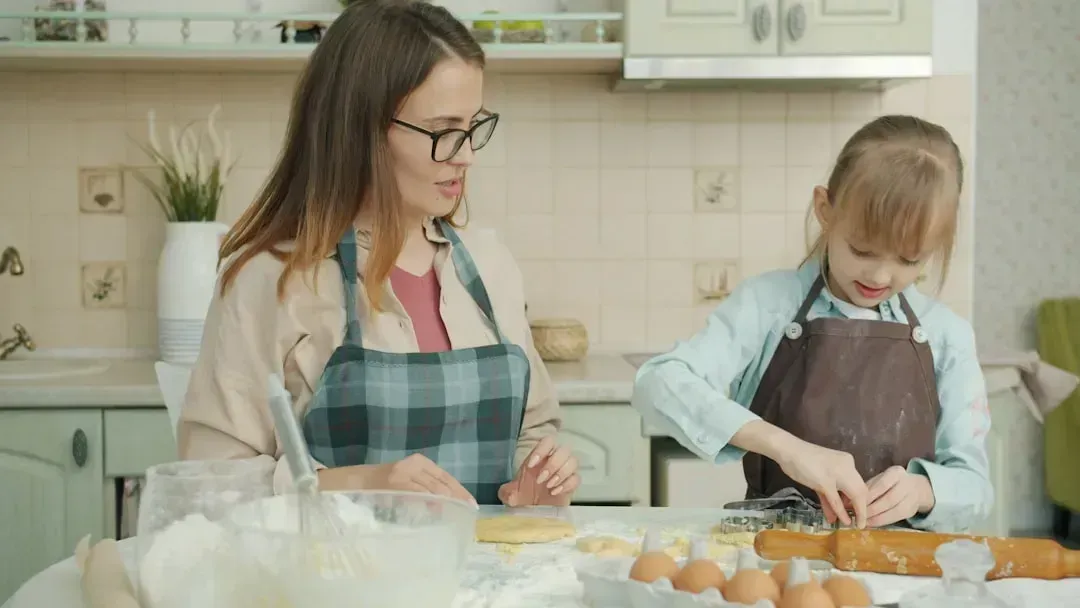
Cold ingredients in doughs and batters do not blend well, prohibit the desired emulsion, and lead to clumpy frosting, hole-filled cakes, and dense cookies. Using poultry that isn’t at room temperature may also result in the surface overcooking and drying out, with the inside still being raw, due to temperature shock. It’s a simple physics problem that most home cooks ignore.
When you beat eggs, butter, and oils with liquids like milk or buttermilk it forms an emulsion which traps air in batters and doughs. During baking that air expands and helps to create a light tender result. Room temperature ingredients emulsify easily, whereas cold ingredients cannot. The temperature of your ingredients matters just as much as the temperature of your oven.
Honestly, this is one of those lessons that changed my home cooking completely. Let your meat, eggs, and dairy sit out for roughly thirty minutes to an hour before you start. Your cakes will rise higher, your steaks will cook more evenly, and your sauces won’t break into a curdled mess.
Underseasoning Food Because Salt Got a Bad Reputation
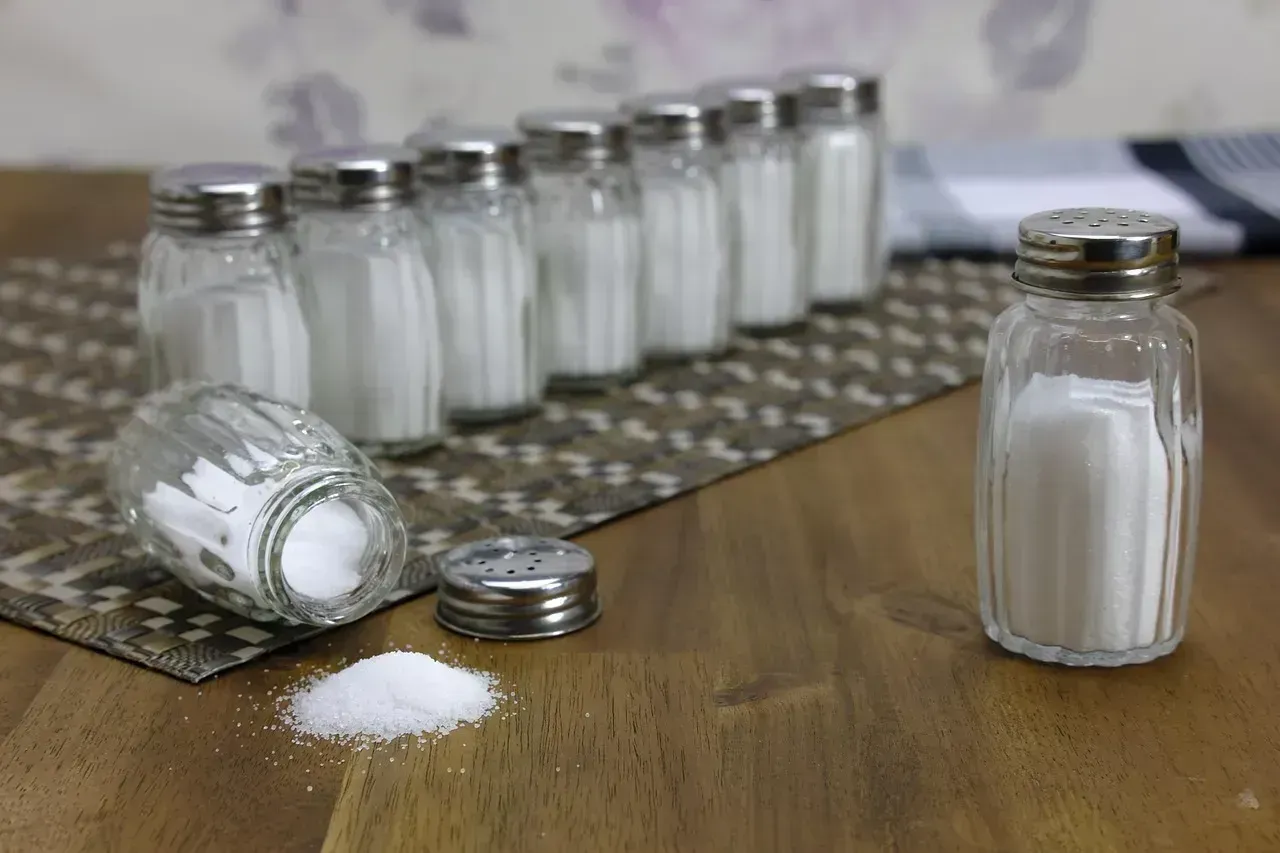
Not using enough salt or spices leads to flat, bland, and unbalanced food. Whether it’s fear of overseasoning, not tasting as you go, or simply not knowing better, this is one of the biggest mistakes home cooks make. Chefs think home cooks underseason food, plain and simple. It’s the difference between tasting the actual ingredients and just chewing through something vaguely edible.
The amount of salt and butter used in the restaurant world is much higher than the average home cook is used to. Salting food is part of the process, and a good chef knows how to season. Just a dash of salt brings all the flavors to the surface and makes them shine together. Salt doesn’t just make food salty. It enhances sweetness, balances bitterness, and brings out umami.
Adding salt throughout the cooking process is a much more effective way to properly season the food, without making it taste too salty. Season in layers, alternating sprinkles and frequent tastings throughout the cooking process. If you wait until the end, you’re just piling salt on the surface instead of building flavor from the ground up.
Using the Wrong Oil Temperature or Type for the Job
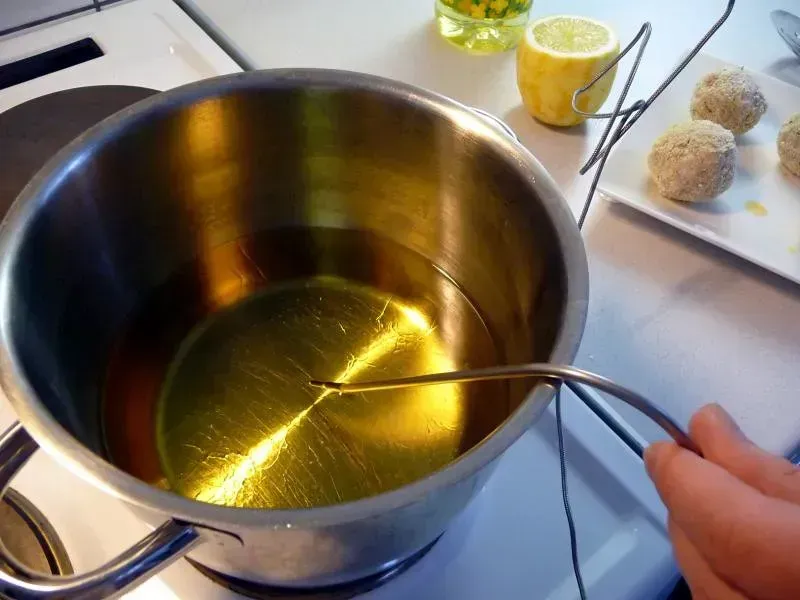
Using the wrong oil can result in unpleasant flavors, smoking, and even the production of harmful compounds. If your cooking oil starts smoking, that’s a sure sign that you’re using too much heat. This can ruin the flavor of your favorite dishes and trigger the smoke alarm in your kitchen. Different oils have wildly different smoke points, and using the wrong one at high heat is a rookie mistake.
Most plant oils, if they are not yet rancid, begin to smoke at about four hundred fifty degrees Fahrenheit. Most animal oils with their higher free fatty acid content, begin to smoke in the neighborhood of three hundred seventy five degrees Fahrenheit. Let’s be real, extra virgin olive oil is delicious, but it’s not meant for high heat searing. For high heat cooking methods like stir frying or pan searing, it’s best to use oils with high smoke points such as avocado oil or grapeseed oil. These oils can withstand the heat without breaking down or releasing smoke.
The trick is matching your oil to your method. Low and slow? Sure, use that fancy olive oil. Blasting something in a screaming hot pan? Reach for avocado or refined sunflower oil instead. Your food won’t taste burnt, and you won’t set off every smoke detector in your house.
Not Preheating the Pan Before Adding Food
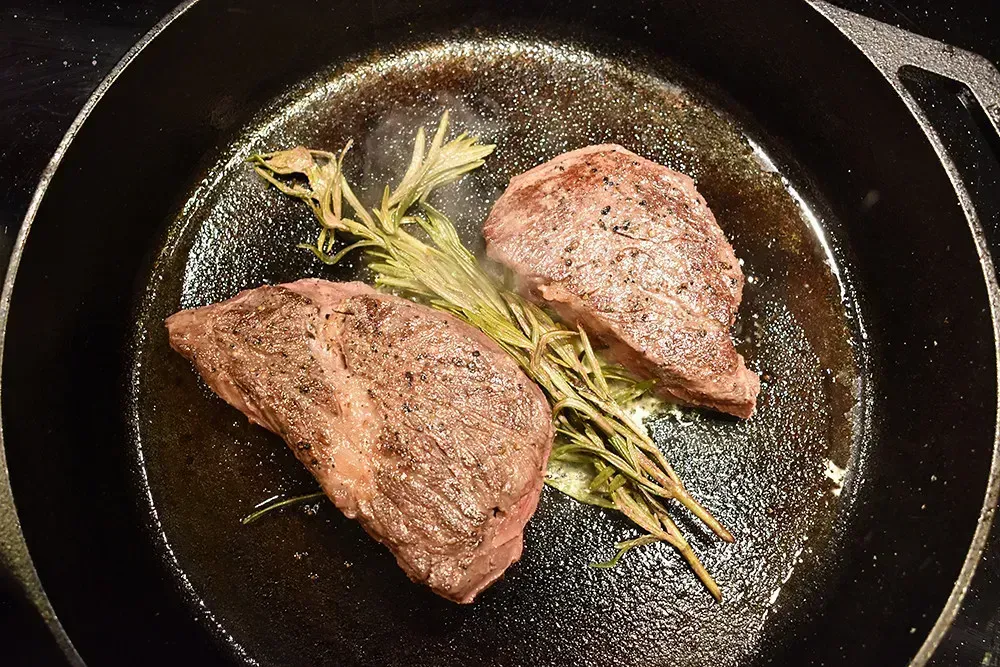
Adding the meat to a cold pan might not seem that sinful, because it’s going to heat up eventually, right? Unfortunately, this technique will likely leave the beef looking disappointingly gray and watery. The Maillard reaction occurs when proteins and sugars in the meat react, deepening its color, flavor, and aroma. However, this reaction only takes place under high heat at a minimum temperature of two hundred eighty degrees Fahrenheit.
Many chefs make the mistake of not preheating oil in their pans or ovens before starting the cooking process. When you fail to preheat the pan, you compromise the texture and doneness of the oil and your ingredients. Starting with a cold pan means your food sits there slowly warming up instead of getting that immediate sear that locks in flavor.
Here’s a simple test. Heat your pan, add a drop of water, and if it sizzles and evaporates almost instantly, you’re good to go. If it just sits there like a sad puddle, keep waiting. Patience at this stage pays off massively.
Flipping and Moving Food Around Constantly in the Pan
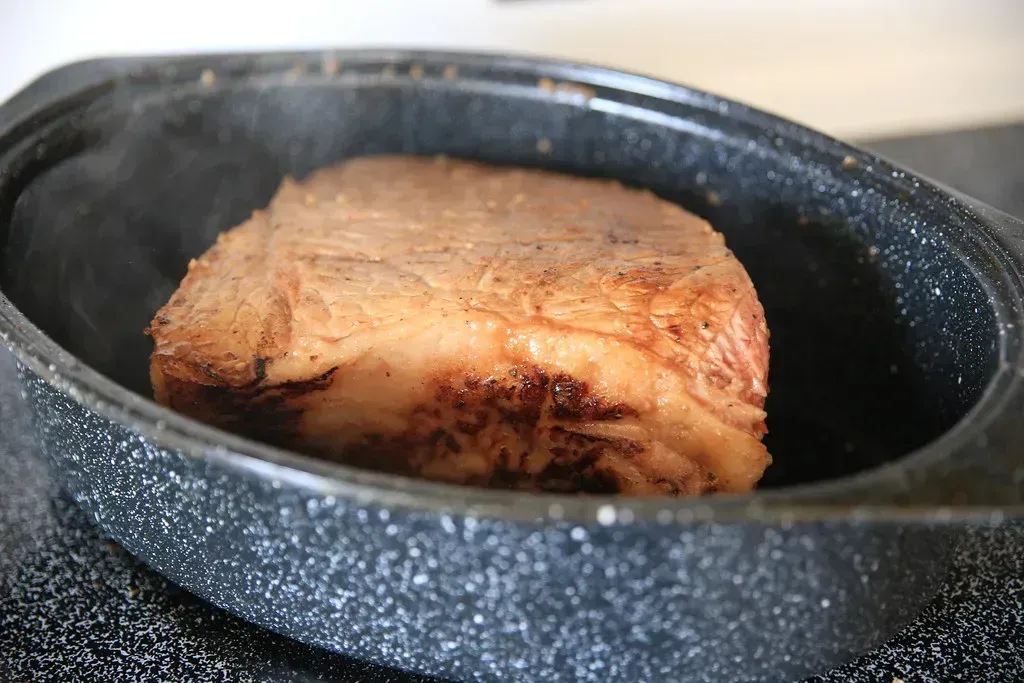
If you want to brown meat, let it sit in the pan until it releases which it will do when a crust forms. When meat is ready to be turned, it tells you. If we wait a minute or two, it’ll be brown, it’ll release because the brown surface is slick, and then you turn it. Stop fussing with your food like a helicopter parent. Let it be.
The urge to poke, prod, and flip is strong, but it ruins the crust. When you constantly move things around, you prevent that Maillard reaction from happening. Resist the urge to move the meat around while it’s searing. Let it sit undisturbed to develop a proper crust. Trust the process and leave it alone.
I know it sounds crazy, but you’ll get far better results by doing less. Place your protein in the pan, walk away for a minute or two, and only flip once. Your steak will thank you with a restaurant quality crust.
Tasting Food Only at the Very End
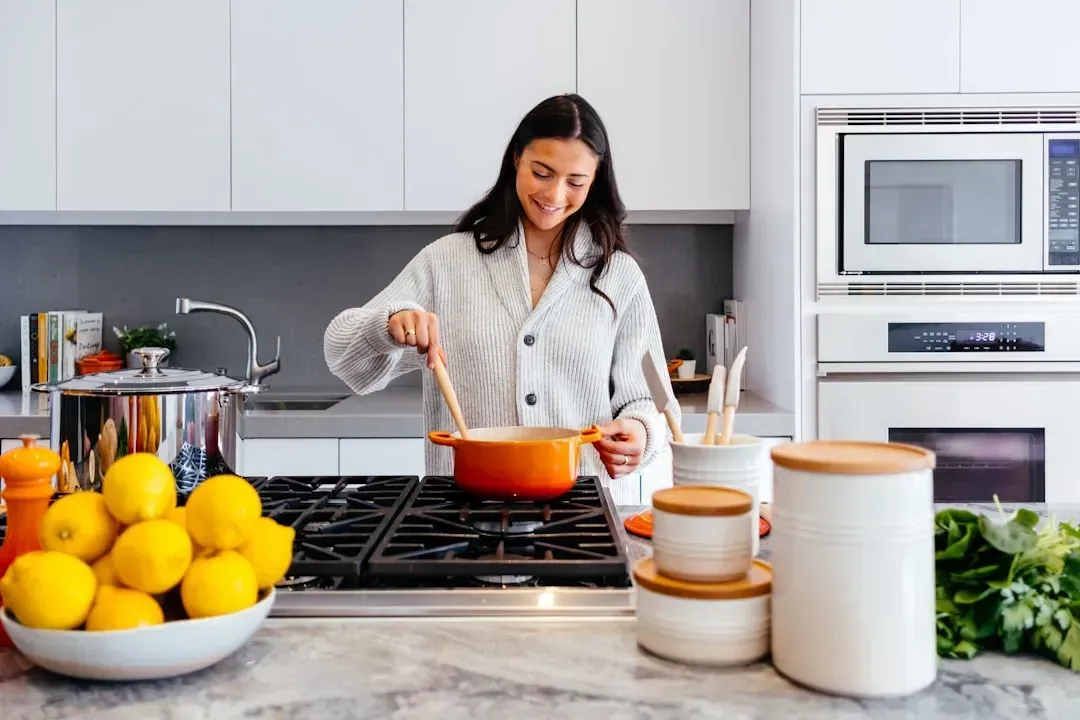
The most common mistake is probably not tasting the food as you cook. Neglecting to taste the food throughout the cooking process can lead to dishes being under seasoned, over seasoned, or lacking in flavor balance. Tasting allows you to identify any adjustments that need to be made and ensures that the final dish is delicious and well balanced. How are you supposed to know if something needs more salt, acid, or spice if you never taste it?
The only way to ensure that the dish tastes good is to taste it yourself all along. Adding a bunch of spices and salt to the dish at the beginning but not tasting it until it is thoroughly cooked will only result in a waste of time and all your efforts. Therefore, season a little bit at a time, and taste your dish after every addition. It’s that simple.
Cooking isn’t a set it and forget it process. You need to be actively engaged and adjusting as you go. Keep a spoon nearby, take little tastes, and make corrections before it’s too late. By the time food hits the plate, it should already be perfect.
Ignoring the Importance of Acid and Brightness
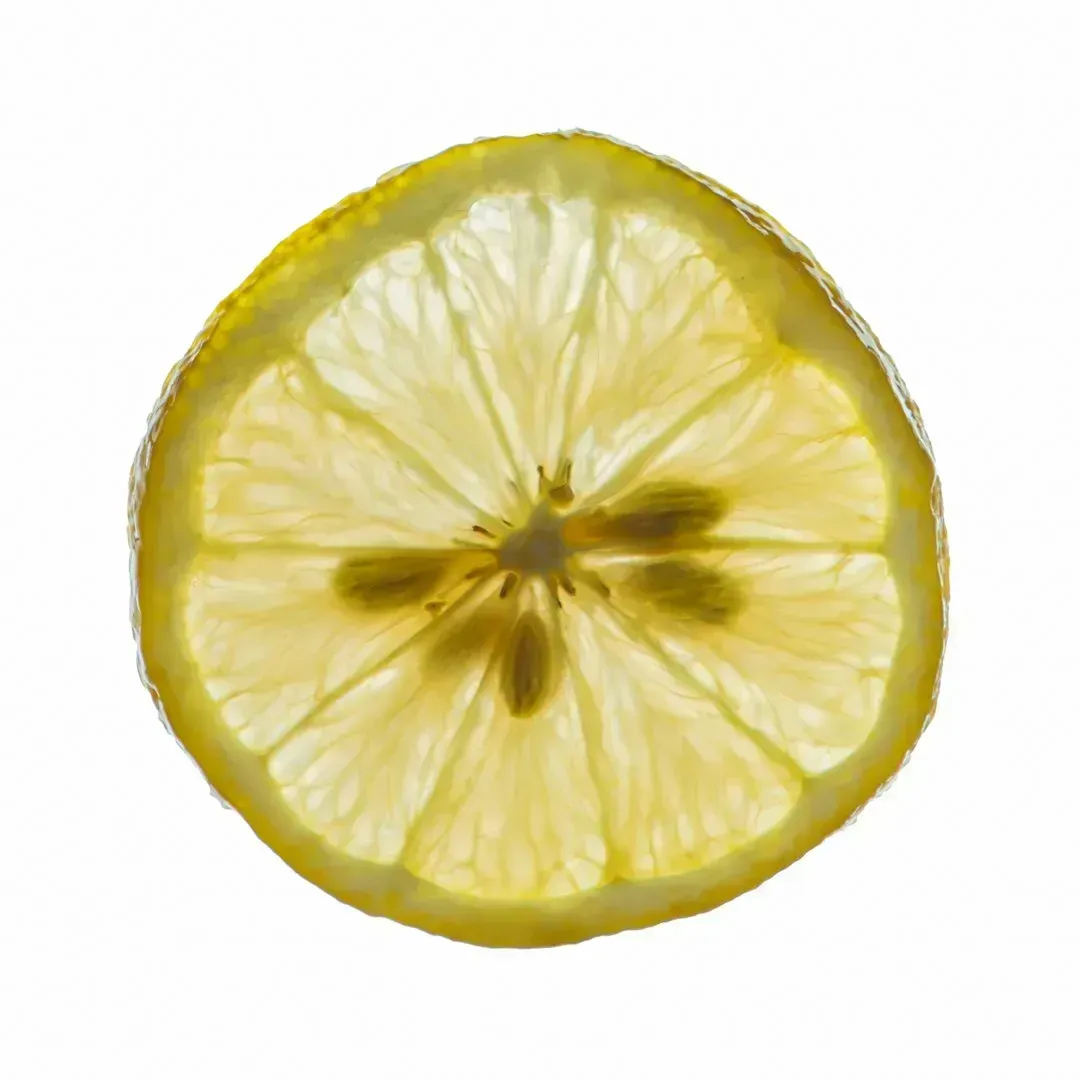
Add an acid when you feel like the salt isn’t helping. You are probably missing acidity. Citrus, vinegar, tomato sauce. Salt gets all the glory, but acid is the unsung hero of balanced flavor. Without it, food tastes heavy and one dimensional.
Cold foods, like salads, ceviche, or chilled pasta, benefit from brighter, sharper seasonings like citrus, vinegar, fresh herbs, and high quality oils. Without them, cold dishes can taste dull and muted. A squeeze of lemon or a splash of vinegar at the end can completely transform a dish from boring to vibrant. It wakes up your taste buds and makes everything pop.
Think of acid like the final piece of a puzzle. You might not realize what’s missing until you add it, and then suddenly everything clicks into place. Keep a lemon, lime, or bottle of good vinegar within arm’s reach while you cook.
Using Dull Knives and Poor Cutting Techniques
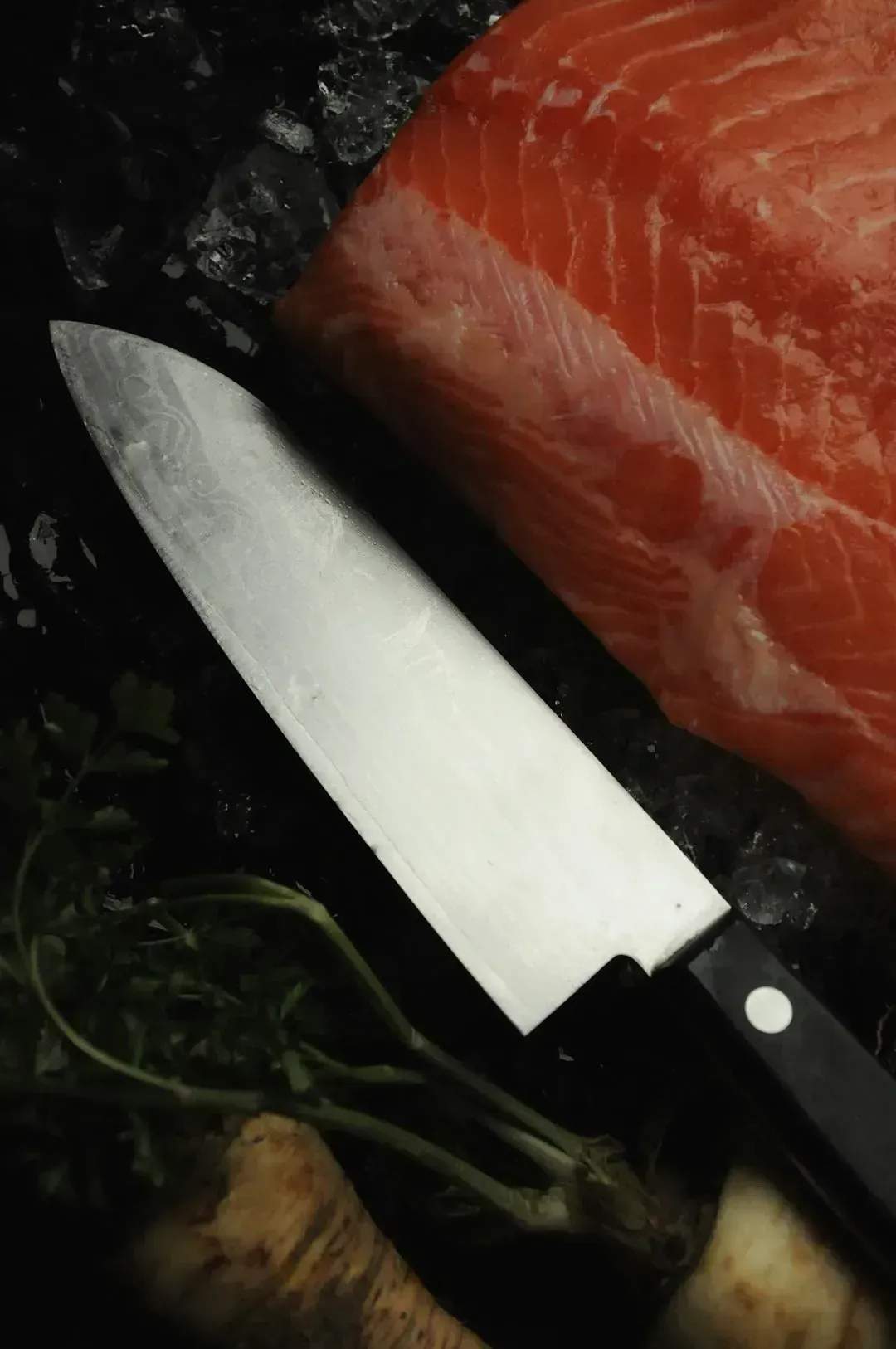
Knife skills are essential in the culinary arts, yet many chefs overlook their importance and use dull knives. A dull knife is not only frustrating, it’s dangerous. You end up applying more pressure, and that’s when accidents happen. Plus, it tears and crushes your ingredients instead of making clean cuts.
Sharp knives give you better control and cleaner cuts, which means your vegetables cook more evenly and your herbs release their oils properly instead of getting bruised and bitter. It’s hard to say for sure, but I think the difference between a pro and a home cook often comes down to knife work. Chefs respect their blades.
Invest in a decent knife sharpener or take your knives to get professionally sharpened a few times a year. Learn how to hold your knife properly and practice your cuts. It makes cooking faster, safer, and way more enjoyable.
Forgetting to Let Meat Rest After Cooking
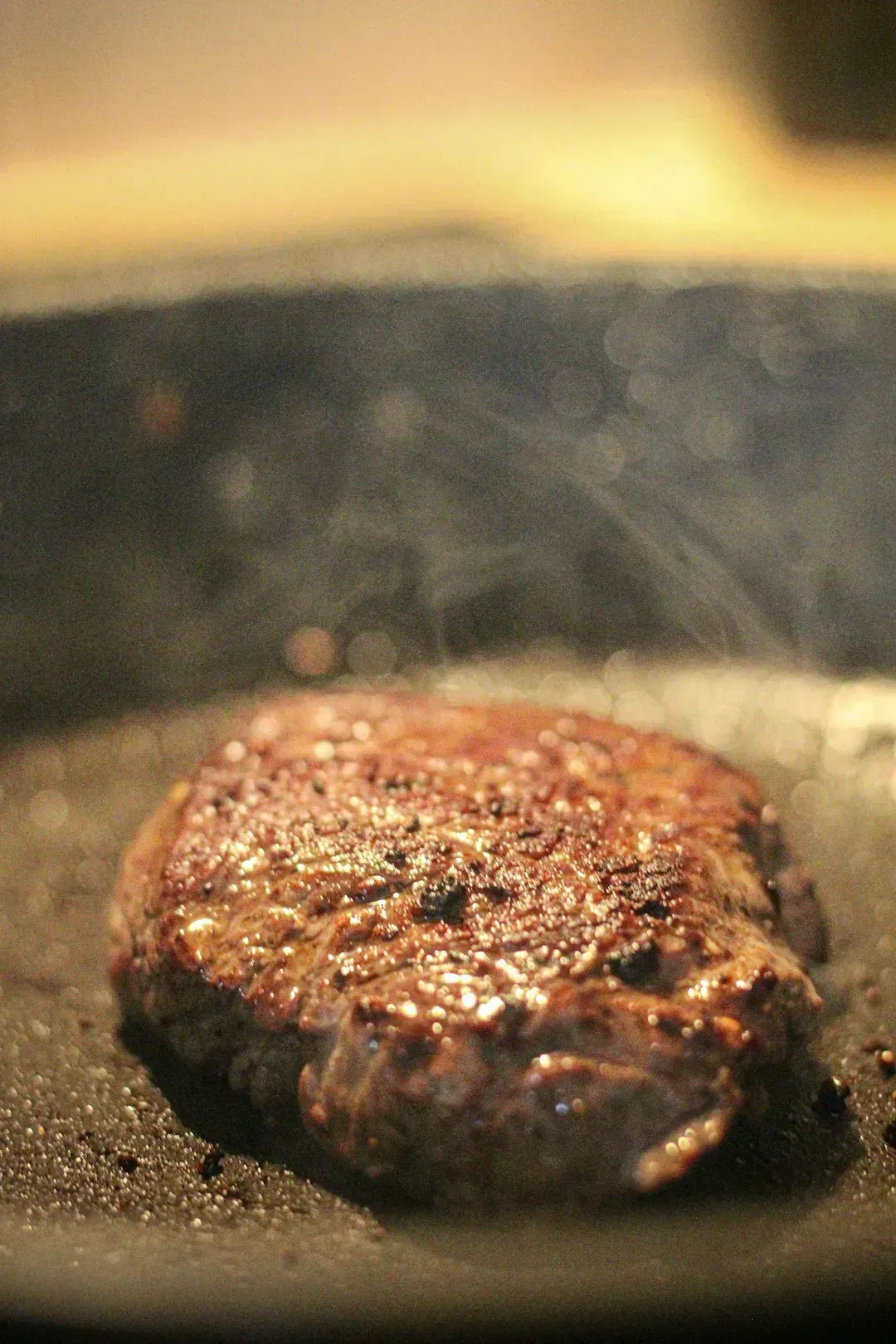
Never rests the meat. Steak goes from the pan straight onto the plate and is cut. Bleeding merrily all over the sauce. This habit drives chefs up the wall. When you cut into meat immediately after cooking, all those beautiful juices run out onto the plate instead of staying in the meat where they belong.
Resting allows the muscle fibers to relax and reabsorb moisture. For a steak, roughly five to ten minutes under a loose foil tent is all you need. For a roast chicken or large piece of meat, give it fifteen to twenty minutes. Rest and cut across the grain. It makes the meat seem much more tender.
I’ll admit, it takes willpower to wait when your steak is sitting there looking perfect. The aroma is incredible, and you’re starving. Still, patience pays off with tender, juicy meat instead of a dry, disappointing bite. Trust me on this one.