8 Commonly Sold “Health Foods” Nutritionists Are Now Telling People to Avoid
Walking through the grocery store today feels like navigating a minefield of misleading labels and deceptive packaging. Foods marketed as wholesome choices line the shelves, promising vitality and wellness with every bite. Yet the reality hiding behind those colorful wrappers often tells a starkly different story.
Nutritionists and dietitians are now speaking up about supposedly healthy foods that might actually be sabotaging your wellness goals. The gap between clever marketing and nutritional truth has never been wider, leaving even well-intentioned shoppers confused about what truly belongs in their carts.
Ultra-Processed Protein Bars
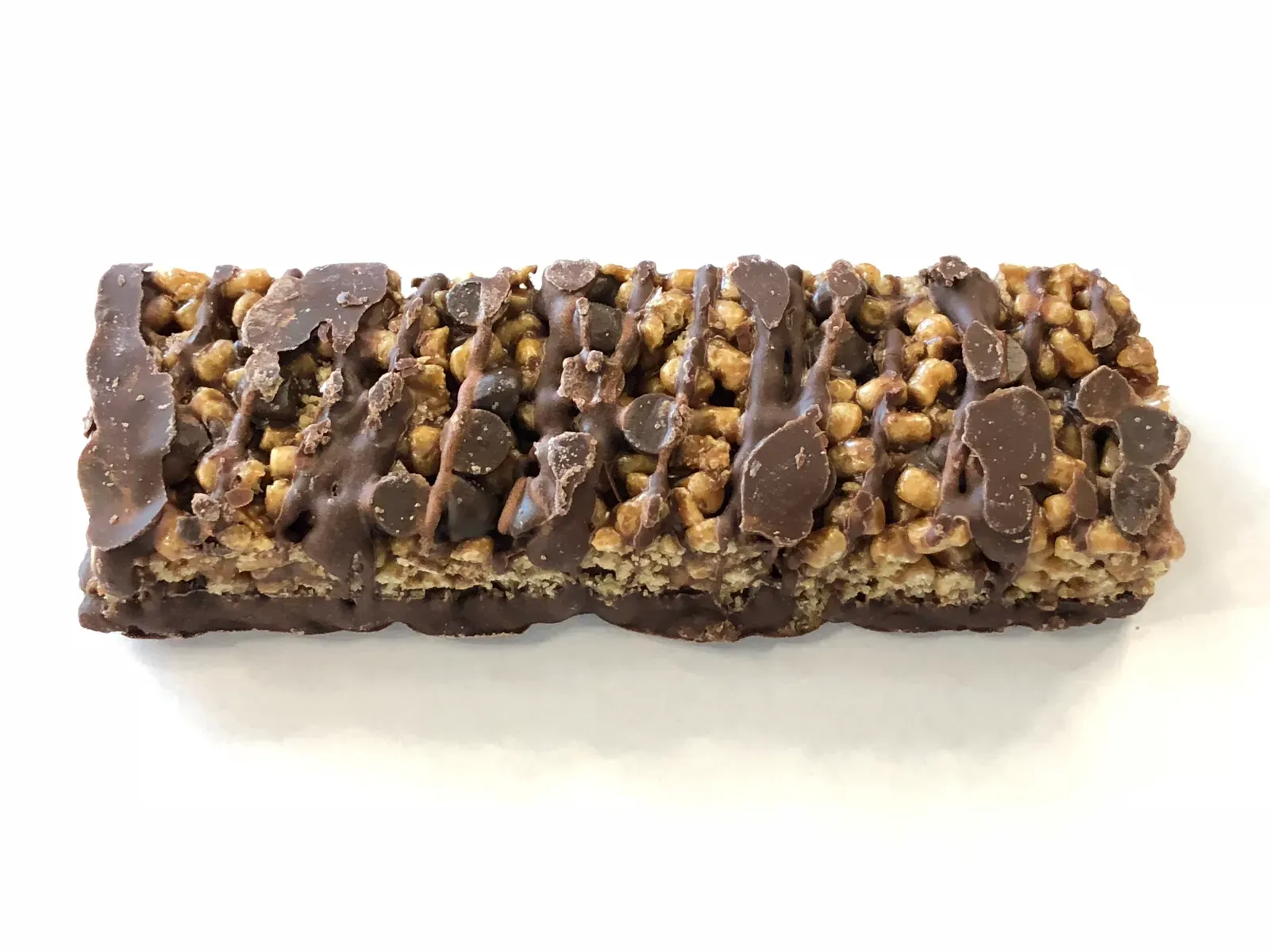
Nutritionists are calling for ultra-processed protein bars and shakes to be left behind, especially those loaded with artificial sweeteners and inflammatory ingredients. What’s marketed as a convenient post-workout snack often resembles candy more than a balanced protein source. Many bars sold today contain large amounts of ultra-processed ingredients, artificial sweeteners and added sugars.
The protein bar industry has ballooned into a massive market, yet some protein bars masquerade as “healthy,” despite containing the calories of a candy bar. Many brands contain added sugars, artificial sweeteners, such as high-fructose corn syrup, and fatty oils like canola or palm that keep the bar from falling apart. Even more concerning, these sweeteners have been linked to an abundance of health harms, including fatty liver syndrome, insulin resistance and diabetes.
Dietitian Mindy Haar notes that protein powders, bars or supplements are unnecessary for most people and go “beyond what the body needs”. Think about it this way: if you’re already eating a well-balanced diet, adding these heavily processed bars might just be expensive overkill. Emulsifiers in protein bars can damage the gut lining, cause inflammation, and increase gut permeability, leading to a condition commonly known as ‘leaky gut’.
Flavored Yogurt
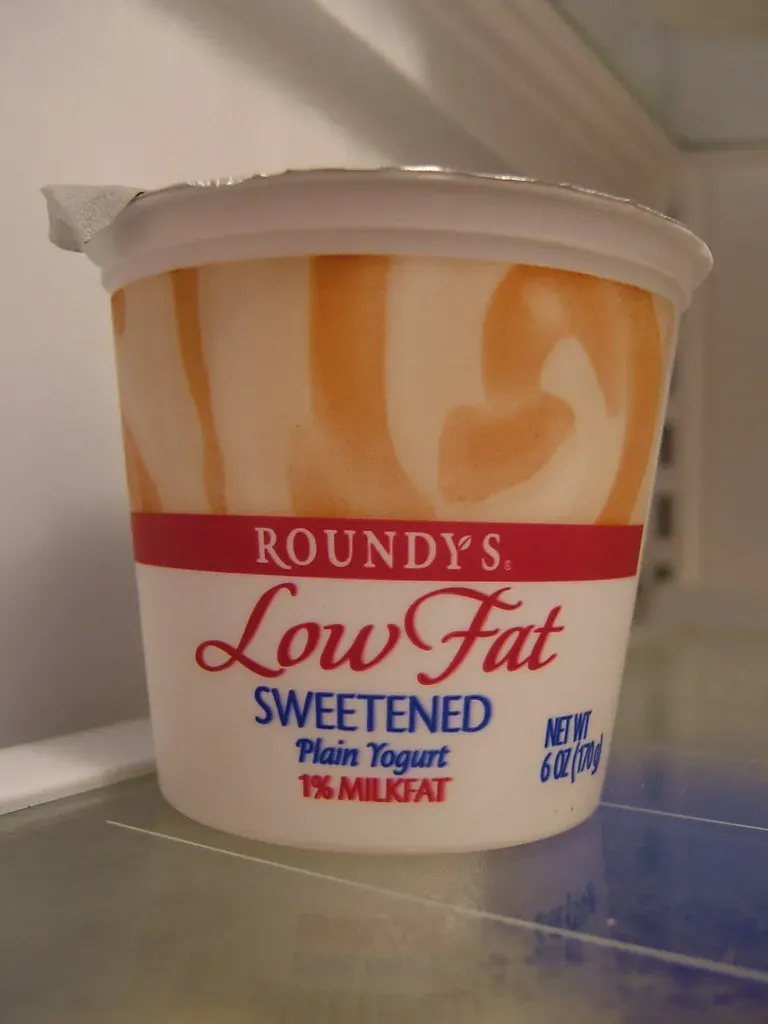
Yogurt seems like the quintessential healthy snack, right? It’s packed with probiotics, calcium, and protein. Yet when you reach for that fruity, dessert-flavored variety, you might as well be eating a bowl of ice cream. Research surveyed over 900 yogurts and found that the average amount of sugar across yogurt categories was well above 10 grams per 100 gram serving.
Here’s what really shocked researchers: organic yogurts were some of the sweetest of all, with median sugar content of 13.1 grams per 100 gram serving, and some brands had almost 17 grams. Most fruit yogurts have about 26 grams of sugar while plain yogurts only have 8 grams, all of which are naturally occurring from lactose in the plain versions.
Consumers may get around 25 percent or more of the WHO’s recommended daily sugar limit for adults from just one serving of yogurt. The problem is that people rarely realize they’re consuming what amounts to dessert disguised as breakfast. In comparison to plain yogurt, flavoured yogurt can contain up to 22g per 100g of carbohydrates, 15g of which is from added sugar. That single container could be undermining your entire day of healthy eating.
Granola Bars
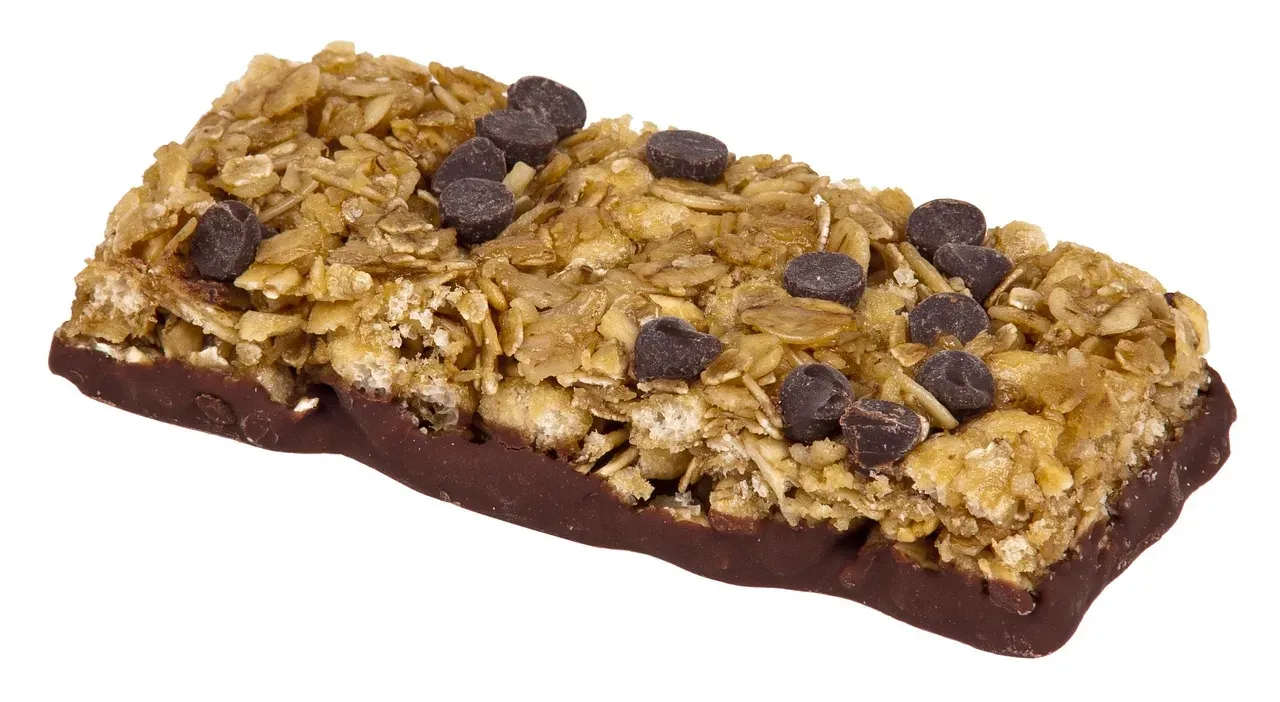
Those convenient rectangular packages tucked into lunch boxes everywhere? They’re not doing kids any favors. Most granola bars have well over 10 grams of added sugar per serving. Most commercial granola bars contain between 8-12 grams of added sugar per small serving – nearly half the American Heart Association’s daily recommended limit for women.
What makes this particularly sneaky is the health halo surrounding granola bars. The packaging features mountains, wholesome oats, and nature imagery that screams nutrition. Despite containing oats, the average granola bar offers just 1-2 grams of fiber – far below the 5+ grams that would justify “high fiber” health claims. That minimal fiber fails to provide satiety or slow sugar absorption.
When comparing nutritional breakdowns, granola bars and cookies have similar amounts of total sugar. Some varieties marketed to children pack even more sweetness than treats we’d never dream of sending to school. I think we’ve been sold a myth about these bars being anything other than portable candy.
Energy Drinks
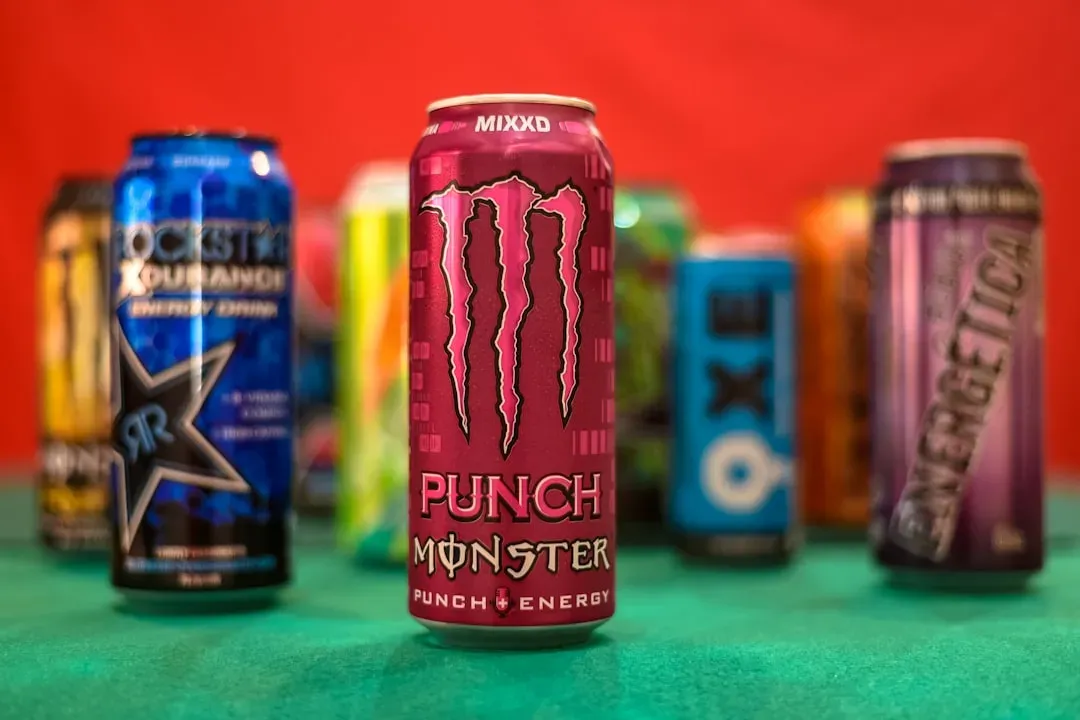
Energy drinks are generally best to avoid, due to high caffeine, sugar and artificial ingredients, which can impact heart health and sleep. Nutritionists agree these beverages promise a quick energy boost but deliver a crash soon after, containing “a lot of chemicals and not much real nutrition”.
The appeal is obvious when you’re dragging through an afternoon slump or need a pre-workout jolt. Still, what you’re really getting is a cocktail of stimulants, sweeteners, and additives that can wreak havoc on your cardiovascular system. Think about what roughly 150 to 300 milligrams of caffeine combined with massive sugar loads does to your body.
Even the sugar-free versions aren’t a safe alternative. They simply swap one problematic ingredient for another by loading up on artificial sweeteners that come with their own set of concerns. Your heart, your sleep cycle, and your long-term health all pay the price for that temporary energy spike.
Diet Soda
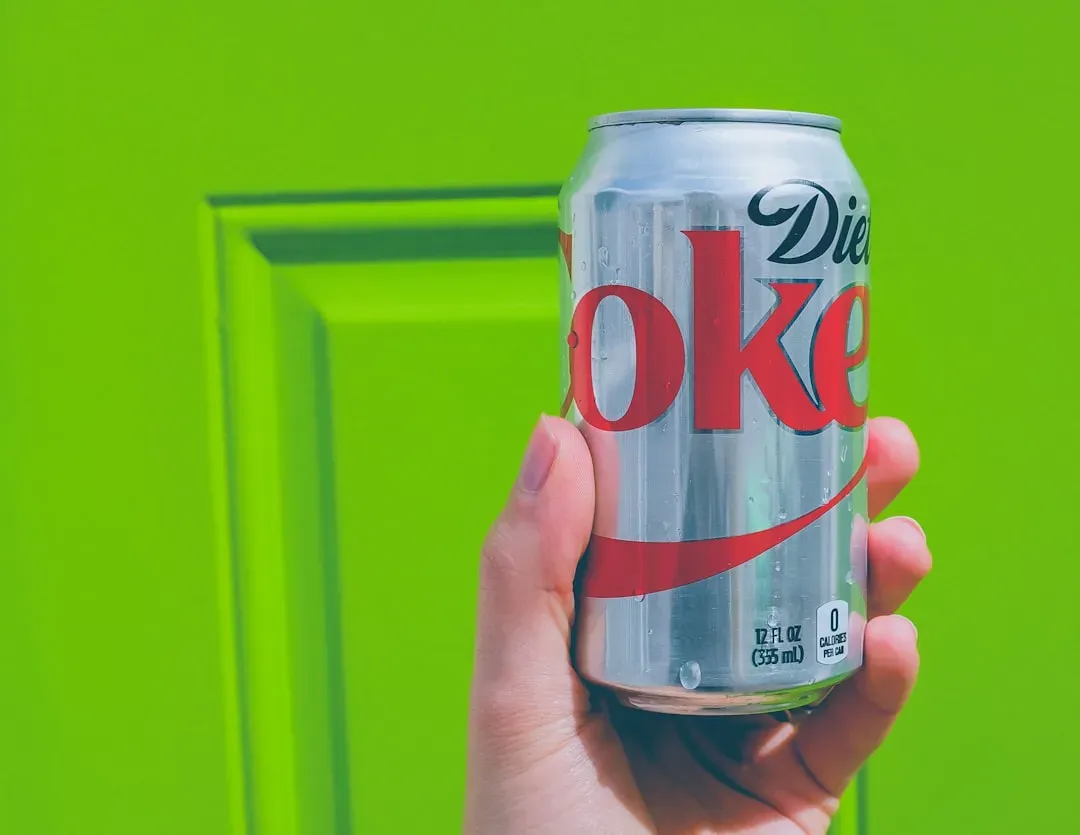
Regular soda is problematic for its high sugar content and diet soda for artificial sweeteners that can affect metabolism. One registered dietitian cut out diet soda over ten years ago, concluding she didn’t need a dose of artificial ingredients on a daily basis.
The zero-calorie promise sounds too good to be true because it is. The same Harvard study that found an association between depression and ultra-processed foods found a similar association between depression and artificial sweeteners. Supplements are largely exempt from Food and Drug Administration regulations, meaning ingredients might contain more or less than promised or other ingredients not listed, potentially causing harms such as liver toxicity.
Let’s be honest, if your taste buds crave sweetness, artificially sweetened beverages just keep that craving alive rather than helping you break free from it. Water, herbal tea, or naturally flavored options serve you far better than these chemical-laden substitutes.
Reduced-Fat Peanut Butter

Many clients are surprised to hear that most reduced-fat peanut butter is not necessarily a healthier version of regular peanut butter. When manufacturers remove fat, they typically replace it with something else to maintain texture and flavor. That something else is usually sugar or other additives you don’t need.
The natural fats in regular peanut butter provide satiety and help your body absorb fat-soluble vitamins. Removing those fats doesn’t make the product healthier; it makes it less satisfying and often higher in refined carbohydrates. You end up eating more to feel full, defeating the entire purpose of choosing a lower-fat option.
Full-fat peanut butter made with just peanuts (and maybe salt) provides protein, healthy fats, and actual nutrition. The reduced-fat version offers a lesson in food industry manipulation, showing how “health” claims often mask inferior products.
Foods With “Natural Flavors”
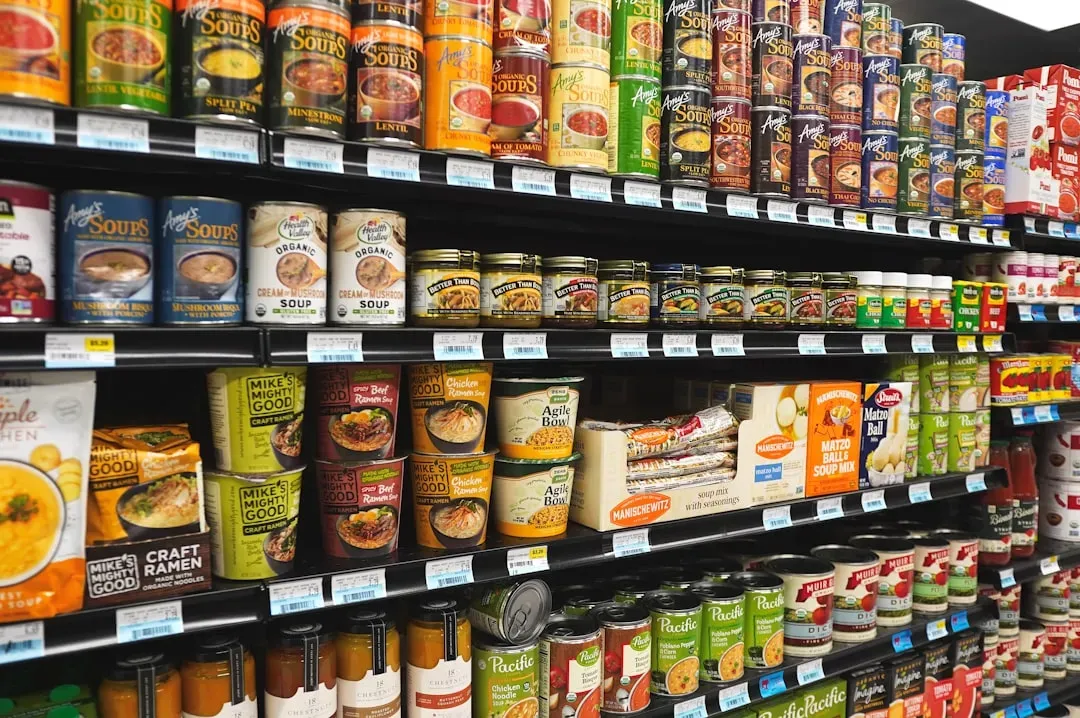
Food products with the words “natural flavors” in their ingredient’s lists should be avoided, according to nutritionists. This vague term sounds wholesome and reassuring, yet it’s one of the food industry’s cleverest tricks. Natural flavors can include hundreds of chemical compounds derived from natural sources but processed beyond recognition.
Pseudoscientific claims use just enough scientific jargon to sound believable, with supplements claiming to “boost immunity” often listing ingredients such as adaptogens and superfoods – terms that actually don’t mean anything in science and are created by the wellness industry to sell products. The same principle applies to natural flavors. They sound like they came straight from a farm, when really they were synthesized in a laboratory.
Reading labels becomes crucial here. If you can’t pronounce the ingredients or wouldn’t find them in your own kitchen, that product probably isn’t as natural as the marketing wants you to believe. Real food doesn’t need flavor enhancement because it already tastes like something.
Highly Processed Foods With Long Ingredient Lists

Nutritional therapist Alli Godbold emphasizes that all ultra-processed foods should be avoided: anything with a long list of additives such as E-numbers, stabilizers, preservatives, thickeners – none of which are contained in fresh foods and make processed foods far less nutritious and potentially harmful to gut microbes. The 2025-2030 Dietary Guidelines now call out a broader category of “highly processed foods,” recommending avoiding sugar-sweetened beverages as well as salty or sweet packaged snacks and ready-to-eat foods.
Thickeners are added to food to improve texture but can cause gut inflammation, bloating, and gas and lead to the development of various inflammatory illnesses when consumed daily. These additives accumulate in your body over time, creating low-grade inflammation that contributes to chronic disease.
A simple rule works wonders: if the ingredient list reads like a chemistry experiment, put it back on the shelf. Your great-grandmother wouldn’t recognize most of these substances as food, and neither should you. Whole foods with short ingredient lists – or better yet, no ingredient lists at all – should fill most of your cart.
The biggest revelation here isn’t about individual foods being good or bad. It’s about recognizing how aggressively the food industry markets unhealthy products as wellness solutions. Your best defense is skepticism, label literacy, and a preference for whole foods over processed alternatives. Once you start seeing through the marketing fog, making truly healthy choices becomes surprisingly straightforward. What will you take off your shopping list this week?