The Forbidden Soil: 5 Items You’re Not Legally Allowed to Purchase
Kinder Surprise Eggs: The Chocolate Contraband

A U.S. Customs and Border Protection spokesperson stated in 2023 that Kinder eggs are prohibited just like narcotics are prohibited. It sounds ridiculous, honestly. These colorful chocolate eggs are beloved across Europe and South America, where children shake them excitedly to guess what toy might be hiding inside the creamy chocolate shell. Kinder Surprise Eggs have been banned in the United States for decades, dating back to the Food, Drug, and Cosmetic Act of 1938, which prohibits the sale of any candy that contains a non-nutritive object. The primary reason for this ban is the choking hazard posed by the small toy inside the chocolate egg.
In January 2011, the US Customs and Border Protection threatened a Manitoba resident with a 300 Canadian dollar fine for carrying one egg across the US border, and in June 2012 border guards detained two Seattle men for two and a half hours after discovering six Kinder Surprise eggs in their car, with one guard quoting a potential fine as two thousand five hundred dollars per egg. The enforcement is serious. In 2017, Ferrero introduced Kinder Joy in the U.S. market, a variation that complies with FDA regulations by separating the toy from the edible portion, ensuring that the toy is not embedded in the candy.
Raw Milk: The Dairy Debate
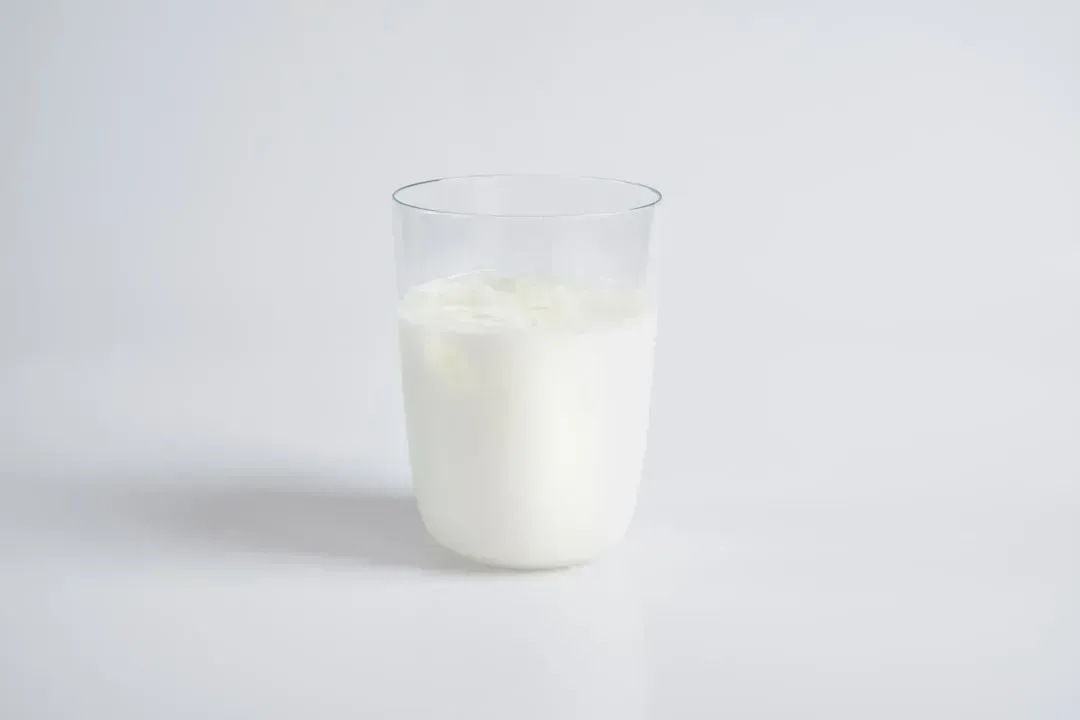
In 1987, a FDA regulation mandated that all milk sold in interstate commerce must be pasteurized, effectively banning the selling of raw milk from state to state. Raw milk is milk that hasn’t gone through the bacteria-killing process of pasteurization. Here’s the thing: the regulations are wildly different depending on where you stand. Currently, eighteen states outright ban the sale of raw milk, while 32 allow its sale when certain conditions are met, and so far in 2025, three states have enacted laws to update their regulation of raw milk: Arkansas, Utah, and North Dakota.
Only eight states, California, Maine, New Hampshire, New Mexico, Pennsylvania, South Carolina, Utah, and Washington, allow unrestricted retail sale of raw milk, making this the least regulatory regime where raw milk is readily accessible. A few states, such as Hawaii, Louisiana, Nevada, and Rhode Island, prohibit the sale and distribution of raw milk for human consumption. The complexity doesn’t end there. The interstate trade in raw milk is illegal because of the risk of serious illness, yet in many places raw milk is being transported across state lines and openly sold.
Haggis: Scotland’s Forbidden Delicacy
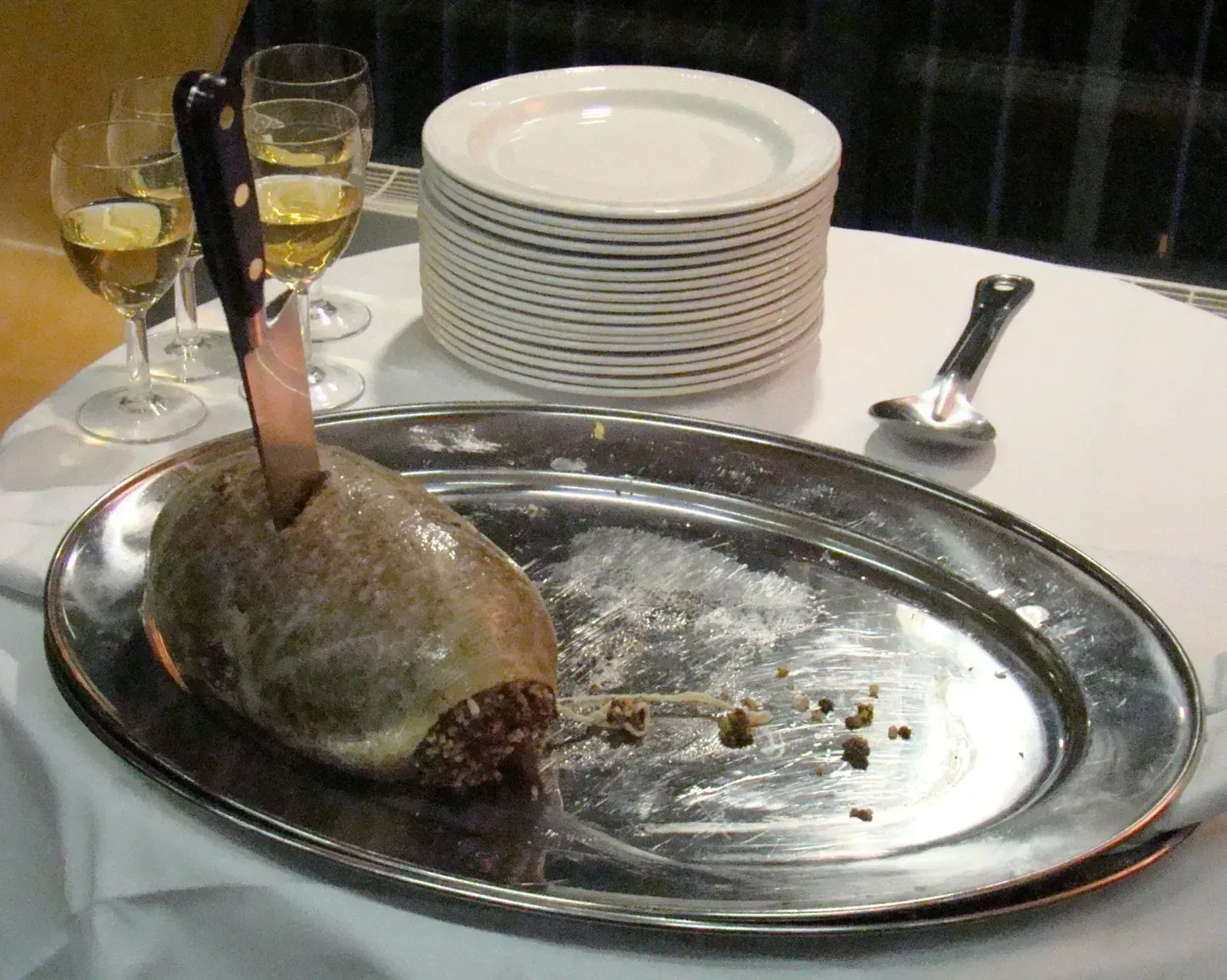
It has long been illegal to import haggis from its ancestral home of Scotland, and Americans have been forbidden by law from making dishes that include sheep lungs since 1971. This savory pudding is Scotland’s national dish, a celebrated combination of organ meats traditionally boiled inside a sheep’s stomach. American regulations forbid the eating of lungs from any livestock, stemming from side effects caused by the slaughtering of these animals.
Fluids from other parts of the body, like stomach acids, end up trapped in the lungs due to an acid-reflux-like reaction, and livestock lungs also have a larger presence of microorganisms and environmental toxins than other organs. In 1971, the U.S. Department of Agriculture ruled animal lungs unfit for human consumption, but Scotland’s largest haggis producer is hoping it has found a way to circumvent the ban. Although representatives from Great Britain have been urging U.S. officials to lift the import ban on haggis since at least 2014, it was only in December 2021 that the Biden Administration actually did so. Yet the ban on lung meat itself remains firmly in place.
Shark Fins: Protecting Ocean Predators

Shark fin soup is a delicacy in China, but the U.S. bans the sale of shark fins, as ethical questions about the practice of shark finning have led to a federal ban. The practice of shark finning is brutal. Fishermen catch sharks, slice off their fins, and toss the still-living animals back into the ocean where they sink and die. The Shark Fin Sales Elimination Act, which makes it illegal to possess, buy, or sell shark fins (except dogfish fins) in the U.S., was introduced in January 2019 and signed into law in December 2022 as part of the National Defense Authorization Act.
This legislation came after years of conservation efforts. Sharks play a crucial role in marine ecosystems, and their populations have been decimated by overfishing. The law represents a commitment to protecting endangered species and preventing the cruelty associated with finning practices. What was once served at expensive banquets is now completely off limits in American markets, regardless of where the fins originated.
Certain Unpasteurized Cheeses: The Milk Mystery
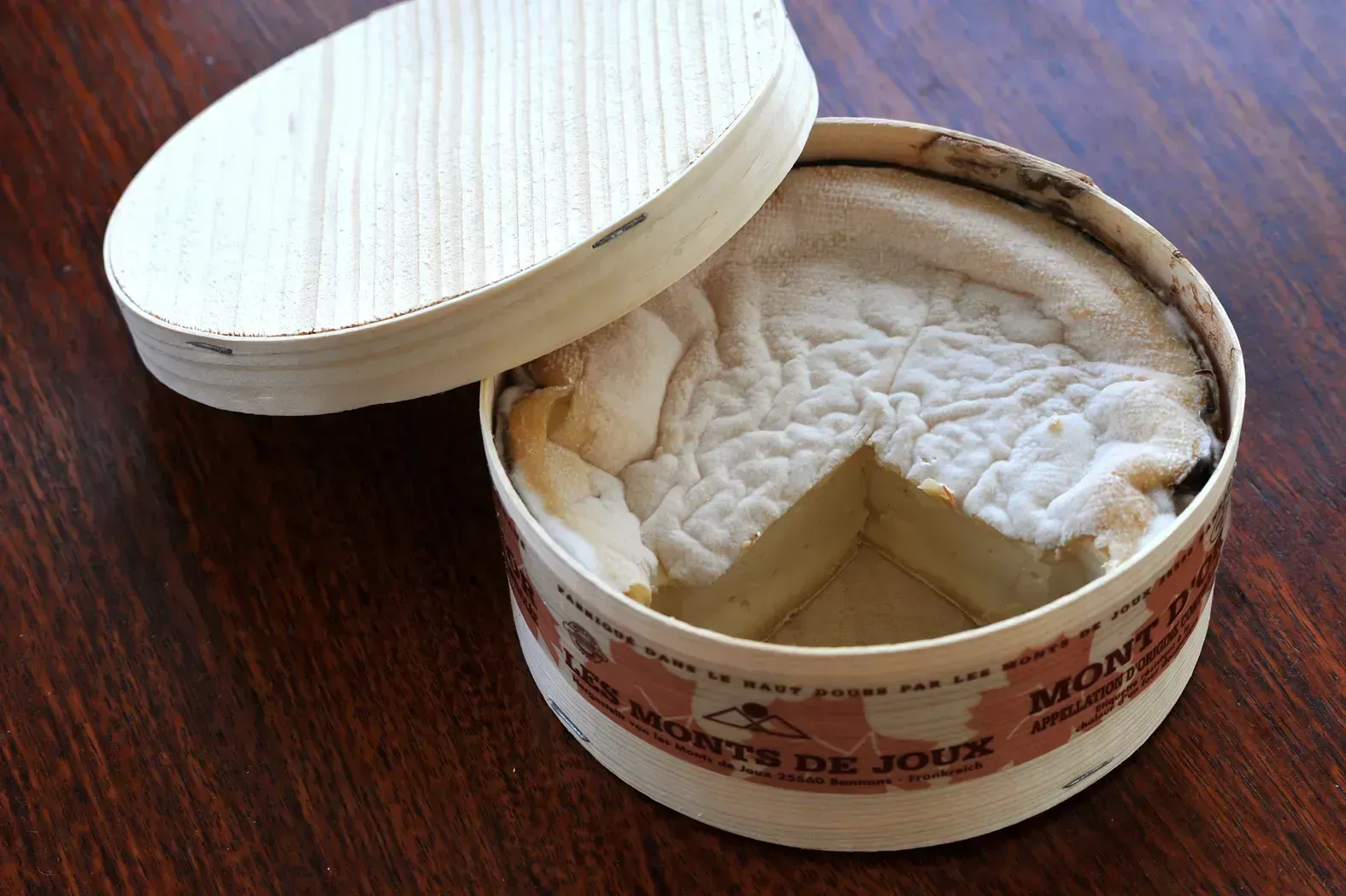
Mont d’Or, a French cheese only made once a year between August 15 and March 15, cannot be sold in the United States because it’s made with unpasteurized milk. The FDA has strict rules about unpasteurized dairy products. It’s not just one cheese either. Numerous artisanal European cheeses face the same fate because traditional cheesemaking relies on raw milk to develop complex flavors that pasteurization destroys.
A cheese connoisseur chef stated that by French AOC certification law, Mont d’Or cannot be made from pasteurized milk, so it can never be allowed in the United States, and it’s been described as the white truffle of all cheeses. Casu marzu, a cheese made from sheep’s milk and crawling with live maggots, which the Guinness World Records dubbed the world’s most dangerous cheese, is also banned in the European Union, a decision challenged as recently as 2023. The irony is that many of these banned cheeses have been consumed safely for centuries in their countries of origin, yet American regulations prioritize different safety standards.
Laws governing what we can and cannot purchase reveal fascinating tensions between consumer freedom, public safety, and cultural traditions. Some prohibitions make perfect sense from a health perspective. Others seem to prioritize caution over culinary adventure. The regulations continue to evolve as governments balance competing interests, from protecting endangered species to preventing foodborne illness. What’s clear is that forbidden doesn’t always mean dangerous, and legal doesn’t guarantee safety. The landscape of banned products reflects our society’s ever-changing values and priorities. Which of these surprised you most?