5 Neighborhoods Across the U.S. That Locals Say Tourists Should Avoid
Every city has its contrasts. Gleaming downtowns sit blocks away from areas where poverty, crime, and decay dominate the landscape. While official tourism boards rarely talk about these pockets, locals know better. They know which streets to skip, which neighborhoods to avoid after dark, and which areas just aren’t worth the risk. Here’s the thing: avoiding these spots isn’t about judging communities or their residents. It’s about staying safe and making smart choices when you’re unfamiliar with a place.
We dug into the latest crime data, local reports, and resident testimonials to identify five neighborhoods that consistently appear on warning lists. These aren’t just statistically rough areas. They’re places where visitors frequently find themselves in uncomfortable or dangerous situations.
Cherry Hill, Baltimore, Maryland
Cherry Hill in Baltimore hosts the city’s largest public housing project and has a crime rate nearly three times higher than the Maryland state average, with gang activity, violent crime, and drug trafficking being widespread problems. The chance of becoming a victim of crime in Cherry Hill is roughly one in thirteen, according to recent FBI data released in 2024. That’s an alarming statistic for any neighborhood, let alone one tourists might accidentally wander into while exploring Baltimore’s waterfront areas.
While Baltimore has seen significant improvements overall, with homicides dropping from 335 in 2020 to around 201 in 2024, and nonfatal shootings down by more than forty percent, Cherry Hill remains stubbornly dangerous. Locals describe an area plagued by abandoned homes damaged by fires, limited economic opportunities, and persistent poverty. Though the neighborhood sits just across the water from Baltimore’s tourist-friendly Inner Harbor, the contrast couldn’t be more stark. If you’re visiting Baltimore’s famous aquarium or historic sites, keep your explorations confined to the well-traveled tourist zones and avoid venturing south into Cherry Hill.
Kensington, Philadelphia, Pennsylvania
Let’s be real: Kensington has earned a reputation as one of America’s most troubling neighborhoods. Since 1970, Kensington has hosted one of the world’s largest open-air drug markets, fueling violence and crime throughout the area and creating what’s now estimated to be over a billion dollar drug market selling heroin, fentanyl, and other hard drugs. There are more drugs, guns, and crimes along Kensington Avenue than any other street in Philadelphia, according to local police data.
This roughly two square kilometer area has become the largest narcotics market in the United States, invaded by drug addicts and dealers who wage war among themselves. The visual reality is disturbing: people openly using drugs on sidewalks, abandoned factories converted into havens for illegal activity, and an atmosphere of lawlessness that’s hard to ignore. In 2024, Mayor Cherelle Parker made cleaning up Kensington a top priority, implementing a 100-day plan involving outreach teams offering housing and support services. Still, progress remains slow. Tourists have zero reason to visit Kensington. There are no attractions, no historic sites worth the risk, and locals themselves warn against walking through the area even during daylight hours.
South Side, Chicago, Illinois
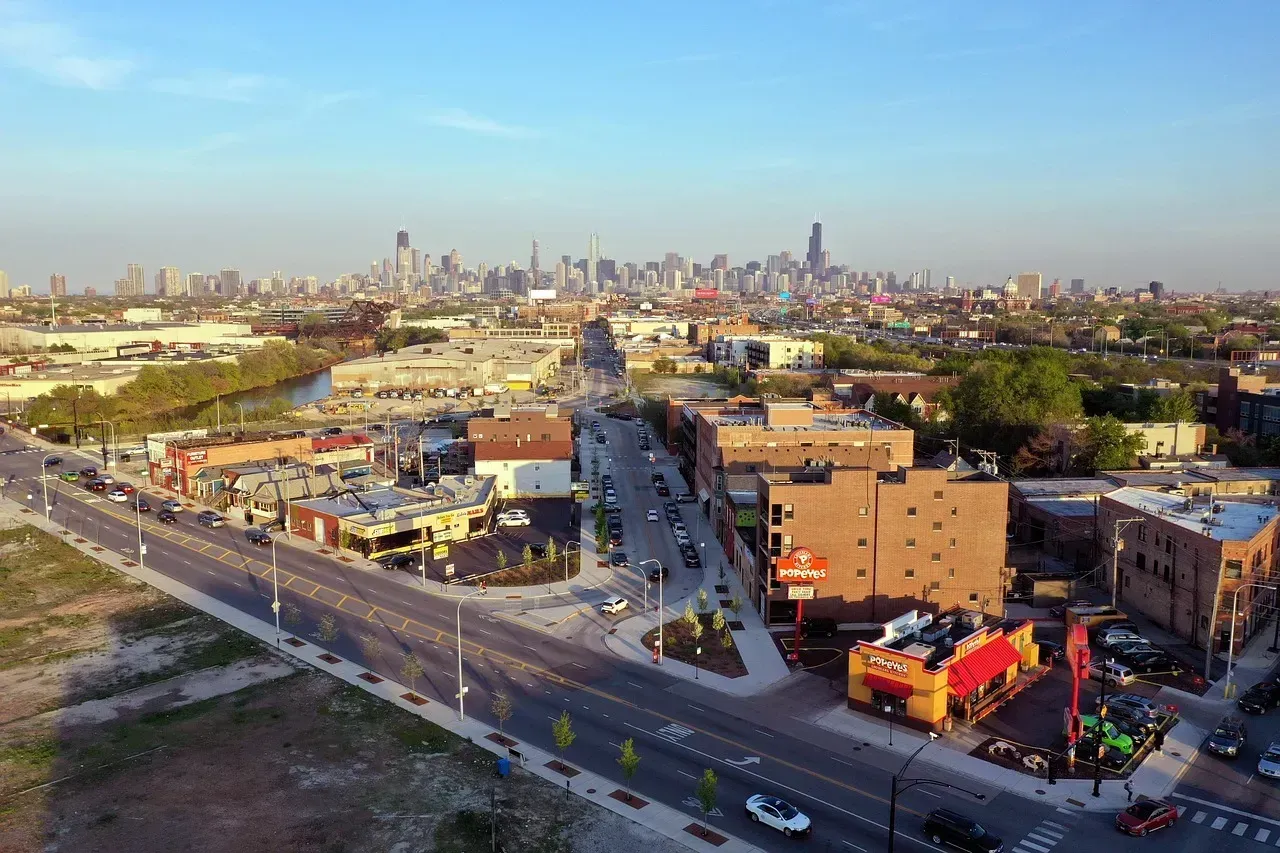
The South Side of Chicago is notorious for its high crime rates and impoverished neighborhoods, which are best avoided at all costs when visiting the Windy City. South Chicago specifically sees about 87 incidents per 1,000 residents, far higher than most places across the U.S., with violent crime rates around 15 per 1,000 residents, well above national averages according to 2024 data.
Chicago as a whole has seen crime improvements recently. In the first six months of 2025, Chicago recorded a 33 percent reduction in homicides and a 38 percent reduction in shootings. However, these citywide statistics mask the reality in specific neighborhoods like the South Side, where gang activity and concentrated poverty continue to drive violence. I know it sounds crazy, but even with Chicago’s iconic architecture, deep-dish pizza, and lakefront beauty, certain areas remain off-limits for anyone who doesn’t know them intimately. Stick to downtown, the Magnificent Mile, and well-populated tourist districts. The South Side isn’t part of any reasonable sightseeing itinerary.
Tenderloin, San Francisco, California
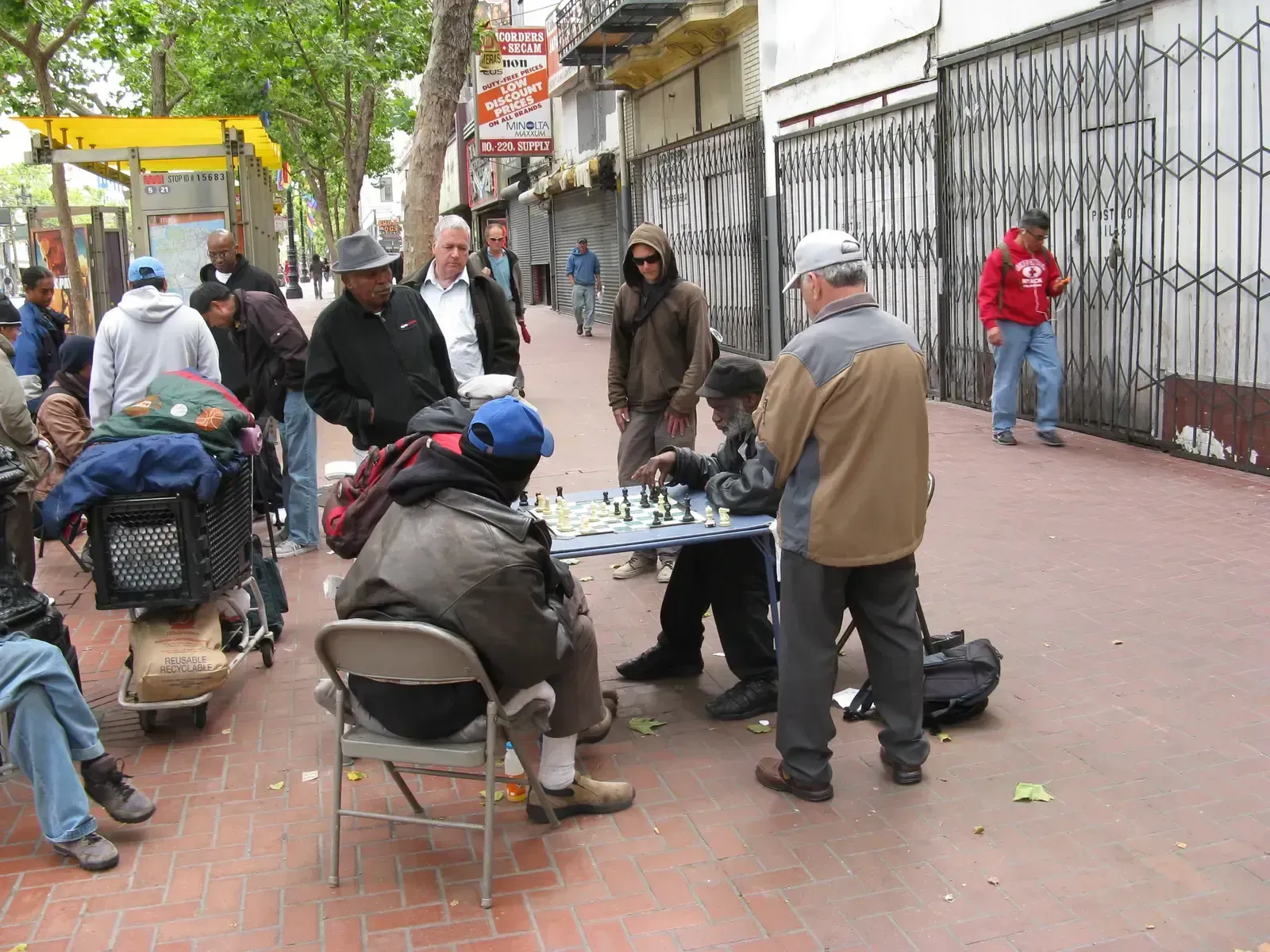
The Tenderloin neighborhood sits just west of Union Square and the Civic Center in downtown San Francisco and serves as the epicenter of the city’s homeless and drug crisis. This creates an uncomfortable paradox: one of San Francisco’s most dangerous areas lies immediately adjacent to prime tourist destinations. Walk a few blocks in the wrong direction from your Union Square hotel, and suddenly you’re surrounded by open drug use, aggressive panhandling, and street conditions that feel more like a humanitarian crisis than a major American city.
According to the 2025 Numbeo ranking, San Francisco ranks as the 17th most crime-ridden city in North America, with a crime index just over 60. However, statistics for 2025 show a continuation of downward trends observed in 2024, with property crime decreasing by 45 percent and violent crime decreasing by 14 percent in the first quarter of 2025 compared to the same period in 2024. Despite these improvements, the Tenderloin remains a concentrated pocket of urban problems. Honestly, even longtime San Francisco residents avoid the area when possible. Tourists should do the same, staying alert to their surroundings when near Union Square and heading toward Fisherman’s Wharf or other safe zones rather than wandering west.
Southeast D.C., Washington, D.C.
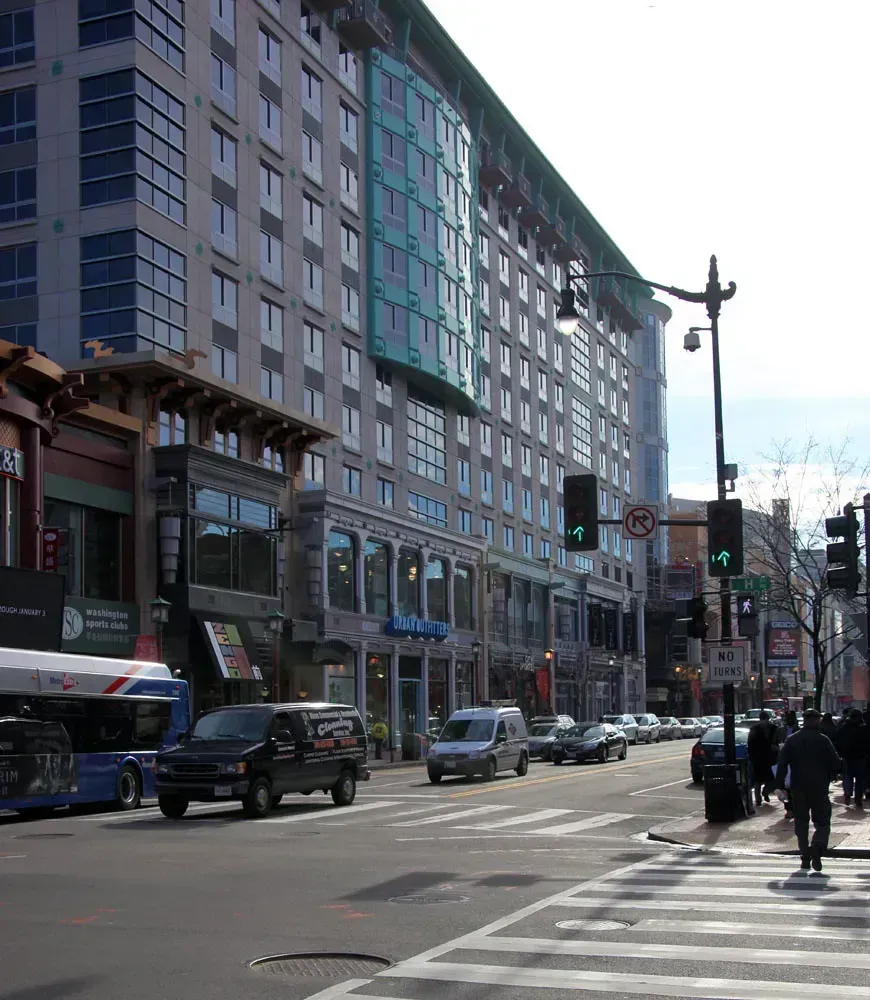
Crimes in Washington D.C. predominantly occur on the city’s east side, with neighborhoods east of Rock Creek Park, including Northeast and Southeast, experiencing significant rises in violent crimes like robberies and murders. In 2025, D.C. recorded 122 homicides, 3,636 motor vehicle thefts, and 815 assaults with a dangerous weapon, with property crime remaining high at over 10,000 thefts and the top five neighborhood clusters accounting for more than a quarter of all car thefts.
What makes Southeast D.C. particularly tricky for tourists is its proximity to Capitol Hill and other must-see attractions. The neighborhoods blend together, and it’s easy to accidentally cross into higher-risk areas without realizing it. To ensure safety while visiting Washington, D.C., stick to central, well-populated areas and avoid venturing into isolated or less developed neighborhoods after dark. The National Mall, Georgetown, Dupont Circle, and other tourist-heavy zones remain relatively safe. Southeast D.C. doesn’t offer anything compelling enough to justify the elevated risk, especially when the nation’s capital has so much else to offer in safer locations.
What do you think about these neighborhoods? Have you visited any of these cities and experienced similar warnings from locals? Share your thoughts in the comments.