6 Classic American Dishes That Have Become Surprisingly Hard to Find
Walking into a diner used to mean being greeted by a menu packed with comforting classics. You know the kind – creamy sauces, hearty ingredients, dishes that reminded you of Sunday dinner at grandma’s house. Yet if you’ve tried ordering some of these beloved meals lately, you might have noticed something strange. They’ve quietly vanished from restaurant menus and home kitchens across America, replaced by trendier options or forgotten altogether.
A Pew Research Center survey found that about half of U.S. adults say healthiness of food is important when deciding what to eat, which has contributed to shifting preferences. Combined with changing tastes, rising restaurant costs, and evolving dining habits, many once-popular American dishes are slowly disappearing. Let’s explore which classics are becoming culinary relics.
Chicken à la King

Chicken à la King became a mainstay of upscale hotels, and had its heyday in the 1950s and 1960s. This creamy dish featured diced chicken, mushrooms, and peppers in a rich sauce, often served over toast points or in puff pastry shells. It symbolized elegance and sophistication at wedding receptions, banquet halls, and fancy dinner parties across the country.
Food writer Calvin Trillin wrote in the Nation in 1985 that “the whole country seemed to be awash in chicken à la king” during the 1950s. Yet by the time he was writing, those glory days had clearly passed. The dish’s decline in popularity by the 1960s mirrors broader shifts in culinary trends toward lighter, more health-conscious meals. While Chicken à la King remains a reminder of past dining habits focused on comfort and convenience, its presence on modern menus and in home kitchens has significantly diminished as diners seek more diverse and health-conscious options.
Beef Stroganoff
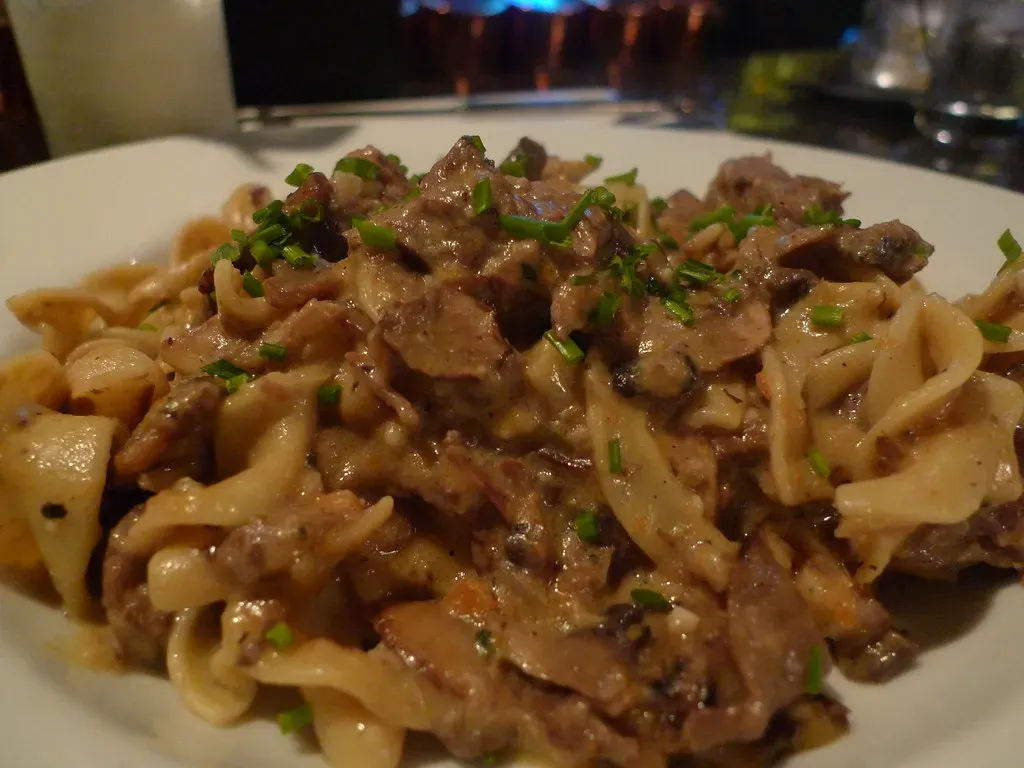
This Russian-inspired dish of sautéed beef in a creamy mushroom and sour cream sauce became wildly popular in American homes and restaurants throughout the mid-twentieth century. In the 1960s United States, several manufacturers introduced dehydrated beef stroganoff mixes, which were mixed with cooked beef and sour cream, and it was also available freeze-dried for campers.
The convenience factor made it a household staple for busy families. Still, finding authentic beef stroganoff on restaurant menus today requires serious detective work. The dish later declined in popularity and became associated with mass-produced ready meals and buffet-style catering. While a few scattered establishments still serve it – mostly Russian or Ukrainian restaurants – the once-ubiquitous stroganoff has largely faded from America’s dining landscape.
Waldorf Salad
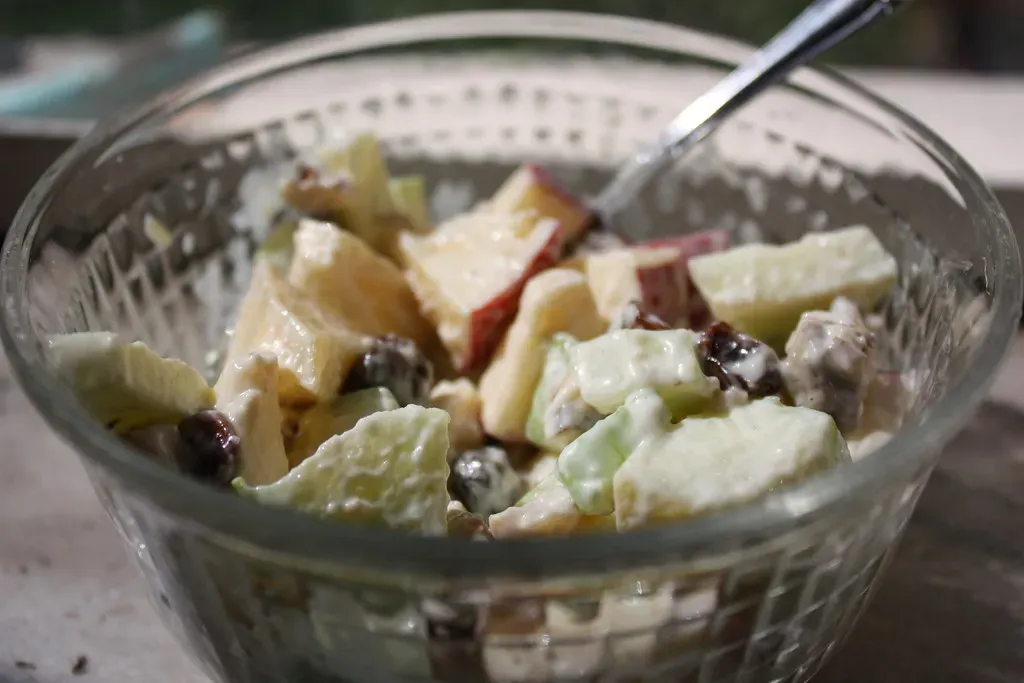
Created at New York’s legendary Waldorf-Astoria Hotel in the 1890s, this salad combined apples, celery, walnuts, and mayonnaise into something that felt both refreshing and indulgent. For decades, it graced tables at luncheons, tea parties, and upscale gatherings as a symbol of refined taste.
Today, the Waldorf Salad serves more as a historical footnote in culinary history than a common menu item, though its classic combination of flavors and textures still appeals to those who appreciate traditional American cuisine. Changing preferences toward fresher, lighter salads with bolder flavors have pushed this creamy classic to the sidelines. Most younger diners have never even encountered it, let alone tasted it.
Liver and Onions

Once a common American comfort food, liver and onions have fallen out of favor due to changing preferences and perceptions about offal as a food source. Diner menus throughout the 1950s and 60s regularly featured this nutritious, budget-friendly dish that satisfied working-class appetites.
The strong flavor of liver and the texture that many find unappealing have contributed to its decline, and though nutritious, liver’s popularity has waned compared to more universally palatable meats. While some diners still appreciate this classic dish, it is increasingly rare to find liver and onions on restaurant menus or home dinner tables. Honestly, it’s hard to imagine this one making a comeback anytime soon.
Salisbury Steak
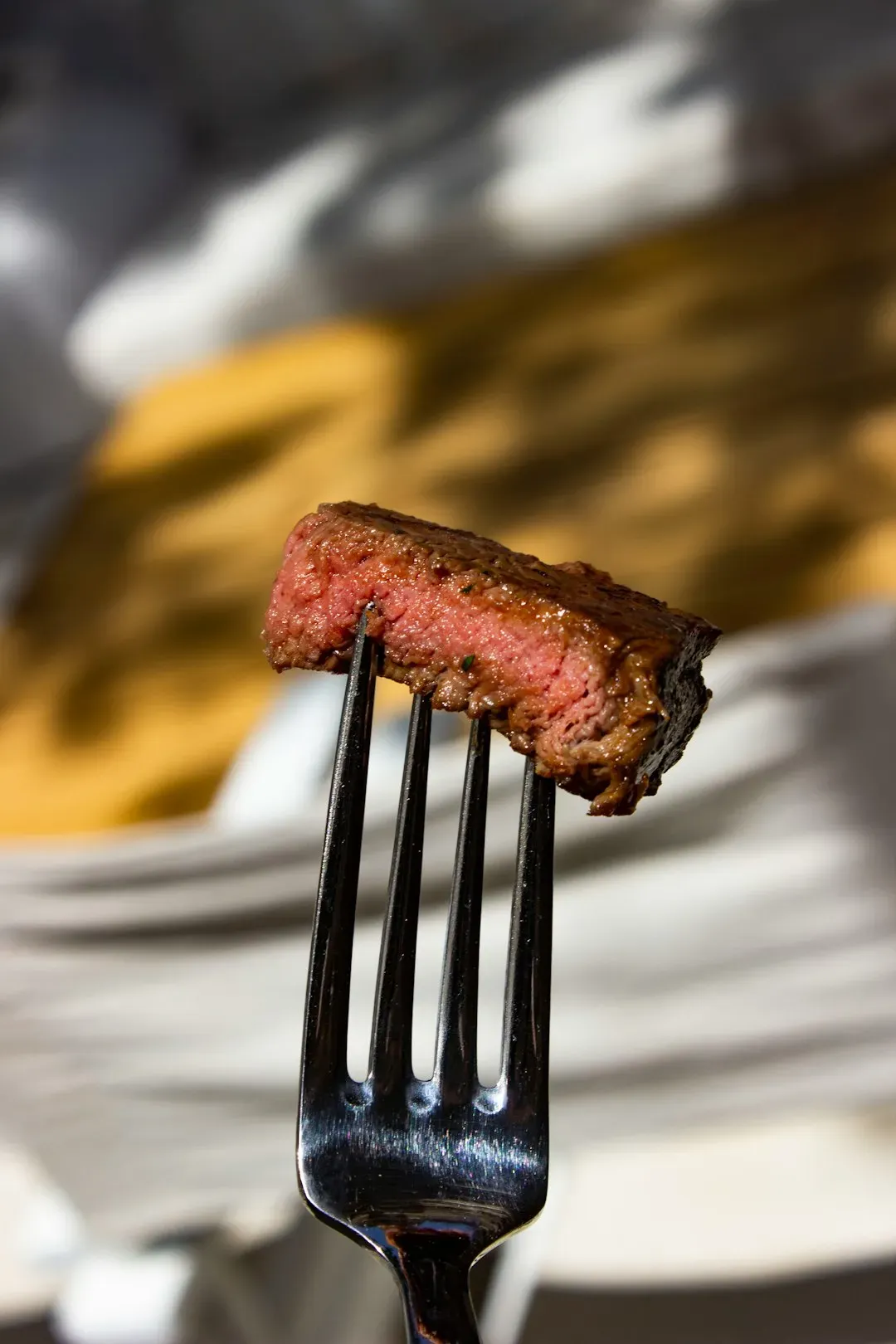
Salisbury steak, a dish made from ground beef and other ingredients, shaped to resemble a steak and served with gravy, was once a staple in American households after being developed by Dr. James Salisbury in the late 19th century. This affordable alternative to actual steak became a dinner table regular, especially among families watching their budgets.
However, changing tastes and a desire for more sophisticated cuisine have led to its decline. The rise of gourmet burgers and artisan comfort food pushed Salisbury steak into frozen dinner territory, where it gained a reputation as bland and uninspiring. Along with the cultural renaissance of the 1960s came the decline of traditional American diner food, as fast-food restaurants and changing consumer habits reshaped the restaurant landscape.
Tuna Casserole

Tuna casserole, a product of mid-20th-century convenience cooking, combines canned tuna, cooked pasta, and canned soup, often topped with crushed potato chips or breadcrumbs. This economical one-dish meal fed countless American families during the post-war era, when convenience and affordability reigned supreme.
Its popularity has waned due to its association with bland, processed flavors and a shift towards fresher, less processed ingredients. Modern home cooks increasingly prefer meals made from scratch with whole ingredients rather than relying on canned soups as a base. The humble tuna casserole, once a weeknight hero, now feels like a relic of a bygone era when convenience mattered more than culinary sophistication.