12 Things Legal Specialists Say You’re Not Allowed To Dump On Your Driveway – Yet People Still Do
Your driveway might seem like your personal kingdom where you can do whatever you want. Here’s the thing though: local regulations and environmental laws have some pretty specific rules about what you can and cannot dump there. Even on your own property. It sounds surprising, right? Yet experts confirm that even private driveways fall under strict disposal laws that protect groundwater, soil quality, and community health. Let’s be real, most of us have no idea that certain everyday items can land us in legal trouble if we simply toss them onto our asphalt or concrete. From hazardous fluids to construction materials, these violations happen more than you’d think. So let’s dive in and see what could cost you thousands in fines.
Motor Oil and Automotive Fluids
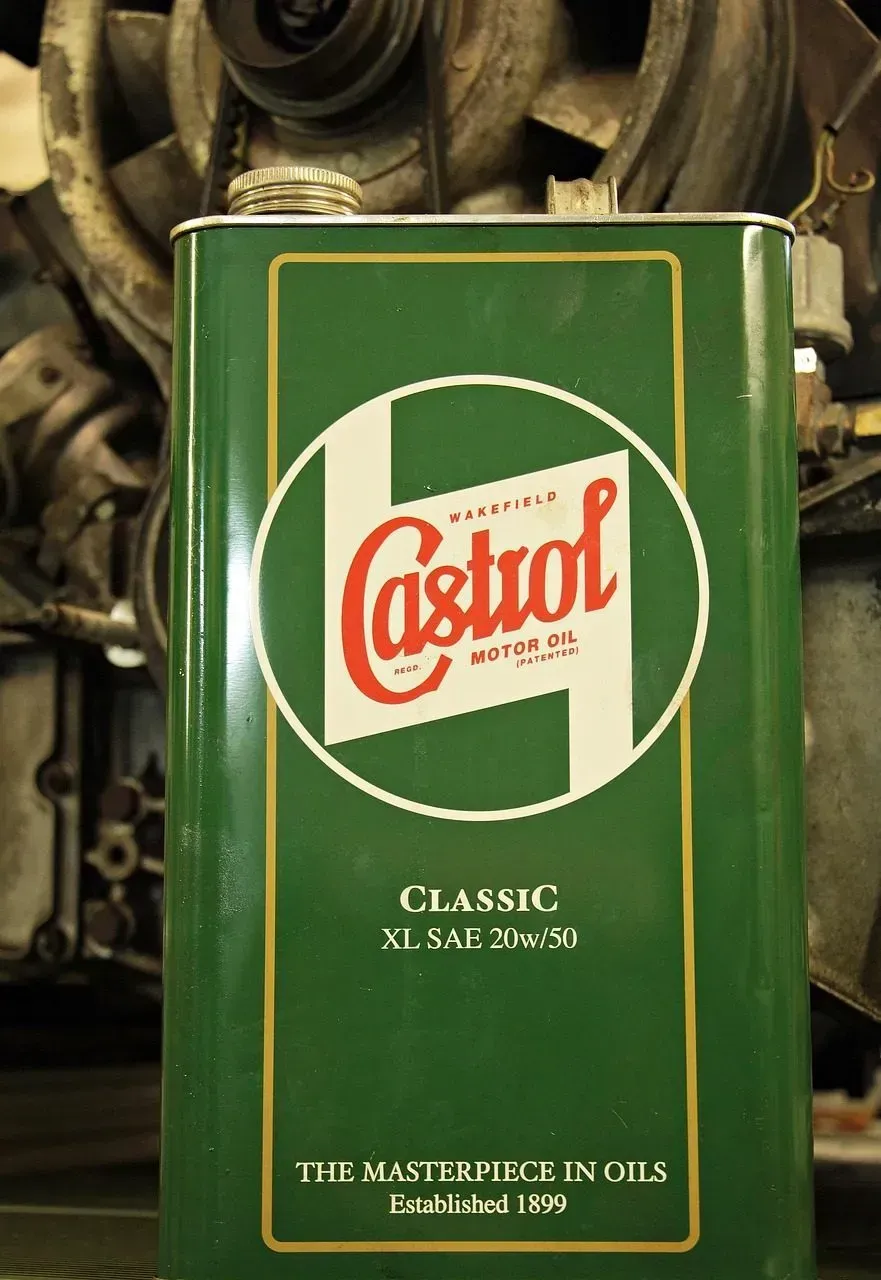
Used motor oil is considered hazardous waste, and dumping it on your driveway is both illegal and incredibly harmful. It takes years for the chemicals to break down naturally, which is why it’s illegal to dispose of motor oil anywhere except approved locations. Think about this: one quart of used motor oil can contaminate up to one million gallons of water. Improper oil dumping is considered a criminal violation by the EPA, with penalties including fines and up to one year imprisonment for negligent acts and harsher penalties for knowing or repeat violations. That’s no joke, especially when most auto parts stores will take your used oil for free.
Antifreeze
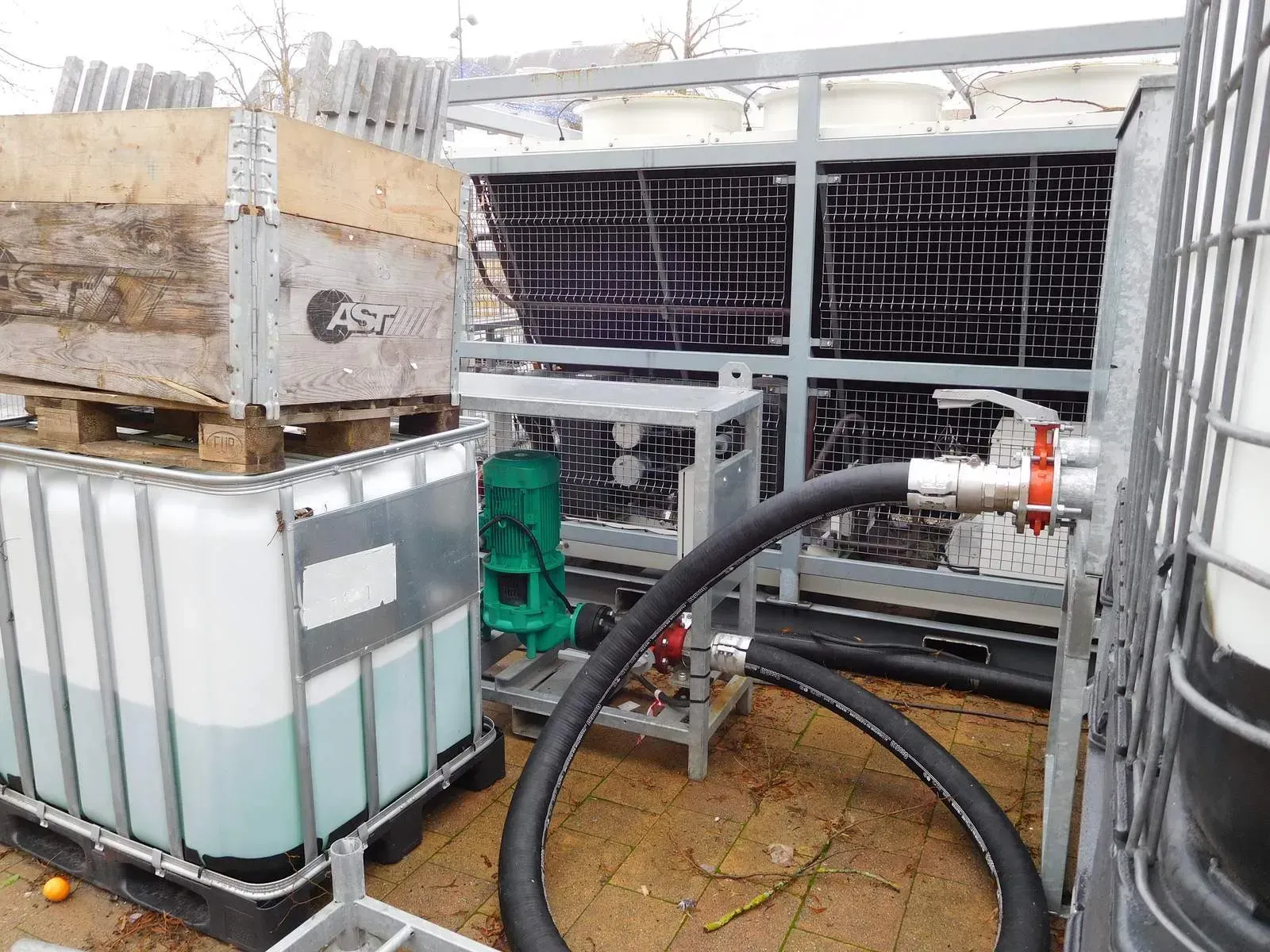
If a great enough amount is spilled or leaks onto a surface, like your driveway, it may attract pets or other animals and children alike due to it having a particularly sweet taste. Antifreeze is a common liquid that also happens to be very poisonous to both humans and animals. In some states, it’s illegal to dispose of antifreeze in landfills. Honestly, the sweet taste makes this one particularly dangerous because kids and pets can’t resist it, yet it’s highly toxic. Most household hazardous waste facilities accept antifreeze, making proper disposal straightforward if you just take the time.
Car Batteries and Lead-Acid Batteries
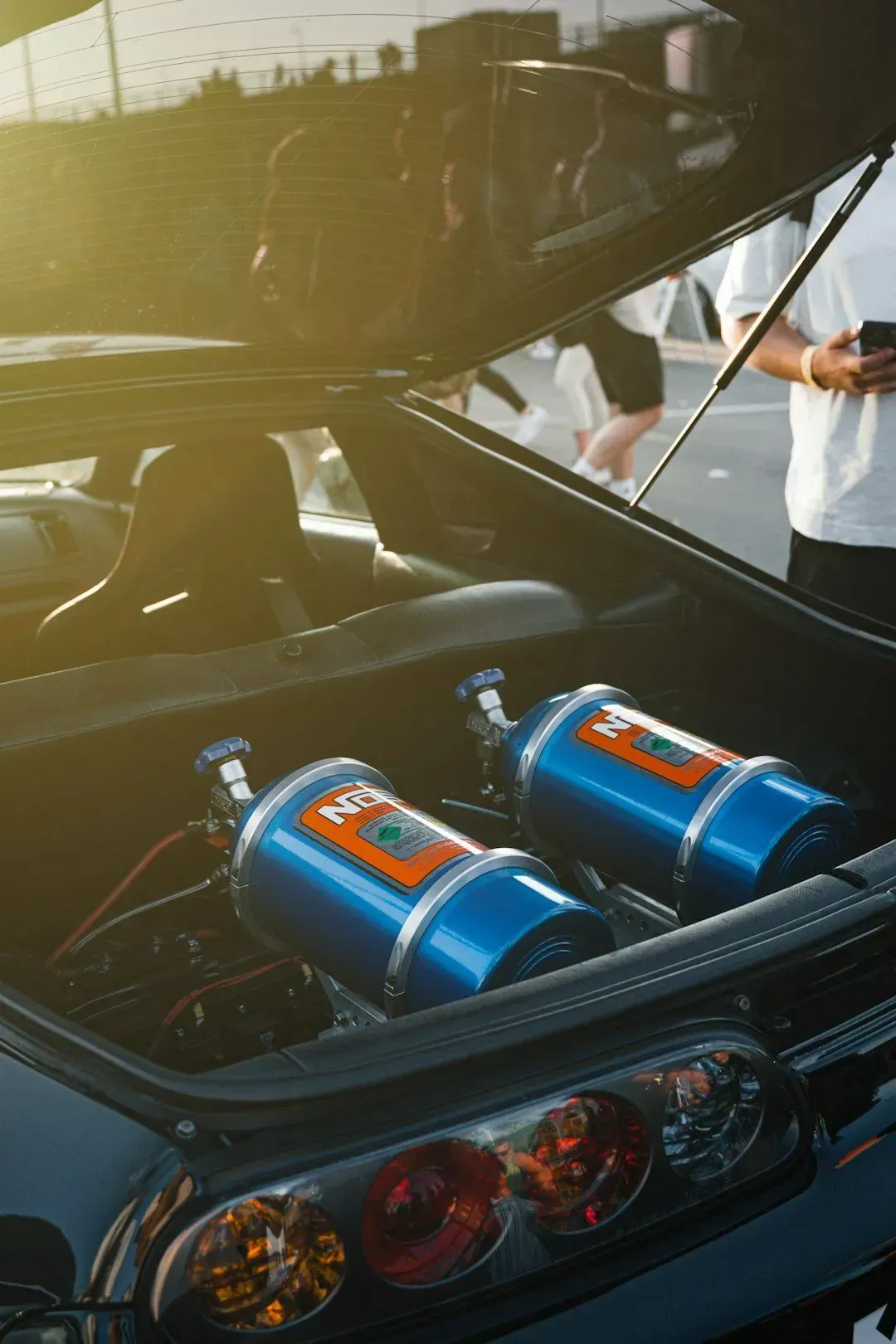
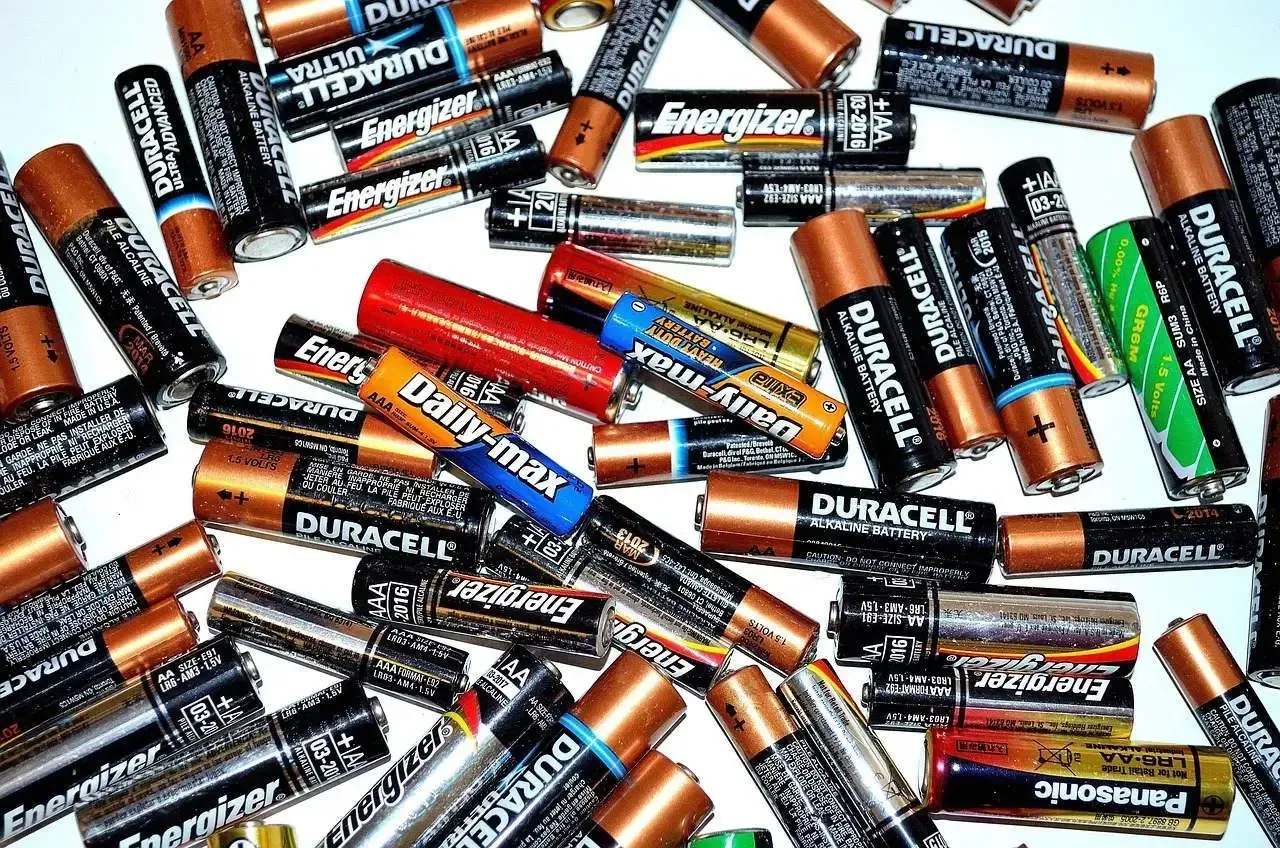
Car batteries and lead-acid batteries are packed with toxic chemicals like sulfuric acid and lead, and when dumped improperly, they can leak and contaminate soil and groundwater, posing long-term health hazards. Most states, including North Carolina, ban their disposal in regular trash or landfills. Used car and small engine batteries contain strong acids that can cause severe burns and other health risks, and most of these batteries contain other hazardous materials and typically contain lead. The good news? Auto shops and recycling centers happily take old batteries for safe recycling, and many places even offer you money for them.
Paint, Solvents, and Household Chemicals

Items like paint, solvents, pesticides, pool chemicals, and driveway sealers often contain flammable, corrosive, or toxic ingredients, and in North Carolina, they’re banned from landfill disposal, making dumping them on your driveway or anywhere else a violation and a safety risk. These materials don’t just sit harmlessly on concrete. They seep into cracks, contaminate groundwater, and create fumes that can harm anyone nearby. Proper disposal involves bringing these items to local household hazardous waste collection sites or events, which prevents contamination and protects sanitation workers. I know it sounds crazy, but even leftover paint from touching up your bedroom wall needs to go to a designated facility.
Concrete, Asphalt, and Construction Debris

Construction and demolition waste totals around 600 million tons annually in the United States, with concrete accounting for a significant portion. Materials like asphalt and concrete cannot be landfilled in many states; they must instead be diverted for recycling or reuse to comply with state requirements. It is unlawful to place, deposit, or dump rocks, concrete, asphalt, or dirt in or upon a private highway or road or private property without the consent of the owner. One case in Washington State resulted in a $27,000 fine against an asphalt manufacturer for failing to properly handle waste products. What surprises people most is that even on your own property, you can’t just pile up old concrete slabs without violating local codes.
Whole Tires
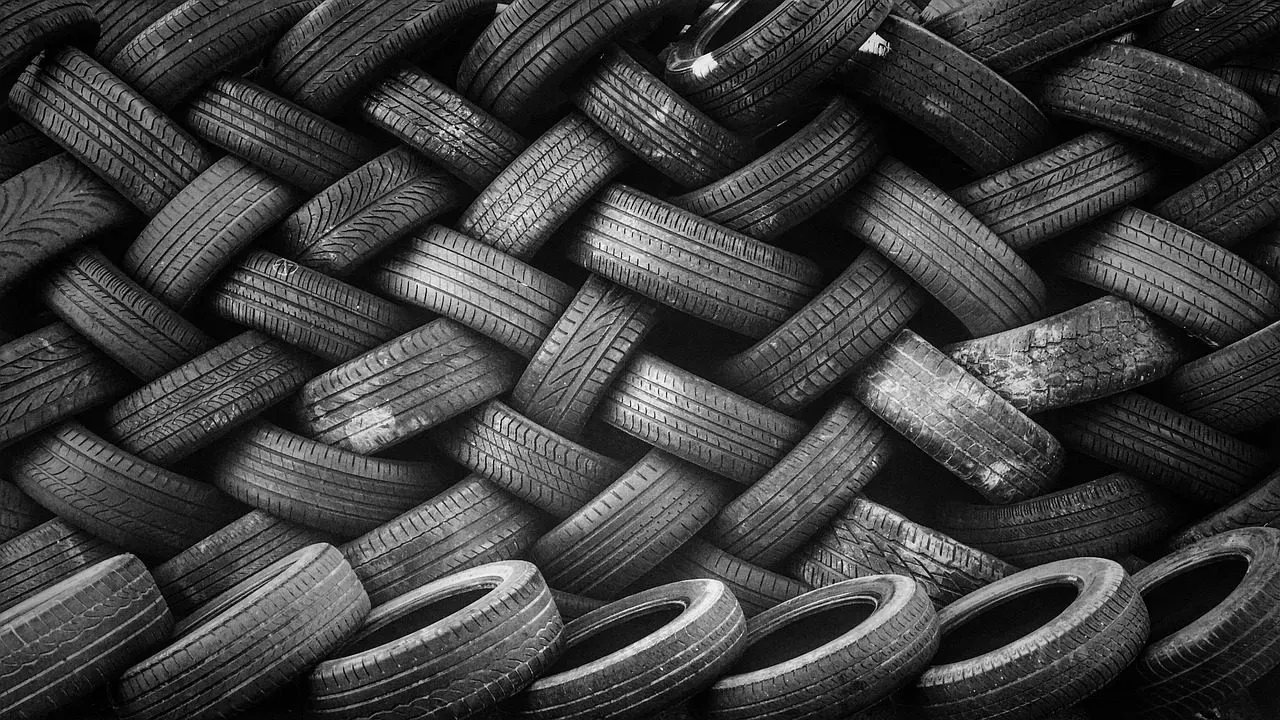
Whole tires are notoriously hard to dispose of because they trap gas, float in landfills, and breed disease-causing mosquitoes, which means they’re prohibited from residential trash or driveway dumping. Tires seem so harmless sitting there, yet they create serious environmental and health problems. Tire retailers and local recycling centers usually take used tires for a small fee, and some communities also hold tire collection events. The penalties for dumping tires can add up quickly, especially if you’ve got more than a couple.
Appliances and Refrigerators
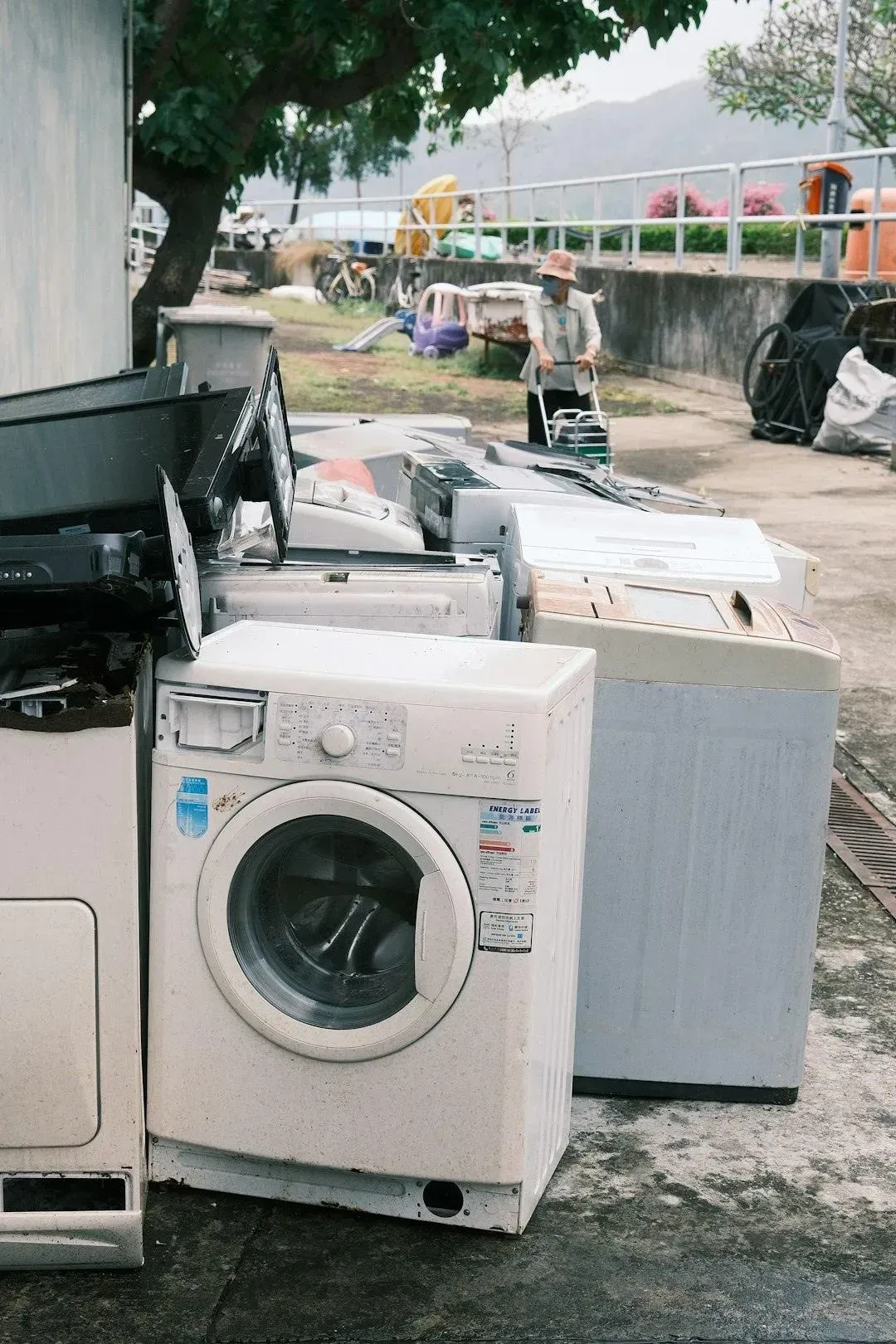
Typical illegally dumped materials include construction waste and debris, appliances, automobiles, auto parts, tires, yard waste, and household trash. Old refrigerators and air conditioners contain refrigerants that are regulated under federal law. Dumping these on your driveway violates both local codes and EPA regulations regarding ozone-depleting substances. Many waste haulers offer bulky item pickup services, and some retailers will take your old appliance when delivering a new one. Leaving that busted washing machine on your driveway isn’t just an eyesore; it’s a code violation that can result in fines and forced removal at your expense.
Yard Waste and Grass Clippings
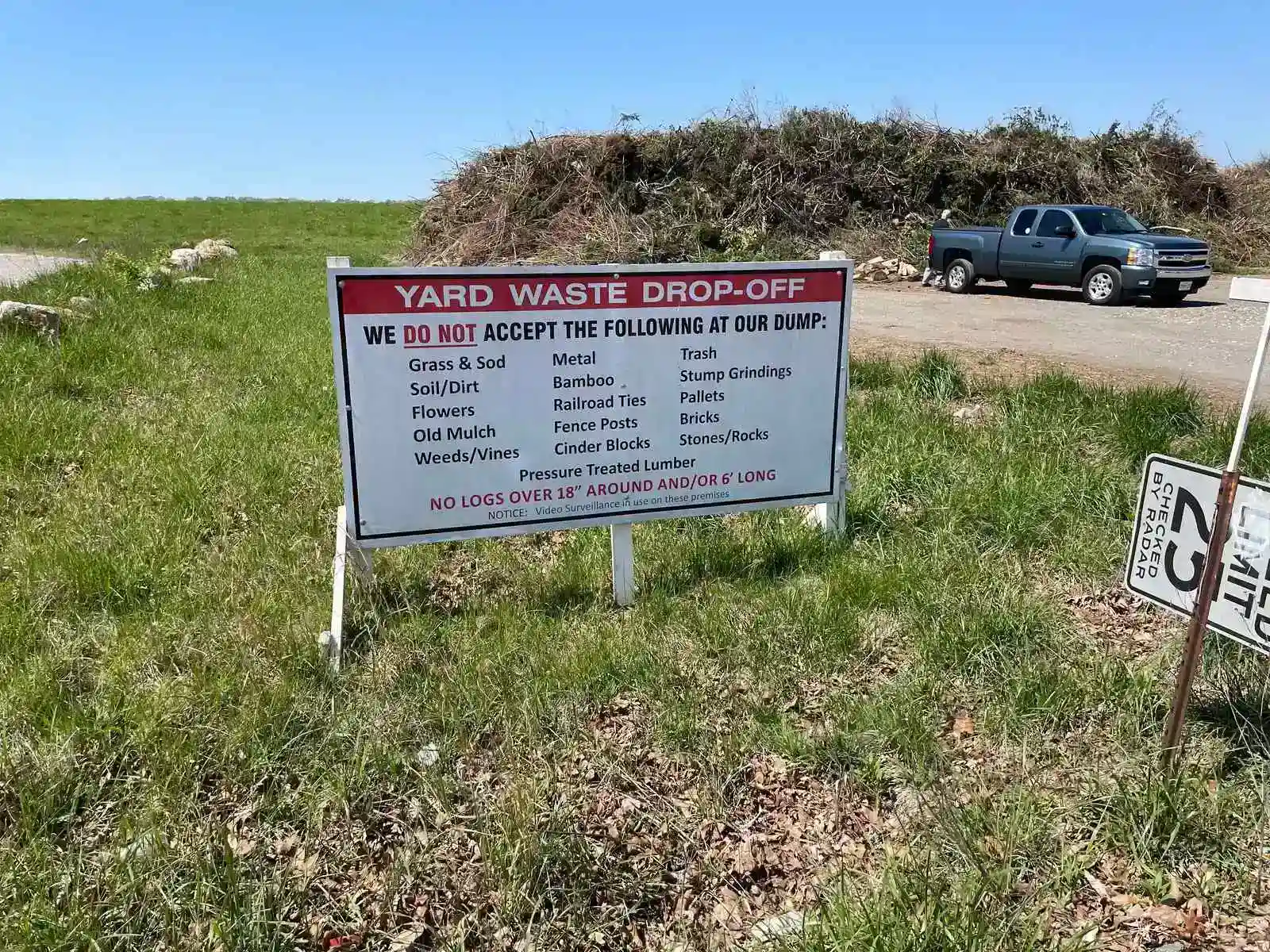
Never blow, rake, sweep, hose or otherwise dispose of leaves or grass clippings into the storm drain. While it seems innocent enough to pile grass clippings or leaves on your driveway temporarily, many municipalities prohibit this practice. Contact your local stormwater department immediately if you see someone dumping any substance including leaves or grass clippings into a storm drain. Organic waste can clog drainage systems and contribute to water pollution when it decomposes. Some areas require yard waste to be bagged separately or composted on-site in designated bins. Honestly, most people don’t realize that what seems biodegradable can still violate local ordinances.
Furniture and Mattresses
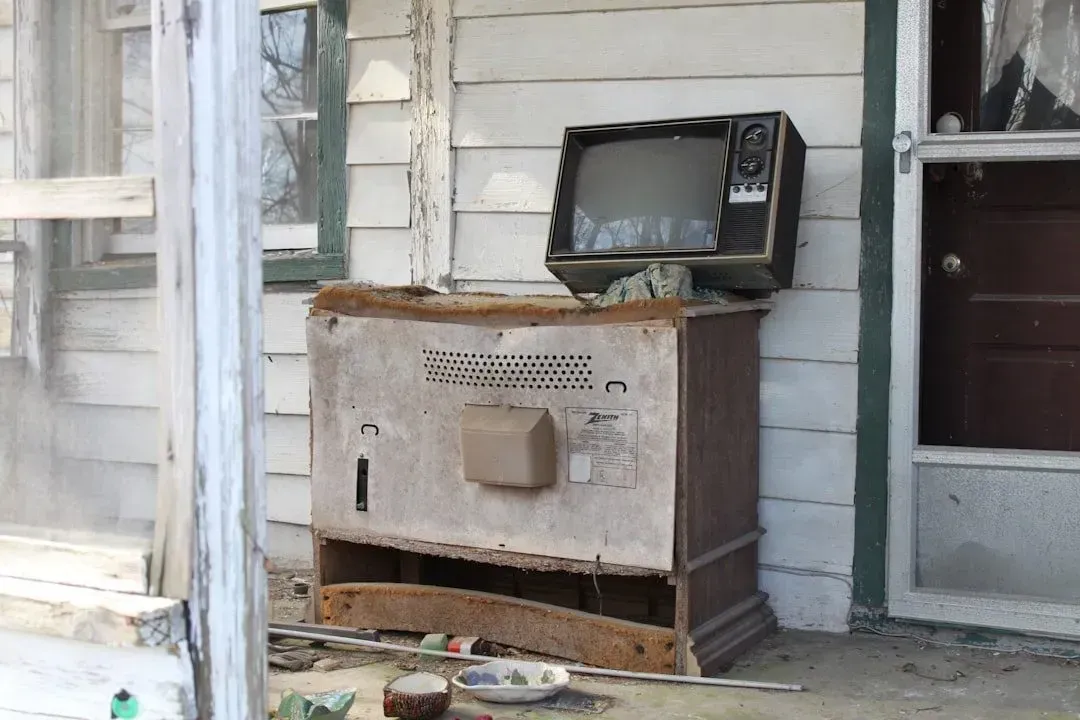
That old couch or mattress might seem fine sitting on your driveway for a few days while you figure out disposal, yet most cities have strict limits on how long items can remain visible from the street. Austin residents may not accumulate trash, debris, brush, filth, or any other unsightly matter on their property, and it is also a code violation to store any material on a vacant lot, as garbage and unwanted items must be disposed of in regulated areas. These items attract pests, collect rainwater that breeds mosquitoes, and create neighborhood blight. Many waste management companies offer scheduled bulk pickup, making legal disposal relatively easy if you plan ahead.
Automotive Parts and Scrap Metal
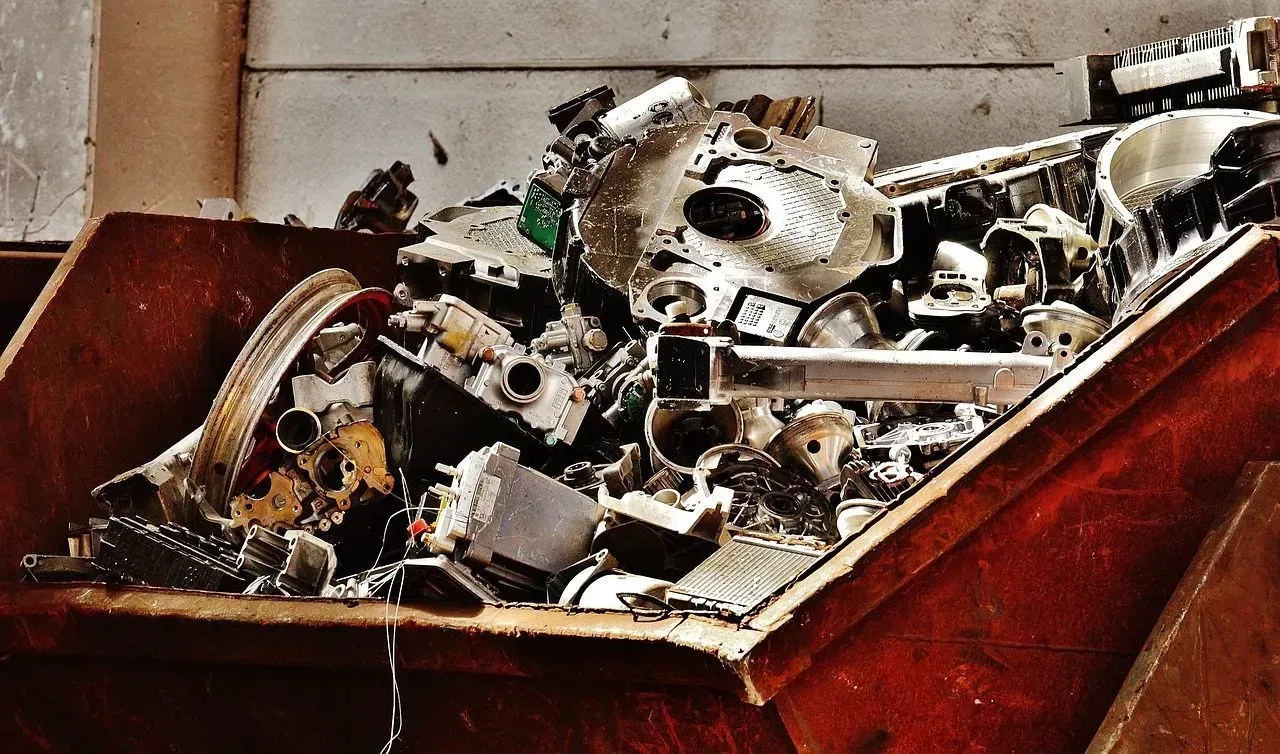
Except as otherwise provided for in the Zoning code, it is unlawful to utilize a premises for the open storage of any inoperable motor vehicle, appliance, building material, rubbish, tires, automotive parts, junk, yard waste, or debris. Dumping car parts, exhaust systems, or scrap metal on your driveway violates property maintenance codes in most jurisdictions. These materials can contain residual fluids, sharp edges, and toxic coatings that pose safety hazards. Scrap metal actually has value at recycling centers, where you can often get paid for what you’re trying to throw away. The irony here is that people pay fines for dumping something they could have been paid to recycle.
Electronic Waste
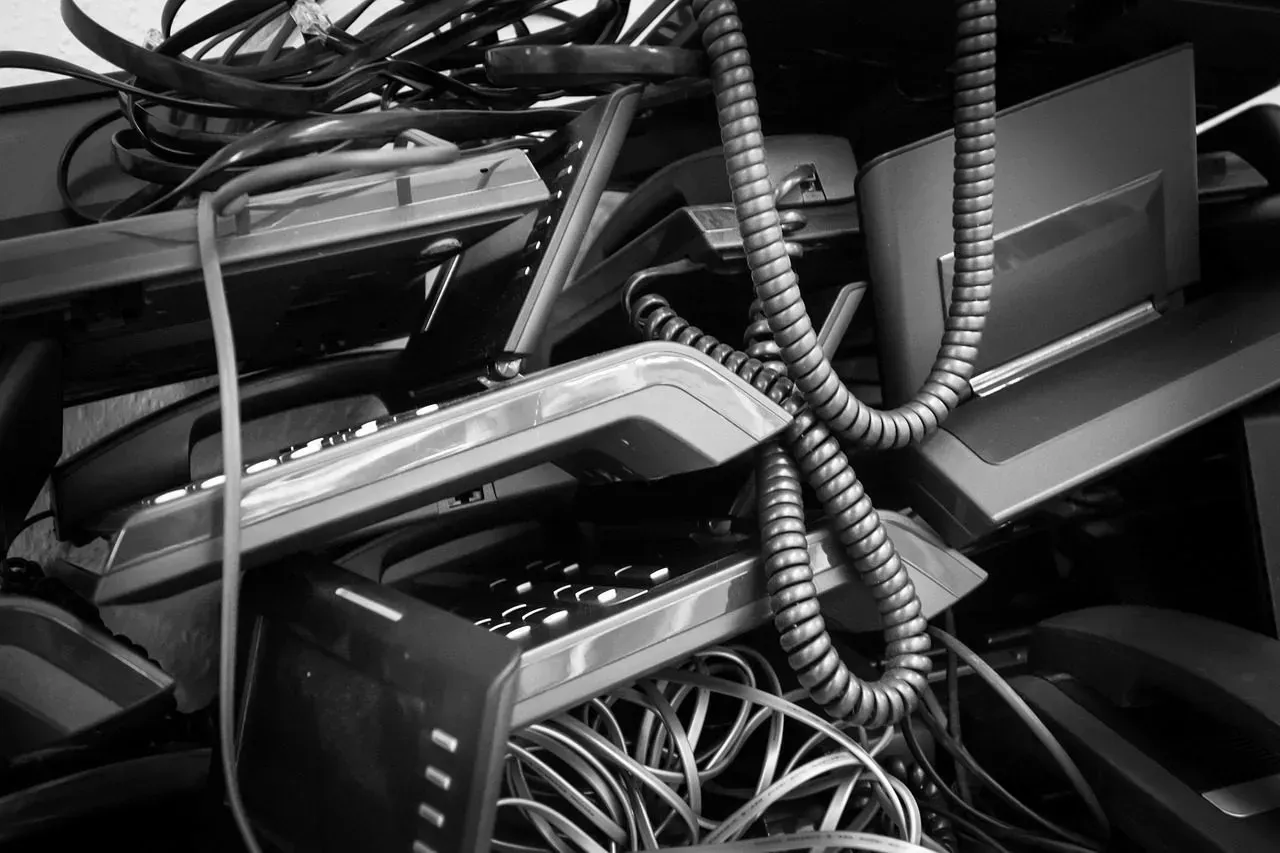
Old computers, televisions, and other electronics contain heavy metals like lead, mercury, and cadmium that make them hazardous waste. Dumping them on your driveway isn’t just tacky; it’s illegal in most states. Electronics recycling programs exist specifically because these items require special handling to prevent environmental contamination. Some retailers even offer trade-in programs or free recycling when you purchase new electronics. The laws around e-waste have gotten stricter in recent years, with some states imposing steep fines for improper disposal.
Hazardous Materials and Toxic Substances
The first and most fundamental prohibition is the prohibition against land disposal of untreated hazardous waste, as federal law prohibits the land disposal of untreated hazardous wastes and requires EPA to specify either concentration levels or methods of treatment for hazardous constituents before land disposal. This category includes a wide range of materials from cleaning products to industrial chemicals. Since transporters are moving regulated wastes on public roads, highways, rails and waterways, United States Department of Transportation hazardous materials regulations, as well as EPA’s hazardous waste regulations, apply. Even small amounts of certain substances trigger reporting requirements and disposal protocols. Failure to follow these laws can lead to EPA civil fines exceeding $100,000 per day for each violation. The stakes are high because these materials pose immediate threats to human health and the environment.
Why People Still Break These Rules Despite Serious Consequences

Here’s the thing that’ll blow your mind – even with those eye-watering fines and serious environmental penalties, people continue dumping banned items on their driveways every single day. The reasons are surprisingly human and frustratingly relatable. Many homeowners simply don’t know the rules exist, especially when they’ve inherited these dumping habits from parents or neighbors who’ve been doing it for decades. Others fall into the convenience trap, figuring their driveway is private property where they can do whatever they want (spoiler alert: that’s absolutely not how property law works). Then there’s the cost factor – proper disposal fees can sting, pushing some folks to take shortcuts they know they shouldn’t. What’s really alarming is that enforcement remains patchy across most communities, creating this dangerous illusion that you can get away with it. Local code enforcement officers are stretched thin, and unless a neighbor complains or someone reports a major spill, many violations slip through the cracks. This spotty enforcement actually makes the problem worse because it reinforces bad behavior and creates a false sense of security that eventually catches up with people in the worst possible way.