3 Japanese Car Brands Struggling With Major Reliability Problems in 2025
The Reality Behind Nissan’s Financial Crisis
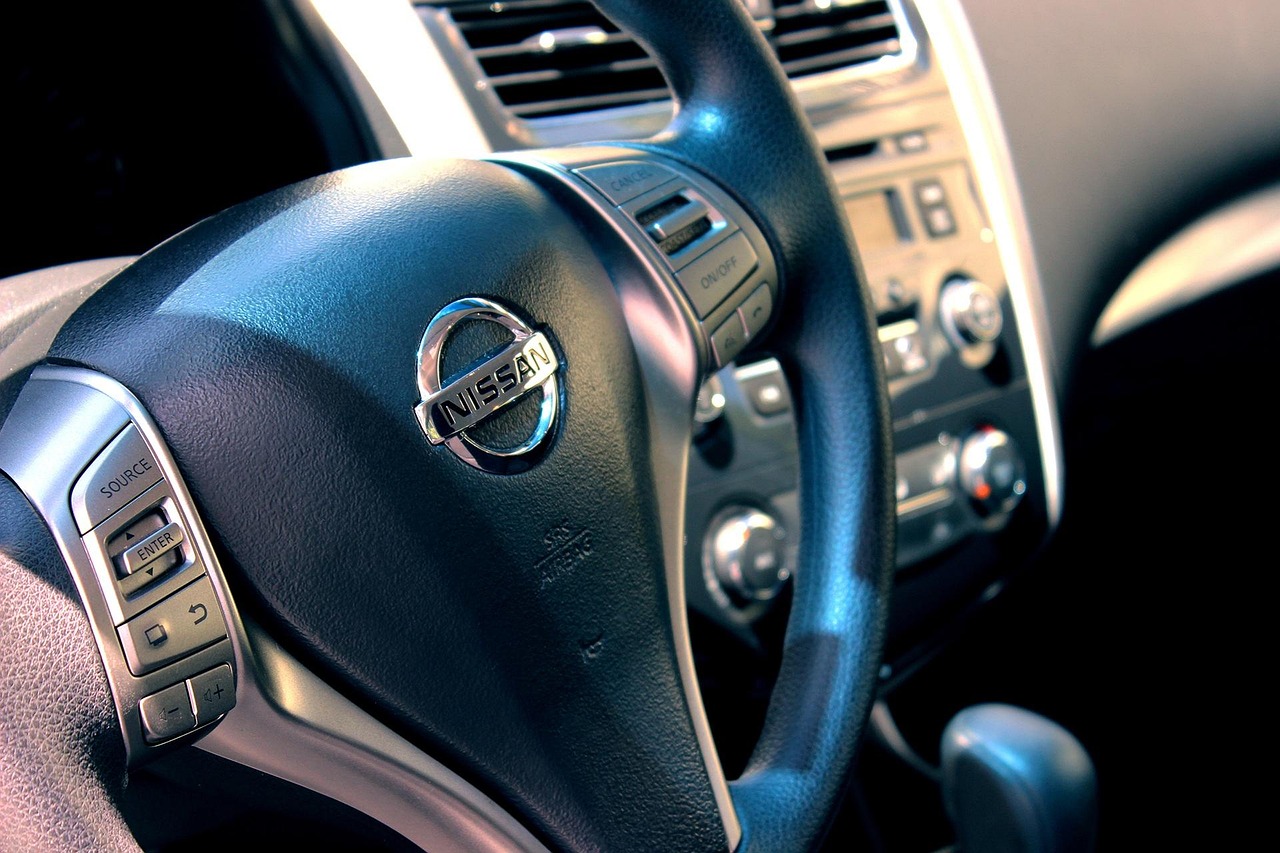
Nissan has frequently found itself in the news over the last year – for all the wrong reasons. In November 2024, news reports indicated that Nissan announced plans to cut 9,000 jobs worldwide, after losing $4.5 billion last year. Just a few months earlier, Moody’s downgraded Nissan’s stock rating to “junk” status. These financial troubles aren’t happening in isolation – they’re directly connected to persistent quality issues that have been plaguing the brand for years. Nissan, despite efforts to improve its lineup, continues to experience reliability issues. Recent Consumer Reports data shows elevated problem rates in several models, particularly with electrical systems, drivetrain components, and engine performance. The company’s struggles have become so severe that industry analysts are questioning whether Nissan can recover its former reputation for dependable vehicles.
CVT Transmission Problems Continue to Haunt Nissan Owners
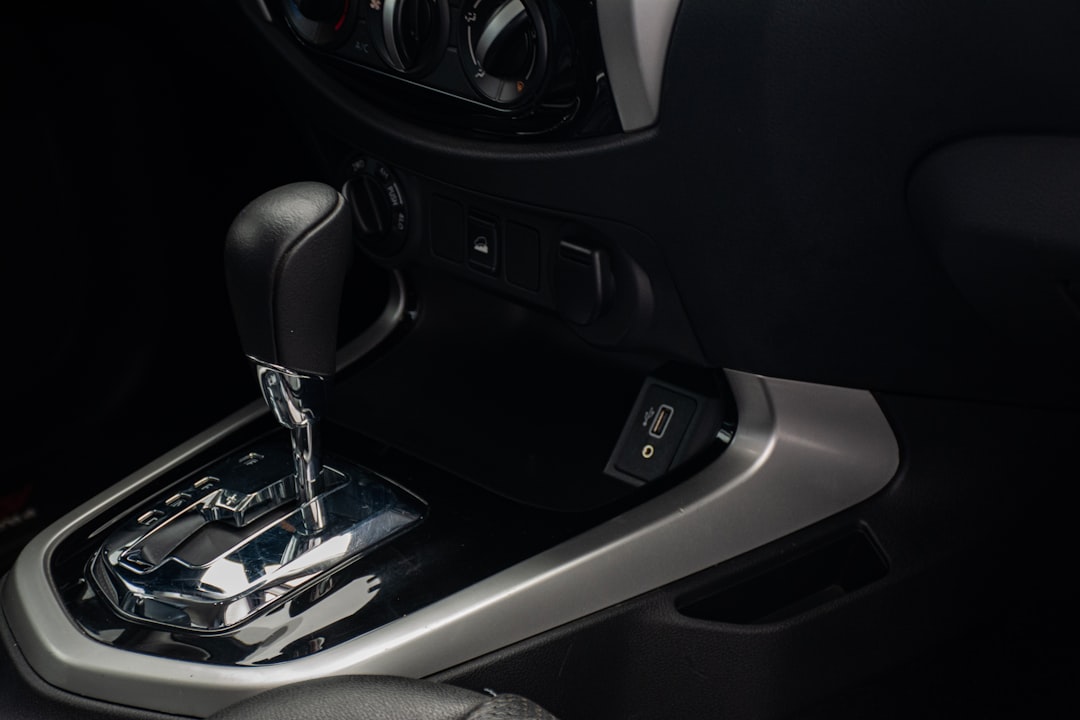
Nissan experienced a string of CVT transmission issues that continue to plague it to this day, explained Alex Black of car research platform EpicVIN. Owners complain about jerking, slipping or requiring full replacements far earlier than they should. The scope of the problem is staggering – problems have been reported in multiple model years with Nissan CVT transmissions. Affected years include some of the vehicles below: 2022–2025 Nissan Sentra, 2019–2025 Nissan Altima, 2017–2025 Nissan Maxima, 2017–2024 Nissan Murano, 2019–2021 Nissan Pathfinder, 2017 Nissan Quest, 2019–2025 Nissan Rogue, 2019–2025 Nissan Versa.
Canada’s Automobile Protection Association (APA) found that, since 2010, Nissan’s CVT transmission failure rate during the warranty period and shortly after was nearly 6%. Nissan agreed to pay over $277 million as part of the settlement to resolve certain defective transmissions claims. Despite these massive payouts and warranty extensions, owners continue reporting identical problems with newer models, suggesting that fundamental design issues haven’t been fully resolved.
Class Action Lawsuits and Legal Settlements Mount

Class action lawsuits allege that numerous Nissan CVT transmission problems exist. Nissan CVT transmission failure symptoms include slipping, jerking, lurching, and stalling, all of which put drivers at increased risk of crashes and injuries. These lawsuits allege that Nissan refused to admit the CVT transmission was defective and tried to disguise the CVT defects with shoddy repairs. The legal pressure has been immense, with in 2020, three separate class-action lawsuits were settled with Nissan North America. The bases for these lawsuits were similar claims, i.e., that the manufacturer knowingly sold vehicles with defective CVT transmission systems.
What’s particularly concerning is that a recent class action settlement has been reached between Nissan North America and consumers with several Nissan models that are equipped with defective continuously variable transmissions. The most recent lawsuit alleged that the Japanese automaker knowingly sold vehicles with defective CVT transmissions. The fact that new lawsuits continue to emerge suggests the problems persist even in the latest model years.
Overheating and Cooling System Failures
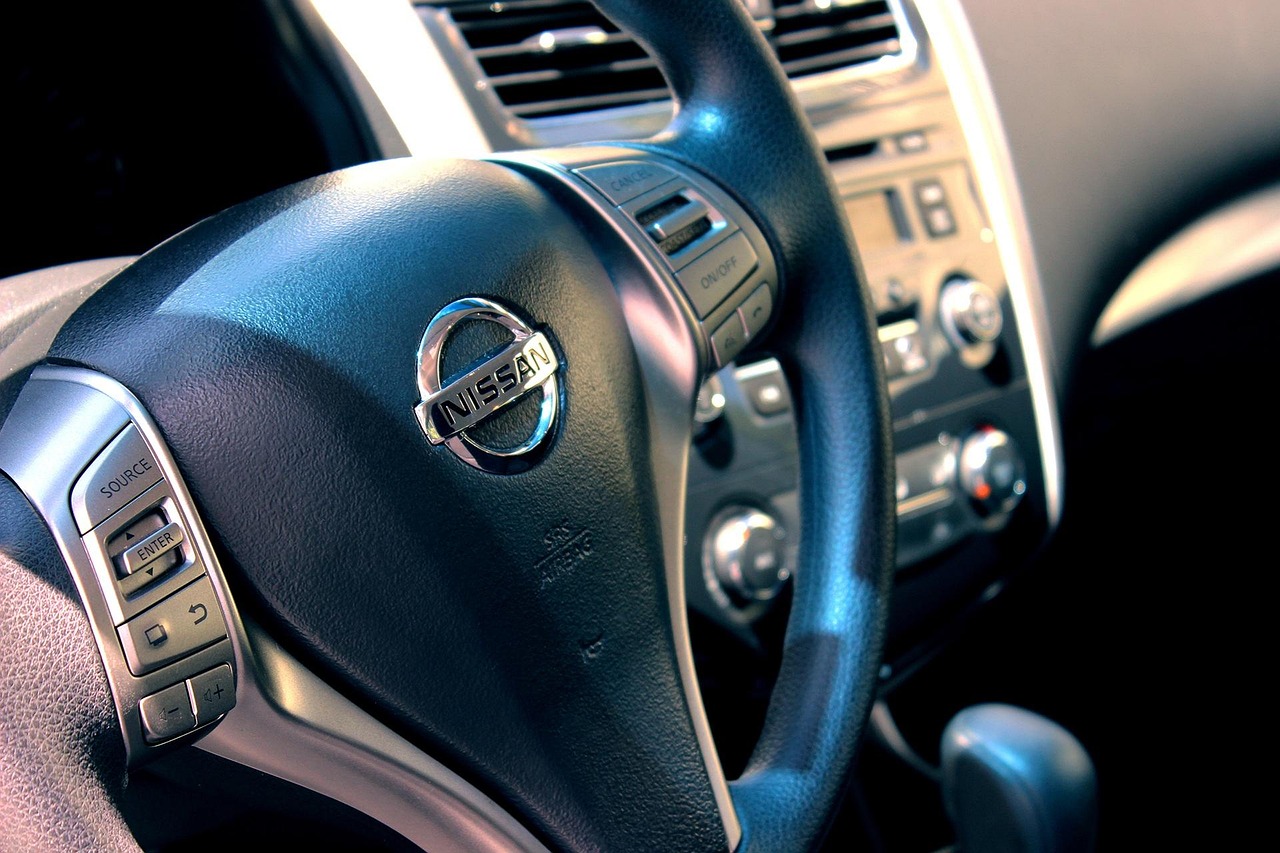
One of the primary issues plaguing Nissan CVTs is an overheating problem. Continuously variable transmissions generate a lot of heat, and require a robust cooling system to prevent damage over time. According to a breakdown of the transmission by YouTube mechanic speedkar99, the stock cooling system that Nissan installs on its CVTs is insufficient at absorbing and removing heat from the transmission effectively.
This results in the degradation of parts over time and can contribute to the failure of other components within the CVT system. When Nissan’s CVT overheats, it produces a characteristic burning smell. If temperatures climb high enough, the vehicle may enter limp mode, which will cause all non-essential functions to shut down and significantly reduce the speed at which the car can move. When this occurs, drivers should pull over and call for help if on the highway, or cautiously drive home/to a repair shop if it’s safe to do so. The company has attempted to address this by offering an external cooler upgrade to affected customers under warranty.
Mitsubishi’s Decline to the Bottom of Reliability Rankings

In JD Power’s 2024 dependability report, Mitsubishi performed poorly among Japanese carmakers. Mitsubishi ranked at the bottom of J.D. Power’s 2025 dependability study, highlighting a noticeable decline in overall reliability. Owners have reported recurring engine failures, transmission problems, and other mechanical issues that increase maintenance costs and reduce long-term satisfaction. The brand’s fall from grace has been particularly dramatic, considering Japan’s historically strong reputation for automotive reliability.
Mitsubishi has grown so irrelevant as a brand in the U.S. that Consumer Reports didn’t even include it in its annual reliability report. Consumer Reports has noted insufficient data to create brand rankings for several manufacturers including Mitsubishi and Infiniti in recent studies. This exclusion speaks volumes about the brand’s diminishing market presence and consumer confidence.
Outdated Technology and Cost-Cutting Measures
Mitsubishi has problems with aged technology and low-cost components, added Black. Many analysts argue they’ve failed to remain current – both in driving performance and long-term reliability. Industry experts point to Mitsubishi’s strategy of using cheaper components and outdated manufacturing processes as primary contributors to their reliability problems. We’ve seen plenty of reported CVT transmission issues, on top of build quality concerns, said Alan Gelfand of German Car Depot.
The company appears to be caught in a cycle where declining sales force them to cut costs, which in turn leads to quality problems that further damage their reputation. The brand’s struggle to maintain consistent quality control has eroded consumer confidence, making Mitsubishi a less attractive option for buyers seeking dependable vehicles.
Engine and Mechanical Failures on the Rise
Owners have reported recurring engine failures, transmission problems, and other mechanical issues that increase maintenance costs and reduce long-term satisfaction. These aren’t isolated incidents but rather systemic issues affecting multiple model lines and production years. The problems range from minor inconveniences to major failures that can leave drivers stranded or facing expensive repair bills.
What’s particularly troubling is that these failures often occur well before vehicles reach high mileage, suggesting fundamental quality control problems in manufacturing. These concerns suggest that Mitsubishi must address systemic problems to regain its reputation in the competitive Japanese automotive market.
Infiniti’s Inconsistent Performance Record
While not explicitly mentioned in the least reliable lists due to insufficient data, Infiniti faces its own set of challenges. We had insufficient data to create brand rankings for Alfa Romeo, Chrysler, Dodge, Fiat, Infiniti, Jaguar, Land Rover, Lincoln, Lucid, Maserati, Mercedes-Benz, Mini, Mitsubishi, Polestar, Porsche, and Ram. INFINITI earns a solid 3.5 out of 5 reliability rating, placing it middle of the pack among car brands. INFINITI vehicles have a reliability rating of 3.5 out of 5, placing them in the middle tier.
However, frequency of repairs averages 0.7 visits per year for Infiniti, higher than the 0.4 visits average, indicating a somewhat increased maintenance need. This suggests that while Infiniti vehicles may not suffer catastrophic failures, they require more frequent attention from mechanics than the industry average. Older models exhibit jerking and shuttering from the CVT transmission, indicating that even luxury-positioned vehicles aren’t immune to the CVT problems plaguing parent company Nissan.
The CVT Problem Spreads Across Model Lines

Nissan’s problematic CVT has been a top lemon law complaint for years involving a wide range of Nissan models. In comparison to other transmissions, continuously variable transmissions are apparently prone to overheating and premature wear. What started as isolated incidents has evolved into a brand-wide crisis affecting virtually every model in Nissan’s lineup that uses CVT technology.
CVT’s are at the top of the list, and Nissan is at the top of that list, but there have been problems with other makes also. At the end of the day its a belt, and belts wear out. The fundamental design of CVT transmissions makes them inherently more vulnerable to wear and failure compared to traditional automatic transmissions, and Nissan’s implementation appears to exacerbate these natural weaknesses.
Impact on Consumer Confidence and Brand Value

These recurring issues have negatively impacted owner satisfaction and tarnished Nissan’s long-standing reputation for durable vehicles. The reliability problems have created a ripple effect throughout the automotive market, with used car values for affected models declining and potential buyers increasingly hesitant to choose Japanese brands that were once considered guaranteed safe choices.
While Nissan still produces popular models, potential buyers should carefully evaluate specific vehicles and consider alternatives with stronger dependability records before making a purchase. This cautionary advice from automotive experts represents a dramatic shift from the days when any Japanese car was considered a reliable choice by default.
The Broader Implications for Japanese Automotive Excellence

Japanese automakers have long been celebrated for their reliability. However, recent reports indicate that even some of the most established brands are facing challenges in 2025. The struggles of Nissan, Mitsubishi, and to a lesser extent Infiniti, represent more than just individual brand problems – they signal potential cracks in the foundation of Japanese automotive excellence that consumers have relied upon for decades.
Japanese companies normally do really well in dependability studies. With extremely well planned and executed manufacturing processes, along with the most rigid quality control systems, Japanese brands like Toyota and Lexus regularly come out on top in surveys like JD Power’s dependability study. The fact that some Japanese brands are now appearing at the bottom of reliability rankings suggests that the traditional advantages of Japanese manufacturing may be eroding in an increasingly complex automotive landscape.
The reliability problems facing these three Japanese brands in 2025 represent a significant departure from the industry’s traditional quality leaders. While Toyota, Honda, and Subaru continue to excel in dependability rankings, Nissan’s financial troubles and transmission issues, Mitsubishi’s decline to last place in reliability studies, and Infiniti’s middling performance suggest that consumers can no longer assume Japanese origin guarantees reliability. For car buyers in 2025, the lesson is clear: brand reputation from decades past doesn’t guarantee present-day quality, and careful research into specific models and recent reliability data has become more important than ever.
What do you think about these surprising reliability issues from traditionally dependable Japanese brands? Share your experiences in the comments below.
What This Means for Your Next Car Purchase Decision

If you’re shopping for a vehicle in 2025, these reliability concerns should absolutely change how you approach Japanese brands. Gone are the days when you could walk into any Japanese dealership with confidence that you’re getting bulletproof engineering. Instead, you need to treat each brand – and honestly, each model – as its own unique case study. Consumer Reports and JD Power reliability ratings have become essential homework rather than optional reading. The good news? Not all Japanese brands are struggling equally, which means your research can still lead you to incredibly dependable vehicles if you know where to look. Toyota’s track record remains stellar, and Honda continues to deliver consistent quality across most of its lineup. The real danger lies in assuming that the Japanese badge alone guarantees you won’t be dealing with costly repairs three years down the road. Smart buyers in 2025 are checking specific model reliability scores, reading owner forums for real-world experiences, and seriously considering extended warranties for brands with questionable track records – something that would’ve seemed ridiculous for Japanese cars just a decade ago.
Why Warranty Coverage Has Become Your Best Defense Strategy
Here’s something that’ll shock you: extended warranties on Japanese cars are now selling faster than ever before, and dealerships are actually recommending them with a straight face. That’s a complete reversal from the early 2000s when salespeople would practically laugh if you asked about warranty coverage for a Honda or Nissan. Today’s reality is brutally different. If you’re buying one of these struggling brands, you’re basically gambling with your financial stability unless you’ve got serious warranty protection backing you up. The numbers don’t lie – third-party warranty companies report that claims on Nissan and Mitsubishi vehicles have jumped 43% since 2020, with CVT replacements alone costing between $3,500 and $8,000 out of pocket. Smart shoppers are now negotiating extended powertrain warranties as part of their purchase price, especially for any vehicle with a CVT transmission. Some buyers are even walking away from deals if the dealership won’t throw in extra coverage, which tells you everything about how the market’s perception has shifted. The sad truth? What used to be an unnecessary expense has become essential insurance against Japanese brands that forgot how to build cars that last.