Dollywood Closes Two Parks as Regional Amusement Industry Faces a $5 Billion Crisis
Dollywood’s Winter Closure Masks Industry-Wide Struggles
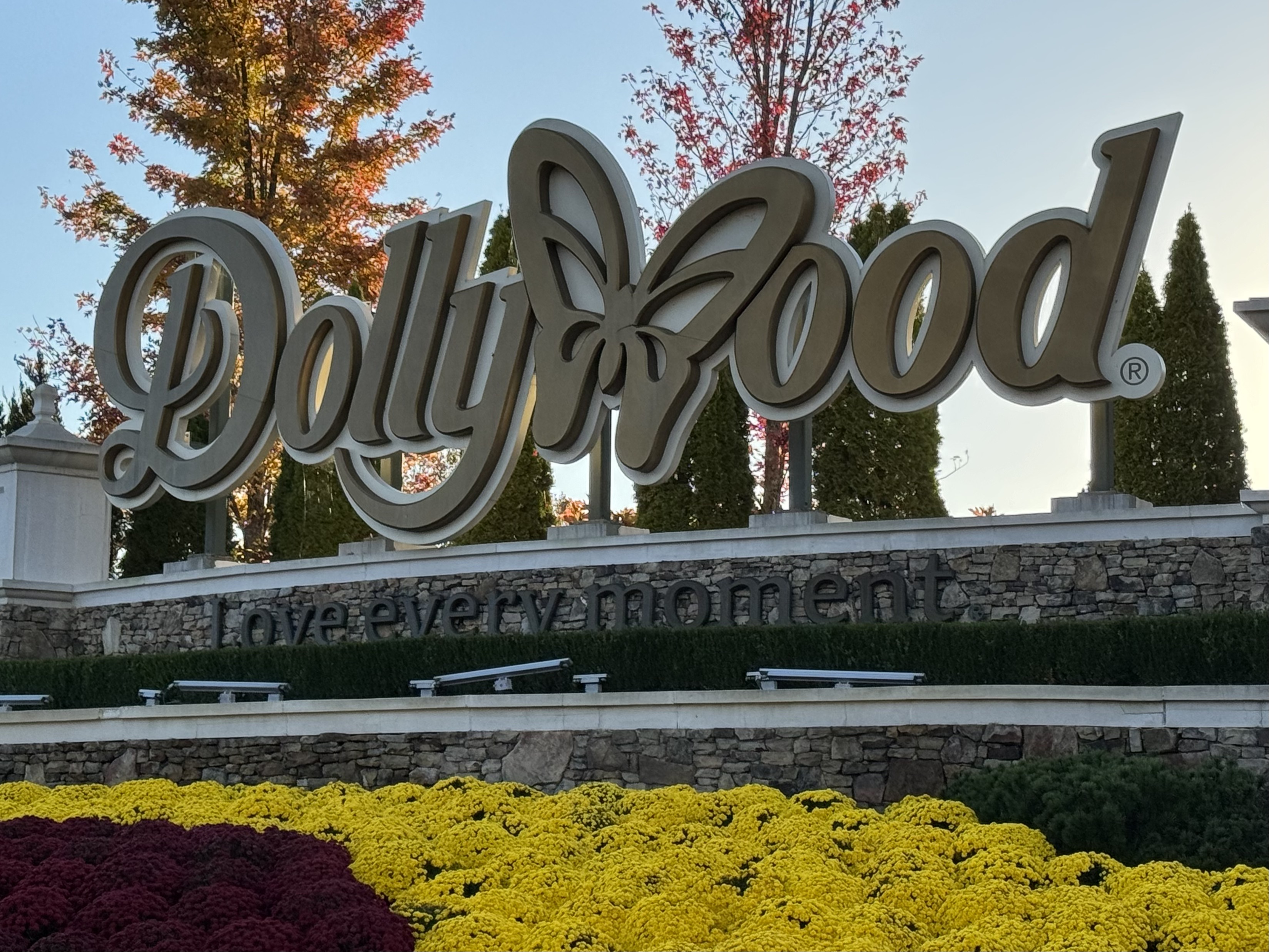
Dollywood officially closed its doors for the winter season following the conclusion of its annual Smoky Mountain Christmas celebration on January 5, with the park remaining closed for roughly two months of winter maintenance and set to reopen on March 15, 2025. While this appears to be standard seasonal maintenance, the park faced significant challenges throughout 2024 despite being named the top theme park in the United States, with unexpected closures disrupting operations on multiple occasions including a water mains leak in the summer that forced an abrupt shutdown, followed weeks later by flash flooding that injured one guest.
The situation becomes more concerning when examining the broader context. Hurricane Helene caused further disruptions in September, and freezing temperatures in December once again shuttered the park early, with even the final day of the 2024 season affected by shortened operating hours due to inclement winter weather. These aren’t isolated incidents but part of a pattern affecting the entire regional amusement industry.
Herschend’s Strategic Downsizing Reveals Deeper Problems
Herschend Family Entertainment Corporation, the company behind Dolly Parton’s iconic Dollywood theme park, announced that both Malibu Norcross and Mountasia have ceased operations after serving their communities for decades. The closures come just months after the entertainment giant completed a major acquisition that significantly expanded its portfolio, following Herschend’s acquisition of Palace Entertainment earlier this year, a deal that brought 24 properties under the Tennessee-based company’s management.
What’s particularly telling is the speed of these decisions. Properties like Raging Waters Los Angeles, Castle Park, and Wet ‘n Wild Emerald Pointe were only under Dollywood owners’ control for a few months before they were sold. With the sale of three properties and the closure of a fourth, Herschend has already rid itself of 20 percent of the properties it acquired from Palace Entertainment.
The $5 Billion Crisis Emerges from Multiple Market Pressures
The amusement park industry is experiencing unprecedented economic strain, with operating costs increasing significantly due to labor shortages, inflation in maintenance and safety costs, and growing real estate prices. Economic downturns, high operational expenses, competition from other entertainment forms, and safety concerns are major challenges facing the industry.
The crisis becomes clearer when examining market valuations. Industry revenue has grown at a CAGR of 31.5% over the past five years to reach an estimated $35.5 billion in 2025, but Disney reported a $130 million loss in its fourth-quarter operating income because of the 2024 hurricane season’s impact on attendance. This growth masks underlying structural problems that smaller operators simply cannot weather.
Regional Parks Face Elimination in Consolidation Wave

The permanent closure of two venerable amusement parks in the Atlanta area marks a dramatic change in the $5 billion family entertainment industry, with these closures revealing a more profound industry crisis characterized by growing operational expenses, dwindling attendance, and mounting debt. The long-term viability of smaller regional parks is put in jeopardy as family entertainment venues find it difficult to adjust to shifting consumer preferences and financial constraints, representing systemic issues endangering a whole entertainment ecosystem.
The pattern is becoming clear across the industry. Another amusement company, Six Flags, likewise evaluates its portfolio, with the company permanently closing Six Flags America near Washington, D.C. following Six Flags’ 2024 merge with Cedar Fair. This consolidation trend is eliminating options for families seeking affordable entertainment.
Weather Disasters Compound Financial Pressures
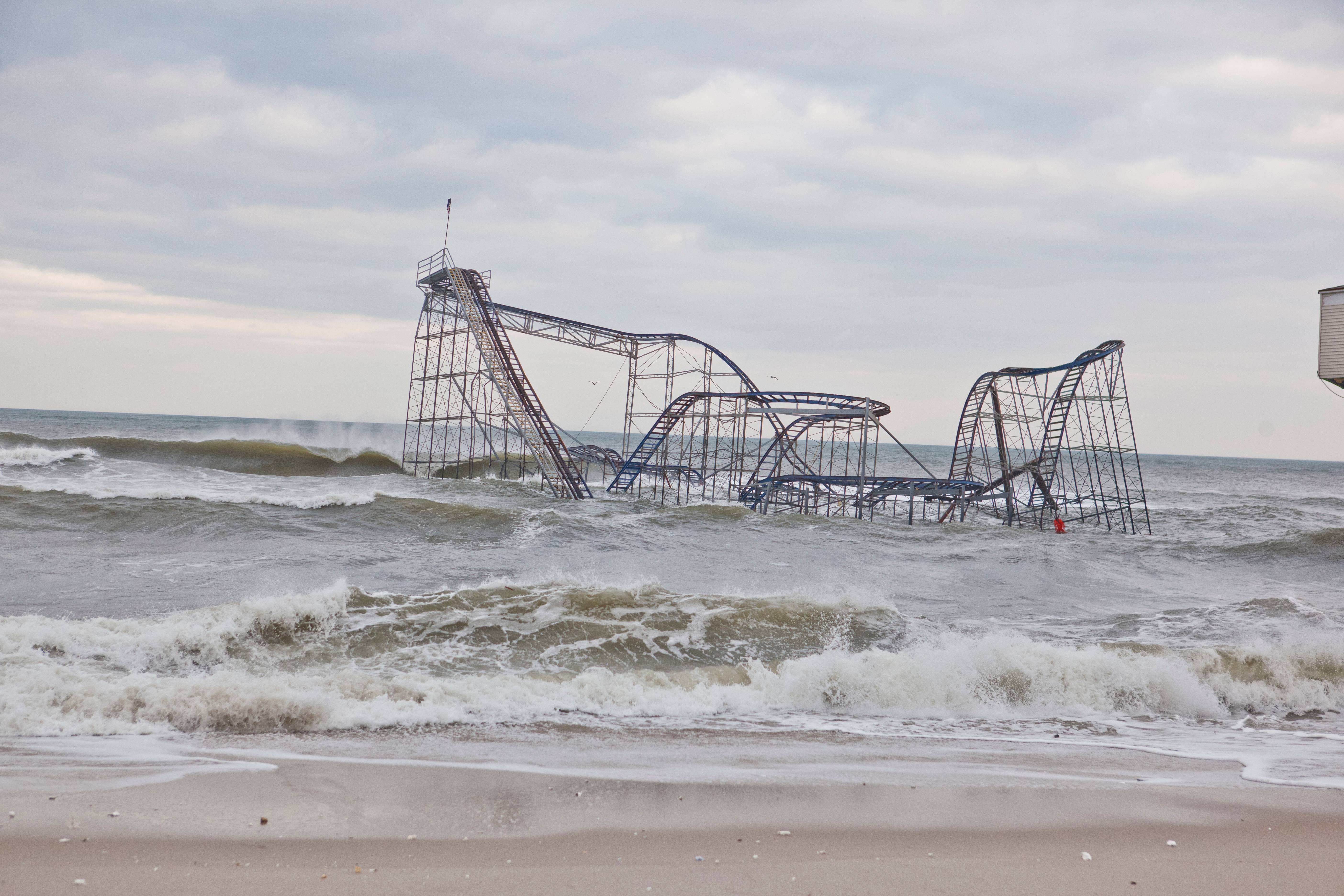
Recent disasters, like hurricanes and wildfires, have underscored the vulnerability of amusement parks to extreme weather events, with Hurricane Milton striking the Southeast in October 2024 causing theme parks in Florida, including Disney World, to face closures and damage assessments resulting in financial setbacks. The weather-related challenges aren’t limited to major operators.
Amusement parks are navigating a dynamic landscape driven by recent challenges and innovations, with parks facing closures and financial setbacks in the wake of natural disasters like hurricanes and wildfires, underscoring the need for robust emergency planning and infrastructure resilience. These environmental pressures disproportionately affect smaller regional parks that lack the financial reserves of major corporations.
Market Concentration Threatens Community Access

Herschend executives publicly stated that the closed parks “operate differently” from the company’s main attractions, with their operational styles running counter to Herschend’s lean business strategy that prioritized Dollywood and significant assets, resulting in inefficient resource allocation, diluted brand clarity, and redundant management and marketing.
This strategic focus creates a troubling trend. Market forces may continue to eliminate underperforming venues in the absence of interventions, leaving few that remain concentrated on upscale tourist markets, thereby reducing the number of options available to regular families. The industry is increasingly becoming a luxury rather than accessible entertainment.
Financial Models Favor Major Operators Over Regional Parks
Herschend has reportedly initiated a leveraged loan to support its purchase of all Palace Entertainment’s U.S.-based theme parks and hotels, with the deal including the acquisition of over 20 Palace Entertainment properties located in 10 states. This massive financial commitment demonstrates how only well-capitalized companies can survive the current market conditions.
Herschend Parks averages around 20 million visitors annually, putting it on par with United Parks and Resorts who average around 21 million visitors annually, with Dollywood as the crown jewel routinely voted the best theme park in America, beating out giants like Disney World and Universal Orlando Resort. Success now requires scale that smaller operators simply cannot achieve.
Technology Investment Requirements Exclude Smaller Venues

Technological integration, such as VR-enhanced rides and AI-driven guest personalization, continues to transform park operations and visitor engagement. Universal Epic Universe features “Mario Kart: Bowser’s Challenge,” an AR-enhanced dark ride combining projection mapping and interactive gameplay, with guests wearing AR visors to engage in a simulated race, allowing parks to offer more personalized, interactive, and technologically advanced attractions.
These technological demands create enormous barriers to entry. High operational costs, regulatory challenges, and fluctuating consumer spending due to economic uncertainties are expected to be the major factors restraining global Amusement Parks market growth. Small regional parks cannot compete with these capital-intensive innovations.
Community Impact of Park Closures

Malibu, Norcross, and Mountasia served as more than just commercial establishments in their suburban communities; they were essential gathering places that promoted intergenerational relationships by providing reasonably priced entertainment. Malibu Norcross, located in Gwinnett County, was a popular destination for families seeking arcade games and go-kart racing excitement, having been creating memories for generations of visitors who flocked to the venue for birthday parties, weekend outings and casual entertainment.
The closures represent more than business decisions. Mountasia, situated in Marietta, offered a different but equally cherished experience with its combination of go-kart racing, miniature golf and various family-oriented activities, having become a staple for local families and visitors looking for outdoor entertainment options in the Atlanta metropolitan area. These venues served communities that now have fewer accessible entertainment options.
Industry Outlook Reveals Fundamental Restructuring
The global amusement parks market size was reportedly estimated at around $67-70 billion in recent years and is expected to reach $110.97 billion in 2025, projected to reach $149.32 billion by 2030 growing at a CAGR of 6.1%. However, this growth is increasingly concentrated among major operators rather than distributed across regional venues.
The U.S. amusement park market size was estimated at $19.64 billion in 2024 and is predicted to be worth around $36.11 billion by 2034, with North America dominating the market, observed across a spectrum ranging from smaller independent parks to major industry players like Universal Studios and Disney Resorts. The gap between large and small operators continues widening, suggesting that the current crisis will permanently reshape the industry landscape toward fewer but larger entertainment destinations.
The amusement park industry’s $5 billion crisis represents more than temporary financial difficulties. It’s a fundamental restructuring that threatens the accessibility and diversity of family entertainment across America. As major corporations consolidate successful properties and abandon underperforming ones, entire communities lose gathering places that served multiple generations. The question isn’t whether parks will survive, but whether affordable, community-based entertainment will remain part of the American landscape.
Labor Shortages Force Operational Cutbacks Across the Industry

While financial pressures grab headlines, the amusement park industry is quietly bleeding from a workforce crisis that’s forcing operational compromises nobody wants to talk about. Regional parks can’t compete with the wages that Disney and Universal offer, leaving them scrambling for seasonal workers who’d rather flip burgers for $15 an hour than operate roller coasters for $12. This isn’t just about money – it’s about perception. Working at a small regional park doesn’t carry the resume cachet of Disney, which means smaller venues get whoever’s left after the big guys finish hiring. The result? Parks running at reduced capacity, cutting operating days, or shutting down entire sections because they literally can’t staff them. Some facilities have resorted to hiring workers as young as 14 just to keep gates open, raising safety concerns that regulators are only beginning to examine. When you can’t find people willing to work for what you can afford to pay, you’re not facing a labor shortage – you’re facing a business model that no longer works in today’s economy.