6 Outdated Food Safety Rules You Can Ignore Today
The world of food safety is constantly evolving. What your grandmother insisted was gospel truth about keeping food safe might actually be outdated advice that causes more harm than good. Recent FDA updates and enforcement changes in 2024 have shifted focus toward evidence-based food safety practices, leaving many traditional rules behind.
Many of these old-school kitchen commandments were born from an era when we simply didn’t understand bacteria and food science as well as we do now. Today’s food safety experts are armed with decades of research, advanced testing methods, and real-world data that paint a very different picture of what actually keeps us safe.
Expiration Dates Are Safety Deadlines
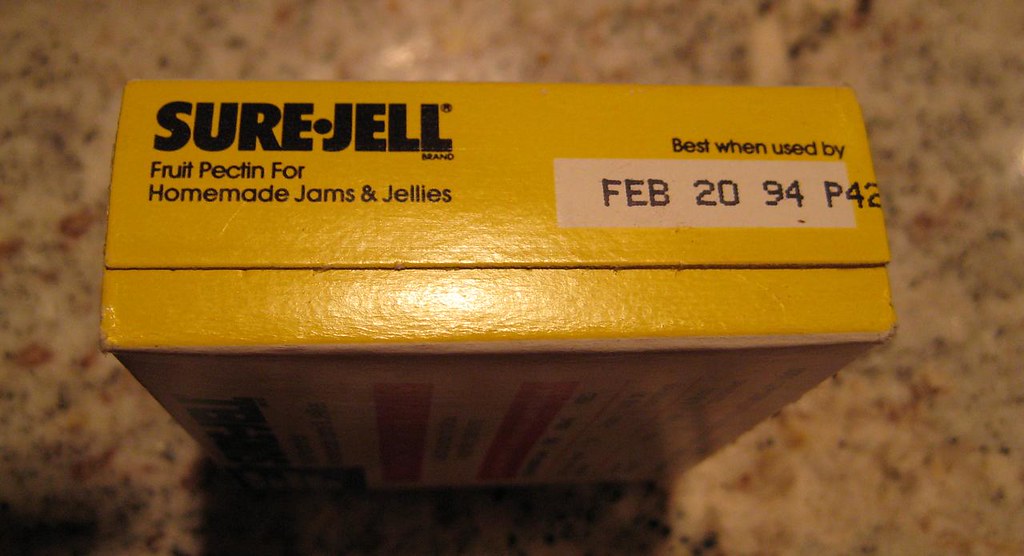
This might shock you, but those printed dates on your food packages aren’t actually about safety at all. According to the United States Department of Agriculture, food expiration dates refer to food quality, not food safety. The “sell by,” “best by,” and “use by” labels are manufacturer suggestions for peak quality, nothing more.
For instance, milk, assuming proper refrigeration, should last five to seven days past its sell-by date before turning sour. In many cases, dates are conservative, so if you eat food past that date, you may not notice any difference in quality, especially if the date has recently passed. The only exception? Infant formula, where “use by” dates are actually federally regulated for safety.
Never Put Hot Food Directly in the Refrigerator
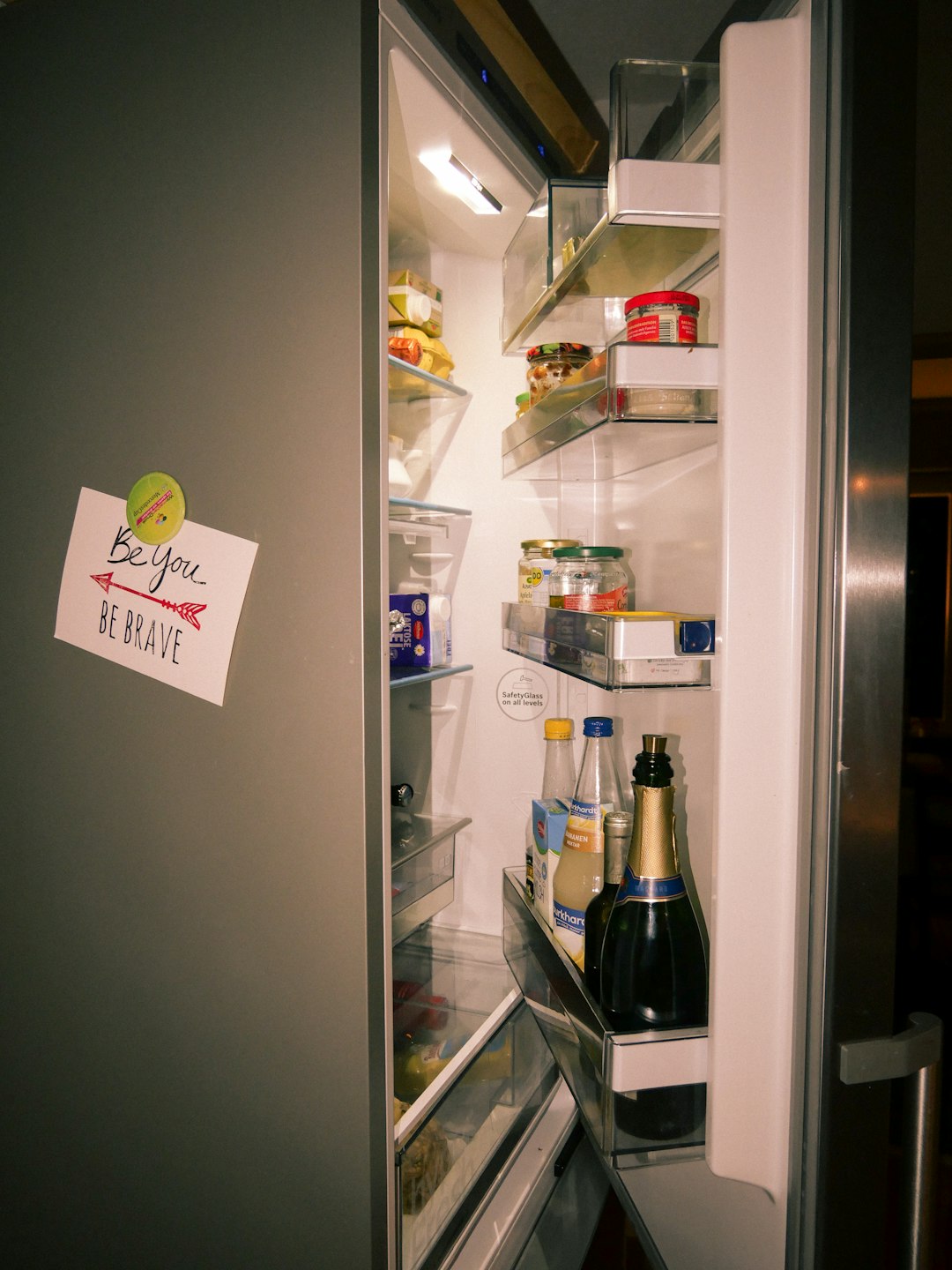
Your mom probably warned you about this one, claiming it would raise the fridge temperature and spoil everything inside. This advice made sense when refrigerators were less efficient, but modern appliances handle hot food just fine. Hot food can be placed in the refrigerator. Large amounts of food should be divided into small portions and put in shallow containers for quicker cooling in the refrigerator.
In fact, waiting for food to cool down on the counter is far more dangerous. Perishable foods should be put in a refrigerator that is 40 degrees or below within 2 hours of preparation. Bacteria can grow rapidly on food left out at room temperature for more than 2 hours. The real risk isn’t your fridge working harder; it’s bacteria multiplying while your food sits in the danger zone.
Leftovers Are Safe If They Look and Smell Fine
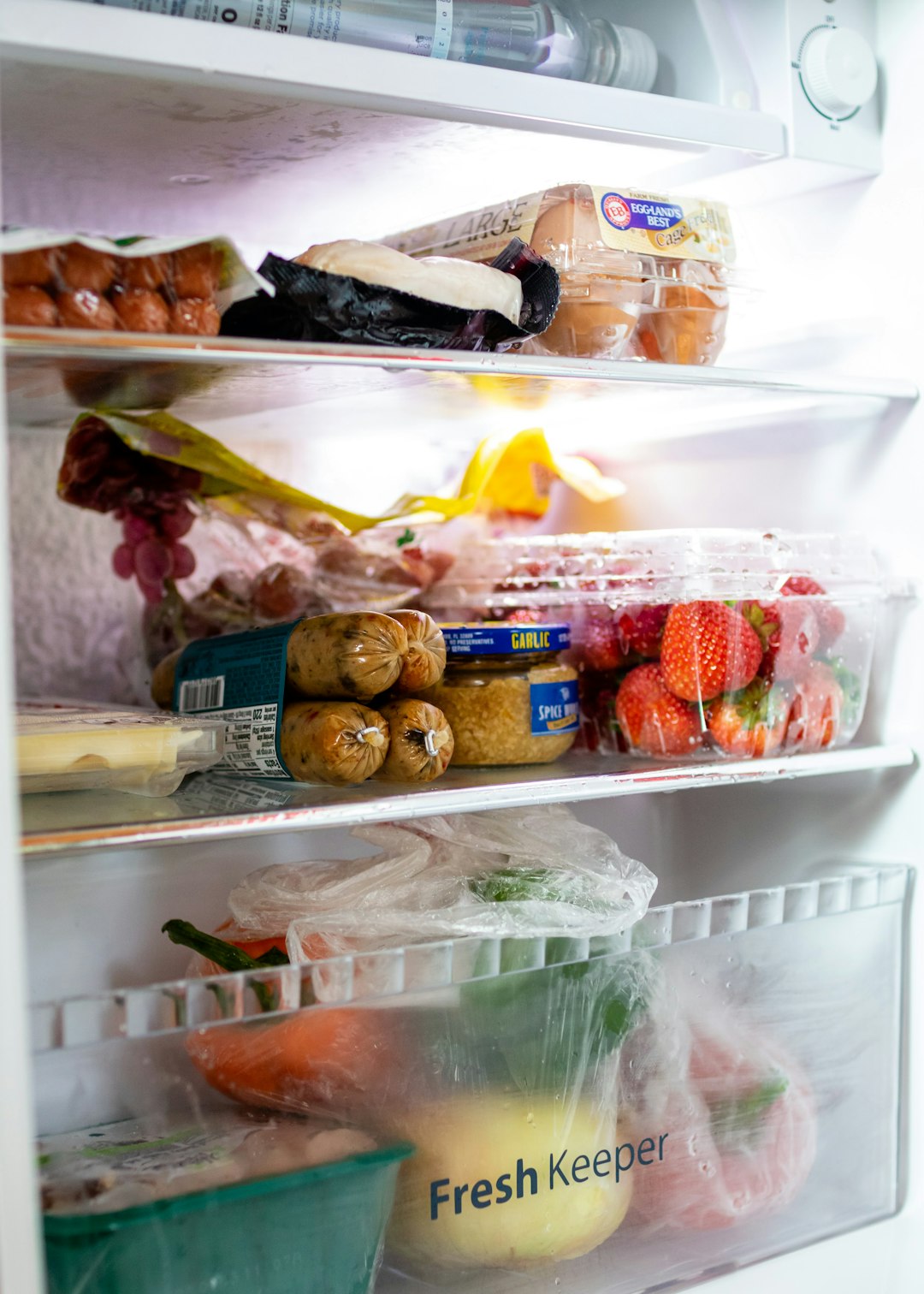
This dangerous myth has probably caused more food poisoning than any other outdated belief. The types of bacteria that do cause illness don’t affect the taste, smell, or appearance of food. This is why it’s important to freeze or toss refrigerated leftovers within 3-4 days. You literally cannot see, smell, or taste the bacteria that will make you sick.
You can’t see, smell, or taste the bacteria that can make you sick. To protect against food poisoning, toss out food after 3 to 4 days in the fridge or move it to the freezer. Those spoilage bacteria that create obvious signs of decay are actually different from the pathogenic bacteria that cause illness. Trust the calendar, not your senses.
You Cannot Refreeze Thawed Meat
This rule causes massive food waste and has zero scientific backing. If raw foods such as meat, poultry, egg products, and seafood have been thawed in the refrigerator, then they may be safely re-frozen for later use. The key factor is how the food was thawed, not whether it’s been frozen before.
If you’re still in the safe window for cooking and eating meat, poultry or fish, it’s perfectly safe to refreeze them, provided that the foods were thawed in the refrigerator and kept cold (40°F or below). Refreezing the food might result in undesirable changes in texture and some loss of flavor but it will be safe to eat. Quality might suffer slightly, but safety isn’t compromised.
Thawing Meat on the Counter Speeds Things Up Safely
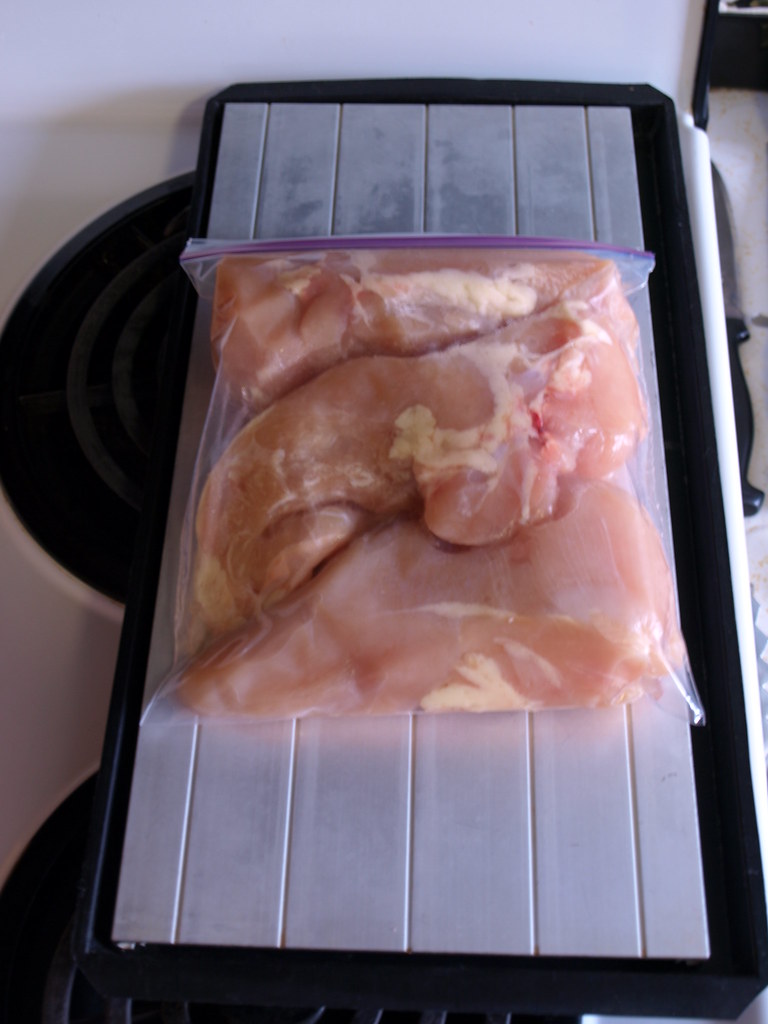
This old-fashioned shortcut is actually one of the most dangerous things you can do in your kitchen. Even if the center is still frozen, the outer layer can enter the “Danger Zone” (40°F to 140°F) where bacteria multiply rapidly. Just 20 minutes is all it takes for the number of some dangerous bacteria to double. Bacteria grow most rapidly in the range of temperatures between 40° and 140°F, doubling in number in as little as 20 minutes.
The safe methods are simple: thaw in the refrigerator, submerged in cold water, or in the microwave. Never thaw food on the counter because bacteria multiply quickly in the parts of the food that reach room temperature. Plan ahead for fridge thawing, or use cold water if you’re in a hurry.
Freezing Kills All Harmful Bacteria
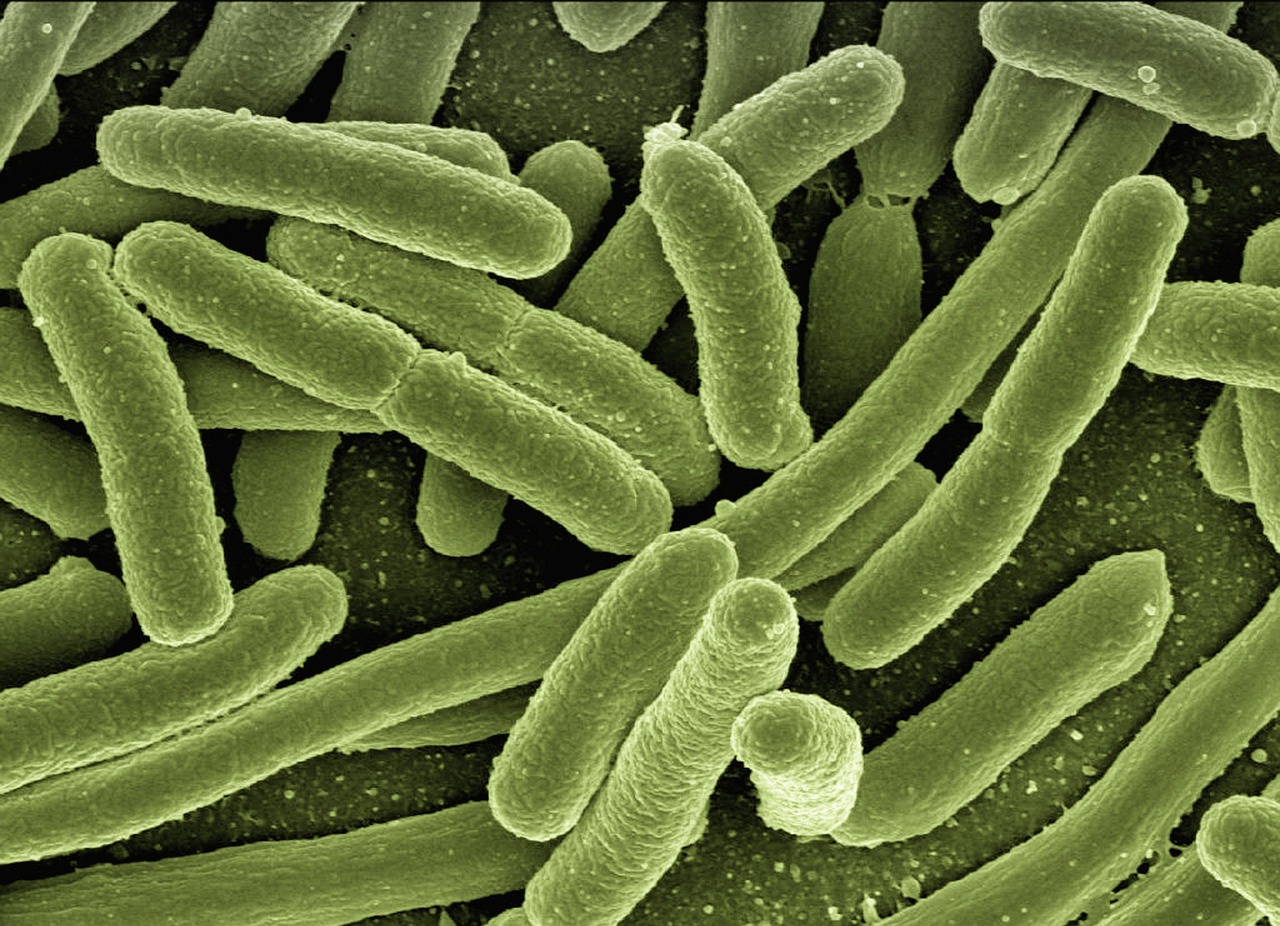
This misconception gives people false confidence about questionable food. Bacteria can survive freezing temperatures. Freezing isn’t a method for making foods safe to eat. Instead, freezing puts bacteria into a dormant state, like hitting a pause button rather than an off switch.
While freezing can slow the growth of bacteria, it doesn’t kill them. When you thaw leftovers, the bacteria may start growing again and make you sick. Freezing food will not kill germs, but rather slow the growth. If a food product is about to expire and you decide to freeze it, the day that you pull it out of the freezer for thawing will restart the clock where you stopped it upon freezing the food.
Food safety isn’t about following outdated traditions passed down through generations. It’s about understanding the science behind bacterial growth and making informed decisions based on current research. These six myths have been holding us back from both food safety and reducing unnecessary waste.
What’s most surprising is how many of these outdated rules actually increase our risk rather than protect us. Counter thawing creates perfect conditions for bacteria to multiply, while tossing perfectly good food based on arbitrary dates wastes money and resources. What do you think about these revelations? Tell us in the comments.