10 Illegal Electrical Modifications Inspectors Say Homeowners Keep Trying to Add
Homeowners often try to modernize their electrical systems without realizing that some common DIY practices violate the National Electrical Code and local regulations, creating fire hazards and potentially voiding insurance coverage. Home electrical fires account for an estimated 51,000 fires each year, nearly 500 deaths, more than 1,400 injuries, and $1.3 billion in property damage. Here’s the thing about electrical work: what seems like a simple weekend project can turn into a nightmare when you try to sell your home or worse, when something catches fire in the middle of the night.
Replacing Circuit Breakers with Higher Amperage Models
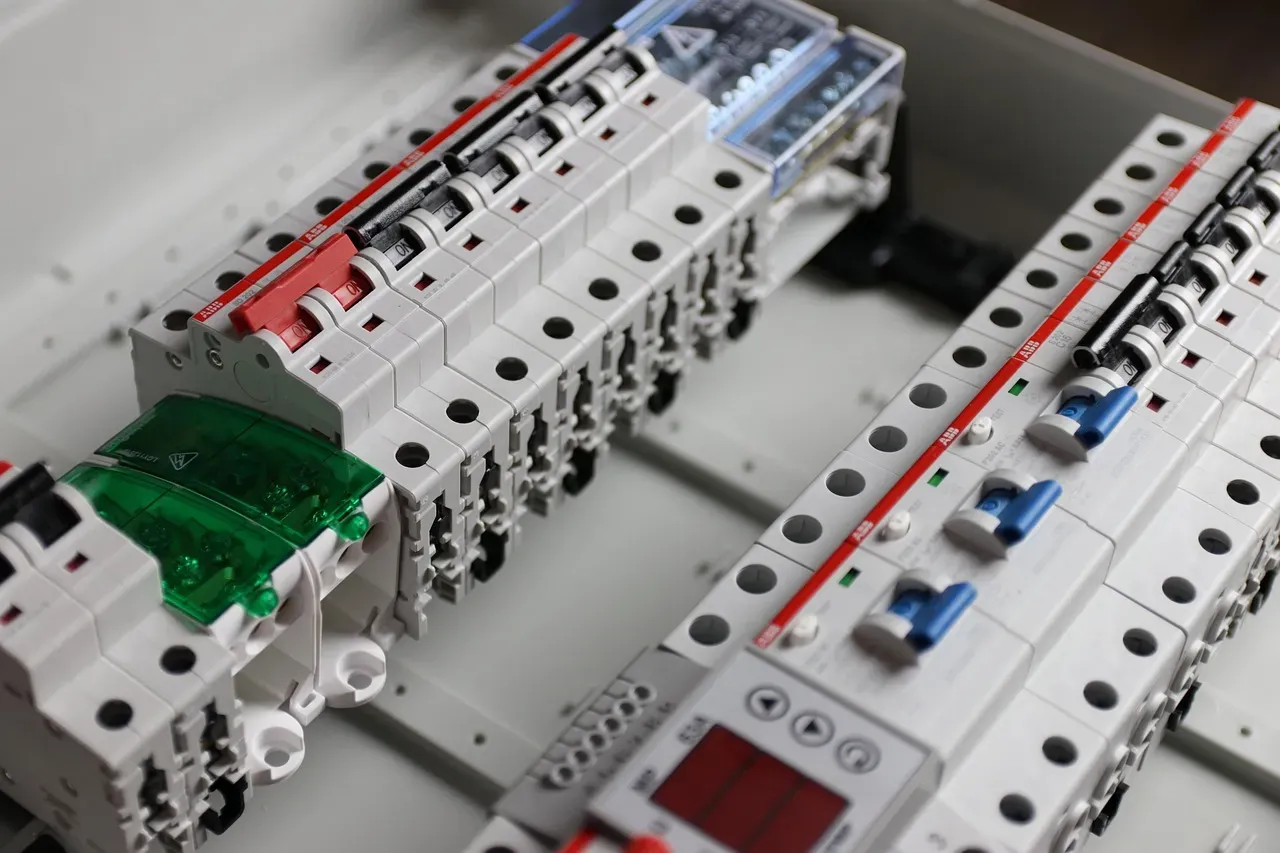
Replacing a 15-amp breaker with a 20- or 30-amp breaker to stop tripping is illegal and extremely dangerous, allowing wiring to carry more current than it was designed for and dramatically increasing fire risk, with licensed electricians considering this one of the most hazardous DIY mistakes seen in homes. Homeowners get frustrated when breakers keep tripping, thinking they’re solving the problem by upgrading to a larger breaker. The reality is terrifying. You’re essentially removing the safety mechanism that prevents your walls from becoming an inferno. A breaker is matched to load capacity and wire size, and larger breakers allow more current to flow through before they trip, which can result in fire or a complete electrical system blowout.
Hidden Junction Boxes Behind Walls
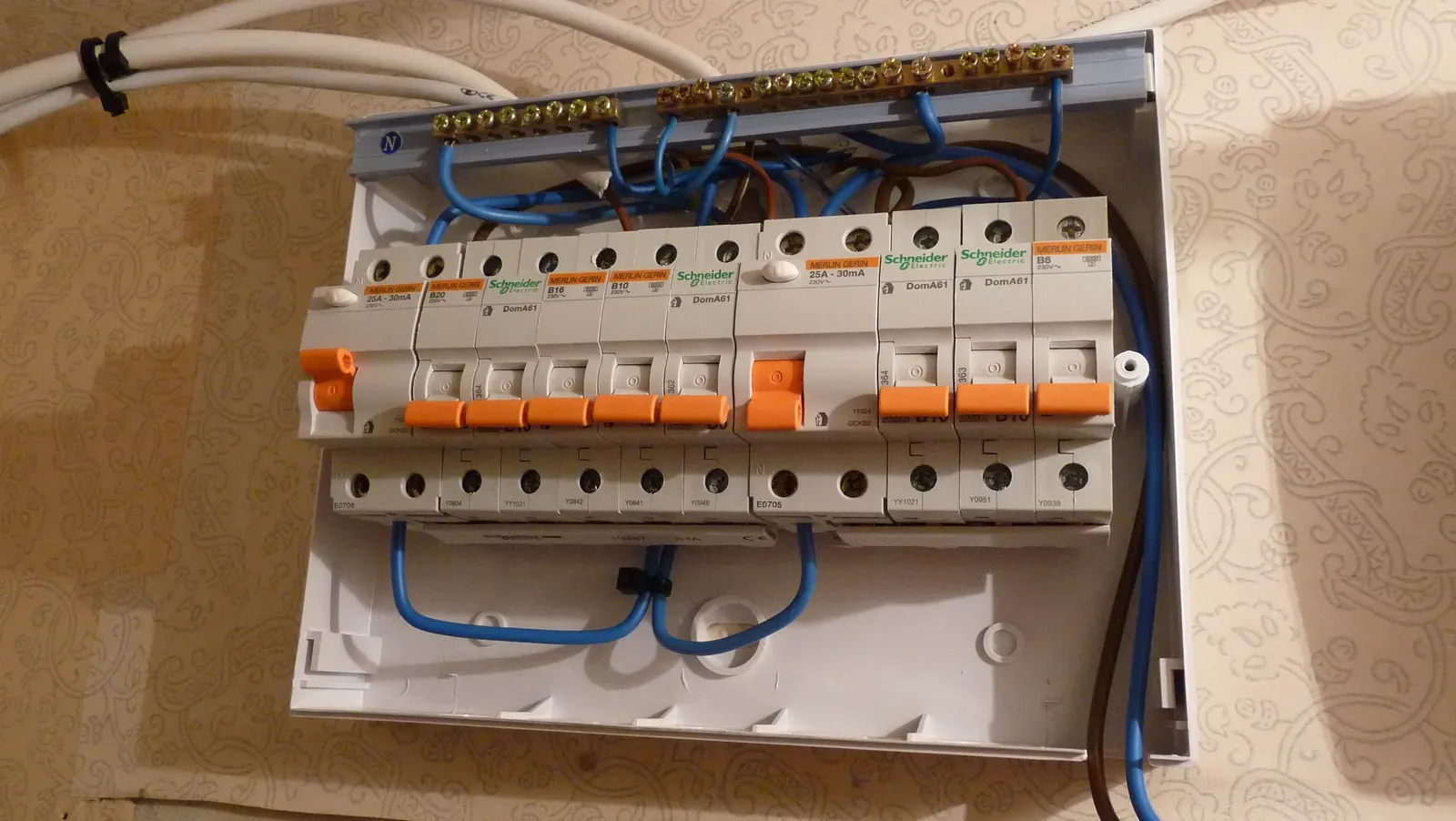
Let me tell you why this violation makes inspectors lose sleep at night. Junction boxes must remain accessible by law as required by the National Electrical Code, and hiding one behind drywall, cabinetry, or insulation prevents future inspections and increases the risk of unnoticed overheating or arcing, with electricians warning that concealed boxes are a leading cause of electrical fires. When splicing wires, the connections must be inside a junction box that complies with the NEC standard, as these boxes provide vital protection for connections that minimize the risk of fire. People think they’re creating a cleaner look by covering these boxes, never realizing they’re creating a hidden fire hazard that future inspectors or electricians can’t access when problems arise.
Wire Splices Without Proper Enclosures
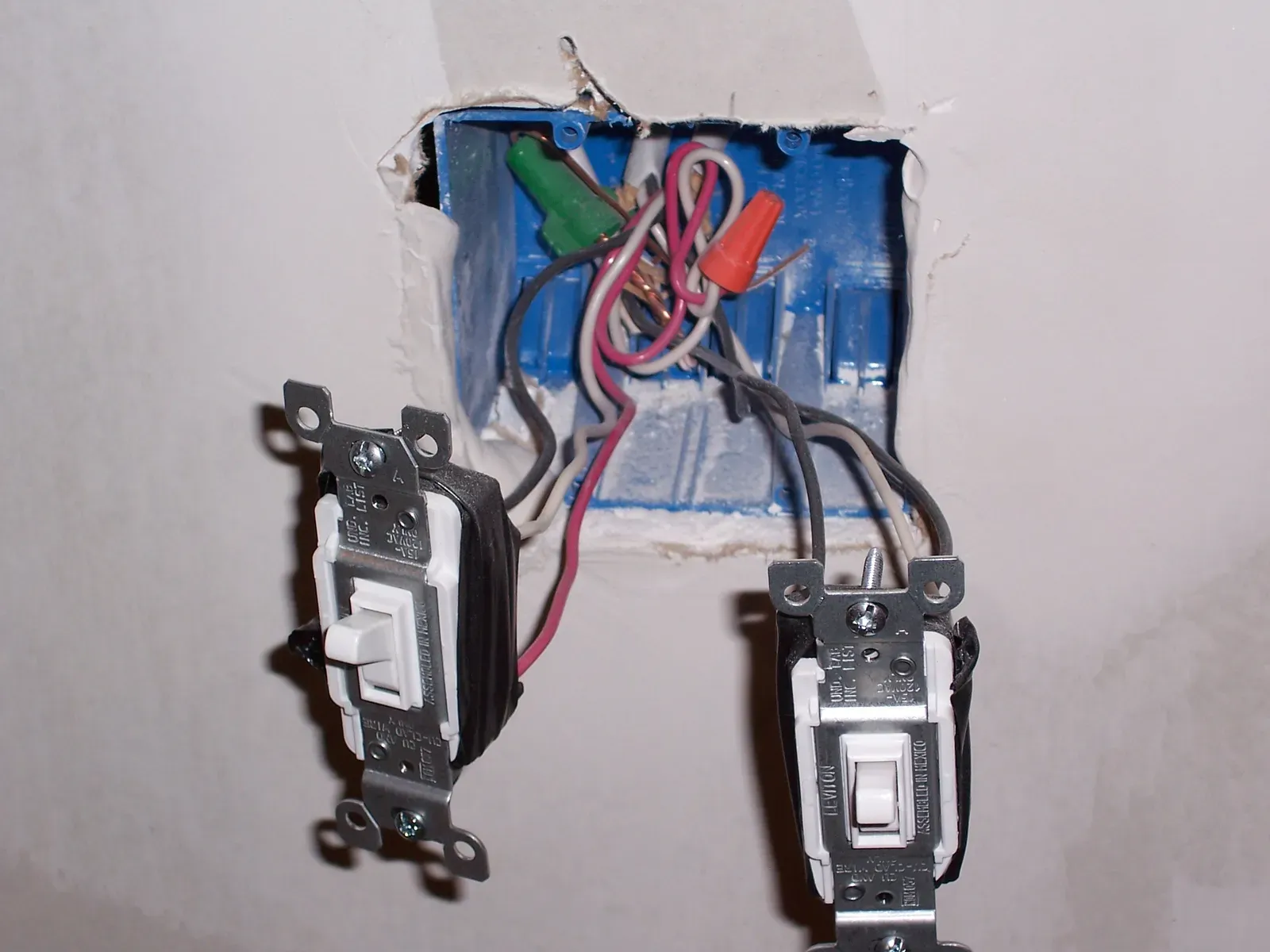
Twisting wires together in a wall cavity and covering them with tape is strictly prohibited, as electrical code requires all splices to be enclosed in approved boxes to reduce the risk of arcing, short circuits, and overheating. Electrical inspectors flag open splices as immediate fire hazards. This is the kind of shortcut that confident DIYers take, thinking electrical tape provides adequate protection. Honestly, it doesn’t matter how well you twisted those wires together or how many layers of tape you wrapped around them. The code exists because open splices can generate heat, create sparks, and ignite surrounding materials without warning.
Using Indoor Romex Cable for Outdoor Installations
Romex is for indoor use only, and using it outside, under decks, across yards, or along fences exposes it to weather and physical damage violating code, as outdoor wiring must use approved weather-resistant conduit and cable types designed to withstand moisture and UV exposure. I know it sounds crazy, but homeowners routinely run leftover indoor cable to power outdoor lighting or outlets, figuring it’s all the same wire. Romex has a paper covering inside that absorbs moisture like a sponge, and once water gets in there, corrosion starts eating away at conductors while UV rays from the sun break down the outer jacket. That fifty bucks you saved using leftover basement wire won’t cover the damage when your outdoor system shorts out during a rainstorm.
Mounting Ceiling Fans to Standard Light Fixture Boxes
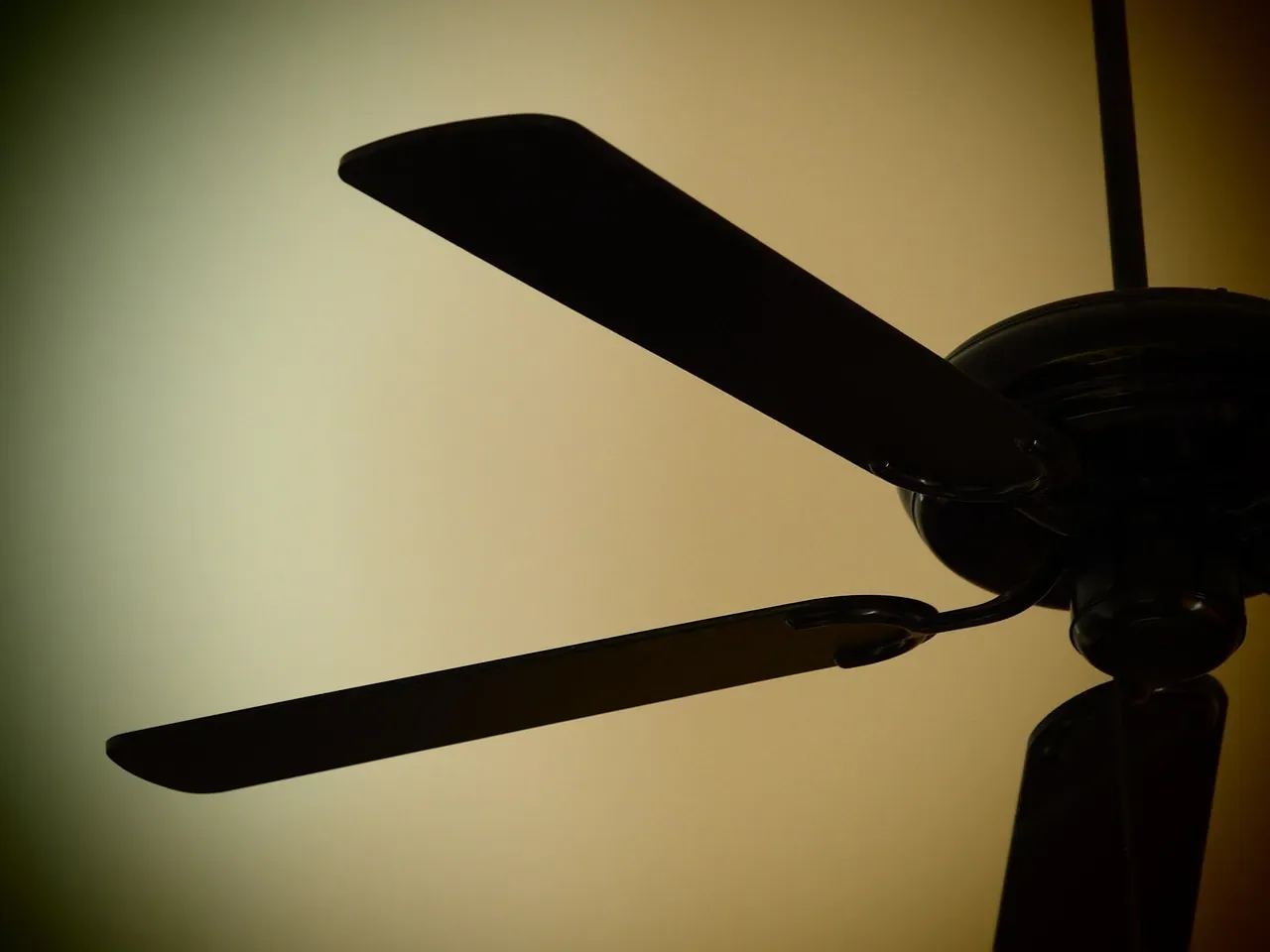
Some homeowners mount heavy ceiling fans to boxes designed only for light fixtures, but electricians warn that these boxes cannot handle the weight or vibration of fans, as failures have caused injuries and structural damage, with building codes specifying fan-rated boxes for any overhead fan installation. Here’s the reality: standard electrical boxes weren’t engineered to support the dynamic load and constant vibration of a spinning fan. Those boxes might hold for months or even years, giving you a false sense of security. Then one day, the box tears free from the ceiling, sending your fan crashing down. The worst part is when this happens over a bed or a room where people gather.
Adding Circuits Without Evaluating Panel Capacity
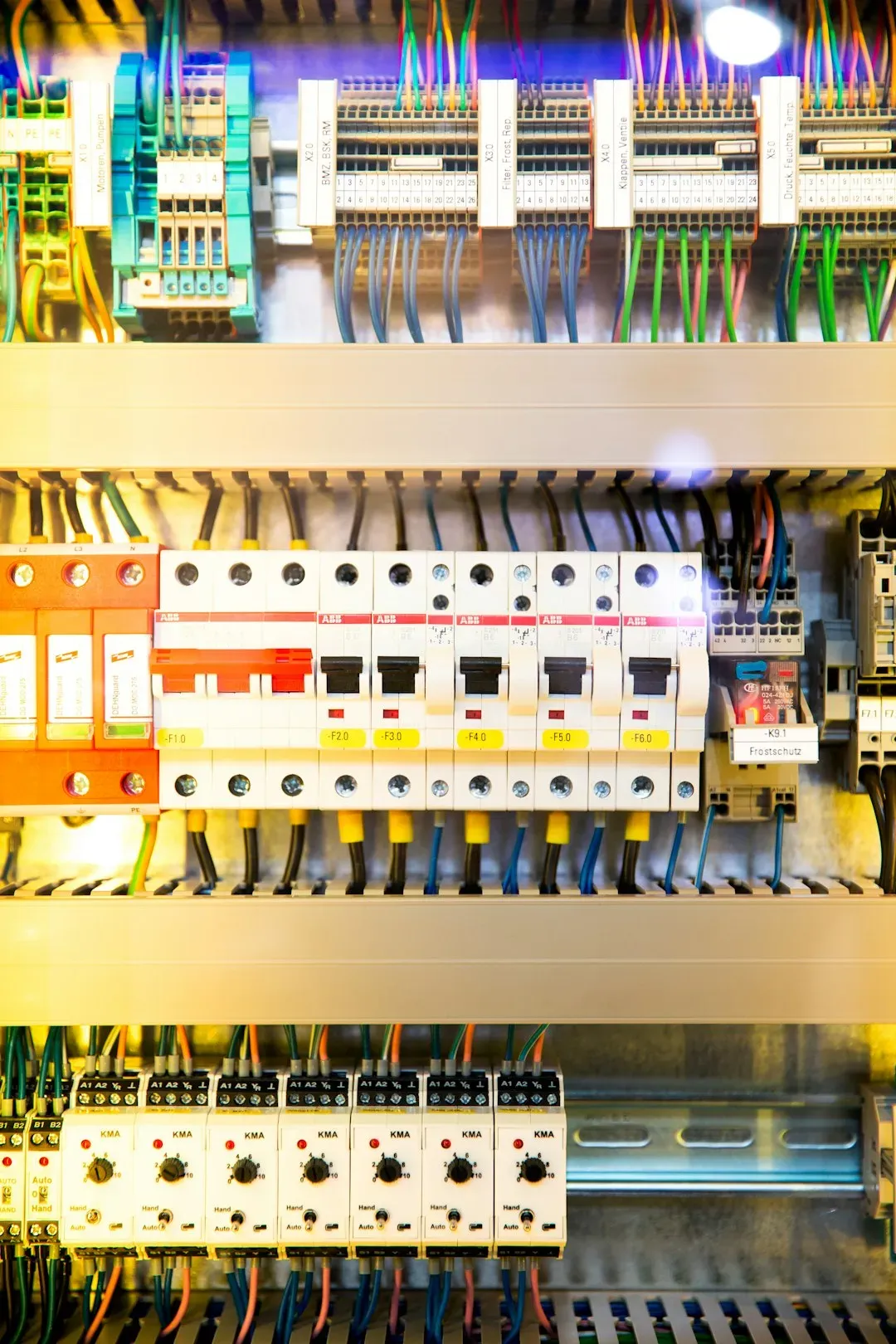
Electrical panels must be evaluated for available capacity before adding circuits, as unpermitted additions often overload panels and create unsafe heat buildup violating local codes, with home inspectors frequently flagging these illegal upgrades when homes are sold, sometimes requiring expensive corrections. The National Fire Protection Association estimates nearly 50,000 dwelling fires in the U.S. happen every year due to overloading an electrical system not equipped with enough receptacles, with homeowners compensating for lack of outlets by relying on extension cords not designed to handle large amounts of electricity. It’s hard to say for sure, but most DIYers never calculate actual load requirements before cramming another breaker into an already maxed-out panel. They just assume there’s room because there’s a physical slot available.
Installing Three-Prong Outlets Without Proper Grounding
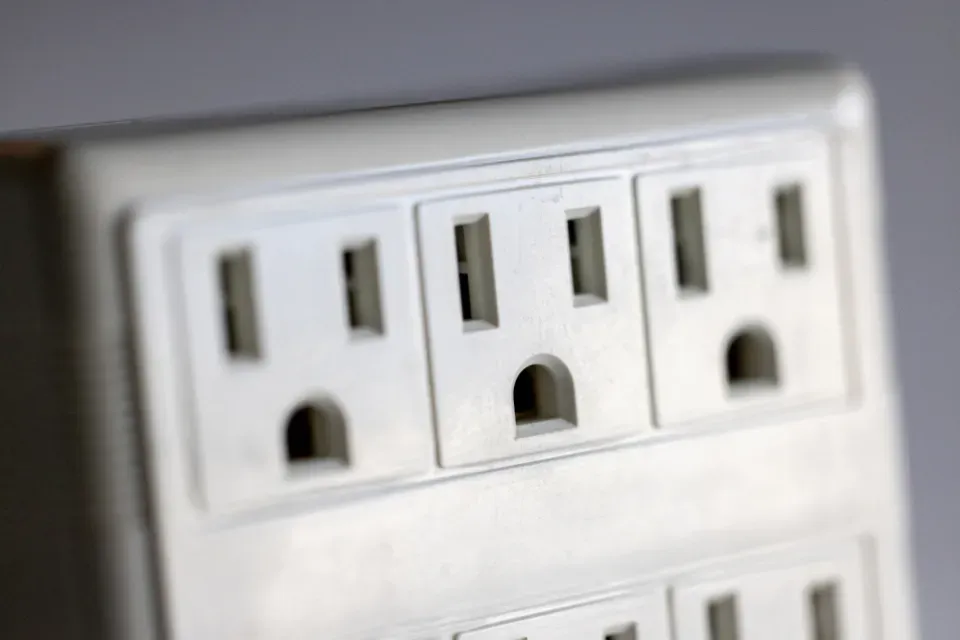
Some homeowners add outlets without connecting them to a grounded system, especially in older houses, and ungrounded outlets violate electrical code and put users at risk of shock, especially when plugging in metal-cased appliances or electronics, with certified electricians emphasizing grounding as essential for both surge protection and personal safety. A previous homeowner swapping out two-slot, non-grounding type receptacles for three-slot, grounding-type ones without actual grounding is a code violation. This modification is particularly sneaky because everything looks correct from the outside. You’ve got a modern three-prong outlet that accepts all your devices, yet there’s no actual safety ground protecting you from electrical shock.
Using Extension Cords as Permanent Wiring
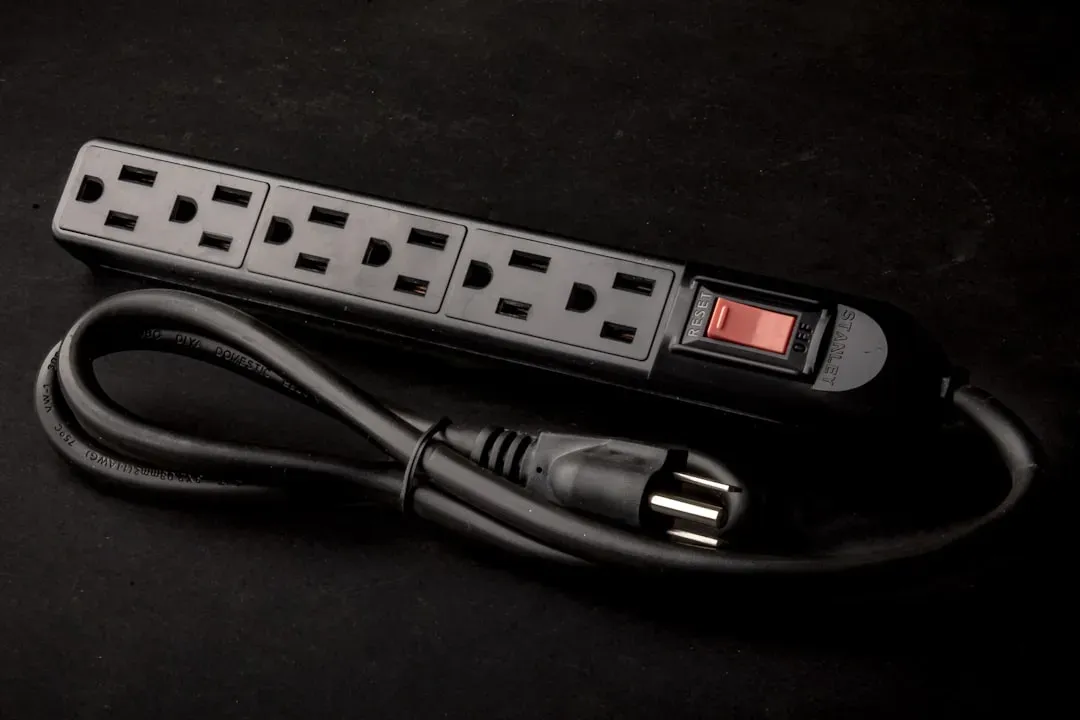
The NEC doesn’t allow extension cords to be used as a substitute for permanent wiring. An insufficient number of receptacles frequently leads to excessive reliance on extension cords, which poses a major fire hazard and is also an electrical code violation, and extension cords cannot be used as permanent wiring for devices such as garage door openers or air conditioning units. Let’s be real: we’ve all done this at some point. The problem happens when that temporary solution becomes permanent. Those extension cords snaking across your garage floor or running behind furniture for months on end weren’t designed for constant use. To compensate for lack of outlets, homeowners are quick to rely on extension cords not designed to handle large amounts of electricity.
Missing GFCI Protection in Wet Locations
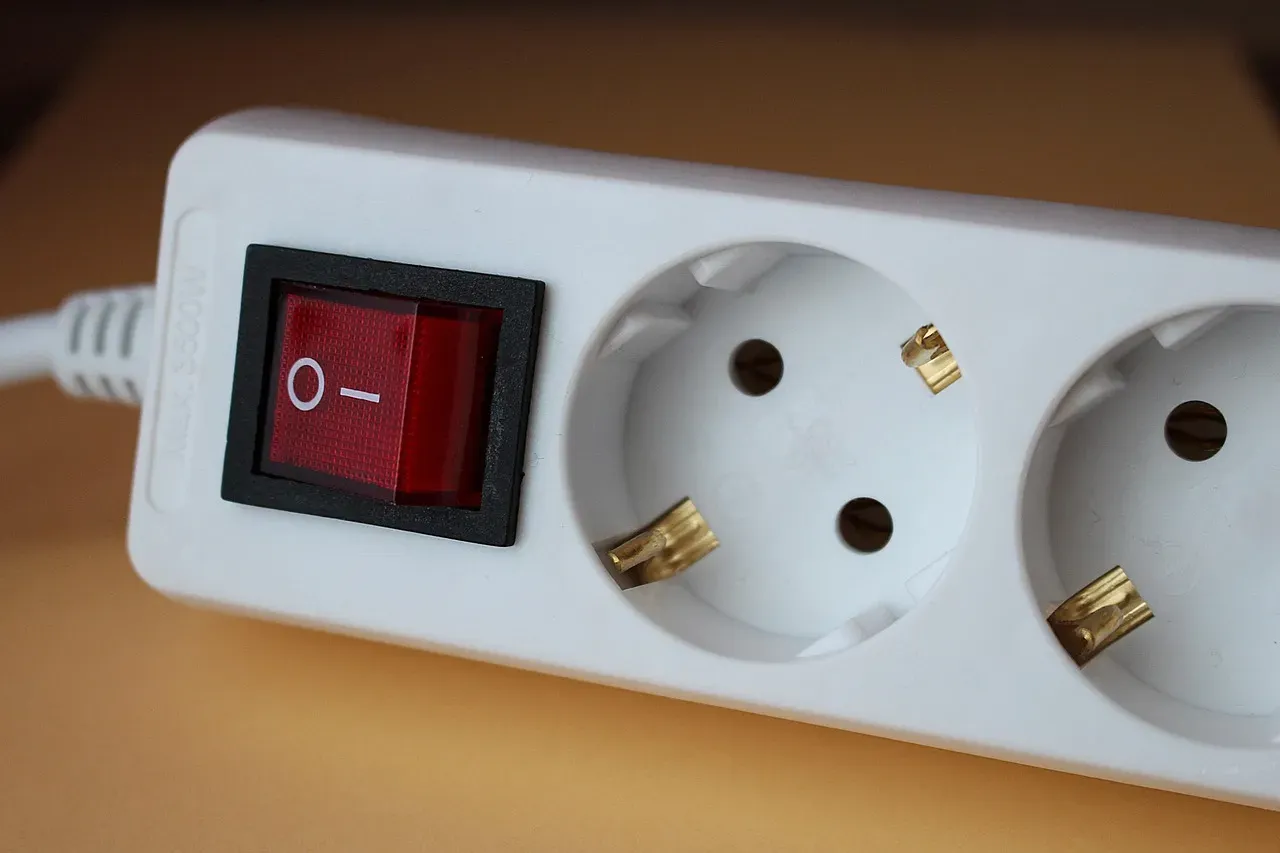
Inspectors frequently flag missing ground fault circuit interrupters, especially in older homes, as GFCIs protect from electric shock and they’re required in multiple places around your home where water is present. Modern code requires outlets in kitchens, bathrooms, garages, and outdoor areas to be GFCI protected as these outlets protect from severe shock in damp areas, and an inspector will test all outlets to ensure GFCIs are installed where needed and that they trip correctly. Roughly about half of older homes lack proper GFCI protection in critical areas like kitchens, bathrooms, and outdoor spaces. GFCIs protect from electric shock, and they’re required in multiple places around your home where water is present, as GFCI requirements have expanded over time and many homes lack them where the NEC currently requires them.
Double-Tapping Circuit Breakers
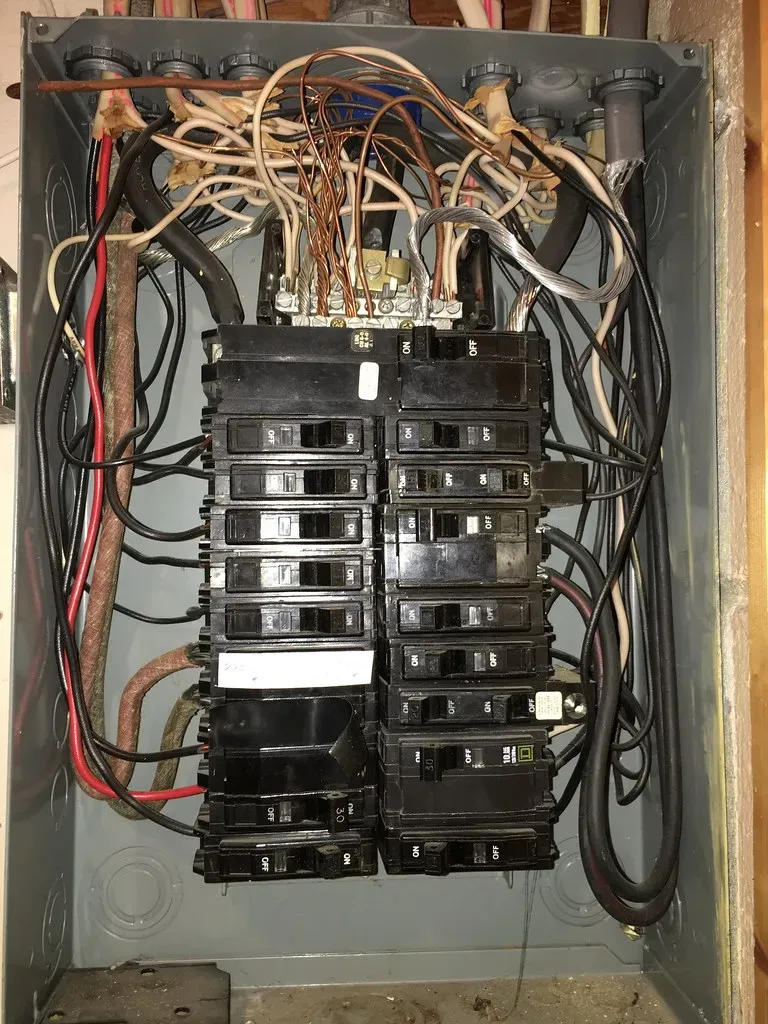
Double-tapped breakers occur when two wires are connected to a single-pole circuit breaker that is only designed for one wire, and this improper connection can lead to a loose wire, causing arcing and overheating, which is a clear code violation. Most circuit breakers are designed for just one wire, and connecting two wires where they are not supposed to be can lead to loose connections, arcing currents and potential fires. This violation happens constantly in homes where previous owners kept adding circuits without upgrading the panel. They simply shoved two wires under a single breaker terminal, figuring electricity doesn’t care how many wires share the connection. The truth is, those connections can work loose over time, creating resistance that generates dangerous heat buildup right inside your panel.
What would you have guessed was the most common electrical violation? Home inspectors frequently flag these illegal upgrades when homes are sold, sometimes requiring expensive corrections. The bottom line remains simple: Some insurance providers may even deny claims for fire or damage caused by unlicensed work. These shortcuts might seem harmless when you’re trying to save a few hundred dollars on an electrician, yet they can cost you everything when a fire investigator determines your DIY electrical work caused the blaze.