5 Countries Where Buying Property Is Almost Out of Reach
Think buying a home in your city feels impossible? You’re not alone. In some corners of the world, the dream of homeownership has drifted so far beyond the grasp of ordinary families that it feels more like a fantasy than a financial goal. We’re talking about places where the average apartment costs more than most people will earn in a lifetime, or where a single square meter can run into the tens of thousands of dollars.
These aren’t just expensive cities. They’re the outliers, the extreme ends of the global housing market where wealth, scarcity, and relentless demand have collided to create price tags that defy logic. Let’s take a closer look at five countries where property ownership has become an almost unreachable dream for all but the ultra-wealthy.
Monaco: Where Every Square Meter Costs a Fortune
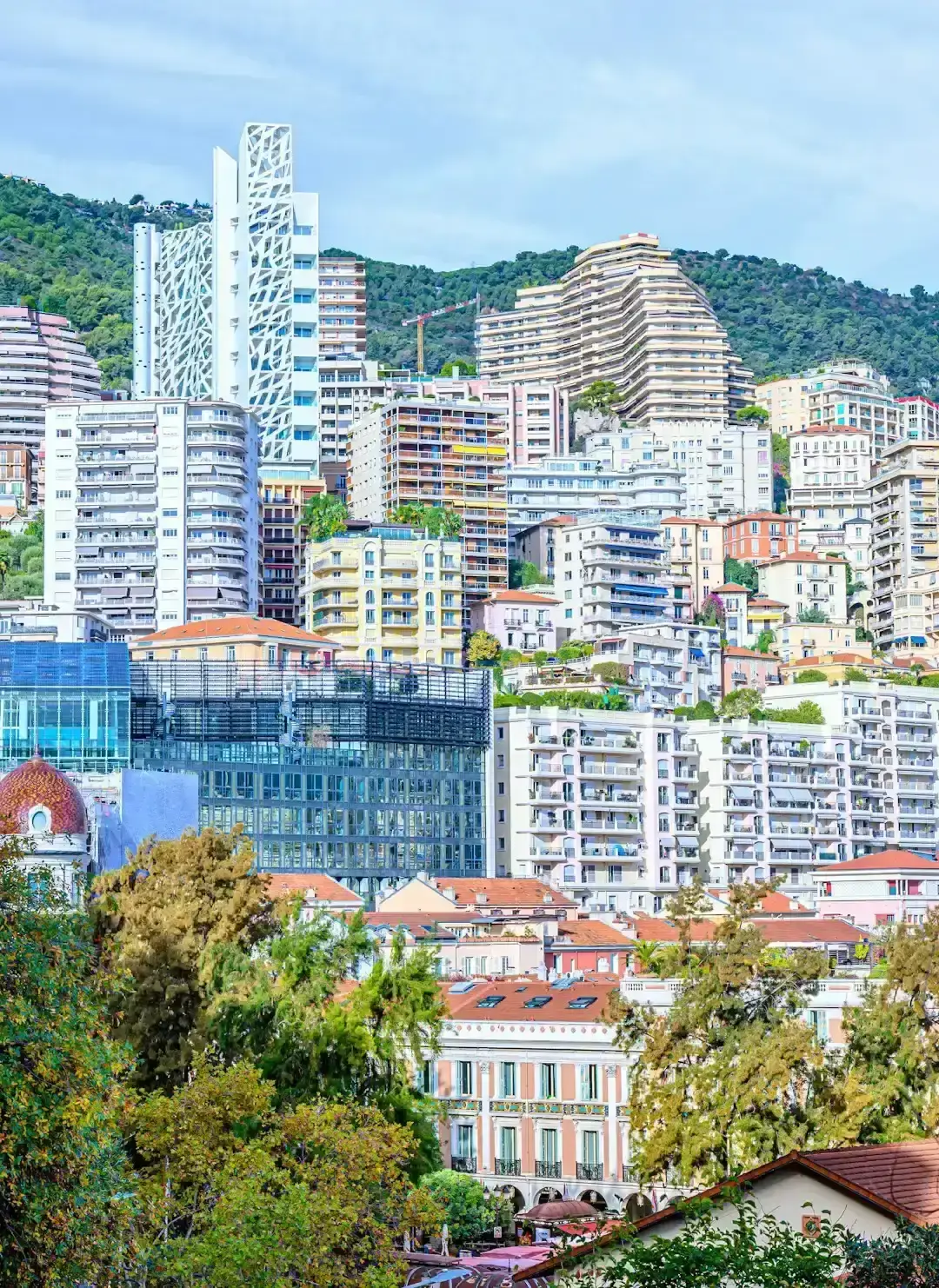
The average price per square meter in Monaco reached €51,967 in 2024, setting a new all-time high and representing a 44.3% increase over the past decade. To put that in perspective, you’d need millions just to secure a modest apartment. A 90 square meter apartment in Monaco costs an average of $5.02 million. It’s hard to wrap your head around those numbers.
Larvotto and Mareterra are the exception, with sales sometimes exceeding €100,000 per square meter. The most exclusive districts, like Monte Carlo and La Rousse, hover around similar stratospheric levels. This tiny principality, just over two square kilometers in size, has become the ultimate trophy address for billionaires and high-net-worth individuals seeking tax advantages and Mediterranean luxury.
High prices are driven by the principality’s limited territory (just 2.02 square kilometers), tax incentives, safety, and exclusivity. There’s simply nowhere left to build, and every new development gets snapped up before construction even finishes. Monaco isn’t just expensive – it’s in a league of its own.
Hong Kong: The World’s Least Affordable Housing Market
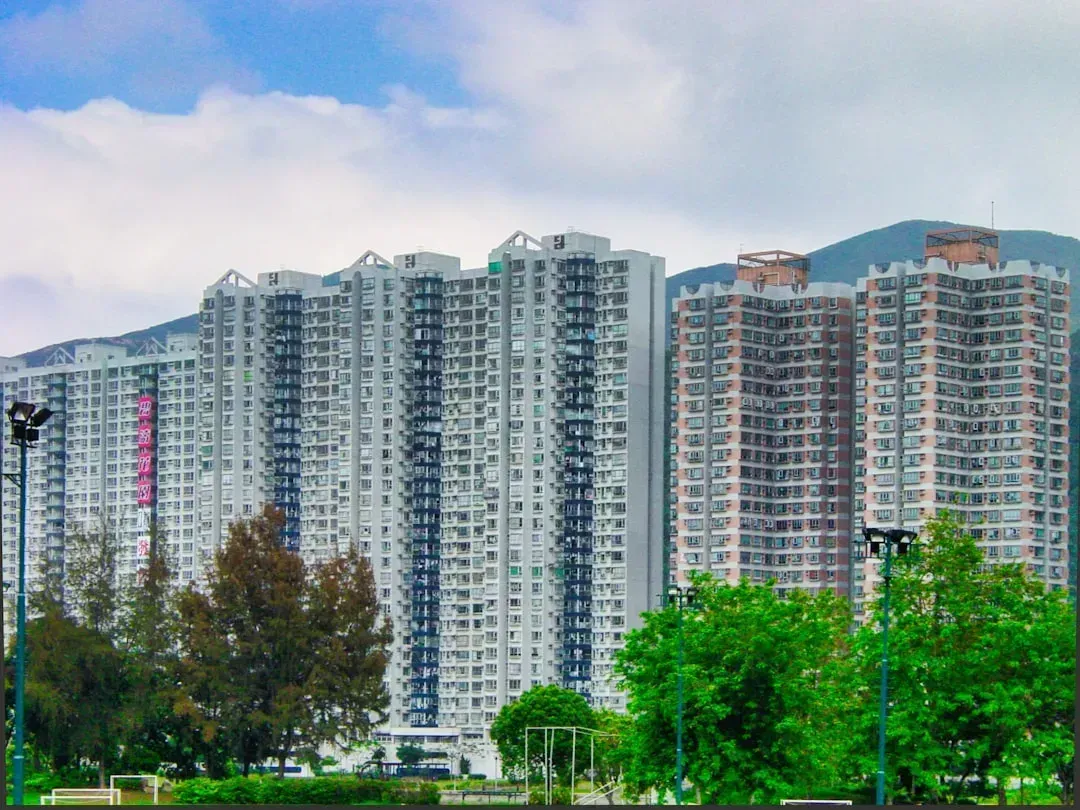
Hong Kong has retained its dubious distinction as the world’s most unaffordable property market for the 14th straight year, as the average family would have to bank its entire income for 16.7 years to amass the average selling price of a home in the city. Let that sink in. More than sixteen years of every dollar earned, just to afford one property.
Prime property prices of roughly twenty-six thousand dollars per square meter push Hong Kong above Zurich, Singapore and New York. Even with recent price corrections, the market remains crushingly unaffordable. Hong Kong’s residential property price index fell by 7.76% in the first quarter of 2025 compared to the same period last year. Yet even after these declines, buying remains a distant dream for most residents.
The problem is rooted in geography and policy. Hong Kong’s mountainous terrain leaves little land available for development, and what space exists is tightly controlled by the government. Population density is extreme, and the city’s status as a global financial hub keeps demand sky-high despite political uncertainties and economic headwinds.
Switzerland: Stability Comes at a Steep Price
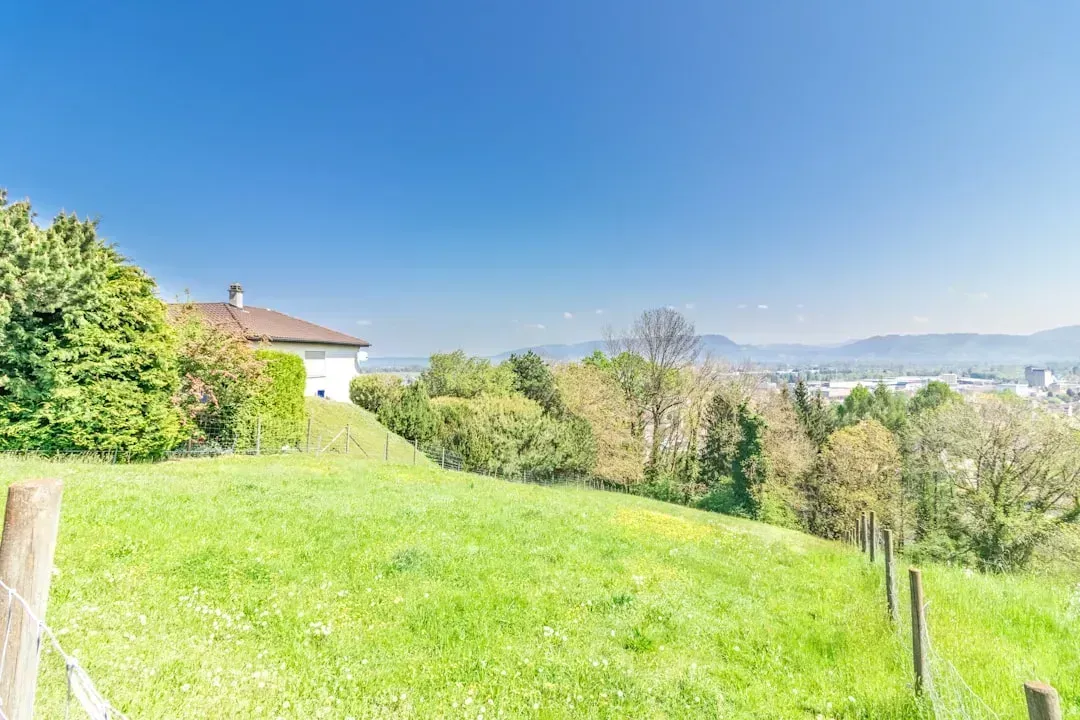
Switzerland might not grab headlines like Monaco or Hong Kong, but its property market is quietly one of the world’s most expensive. Geneva was the most expensive Swiss city to buy an apartment in, with average values of approximately 15,650 euros per square meter in the first quarter of 2024. Zurich isn’t far behind, consistently ranking among the top global cities for property costs.
Swiss property prices increased roughly four percent for apartments and five percent for single-family homes between 2024 and 2025, and over the past five years, prices in major cities rose about a quarter. What makes Switzerland particularly challenging is the combination of high property prices and strict mortgage regulations. Banks typically require substantial down payments, often twenty to thirty percent of the purchase price.
Demand for privacy and political stability keeps Zurich and Geneva property prices high, often reaching tens of thousands per square metre. The country’s reputation for safety, neutrality, and financial stability attracts wealthy buyers from around the world, pushing prices beyond the reach of many locals. Even with solid Swiss salaries, homeownership remains elusive for a growing number of residents.
Singapore: The City-State Where Space Is the Ultimate Luxury
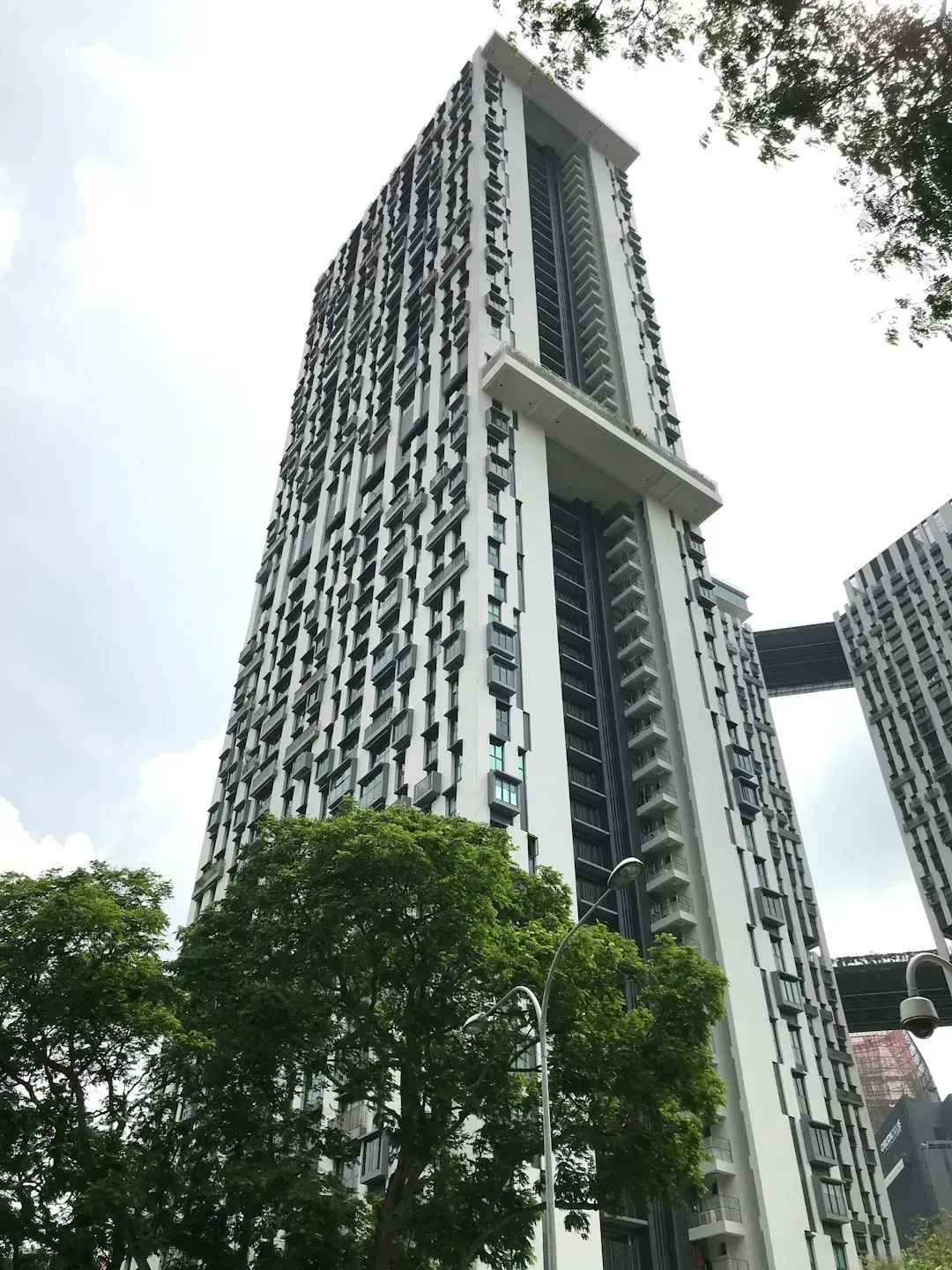
Singapore’s property market operates in its own pressure cooker of limited land and relentless demand. Singapore ranks third with a price of $22,957 per square meter, and South Korea has climbed to fourth place with a price of $14,370 per square meter, driven by the growth of the tech sector and urbanization. The government actively manages the market through cooling measures, but prices continue to climb steadily.
Over the past five years, private residential prices in Singapore have increased by thirty-two percent, with roughly a four percent rise in 2024 alone, and while the pace of appreciation has moderated, property prices remain resilient due to strong local demand, limited land supply, and government policies that curb speculation. What’s striking is how even public housing, meant to be affordable, now regularly sells for over a million Singapore dollars in desirable neighborhoods.
The average price-to-income ratio was 13.4 times between 2000 and 2023, rising to 14.1 times in 2023 and reaching around 14.6 times in 2024, hitting the upper bound of historical affordability levels. For many Singaporeans, particularly younger buyers, homeownership increasingly depends on family wealth and parental support rather than personal income alone. The island nation’s success has priced out its own citizens.
South Korea: Seoul’s Skyrocketing Real Estate Crisis
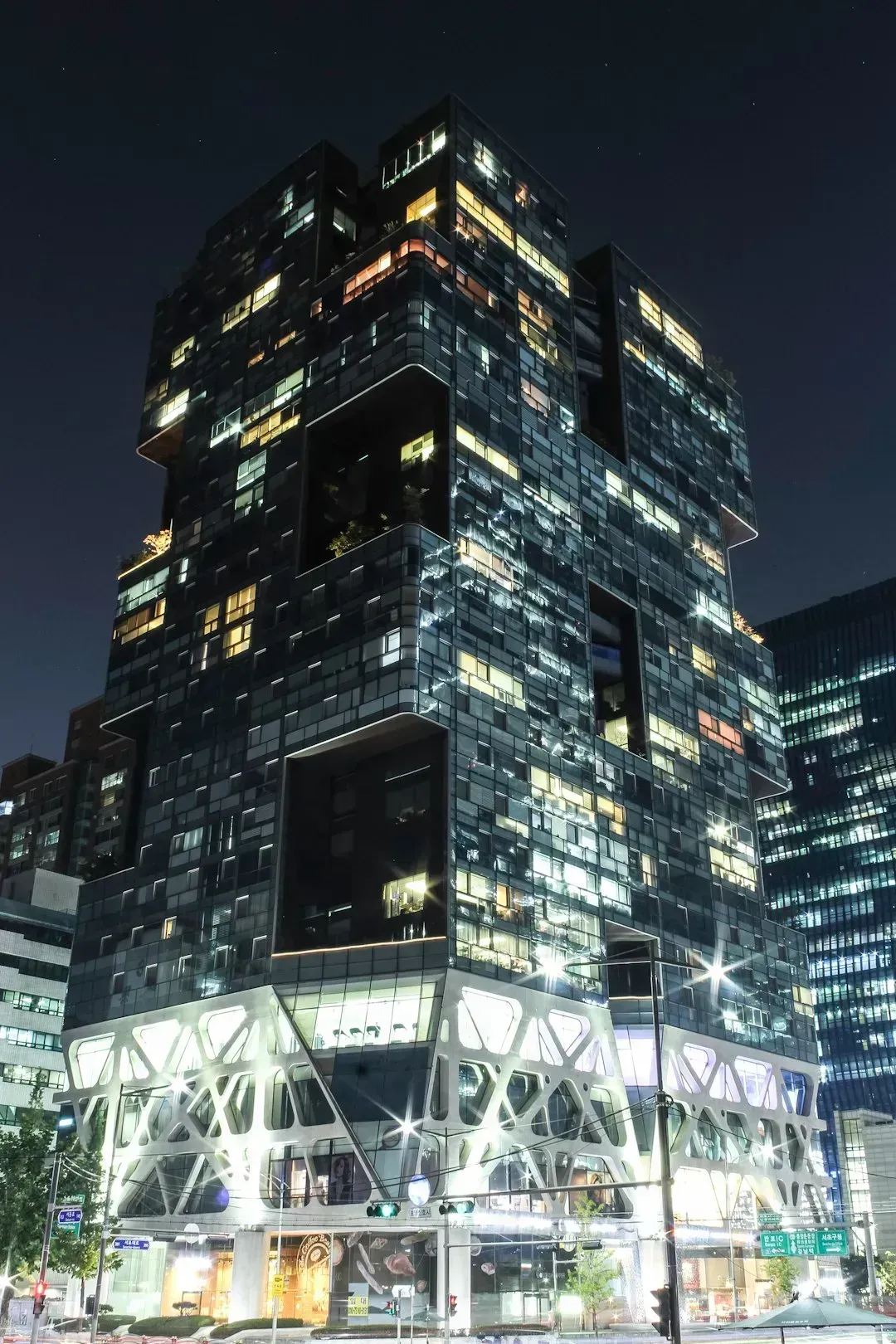
South Korea, particularly Seoul, has emerged as another global hotspot for unaffordable housing. South Korea’s capital, Seoul, sees property prices averaging $13,000 per square meter, influenced by urbanization as significant rural-to-urban migration has concentrated demand in major cities, and a cultural emphasis on homeownership where societal values place a premium on owning property. The cultural pressure to own property before marriage has intensified competition.
The tech boom has made things worse in some ways. As Seoul has become a hub for technology companies and high-paying jobs, young professionals flood into the city, but housing supply hasn’t kept pace. Government efforts to cool the market through stricter lending rules have had limited success. Speculative buying, often fueled by hopes of future price appreciation, keeps pushing values higher.
What makes Seoul particularly challenging is the gap between wages and property prices. Even well-paid professionals in their thirties and forties struggle to afford decent apartments in desirable neighborhoods. Many young Koreans have simply given up on homeownership, resigned to renting indefinitely or moving to smaller cities where opportunities are more limited.