10 Small Things That Strengthen a Marriage More Than Big Gestures
Let’s be real. We’ve all seen those over-the-top marriage proposals on social media or heard stories about couples renewing their vows on a tropical beach. They’re lovely, sure, yet here’s the thing: those grand gestures aren’t what keep marriages thriving day after day. What really matters are the small, consistent acts that couples share when nobody’s watching. The tiny moments of care, attention, and intention. Think about it. Anyone can plan one massive gesture a year, but how many of us can show up for our partner every single day in meaningful ways?
Research suggests about three quarters of married couples describe their marriage as happy or extremely happy, meaning most people are doing something right. Still, many of us chase the dramatic when we should be focusing on the daily. What if the secret to a stronger marriage isn’t found in expensive gifts or extravagant dates, but in the quiet, unglamorous habits we practice together? Let’s explore ten surprisingly powerful small actions that research shows can transform a marriage far more than any grand romantic gesture ever could.
Saying Thank You and Feeling Appreciated

Here’s something fascinating that researchers at the University of Illinois discovered. Individuals who feel appreciated by their partners have better-functioning relationships that are more resilient to internal and external stressors. That’s huge. We’re not talking about expressing gratitude here and there when the mood strikes. We’re talking about the profound impact of actually feeling valued by your spouse.
Higher levels of perceived gratitude buffered against the stresses of both financial strain and ineffective arguing, and even if the couple’s negative communication increased, provided they still felt appreciated by their partner, their relationship quality did not decline as much over time. Think about that for a moment. Even when fights got heated or money got tight, couples who felt genuinely appreciated were protected from the worst damage. The power of feeling seen and valued by your partner cannot be overstated. When one partner expressed gratitude, both partners reported improved connection and relationship satisfaction the following day.
This isn’t about forcing compliments. It’s about genuinely noticing what your partner does and acknowledging it. Maybe they always take out the trash without being asked, or they remember to pick up your favorite snack. Those aren’t accidents. They’re acts of love, and they deserve recognition.
Sharing the Mundane Details of Your Day

You might think recounting the boring parts of your workday would bore your spouse to tears. Turns out, you’d be wrong. A 2024 study identified sharing work-related experiences with your partner as a relatively easy and feasible strategy that can bring beneficial effects to the marital relationship and both partners’ well-being.
When dual-earner couples took time to share what happened at work, something interesting occurred. It wasn’t just venting or complaining. It was connecting through the everyday reality of each other’s lives. Therapists may guide couples to become aware of their work-related communication and help them to develop a habit of regularly sharing their work-related experiences with their partner.
I know it sounds almost too simple. Yet when you share these daily snippets, you’re essentially inviting your partner into your world. You’re saying, “This is what my day looks like, and I want you to know about it.” That creates intimacy in a way that weekly date nights alone simply can’t replicate. The cumulative effect of hundreds of these small sharings builds a foundation of understanding and closeness.
Physical Touch Beyond the Bedroom

Most couples touch each other during sex, obviously. However, what about the rest of the time? Touch is the primary way people communicate intimacy in romantic relationships, and affectionate touch behaviors such as stroking, hugging and kissing are universally observed in partnerships all over the world. Non-sexual touch matters more than you might think.
In samples of dating, engaged, and married individuals, the strongest predictors of overall desire for touch were sex (being female) and high relationship quality, according to research published in 2021. Translation? Better relationships involve more touching, period. Human touch activates our parasympathetic nervous system, which slows your heart rate, lowers your blood pressure, reduces anxiety and stress.
Holding hands while watching TV. A quick back rub while your partner does the dishes. Resting your head on their shoulder during a movie. These aren’t prelude to anything else. They’re valuable in themselves. They send the message: I want to be close to you, just because. Research from Binghamton University even found that holding your partner’s hand during an argument can de-escalate conflict and make discussions more productive.
Really Listening Without Your Phone

We live in a world of constant distraction. Notifications ping. Emails demand attention. Social media beckons. In this environment, giving someone your full, undivided attention has become radical. Yet marriage researchers keep emphasizing this one thing: listen.
The quality of love in your relationship is determined in the daily grind, not on that all-inclusive vacation, as the Gottman Institute notes. Part of that daily grind is whether you actually hear what your partner is saying. Not just the words, but the meaning behind them. The feelings underneath.
Put the phone down. Turn off the TV. Look at your partner when they’re talking. Ask follow-up questions. Show genuine curiosity about their thoughts and feelings. It sounds basic because it is basic. That doesn’t make it less powerful. When someone feels truly heard, it creates a sense of safety and validation that no expensive gift can provide.
Dividing Household Chores Fairly
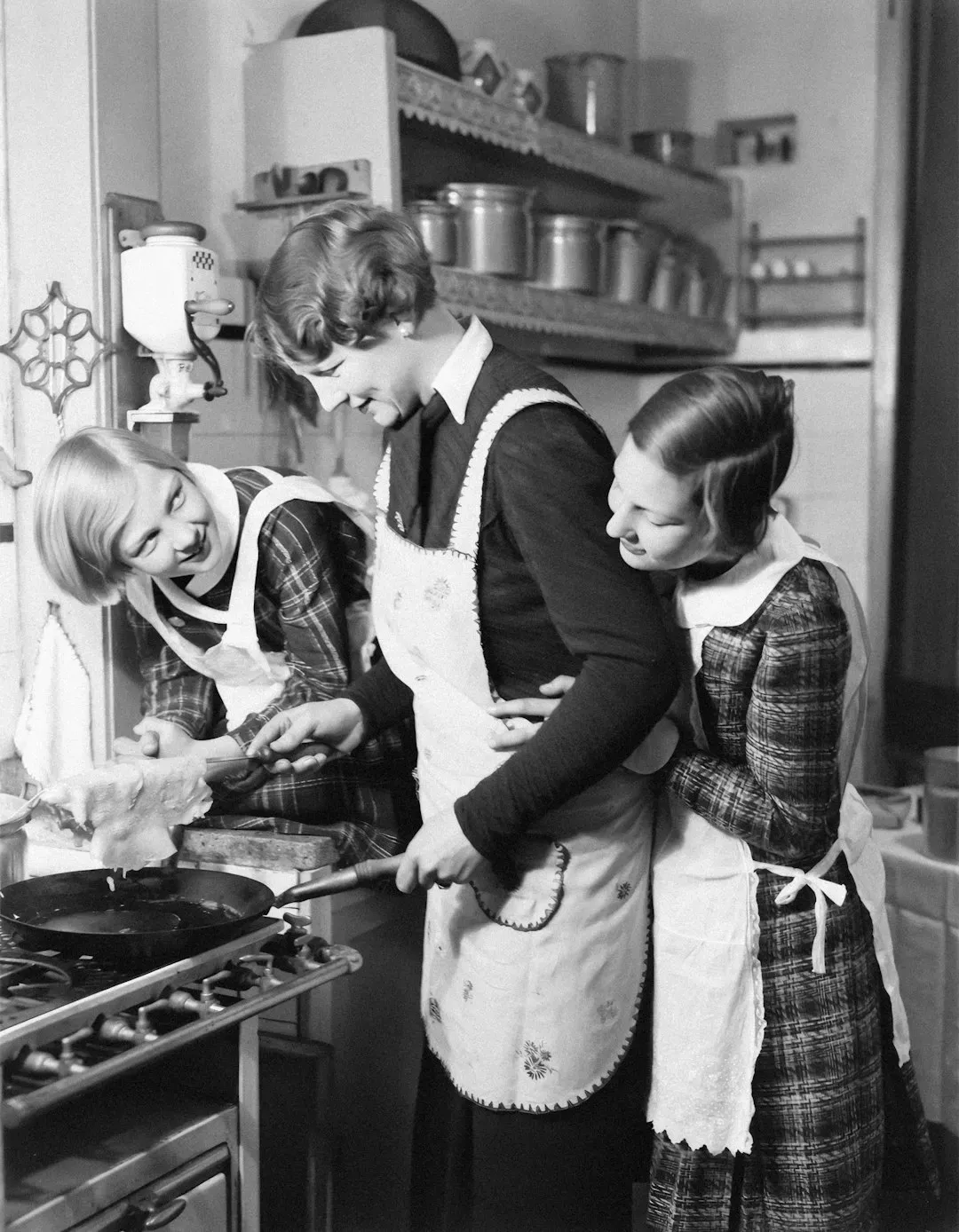
Nothing kills romance faster than resentment over dirty dishes. Seriously. Sharing household chores now ranks third in importance on a list of nine items often associated with successful marriages, well ahead of such staples as adequate income, good housing, common interests and shared religious beliefs. Let that sink in. Household chores rank higher than income or common interests when it comes to marital success.
Why? Because how you divide labor says everything about respect and partnership. When one person feels like they’re carrying an unfair burden, it breeds contempt. When both partners pitch in and acknowledge each other’s contributions, it creates a team mentality.
This isn’t about splitting everything fifty-fifty down to the minute. It’s about both people feeling like the division is reasonable and that their efforts are noticed. Maybe one person cooks and the other cleans up. Maybe you alternate weeks on laundry. The specific system matters less than the mutual agreement and appreciation. Simple activities like sharing meals and quality time strengthen bonds, and that starts with sharing the work that makes those meals possible.
Maintaining Individual Friendships and Hobbies

This might seem counterintuitive. Shouldn’t spending more time together strengthen a marriage? Well, yes and no. Healthy marriages need both togetherness and separateness. When you maintain your own friendships and pursue your own interests, you bring fresh energy and perspective back to the relationship.
You become a more interesting person when you have a life outside your marriage. You have new stories to share, new experiences to discuss, new dimensions to your personality. Plus, having outside friendships means you’re not putting all your emotional needs on one person, which is an enormous burden for any spouse to carry.
This isn’t about neglecting your partner or prioritizing others over them. It’s about balance. It’s about remembering that you’re still an individual person with your own identity, and so is your spouse. Respecting that individuality paradoxically makes the partnership stronger. You chose each other because of who you are as individuals. Maintaining those individual identities keeps the relationship dynamic and prevents the staleness that can creep into marriages where couples do absolutely everything together.
Turning Toward Each Other’s Bids for Connection

Dr. Gottman’s research maps the micro-behaviors that drive disconnection, like harsh start-ups or missed bids, and the habits that sustain thriving relationships, like turning toward and repair attempts. What’s a bid for connection? It’s any attempt to get your partner’s attention, affection, or support.
Your spouse comments on something they saw on their commute. That’s a bid. They show you a funny meme. That’s a bid. They sigh heavily after a long day. That’s a bid. You can turn toward the bid by engaging, turn away by ignoring it, or turn against it by responding with irritation or contempt.
The couples in strong marriages turn toward each other’s bids consistently. They don’t hit it out of the park every time. Nobody does. Still, they respond positively more often than not. They look up from their book. They laugh at the meme. They ask what’s wrong. These micro-moments of connection add up to create a reservoir of goodwill that sustains the relationship through harder times. Gottman’s research could predict whether a couple would divorce with over 90% accuracy using factors including these interaction patterns.
Keeping Shared Rituals and Routines

Maybe you always have coffee together on Sunday mornings. Maybe you take a walk after dinner every night. Maybe you text each other “good morning” when you’re apart. These small rituals create a sense of stability and connection that anchors the relationship.
Whether it’s a morning coffee routine, a Sunday walk, or a weekly movie night, these habits become anchors of love that you both look forward to, even during busy times. Life is chaotic. Work is demanding. Kids are exhausting. Having these predictable moments of connection provides comfort and continuity.
The specific ritual matters less than the consistency. What you’re really doing is saying to each other: you are a priority, and this time is sacred. These rituals don’t require elaborate planning or expense. They just require commitment. They’re the threads that weave through your days and weeks, creating a tapestry of shared experience and intimacy. When everything else feels uncertain, these rituals remain constant.
Offering Support During Stressful Times

Recent research suggests that the happiness couples derive from supporting each other relies heavily on the gratitude that support inspires, and the act of helping a partner manage stress does not automatically lead to relationship satisfaction on its own. The key is how that support is offered and received.
Particularly supportive dyadic coping might elicit gratitude, and the process model of appreciation states that relationship maintenance behavior in Partner A elicits gratitude in Partner B, according to a 2024 study published in Frontiers in Psychology. When your partner is stressed about work or worried about a family issue, how you respond matters enormously.
Sometimes support means listening without trying to fix anything. Sometimes it means taking tasks off their plate. Sometimes it means just sitting with them in their discomfort. The point is being present and attentive to what they actually need rather than what you think they should need. Sharing experiences with your partner can bring beneficial effects to the marital relationship and both partners’ well-being. This kind of responsive support builds trust and deepens intimacy in ways that grand gestures simply cannot.
Repairing Quickly After Conflicts

All couples fight. That’s not a sign of a bad marriage. What separates thriving marriages from struggling ones is how quickly and effectively couples repair after conflict. Most relationship problems, about 69%, never get resolved but are perpetual problems based on personality differences between partners, according to Gottman’s research.
That means you’ll keep having versions of the same arguments throughout your marriage. The issue isn’t whether you fight about money or time management or in-laws. The issue is whether you can reconnect after those fights. Can you apologize genuinely? Can you accept your partner’s apology? Can you find humor or perspective? Can you touch each other affectionately even when you’re still a bit annoyed?
Repair attempts are crucial. They’re the small gestures that say, “I’m still here. We’re still us. This fight doesn’t define us.” Maybe it’s a gentle touch during the argument. Maybe it’s a rueful smile. Maybe it’s acknowledging your own part in the conflict. The Gottman Seven Principles course improves couple relationships and is equally effective whether delivered in person or online, demonstrating that these skills can be learned and practiced. Quick repair prevents resentment from building and keeps conflict contained rather than letting it poison the whole relationship.