10 Items You’re Not Allowed to Bury, Including Appliances, Oil, and Pet Remains
Think you can dig a hole and toss whatever you want into your backyard? Think again. What you might see as convenient disposal could land you in serious trouble with local authorities.
From old refrigerators to beloved pet companions, the rules about what goes underground are stricter than most people realize. Federal regulations, state laws, and even county ordinances all have their say in what’s acceptable to bury on your property.
Household Appliances With Refrigerants
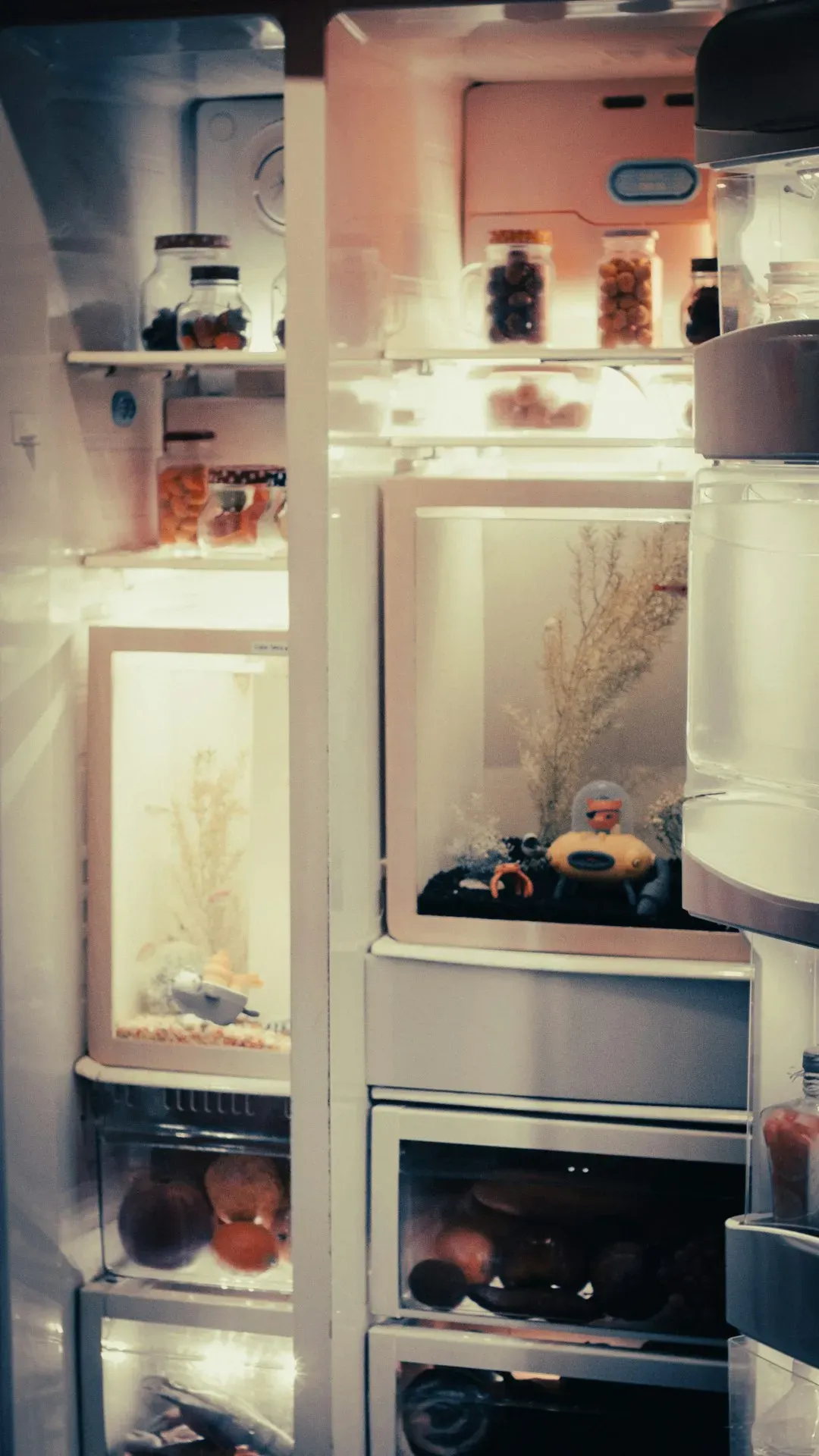
Appliances like refrigerators, freezers, air conditioners, and water heaters were banned from landfills starting July 1, 1994, unless certain harmful components are removed first, including mercury switches, chlorofluorocarbon refrigerant gas, and polychlorinated biphenyls. Burying these in your yard is absolutely prohibited.
Regulated refrigerants must be removed properly from refrigerant-containing devices before they are recycled or disposed. Starting January 10, 2026, appliances normally containing 50 pounds or more of regulated refrigerants, including HFCs, are required to comply with leak repair requirements under EPA Section 608. The penalties for improper disposal can be steep, so it’s worth taking that old fridge to a proper recycling center.
Motor Oil and Automotive Fluids
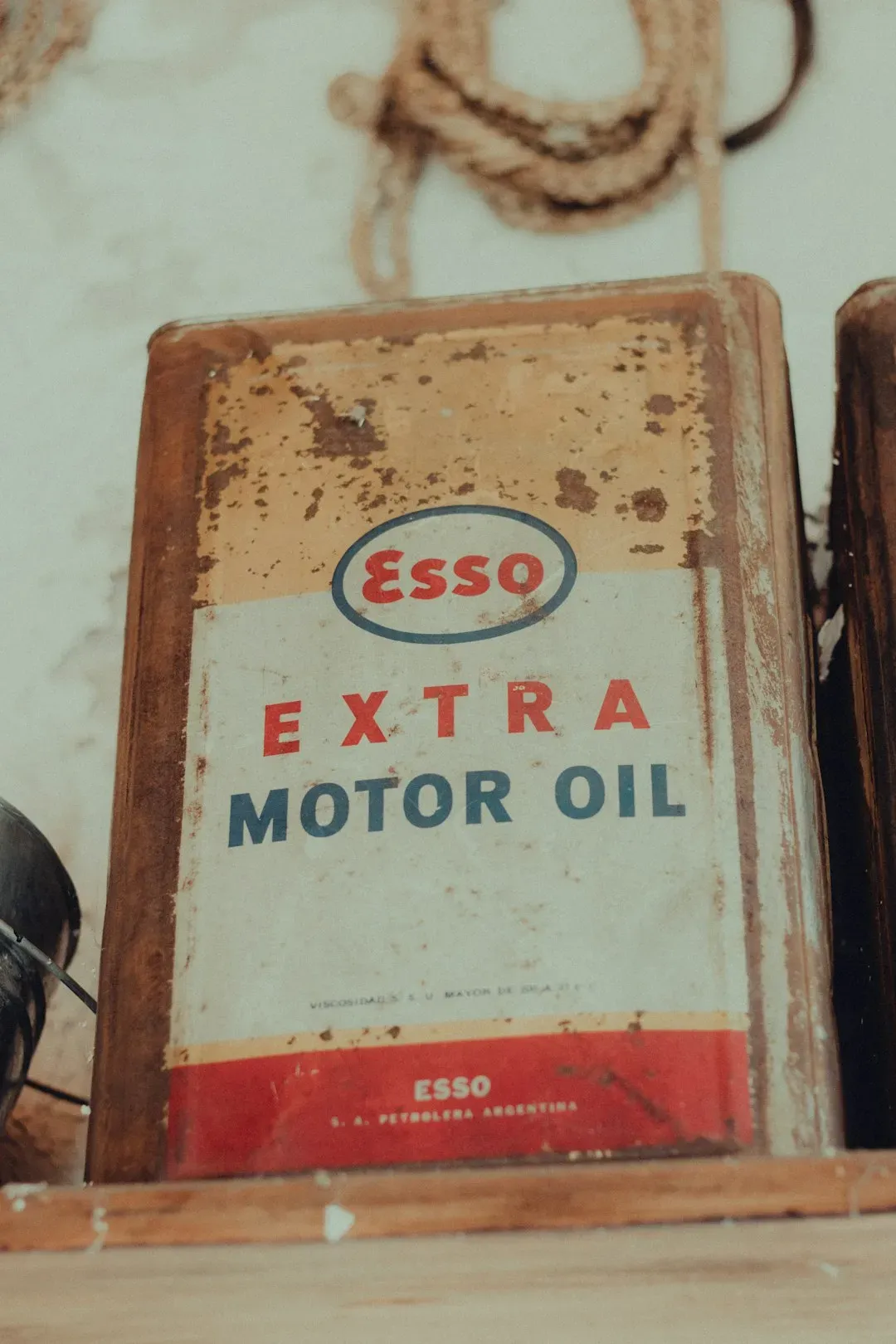
Used motor oil can have adverse effects on the environment, as just one gallon can make a million gallons of fresh water undrinkable. Pouring it down drains or burying it in your backyard isn’t just environmentally reckless. It’s illegal.
Dumping used oil in the street, alleyway, on the ground, down the sewer, or using it for dust control can pollute waterways and subject you to substantial penalties. Many auto shops and recycling centers accept used motor oil for free, making proper disposal easier than you’d think.
Oil-Based Paints and Solvents
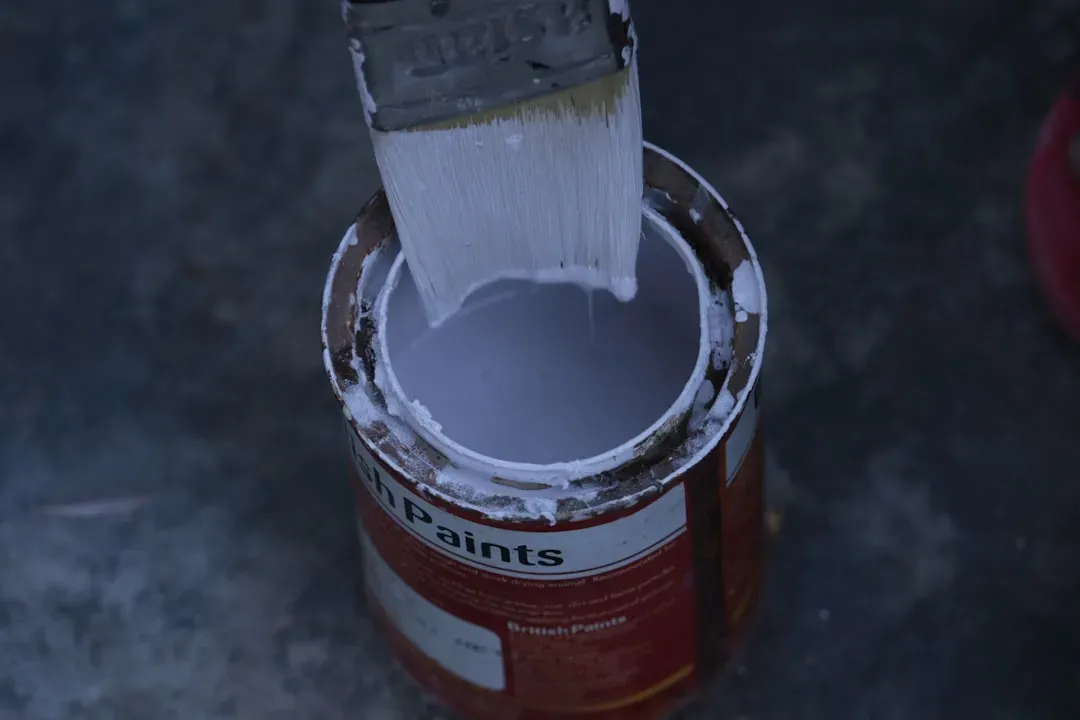
Oil-based paint is household hazardous waste, meaning it contains chemicals that can pollute water sources or otherwise cause harm if disposed of improperly. These paints and stains are considered hazardous materials in any form due to their flammability, and they cannot be put in the trash.
Paint thinners, turpentine, mineral spirits and other solvents must not be poured down the drain. Burying them is even worse. Household chemicals like paint thinners, motor oil, or pesticides are illegal to bury in your yard under the EPA’s Land Disposal Restrictions due to their high risk to soil and groundwater.
Batteries of All Kinds
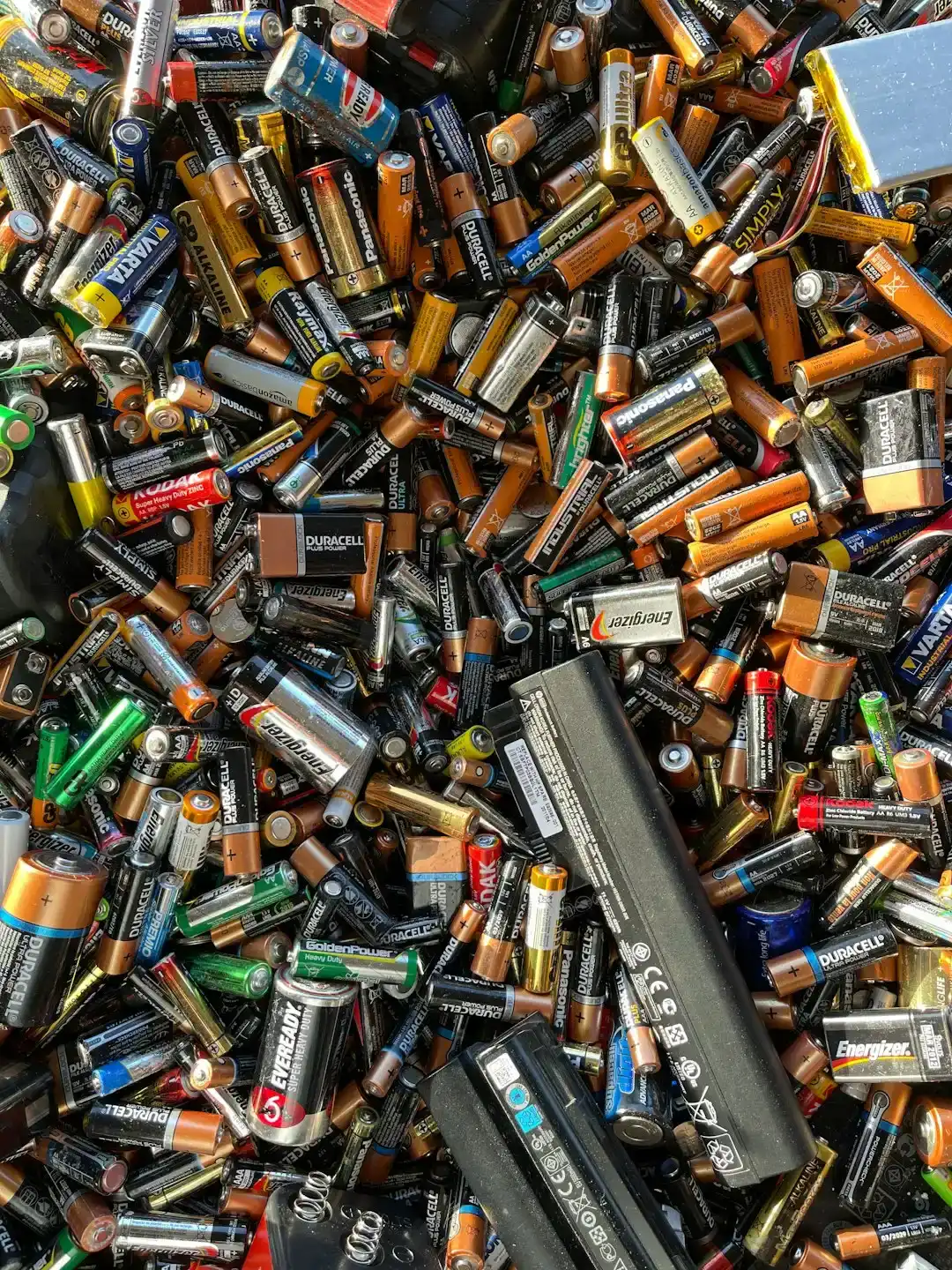
Here’s something that surprises a lot of folks. Burying batteries is dangerous and illegal, and under the EPA’s Universal Waste Rule, batteries like lead-acid and nickel-cadmium must be recycled, not discarded in landfills or buried in soil, as they contain heavy metals and corrosive chemicals that can leach into groundwater.
States like California and New York have even stricter regulations, with fines reaching up to $25,000 per violation for improper disposal. Surveys from organizations like the National Waste & Recycling Association report hundreds of fires annually at trash and recycling facilities increasingly caused by lithium-ion batteries. That’s a compelling reason to take them to a recycling center instead.
Electronics and E-Waste
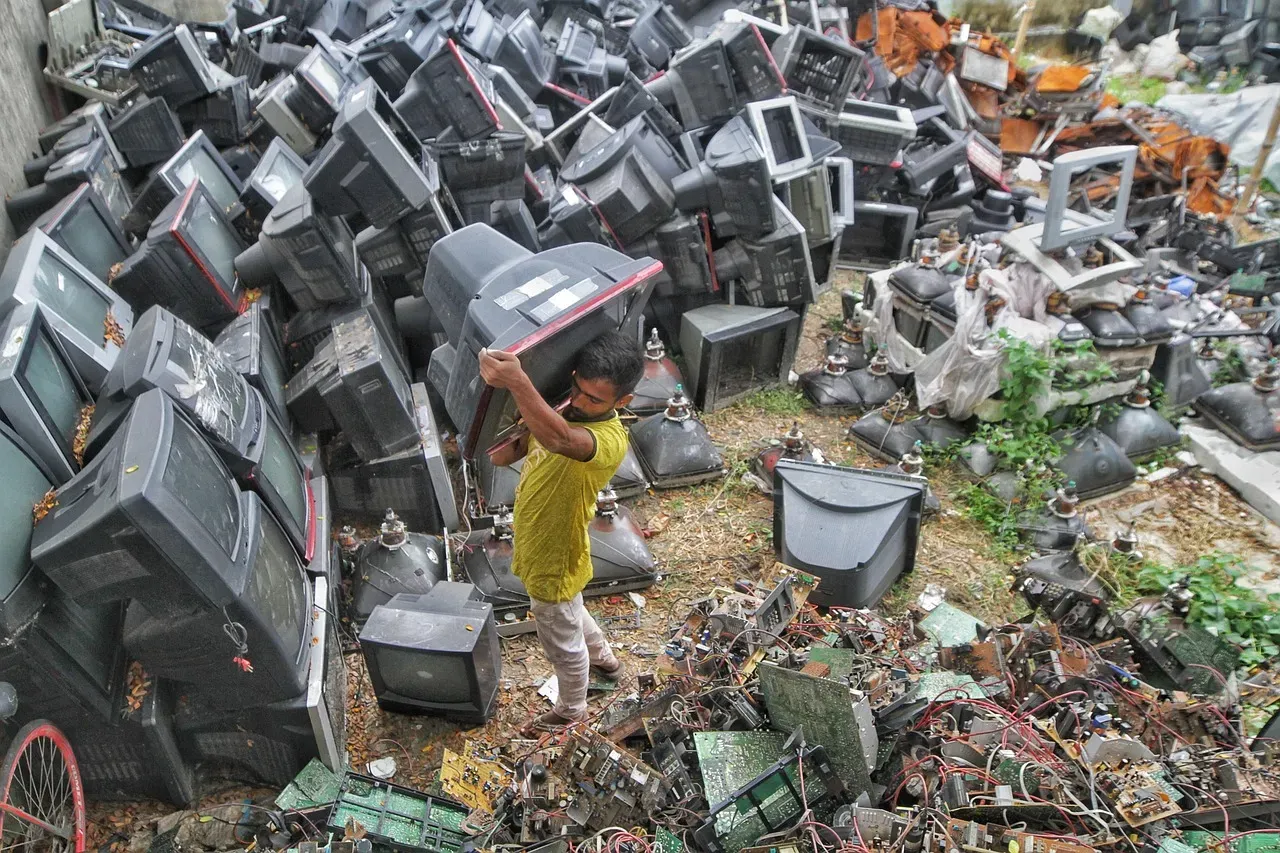
Disposing of electronics like phones, laptops, or old TVs in your yard poses serious health and environmental risks, and in many states it’s illegal, as electronic devices often contain hazardous metals like mercury, lead, and cadmium that leach into soil and contaminate groundwater. Simply tossing them in a hole doesn’t make them disappear.
Electronics contain materials that can be hazardous to land and water, and they also contain precious metals that can be recaptured through recycling. Most communities now have e-waste collection programs that make proper disposal straightforward and often free.
Pet Remains in Many Jurisdictions
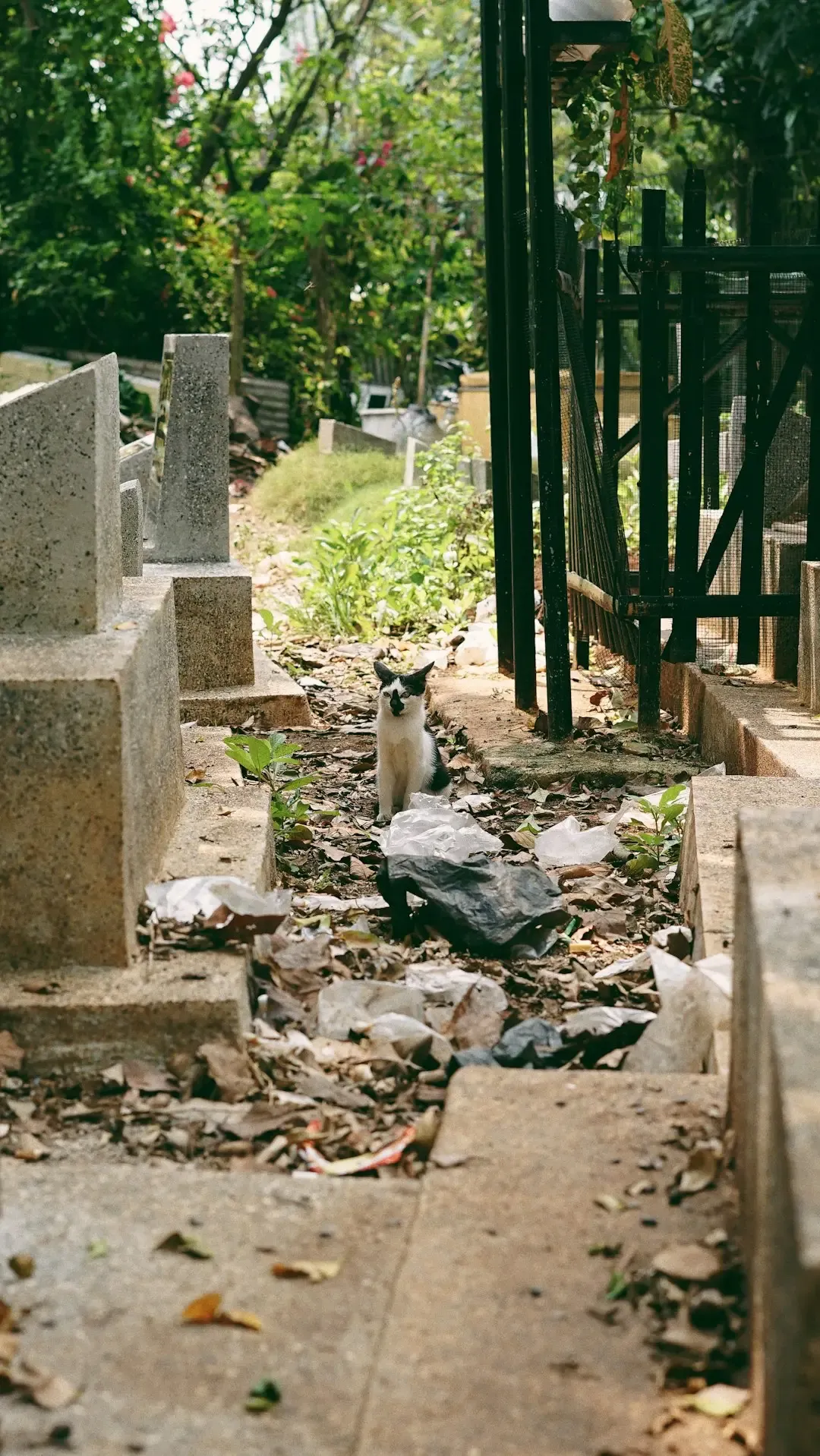
While there’s no federal law against burying a pet in your backyard, many states and municipalities have specific rules, typically requiring burial within 24 to 48 hours, at a depth of 3 to 4 feet, and at least 100 feet from any water source. Some places go further than that.
In many cities and local jurisdictions, such as in California, backyard burials are banned, and under California Penal Code 374.3, improperly disposing of animal remains can be classified as illegal dumping, with repeat violations leading to fines ranging from $250 to $3,000. Los Angeles Municipal Code explicitly states that no person shall bury any animal or fowl in the City except in an established cemetery. So if you live in an urban area, check your local rules before making any permanent decisions about your pet’s final resting place.
Prescription Medications

Burying prescription medications in your backyard isn’t just environmentally risky, it’s also against federal guidelines, as the Resource Conservation and Recovery Act prohibits open dumping of hazardous waste, including pharmaceuticals, due to the high soil and groundwater contamination risk. Those pills can seep into water supplies and harm wildlife.
Instead of burying or flushing medications, the DEA’s Take-Back Program offers no-questions-asked drop-off sites at law enforcement offices and participating pharmacies, ensuring that medications, especially opioids and other high-risk drugs, are incinerated safely and in compliance with federal law. It’s honestly the safest route for everyone involved.
Metal and Glass Containing Toxins
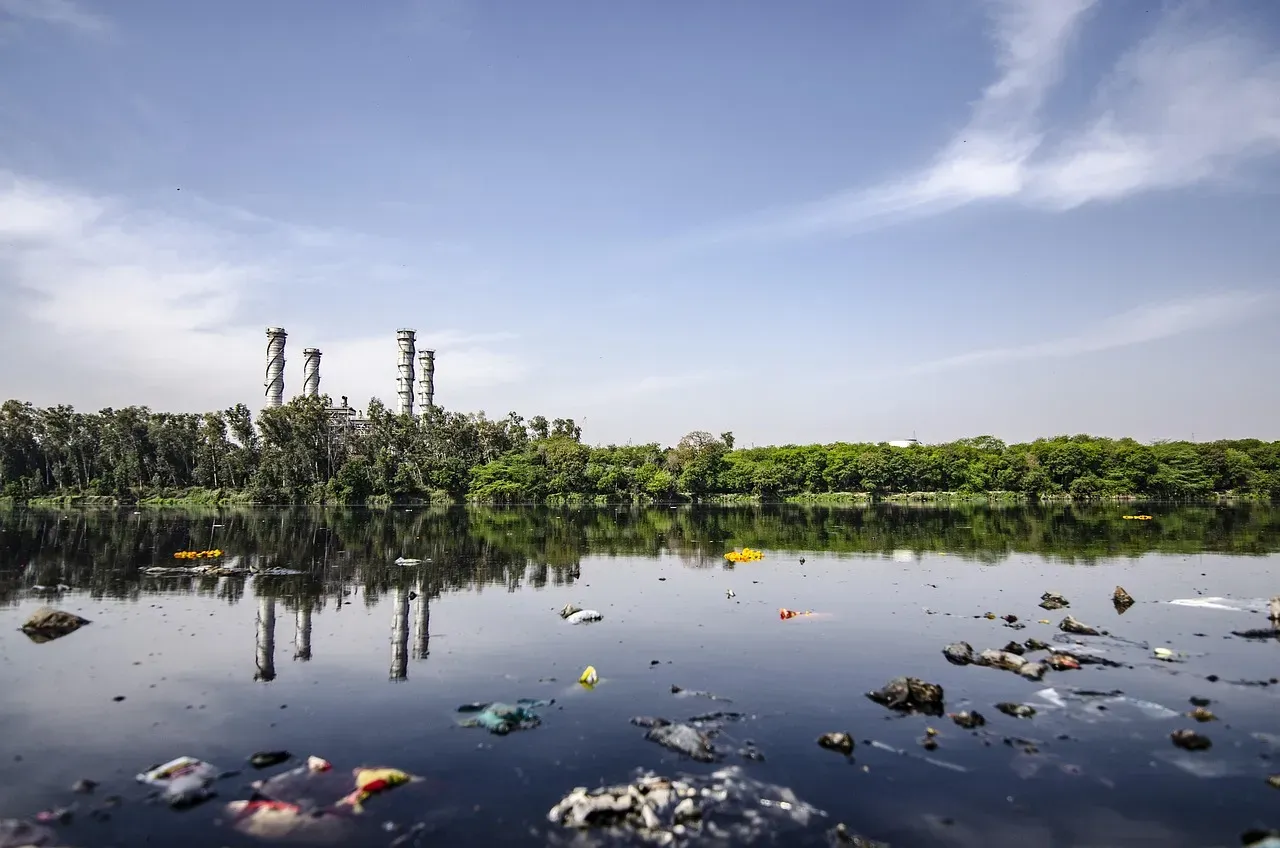
Metal and glass can have several environmental and legal consequences if buried in your backyard, as these materials don’t decompose easily and can leach harmful substances like lead, cadmium, or other heavy metals into the soil, affecting plant health and contaminating groundwater. Not all metal and glass is created equal.
Under the Resource Conservation and Recovery Act, the EPA oversees the proper disposal of dangerous waste, and if these materials are classified as hazardous, such as lead-based paint cans or mercury-containing glass, burying them violates federal disposal standards. It’s another one of those things where local hazardous waste collection events are your friend.
Construction and Demolition Debris
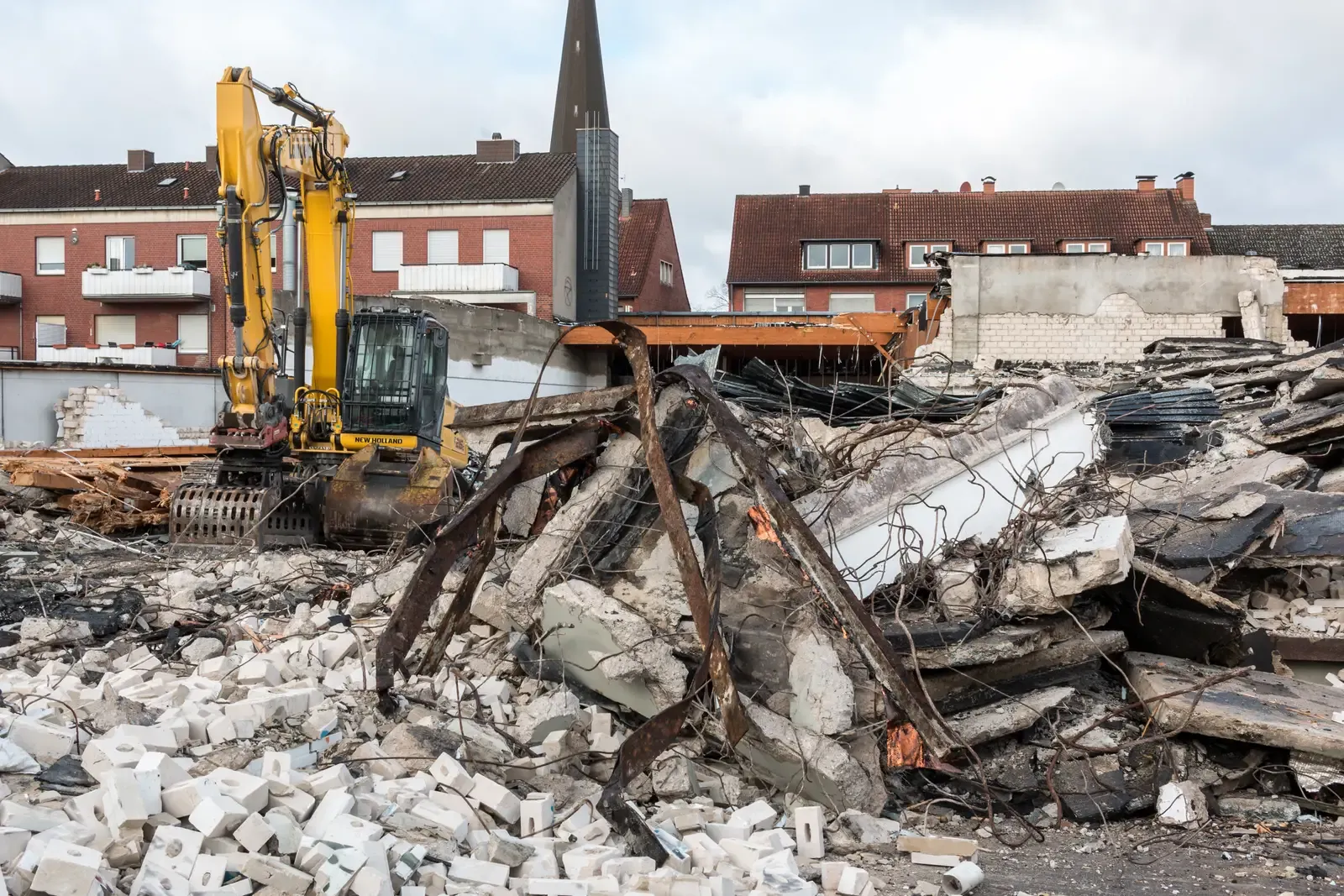
Leftover materials from home projects might seem harmless to bury, yet regulations exist for good reason. If buried below grade outside of a groundwater well setback zone, construction and demolition debris must be covered with sufficient uncontaminated soil to support vegetation within 30 days of the completion of the burial.
When recycling general construction or demolition debris, make sure the material is taken only to a recycling facility in compliance with the Environmental Protection Act and regulations; otherwise, the generator, hauler, and property owner where the material is placed may be subject to substantial penalties. I think most people don’t realize the legal exposure that comes with improper disposal on their own property.
Landscape and Yard Waste in Some States
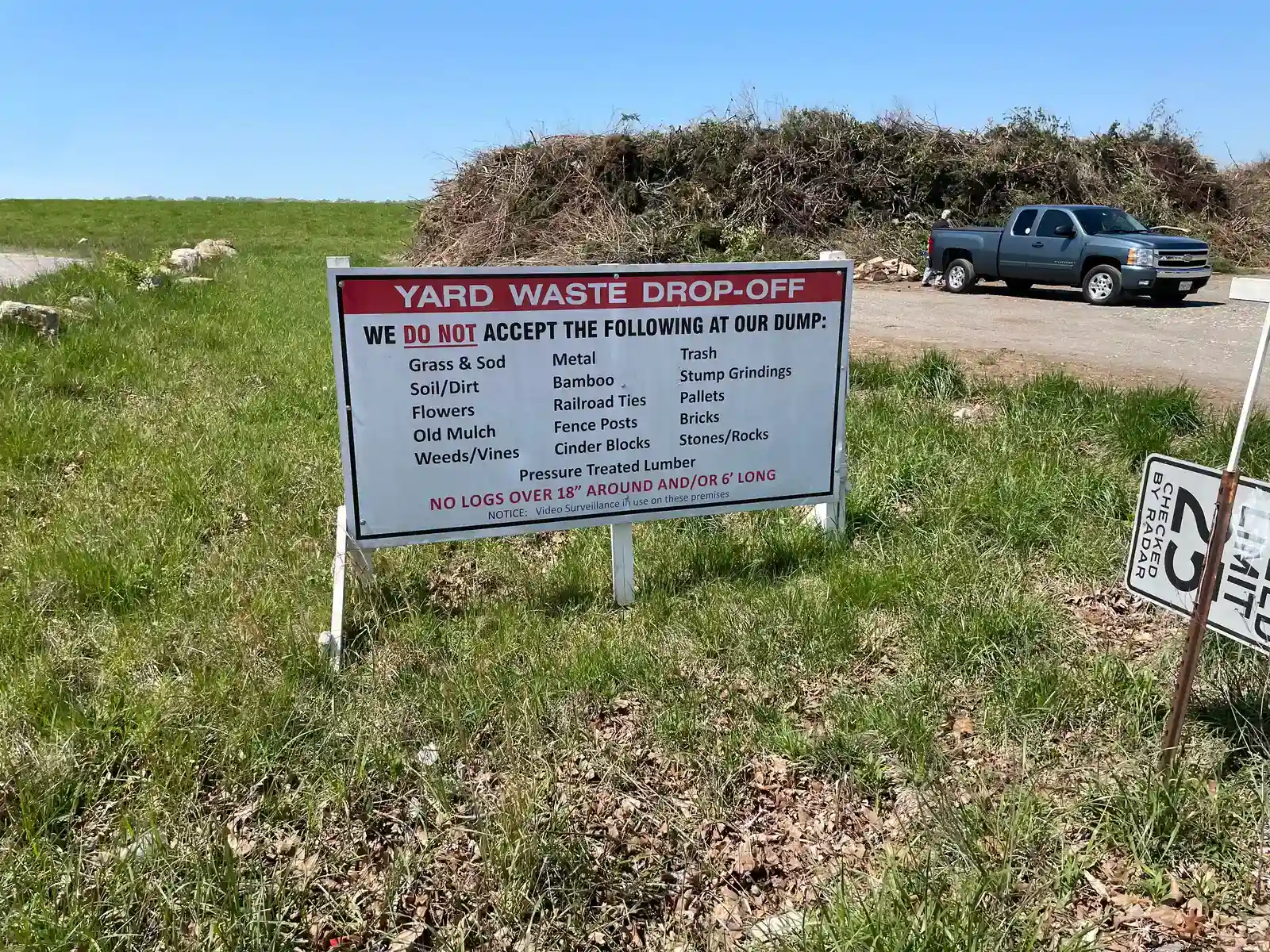
Landscape waste has been banned from landfills since July 1, 1990 in certain jurisdictions. While burying grass clippings might seem natural, many states ban yard waste from trash and recycling bins because they take up a lot of space, and decomposing organics release methane, a harmful greenhouse gas.
There are many landscape waste disposal options, including leaving grass clippings and leaves on the lawn as a nutrient, mulching for lawn and garden application, taking landscape waste to a permitted compost facility, participating in community landscape waste collections, or constructing an on-site household compost bin. Composting is honestly a smarter choice anyway, turning what you might bury into something useful for your garden.
The bottom line? Your backyard isn’t a free-for-all disposal site. What you bury today could haunt you tomorrow through contaminated water, hefty fines, or even legal action. Before you grab that shovel, do yourself a favor and check local regulations or find a proper disposal facility. It might take a bit more effort now, but it beats dealing with environmental damage or an angry visit from code enforcement later. What surprised you most about these restrictions?