3 Rare Coins Boomers May Want to Hold Onto a Bit Longer
If you’ve been sitting on some old coins tucked away in a drawer or inherited from your parents, you might want to reconsider letting them go anytime soon. The rare coin market is experiencing significant growth in 2024 and 2025, with overall demand rising steadily, making this an exceptional moment in numismatic history. The global coin collection market was reportedly valued at over $10 billion in 2024 and is projected to grow substantially by 2032, which means your collection could be worth substantially more if you’re patient.
While the coin collecting world can seem overwhelming with its endless varieties and price fluctuations, three particular coins stand out as absolute keepers for baby boomers. These aren’t just collectibles – they’re pieces of American history that continue to break auction records and captivate investors worldwide.
1943 Copper Penny: The Wartime Mistake Worth Millions
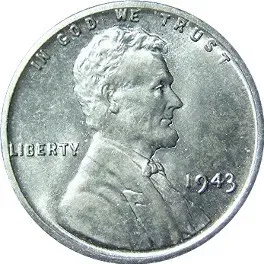
Picture this: you find a penny in your grandparents’ collection, and it turns out to be worth more than a house. That’s the reality with the 1943 copper penny, one of the most valuable error coins in American history. During World War II, the U.S. Mint switched to zinc-coated steel pennies to conserve copper for ammunition and military equipment, but a few bronze planchets from 1942 remained trapped in the coin presses. This wartime chaos created around two dozen of the most sought-after pennies ever minted.
The all-time record price for a 1943 bronze cent is $1.7 million, paid for the only known example of a 1943-D copper penny graded MS64BN. Recent sales from 2024 and 2025 continue to command astronomical prices. Auction prices in 2021 ranged from $240,000 for an NGC AU55 to $372,000 for a PCGS MS62 Brown, with a MS64 Brown fetching $840,000.
Here’s the thing: these coins are so rare that only 27 confirmed examples exist and have been graded, including the unique 1943-D, 6 of the 1943-S, and 20 of the 1943 Philadelphia cents. The rarity alone makes holding onto one a no-brainer. Honestly, if you have one authenticated and certified by PCGS or NGC, you’re holding a piece of numismatic royalty. Let’s be real – finding one is like winning the lottery, and selling it prematurely would be leaving money on the table as the market continues its upward trend.
1913 Liberty Head Nickel: The King of 20th Century Coinage
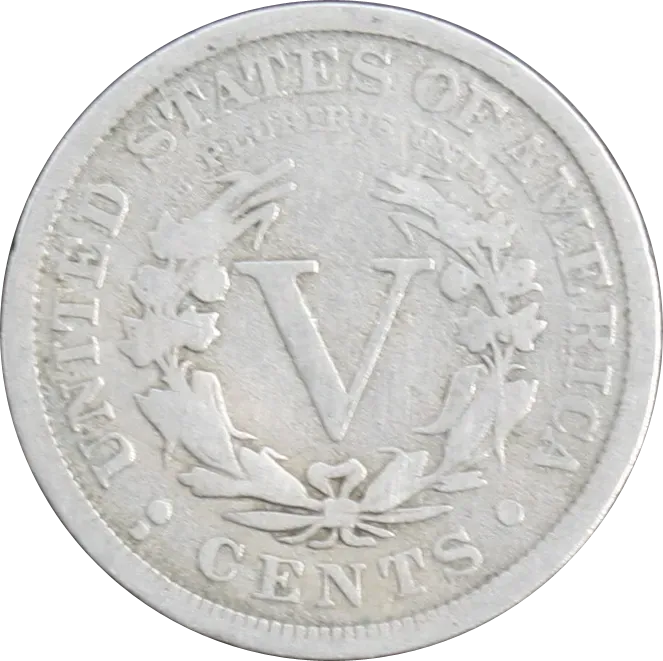
Some coins shouldn’t exist at all, which is exactly what makes them priceless. The 1913 Liberty Head nickel was produced in extremely limited quantities without authorization from the United States Mint, and only five examples are known to exist. This nickel is shrouded in mystery – it wasn’t supposed to be minted in 1913 since the Buffalo nickel had already replaced the Liberty Head design. Yet five specimens somehow made it out of the Philadelphia Mint.
The recent sales figures speak volumes about the enduring value of this coin. Stack’s Bowers Galleries set a public auction record for a 1913 Liberty Head nickel with their sale of the Eliasberg example in 2021 for $4.56 million. In 2022, a Walton nickel reportedly changed hands for about $4.2 million, demonstrating that demand remains incredibly strong.
What makes this coin particularly fascinating is its story. The Walton specimen disappeared for over 40 years after its owner died in a 1962 car crash, remaining forgotten in a safety deposit box by his family. When it resurfaced in 2003, it caused a sensation in the numismatic community. The three privately owned 1913 Liberty Head nickels have found new homes in recent years, and experts believe none will be on the market again in the near future – it could be decades before one surfaces again.
If you’re fortunate enough to own one of these legendary coins (though the odds are astronomically low), holding it is the only sensible option. The 1913 Liberty Head nickel is regarded as the King of 20th Century coinage, and its value trajectory shows no signs of slowing down.
1804 Silver Dollar: The King of American Coins
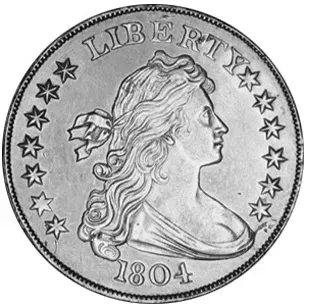
Here’s something that sounds impossible: a coin dated 1804 that wasn’t actually minted until the 1830s. Though dated 1804, none were struck in that year; all were minted in the 1830s or later, first created for use in special proof coin sets used as diplomatic gifts during Edmund Roberts’ trips to Siam and Muscat. This bizarre history is precisely what makes the 1804 silver dollar legendary.
There are none in the federal series that challenge the fame, tradition, and glory given to the 1804 silver dollar, which has been called “The King of American Coins” since 1941. Eight Class I dollars are known, one Class II in the Smithsonian Institution, and six Class III, making this one of the rarest coins in existence.
The market values reflect this extraordinary status. A top-grade example graded PR68 by PCGS, sold for a record-breaking $7.68 million at Stack’s Bowers Galleries in August 2021. In 2023, an 1804 Silver Dollar in top grade changed hands for over $4.1 million, reaffirming its position at the pinnacle of American numismatics. On the rare occasions these coins appear at auction, they’re worth somewhere between $3 million and $4 million depending on the individual specimen.
I know it sounds crazy, but these coins represent more than just monetary value – they’re diplomatic artifacts originally gifted to foreign rulers. The ownership of an 1804 dollar places the buyer in a Pantheon of numismatic fame. With experts predicting values have doubled or tripled in the last decade as ultra-wealthy collectors compete, selling now would mean missing out on future appreciation.
The limited supply inherent in the numismatic market means that as the market is projected to grow substantially by 2032, coins already in circulation are expected to increase in value. For baby boomers holding any of these three treasures, patience isn’t just a virtue – it’s a wealth-building strategy. These coins have survived wars, economic depressions, and countless changes in the monetary system. They’ve proven their resilience time and again, making them not just collectibles, but tangible pieces of history that continue to captivate new generations of collectors and investors alike.
Did you think a penny could ever be worth more than a luxury car? What would you do if you discovered one of these rarities in your collection?