These Rare Bicentennial Coins Are Quietly Increasing in Value
You might have one sitting in a drawer right now. A simple quarter from 1976 that most people glanced at once, thought was cool, and then forgot about. Yet some of these modest coins are fetching thousands at auction, and honestly, the market momentum keeps climbing.
The MS67 and MS68 Quarters Are Breaking Records
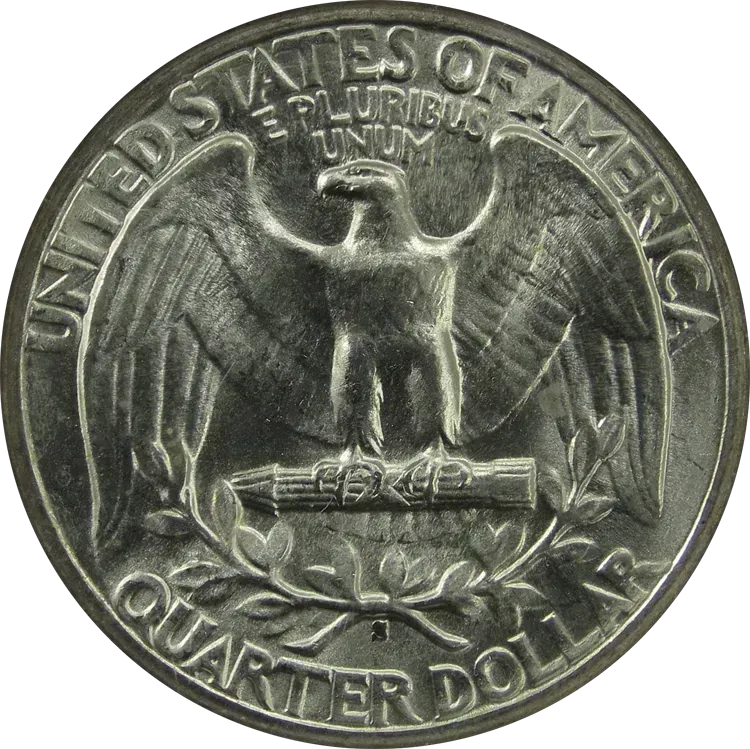
A Denver bicentennial quarter graded MS68 sold for a record amount in 2017, achieving single finest status at NGC from over 860 million quarters struck. Another Philadelphia quarter in MS67 condition brought hundreds of dollars at auction in April 2023. Let’s be real, most of these quarters were handled roughly, tossed into cash registers and coin jars. Finding one in near-perfect condition is like discovering a needle in a haystack. The rarest specimens, including the 1976 MS67 plus and 1976-D MS68 examples, have reached prices as high as several thousand dollars.
Silver Proof Quarters Command Premium Prices
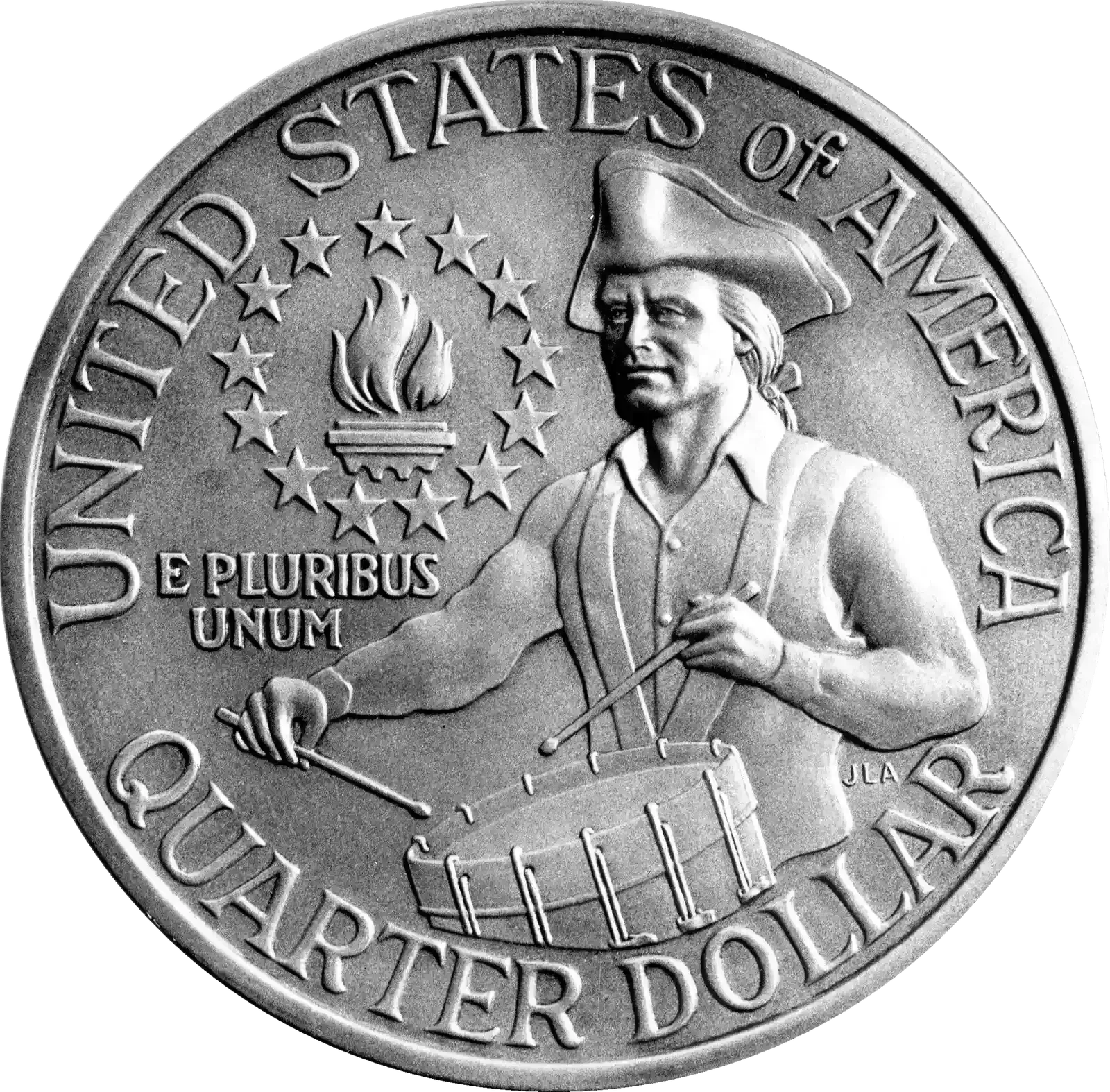
The most valuable bicentennial quarter on record, a 1976-S silver specimen with a very high grade, sold for several thousand dollars at auction. These silver versions weren’t meant for everyday spending. Some bicentennial quarters were composed of forty percent silver, an important distinction because these silver coins are rarer and therefore much more valuable. A 1976-S silver proof bicentennial quarter sold for several thousand dollars in 2019. The thing is, many people don’t realize they have silver quarters because they look so similar to the regular copper-nickel versions.
Double Die Errors Are Collector Gold
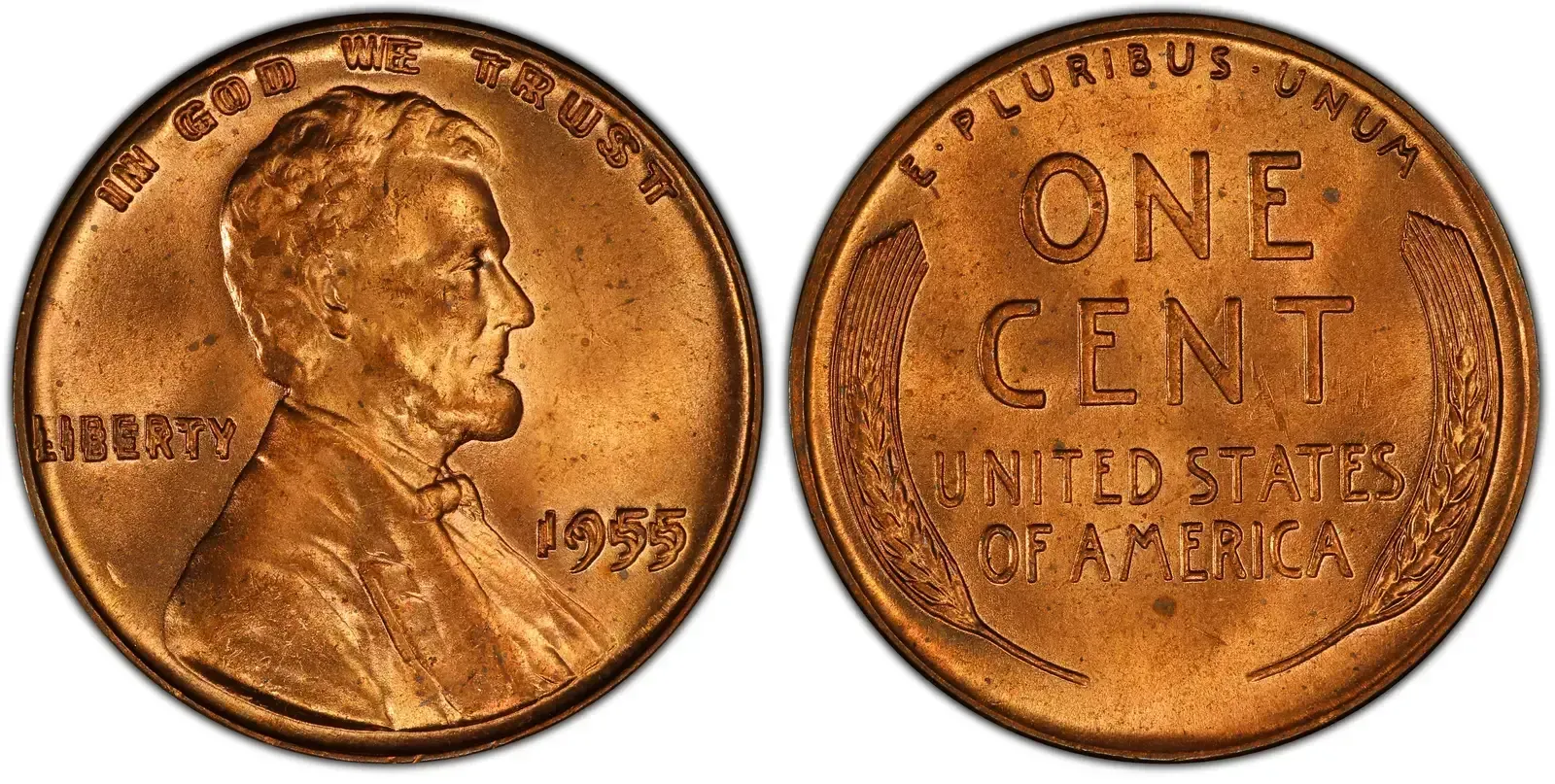
A doubled-die bicentennial quarter graded MS 66 was sold for several thousand dollars at Heritage Auctions in 2023. The FS-101 variety designation represents the most significant die variety in the entire bicentennial quarter series, and collectors actively hunt for these. The doubling on “LIBERTY” is so pronounced that you can see it without magnification, no special equipment needed. I know it sounds crazy, but what was considered a mint mistake decades ago now represents serious value. Real DDO or DDR 1976 bicentennial quarters can sell for two thousand to five thousand dollars or more at auction.
Wrong Planchet Strikes Are Among the Rarest
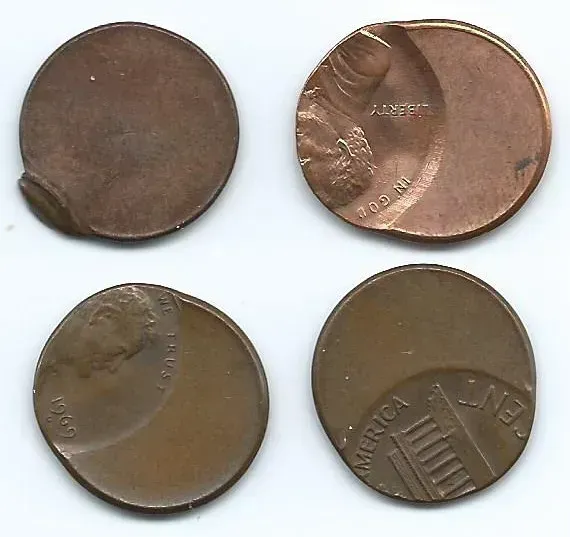
The most notable error variety from the series is the 1976 quarter struck on a 10-cent dime planchet, with a proof-graded 67 example selling at Heritage Auctions for over ten thousand dollars in 2021. Here’s the thing: sometimes during the hectic bicentennial production, quarters were accidentally struck on blanks intended for other coins. A double denomination 1976 bicentennial quarter struck on a dime sold for over nine thousand dollars in 2020. These wrong planchet errors are quite unusual and may sell for between ten thousand and twenty-five thousand dollars, especially when verified by reputable grading agencies like PCGS or NGC.
The 1976-D Clad Quarters in High Grades Are Appreciating
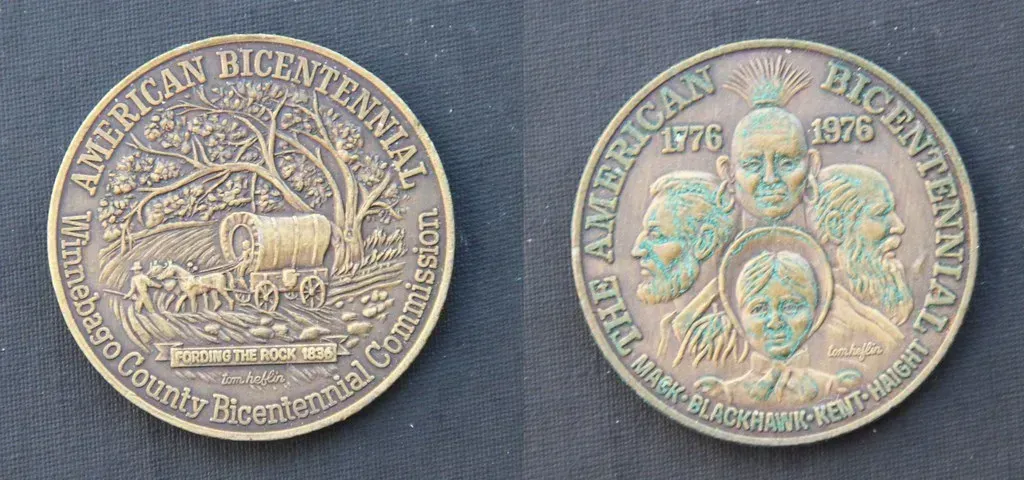
Denver Mint regular business strikes range into several thousand dollars in high uncirculated condition. A 1976-D clad bicentennial quarter regular strike sold for over six thousand dollars in 2017. The Denver facility actually struck these with better quality than Philadelphia, which is why high-grade examples survived in slightly larger numbers. Still, we’re talking about finding pristine coins from a mintage of more than 860 million pieces.
Recent Sales Show Growing Collector Interest
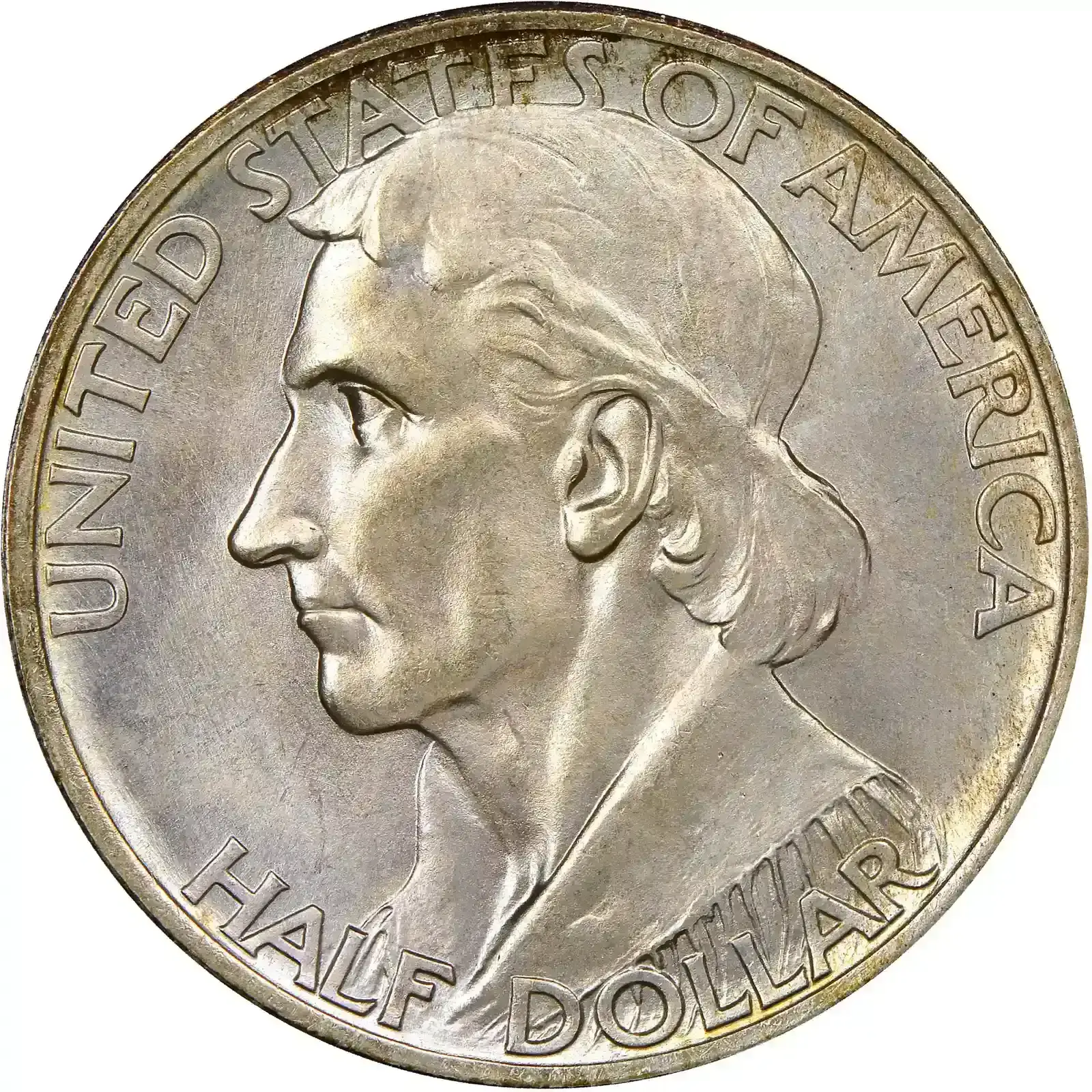
In 2025, coin collectors are buzzing about bicentennial quarters potentially worth as much as ten thousand dollars, with a lucky collector reportedly selling a high-grade specimen with a rare die error for nearly that amount. The market isn’t cooling off. As the collector community grows and time flows, rare error and pristine condition bicentennial quarters worth will potentially soar, generating wealth for future generations. I think what’s driving this is a combination of nostalgia and the realization that something from your childhood might actually have significant value.
The Silver Kennedy Half Dollars Hold Steady Value
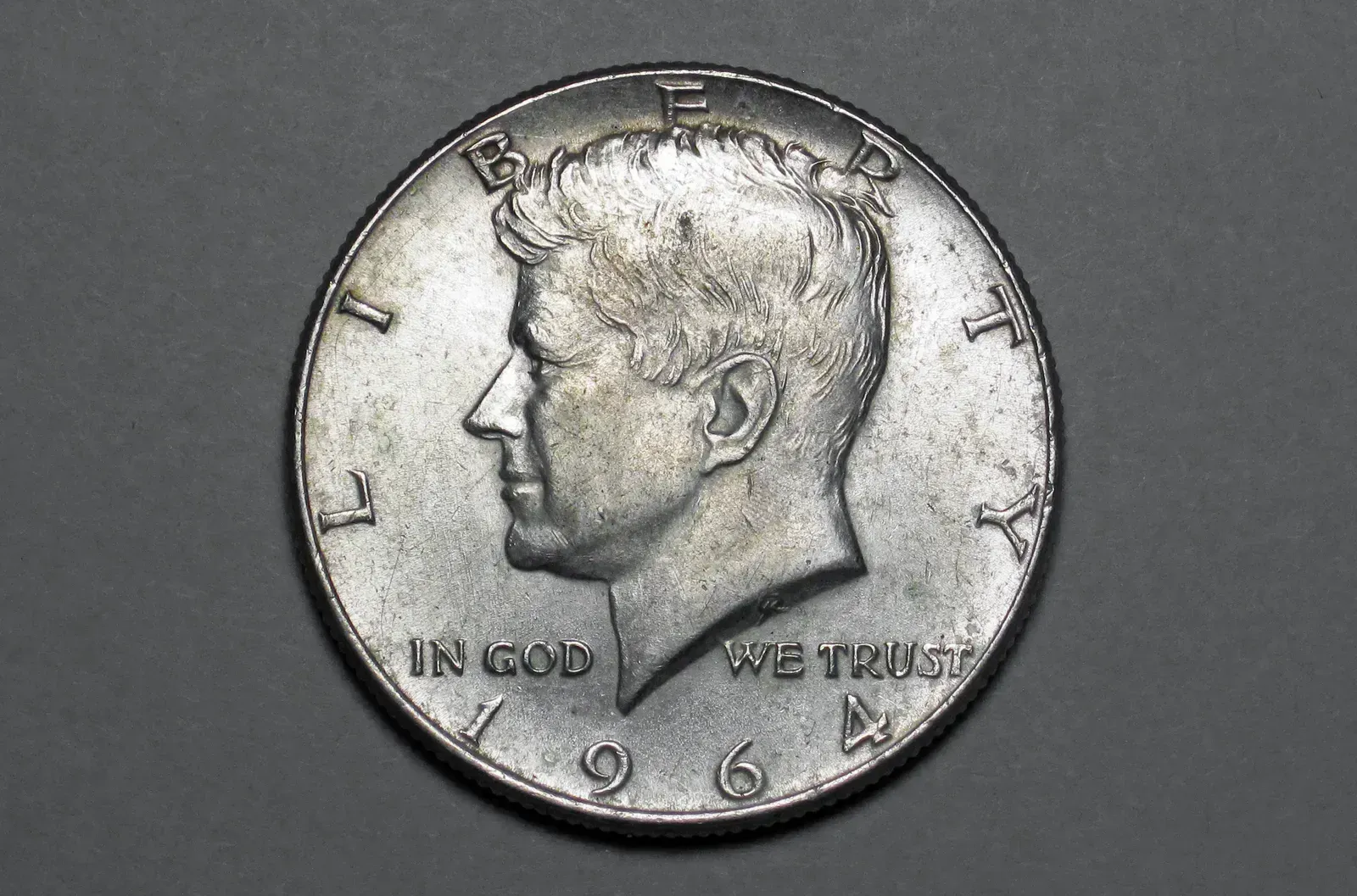
Silver Kennedy half dollars produced at the San Francisco Mint are valued at twenty to fifty dollars or more in recent years. Coins with minting errors continue to be the most valuable, with prices for unique error coins starting at fifty dollars and reaching into the thousands for particularly rare or dramatic mistakes. Clad 1976-S Kennedy half dollars are worth three to five dollars, though silver uncirculated examples command more. Compared to the quarters, half dollars remain more accessible for collectors just starting out.
Bicentennial Eisenhower Dollars Carry Silver Premiums
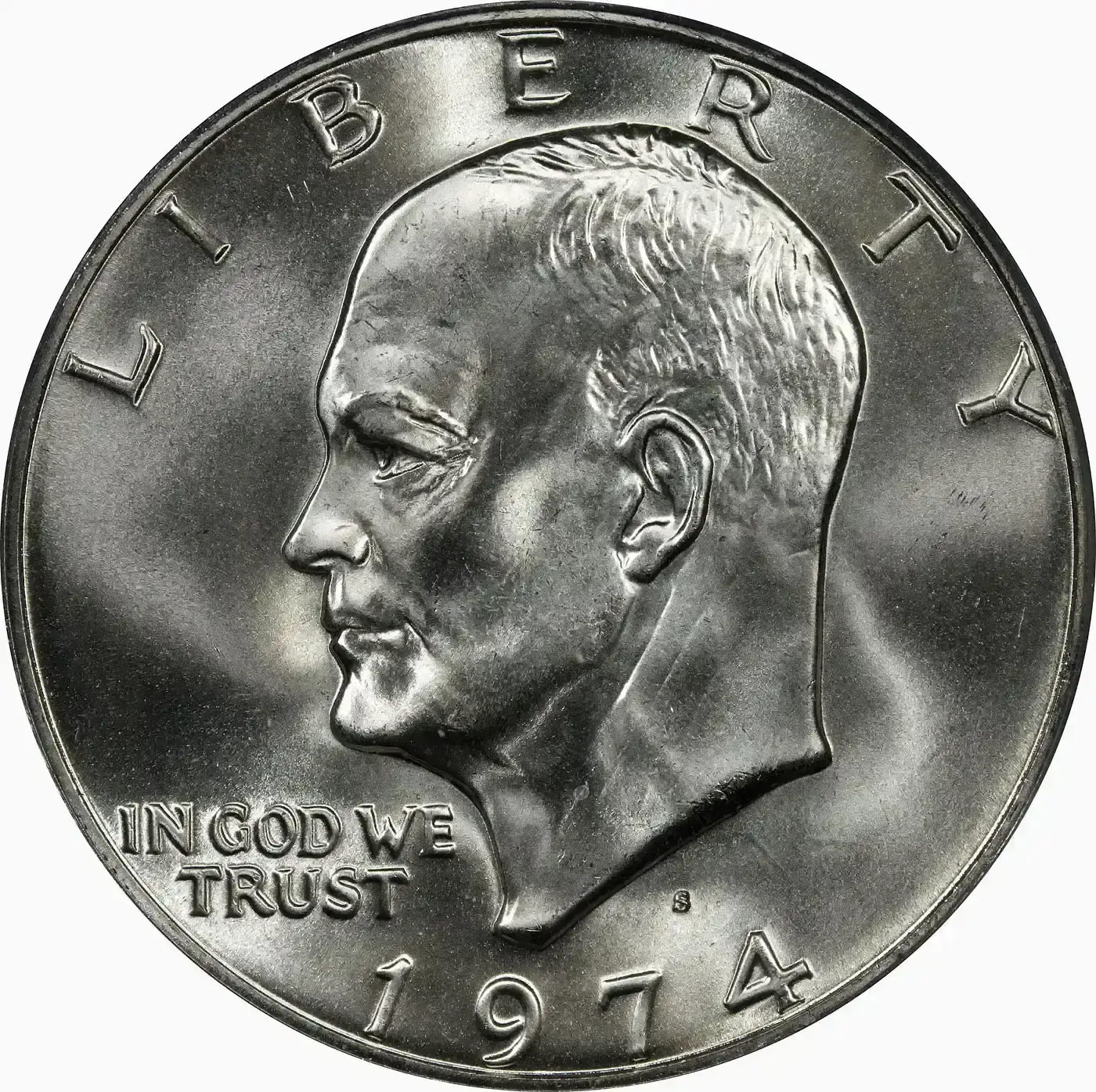
Each forty percent silver Eisenhower dollar from 1976-S contains roughly 0.3161 troy ounces of pure silver, with melt value sitting around eight dollars when silver trades at twenty-six dollars per ounce. The 1976 Type I forty percent silver uncirculated pieces are worth upward of twelve dollars, while Type I silver proofs have a value of fifteen dollars or more. At the top of the pyramid is the 1976 No-S Proof, a legendary rarity with just one known example that’s far beyond everyday collecting. These larger dollar coins never caught on for circulation, which ironically helped preserve many in better condition.
Proof Coins in Perfect Grades Are Climbing
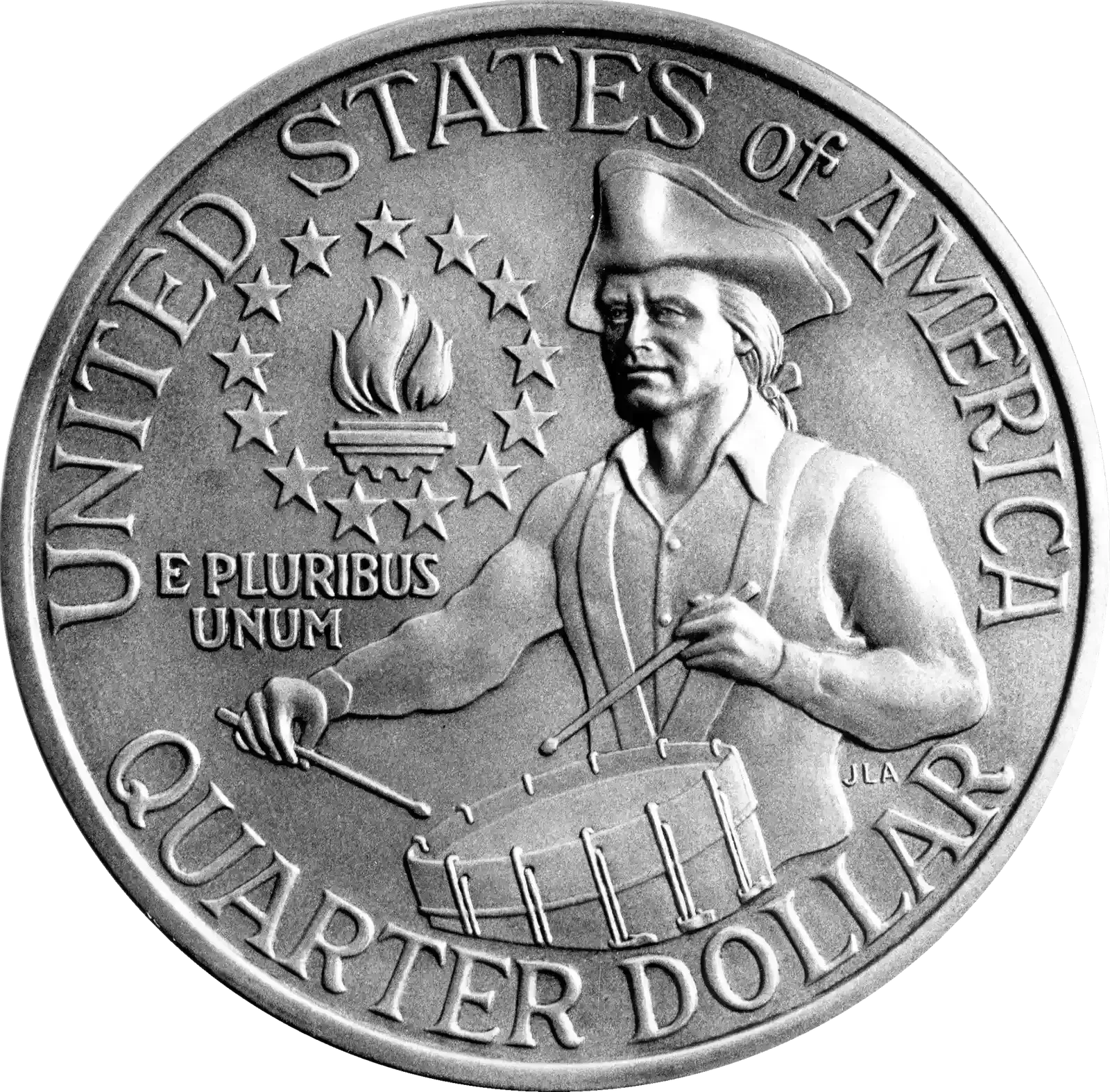
The record price for a 1976-S bicentennial quarter clad proof in PR70DCAM grade stands at nine hundred twenty dollars, set in July 2010. What’s interesting about this particular segment is how population reports influence pricing. The PCGS population of 1976-S bicentennial quarter clad proofs in PR70DCAM increased from 826 pieces in April 2024 to 872 as of October, with expectations to reach one thousand by the end of 2025. As more perfect examples get certified, we’ll see if prices adjust downward or if demand keeps pace.
How to Identify Potentially Valuable Coins
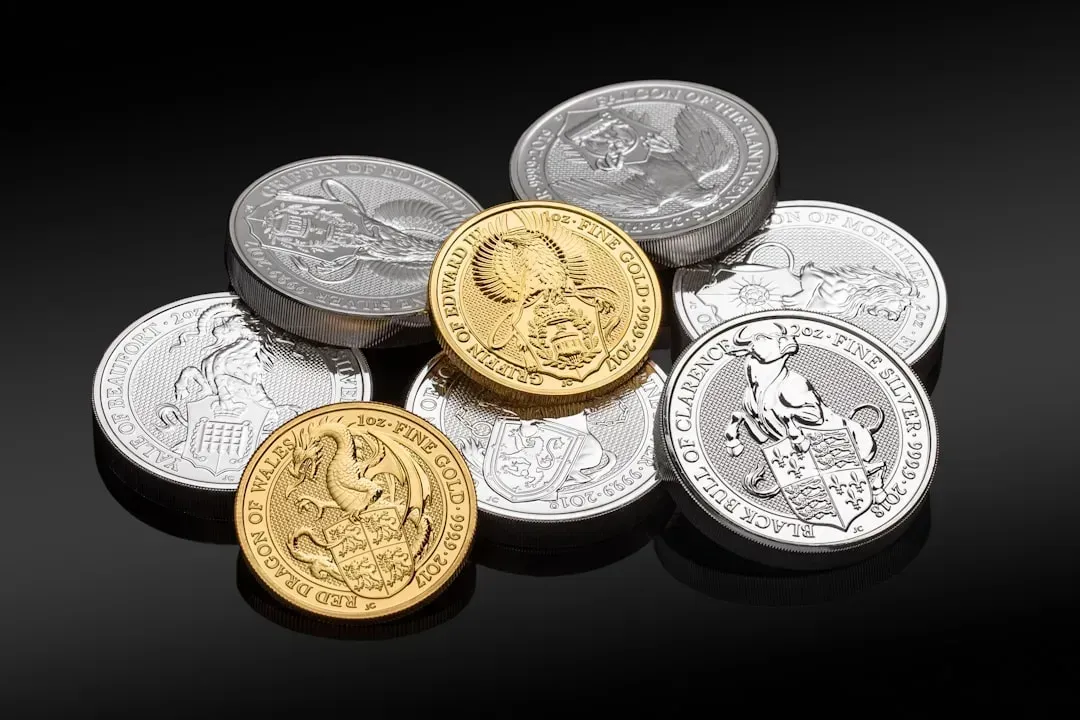
Silver quarters have a bright, uniform edge without the copper layer visible on regular circulation coins, and an “S” mark means it was struck at the San Francisco Mint, often as a proof or forty percent silver coin. Check the edge for a solid silver color with no copper line, which often means it’s forty percent silver, and you can also weigh it for accuracy. As of September 2024, PCGS reports only 13 coins graded MS68 for certain varieties, while NGC reports 15. Don’t clean your coins. Seriously, cleaning can destroy value faster than you’d believe.
The bicentennial celebration happened nearly fifty years ago, and most Americans alive today remember it vividly. That emotional connection, combined with genuine rarity in top grades and error varieties, keeps pushing values higher. What do you think drives the market more, nostalgia or pure scarcity?