4 Things Home Inspectors Say They Find in Almost Every House
Think your home is in perfect shape? Let’s be honest, nearly every house has something hiding beneath the surface. According to industry data, roughly 86 percent of home inspections reveal something that needs fixing. That’s not just a fluke. From brand new builds to century-old properties, certain problems pop up again and again during inspections. These aren’t necessarily deal breakers, though they can certainly affect negotiations and your wallet down the line.
Home inspectors spend their days crawling through attics, peering at electrical panels, and checking foundations. Over time, patterns emerge. The same handful of issues appears in inspection reports across the country, regardless of location or property age. Some are simple fixes. Others require serious attention before they spiral into expensive nightmares that cost thousands to repair.
Roofing Problems Show Up More Than You’d Expect
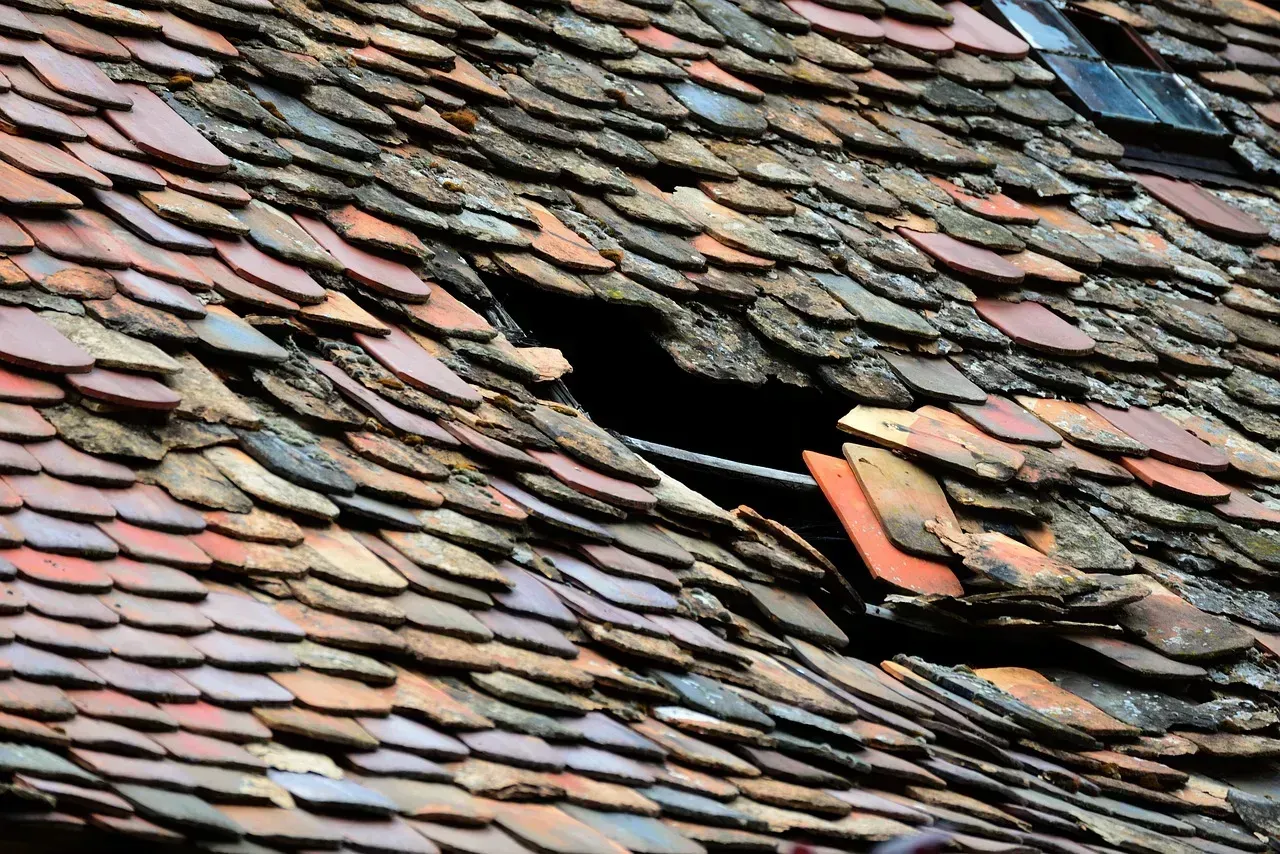
Roofing issues are among the most common problems found during home inspections, appearing in nearly 20 percent of all inspections. Your roof takes a beating year after year from rain, wind, hail, and intense sun exposure. Missing shingles, damaged flashing, and worn-out materials are routine findings that inspectors document in their reports.
Roofing repairs can be among the most costly of all repairs, which makes sense when you consider that a roof replacement can run anywhere from several thousand to over ten thousand dollars. Inspectors examine not just the shingles themselves but also check vents, chimneys, gutters, and signs of water infiltration in attic spaces. Even minor roof damage can lead to water intrusion that causes mold growth and structural deterioration if left unaddressed.
Electrical Issues Create Safety Hazards
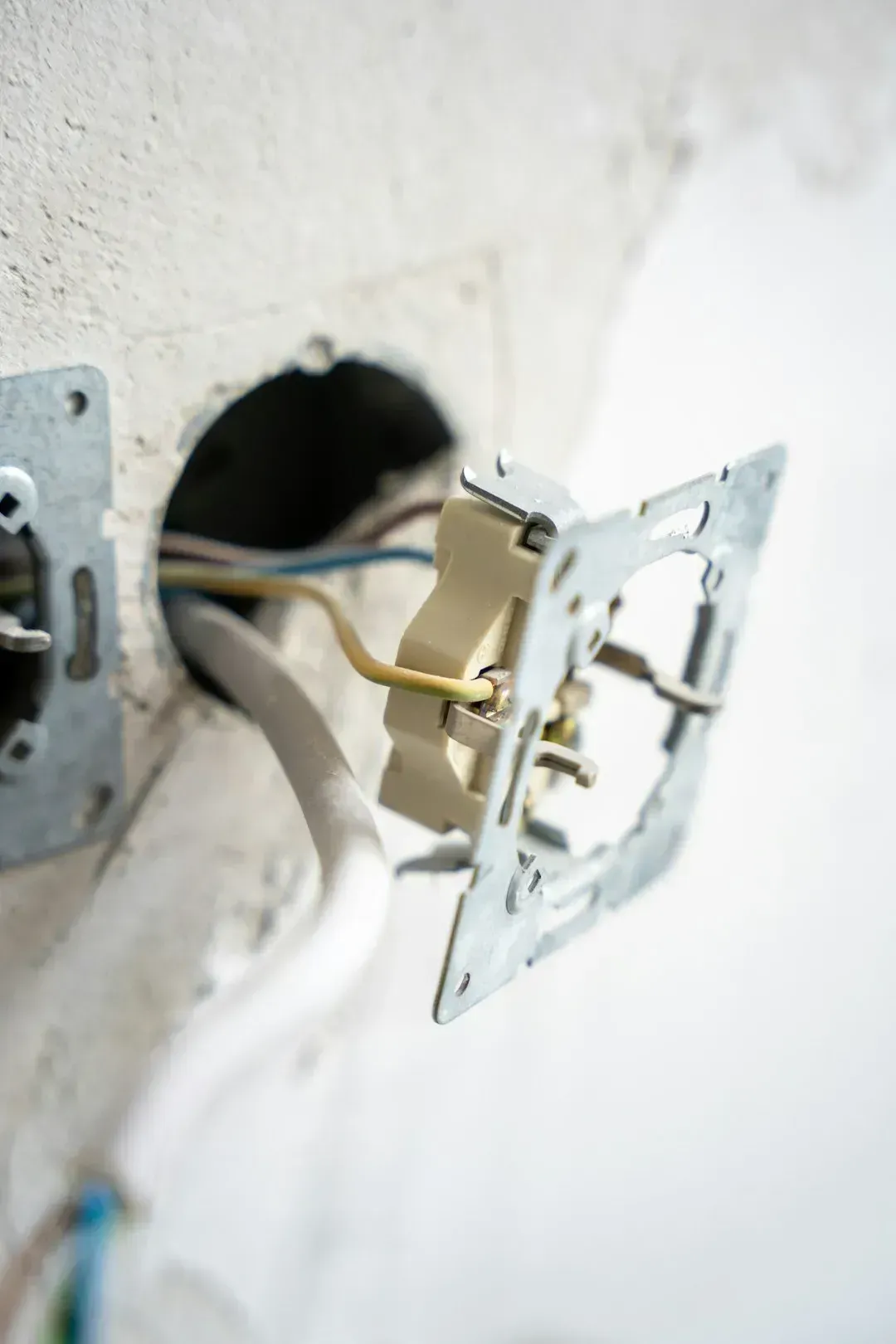
Electrical problems appear in roughly 19 percent of home inspections. Here’s the thing about electrical issues: they’re not just inconvenient, they’re genuinely dangerous. Approximately 51,000 fires start each year in homes due to improper wiring, making this one of the most serious findings on any inspection report.
One of the most frequent issues discovered is outdated or improper wiring, with older homes built before the 1960s potentially still having knob-and-tube wiring or aluminum wiring, which can pose significant risks. Inspectors commonly find reversed polarity in outlets, double-tapped circuit breakers, ungrounded outlets, and exposed wiring. Older homes often lack sufficient electrical capacity for modern appliances and electronics, forcing homeowners to rely on extension cords that create additional fire risks. Outdated wiring and overloaded circuits are the most common reasons for inspection failure, along with poor labeling of circuit breakers and incorrect breaker sizes.
Drainage and Grading Defects Threaten Foundations
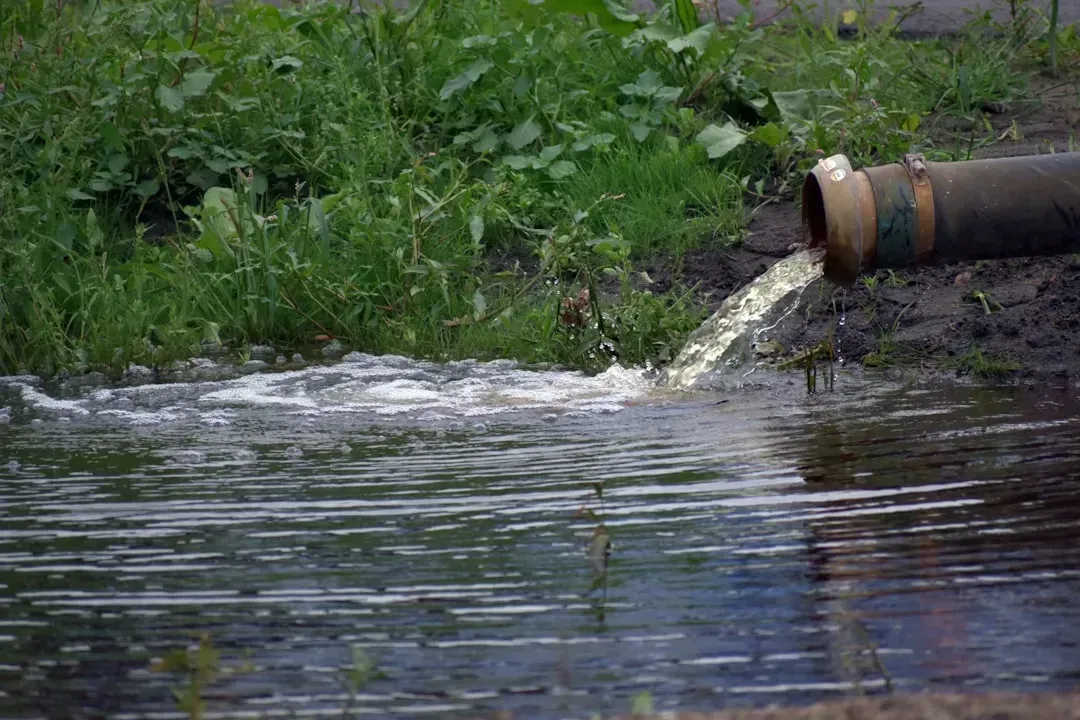
Drainage issues usually go unnoticed until a home inspector presents a report, and poor drainage usually happens because of poor grading. Water needs to flow away from your home’s foundation, not toward it. When the ground slopes incorrectly or drainage systems fail, water pools around the foundation and creates a host of expensive problems.
Poor drainage is a severe problem, especially when rain is frequent, because if water collects around the foundation it can compromise the home structure and, if unaddressed, can also cause a house to collapse. The ideal setup involves positive grading where the ground slopes downward away from the house on all sides. A general rule of thumb is for the grade to slope downward and away from the building at the rate of about one inch per foot for the first six feet. Unfortunately, many homes fail to meet this standard, particularly in areas where backfill soil has settled over time.
HVAC Systems Need Regular Maintenance
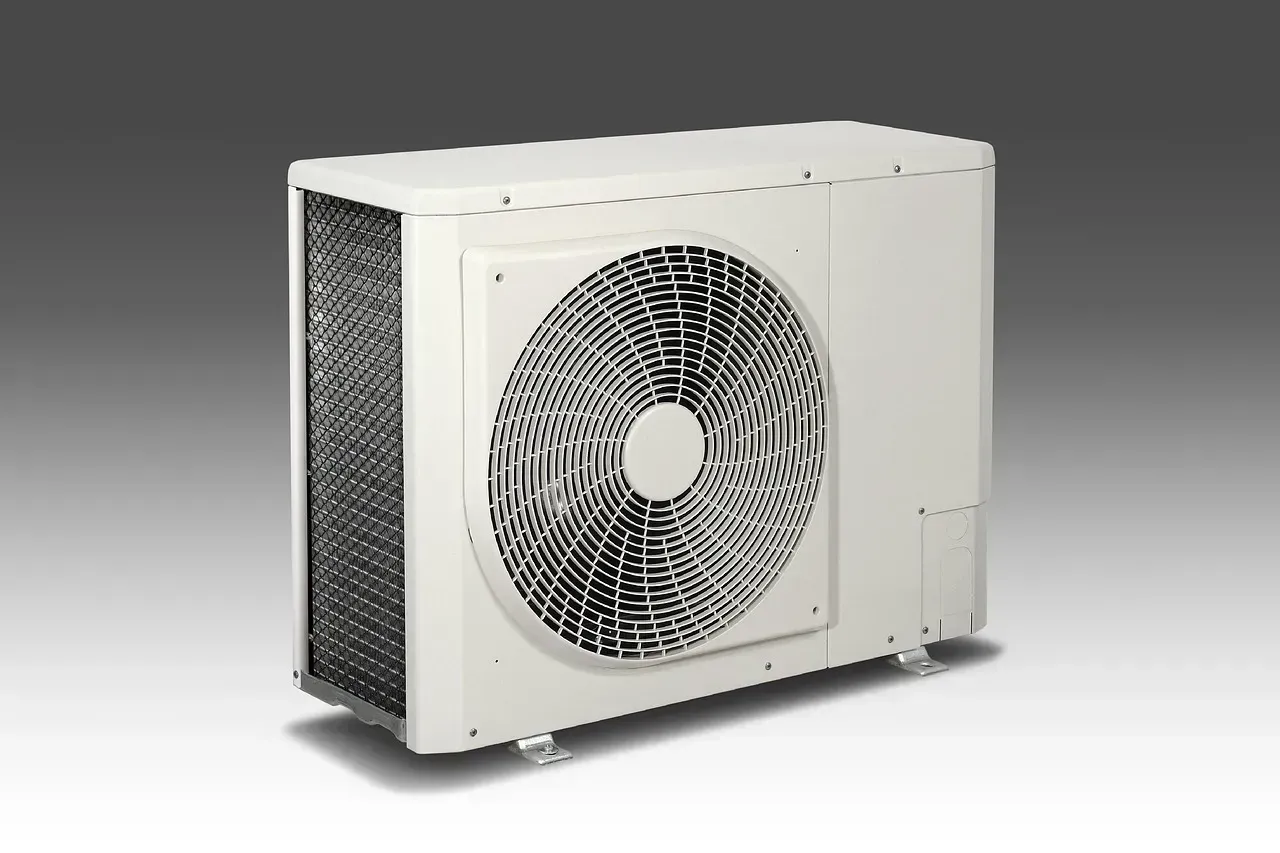
Heating and cooling systems work hard throughout the year, yet many homeowners neglect regular servicing. Unfortunately, many people do not service their HVAC systems yearly, which results in issues during the home inspection, and ignoring proper maintenance can cause irreversible damage leading to expensive repairs.
In general, HVAC units last 10 to 15 years, and if a system is close to that range an inspector should note it so buyers can factor that future purchase into their home buying plan. Common HVAC findings include dirty or clogged filters that restrict airflow, improper installation that creates safety hazards, and ventilation problems that allow moisture to accumulate in attics. It’s a common HVAC issue to find bathrooms venting to the attic rather than the roof, and when moist air from the bathroom flows to the attic it will turn to mold and damage wood and other structural elements. Regular professional maintenance prevents many of these issues and extends the lifespan of expensive equipment.
What This Means for Buyers and Sellers
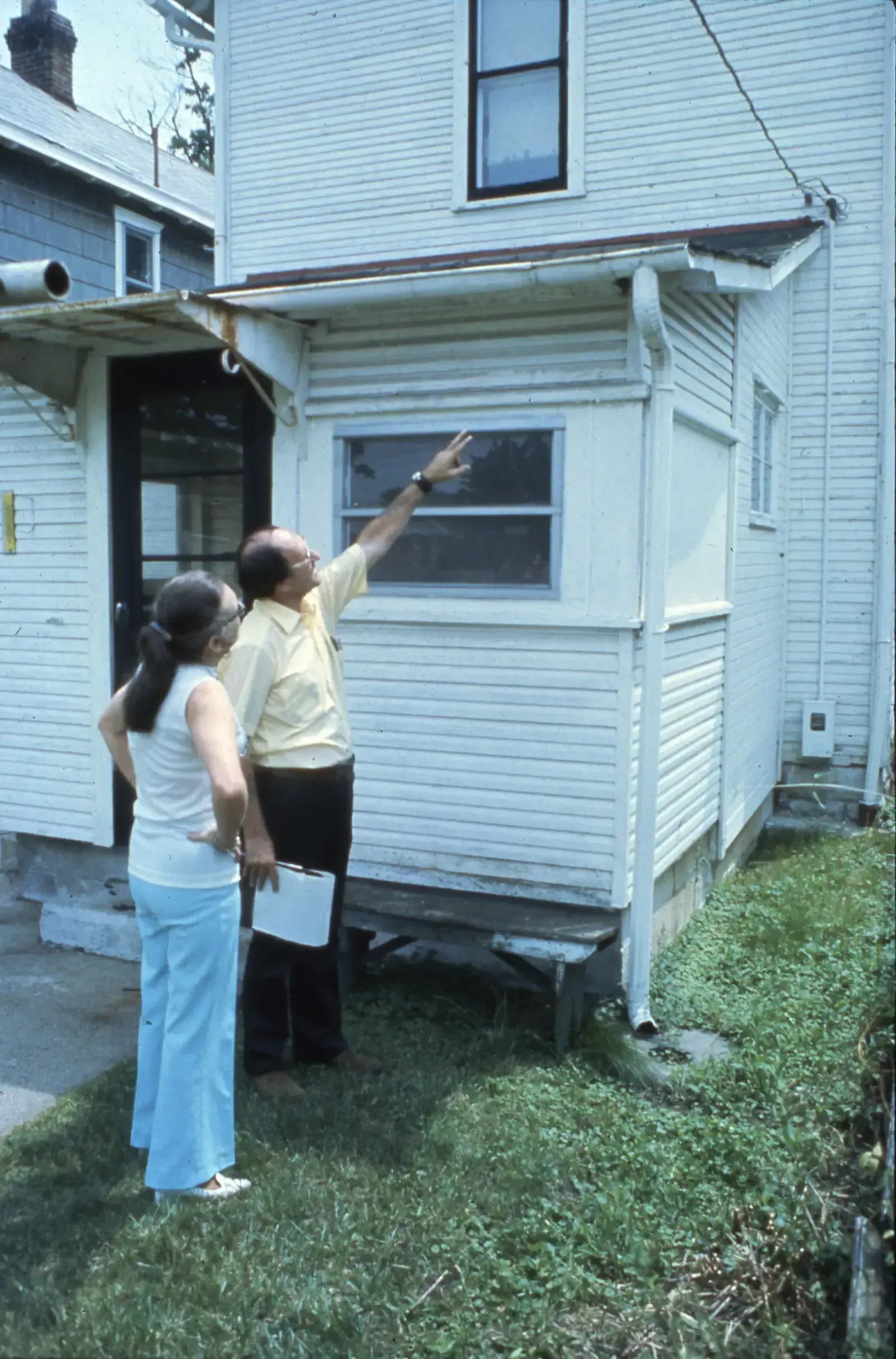
Record in source catalog
DPLA identifier: f5bfdcaba797c4577c8e1d2e9f8b0262
Columbus Metropolitan Library identifier: DL_B11_DJS_082, Public domain, https://commons.wikimedia.org/w/index.php?curid=135467835)
Home inspections aren’t meant to scare anyone away from a purchase. They’re designed to provide a clear picture of what you’re dealing with. Nearly every home has something that needs attention, whether it’s a minor repair or a larger investment. The key is knowing what you’re walking into before signing on the dotted line.
For sellers, addressing obvious issues before listing can prevent delays and keep negotiations moving smoothly. For buyers, understanding common inspection findings helps you make informed decisions about which problems are manageable and which might be red flags. Nearly half of people use home inspection results to negotiate a lower price on their home, and on average buyers were able to negotiate and close around fourteen thousand dollars below the list price when finding problems during inspection. That’s not pocket change.
The reality is that older homes tend to have more issues simply because systems age and standards evolve over time. What was acceptable construction practice decades ago might not meet current safety codes. New construction isn’t immune either; installation errors and quality control issues can affect even the newest properties. The best approach is to view inspection findings as information rather than ammunition. Some problems require immediate attention for safety reasons. Others can wait or might even be factored into your budget for future improvements.
So what surprised you most? Was it the sheer number of homes with electrical problems, or maybe the foundation risks that come from something as simple as poor drainage? Whatever caught your attention, remember that knowledge is power when it comes to real estate transactions. A thorough inspection protects everyone involved and helps ensure you’re making a sound investment in your future home.