The 10 Chain Restaurants Americans Say Are the Most Overpriced Today
Walking into your favorite chain restaurant shouldn’t feel like taking out a loan. Yet here we are in 2025, staring at menus that look more like mortgage statements than dinner options. Fast food isn’t fast or cheap anymore, and those neighborhood grills? Well, they’re pricing out the actual neighbors. Let’s be real, something’s changed.
Americans aren’t holding back their frustration. From social media rants about eighteen-dollar burgers to studies tracking which chains get the most heat for sky-high prices, the message is clear. People feel ripped off, and they’re not shy about saying so.
Shake Shack
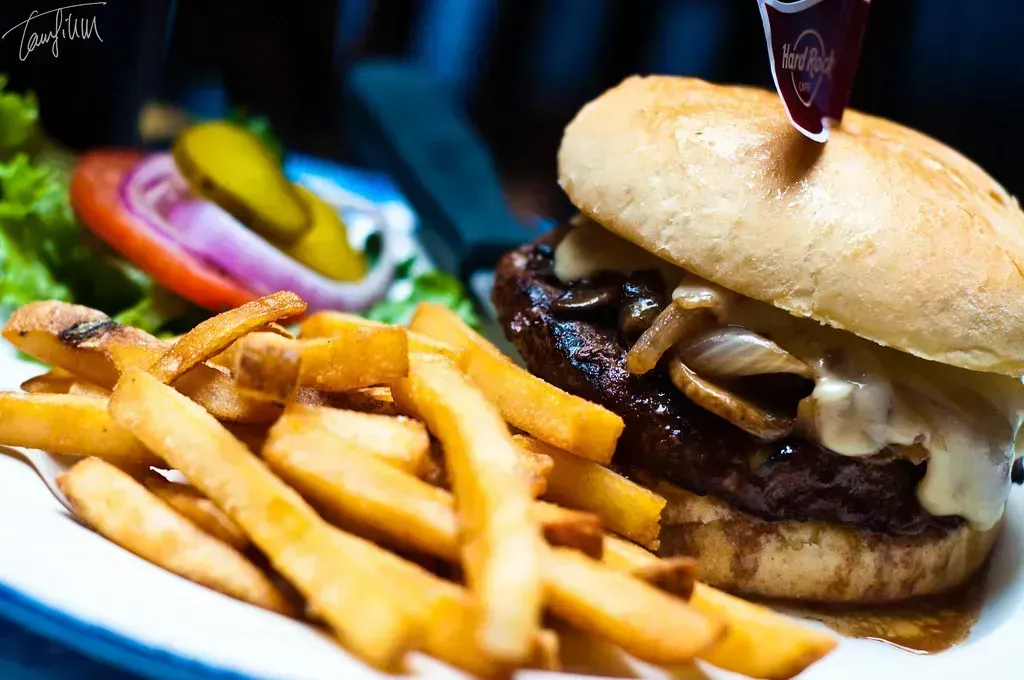
Shake Shack has earned the dubious honor of being named the most overpriced chain restaurant in America, receiving more customer complaints about excessive pricing than any other national chain. This distinction comes after the burger chain implemented two separate price hikes throughout 2024. A single ShackBurger now typically costs between $6.99 and $7.99 depending on your region, which doesn’t even include fries or a drink. Want to add those essentials? You’re looking at a total of at least $11.48 before considering one of their signature shakes. The chain then raised prices again by another percentage in October, though they promised to roll back some increases in early 2025. Customers joke about needing credit checks just to walk through the door, and honestly, it’s hard to blame them for the humor when the reality stings this much.
Five Guys
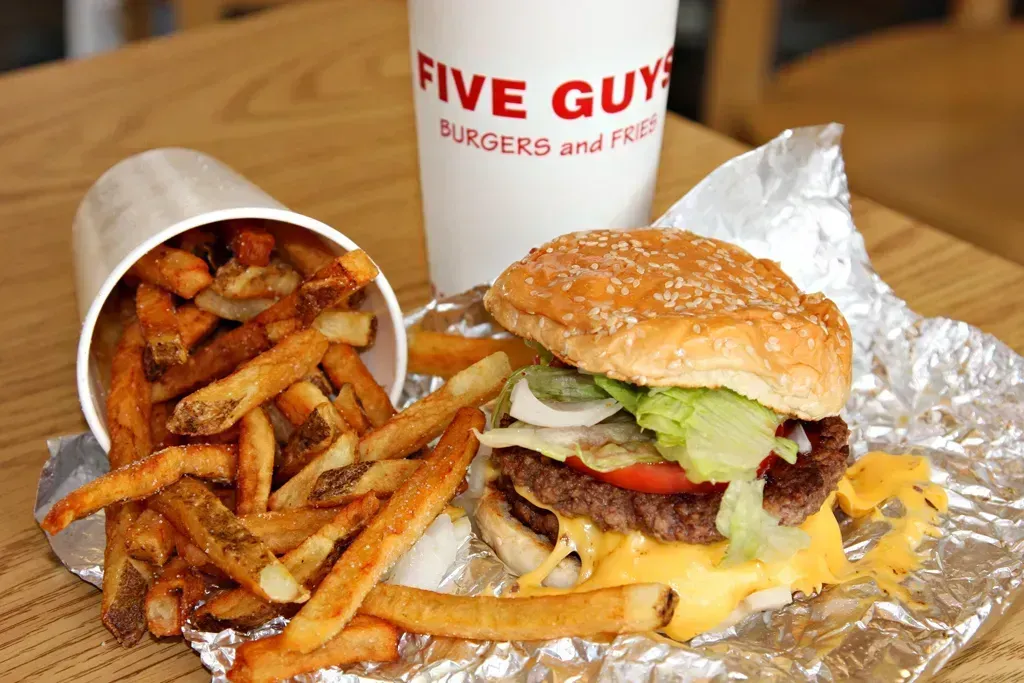
Five Guys trails just behind Shake Shack as the chain with the second most overpriced food complaints, with customers describing their prices as completely “out of control”. The numbers tell a brutal story. Burgers with two beef patties cost roughly between $9 and $13 depending on location, and that’s before adding their famous fries. When you factor in that a basic burger and fries at Five Guys can easily run upward of twenty dollars in many markets, the customer frustration becomes crystal clear. Sure, they give you mountains of fries and use quality beef, yet many diners now wonder if supporting a local burger joint wouldn’t give them better value for similar money. The chain built its reputation on quality, not affordability, though even loyal fans are starting to question whether the premium is justified when their wallets take such a beating at checkout.
McDonald’s
McDonald’s earned the title of worst offender for dramatic price increases, with menu prices doubling since 2014 – an average increase of 100%, more than triple the national inflation rate during that same period. The average price of a meal at McDonald’s jumped by a significant 22% between 2022 and 2024 alone, climbing from $6.21 to $7.57. Remember when the McChicken was a dollar menu staple? That same sandwich now costs $3 at some locations, representing a 200% increase. After raising prices by about 10% in 2023, the chain faced a mountain of social media backlash over items like Egg McMuffins and Hash Browns. The irony? McDonald’s executives keep defending their pricing strategy while lower-income customers, who once relied on the chain for affordable meals, are eating at home instead.
Applebee’s
The neighborhood grill has essentially priced out its neighbors. Applebee’s raised prices by 41% from 2020 to 2024, which is nearly double the national inflation rate during that period. The Quesadilla Burger, which cost $10.49 five years ago, now rings up at $15.99. Executives from Darden Restaurants predicted another 2% to 3% price increase for 2025, which feels tone-deaf when you consider customer complaints. Loyal Applebee’s customers have expressed their frustration since the quality of the food hasn’t matched the increase in cost. What once felt like an accessible place for families to enjoy a night out without breaking the bank has morphed into something unrecognizable. The sting comes from betrayal – this was supposed to be the place where regular folks could afford to eat.
Texas Roadhouse
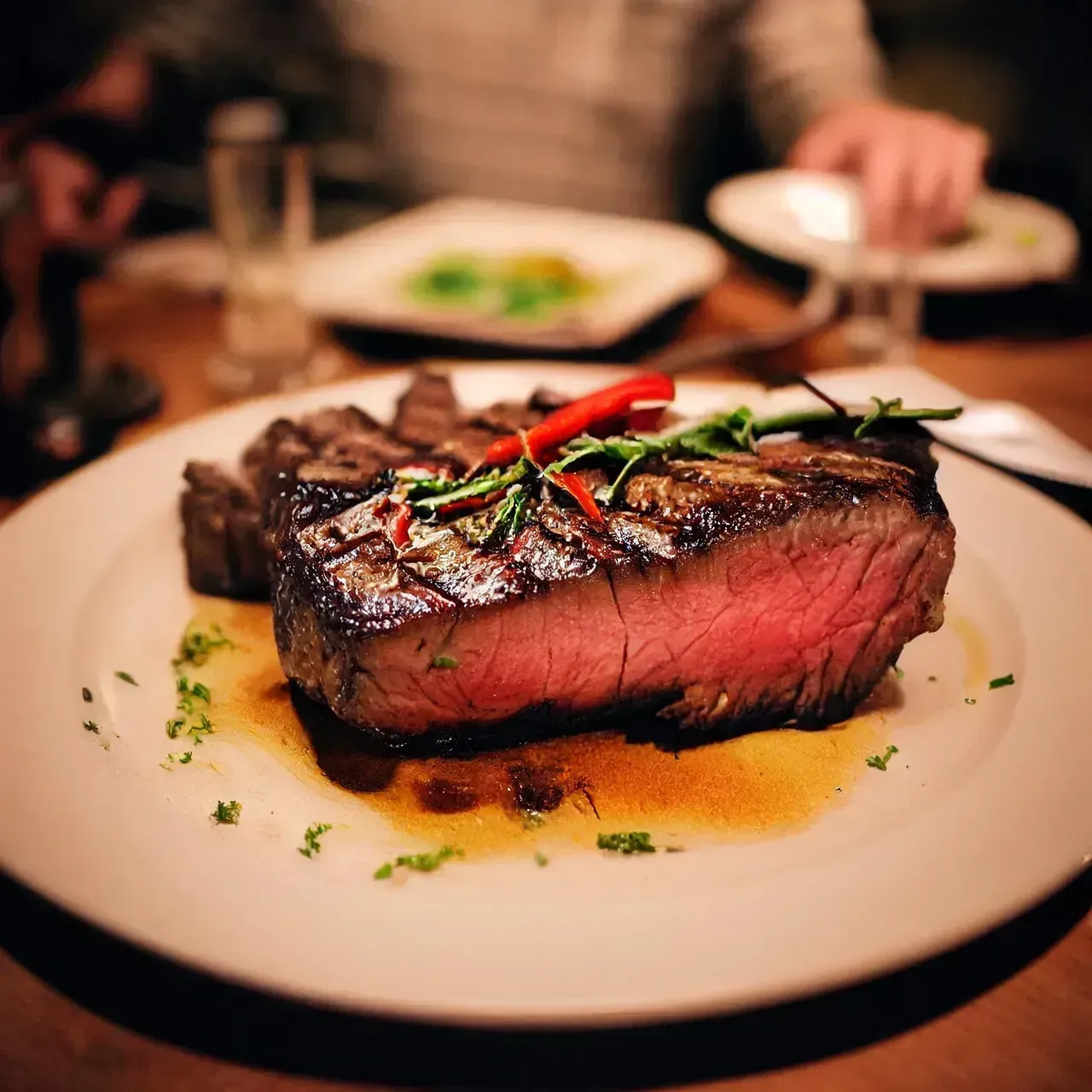
Texas Roadhouse, along with other American-style restaurants, raised prices by around 40 percent over the past five years. The steakhouse chain, beloved for its honey butter rolls and hand-cut steaks, hasn’t escaped the pricing backlash sweeping through casual dining. When your neighborhood grill suddenly costs forty percent more, it’s no longer your neighborhood grill. These increases far exceed the roughly 22% inflation rate Americans experienced during the same timeframe. The chain still draws crowds on weekends, lines wrapping around buildings in some locations, though increasingly customers are questioning whether that wait and that bill are really worth it. You can almost feel the internal calculation people make now – is this special enough to justify what we’re about to spend?
Wendy’s
Wendy’s has seen its average prices jump by 31.8% over two years, climbing from $9.41 to $12.41. That’s not a slow creep – that’s a sprint up the pricing ladder. The chain is hanging around close to the top of the overpriced list with a 32% price increase from 2022 to 2024. The redhead who once promised square patties and reasonable prices now presides over a menu that leaves customers scratching their heads. Wendy’s executives announced plans to close 140 locations by year’s end, specifically targeting “outdated” stores in “underperforming trade areas” with lower-than-average annual sales. Reading between the lines, it seems customers are voting with their feet, choosing to walk away rather than absorb continued price hikes for food quality that hasn’t improved to match.
Taco Bell
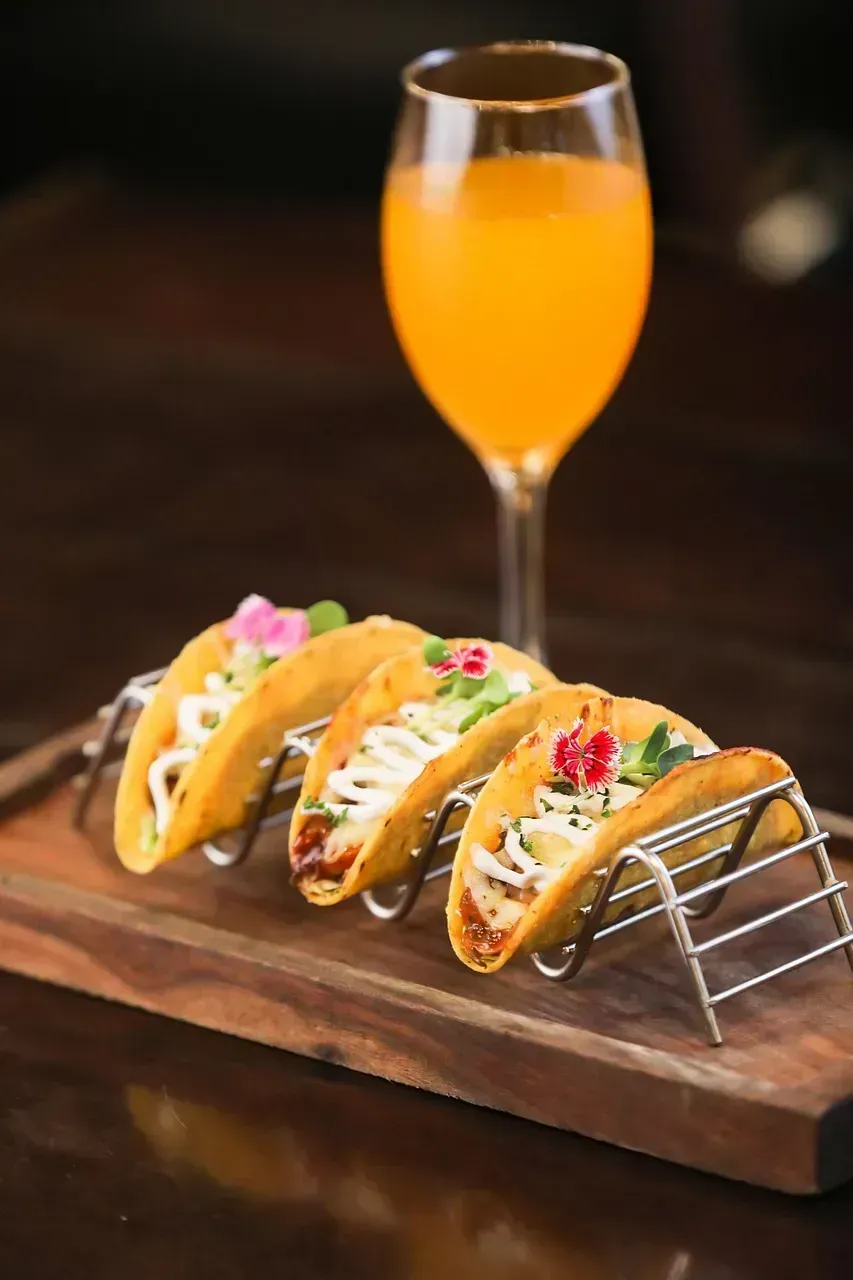
Taco Bell exhibited the third-largest average price increases among major chains, raising prices by at least 75%. The signature Gordita Crunch saw a 100% price increase from 2014 to 2024, while the Beefy 5-Layer Burrito went up by 132% during the same period. Think about that for a second – more than doubling the price on items that were supposed to be budget-friendly options. Customers have voiced their frustrations online, with one Redditor calling the $6 chalupa “one of the biggest injustices in the country”. Another fed-up customer shared they haven’t had a properly made Crunchwrap in years and have given up entirely, choosing to make food at home instead. When a chain built its entire identity on being cheap and cheerful loses that affordability edge, what’s left?
Popeyes
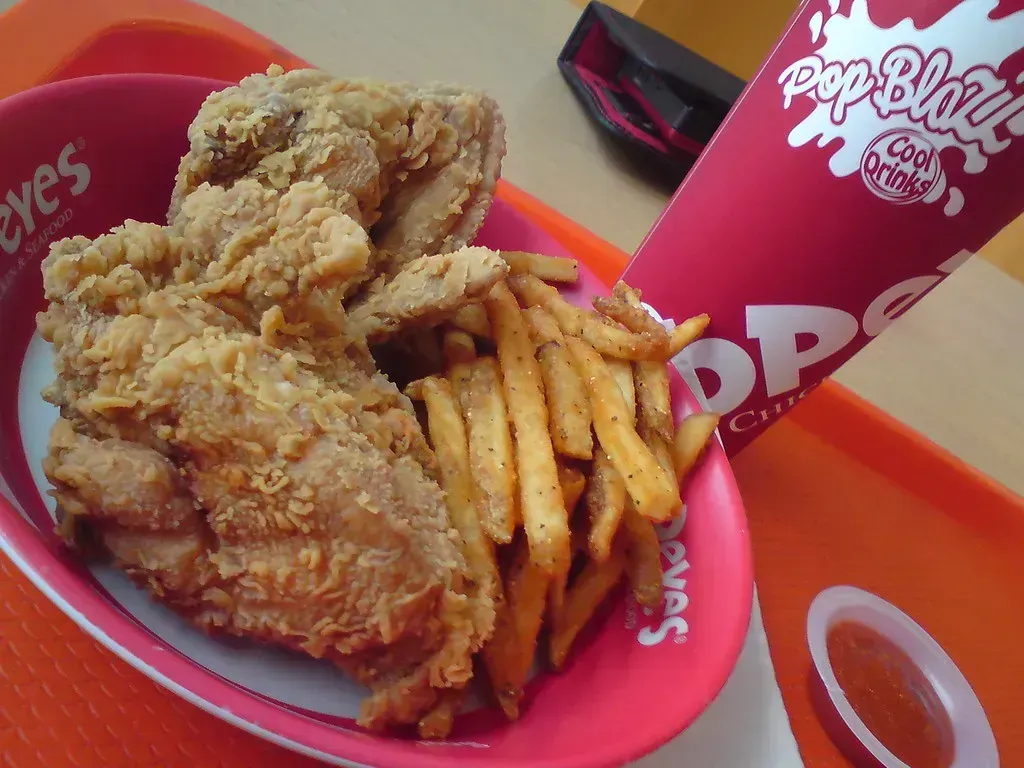
Popeyes followed McDonald’s with an 86% price increase since 2014, putting the Louisiana-inspired chicken chain squarely in the overpriced category. A 4-piece Chicken Dinner from Popeyes went up in price by 97% over the last decade. Nearly doubling the cost for a chicken dinner feels excessive when you’re competing with grocery store rotisserie chickens and home cooking. The chain’s famous chicken sandwich created massive hype a few years back, drawing lines around the block and selling out nationwide. Yet that initial excitement has given way to sticker shock as customers realize maintaining their Popeyes habit means spending considerably more than they used to. Quality fried chicken shouldn’t require a second mortgage, yet here we are contemplating whether we can really afford those biscuits.
Chipotle
Chipotle exhibited the fourth-largest average price increases, raising prices by at least 75%. In 2014, customers could get an entree like a burrito, bowl, or tacos for less than $6.75 on average – those same meals all cost $10.50 or more today. Guacamole, which has always cost extra, now costs 64% more than it did ten years ago, jumping from $1.80 to $2.95 on average. The fast-casual chain positioned itself as a healthier, fresher alternative to traditional fast food, commanding premium prices for that positioning. Trouble is, when your burrito bowl approaches fifteen dollars after adding protein, guac, and maybe chips, people start wondering if they’re getting ripped off. The portions haven’t grown. The experience hasn’t dramatically improved. Just the bill keeps climbing.
Olive Garden
Between 2020 and 2025, Olive Garden saw an average price increase of 30%, with its largest single-item increase being its popular Chicken Alfredo. Executives from Darden Restaurants, which owns Olive Garden, predicted a 2% to 3% price increase for 2025. The Italian-American chain built its reputation on unlimited breadsticks, giant portions, and prices that made sense for middle-class families celebrating birthdays or enjoying date nights. These mid-tier chains now find themselves in the awkward position of being expensive compared to home cooking but still cheaper than true upscale dining. Loyal customers have expressed frustration since the quality of food hasn’t matched the increase in cost. When you’re paying close to what an independent Italian restaurant charges, those microwaved entrees and pre-made sauces become harder to justify.