5 Home Features That Were Once Trendy but Buyers Now Avoid, Realtors Say
The housing market of 2024 and 2025 has been a tough ride for sellers. Home delistings in October were up 45.5% year to date and up nearly 38% from October 2024, revealing just how difficult it’s become to sell properties in today’s competitive landscape. While mortgage rates and inventory challenges certainly play a role, many realtors point to specific home features that once seemed like smart investments but now actively turn buyers away.
In a market where 57% of homebuyers anticipated finding the right home to be the biggest challenge, sellers need every advantage they can get. The problem is that certain design choices and features that were wildly popular just a few years back have become liabilities. Here’s the thing: these aren’t just minor annoyances. They can genuinely impact whether a buyer makes an offer or walks away.
Wall-to-Wall Carpeting Throughout the Home
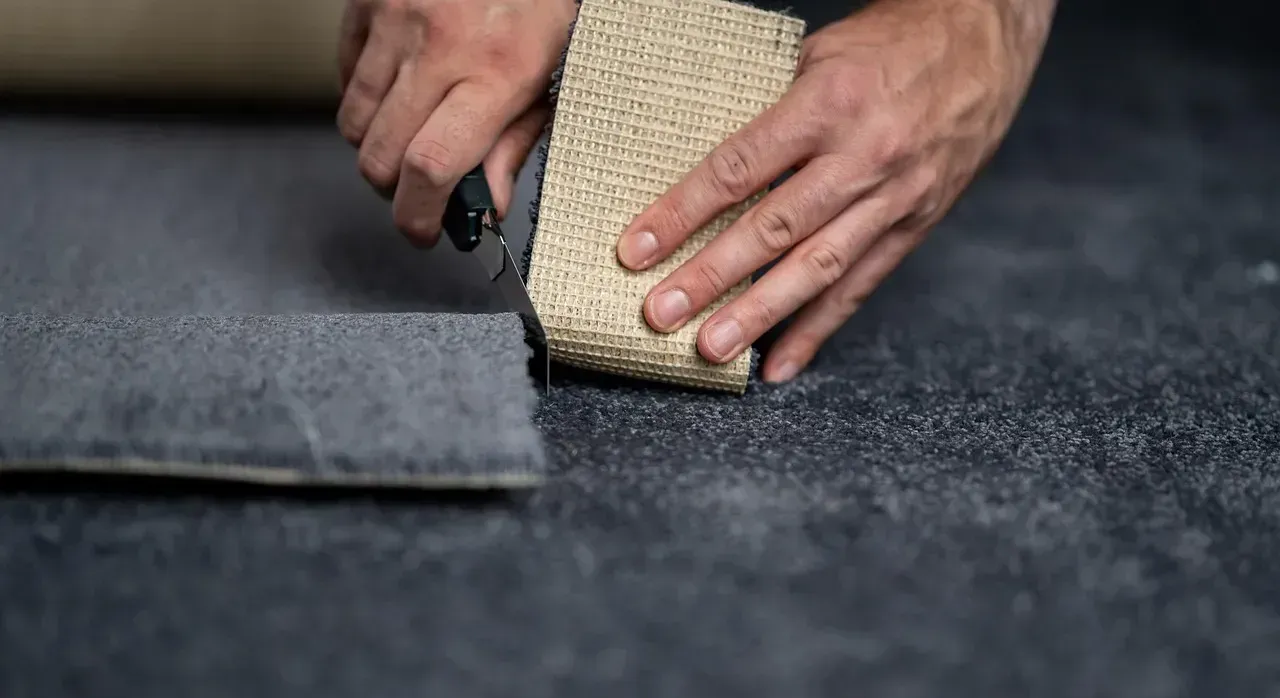
While 54 percent of homes still have carpet floors, the number is decreasing and hardwood floors are taking the place. Honestly, this one shouldn’t come as a huge shock. Carpet has fallen seriously out of favor with modern buyers, particularly younger generations who associate it with high maintenance and potential hygiene concerns. The reality is that carpeting can trap odors, harbor allergens, and show wear patterns that make homes feel dated almost immediately.
Carpet tends to show damage easily, can be difficult to clean and retains odors. What’s more, many buyers are turned off by certain colors. A better flooring option is hardwood or laminate. In fact, one study revealed that 54 percent of home buyers are willing to pay more for hardwood floors. Real estate experts note that dated or worn carpet throughout a property is often seen as an immediate expense buyers must tackle before moving in, leading to lower offers or outright rejection.
Swimming Pools in the Backyard
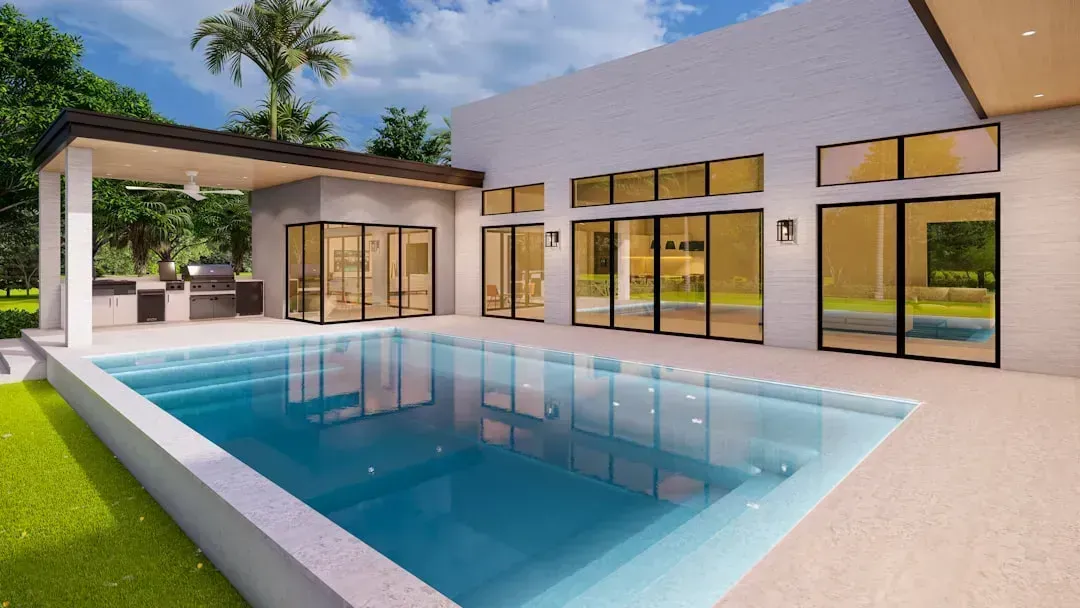
Remember when a backyard pool was considered the ultimate luxury addition? Times have changed dramatically. Swimming pools may seem like attractive luxury features, particularly in warm climates, but they’re also expensive to maintain and have safety risks. As such, a swimming pool can go straight to the “cons” section of a homebuyer’s list. Realtors consistently report that pools narrow the buyer pool significantly, no pun intended.
Families with small children are less likely to be in the market for a house with a pool, and the ongoing costs of chemicals, cleaning, repairs, and increased insurance premiums make many potential buyers think twice. What sellers once thought was a premium feature has become a potential deal-breaker for many in the current market.
Open Concept Floor Plans
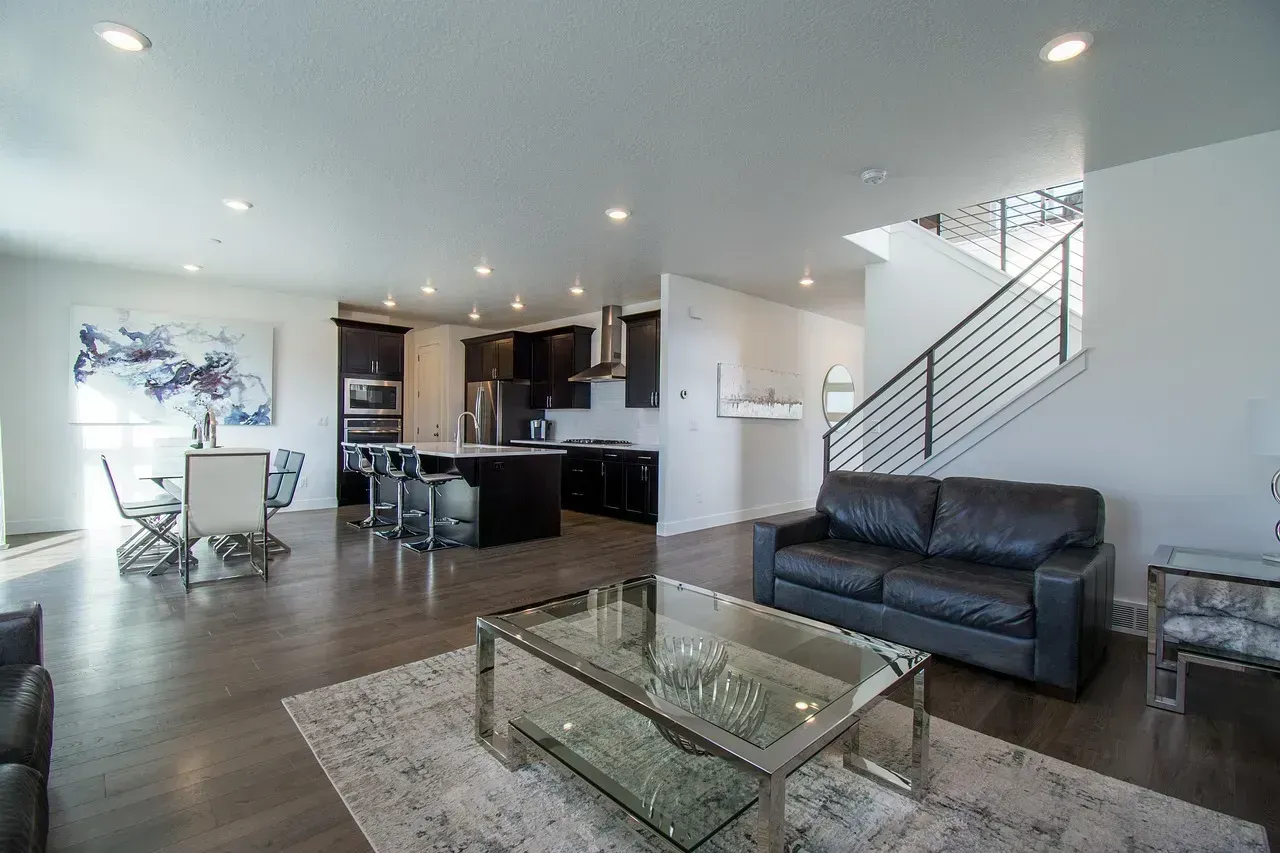
It sounds crazy since open concept layouts dominated home design for well over a decade. Yet the tide has genuinely turned. Open-floor living areas have long been used to create the illusion of more space, make entertaining easier and allow a flow and easier movement within the home. However, the lack of privacy became less desirable during the 2020 pandemic, which led to a change in this trend. Now, people want a home with distinct rooms that offer privacy and functionality.
The shift happened surprisingly fast. Open floor plans certainly have their benefits, but in a post-pandemic world, I think we can all agree that privacy matters. Open-concept will never be completely out, but dedicated spaces (from rooms to corner nooks) are no longer seen as outdated. Plus, injecting an open-concept home or apartment with warmth and coziness is a bit of a challenge, whereas separate rooms allow for more atmosphere and ambiance. With remote work still prevalent and families needing designated quiet zones, buyers increasingly desire homes with defined spaces rather than one massive great room.
Built-In Office Features and Fixed Shelving
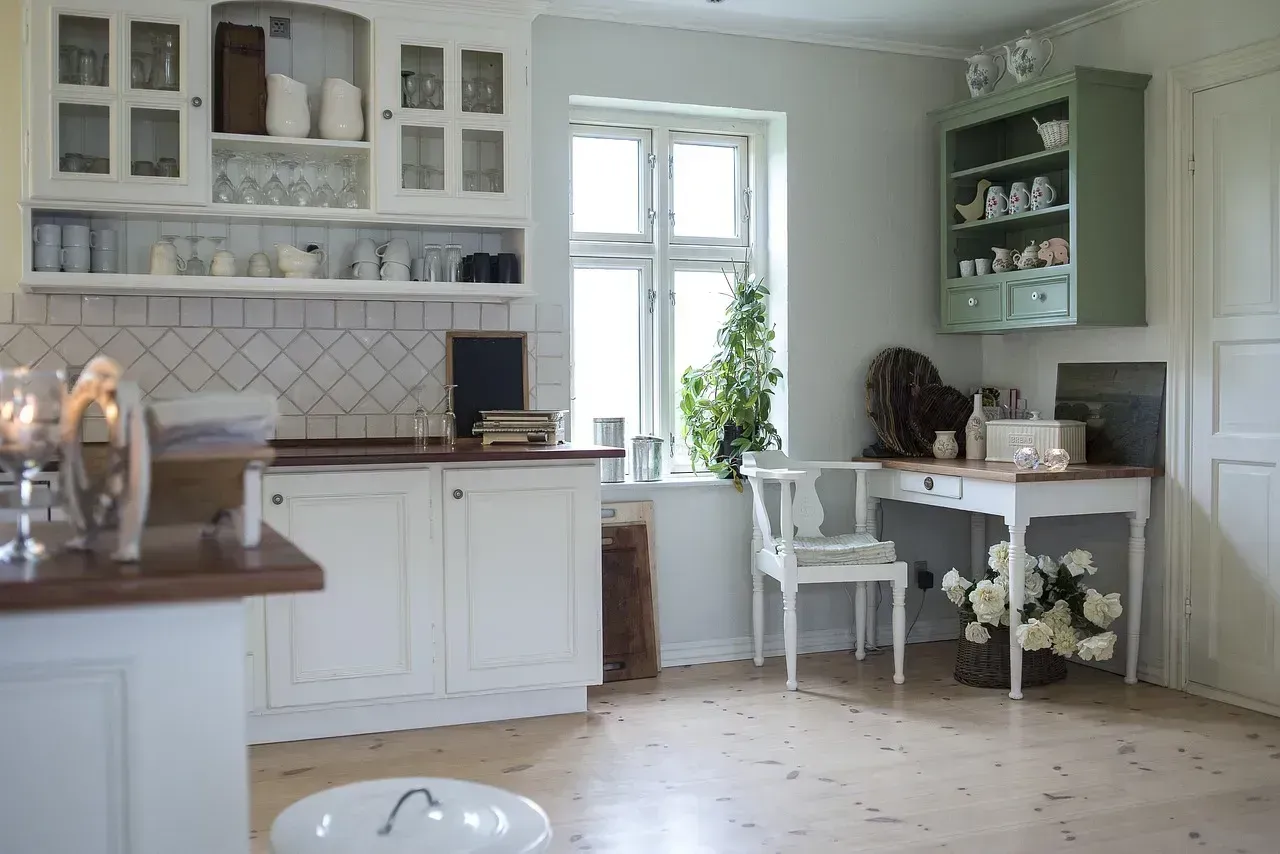
During the 2020 pandemic, converting bedrooms into home offices seemed like the logical move. Fast forward to today, and those permanent conversions are proving problematic. Despite the increase in working from home since 2020 pandemic, most homebuyers still prefer a bedroom over an office (or at least want to have the choice). Also, do not add built-in shelving to an office. It restricts the next buyer’s ability to convert the room back into a bedroom. When areas of a room are fixed, buyers have trouble understanding how their furniture and vision for the room will fit. This forces them to start calculating the added cost of creating the room they really want. A home with built-in shelving could restrict your pool of potential buyers.
The issue is simple: flexibility matters more than ever. What works for one family rarely works for another, and permanent fixtures that limit how a space can be used are now viewed as obstacles rather than assets.
Overly Personalized and Ultra-Trendy Kitchens
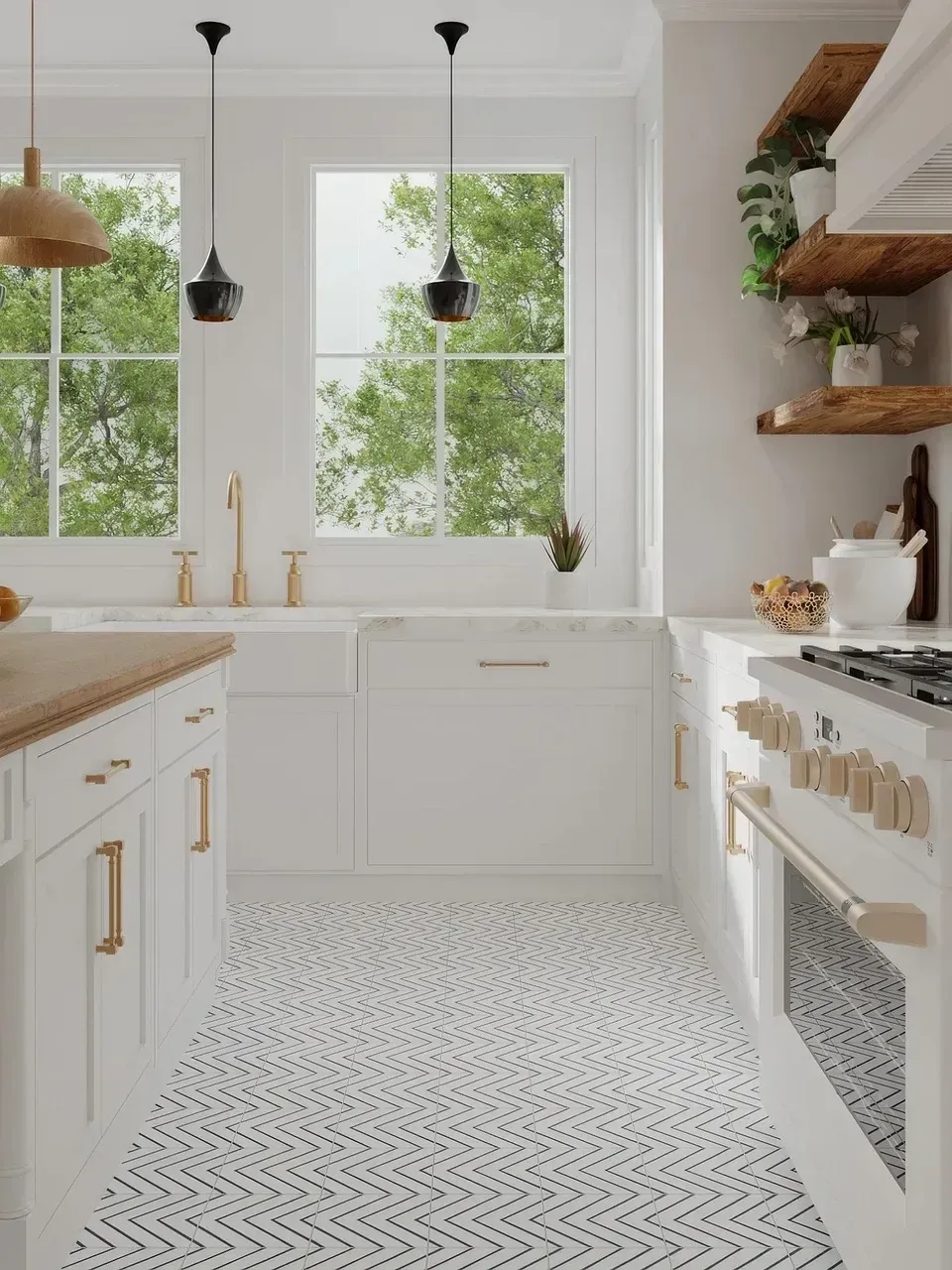
Kitchens sell homes, but only when they appeal to a broad audience. Personalized kitchens that don’t highlight convenience and ease of use are a dealbreaker for many homebuyers. Think unusual color schemes, highly specific appliances, or design choices that reflect one person’s particular taste rather than timeless appeal.
Matted black finishes have gained popularity but when added to otherwise all-white rooms, they may be drawing too much of the focus. Similarly, ultra-minimalist designs or overly themed kitchens can backfire. Buyers want kitchens they can envision themselves using, not spaces that feel like they belong to someone else entirely. Neutral doesn’t have to mean boring, but it does mean accessible, and that’s what moves properties in this market. Realtors consistently advise that practical, classic kitchen designs remain the safest bet for resale value.
So there you have it. Five features that seemed smart just a few years ago but now send buyers running in the opposite direction. If you’re planning to sell, it might be worth reconsidering whether these once-popular choices are helping or hurting your chances. What trends do you think will be on the chopping block next?