Real Estate Agents Notice These 10 Things the Moment You Walk In
You’d be surprised what gives away the little secrets about your home. Real estate agents are trained observers who can spot issues and opportunities in seconds. It’s their job to assess properties quickly and accurately. When they step through your front door, they’re not just seeing rooms and furniture. They’re seeing dollar signs, red flags, and selling points all at once. Let’s be real, if you’re planning to sell your home, you’ll want to know what these pros are picking up on before they even say hello.
The Smell Hits Them First

Before an agent even looks around, they’re already forming an impression based on what they smell. Odors are incredibly powerful in real estate because they’re impossible to ignore. Cigarette smoking is more than a health hazard; its odor can have a negative impact on a property’s value. A 2015 survey of 200 Realtors in British Columbia, Canada found that 76 percent of Realtors believed smoking would decrease a home’s value. It’s not just cigarette smoke either. Bad smells are an instant turnoff. Lingering odors from pets, mold, cooking, or cigarette smoke can make a home feel dirty even if it’s spotless.
Agents know that buyers make snap judgments based on smell alone. The standard appraisal report’s definition of market value refers to “typical buyers,” most of whom would become acutely aware of such odors right at the door, and when it’s significant will either walk away or discount their offering price. The issue extends beyond unpleasant aromas to what they might represent. Think about dampness suggesting water damage or pet urine indicating deeper problems with flooring. Even strong cooking spices can linger and turn off potential buyers who can’t envision themselves in the space.
Studies show that smoking in a home can lower its resale value by as much as 29%. The financial impact of odor problems can’t be overstated. Most homeowners don’t notice these smells because they’ve become nose-blind over time, a phenomenon called olfactory adaptation. That’s why getting an honest opinion from someone who doesn’t live there is critical before listing.
Clutter Screams Lack of Space

The second thing agents pick up on is clutter. It might seem harmless to you, but to a trained eye, it suggests the home doesn’t have enough storage or that rooms are smaller than they actually are. A cluttered home is difficult to stage, leading to a lower perceived value during showings. If buyers struggle to see the potential of a space, they are less likely to make strong offers. Even if your home has great bones, piles of stuff everywhere will mask its true potential.
Here’s the thing: clutter doesn’t just make a home look messy. Six in 10 recently surveyed real estate agents said a messy yard decreases property values. And it’s not limited to outdoor spaces. California real estate broker Scott Beloian, who has over 25 years of experience, stated that cluttered yards can reduce a home’s value by 10% or more, especially when buyers struggle to look past the mess. Buyers need to visualize their own belongings in your space, and when every surface is covered, that becomes nearly impossible.
According to the National Association of Realtors, a well-organized and decluttered home can sell faster and for a higher price than a cluttered one. This isn’t just about aesthetics. Clutter can also raise safety concerns during showings and make rooms feel cramped, which directly impacts how much buyers are willing to offer.
Lighting Sets the Mood Immediately

Walk into a dim, poorly lit home and the vibe shifts instantly. Agents notice lighting right away because it dramatically affects how spaces feel. Dark rooms appear smaller, less inviting, and can even seem dated or neglected. Natural light is gold in real estate, and homes that maximize it tend to sell faster and for more money.
Proper lighting highlights a home’s best features and creates an open, welcoming atmosphere. Conversely, inadequate lighting can make even spacious rooms feel closed off. Agents look for homes with large windows, skylights, or strategic artificial lighting that mimics daylight. They’ll also notice outdated fixtures or burnt-out bulbs, which signal a lack of maintenance.
Think about it this way: buyers are more likely to linger in bright, cheerful spaces. If your home feels like a cave, agents know it’s going to be a harder sell. Simple fixes like replacing heavy curtains, adding lamps, or upgrading to LED bulbs can make a world of difference in how your property is perceived.
The Condition of Floors and Walls Tells a Story
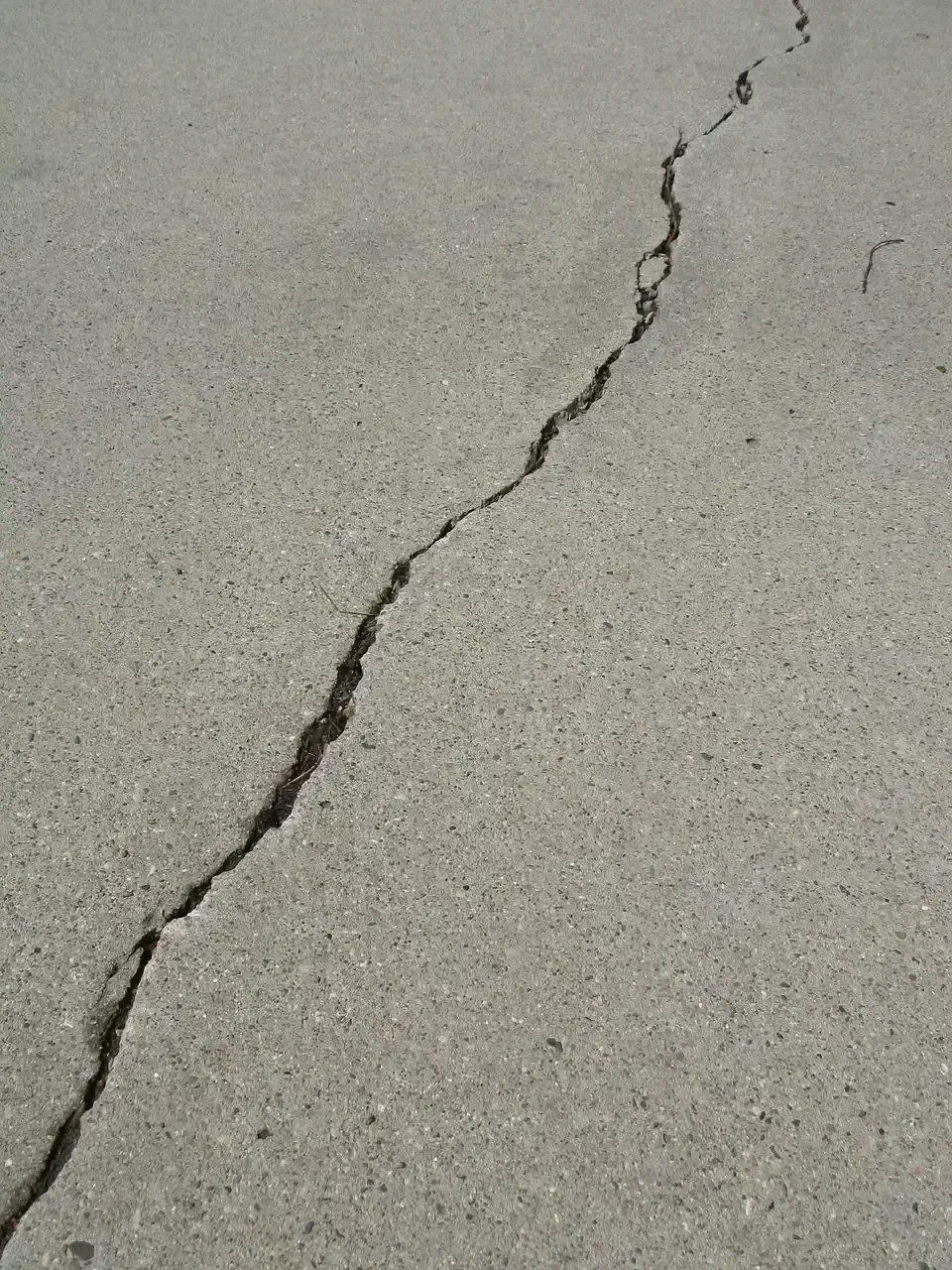
Scuffed floors, stained carpets, and chipped paint don’t go unnoticed. These surface-level imperfections tell agents whether a home has been well maintained or neglected. Buyers often mentally calculate repair costs the moment they spot damage, which can lead to lower offers or requests for concessions.
Hardwood floors are highly desirable, but only if they’re in good shape. Scratches, dullness, or warping indicate deferred maintenance. Carpets pose an even bigger challenge. Old carpet may raise concerns about allergens, odors, or hidden damage. If the carpet looks worn or smells, buyers might assume they’ll need to replace it immediately after purchase.
Walls reveal a lot too. Cracks, holes, or water stains suggest bigger structural issues that could scare off buyers. Fresh paint in neutral colors is one of the easiest and most cost-effective ways to make a home show-ready. Agents know that clean, well-maintained surfaces signal a home that’s been cared for, which translates to peace of mind for buyers.
Curb Appeal Makes or Breaks First Impressions

Real estate agents are sizing up your home before they even step inside. Curb appeal isn’t just a buzzword; it’s a critical factor in how quickly a home sells and for how much. Overgrown landscaping, peeling paint, and cluttered yards all scream “pass” to potential buyers driving by.
One study found that homes with good landscaping sold for 5.5% to 12.7% more than homes with average or poor landscaping. That’s a significant financial difference for something as simple as trimming hedges and planting flowers. Agents also notice cracked driveways, dirty siding, and outdated exterior features, all of which detract from a home’s value.
First impressions matter immensely in real estate. If the outside looks neglected, buyers assume the inside will be too. Even small touches like a fresh coat of paint on the front door, new house numbers, or a tidy walkway can elevate curb appeal dramatically. Agents know that homes with strong curb appeal generate more showings and competitive offers.
Staged Homes Stand Out From the Crowd

There’s a reason staging has become an industry standard. According to a 2023 survey by the National Association of Realtors, 81% of buyers’ agents found that staging a home made it easier for potential buyers to visualize the property as their future home. Agents can immediately tell whether a home has been professionally staged or if the seller just tidied up a bit.
Staging goes beyond decluttering. It involves arranging furniture to maximize flow, adding decor that appeals to a broad audience, and highlighting a home’s best features. Staged homes tend to sell much faster than unstaged ones, with an average time on the market of just 23 days compared to 184 days for unstaged homes. That’s a massive difference that agents recognize instantly.
In 2024, 20% of agents observed a 1% to 5% increase in the dollar value of staged homes compared to unstaged ones. Even minor staging efforts can translate to serious money. Agents notice when a home has been thoughtfully prepared for sale versus one that’s been hastily thrown on the market. The former almost always performs better.
Dated Kitchens and Bathrooms Are Instant Red Flags
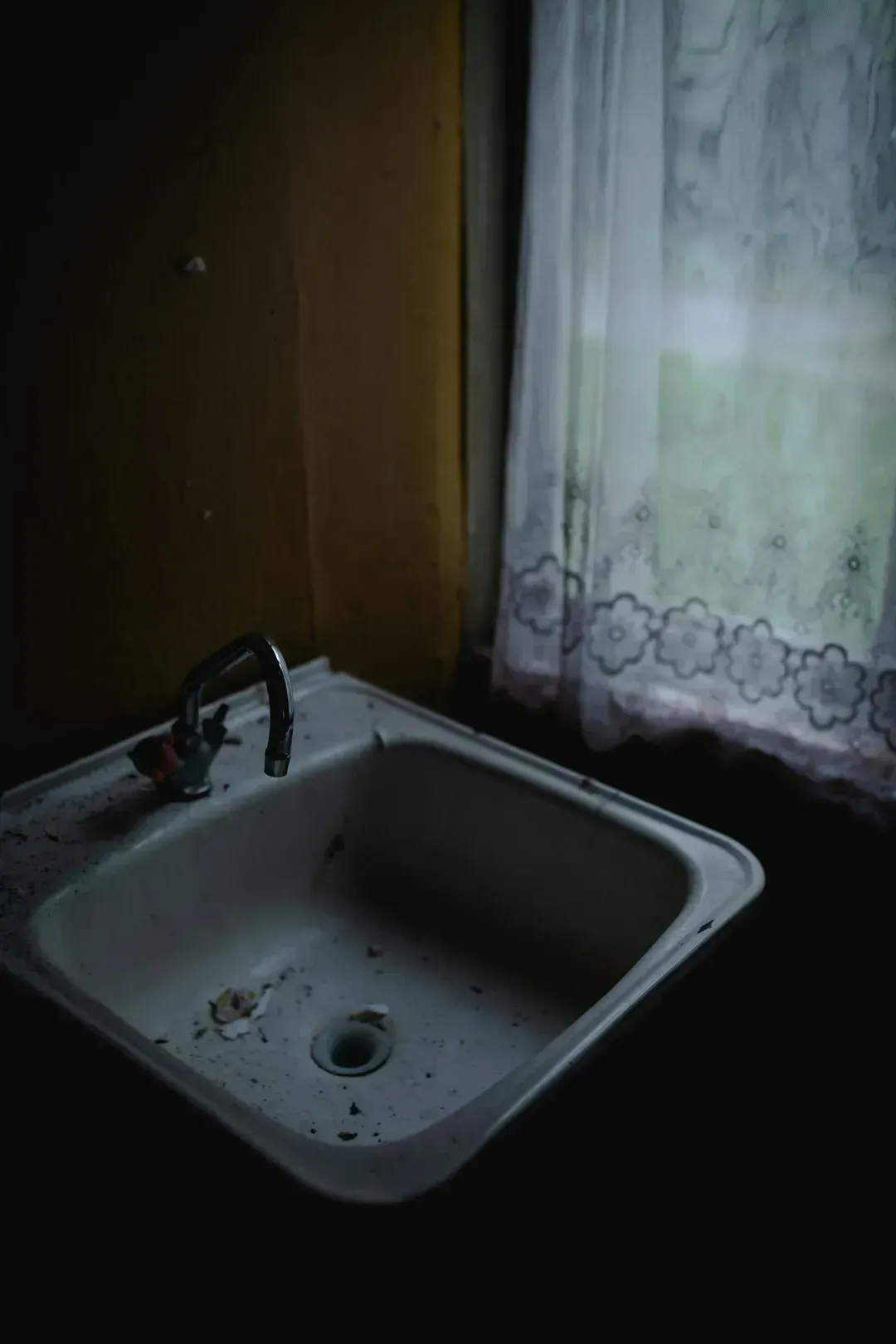
Kitchens and bathrooms are the two rooms that sell homes, and agents know this better than anyone. When they walk in and see outdated countertops, ancient appliances, or original 1980s tile, they’re already calculating how much buyers will need to invest in renovations.
These rooms don’t need to be brand new to impress, but they do need to be clean, functional, and relatively modern. Buyers are willing to pay a premium for updated kitchens with granite or quartz countertops, stainless steel appliances, and contemporary cabinetry. Similarly, bathrooms with modern fixtures, neutral tile, and good lighting command higher prices.
Agents also look for signs of water damage in these spaces, which can indicate bigger plumbing issues. Grout that’s cracked or discolored, faucets that drip, or cabinets with water stains all raise concerns. Even if the rest of the house is perfect, outdated or poorly maintained kitchens and bathrooms can drag down the overall value significantly.
Temperature Control and HVAC Condition
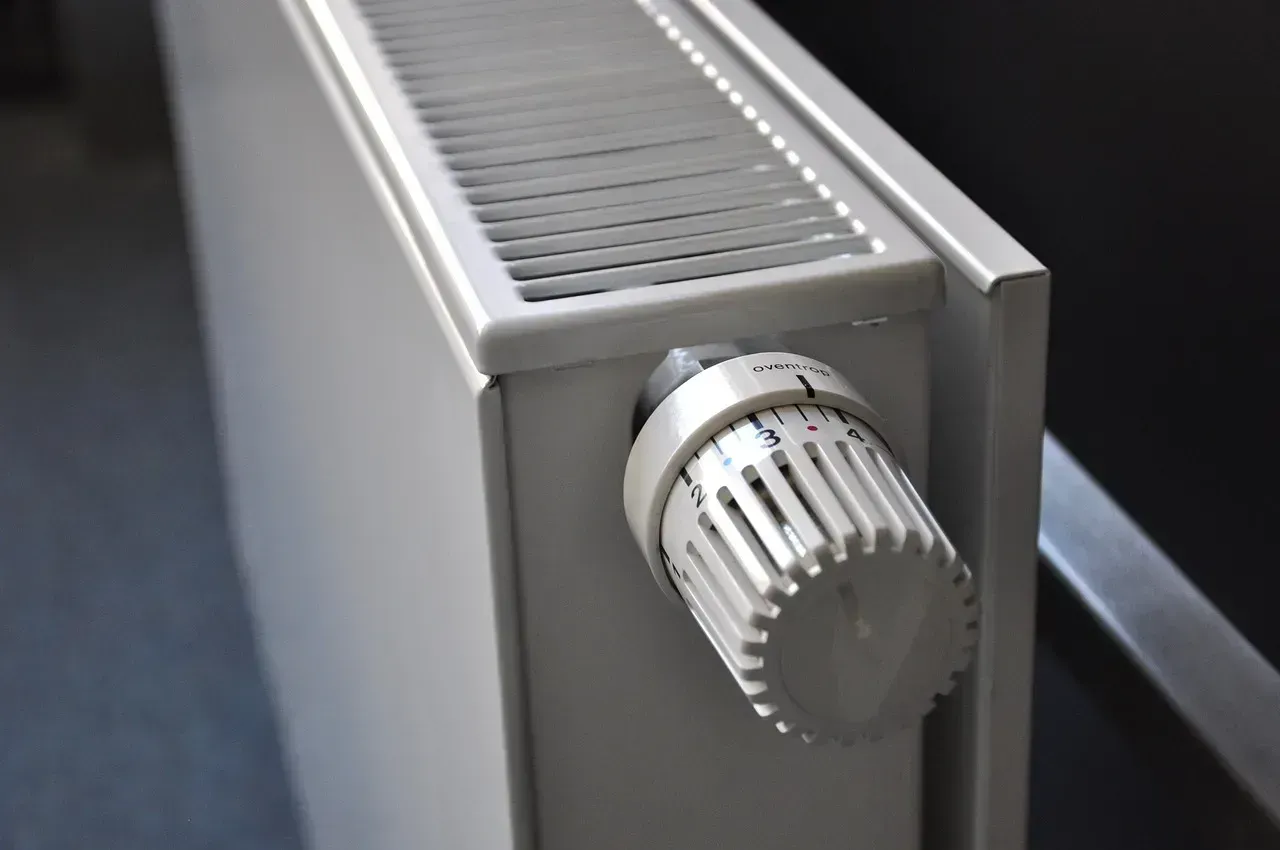
Is the house too hot, too cold, or just right? Agents notice temperature immediately because it affects comfort during showings. An uncomfortable environment can cut a showing short and leave a negative impression. Buyers want to know that the HVAC system works efficiently without skyrocketing their utility bills.
Agents look for signs of an aging or poorly maintained heating and cooling system. Strange noises, inconsistent temperatures between rooms, or outdated thermostats all signal potential problems. Buyers often ask about the age of the HVAC system during negotiations, and if it’s on its last legs, they’ll either request a credit or walk away.
Energy efficiency is also becoming a bigger selling point. Homes with programmable thermostats, energy-efficient windows, or updated insulation appeal to eco-conscious buyers and those looking to save money long-term. Agents know that highlighting these features can differentiate a home in a competitive market.
Maintenance Issues Are Obvious to the Trained Eye

Loose doorknobs, leaky faucets, squeaky floors – these might seem like minor annoyances to you, but agents view them as signs of deferred maintenance. They’re trained to spot these small issues because they often indicate bigger problems lurking beneath the surface.
Buyers are wary of homes that show signs of neglect. If little things aren’t fixed, they assume major systems like plumbing, electrical, or the roof might also be in disrepair. This perception can tank a sale before it even gets started. Agents know that addressing these small fixes before listing can prevent buyers from requesting large credits or backing out entirely.
Additionally, DIY repairs done poorly are a huge red flag. Crooked tiles, uneven paint jobs, or outlets that don’t work properly suggest the homeowner took shortcuts. Not only do unpermitted renovations raise safety concerns, but they also prevent the added space from being included in the official square footage. Agents can usually spot amateur work from a mile away, and it rarely works in the seller’s favor.
Personal Items Overwhelm Neutral Appeal
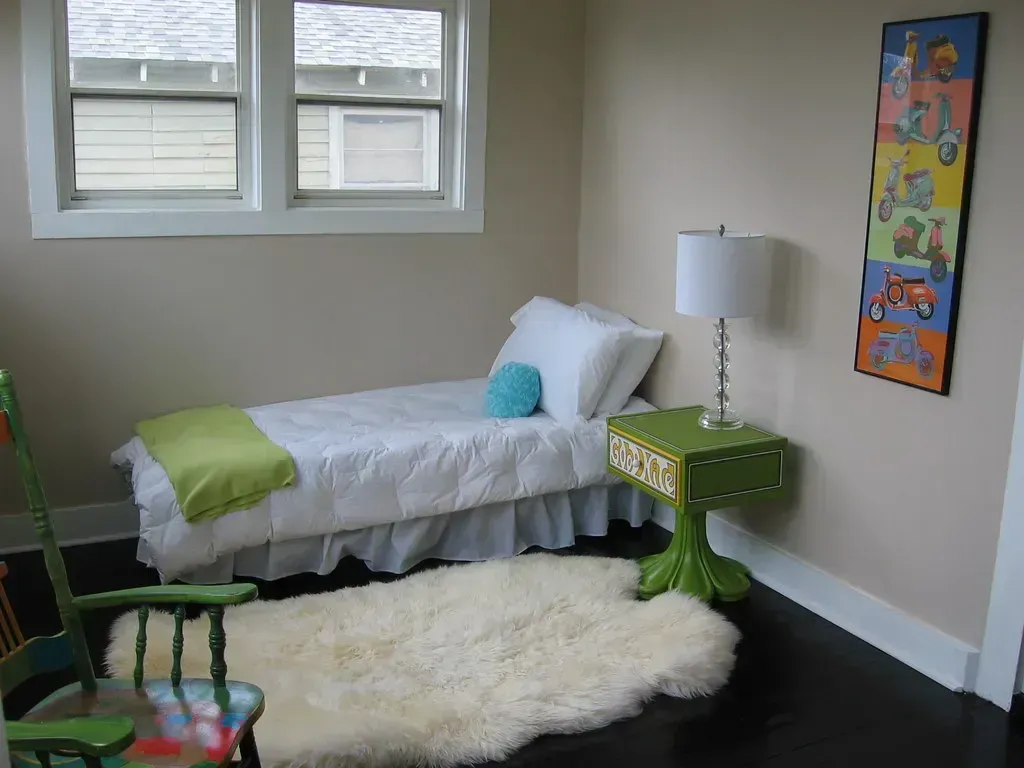
Family photos, religious symbols, bold artwork, and quirky collections might make your house feel like home to you, but to agents and buyers, they’re distractions. The goal is to create a neutral canvas where potential buyers can imagine their own lives unfolding. When personal items dominate, that becomes impossible.
Clutter makes it hard for buyers to imagine living there. There’s a reason many real estate agents ask you to remove any pictures of you and your friends or family when you put your home for sale. Personalization can make it difficult for people to envision the home as their own. Agents notice this immediately and know it can reduce buyer enthusiasm.
Neutrality doesn’t mean boring. It means creating a space that appeals to the widest possible audience. Think fresh flowers, tasteful decor, and clean lines. Agents know that homes staged with neutral colors and minimal personal touches generate more offers because buyers can mentally move in before they’ve even written a check. The key is making the space feel like it could belong to anyone, not just you.
Real estate agents have seen it all, so impressing them takes more than just a quick clean before a showing. From the moment they walk through your door, they’re assessing everything from odors to clutter to the condition of your floors. Their observations directly impact how your home is marketed and what price it ultimately sells for. The good news is that most of these issues are fixable with a bit of effort and investment. So before you list, take a hard look at your home through an agent’s eyes. You might be surprised at what needs attention. What do you think – are you ready to see your home the way the pros do?