What To Do With Your Pennies Once Minting Fully Ends
The U.S. Mint ceased minting circulating pennies in November 2025, closing a chapter that began over two centuries ago. The decision came from the Secretary of the Treasury after determining the penny was no longer necessary, influenced by rising production costs that reached between 3.69 to nearly four cents per penny. With an estimated 300 billion pennies already in existence, the government expects this supply to last for years. Yet here’s the thing: many coin terminals now closed to penny deposits and withdrawals, creating unexpected shortages faster than anyone predicted. What should you do with those jars full of copper sitting around your house?
Cash Them In Before Supply Dwindles
If you have a lot of pennies saved away, you’ll want to exchange them quickly, either depositing them at the bank or credit union for free. The process is straightforward. You can manually roll them yourself using coin wrappers, needing 50 pennies per roll to make 50 cents. Alternatively, you can exchange them at a Coinstar machine, though these charge small fees unless you opt for a gift card to avoid them. Honestly, the window to easily convert pennies into usable currency may be narrowing faster than we realize.
Hunt For Rare Coins Worth Serious Money
Before dumping your collection into a coin machine, take a minute to scan for valuable specimens. Some pennies could be worth hundreds, or even thousands, of dollars. Wheat Pennies from 1909 to 1958, especially 1909-S VDB or 1914-D, are particularly valuable, while 1943 Steel Pennies are mostly common except for rare copper versions from that year. The 1944 Steel Wheat penny could be worth as much as $408,000 in mint condition, while the 1943 copper penny in perfect condition is quoted at $250,000. Look for doubling errors and unusual mint marks too.
Minting mistakes and double dies are often sought after by collectors, so if you think you’ve found something rare, consult a coin dealer or use an online coin value guide.
Consider The Copper Content Value
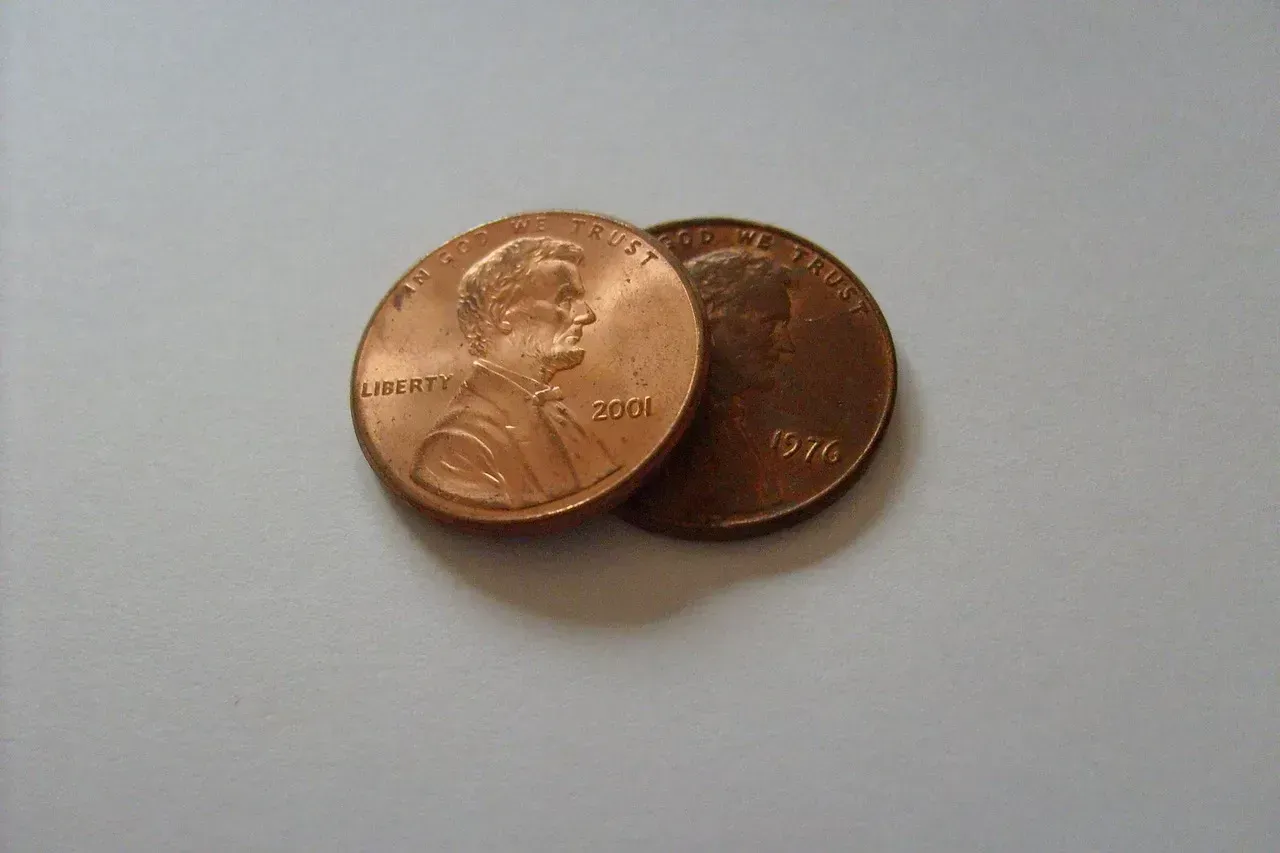
Pennies minted before 1982 are 95% copper, making them worth more in raw metal than their face value. Here’s where it gets tricky. Melting, treating, or exporting pennies and nickels remains prohibited under federal regulation, with violators facing steep penalties. The United States government banned melting pennies in 1982, and if you get caught scrapping pennies, you could face fines and up to 5 years in prison. Many people who hoard copper coins these days are simply waiting for the penny melting laws to change, which may happen someday.
Put Them Back Into Circulation
You can still use pennies anywhere that accepts cash, and putting them back into circulation helps retailers and other shoppers who still pay with coins. The U.S. Mint issued 3.23 billion pennies in 2024, but pennies are rarely recirculated back into the economy after being issued as change, as Americans tend to store them in jars or use them for decoration. Many shops, restaurants, and chain stores are experiencing premature shortages months earlier than anyone expected, forcing business owners to come up with workarounds when they can’t give customers correct change. Spending your pennies now actually helps the economy more than you’d think.
Donate To Charitable Causes
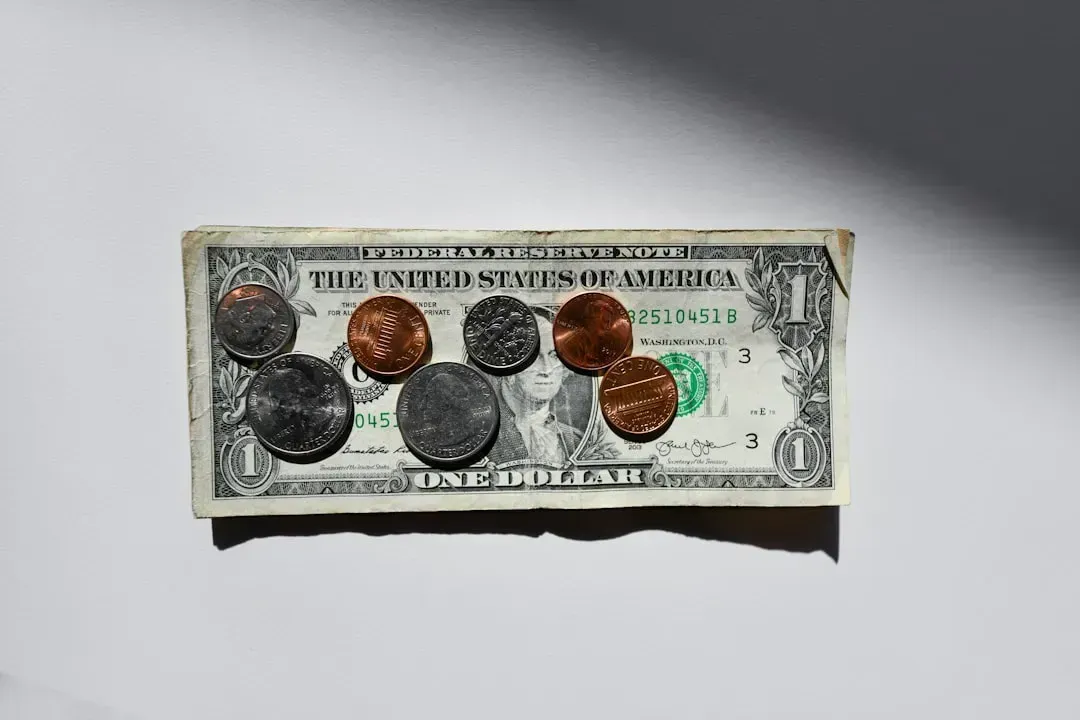
Many nonprofits accept coin donations, and some coin-counting kiosks allow you to donate directly. Small change adds up quickly when pooled together. Convenience chain Sheetz is urging customers to come in and offer up their extra pennies in exchange for a donation to charity in their name, partnering with the Salvation Army to provide children with clothes, toys, and holiday parties. It’s honestly a beautiful way to clear out that clutter while supporting a good cause.
Start A Penny Collection For Historical Value
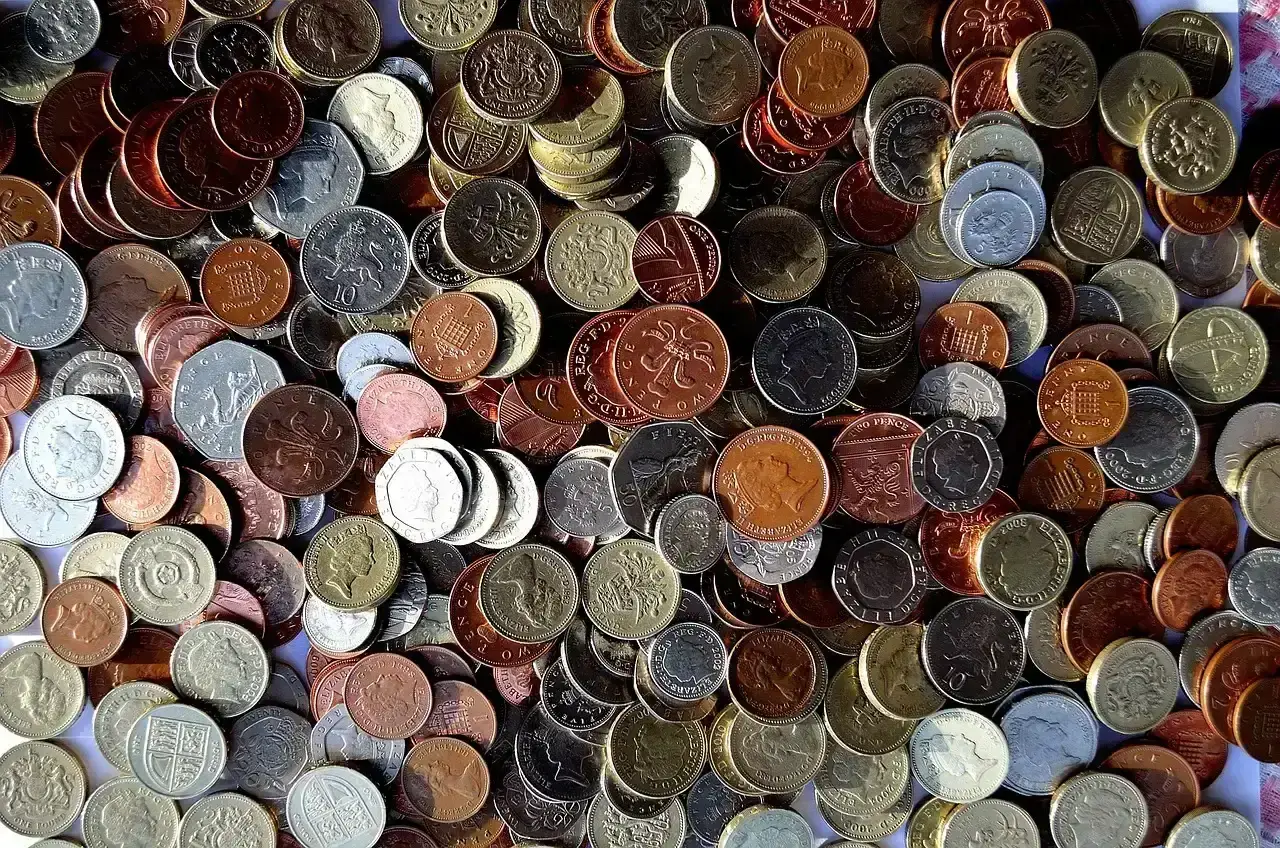
As the penny disappears from circulation, it may become a nostalgic keepsake or collectible, so save a few with unique dates or sentimental value for a future conversation piece or family heirloom. Add a penny from the current year to a family time capsule for a cool snapshot of the past in years to come. Collect one from each year, or every state if you can find those special editions. Think about it: your grandchildren might never see a penny in regular use.
Use Them For Creative DIY Projects
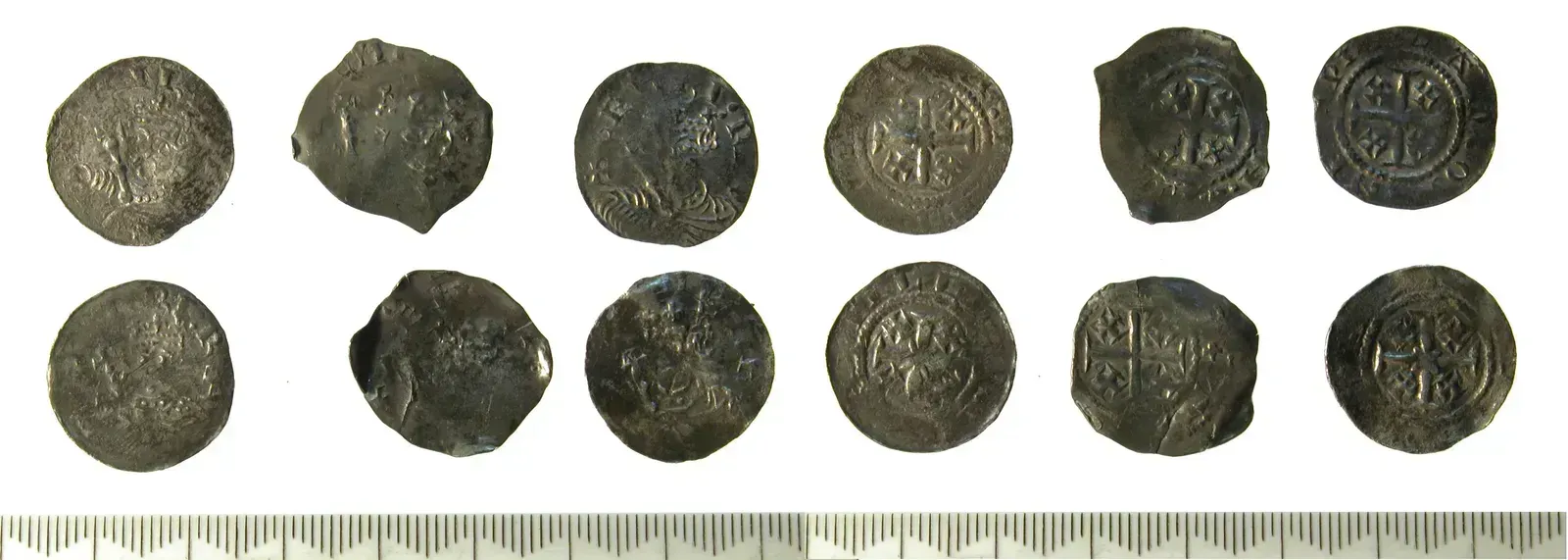
Got patience and a creative streak? Create durable and attractive coasters by gluing pennies to a round or square base and sealing them with clear resin for a smooth finish. Arrange pennies on a canvas in patterns or shapes and glue them down to create shimmering wall art, or revamp an old table by covering the surface with pennies and applying a layer of epoxy resin for a glossy, protective coating. You can create mosaics or frame artwork using polished pennies for budget-friendly, family-fun projects. These projects transform mundane coins into conversation starters.
Teach Financial Literacy To Children
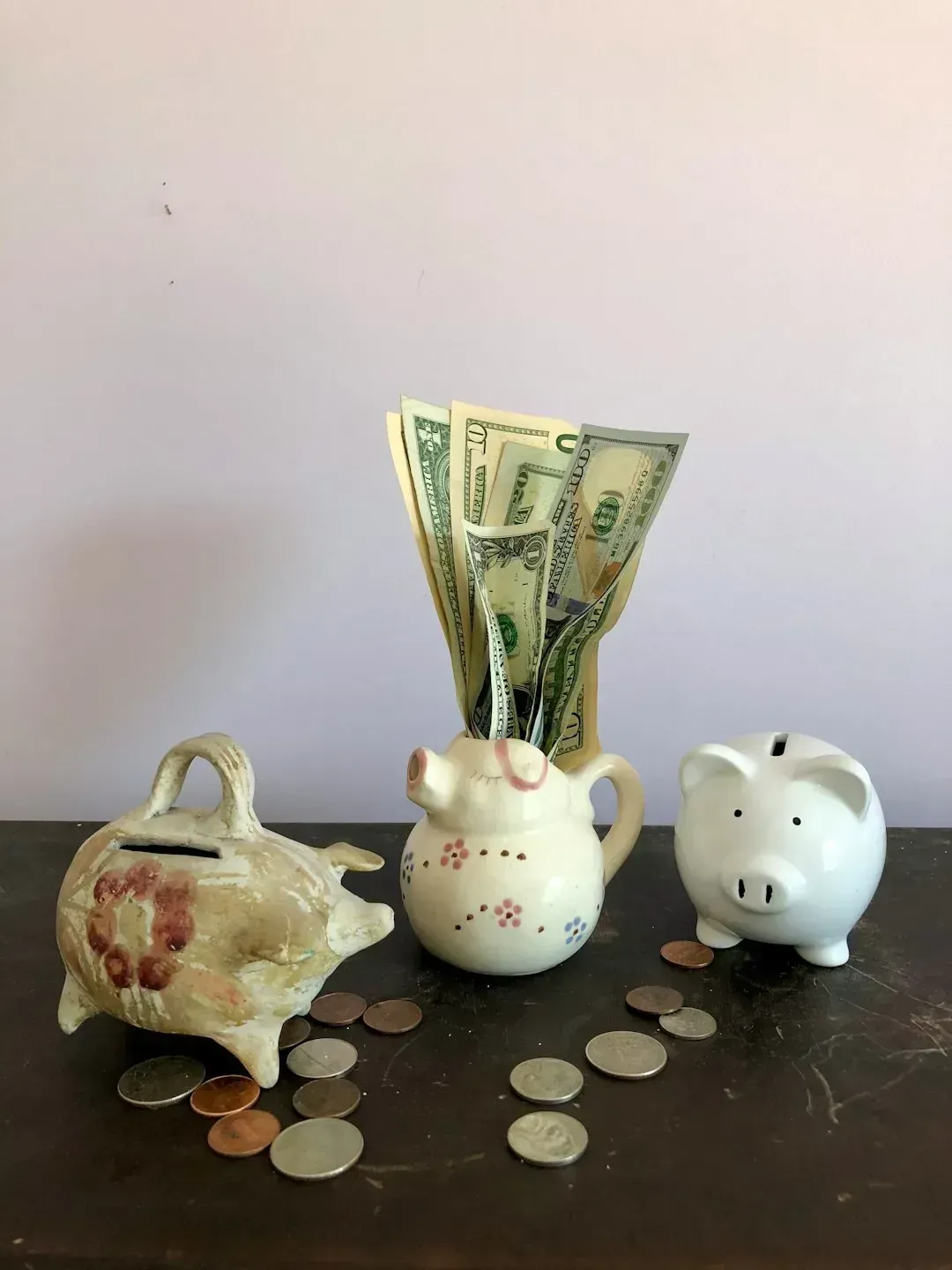
Pennies are great teaching tools for young kids just learning about money, helping explain coin values and practice counting. Challenge your kids to fill a jar with pennies, then count and roll them for a mini math lesson that also builds fine motor skills. Use pennies to help younger kids understand budgeting by separating them into jars for saving, spending, giving, and investing. Let’s be real: tactile learning beats screen time any day when it comes to understanding money basics.
Save Them For Practical Household Hacks
To take a quick measurement when you have no ruler on hand, simply use a penny, as a penny’s diameter is exactly three-quarters of an inch. If your drapes are looking crooked, tuck a few pennies inside the bottom hem for weight that gently pulls the fabric so your drapes stay straight and hang evenly. You can use a penny as a makeshift screwdriver by inserting the coin into the slot on the top of the screw for medium and large flathead screws. Sometimes the simplest solutions are hiding in your pocket.
Keep Them As Legal Tender
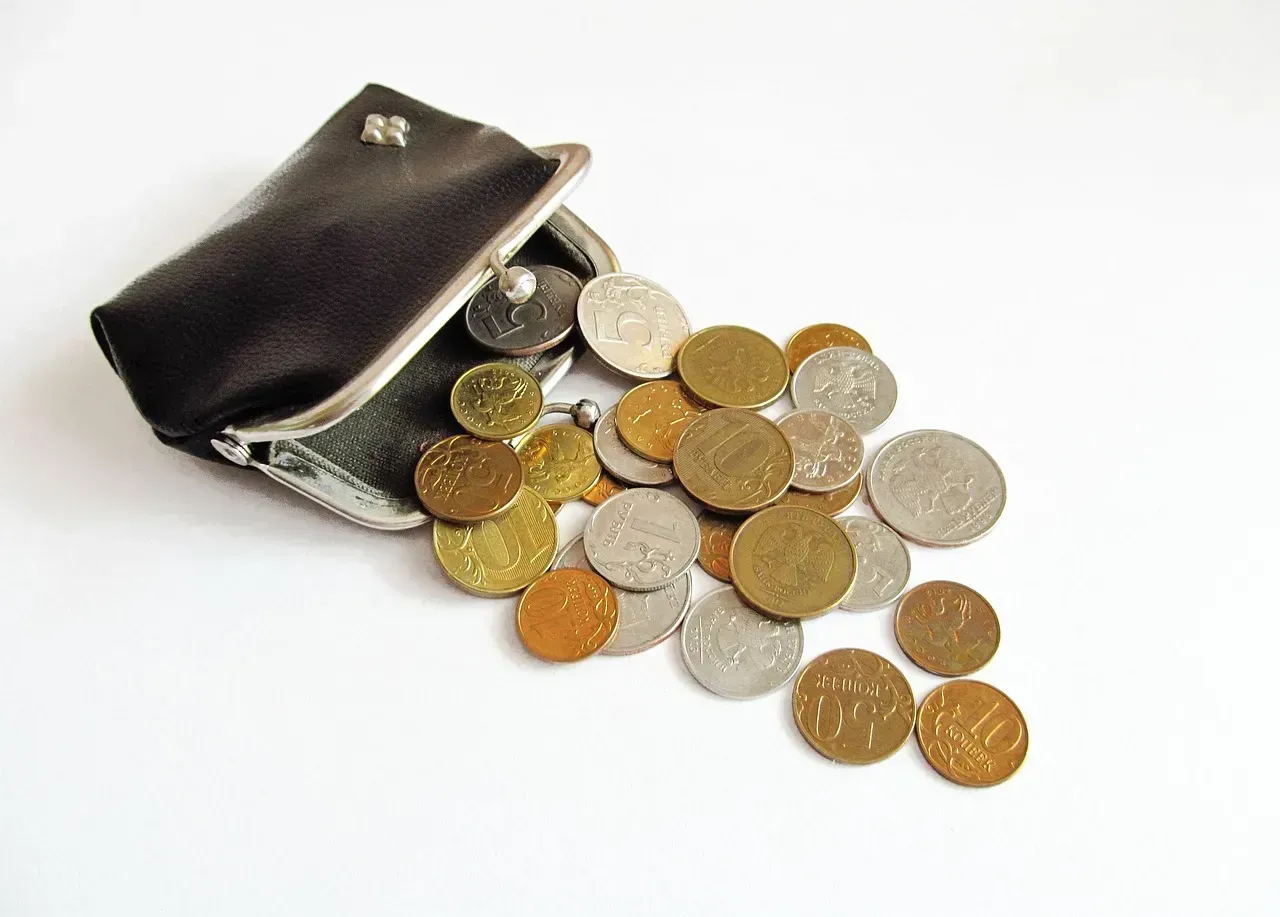
The penny remains legal tender and may still be used for transactions, and stores, banks, and most coin-counting machines will continue accepting them. Pennies won’t vanish overnight; instead, they’ll slowly fade out of circulation as they get lost, damaged, or turned in for deposits, with the national supply naturally shrinking until the coin becomes more of a rarity than a regular part of your wallet. Each coin can circulate for about 30 years before wearing out, meaning there will be no immediate shortage. The truth is, you’ve got time to figure out what to do with them.
The penny’s retirement marks the end of an era, yet those copper discs still hold value in multiple forms. Whether you cash them in, hunt for rare specimens worth thousands, donate them to charity, or transform them into creative projects, your pennies remain useful. Rounding to the nearest nickel will cost consumers about $6 million annually according to Federal Reserve estimates, making every penny count more than ever before. So what are you going to do with yours?