7 Home Features Expected to Be Outdated Within 5 Years, According to Market Trends
The way we live in our homes is shifting fast, and what seemed essential just a few years ago might soon feel completely out of touch. Real estate trends are constantly evolving, driven by changing lifestyles, economic pressures, and new priorities like sustainability and flexibility. Outdated home features can turn off buyers, hurt resale value, and make it harder to sell or rent your property.
What’s fascinating is how quickly these shifts happen. Think about it: the features your parents considered luxurious might be exactly what’s dragging down your home’s appeal today.
Wall-to-Wall Carpeting Throughout the Home
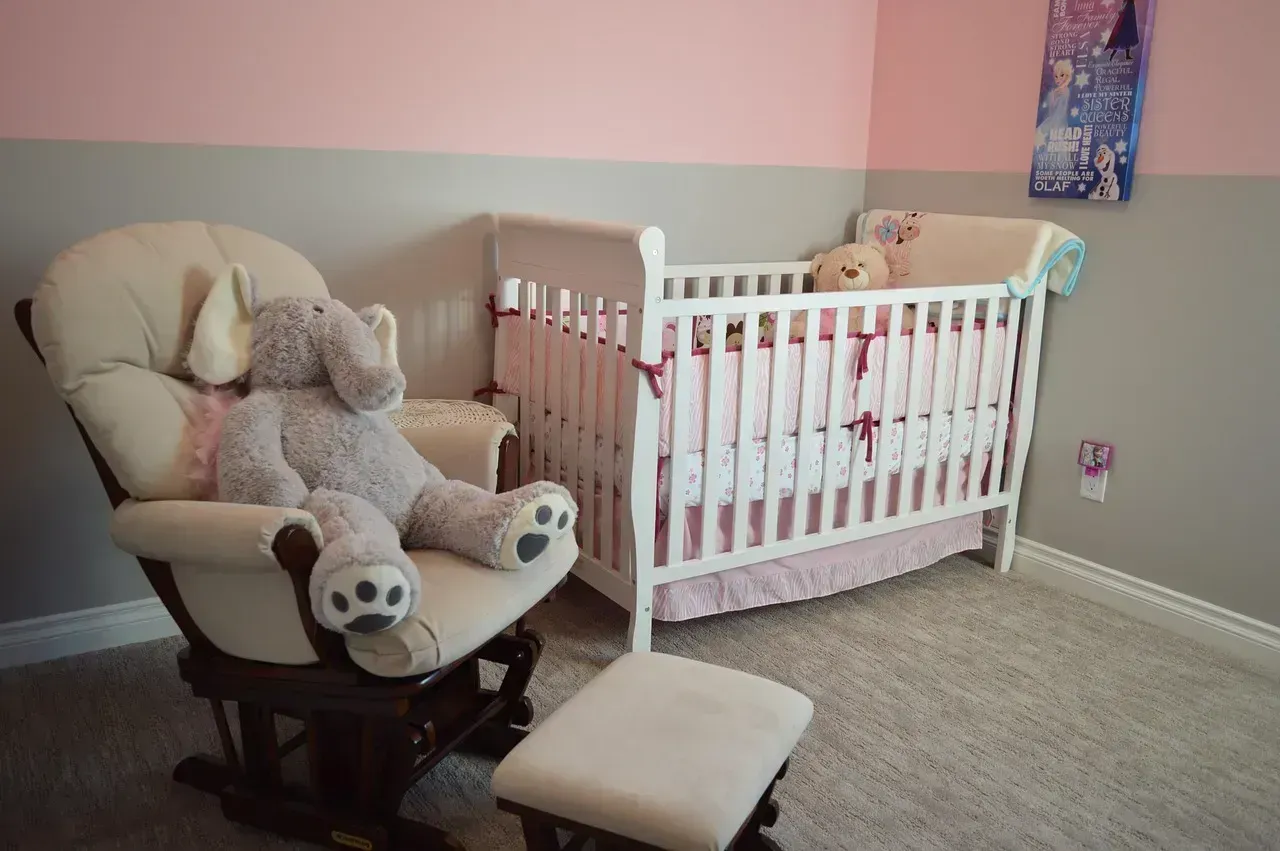
The resilient flooring category continued to cede more market share to competing hard surfaces, especially the ultra-realistic, wood-look-alike products like LVP, rigid core and laminate, with hardwood flooring sales falling 9% to approximately $1.845 billion. Carpet has been steadily losing ground for years now, and the trend shows no signs of reversing.
Over the past 12-18 months, residential hard surface and carpet declines are moving at about the same rate, which means carpet is no longer losing share to hard surface, at least not at the same rate it was during the previous decade. Still, that doesn’t mean carpet is making a comeback in a big way. Modern buyers tend to view wall-to-wall carpet as dated, hard to clean, and a potential allergen trap. Hardwood, luxury vinyl planks, and tile dominate buyer wish lists, offering easier maintenance and a cleaner aesthetic. Homes clinging to their shag or berber installations risk looking stuck in the past.
Formal Dining Rooms
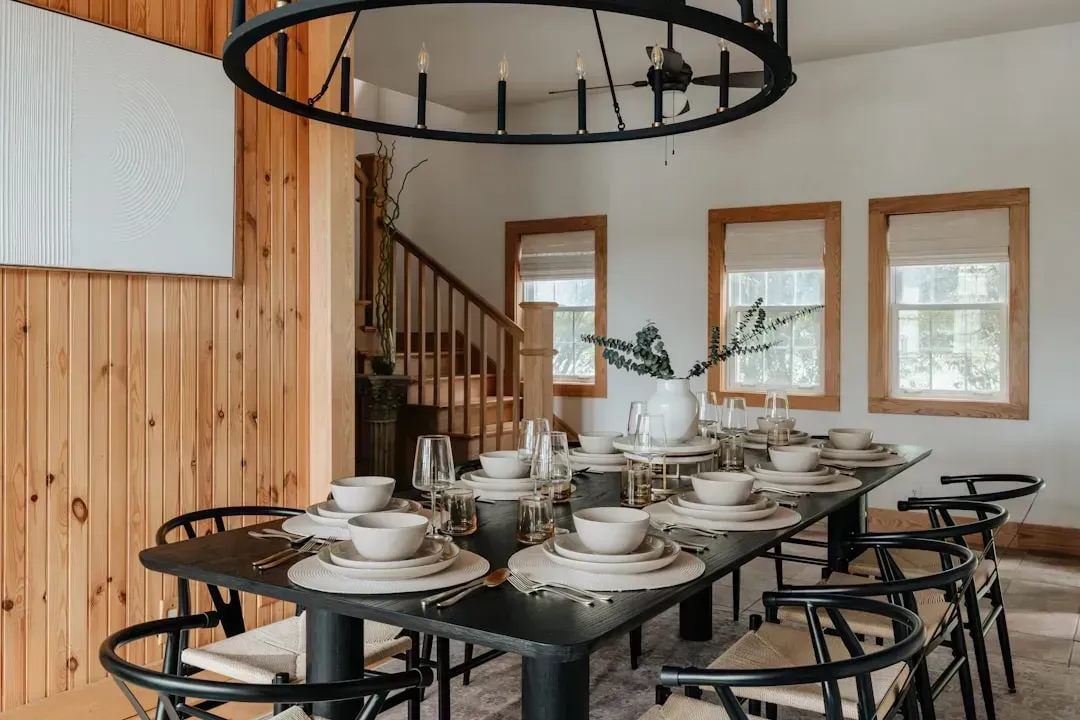
Features like popcorn ceilings, formal dining rooms, and jetted tubs no longer impress in fact, they can turn buyers away. The formal dining room is rapidly becoming a relic of another era. Once a central feature for family gatherings and formal dinners, dining rooms are now being replaced by multifunctional spaces, driven by changing lifestyles, evolving family dynamics, and the growing demand for efficient use of space.
The majority of families request that walls be removed between the dining room, kitchen and living room areas to create a great room area, as families do not wish to have physical barriers between the living areas and dining areas, allowing for more space and flexibility. People just don’t eat that way anymore. Most families prefer casual meals at the kitchen island or a cozy nook rather than sitting down in a stuffy separate room. Currently, only 20 percent of floor plans include a formal dining room integrated into the standard design. The writing’s on the wall for this once-essential space.
Standard Bathtubs in Primary Bathrooms
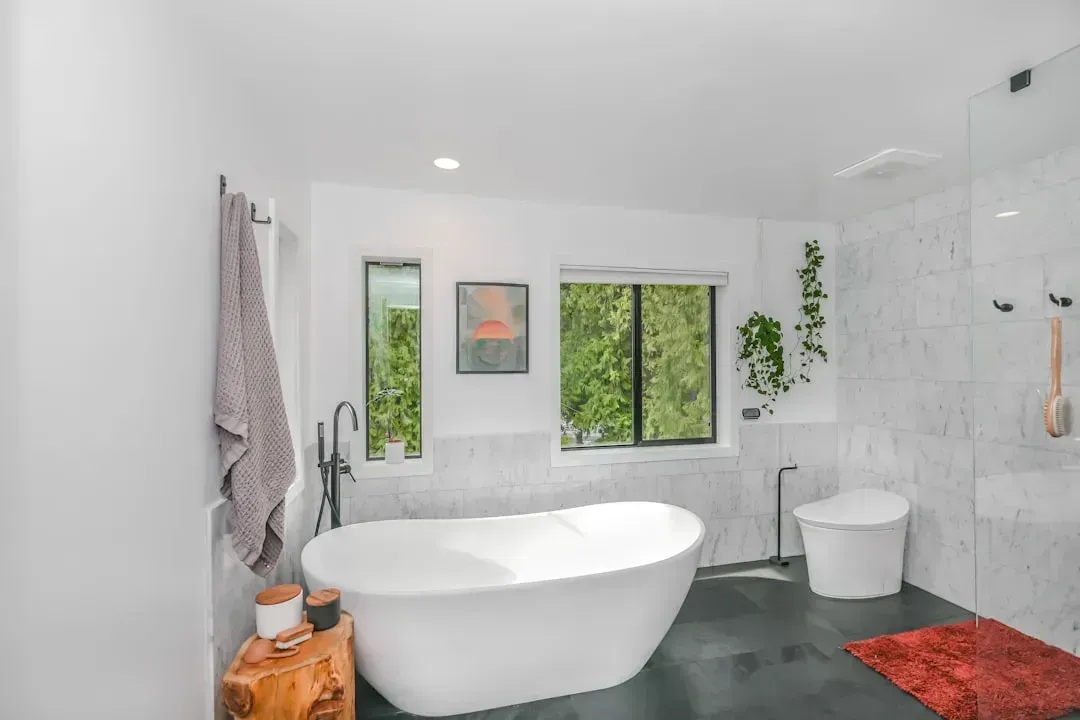
Let’s be real: when was the last time you actually took a bath? A 2024 report done by Angi, the home service site, found that people remodeling their homes are getting rid of their bathtubs altogether. The trend is clear, and it’s not slowing down.
27 percent of homeowners decided to remove the master bathtub, almost always to make room for a bigger shower with walk-in capability and fixtures like a rain-shower head, with 78 percent of those who removed the bathtub doing so despite not having another bathtub in their home. Walk-in showers with luxurious features are the new priority. Roughly 80% of bathroom falls happen in the bathtub, which may make you think twice about having one in the first place. Safety concerns, space efficiency, and changing preferences are all pushing the humble tub toward extinction.
Excessive All-Gray Color Schemes
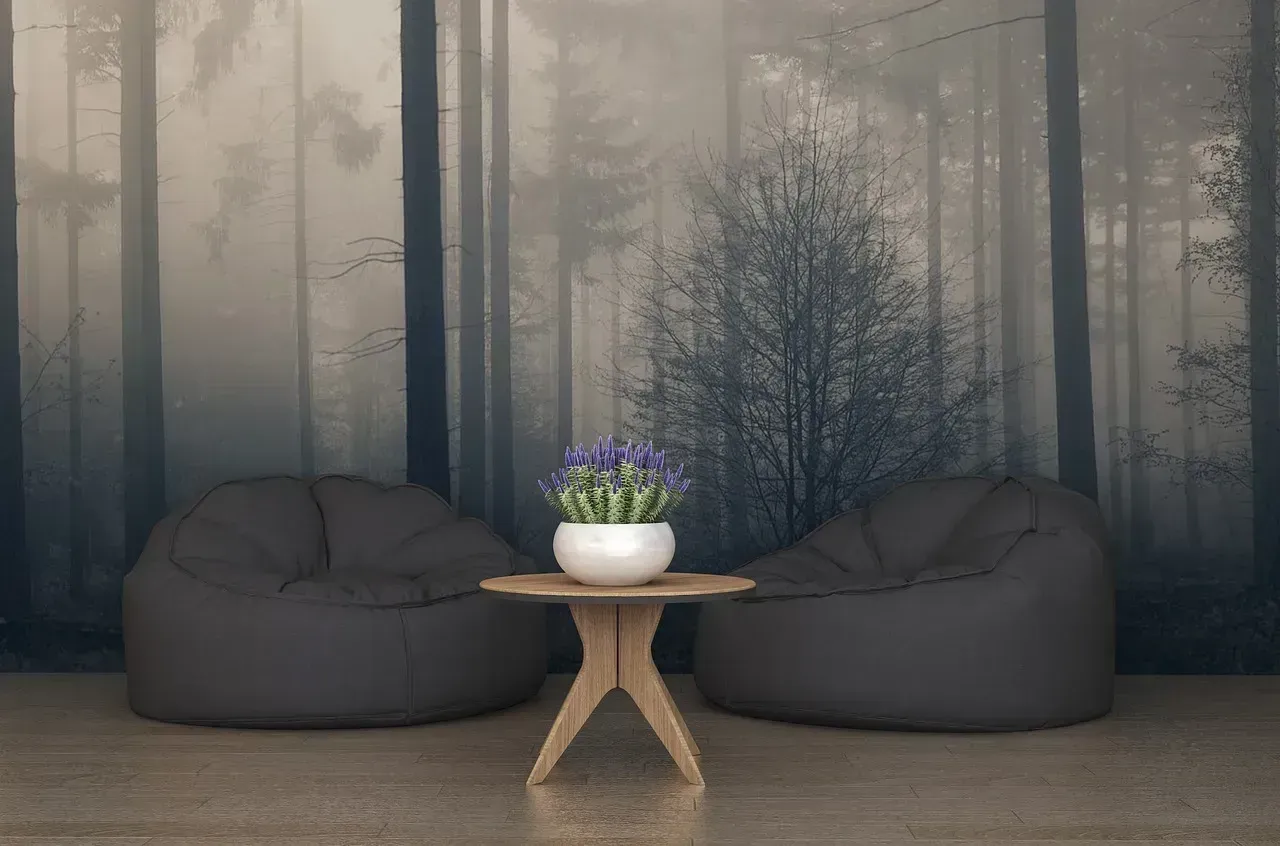
Gray everything had its moment in the spotlight, dominating home interiors for nearly a decade. That moment is over. Buyers now see all-gray interiors as cold, outdated, and overdone. The sterile, monotone look that once felt modern now reads as impersonal and uninviting.
Gray dominated home design for the past decade, but buyers now prefer warmer, more natural tones. Homebuyers today want more neutral tones, with beige taking the stage as this decade’s top color, as beige is timeless and very chic while all-white kitchens with white Shaker doors are dated. Warmer palettes featuring beige, taupe, and earthy hues are taking over, bringing back a sense of coziness and personality that gray simply couldn’t deliver.
Purely Open Floor Plans Without Any Definition
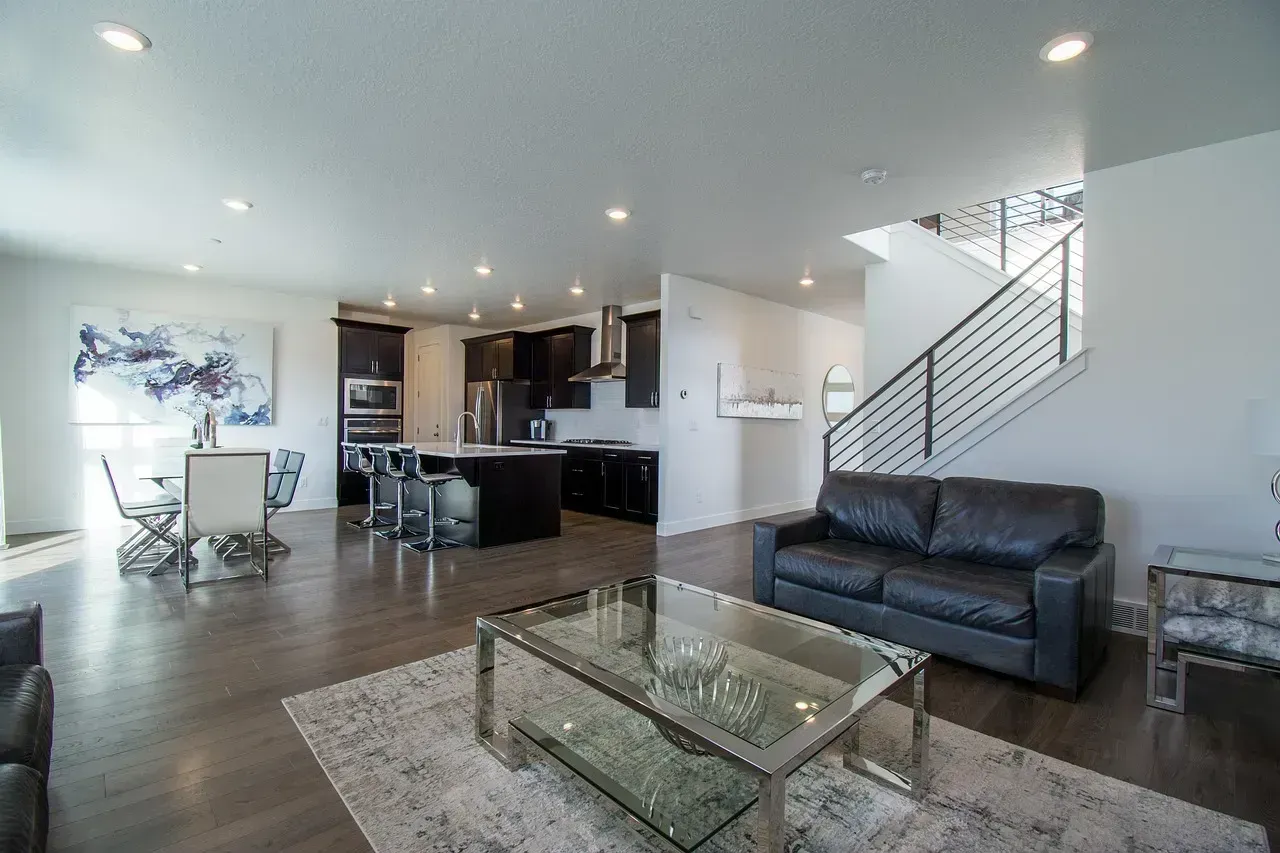
Here’s a twist nobody saw coming. In 2024, there’s a noticeable departure from the once highly coveted open floor plans that dominated homes for years, as the trend towards expansive, interconnected living spaces has given way to a more nuanced approach. Open floor plans aren’t disappearing entirely, though they’re evolving.
Noise pollution, lack of privacy, and difficulty in maintaining distinct functional areas within a shared space have all contributed to a reassessment of the open floor plan’s appeal. The lack of walls means less privacy and sound insulation, which can be challenging in busy households or for those working from home. The 2020 pandemic changed everything. People need dedicated spaces to work, study, and find quiet. While the classic open concept is evolving, its core benefits remain highly valued, with the trend moving towards more flexible, hybrid layouts that provide the best of both open and defined spaces.
Builder-Grade Finishes and Generic Materials
Buyers are more educated than ever and can spot cheap materials instantly, as basic subway tile, hollow-core doors and builder-grade finishes scream low quality. Cookie-cutter materials that look mass-produced are falling out of favor fast.
Today’s buyers expect better. In 2025, the trend is moving toward custom touches that don’t feel mass-produced, with affordable but high-end-looking materials like textured backsplash tiles, slab countertops, and statement lighting. Even on a budget, homeowners are finding ways to incorporate unique, quality finishes that add character and value. Generic subway tile and standard fixtures just don’t cut it anymore when buyers are looking for homes that feel intentional and thoughtfully designed.
Heavy Farmhouse Rustic Aesthetics
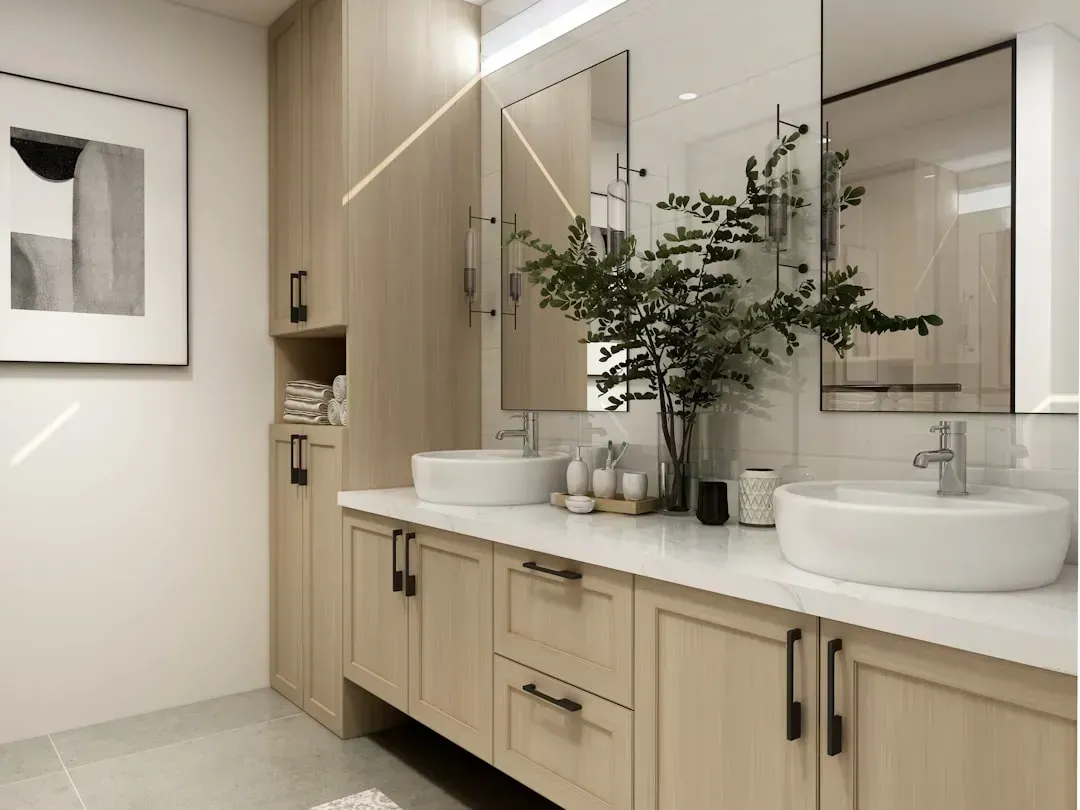
Shiplap and barn doors everywhere? That ship has sailed. In 2025, the overly “rustic chic” look is officially outdated, as buyers are moving towards sleek, modern, and transitional designs that feel less theme heavy. The farmhouse craze that dominated Pinterest boards and HGTV shows for years is finally losing steam.
A modern organic style that blends natural wood, minimal accents, and neutral tones without being overly rustic is preferred, as a few wood accents are fine but ditch the barn doors and distressed wood overload. People want warmth and natural materials, sure. They just don’t want their homes to look like they’re cosplaying Little House on the Prairie. Clean lines, subtle textures, and a more sophisticated take on natural elements are winning the day. The key is balance: bring in organic materials without going full country store.