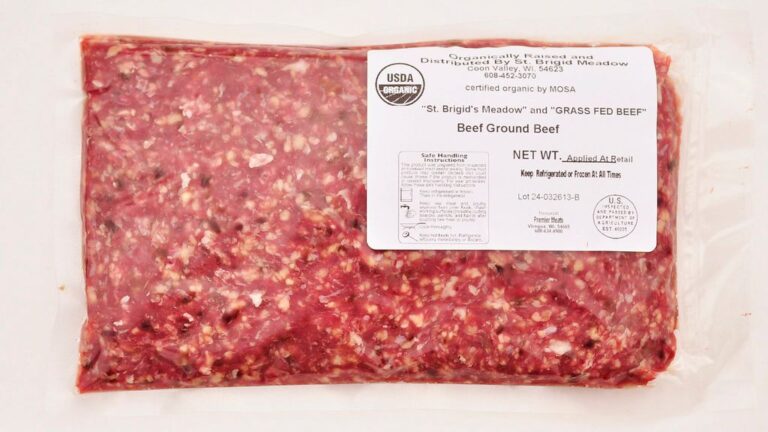
7 Foods That Turn Harmful When Reheated – Yet Families Still Do It
Every family has their go-to reheating routine. Pop yesterday’s dinner in the microwave, press a few buttons, and voila. Yet beneath this everyday convenience lies a startling reality that most households remain completely unaware of. Some of the foods we casually reheat can actually transform from nutritious meals into potential health hazards, releasing compounds that weren’t there before.
The science is clear, though not widely publicized. Microwaves are notorious for cooking food unevenly, allowing harmful bacteria to survive and thrive, leaving families at increased risk for food poisoning. Even more concerning, studies show that microwave heating at high power levels can cause greater formation of harmful compounds in products than conventional heat treatment. So let’s dive into the foods that millions of families reheat daily without realizing the risks they’re taking.
Spinach and Leafy Greens
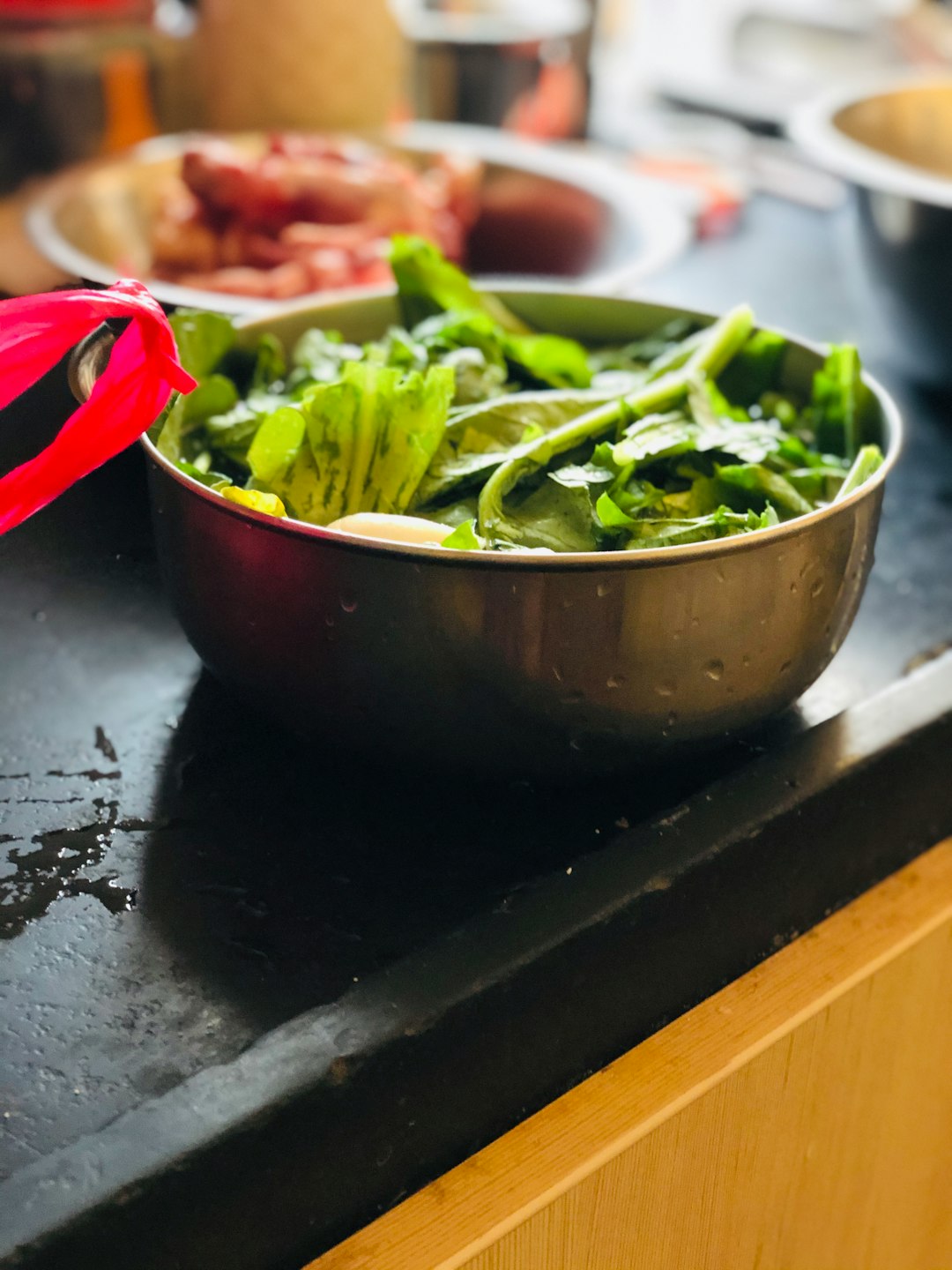
Spinach contains nitrates, levels of which increase with cooking, and at high heat such as when reheating the leafy greens, nitrates are converted to nitrosamines, a compound linked to cancer. Some studies suggest that certain cooking methods may affect nitrate levels in vegetables, though research on reheating effects remains limited.
Reheating spinach can turn the nitrates and nitrites into N-nitrosamines, a known carcinogen that can cause different forms of cancer. The heating process converts nitrates in veggies into nitrites before they enter your mouth, and each time you reheat them, they become a little more toxic. To avoid dangerous levels of these compounds, never heat spinach at very high temperatures, so avoid nuking it in the microwave on full power.
Chicken and Poultry
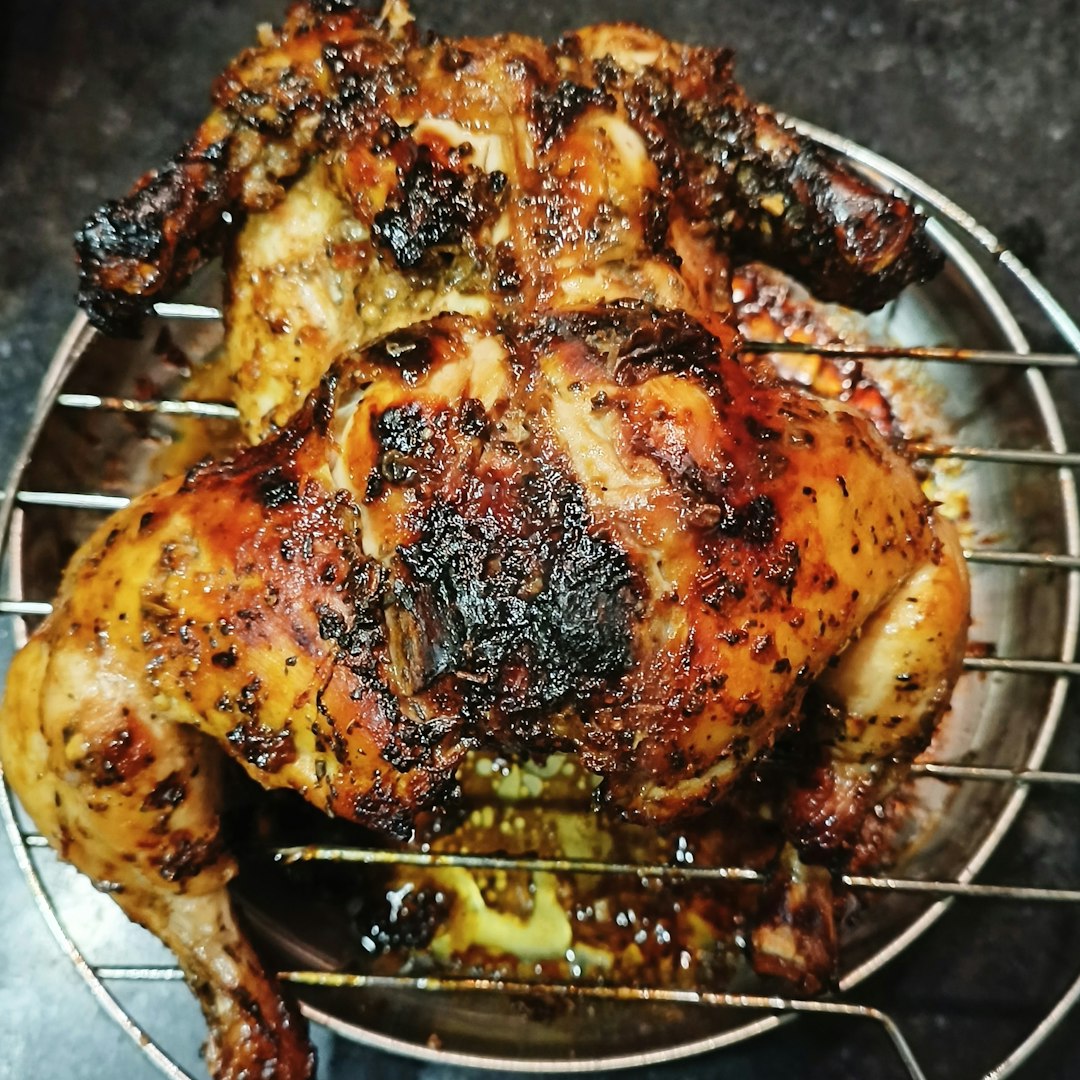
Chicken, which is at risk of salmonella contamination, could be dangerous to microwave because you have to cook it thoroughly to eliminate all present bacteria, but microwaves don’t fully or evenly cook all parts of the meat. The statistics are alarming. Proper reheating is essential for chicken safety, as microwaves may not heat food evenly throughout.
Chicken contains proteins that react negatively when reheated, and when cold chicken is heated for the second time, the protein composition changes, which can lead to digestive problems. Reheating chicken in the microwave can put you at risk, especially if leftover chicken wasn’t stored properly and needs to be refrigerated 1 to 2 hours after cooking, since the microwave may not reheat the chicken back to the required 165 degrees.
Rice
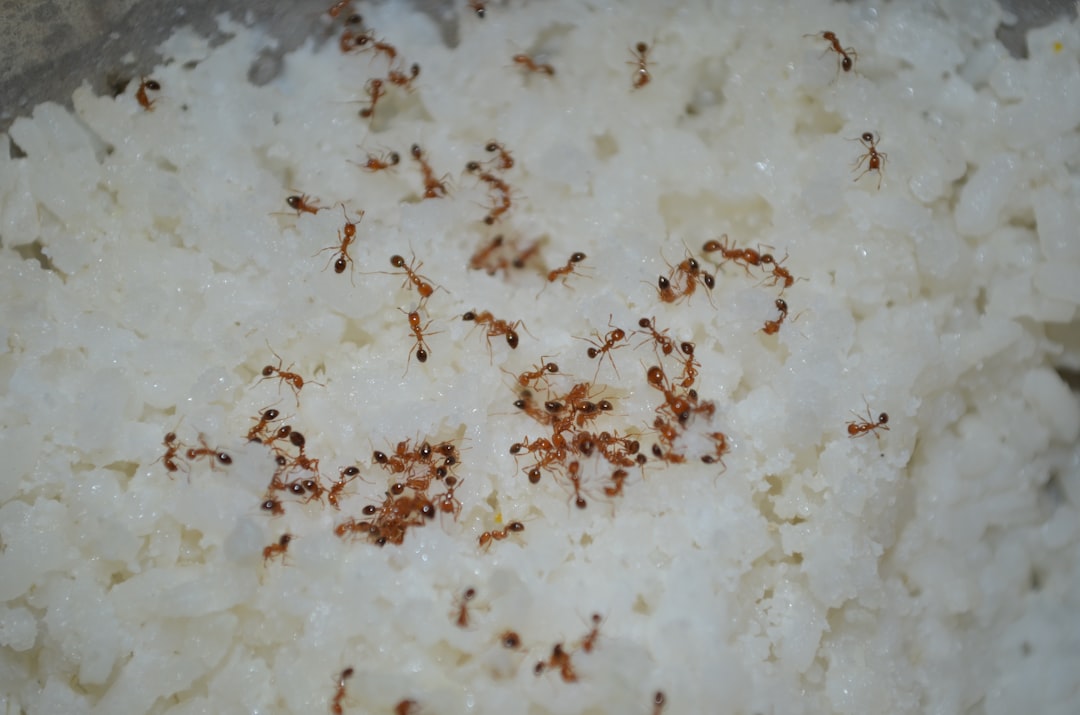
If rice is left standing at room temperature, it can contain spores of bacteria that can multiply and cause food poisoning according to the National Health Service, and microwaving it won’t kill the bacteria. There’s another danger to reheating rice that lies in a bacteria called Bacillus cereus, which creates what’s become known as leftover rice syndrome.
A very natural bacterium, Bacillus cereus, lives on rice grains and doesn’t mind the heat, meaning that after cooking, rice not stored properly or reheated encourages this little bugger to grow to the point of making you sick. Cooked rice stored improperly may develop bacterial spores that can cause food poisoning, especially if left to sit at room temperature because it can lead to rapid spore multiplication.
Mushrooms

Mushrooms can cause stomach upset when reheated due to the micronutrients in them, and bacteria can grow on mushrooms if they’re left out at room temperature. Reheating mushrooms won’t cause harm if refrigerated right after cooking, but the protein structure and complex enzymes can become destroyed if not refrigerated immediately, and when reheated, the mushrooms can cause upset stomach.
If you reheat mushrooms, the protein composition changes and this can cause bloating and stomach pains, so if you must keep a mushroom dish, refrigerate it and eat it the next day after reheating to no more than 158F/70C. Mushrooms, like garlic, potatoes, and onions, are dug out of the dirt and carry an array of dirt-loving bacteria, and if not properly washed and refrigerated promptly, they become incubators for bacteria including Clostridium botulinum.
Potatoes
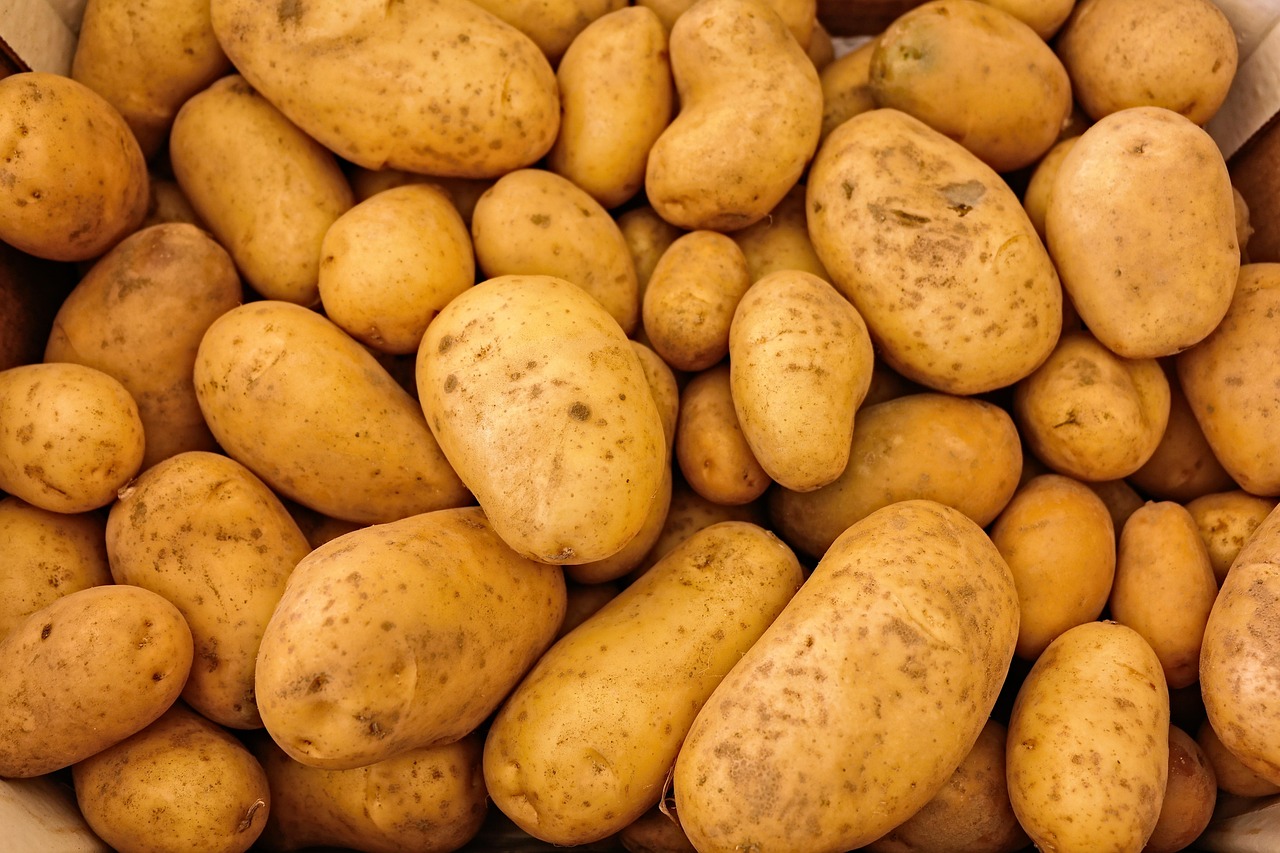
Cooking potatoes in aluminum foil protects the bacteria C. botulinum from the heat, meaning it can still thrive if the potato stays at room temperature too long and potentially cause botulism, and popping that contaminated tot in the microwave won’t kill the bacteria either. Potatoes can lead to food poisoning when being reheated if they were initially left to cool at room temperature after being cooked the first time, because letting them cool at room temperature allows botulism bacteria to grow.
When cooked potatoes are left at room temperature or slow-cooked a second time, they can turn toxic because warm temperatures can promote the growth of botulism in potatoes. The key is immediate refrigeration after cooking and consuming leftovers within a couple of days to prevent dangerous bacterial growth.
Celery and Root Vegetables
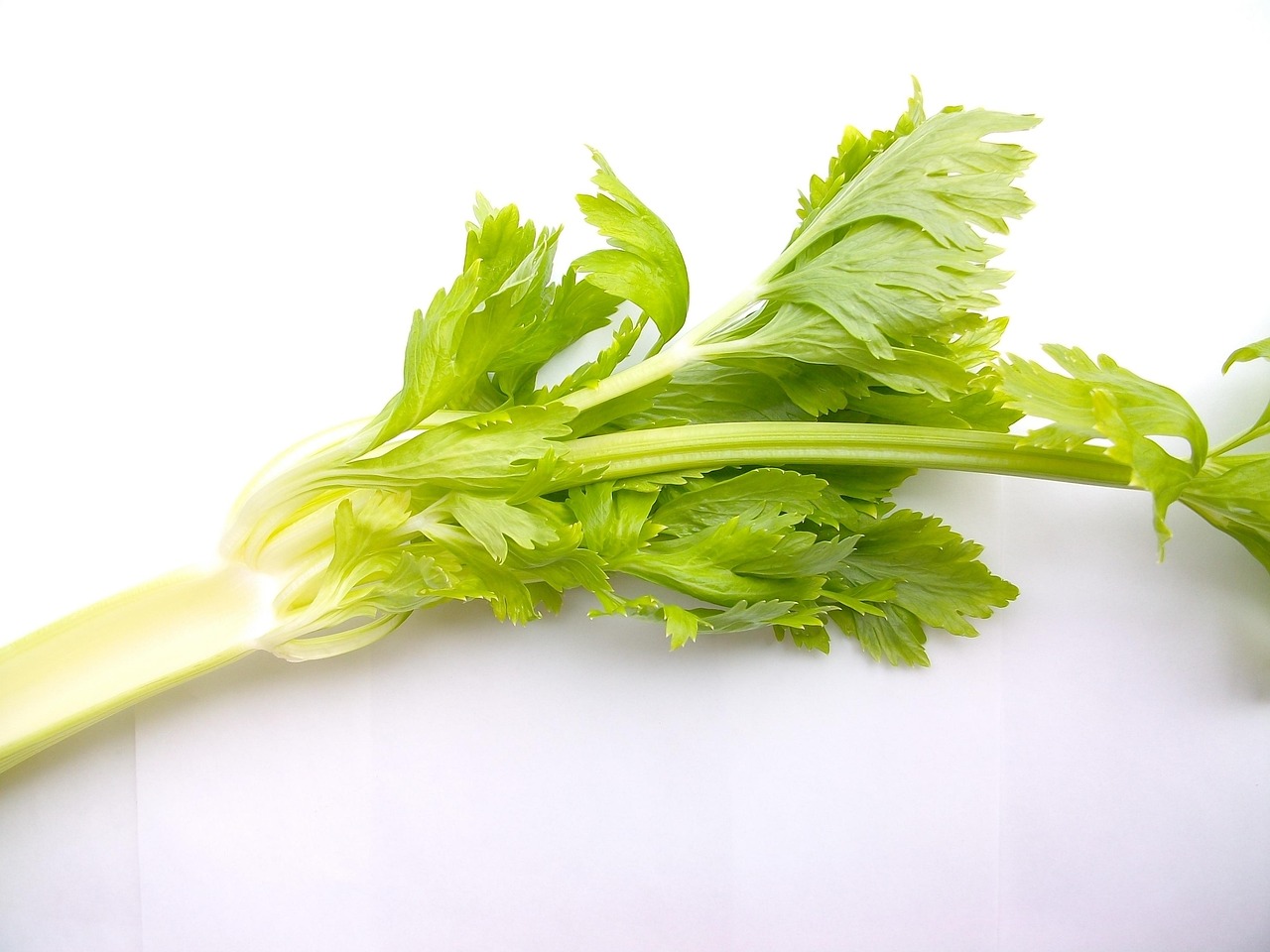
Celery, a mainstay in soups, stews, and stuffing, can become toxic if you reheat it, especially in the microwave, because celery contains nitrates, and reheating at high heat turns those nitrates into nitrites, which are carcinogenic compounds. Healthy veggies such as celery and spinach have a high nitrate content, which can become toxic when released during reheating, and the iron found in spinach can also oxidize when reheating, generating disease-causing free radicals.
Turnips used in making soups and curries are again nitrate-rich just like spinach and beetroots, and reheating these will cause them to become toxic and may lead to stomach aches, while celery is again nitrate-rich and can become toxic when reheated. It’s best to reheat slowly at low temperature on the stovetop or in the oven and remove from heat as soon as it’s warm.
Oils and Fried Foods
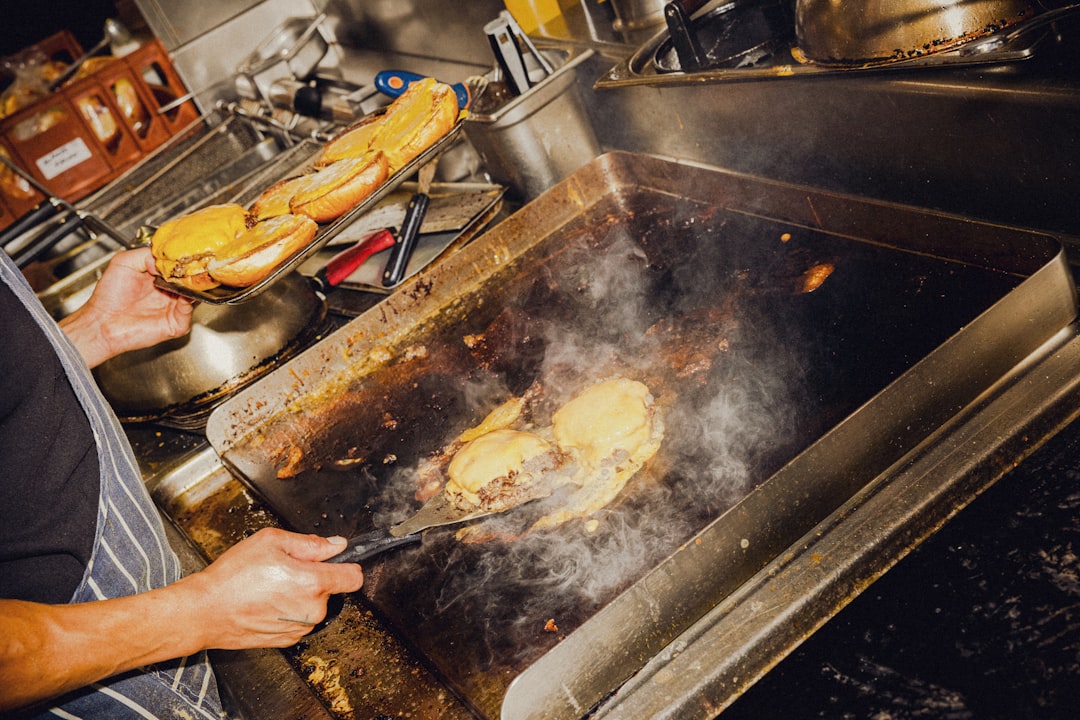
All oils can withstand varying levels of heat, but if that level is exceeded, it produces toxic fumes and hazardous substances called free radicals that can cause issues, and oils lack the polarity of water making oil hard or dangerous to microwave, so it’s best to avoid reheating oily foods in the microwave. A recent study found that the toxin 4-hydroxy-trans-2-nonenal forms when common restaurant oils such as canola, corn, soybean and sunflower are reheated, and this toxin has been connected to higher risk of heart disease, stroke, Parkinson’s Disease and cancer.
Different oils have levels of heat they can withstand called the smoking point, and when heated beyond that, oils produce toxic fumes and free radicals which cause cancer, while oil lacks the polarity of water making it dangerous to microwave, and if you reheat previously heated oil, it’s likely to create toxic fumes and free radicals. Grape seed oil, hazelnut oil, and flax seed oil have very low tolerance to heat, and when you reheat these oils a second time, they become rancid and should never be used for baking or cooking.
The irony is striking. The very appliance designed to make our lives easier might be quietly compromising our health with each casual reheat. According to the CDC, 1 in 6 Americans get sick from foodborne illness each year, and many of these cases could potentially be prevented by understanding which foods should never see the inside of a microwave again. Next time you reach for that leftover container, pause and consider whether it’s worth the risk. What do you think about it? Tell us in the comments.