8 Budget Meat Cuts That Taste Better Than Premium Ones, Chefs Say
The world of premium steaks has long been dominated by expensive cuts like ribeye and filet mignon, commanding prices that can reach over twenty dollars per pound. Yet experienced chefs and butchers quietly know a secret: some of the most flavorful, tender cuts of meat come from budget-friendly options that cost half the price of their premium counterparts.
With food prices surging and a generally unstable supply of meat affecting production across the globe, experimenting with less expensive cuts of meat instead of the popular pricy ones opens your meals to wildly underrated tastes. These hidden gems offer exceptional flavor profiles that can rival or even surpass those expensive steaks sitting in the premium section.
Chuck Eye Steak
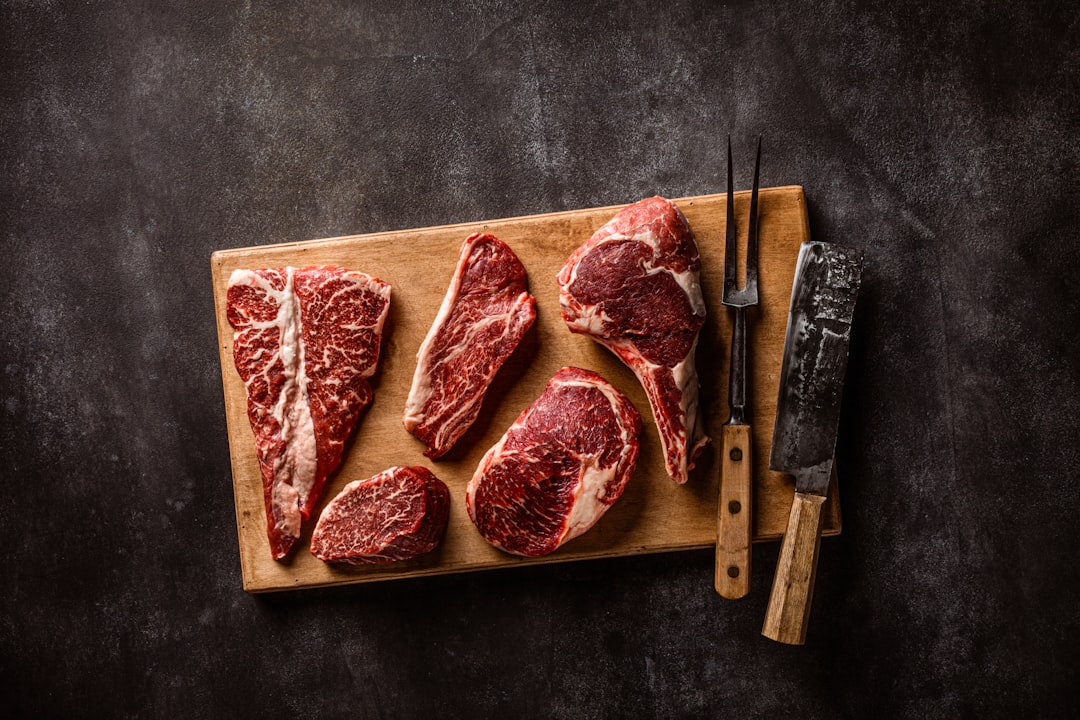
Chuck eye steak is sometimes called the “poor man’s ribeye” and this moniker should give you a good idea of the chuck eye’s strong points. It has also been called “The Butcher’s Steak.” The legend goes that butchers have long removed this cut from the end of the chuck primal to save for themselves, and for good reason. This remarkable cut shares the same muscle as ribeye, extending from the longissimus dorsi that runs along the cow’s back.
Referred to as a poor man’s ribeye, it has similar characteristics but does not cost as much and can cost nearly half of what the ribeye does. It will cost you an average of $5 less per pound than a ribeye, only running around $6 to $10 per pound. The flavor profile delivers the same rich, beefy taste as its expensive counterpart, with excellent marbling throughout the meat. It is a harder cut to find as there are only two of these cuts of meat per steer and the trade-off for the value usually has them go quick at the butcher.
Flat Iron Steak
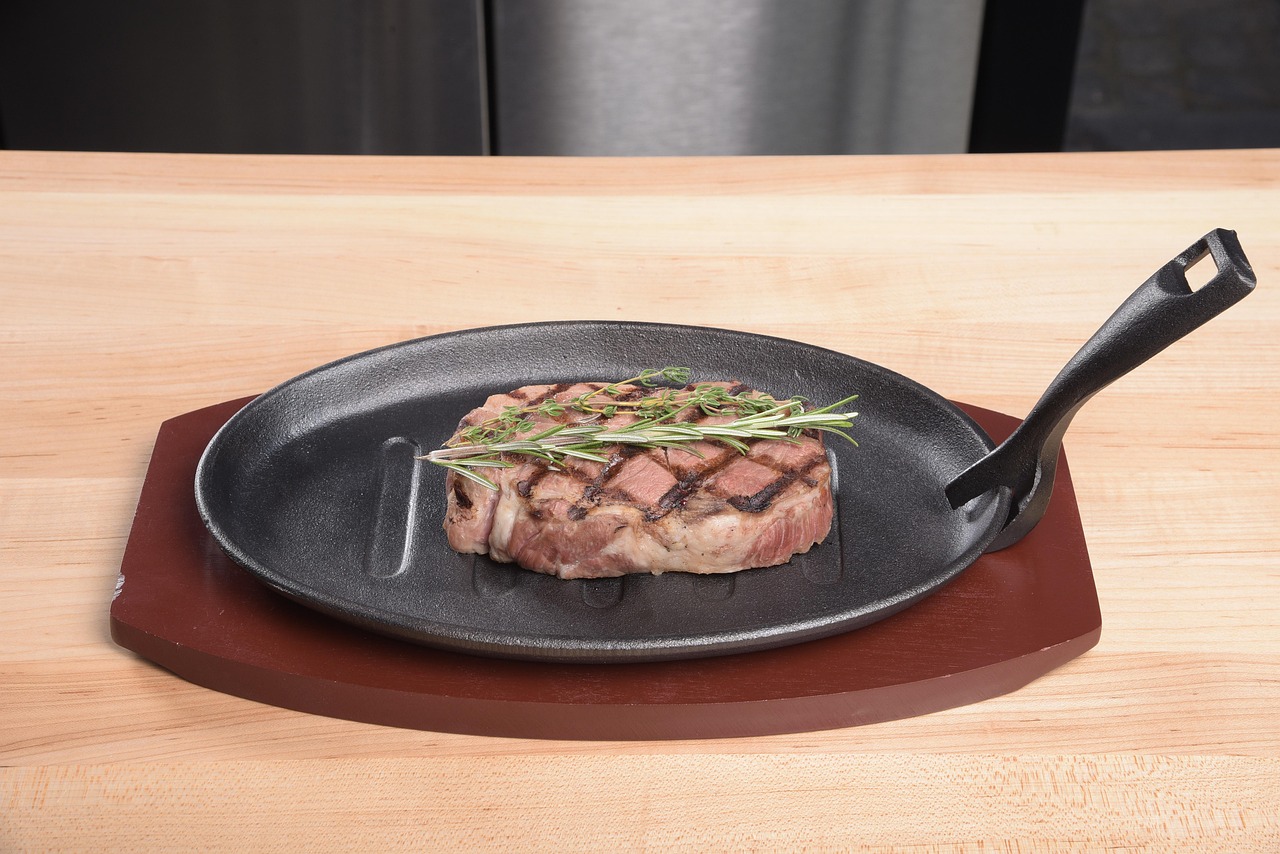
Flat Iron Steak: Also known as top blade steak, this boneless cut is the first of the new steaks to become a runaway commercial success, outselling T-bones and porterhouses. For tenderness, it is second only to filet mignon, say the meat scientists. This shoulder cut from the chuck region surprises everyone with its incredible tenderness and rich marbling.
Also known as oyster blade steak, flat iron comes from the shoulder area, and you can pick up a pound of it for just under $13 at Walmart, making it one of the more affordable cuts from the retailer. For that price, you get a piece of meat that’s surprisingly well-marbled, one of the key indicators of flavor in beef. The cut remained obscure for years due to a tough connective tissue running through it, but modern butchering techniques remove this completely.
Hanger Steak
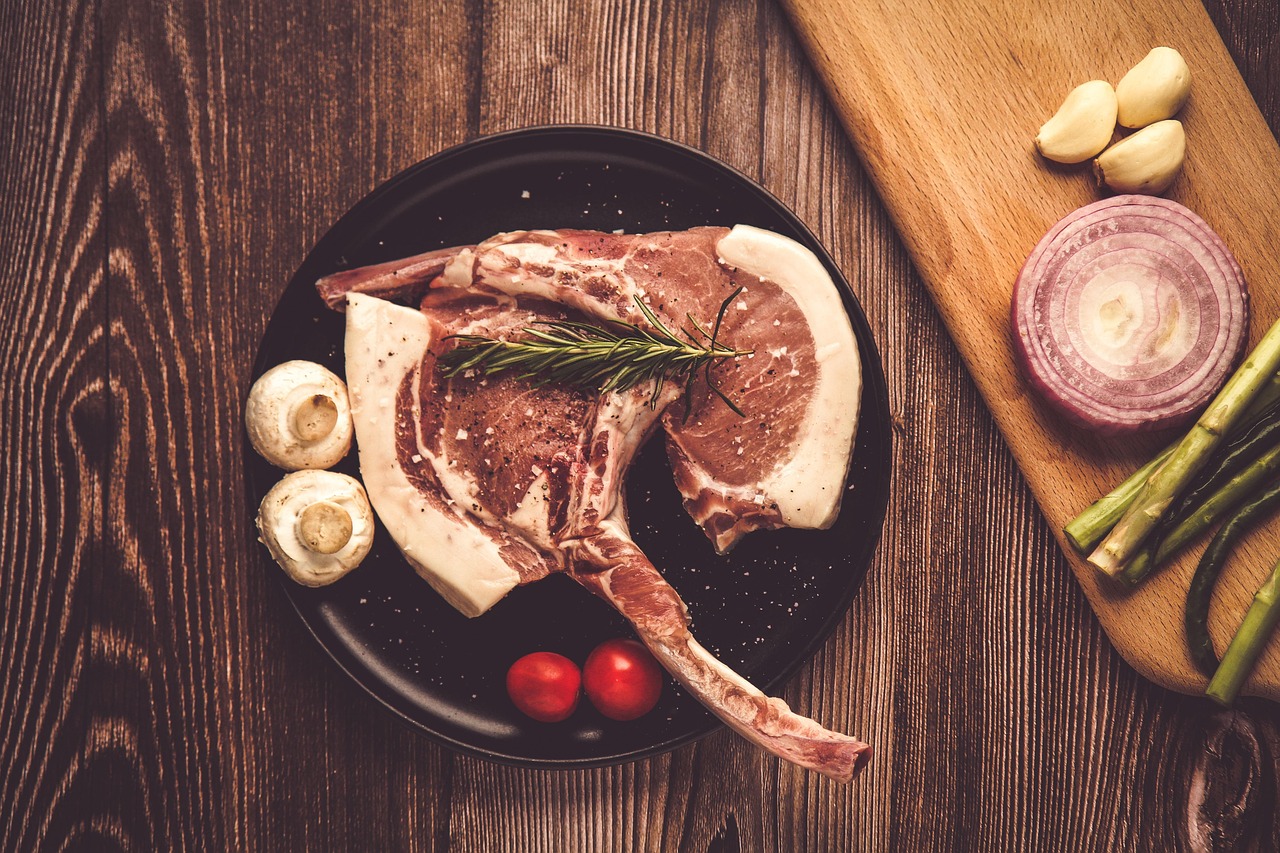
Hanger steak has a nice beefy flavor and is usually the most tender piece of meat on the animal, though it does come with a long, inedible membrane that runs down the middle. It’s a hard cut to get a hold of because butchers sometimes keep it for themselves (which is why it’s also called “butcher’s steak”). This single muscle from the diaphragm area delivers an intensely beefy flavor that many chefs consider unmatched.
The Hanger steak, hands down. hanger steak is the beefiest tasting hunk of cow there is, hands down!! Despite its incredible flavor profile, hanger steak remains relatively affordable, often priced significantly below premium cuts. The key is finding a butcher who can secure this cut, as it’s frequently kept by meat professionals for their own tables.
Denver Steak
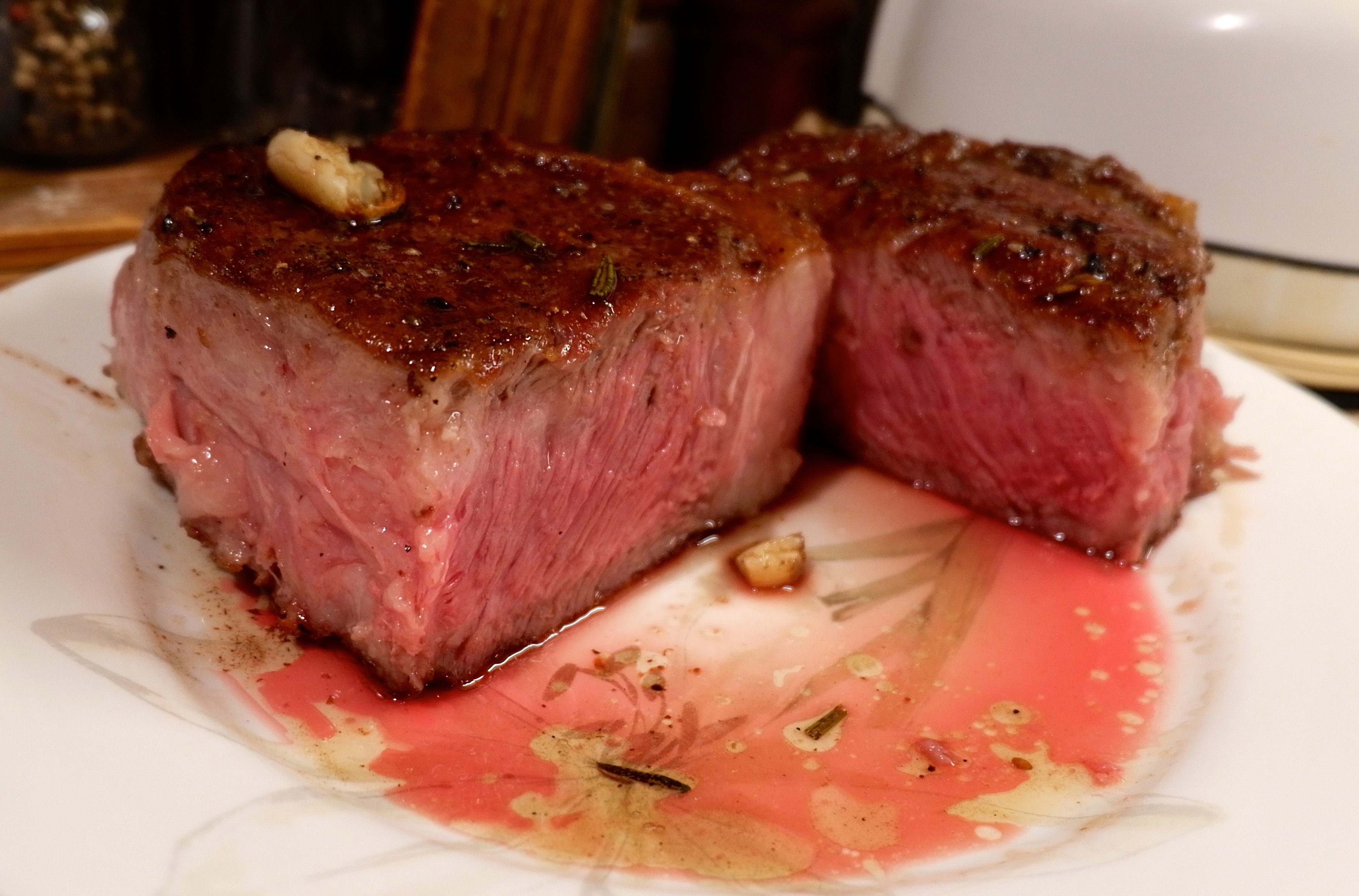
Cut from the chuck underblade, it comes from a part of the shoulder that doesn’t see much movement, which makes it surprisingly tender for such an affordable cut. At around $8.50 per pound, the Denver is about 45% cheaper than ribeye yet ranks among the most tender cuts on the entire steer. This well-kept secret offers exceptional value for money.
It’s well-marbled, rich, and full of that classic beef flavor usually reserved for more expensive steaks. We like to reverse sear or sous vide it to render the fat and keep the interior juicy, then finish with a quick sear over high heat for a crisp crust. The Denver steak proves that location on the animal doesn’t always determine quality or price.
Shoulder Petite Tender
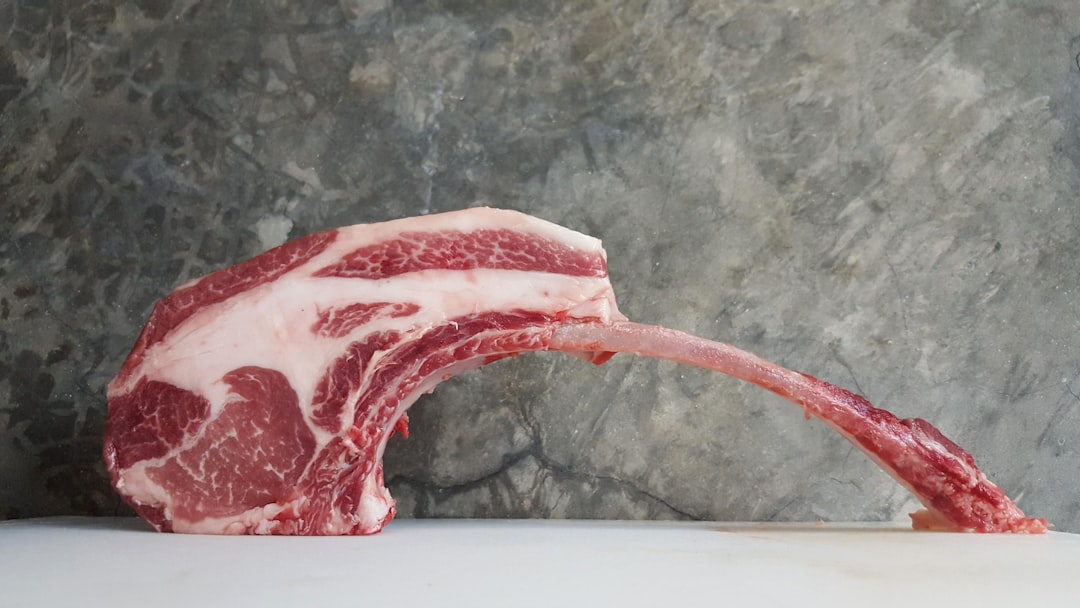
Shoulder Petite Tender: Teres major is a hidden gem in the shoulder clod. Weighing 3/4 to 1 pound, it resembles nothing so much as a small beef tenderloin. The shoulder petite tender (which incidentally, is tender) has more flavor than its pricey counterpart. This remarkable cut mimics the shape and texture of filet mignon while delivering superior flavor.
At around $7.30 per pound, it delivers filet mignon-style tenderness for roughly half the price. Each cow only yields two petite tenders, weighing about half to one pound each, so they’re small but mighty when it comes to flavor. The muscle sees little use during the animal’s life, resulting in exceptional tenderness that rivals the most expensive cuts.
Picanha
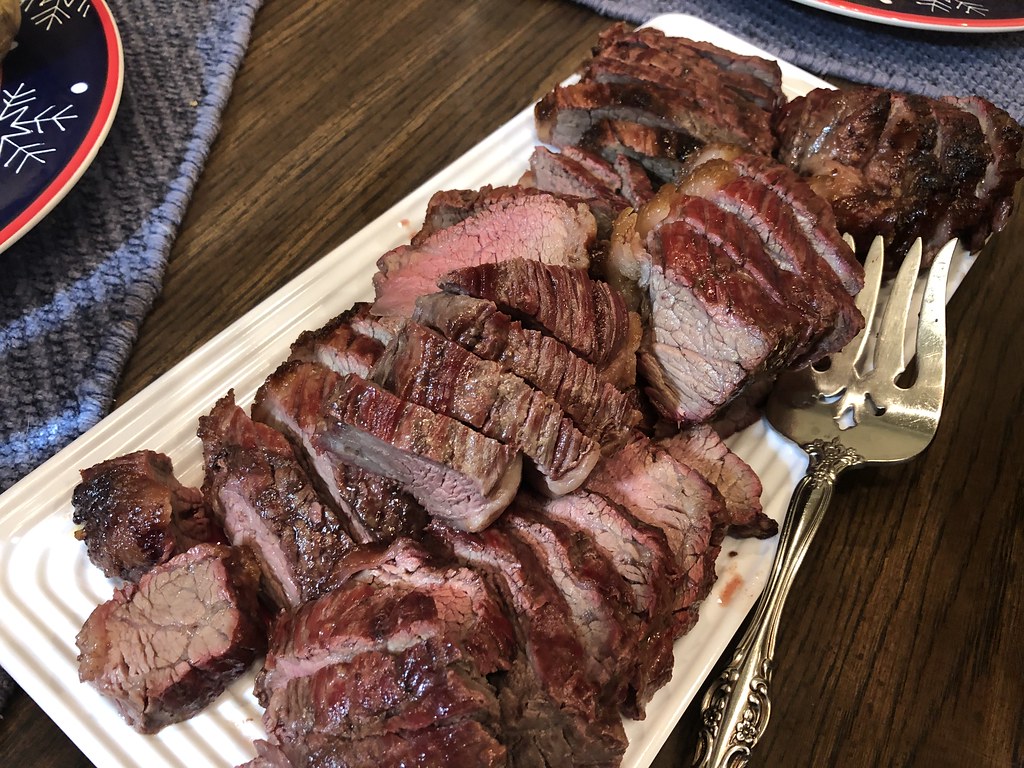
Picanha is a favorite in Brazilian steakhouses for good reason. It’s tender like filet, rich like ribeye, and far more affordable at about half the price. Cut from the top of the rump, this triangular steak features a thick fat cap that bastes the meat as it cooks, locking in moisture and adding deep, rich beef flavor. This South American favorite showcases how location and preparation technique can transform an affordable cut into something extraordinary.
The thick fat cap serves as natural basting during cooking, creating a self-marinating effect that keeps the meat incredibly juicy. Professional chefs prize this cut for its ability to deliver steakhouse-quality results at a fraction of the cost.
Rib-Eye Cap
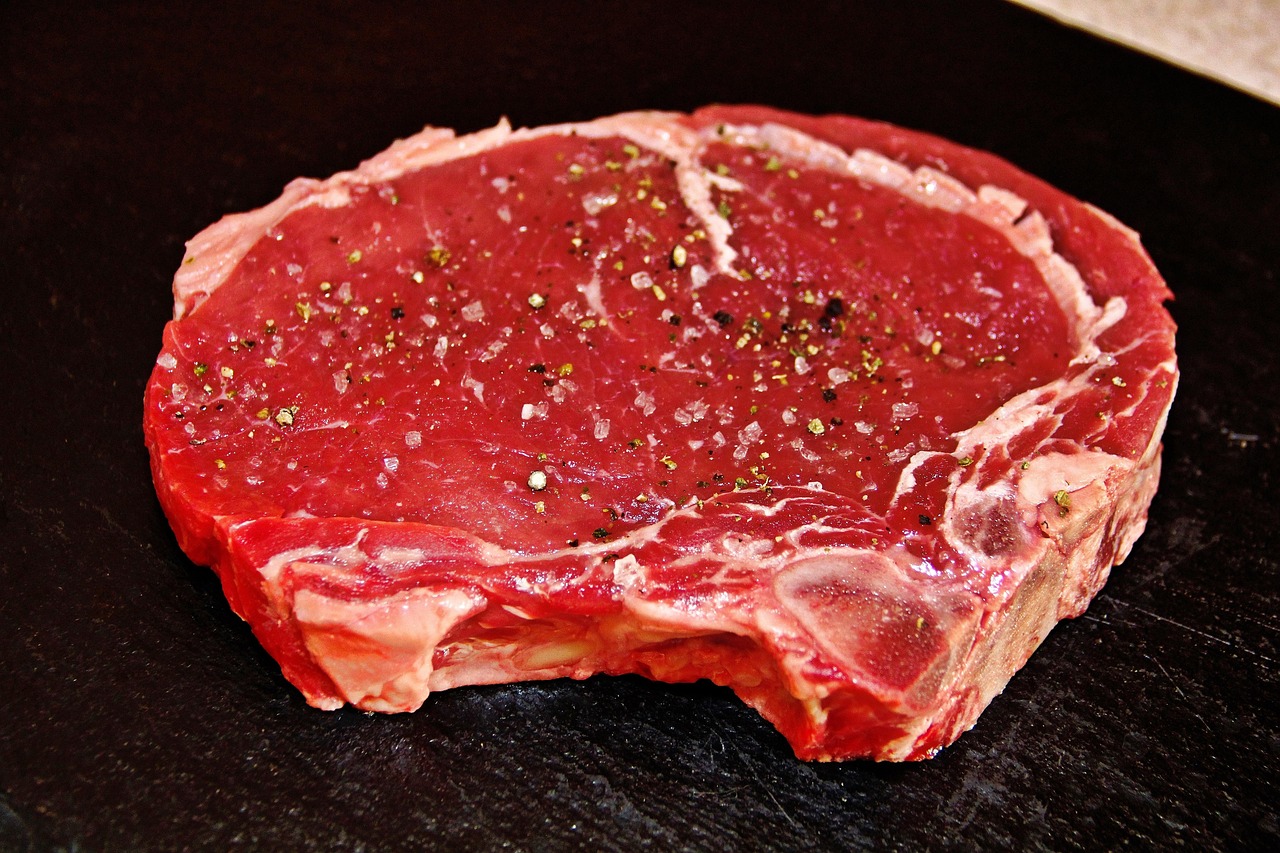
The real name of the rib-eye cap is spinalis dorsi. But an unsexy moniker – the French call it calotte – can’t take anything away from this luscious cut, the tender and flavorful rind of rib-eye. The research team mentioned above ranks it third in tenderness behind beef tenderloin and flat iron steak. One of the richest, beefiest bites on Planet Barbecue. This cut represents the absolute best part of the ribeye, often separated and sold at premium prices.
Spinalis is the rib eye cap and is becoming increasingly popular among chefs. While it is not as cheap as most of the other cuts, it is relatively unknown and I recommend you try it. Tender and full of flavour, try it at least once. When you can find this cut separately, it offers concentrated ribeye flavor in its most intense form.
Eye of Round
Let’s face it, eye of round is a tough muscle, but if it is matured properly and cooked correctly, it is a good value steak. It is best cut thinly and fried medium-rare. This lean cut from the rear leg requires specific preparation techniques but rewards careful cooking with excellent flavor and remarkable value.
Pineapple juice or papaya juice are great tenderizers. This cut of meat also makes a good lean, affordable roast, although it would benefit from a layer of fat on the outside. With proper marinating and cooking technique, eye of round can deliver satisfying results at budget-friendly prices. The key lies in understanding that this working muscle needs gentle treatment to unlock its potential.
These budget cuts prove that exceptional flavor doesn’t require premium prices. Many of these alternatives offer superior taste profiles compared to their expensive counterparts while costing significantly less. The secret lies in proper preparation and cooking techniques that respect each cut’s unique characteristics. What’s your experience with these hidden gems? Have you discovered any budget cuts that surprised you with their quality?