8 Lost Candy Brands That Shaped Childhood Memories – Historians Explain
Nothing quite triggers nostalgia like biting into a candy from your youth, only to discover that particular sweet taste has vanished forever. The American candy landscape has transformed dramatically over recent decades, with beloved brands disappearing due to corporate mergers, changing consumer preferences, and economic pressures. During the pandemic of 2020 to 2022, we saw the largest discontinuation of products in our 97-year history, with certain brands, such as Brach’s, on the verge of extinction. These lost confections represent more than just sugar and flavor – they’re time capsules that shaped entire generations of childhood memories.
Mary Jane: The Revolutionary Molasses Treat
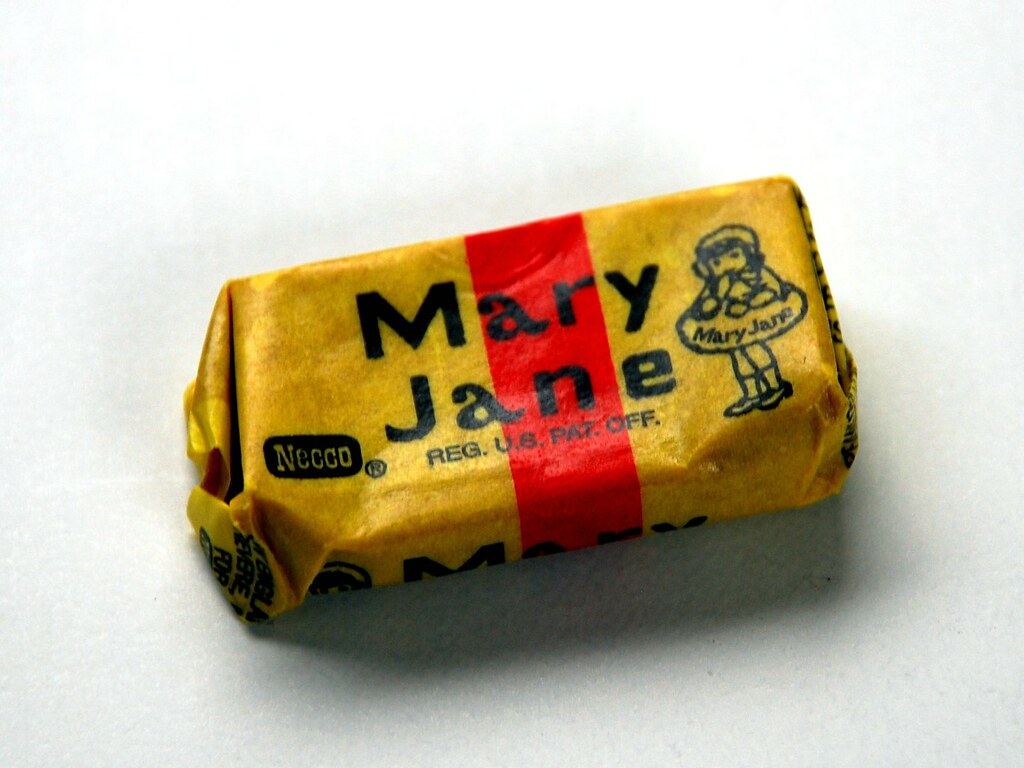
Charles N. Miller developed the formula for a taffy-like candy that mixed peanut butter into the molasses for a softer texture than earlier candies, naming his candy “Mary Jane” after his favorite aunt. The iconic yellow wrapper with red stripes became a fixture in penny candy stores starting in 1884. Mary Jane candy gets its unique flavor from a combination of molasses and peanut butter.
The candy survived well over a century with minimal changes until Necco declared Chapter 11 bankruptcy and was purchased by Greenwich, CT-based Round Hill Investments for $17.3 million in May 2018. In 2019, the Atkinson Candy Company entered a licensing agreement with Spangler and renewed production of Mary Janes starting in 2020. The new version maintains the original recipe but features slightly different packaging and sizing.
NECCO Wafers: The Civil War Candy That Defined Generations
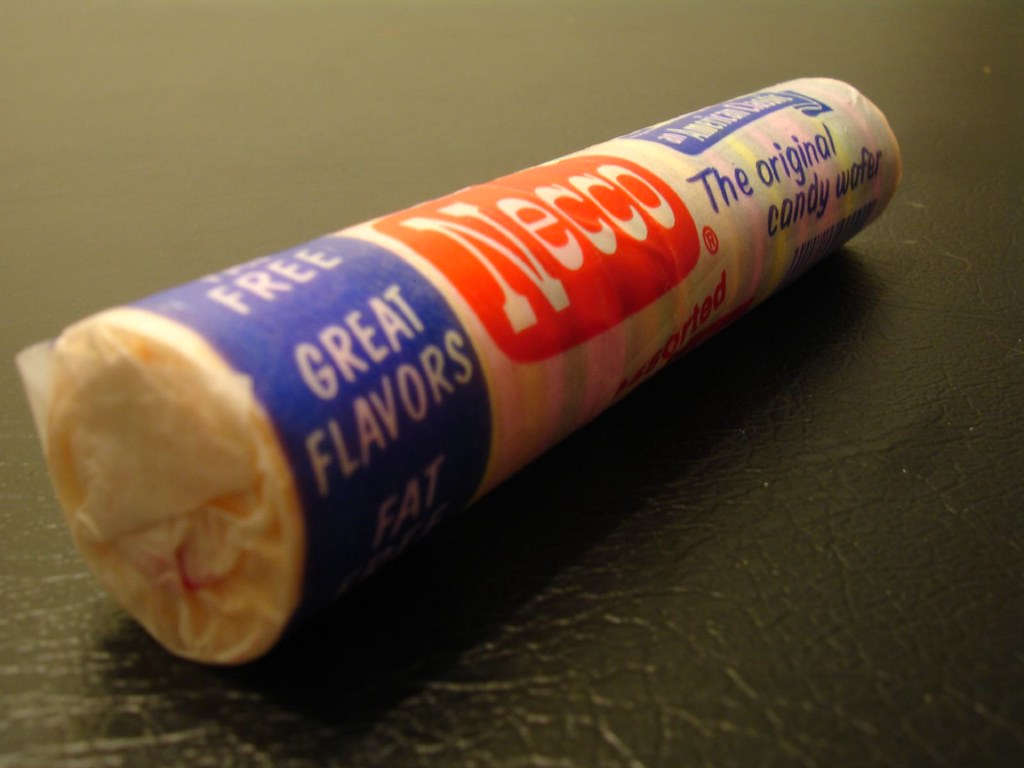
So many memories of necco wafers. My mother and grandmother always had them in their purses. They were a great treat to keep the kids from fidgeting during something “adult” but then my sisters and I would fight over the colors. These chalky, pastel-colored discs date back to 1847 and became deeply embedded in American childhood experiences across multiple generations.
When NECCO collapsed in 2018, the future of these iconic wafers seemed uncertain. However, Necco Wafers (now made by Spangler) are for sale again as of 2024, though many consumers report the taste differs from the original formula. The candy’s ability to trigger powerful memories remains unchanged – whether you loved them or found them oddly medicinal.
Brach’s Maple Nut Goodies: A Sweet Casualty of Corporate Decisions
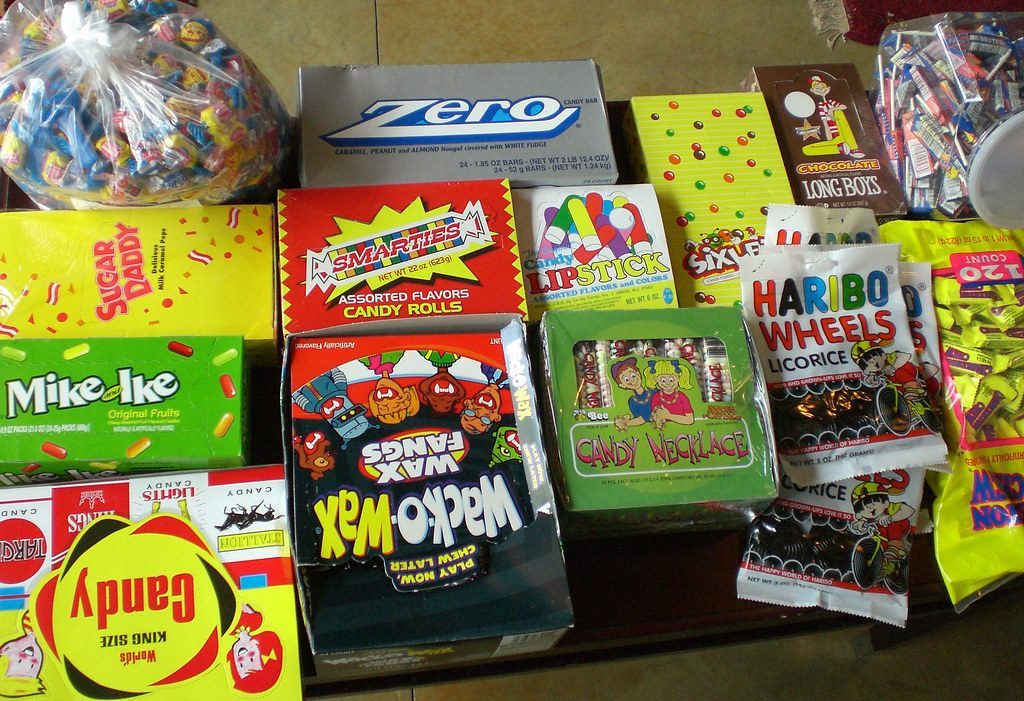
After customers couldn’t find any of this candy on store shelves, Brach’s confirmed on FaceBook in February 2024 that the Maple Nut Goodies had been discontinued. Lifelong fans of the candies weren’t ready to let it go, though, and the number of people who’ve signed a Change.org petition urging for the candy’s return seems to have steadily increased.
These maple-flavored treats with nuts represented the kind of candy that spanned generations, often shared between grandparents and grandchildren during holidays. If the candy was part of your treasured memories with loved ones across multiple generations, you may want to do your own search for remaining bags. The passionate fan response demonstrates how certain discontinued candies become more than confections – they’re emotional anchors to family traditions.
Seven Up Bar: Trademark Troubles End a Unique Experience
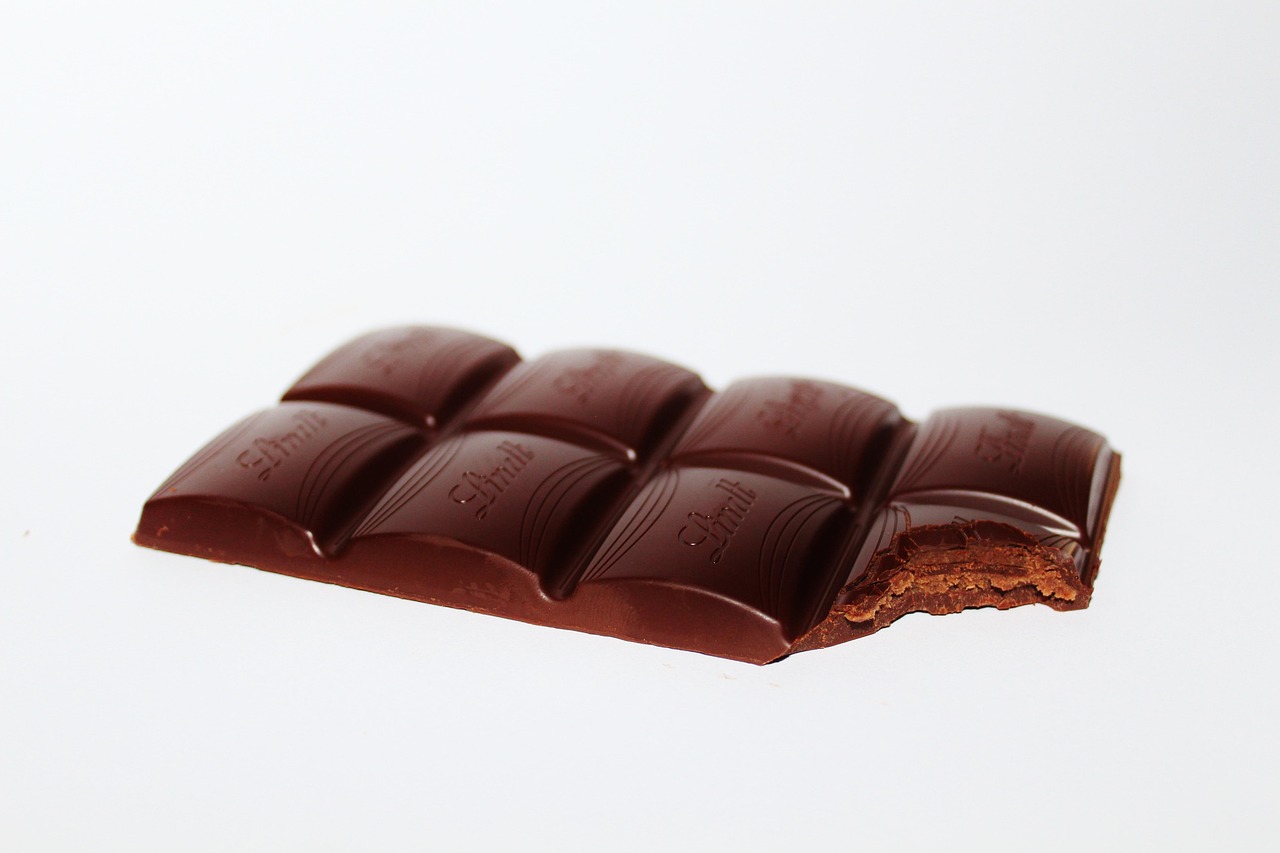
The Seven Up Candy Bar was introduced by the Pearson Candy Company in the 1930s. It featured seven individual squares filled with different flavors. This innovative candy offered variety in a single bar, creating a game-like experience for children who never knew which flavor they’d bite into next.
The Seven Up Candy Bar lasted many decades but was pulled 1979 due to trademark disputes with the American Bottling Company – the then owner of the 7 Up soda brand. Legal complications rather than consumer preferences ended this beloved multi-flavor experience, leaving only memories of its distinctive segmented design and surprise flavors.
Bonkers!: The Fruit Candy That Made a Brief Comeback
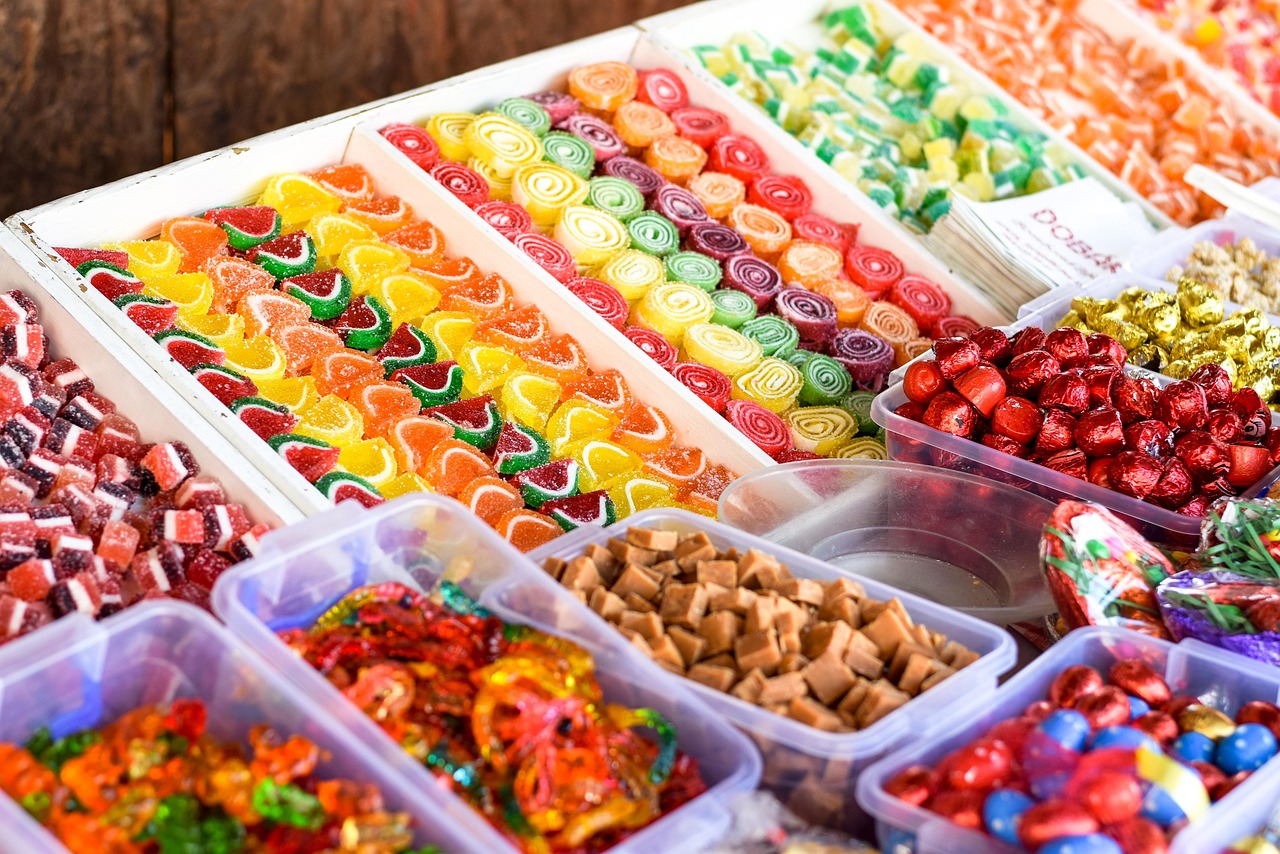
Nearly every kid who grew up in the 1980s wanted to try Sunkist Fun Fruits because of the commercials alone. The ads featured talking trees like the ones in “The Wizard of Oz,” but instead of throwing apples, the trees rained Sunkist Fun Fruits if you tickled them. The candies were made with real fruit and came in packets that featured flavors like orange, strawberry, grape, cherry, tropical fruit, fantastic fruit punch, and berry punch.
Bonkers! were discontinued in the 1990s, though the candy made a comeback in 2018 (six years after Leaf Brands bought the trademark for it). While the revival didn’t last long, at least one online company still has its listing for the candy up as of 2025 (in sold-out status) in the hopes that it returns again.
Lifesavers Holes: Safety Concerns Cut Short a Novel Idea
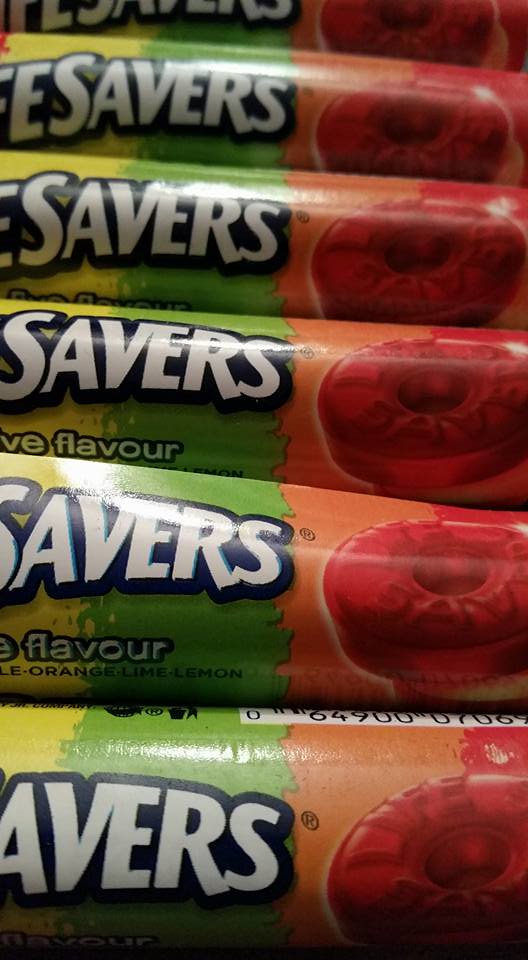
Lifesavers Holes came out in late 1990, and recalled just a few months later in early 1991. It turned out the small plastic tubes were choking hazards, leading the company to go back to the drawing board to make safer packaging. This candy represented pure marketing genius – taking the “hole” concept from Life Savers and making it the actual product.
While the candy returned with new packaging several months later, it wasn’t meant to last, and left shelves for good not long after. Amazingly, you can still find sealed packages of these on eBay as of March 2025, though we’d prefer to see the real candy come back. The brief lifespan of Lifesavers Holes demonstrates how safety regulations can quickly end even the most creative candy concepts.
Summit Cookie Bars: Mars’ Ambitious Failure
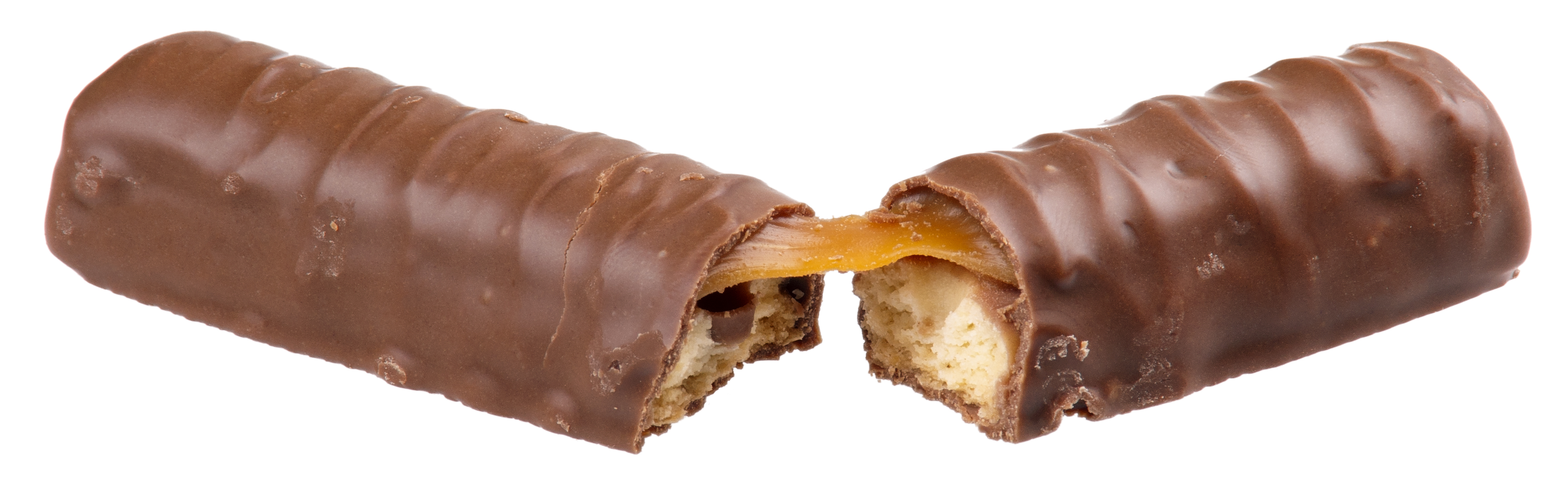
Summit Cookie Bars were Mars’ ambitious 1978 candy-cookie hybrid that combined crispy wafers, peanuts, and chocolate. But suffered from a fatal flaw: they melted too easily in normal temperatures. Despite generating $40 million in revenue and innovative marketing campaigns, Mars discontinued the product in 1991.
This candy-cookie combination offered something genuinely different in the marketplace, attempting to bridge the gap between candy bars and cookies. The melting issue proved insurmountable in an era before modern temperature-stable formulations, showing how technical limitations could doom even well-funded products with strong consumer appeal.
Altoids Sours: When Innovation Meets Market Reality
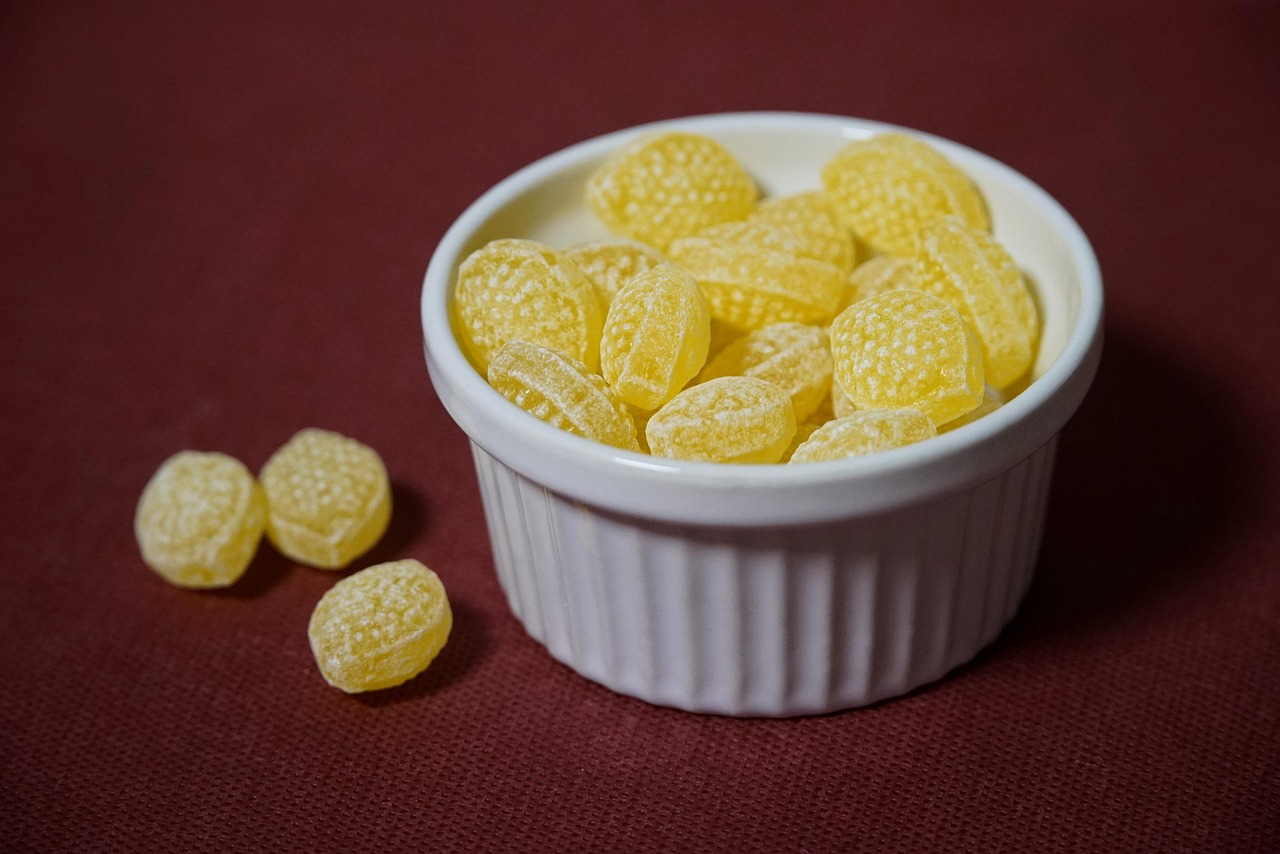
The company famous for its tin container full of mints decided to experiment with Altoids Sours. This variety debuted in 2004 with an array of fruity flavors, only to be discontinued in 2010. The Sours were pulled from store shelves due to low sales – a common death knell for underperforming products.
Low national demand; later revived in 2024 as “Retro Sours” by Iconic Candy at specialty retailers. The brief resurrection of Altoids Sours in specialty markets demonstrates how nostalgia can create second chances for discontinued brands, even when original mass-market success proved elusive. These intensely sour candies developed a cult following that persisted years after discontinuation.