4 Dictators Whose Documented Phobias Shattered Their Fearless Image
History books paint dictators as fearless titans who ruled through absolute power and terror. The reality reveals something far more human and unsettling. Behind the propaganda and public displays of strength, many of history’s most ruthless leaders harbored deep, sometimes crippling phobias that shaped their daily lives and decisions.
These documented fears offer a glimpse into the psychological vulnerabilities that haunted men who appeared invincible to the world. Let’s explore the surprising phobias that challenged their carefully constructed images of supreme confidence.
Adolf Hitler – Fear of Dental Treatment
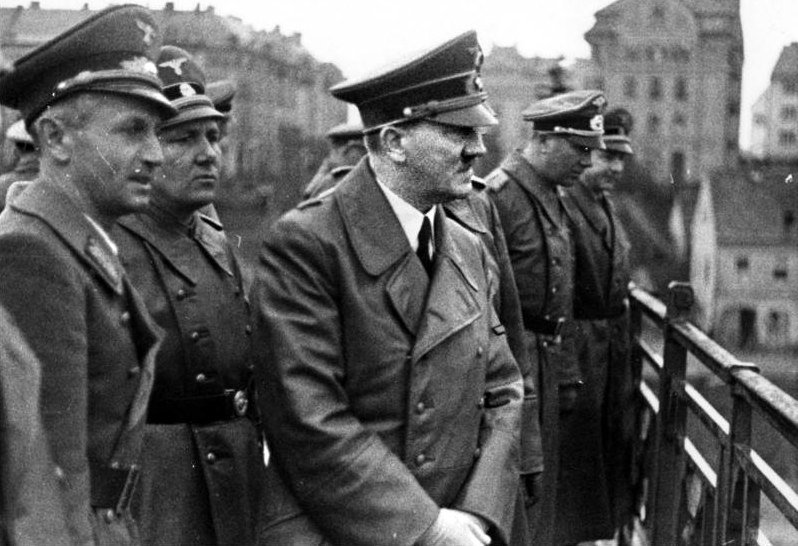
Hitler was known to be squeamish about teeth, once complaining to Benito Mussolini about a trying meeting with Spanish dictator General Franco: “I would rather have two or three teeth out than go through that again!” After the war, Hitler’s own dentist revealed what a bad patient the dictator was, with SS officer Hugo Blaschke confirming that he had been the dentist of Adolf Hitler and was only too happy to condemn his former patient. Hitler reportedly had various oral health issues – as well as a sweet tooth.
Joseph Stalin – Aviophobia (Fear of Flying)
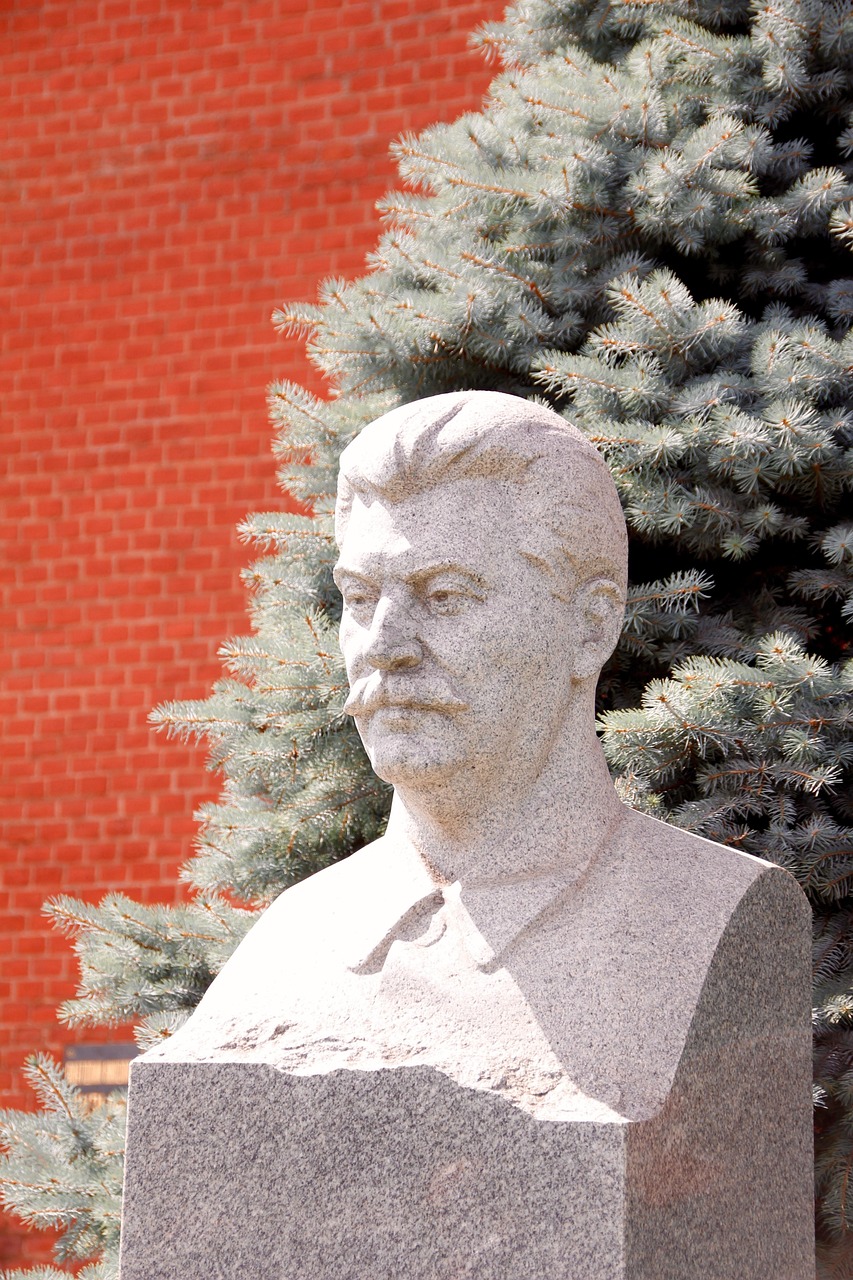
Joseph Stalin was afraid of flying, despite his passion for aviation he couldn’t bring himself to get into an aircraft. The truth, however, was very different: The leader of the USSR was held back by fears and phobias. This fear significantly impacted his diplomatic activities and travel arrangements, forcing him to rely on ground transportation even for long-distance journeys that would have been more efficiently completed by air.
Kim Jong-il – Fear of Air Travel
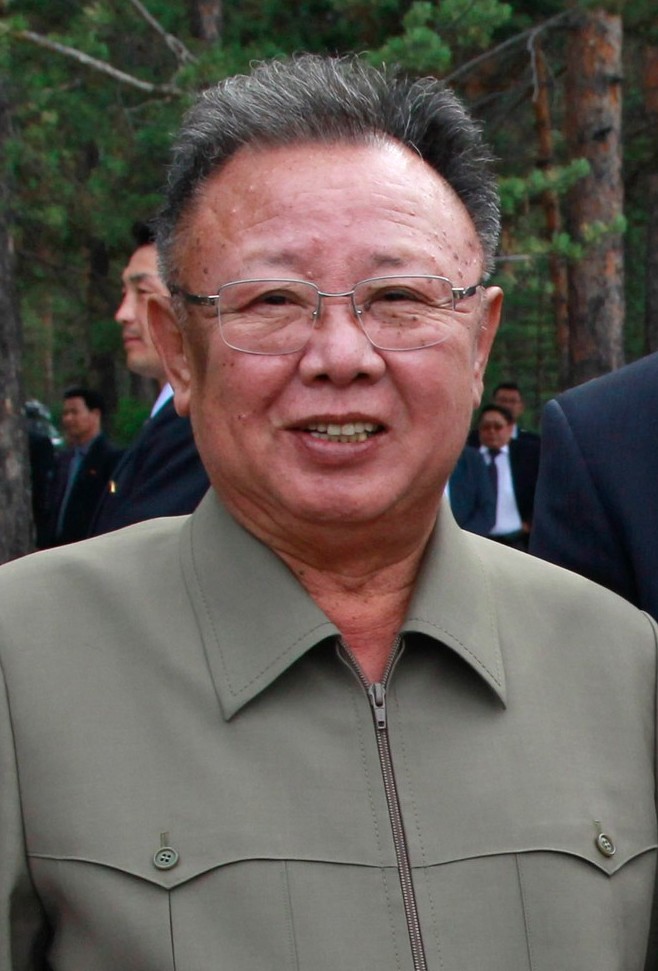
Kim Jong-il, the former leader of North Korea and father of the current leader Kim Jong-un, displayed an excessive fear of assassination when travelling by air, and to mitigate this, he travelled exclusively by armoured train, even on long journeys such as to Moscow. While this fear was rooted in security concerns rather than a pure phobia of flight itself, it demonstrated how even perceived threats could fundamentally alter a dictator’s behavior patterns. The elaborate train journeys became legendary for their secrecy and security measures.
Muammar Gaddafi – Fear of Heights and Water
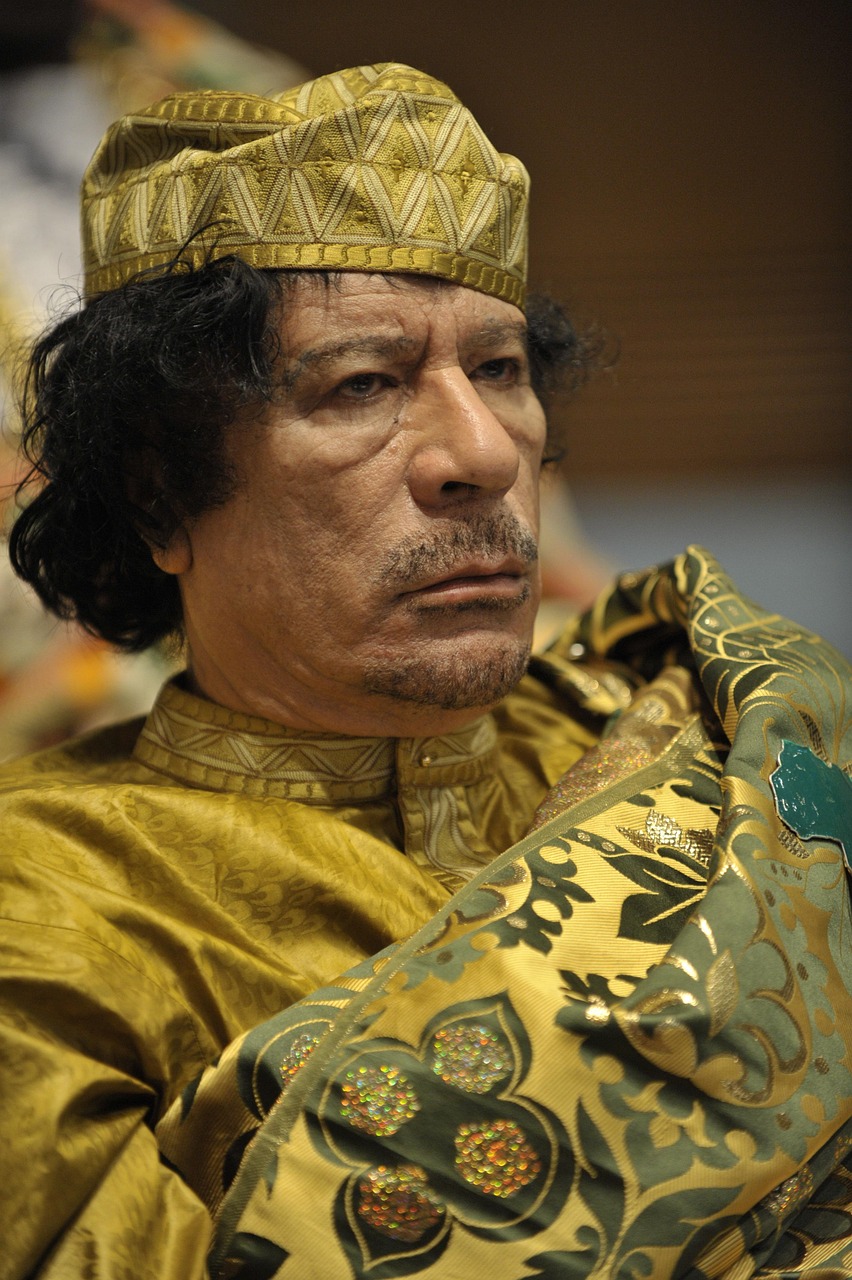
Former Libyan dictator Muammar Gadhafi was by all accounts a difficult man to work for, made worse by eccentric phobias of heights and long flights over open water, and according to a cache of secret diplomatic cables released through Wikileaks, the dictator could not fly over open water for more than eight hours, causing logistical headaches for his staff. They organized alternative routes and frequent layovers to calm his nerves, stopping in Portugal during a trip to the United States and planning a layover in Newfoundland when returning to Libya from a trip to Venezuela, and it is even said to have influenced his choice of accommodation.
These documented phobias reveal the profound contradiction between public image and private reality for history’s most notorious dictators. Dictatorial figures throughout history have displayed a paradoxical blend of dominance and fear, revealing a deep-seated anxiety about their own precarious fate. The very men who instilled terror in millions were themselves controlled by seemingly irrational fears of everyday objects and situations.
What strikes you most about these revelations? The fact that such powerful figures were ruled by their own fears, or the lengths they went to hide these vulnerabilities from the world?