Parasite Alert: 10 Regional U.S. Foods Linked to Rare and Deadly Bacterial Threats
When you bite into your meal, you probably never think about what could be lurking inside. Let’s be real, most of us trust that our food is safe. However, recent outbreaks across America are showing a troubling rise in foodborne illnesses tied to regional specialties and traditional fare.
Here’s the thing: US data from 2024 showed 1392 bacterial caused foodborne illnesses from contaminated food, a nearly 25% increase from 2023. Even more alarming, reported bacterial/protozoan foodborne hospital admissions and deaths increased more than 100% from 2023 to 2024. Something is shifting in how we produce, distribute, and consume our food, and the consequences are hitting dinner tables from Louisiana to Minnesota.
Gulf Coast Raw Oysters and Vibrio Vulnificus
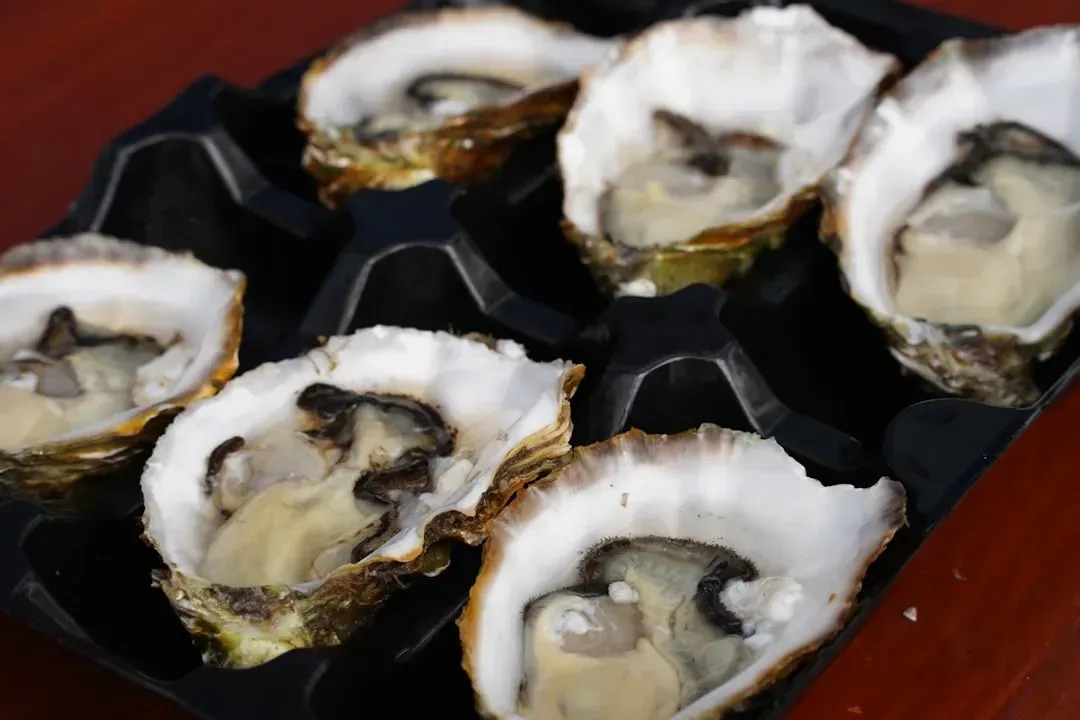
Raw oysters from the Gulf Coast have become a deadly gamble. So far in 2025, there have been 34 confirmed infections and 6 deaths linked to Vibrio vulnificus in Louisiana – a higher rate than any previous year in the last decade. This flesh-eating bacteria thrives in warm coastal waters, making Louisiana oysters particularly risky during summer months.
The bacteria is merciless. Many people with Vibrio vulnificus infection can get seriously ill and need intensive care or limb amputation. About 1 in 5 people with this infection die, sometimes within a day or two of becoming ill. What makes this even more terrifying is that you can’t tell if an oyster is contaminated just by looking at it. Hot sauce won’t save you either.
Louisiana has been seeing a higher number of Vibrio vulnificus infections and deaths, the state’s health department said. During the past 10 years, the state has seen an average of seven infections and one death per year. The spike in cases points to warming ocean temperatures that allow the bacteria to proliferate more aggressively than before.
California Raw Milk and Multi-Pathogen Outbreaks
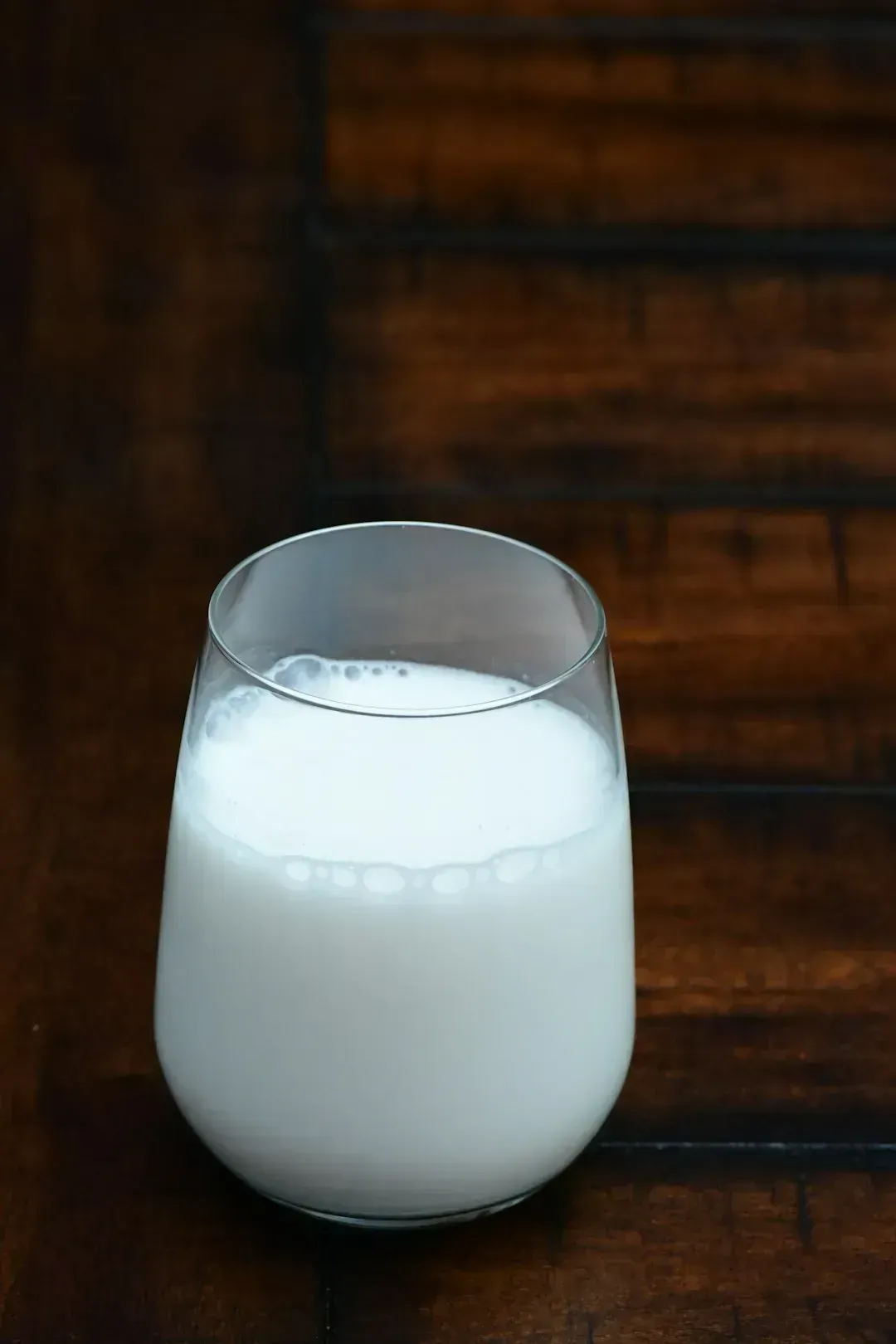
California’s raw milk industry has been at the center of multiple devastating outbreaks. During October 2023–March 2024, California public health officials investigated an outbreak of Salmonella Typhimurium infections linked to raw milk from a California dairy farm. Among 171 cases identified in California and four other states, 70% were among children and adolescents aged <18 years. The fact that most victims were young people makes this particularly disturbing.
One California dairy, Raw Farm LLC, has been repeatedly implicated in contamination events. Raw Farm has been tied to a series of outbreaks or recalls related to Salmonella, Campylobacter and Shiga toxin–producing Escherichia coli bacteria. Despite multiple recalls and warnings, the facility continues operating and products remain available.
Four of the people with Salmonella were also infected with Campylobacter and/or E. coli bacteria, according to investigation records. Nearly 40 percent of illnesses were reported in children younger than 5, officials said. Raw milk advocates claim health benefits, yet the evidence shows vulnerable populations are paying the price with hospitalizations and long-term health complications.
North Carolina Bear Meat and Trichinellosis
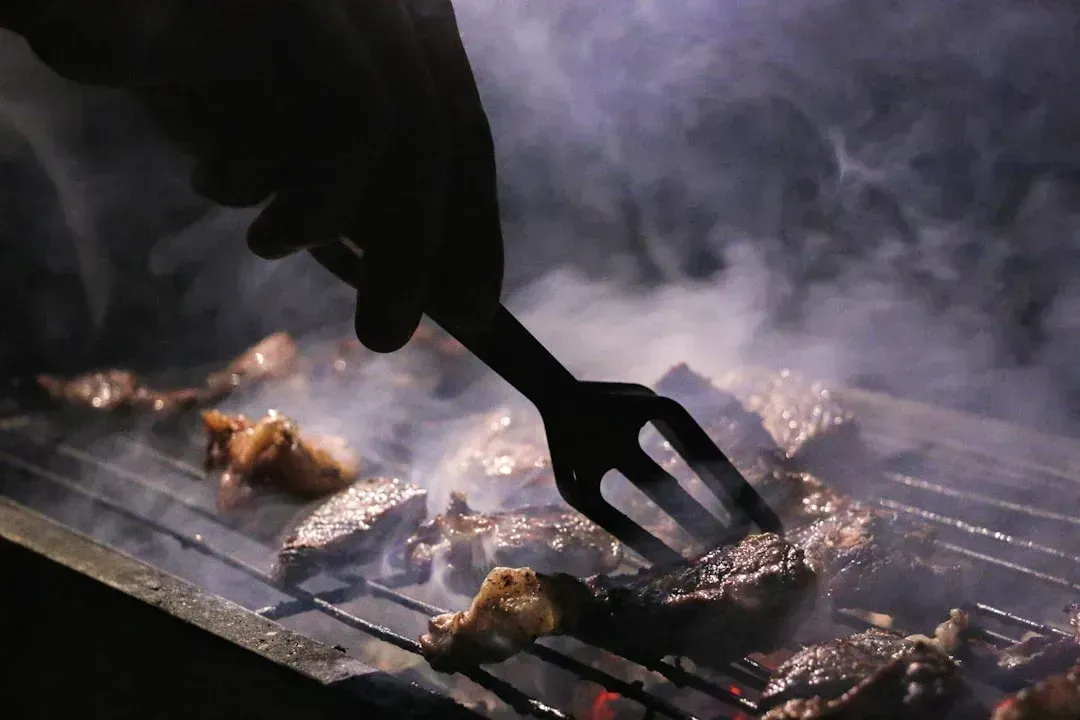
Undercooked bear meat served at social gatherings has triggered alarming trichinellosis outbreaks. In November 2023, a presumed outbreak of trichinellosis occurred in western North Carolina, resulting in 10 probable cases. All cases were linked to a gathering where attendees consumed undercooked bear meat. This parasitic disease causes excruciating symptoms including facial swelling, muscle pain, and fever.
What’s especially concerning about bear meat is that freezing doesn’t eliminate the risk like it might with commercial pork. Although freezing kills Trichinella species commonly implicated in pork-associated outbreaks, freeze-resistant Trichinella species, including T. nativa and the T6 genotype, predominate in Arctic and sub-Arctic regions. Larval motility was observed in bear meat that had been frozen for nearly 4 months (110 days).
During January 2016–December 2022, seven U.S. trichinellosis outbreaks, including 35 probable and confirmed cases, were reported to CDC; bear meat was the suspected or confirmed source of infection in the majority of those outbreaks. Hunters and families preparing wild game need to understand that visual cues about doneness are unreliable, especially with dark-colored meat.
Pacific Northwest Raw Milk Products
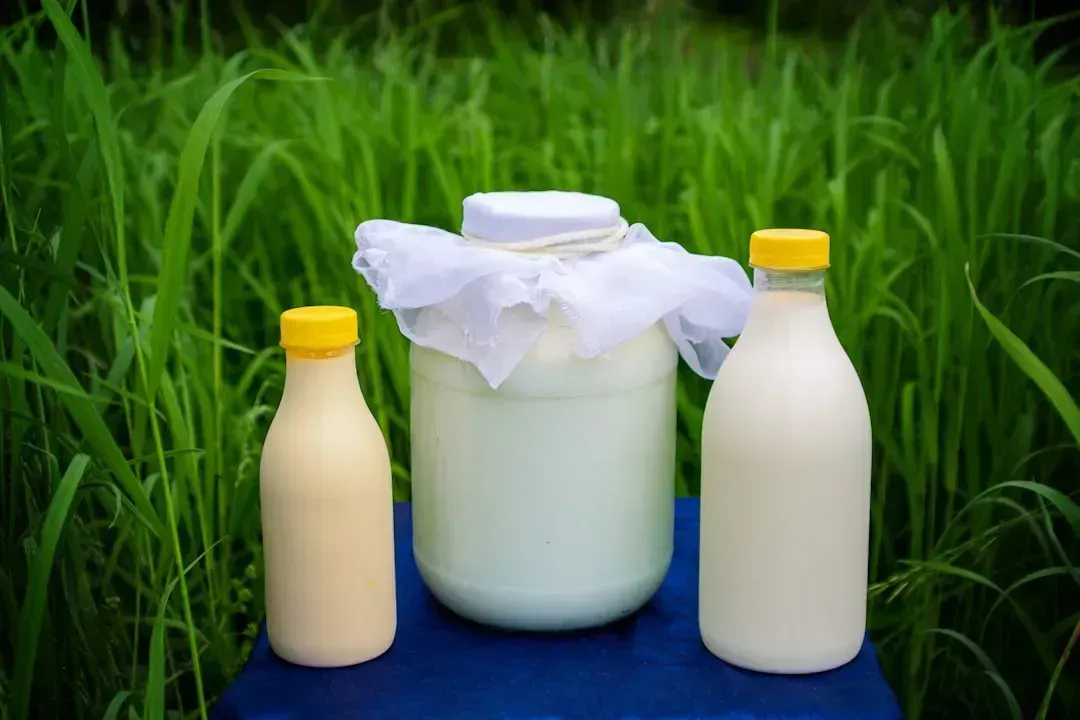
Washington state has experienced its own share of raw milk contamination crises. On February 16, 2024, Cozy Vale Creamery in Tenino, WA announced a recall of raw milk and cream because of contamination with STEC. Shiga toxin-producing E. coli can cause severe complications, including kidney failure in children.
The scary reality is that contamination can happen repeatedly at the same facility. On March 18, 2024, Cozy Vale Creamery announced another recall of raw milk and cream because STEC was found in an additional sample. The strain of STEC found in the new positive sample is not the STEC strain that caused the two recent illnesses in Washington residents. This suggests multiple contamination pathways within production operations.
Cross-contamination is an insidious risk with raw dairy products, potentially exposing consumers to several pathogens at once. Testing and monitoring can only catch so much when production practices allow bacteria to persist in processing environments.
Ready-to-Eat Hospital Foods with Listeria
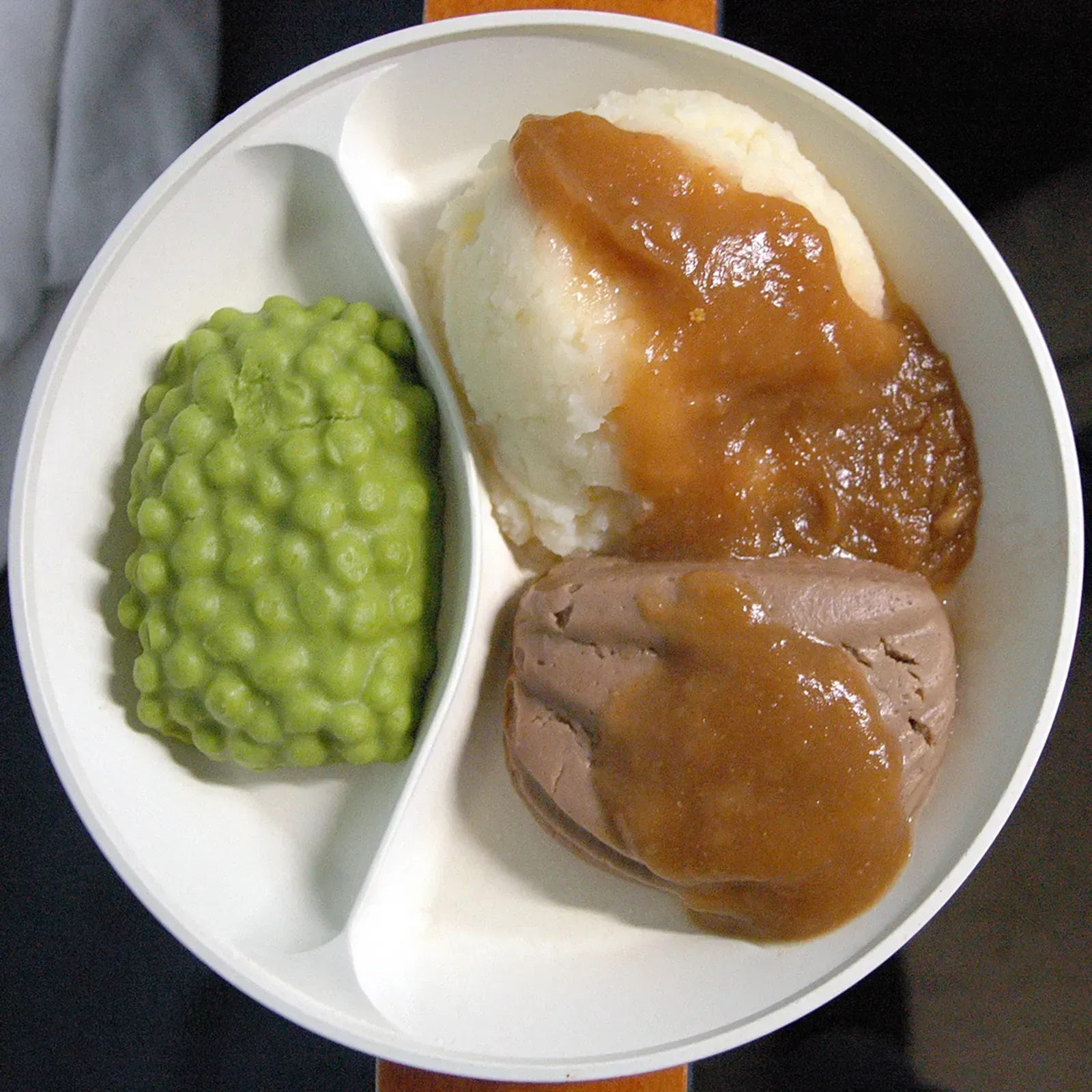
Hospital food should be the safest option available, yet that assumption has proven tragically wrong. As of May 9, 2025, a total of 10 people infected with the outbreak strain of Listeria have been reported from two states. Of 10 people with information available, all 10 have been hospitalized. These were people already in vulnerable health conditions when they consumed contaminated institutional food.
CDC reopened the investigation in April 2025 after the outbreak strain was found in environmental samples from Fresh & Ready Foods LLC. Records reviewed from facilities indicated that ready-to-eat foods made by Fresh & Ready Foods LLC were served in at least three of the facilities. The victims were essentially trapped in a system that should have protected them.
Listeria monocytogenes bacterial infections are the third leading cause of death from a foodborne illness in the U.S., behind salmonella and Toxoplasma gondii infections. This bacteria has the terrifying ability to grow even in refrigerated conditions, making it especially dangerous in institutional settings where food is prepared in advance and stored.
Midwest Wild Boar and Pork Products
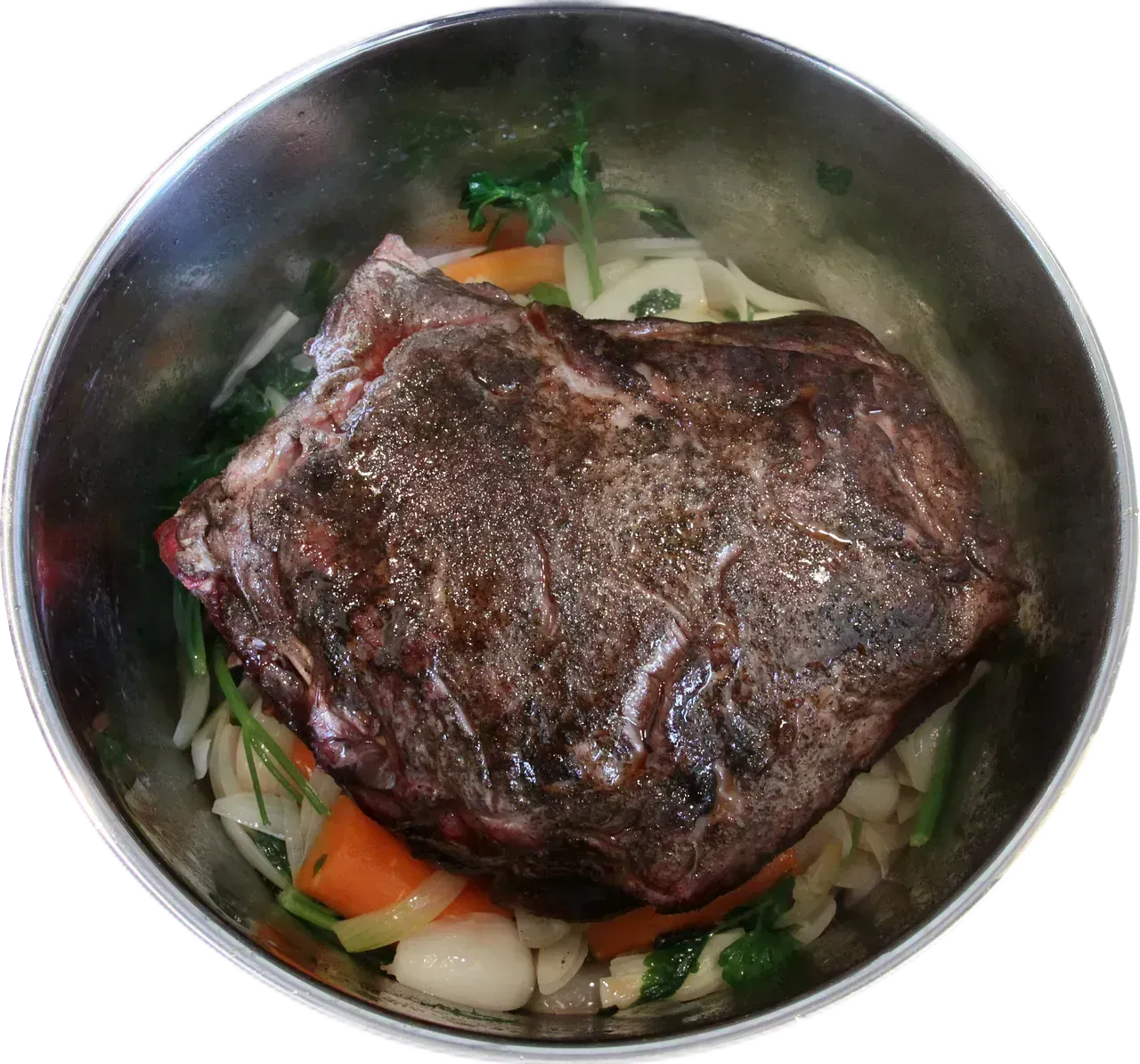
Wild boar meat presents similar dangers to bear meat when not properly prepared. Populations at the highest risk are those that consume undercooked or raw wild game meat or noncommercial sources of pork. In the US, recent outbreaks have been associated with wild boar, bear, walrus, and unspecified pork. Homemade sausages and jerky created from wild boar carry particularly high risks.
Trichinellosis is a rare disease in the United States, with only about 15 confirmed cases per year. Worldwide, there are about 10,000 recorded cases per year. Trichinellosis can cause severe symptoms. Though rare, the severity of illness when infection occurs cannot be overstated. People have lost limbs, suffered permanent organ damage, and died from consuming contaminated wild game.
The traditional practice of freezing wild game meat to kill parasites offers false security. Cooking to proper internal temperatures with a thermometer remains the only reliable safeguard against infection.
Southwest Unpasteurized Cheese Products
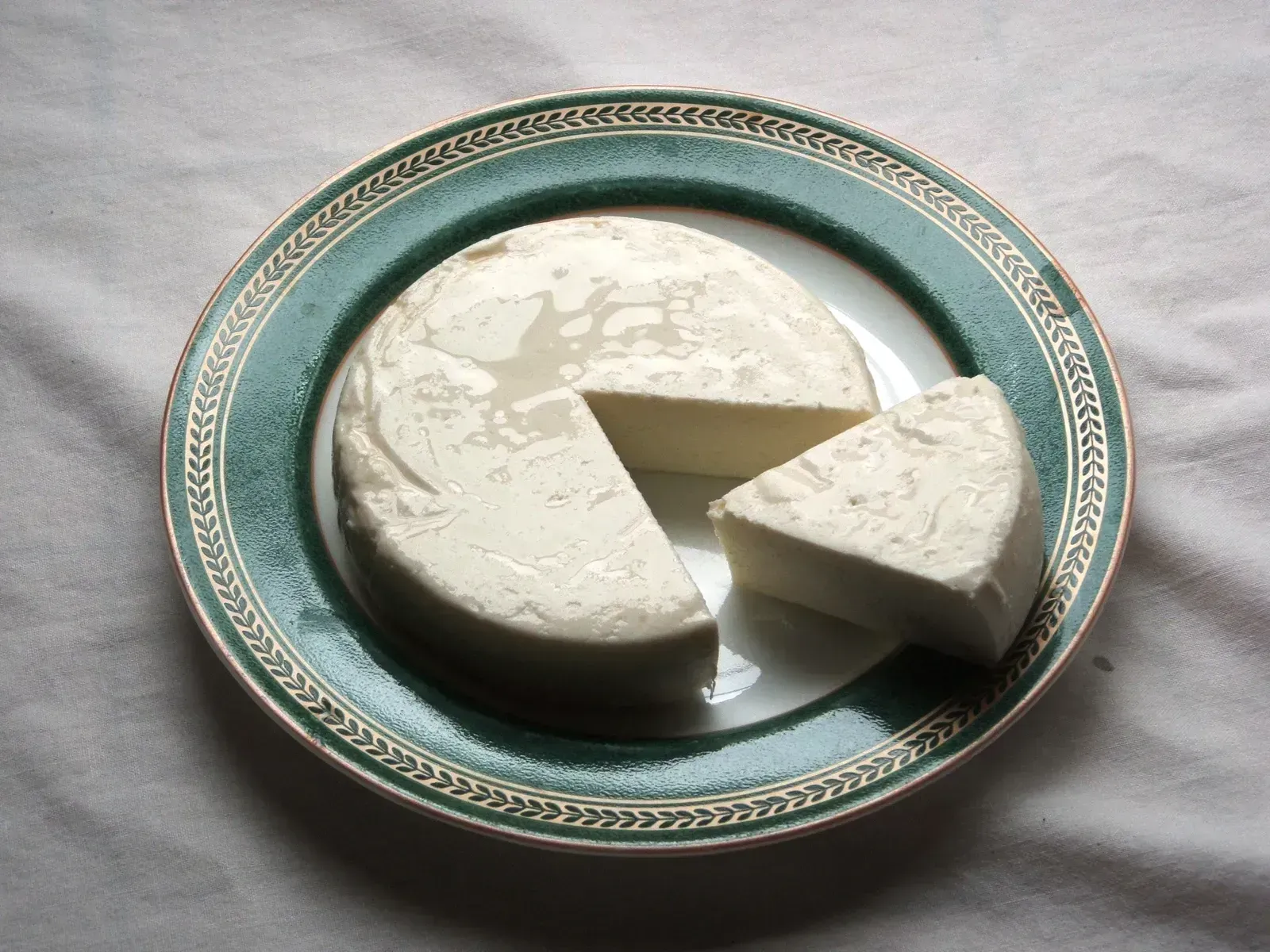
Soft cheeses made from raw milk, particularly Mexican-style queso fresco and cotija, have been outbreak sources. In 2024, FDA and CDC investigated an outbreak of Listeria monocytogenes (clinical illnesses ranged from 2014 to 2023) in queso fresco and cotija cheese that resulted in 26 identified illnesses, 23 hospitalizations, and two deaths across 11 states. The extended timeframe shows how difficult it can be to trace contamination in artisanal cheese operations.
According to CDC, Listeria is often found in dairy such as soft cheeses. These traditional products, beloved in Hispanic communities, carry elevated risks because the soft texture and high moisture content create ideal conditions for bacterial growth. Many small producers lack the safety infrastructure of larger commercial operations.
Pregnant women face particularly grave dangers from contaminated soft cheeses. Listeria infection during pregnancy can cause miscarriage, stillbirth, or severe illness in newborns, making consumption of raw milk cheeses an unacceptable gamble for expecting mothers.
Florida Raw Milk and Multi-State Distribution
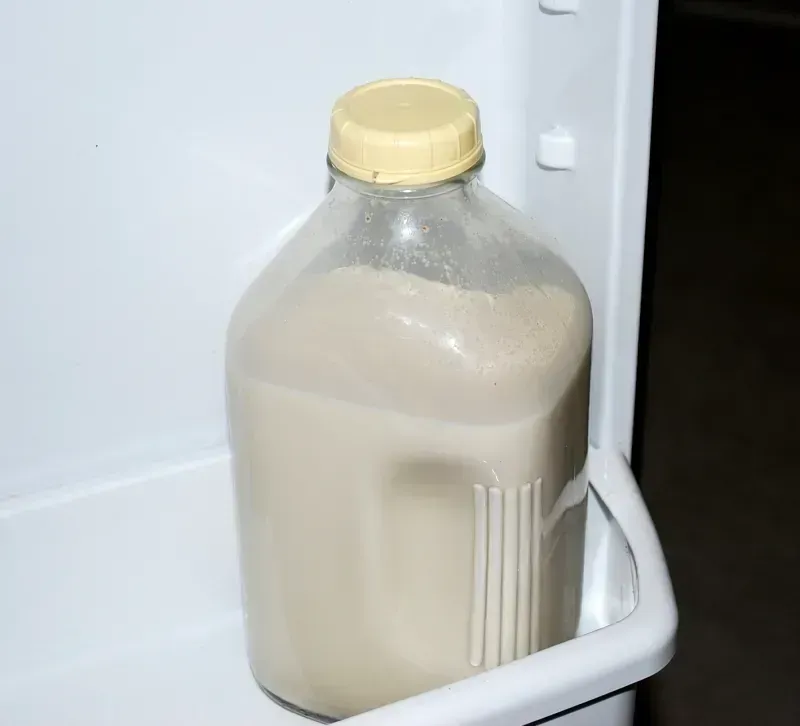
Florida’s raw milk outbreaks highlight how regional products can quickly become national health threats. In Florida, recent STEC outbreaks have been associated with the consumption of raw milk. According to the Florida Department of Health, there have been 21 cases since January 2025, including six children under 10. At least two cases involved severe complications.
The distribution networks for raw milk products mean that contamination in one state can sicken people across the country. Interstate commerce allows these dangerous products to reach far beyond their production origins, multiplying the potential victim pool exponentially.
Children under ten are especially vulnerable to severe complications from E. coli infections, including hemolytic uremic syndrome which can cause permanent kidney damage. Parents choosing raw milk for perceived health benefits are gambling with their children’s lives and long-term wellbeing.
New England Artisanal Dairy Products
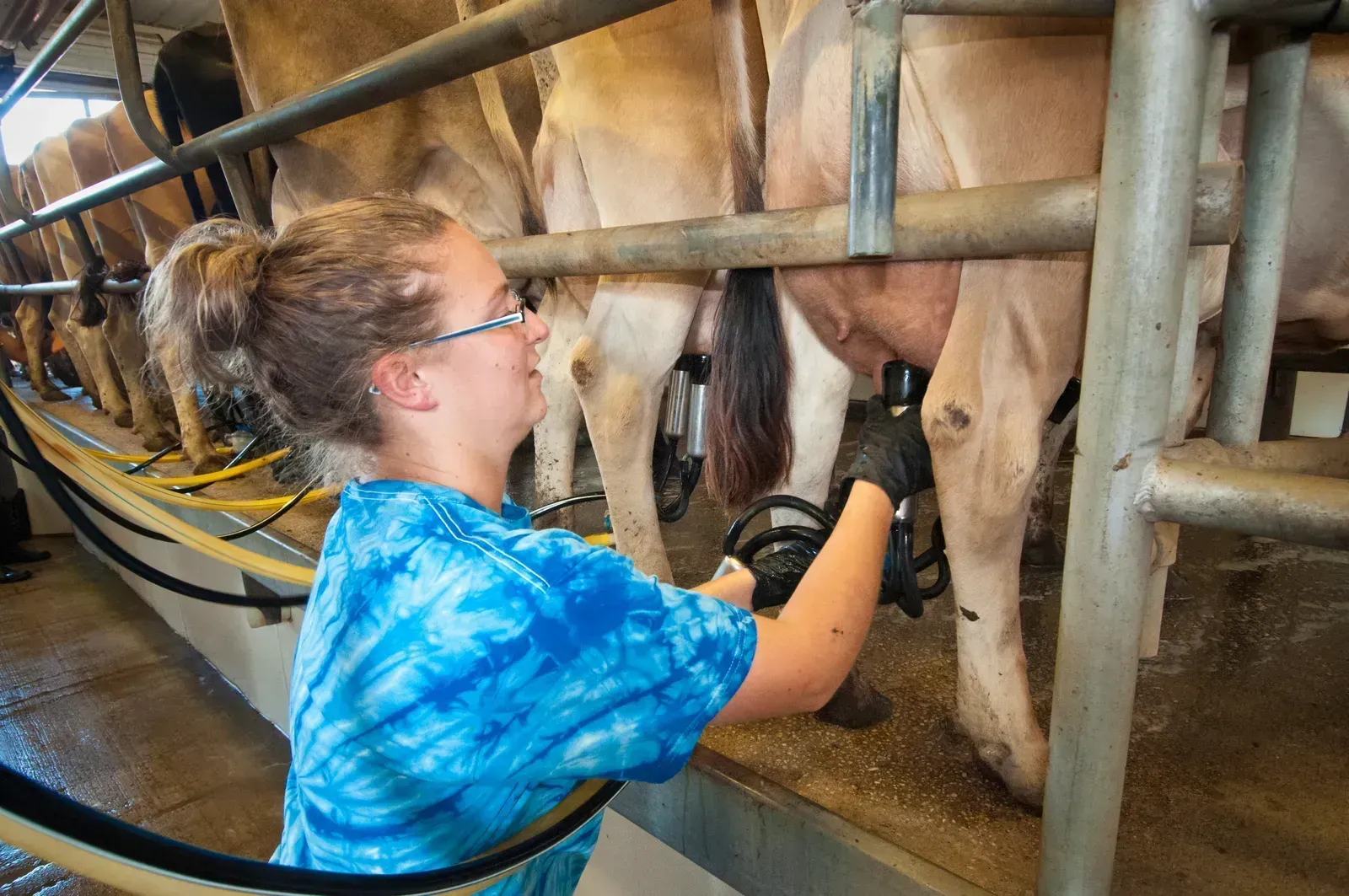
The farm-to-table movement in northeastern states has inadvertently created new pathways for contamination. March 1, 2024 State testing finds Listeria in raw milk; dairy initiates recall action. March 18, 2024 CONSUMER ALERT: Listeria Monocytogenes Contamination in Raw Milk in Oneida County. Small-scale operations often lack sophisticated testing and safety protocols that larger dairies employ.
New York has seen repeated contamination events at different facilities, suggesting systemic issues in the artisanal dairy sector. The romantic notion of buying directly from small farms obscures very real public health hazards when proper safety measures aren’t followed.
Campylobacter contamination has also plagued small northeastern dairies, causing additional recalls and illnesses throughout 2024. The bacteria causes severe gastrointestinal illness and can lead to reactive arthritis and other long-term complications in some victims.
Midwest Ground Beef Cross-Contamination
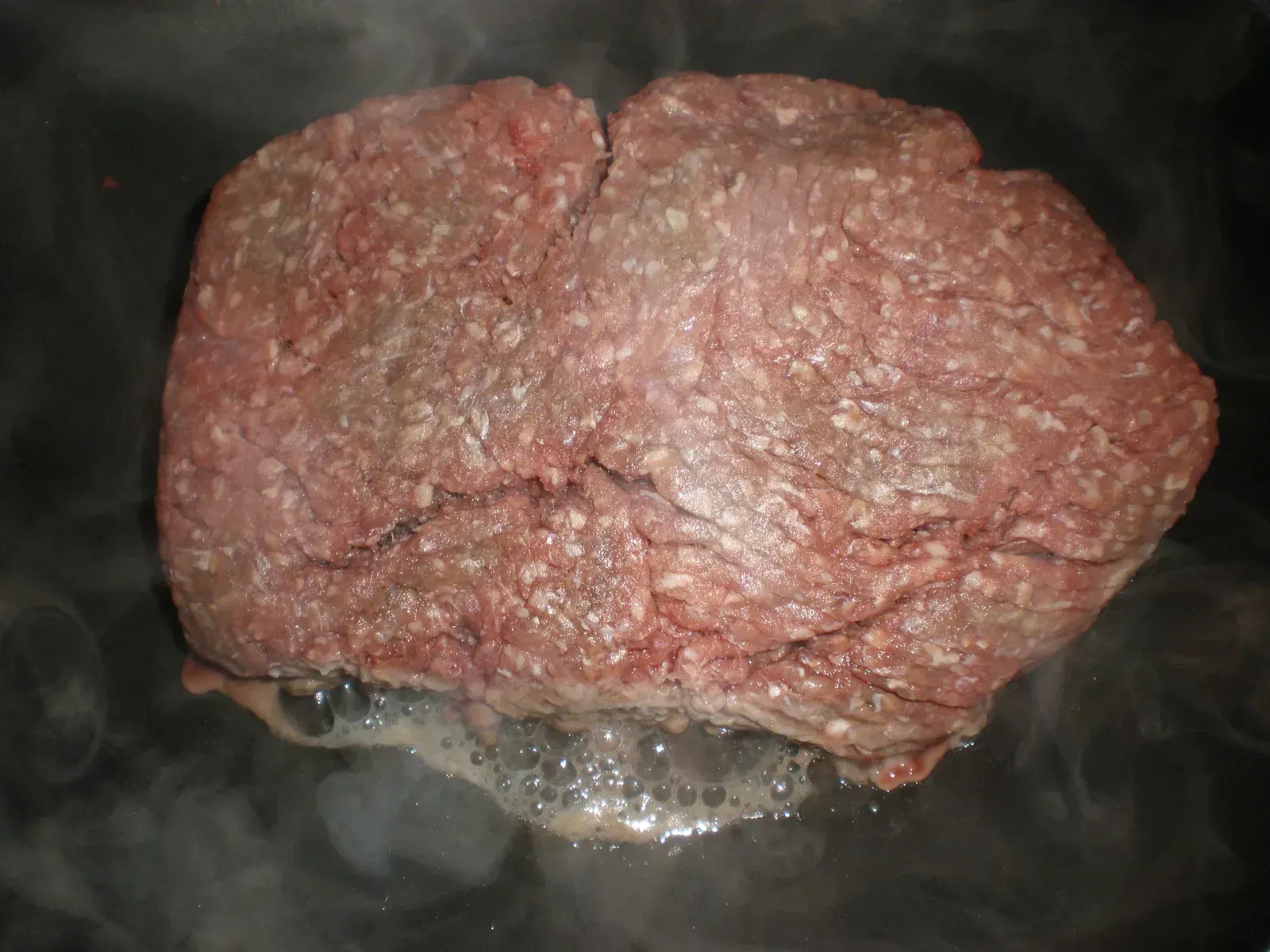
Even seemingly safe products like ground beef have been implicated in major outbreaks. For example, in 2024, two Salmonella outbreaks – one attributed to cucumbers, an FDA-regulated food, and one attributed to charcuterie meats, an FSIS-regulated food – collectively caused 650 confirmed illnesses and about 180 hospitalizations. Ground meat products present unique challenges because contamination from one animal can spread throughout an entire production batch.
Cross-contamination during processing is an often-overlooked danger. Meat grinders used for multiple types of meat can transfer parasites and bacteria between products. Even beef can become contaminated with trichinella parasites if equipment previously processed infected wild game or pork wasn’t properly sanitized.
The 2024 increases were mostly concentrated in 13 outbreaks, 12 due to Listeria spp, Salmonella spp, or Escherichia coli. The concentration of illnesses in relatively few outbreaks suggests large-scale production or distribution failures rather than isolated incidents.