Check Your $2 Bills: These Rare Features Could Make Them Valuable
There’s a good chance you have one tucked in a drawer, left in an old birthday card, or buried in the back of your wallet. The $2 bill is one of America’s most misunderstood pieces of currency. Most people treat it like a novelty. Some even believe it’s been discontinued. They’re wrong on both counts – and that assumption might be costing them real money.
Most $2 bills are worth only their face value, but some can be worth much more if they are old, in excellent condition, have printing errors, are uncirculated, or feature a rare serial number. So before you hand one over at the gas station, read this first. You might be holding something far more interesting than you think. Let’s dive in.
The Surprising History Behind the $2 Bill
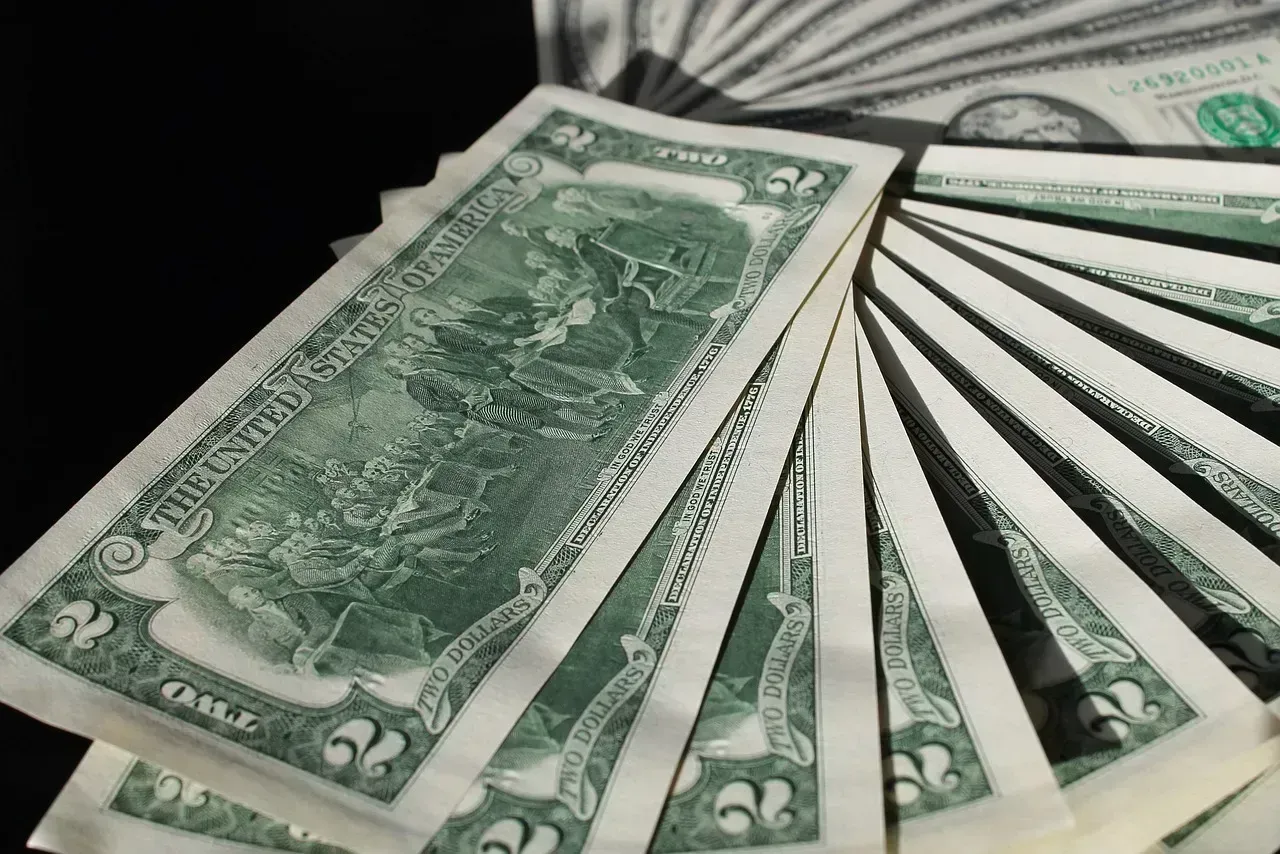
The $2 bill was first printed in 1862 and originally featured a portrait of Alexander Hamilton, but that changed with an 1869 redesign that featured Thomas Jefferson. That makes the bill’s basic design older than most people realize. It has survived wars, economic panics, and multiple currency reforms.
Production continued until 1966, when United States Notes were phased out; the $2 denomination was discontinued until 1976, when it was reissued as a Federal Reserve Note, with a new reverse design. That gap in production, a full decade, is part of what gives older notes from the pre-1976 era such collector appeal today.
The obverse design of the $2 bill is the oldest of all current U.S. currency. Think about that for a second. The face on your $2 bill has been essentially unchanged longer than any other bill in your wallet. History, quite literally, in your hands.
How Many $2 Bills Are Actually Out There?
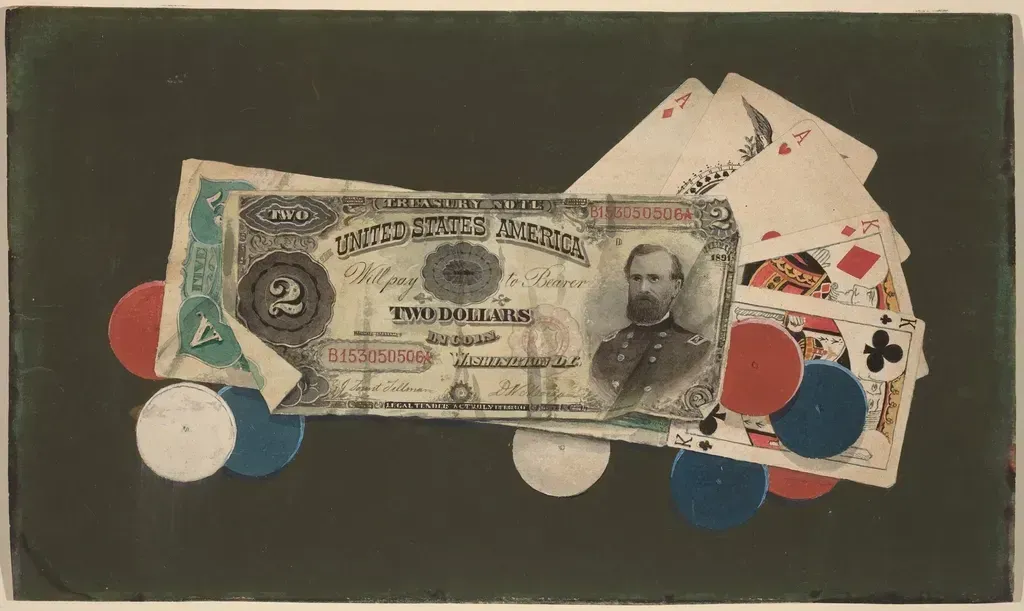
According to the U.S. Treasury, there were over $3.2 billion worth of $2 bills in circulation as of December 2023, and that figure has been growing steadily each year for about two decades. So no, they haven’t been discontinued. They’re just less visible than other denominations.
Two-dollar bills are the rarest currently produced money in the United States, but about 1.2 billion two-dollar bills are in current circulation. That may sound like a lot, but when you compare it to the 11.7 billion one-dollar bills in circulation, it takes on a new perspective.
The Bureau of Engraving and Printing printed around 128 million new $2 bills in fiscal year 2023 alone. Compared to the billions of $1 and $20 bills churned out each year, that figure is genuinely small. Rarity is relative, and in this case, the numbers do tell a story worth paying attention to.
The Red Seal: One of the Most Collectible Features
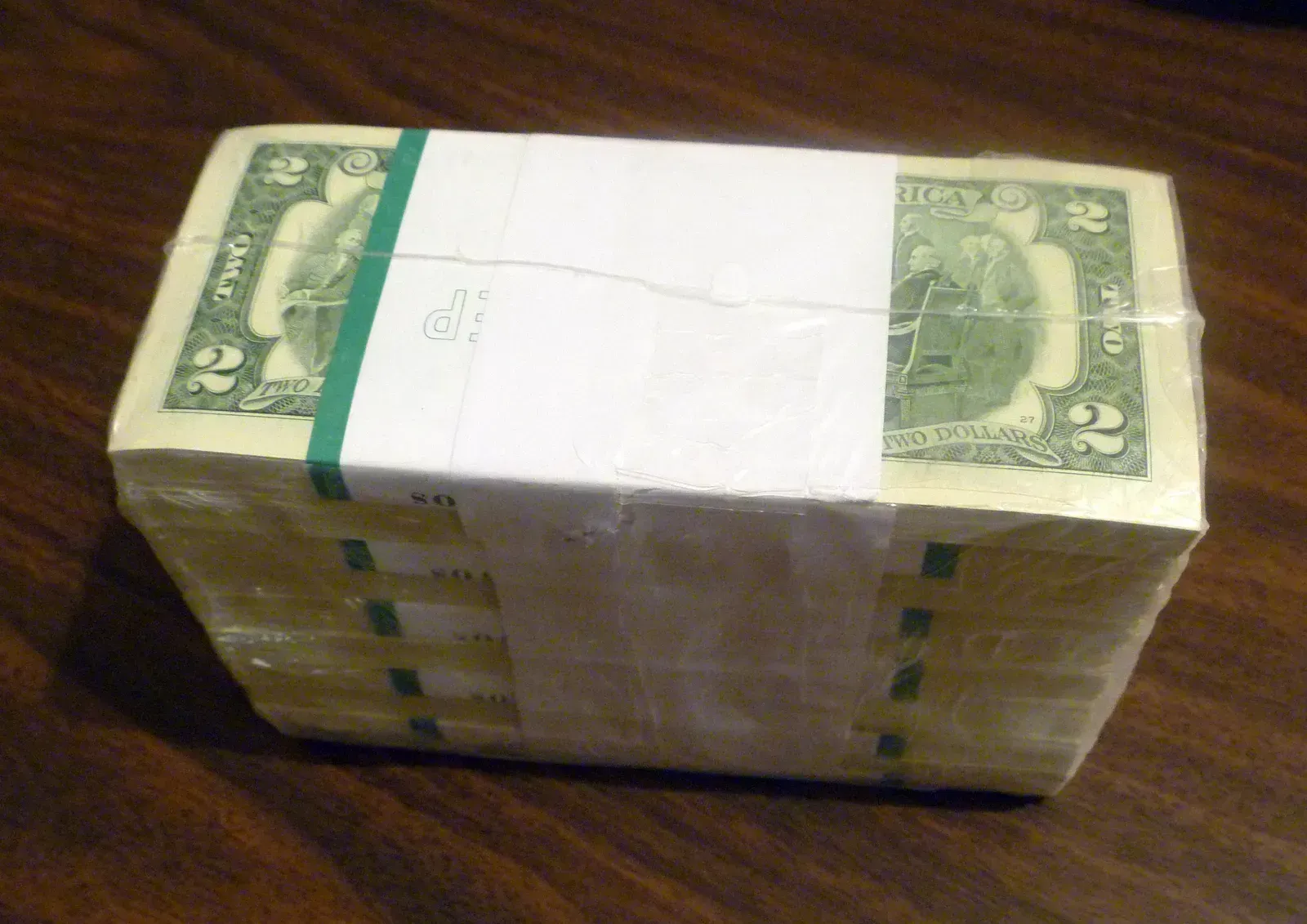
If you found a red seal $2 bill and want to know its value, you’re in the right place. These notes were printed between 1928 and 1963, featuring the familiar red Treasury seal and red serial numbers. Certain series, star notes, and high-grade examples can be worth hundreds, even thousands, of dollars.
Most red seal $2 bills are worth $3 to $15 in circulated grades. Uncirculated examples can sell for $20 to $80, but rare varieties or star notes from scarce series can be worth much more. The 1928 series is especially exciting for collectors. The 1928B star notes are considered the most valuable in the series, with poor condition examples fetching $1,000 to $2,500, good condition bills ranging from $5,000 to $7,500, and perfect condition examples going for over $10,000.
Red seal notes are more valuable than modern green-sealed notes. If you spot a red seal, do not spend it. Not even close.
The 1890 Treasury Note: A Jaw-Dropping Relic
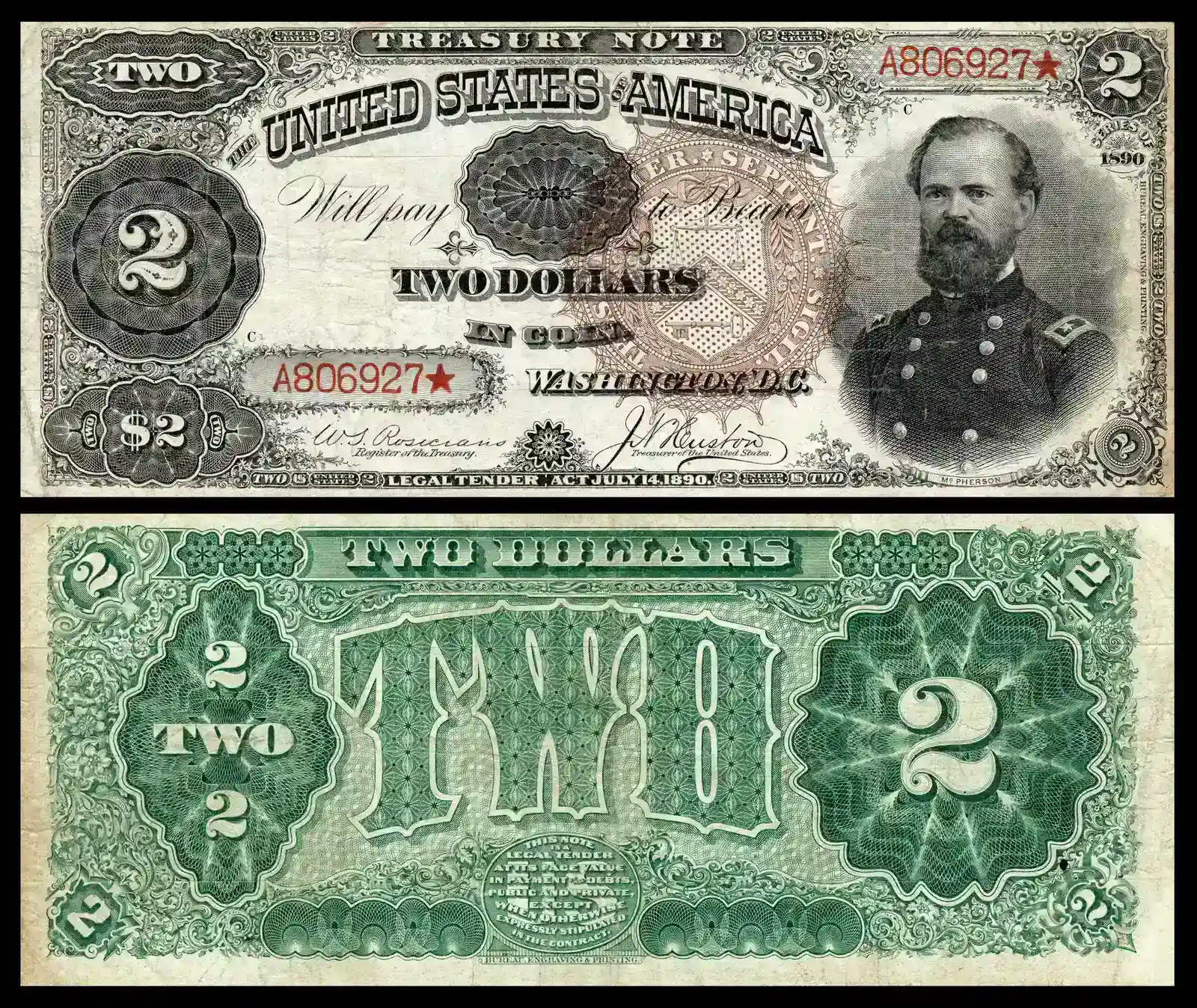
An 1890 $2 Treasury Note featuring General James McPherson is worth upwards of $4,500, according to U.S. Currency Auctions. However, it can fetch tens of thousands of dollars at auction, especially if it’s in perfect condition. These are genuine artifacts, not just old paper. They’re pieces of American monetary history that rarely surface anymore.
Before 1928, U.S. paper money was printed in a larger format – hence the term “large-sized.” These are now highly collectible due to their age, scarcity, and elaborate designs. Honestly, holding one of these feels less like holding cash and more like holding a museum exhibit. That’s not an exaggeration.
If you have a pre-1913 $2 bill in uncirculated condition, it is worth at least $500. Even in circulated condition, these very old two-dollar bills are worth $100 and up. The age alone carries enormous weight in the collector’s market.
The 1976 Bicentennial Bill and What Makes It Special
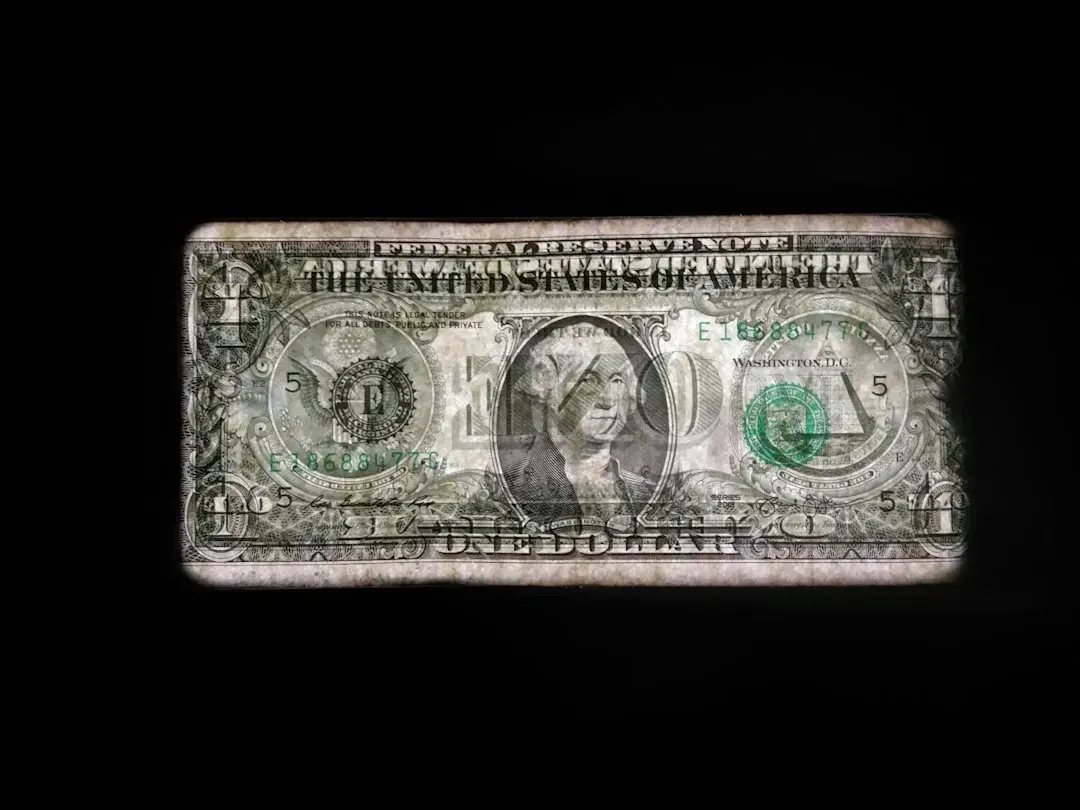
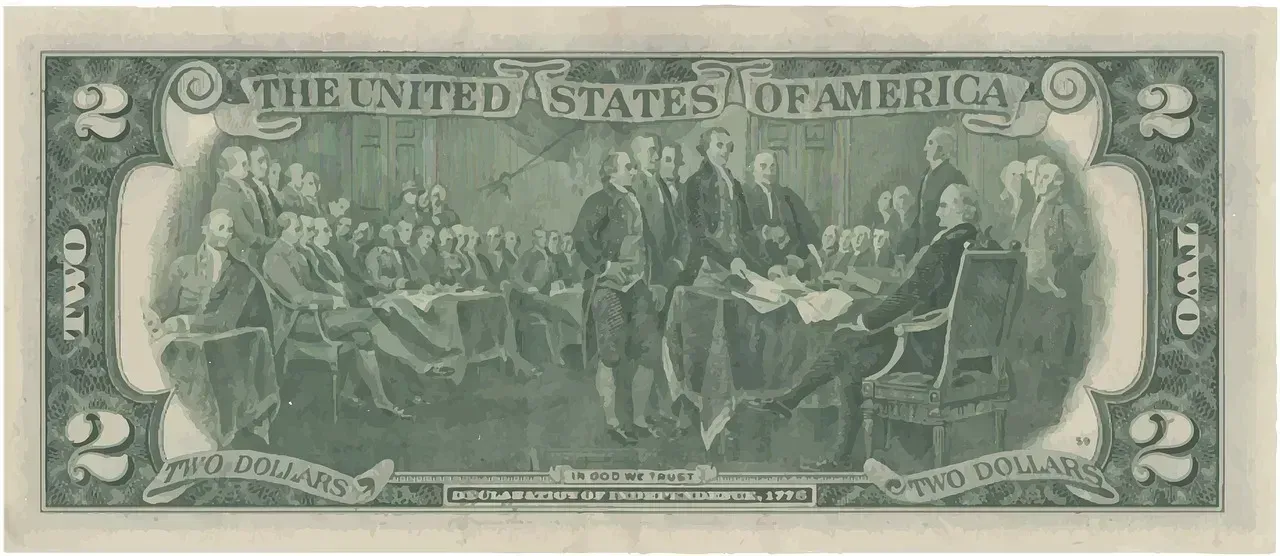
The 1976 $2 bill was released to celebrate the U.S. bicentennial, and while most of them are only worth face value, some with special serial numbers, misprints, stamps or star notes can be worth $20 to $900. The bicentennial release made it a widely hoarded bill. Many Americans held onto theirs as souvenirs, which is exactly why most of them never acquired extra value through scarcity.
The Bureau of Engraving and Printing printed 590,720,000 notes in 1976. While the 1976 $2 bills are common and sell for a bit higher than their face value, the bills stamped on the first date of their release are rare and valuable. First-day-issued stamped notes are a specific collector niche that can add genuine premium value.
A 1976 error note sold for $2,700 in 2024. So while the average 1976 bill isn’t going to make you rich, the right one absolutely can. It all comes down to what’s printed on it, and how well it has been kept.
Printing Errors: The Collector’s Jackpot
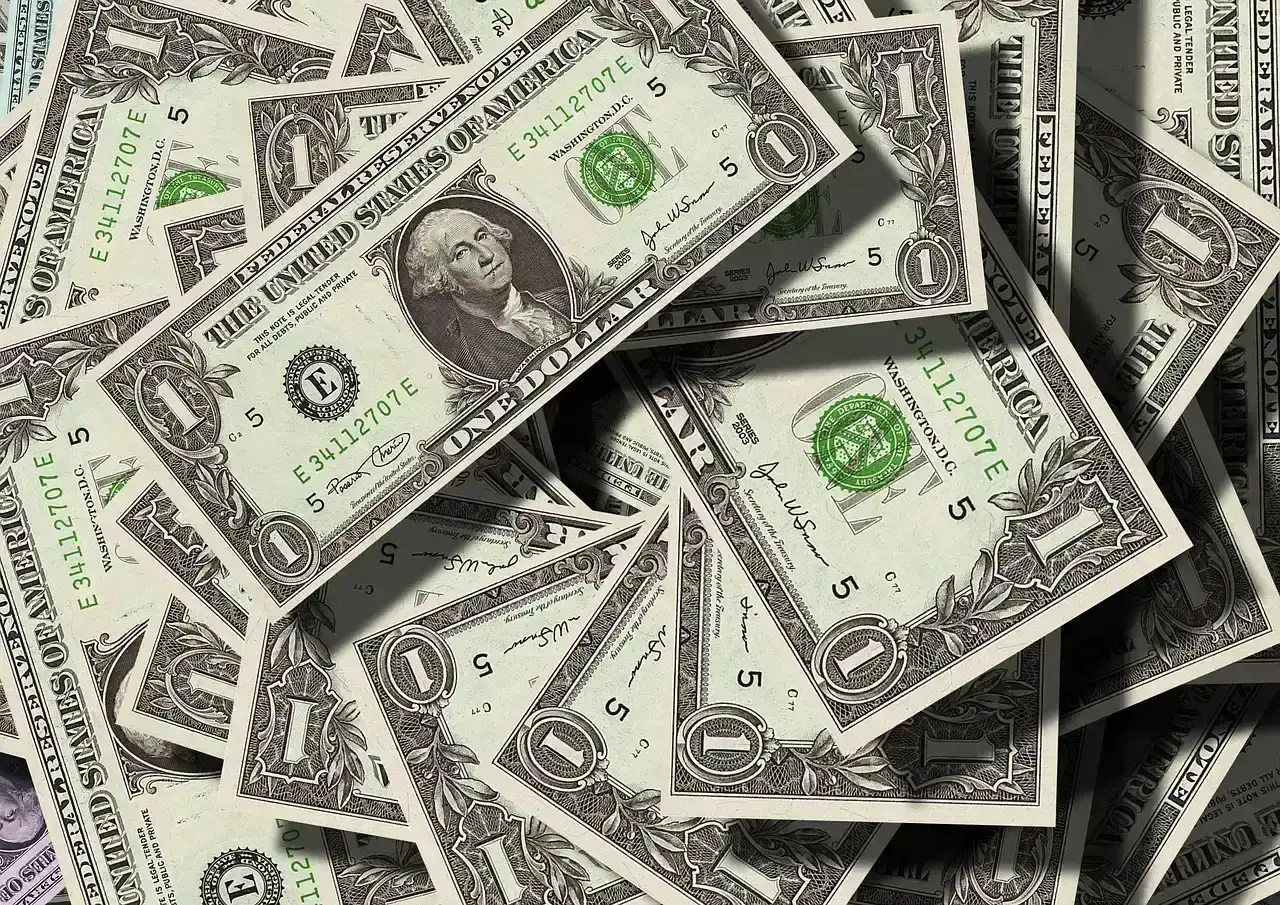
Bills with misaligned seals, double prints, or duplicate serial numbers are much rarer and therefore more valuable. Let’s be real – most people look at a bill and see money. Collectors look at a bill and see what’s wrong with it. A mistake during manufacturing can be worth more than a hundred flawless notes.
An offset printing error occurs when freshly printed ink transfers onto the wrong side of the sheet, creating a mirrored or ghost image. A double print happens when the same portion of the design is accidentally printed twice, leading to a visibly duplicated element. These types of errors can make a 1976 $2 bill worth hundreds of dollars when certified.
A genuine mismatched serial number from the 1976 series can command anywhere from $500 to $2,000 or more at auction, especially if uncirculated. Sometimes during printing, one of the colored layers doesn’t fully print, resulting in bills missing the Treasury seal, serial numbers, or other key text. Even a partially missing seal can raise the value of the bill significantly, often starting around $100 and climbing higher if the note is in excellent condition.
Star Notes: The Replacement Bills That Pay Off
A star note is a replacement bill. When the Bureau of Engraving and Printing discovers a misprinted or damaged note during production, it destroys that note and prints a substitute. To mark the replacement, the BEP adds a small star at the end of the serial number. It sounds simple. In practice, it can be very profitable.
Collector value for star notes ranges from $100 to over $1,000, depending on year and grade. Star notes can be valuable depending on the reserve bank the notes were printed from. The most valuable star notes were printed in Kansas City and Minneapolis. These reserve banks had the most sought-after serial numbers, making them sell for much more.
Star notes are used to replace misprinted or damaged bills and are printed in limited quantities, making them inherently rare. Collectors are often willing to pay five to ten times the face value for these versions. Next time you get change, flip the bill over and check that serial number. That little star symbol is easy to miss and potentially worth a small fortune.
Fancy Serial Numbers: When the Digits Do the Work
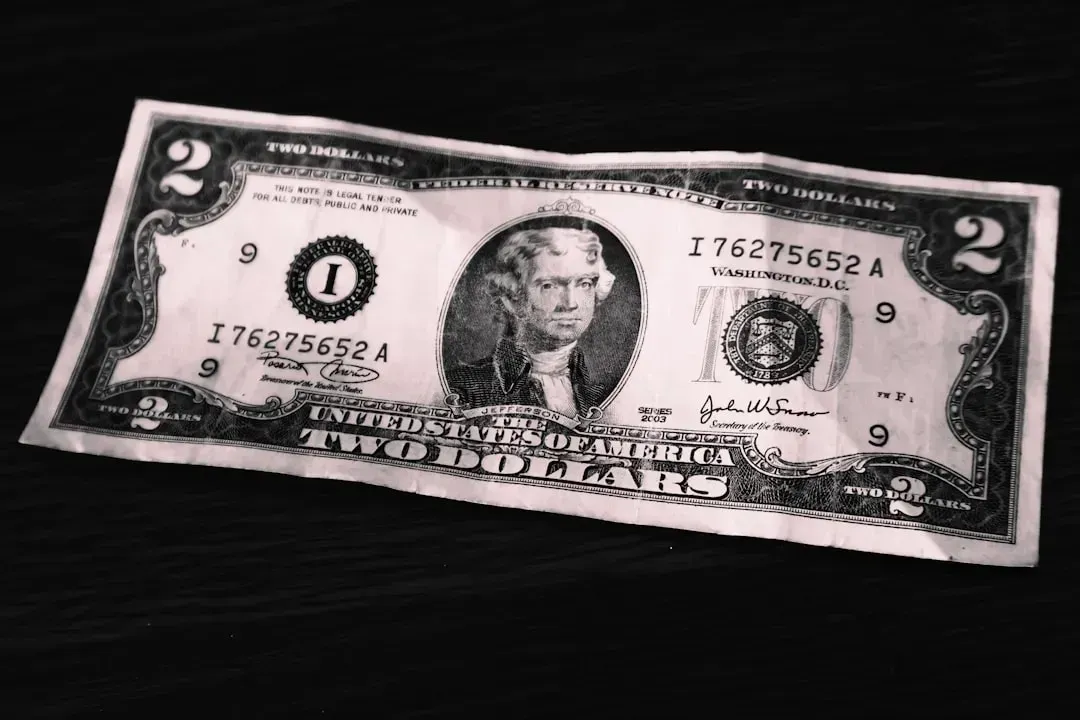
Most serial numbers appear random, but some follow patterns or contain unusual characteristics. These uncommon serial numbers are known in the collecting world as “fancy serial numbers,” and their rarity makes them attractive to collectors. Think of it like finding a license plate with all sevens. Some patterns are rarer than others, and collectors pay real premiums for them.
The ladder note is the rarest possible two-dollar bill as it has a unique serial number, 12345678. Only one banknote out of every 96 million notes is a ladder note with this serial number, making them one of the rarest finds. Valuable patterns include “00000001,” repeaters like “12341234,” or palindromes like “12344321,” and some can reach $5,000 or more depending on condition and pattern.
A solid serial number is one where every digit is the same, like 55555555. Only about one out of every 11 million notes is a solid, and they can be worth $500 or more. Some super-rare ones are listed on eBay for thousands of dollars. The numbers matter more than most people think.
Condition Is Everything: Uncirculated vs. Circulated
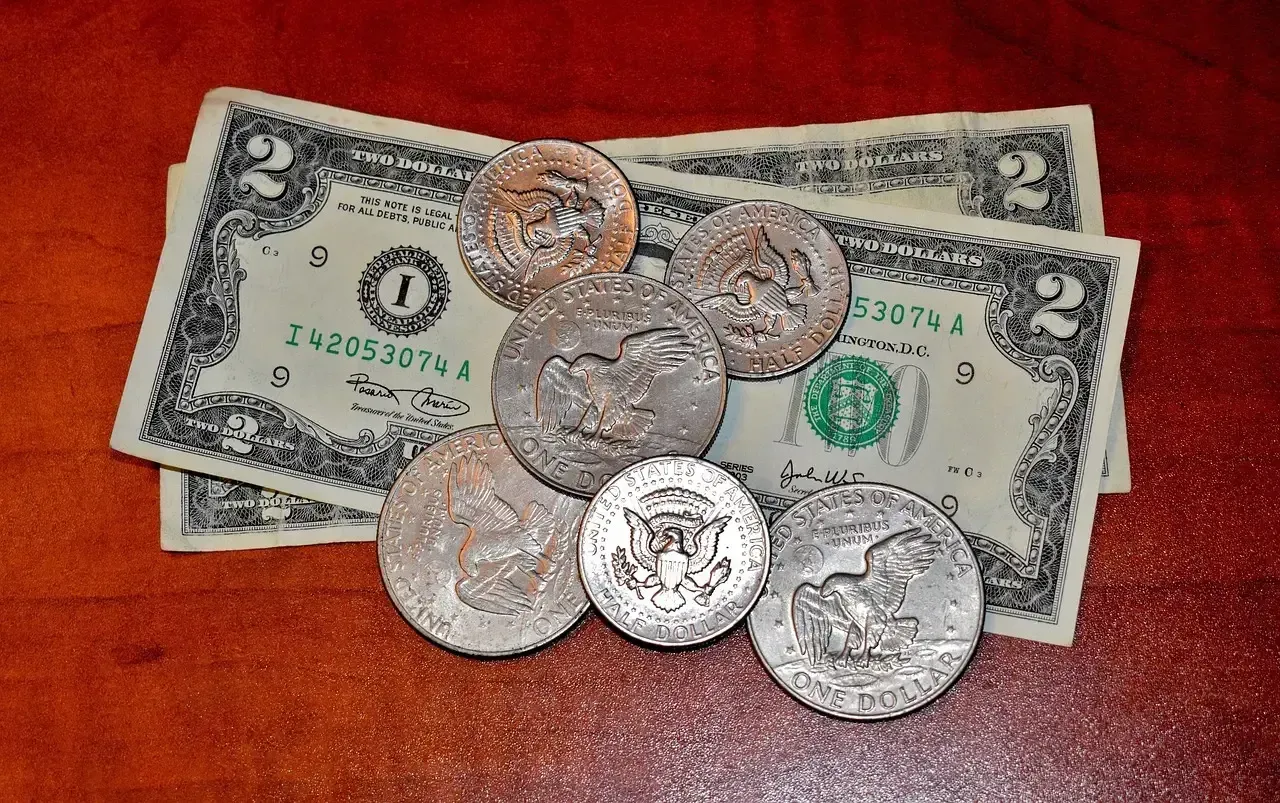
The condition of a $2 bill critically affects its value. Bills are graded on a scale up to 70, with higher grades indicating near-mint or uncirculated states commanding higher prices. For example, a bill graded at 65 can be worth thousands, whereas a similar bill in poor condition with a grade of 30 may only have a fraction of that value.
Uncirculated bills are far more valuable than circulated ones. For example, an uncirculated 1928 red seal $2 bill could be worth over $1,000, while a circulated version may only be worth $5 to $175. That gap is staggering. The same bill, entirely different universe of value based on how it was treated over time.
Even a rare serial number loses value if the bill is torn, stained, or heavily folded. Uncirculated bills with sharp corners, clean paper, and bright ink are the most valuable. Think of it like a vintage baseball card. You can have the rarest player in the set, but if it’s been bent and scribbled on, collectors just aren’t going to care as much.
How and Where to Get Your $2 Bill Appraised and Sold
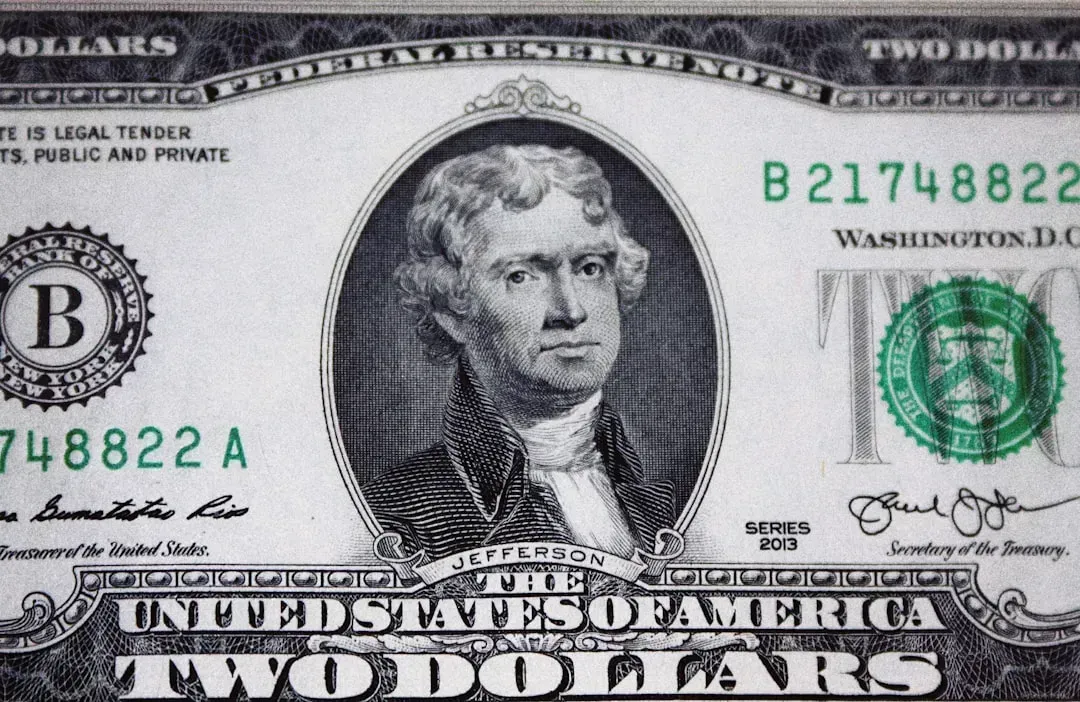
Professional grading services like PCGS or PMG can authenticate and grade your bill. This step matters enormously. A certified bill commands a consistently higher price than an ungraded one, even if the underlying note is identical. Buyers trust the grade. Professional grading services often certify these bills, which adds confidence for buyers. Certified examples consistently sell for higher prices than ungraded bills with similar serial numbers.
Online auctions like eBay or niche platforms like CoinTalk can connect you with collectors. Auction houses like Heritage Auctions and Stack’s Bowers regularly handle rare currency. Local dealers at trusted coin shops may offer appraisals or purchase offers. There are real options, whatever your comfort level with the process.
One of the most fascinating yet straightforward methods of searching for rare $2 bills is bankstrap searching. Visit your local bank and ask for as many $2 bills as they have available, then carefully sift through them to look for rare serial numbers, misprints, or any signs of rarity. It’s a low-risk treasure hunt, and honestly, it’s more fun than it sounds. You’re essentially shopping for potentially valuable bills at face value – the only kind of shopping where you literally cannot lose money.
That $2 bill sitting in the bottom of your junk drawer might be nothing more than two bucks. Or it might be a misprint, a star note, or a low serial number that a collector somewhere would pay real money for. The only way to know is to look. What would you guess is hiding in yours?