15 Things Grandparents Do That Leave a Lasting Impression on Kids
There is something quietly extraordinary about the bond between grandparents and grandchildren. It doesn’t announce itself loudly. It lives in small moments – a story told at bedtime, a recipe passed down through weathered hands, a hug that somehow feels different from all other hugs. For millions of kids around the world, grandparents are not just relatives. They are anchors.
Researchers have spent years trying to measure what most of us already feel. The more they dig, the clearer it becomes: grandparents shape children in ways that last a lifetime, often in ways neither generation fully realizes at the time. So what exactly do they do that sticks? Let’s find out.
1. They Tell Stories That Connect Kids to a Bigger World
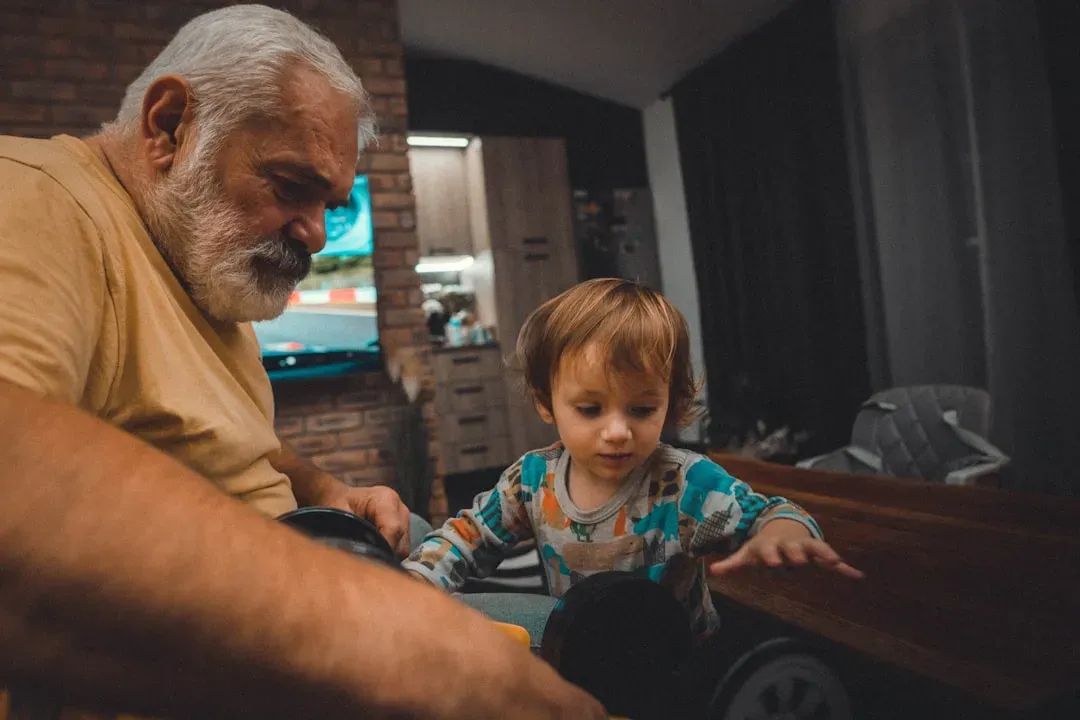
Few things fire up a child’s imagination quite like a story told by someone who actually lived through history. Grandparents are generally the main storytellers for children. As storytellers, they can fulfil one of the most important needs of children: the feeling they belong to a larger story. That is not a small thing. It is the foundation of identity itself.
Rooting is one of the most important needs of a child. Children must feel they belong to life, to a family, to a story, to a place. Grandparents carry that rootedness in every tale they share. Whether it’s a story of hardship, laughter, or survival, these narratives give children something no textbook ever could.
Grandparents are generally the main storytellers for children. It is observed that grandparents have a larger effect than parents on children’s vocabulary skills. Listening to such stories broadens children’s horizons. Honestly, that vocabulary finding alone should make parents take note.
2. They Offer Unconditional Love Without the Pressure of Daily Discipline
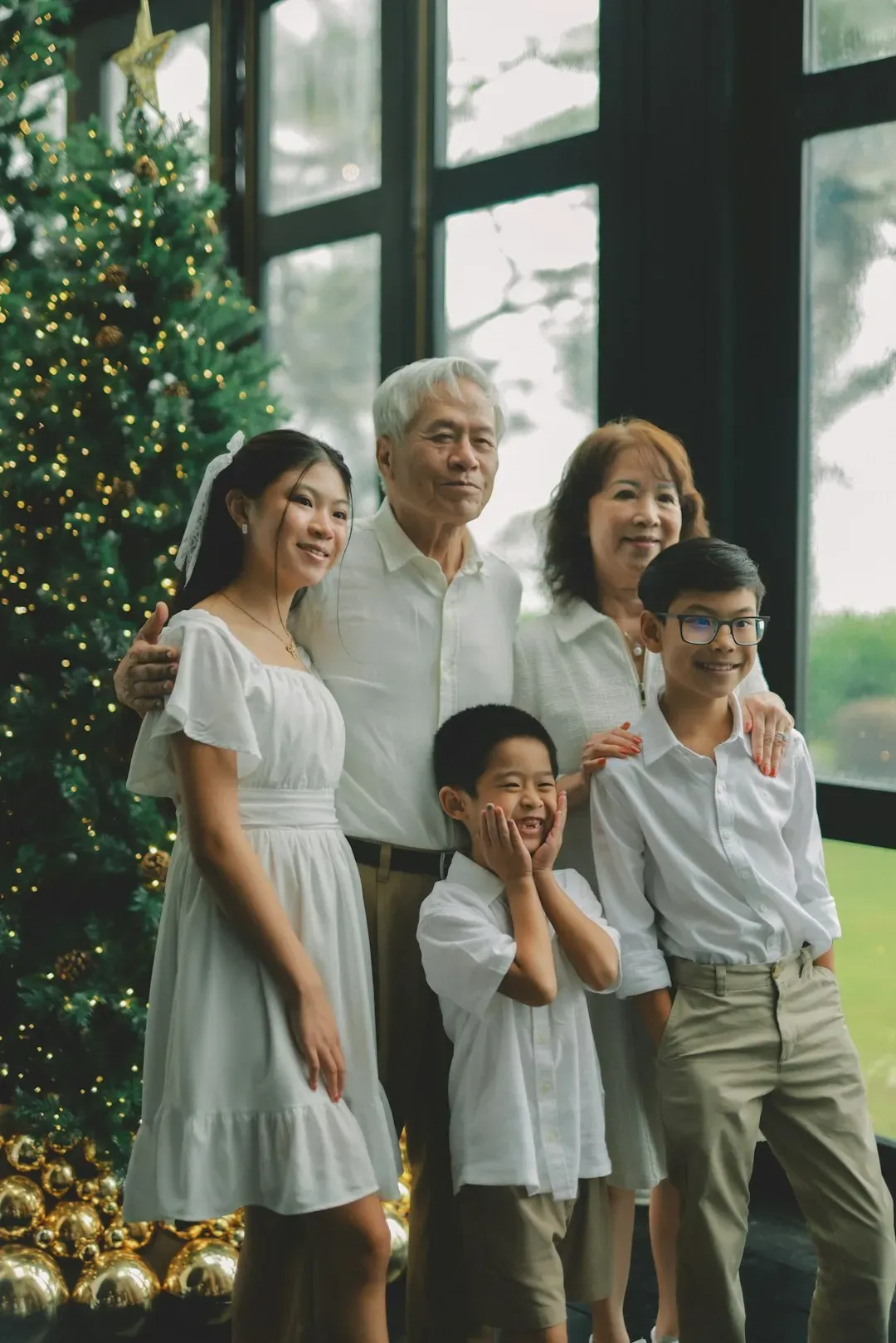
Studies show that children who are close to their grandparents exhibit fewer emotional issues and lower levels of depressive symptoms. Grandparents offer something unique: unconditional love without the burden of day-to-day discipline. That distinction matters more than most people think.
Think about it this way. Parents are the coaches. Grandparents are the fans in the stands who cheer no matter what the score is. A warm relationship with a grandparent provides emotional stability and a strong sense of identity, positively influencing a child’s socialization, emotional development and even their core values.
Grandparents have reached a point in their lives where they have the time and wisdom to give themselves over to that child without having to be perfect. They know it’s impossible. Their role is to play, to be there, to have a relationship. That relaxed presence is a gift children carry into adulthood.
3. They Build Resilience in Children During Difficult Times
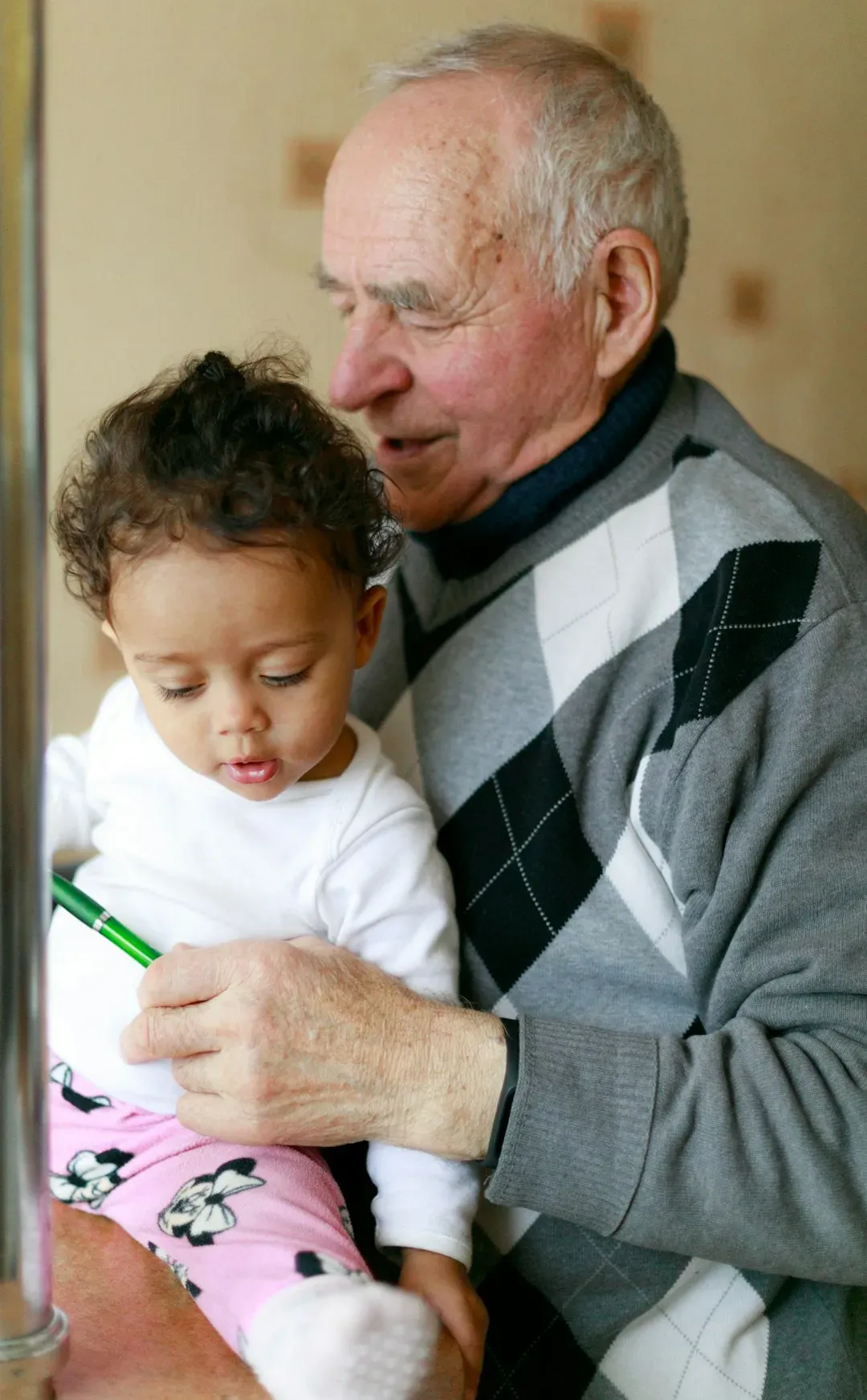
Here’s the thing about resilience – it doesn’t grow in comfort alone. It grows when children feel supported through hard times. Grandparents’ involvement not only promotes young children’s resilience and compensates for parental absence in vulnerable families but also strengthens family strength.
There is now a growing body of research that illustrates that grandparent involvement is associated with improved mental health, improved resilience and pro-social behaviour in grandchildren. That covers a lot of ground. Mental health. Resilience. The way kids treat other people. All of it.
Grandparental promotive effects on children’s mental health can be direct, resulting from interactions in which grandparents serve as positive role models and/or attachment figures who transmit values and help children regulate their emotions and behaviours, and indirect, mediated by other means such as parental behaviour and wellbeing. Two powerful pathways of impact, working simultaneously.
4. They Pass Down Cultural Identity Through Food and Tradition
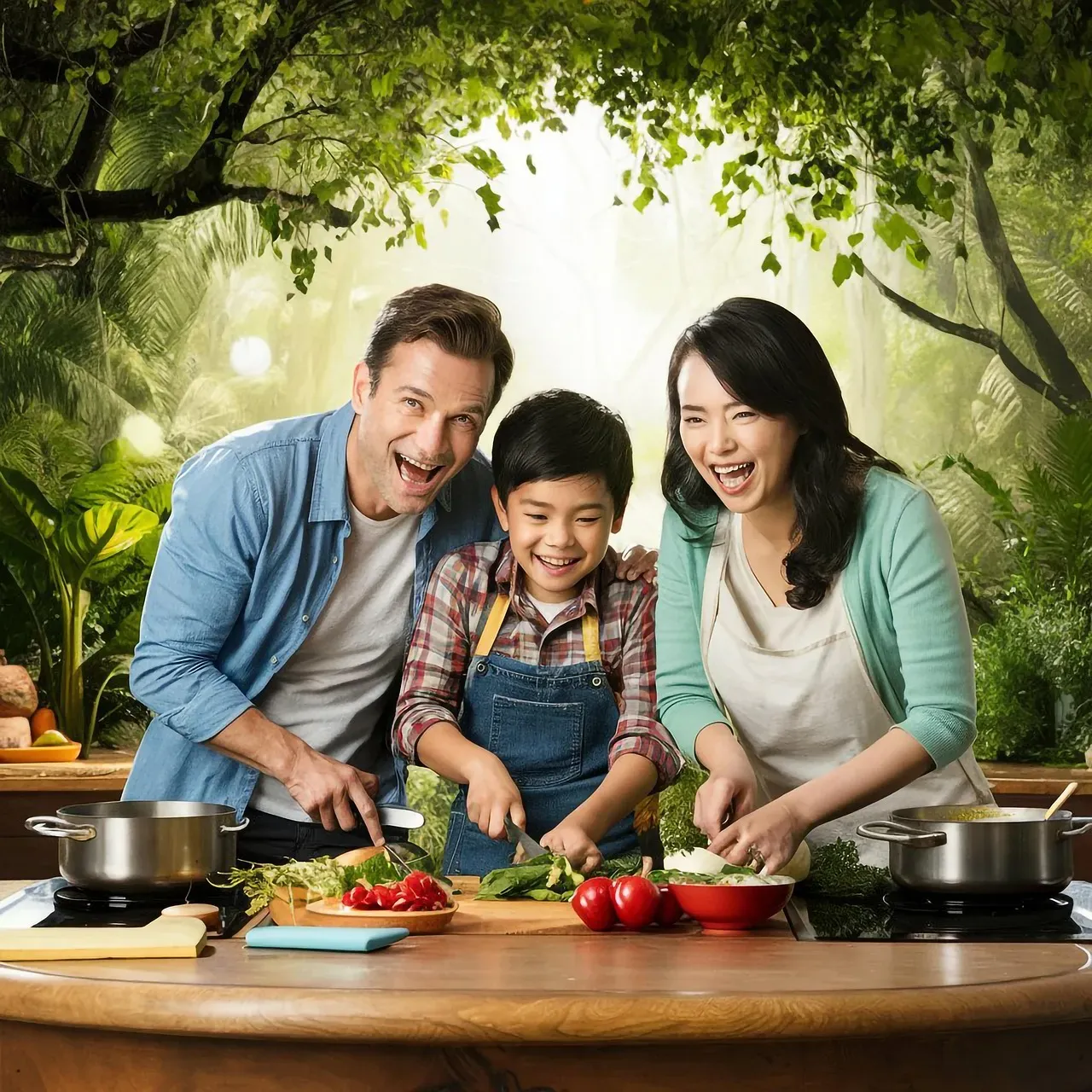
Food is often central to cultural identity, and family recipes are a way of preserving that heritage. Cooking traditional dishes together allows younger generations to stay connected to their roots, fostering a deeper understanding of where they come from. Few experiences feel as personal as standing beside a grandparent in the kitchen.
Food recipes, especially those from traditional holidays, are a time capsule for stories about generations past and creates a sense of belonging and connection to those who have created the same thing before. That is a profound concept wrapped in something as everyday as a pot of soup or a tray of cookies.
Studies have proven that adolescents and children who have knowledge of their family history experience significantly better self-control, higher self-esteem, better family functioning, and have lower incidences of behavior problems. The kitchen, it turns out, is also a classroom.
5. They Transmit Values and Moral Lessons Through Everyday Interaction
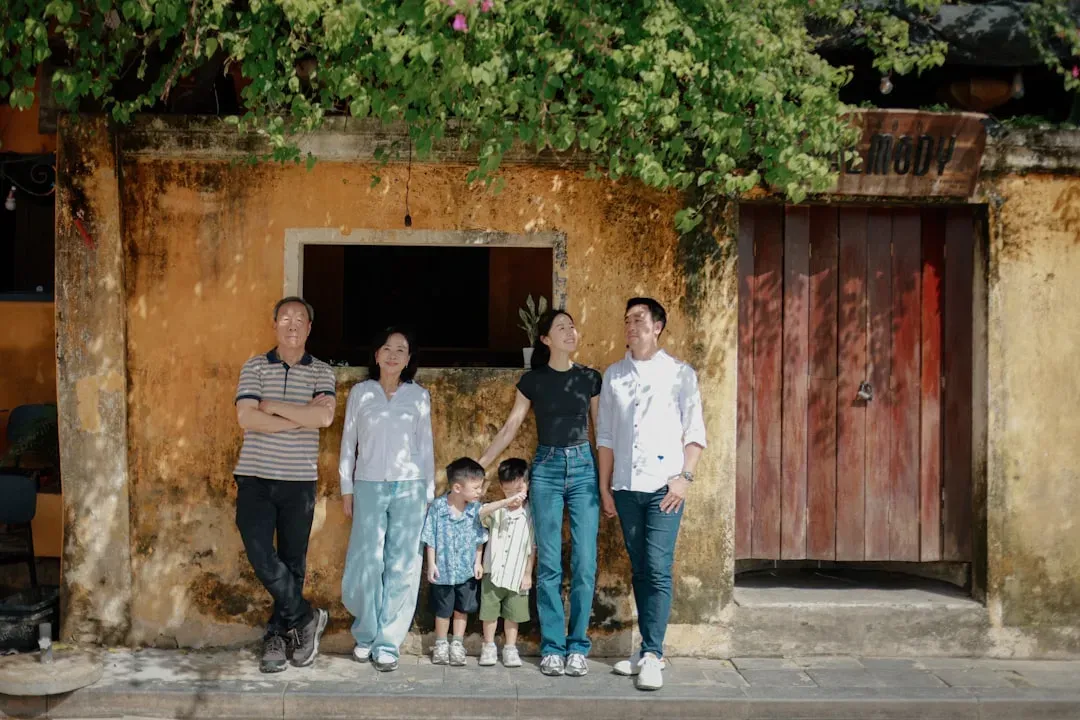
Grandparents play a vital role in the social, emotional, and moral development of children. They contribute to value-based learning by imparting life lessons, cultural traditions, ethical principles, and emotional support. These aren’t formal lessons with textbooks. They’re woven into ordinary moments.
Through storytelling and shared experiences, grandparents reinforce social values such as respect for elders, community engagement, and personal responsibility. Values absorbed this way tend to stick, because they aren’t lectured – they’re lived out in front of the child.
Children who engage in shared activities such as storytelling, cooking, or games with grandparents show stronger value acquisition. Something as simple as playing a board game together is quietly shaping a child’s character. Who knew, right?
6. They Strengthen a Child’s Emotional Wellbeing Well Into Adulthood
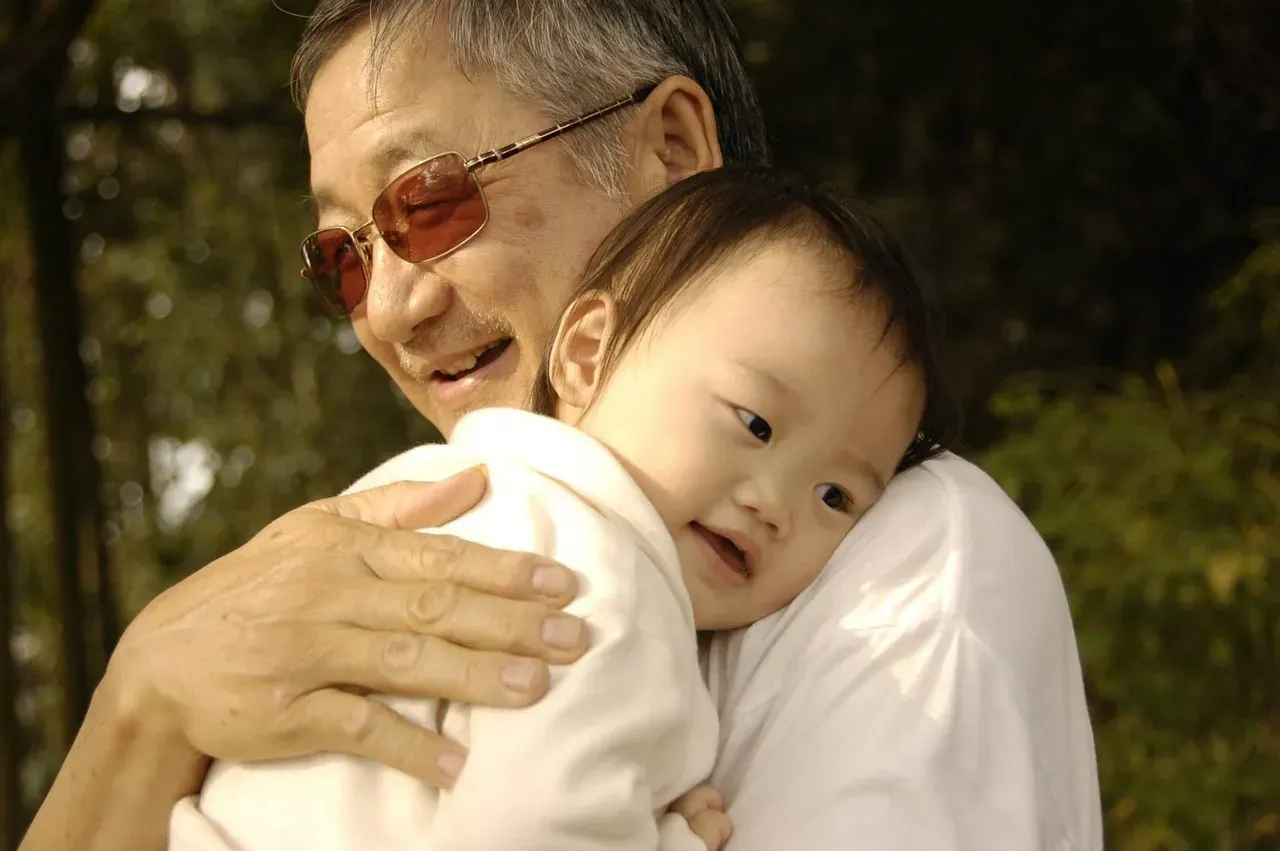
This one surprised me when I first came across the research. The influence grandparents have on emotional wellbeing doesn’t fade with childhood. It follows people into their adult years. Developmental research links grandparent involvement to better wellbeing outcomes for grandchildren.
Grandparents now have the opportunity to be active and healthy members of their grandchildren’s lives throughout childhood and into adulthood. The social and emotional strengths of older adulthood position grandparents to complement parents in ways that benefit the emotional wellbeing of their grandchildren.
Prior research shows that strong emotion regulation and social skills, as well as familial social support, serves individuals well during emerging adulthood, a time when emotional wellbeing is challenged. Given this, grandparental relationships in both early childhood and emerging adulthood may play an important role in the emotional wellbeing of their grandchildren. That’s a multigenerational ripple effect that researchers are only beginning to fully appreciate.
7. They Teach Children Who They Are and Where They Come From
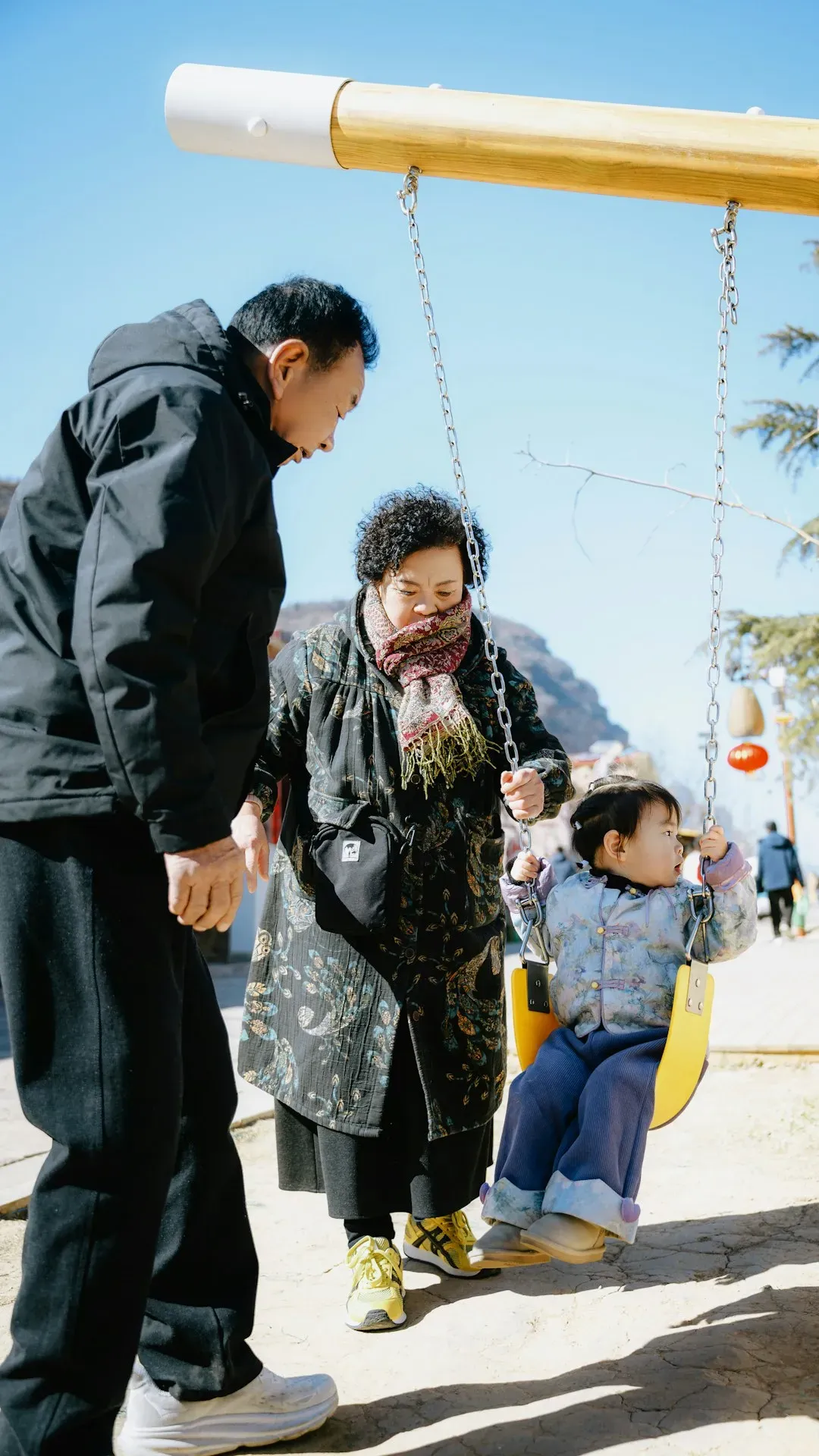
Grandparents transmit familial cultural values, fostering grandchildren’s cultural identity and family unity. This is something parents often want to do but rarely have the time for in the rush of daily life. Grandparents move at a different pace. And that slower pace creates space for identity to form.
Strong intergenerational connections can result, giving grandchildren a sense of security of belonging to the extended family. Grandparents help teach family culture, tradition and history. They play a pivotal role in passing down cultural values, rituals, and customs, enriching their grandchildren’s sense of identity and belonging.
Grandparents provide grandchildren a conduit to a family’s past, accomplishments, trials, and tribulations. It is important for children to know their roots and their cultural heritage. In a world that changes faster every year, that kind of rootedness is increasingly rare and valuable.
8. They Provide a Safe Haven During Family Crises
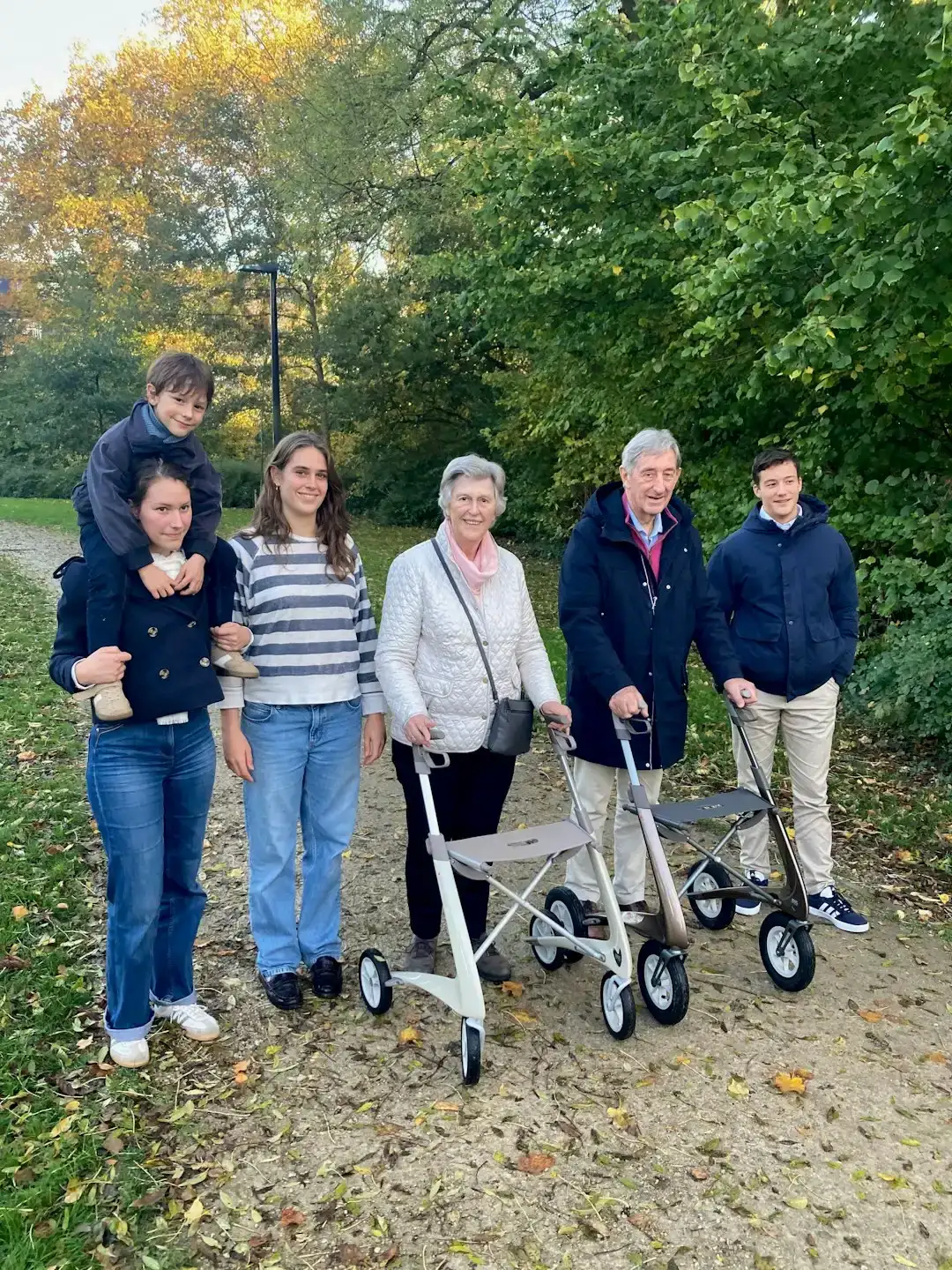
Life is not always smooth. Parents separate. Jobs are lost. Illness strikes. During these moments, grandparents often step in as the steady ground beneath a child’s feet. Importantly, grandparents are often the first to take on child caregiving responsibilities in response to family problems. For example, grandparents offer help to single mothers, or assistance in adverse conditions such as parental incarceration, substance abuse, divorce and unemployment.
An earlier study found that adolescents whose closest grandparent was involved in their lives following their parents’ separation or divorce, reported fewer emotional symptoms and more pro-social behaviours than those with less grandparent involvement. That is a remarkable finding. A grandparent’s presence can visibly reduce the emotional fallout of divorce for a child.
Children with relatively higher levels of adverse childhood experiences showed more prosocial behaviour and less externalizing problems when they received grandparental care compared to non-grandparental care. The buffering role grandparents play during hard times is one of the most underappreciated forces in child development.
9. They Model Ethical Behavior Through Who They Are, Not Just What They Say
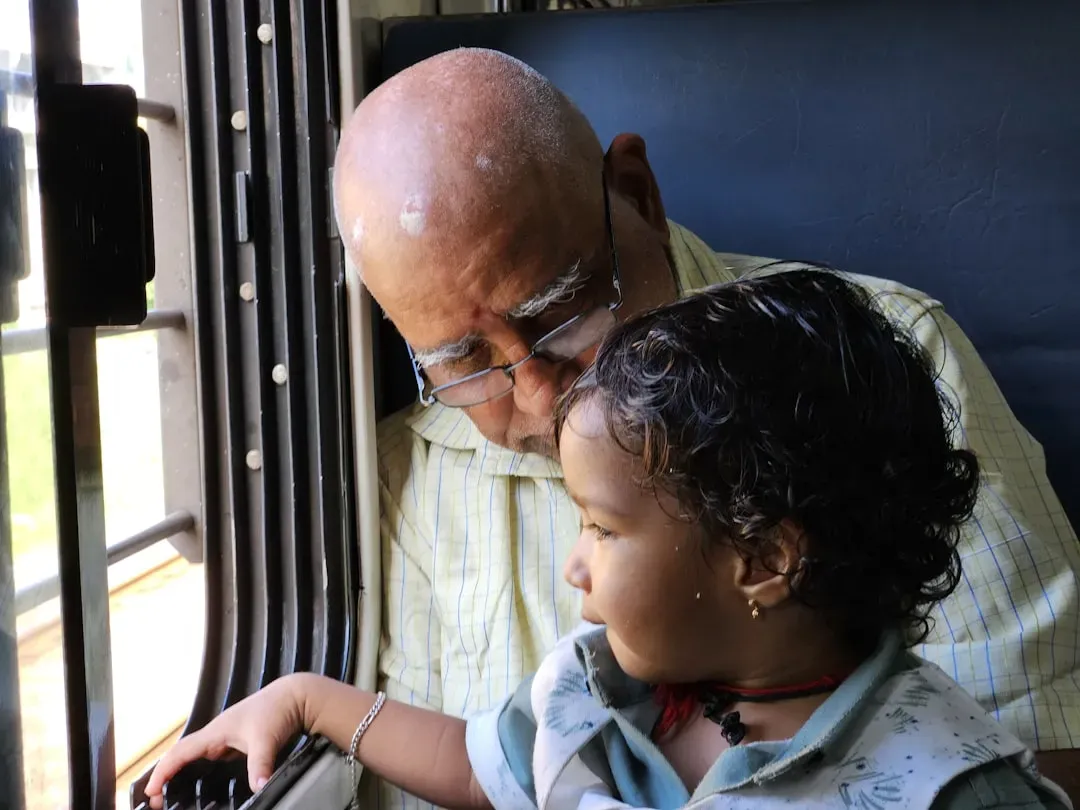
Let’s be real – children learn far more from watching adults than from listening to them. Grandparents, who have lived longer and often grown past the need to impress anyone, tend to model patience, integrity, and grace in a way that feels authentic. Grandparents serve as living examples of patience, respect, and empathy.
Grandparents are the roots of the family. They are experienced, knowledgeable, and well informed. They are aware of the dynamics of life and share their valuable life lessons to help the newer generation learn and grow. That lived wisdom is something no school curriculum can replicate.
Through storytelling, modeling ethical behavior, providing emotional support, and guiding social interactions, they foster value-based learning that complements parental and school influences. It’s a complete ecosystem of moral education, working quietly alongside everything else in a child’s life.
10. They Support Social and Emotional Skill Development

Supportive and nurturing grandparental caregiving styles further facilitate the development of young children’s peer interaction skills. Put more simply: kids who spend good time with grandparents tend to be better at getting along with other people. That’s a life skill worth more than almost anything else.
Grandparents’ involvement fosters essential facets of young children’s resilience, including their cognitive skills, positive self-worth, and family cohesion. These aren’t abstract outcomes. They’re the building blocks of a functional, fulfilled human being.
One review found that self-perception, self-control, social skills, resilience, and coping in childhood were predictive of fewer symptoms of mental distress and greater life satisfaction in adulthood. Likewise, cooperation, confidence, and sharing in childhood have also been linked to more effective coping behaviors in adulthood. Grandparents, often without knowing it, are investing in a child’s entire future.
11. They Actively Contribute to Children’s Physical Health and Longevity

This one sounds almost too good to be true. Research into the grandmother effect, a theory that has been studied since the 1960s, has shown that children who live with or have frequent contact with one or more of their grandparents have lower rates of mortality and disease. Lower rates of mortality. That’s not a small claim.
In the world’s blue zones regions, places renowned for residents who not only live longer but experience a high quality of life right up to the end, grandparents play an important role in family life. In places like Sardinia, Italy, multigenerational living is practically a health strategy.
Sardinia has ten times more centenarians per capita than the U.S. It’s quite common there to see multiple generations living in harmony within a single home. When there are younger children in the home, grandparents help take care of them. There is something to learn from these communities that modern nuclear-family culture has quietly forgotten.
12. They Help Reduce Stress for Entire Families

Grandparents don’t just affect their grandchildren directly. They affect the whole family system, which then circles back to the children. In families with robust co-parenting dynamics, grandparents’ involvement mitigates mother’s parenting stress and enhances family cohesion, thereby promoting child development. That’s a chain reaction worth understanding.
Grandparenting also provides children with additional emotional support and can be especially beneficial in contexts where parents face work-related constraints. For working families, grandparents are often the invisible infrastructure holding everything together.
Grandparents spend an average of over eight hours a week looking after their grandchildren. This time commitment rises to over eleven hours weekly for those grandparents who are most heavily relied upon. That’s an enormous contribution that rarely makes headlines but shapes countless childhoods every single week.
13. They Deepen a Child’s Sense of Belonging Through Shared Activities
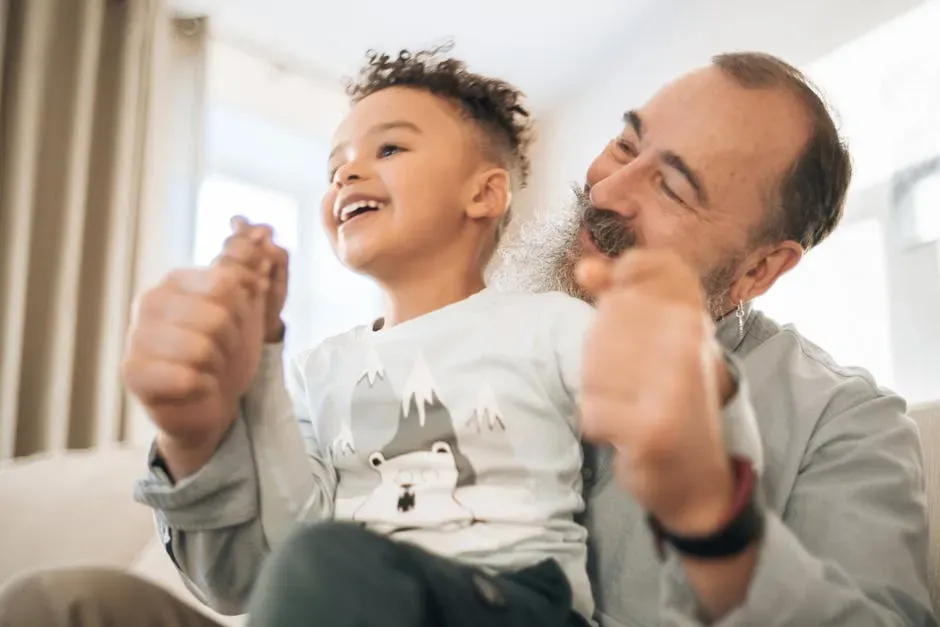
It doesn’t have to be a grand gesture. Sometimes belonging is built over a jigsaw puzzle, a garden bed, or a slow afternoon walk. Regular, meaningful interactions are critical. Children who engage in shared activities such as storytelling, cooking, or games with grandparents show stronger value acquisition.
Strong intergenerational connections can result, giving grandchildren a sense of security of belonging to the extended family. That sense of security becomes an internal compass. Children who feel they belong somewhere tend to navigate the world with more confidence.
Grandparents are another trusted adult, often sharing family traditions, stories and wisdom that deepen a child’s connection to their heritage. In many families, grandparents reinforce the culture and values the parents are trying to instill – sometimes even more effectively because their influence feels less authoritative and more enduring. Less authoritative, more enduring. That’s a striking way to put it.
14. They Improve Long-Term Educational Outcomes
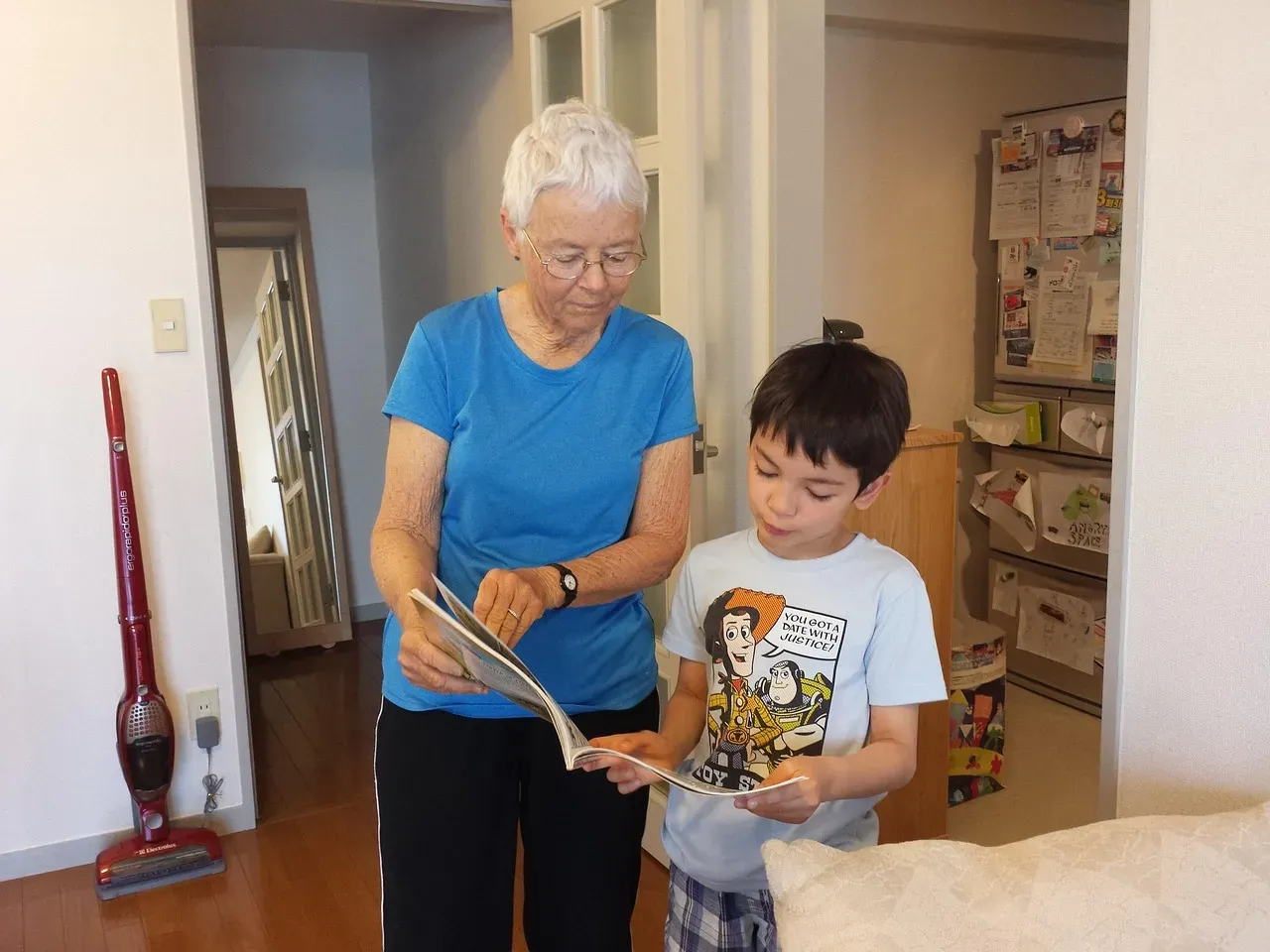
It’s hard to say for sure whether grandparents directly drive academic success, but the evidence that they support the conditions for it is strong. Grandparents can make up for the lack of educational support caused by the absence of parents by means such as supervising homework and helping solve learning difficulties, thus enabling children to devote themselves to learning.
These bonds also correlate with improved outcomes in school, stronger problem-solving skills and better long-term emotional resilience, particularly when the grandparent is not the primary caregiver. The sweet spot, research suggests, is involvement without fully taking over parenting duties.
Grandparental educational involvement plays a crucial role in shaping children’s future development, fostering autonomy, and motivating active participation in self-regulated learning. Self-regulated learning – the ability to take charge of one’s own education – is one of the most valuable skills a child can develop, and grandparents help build it.
15. They Leave an Emotional Impression That Outlasts Their Lifetime
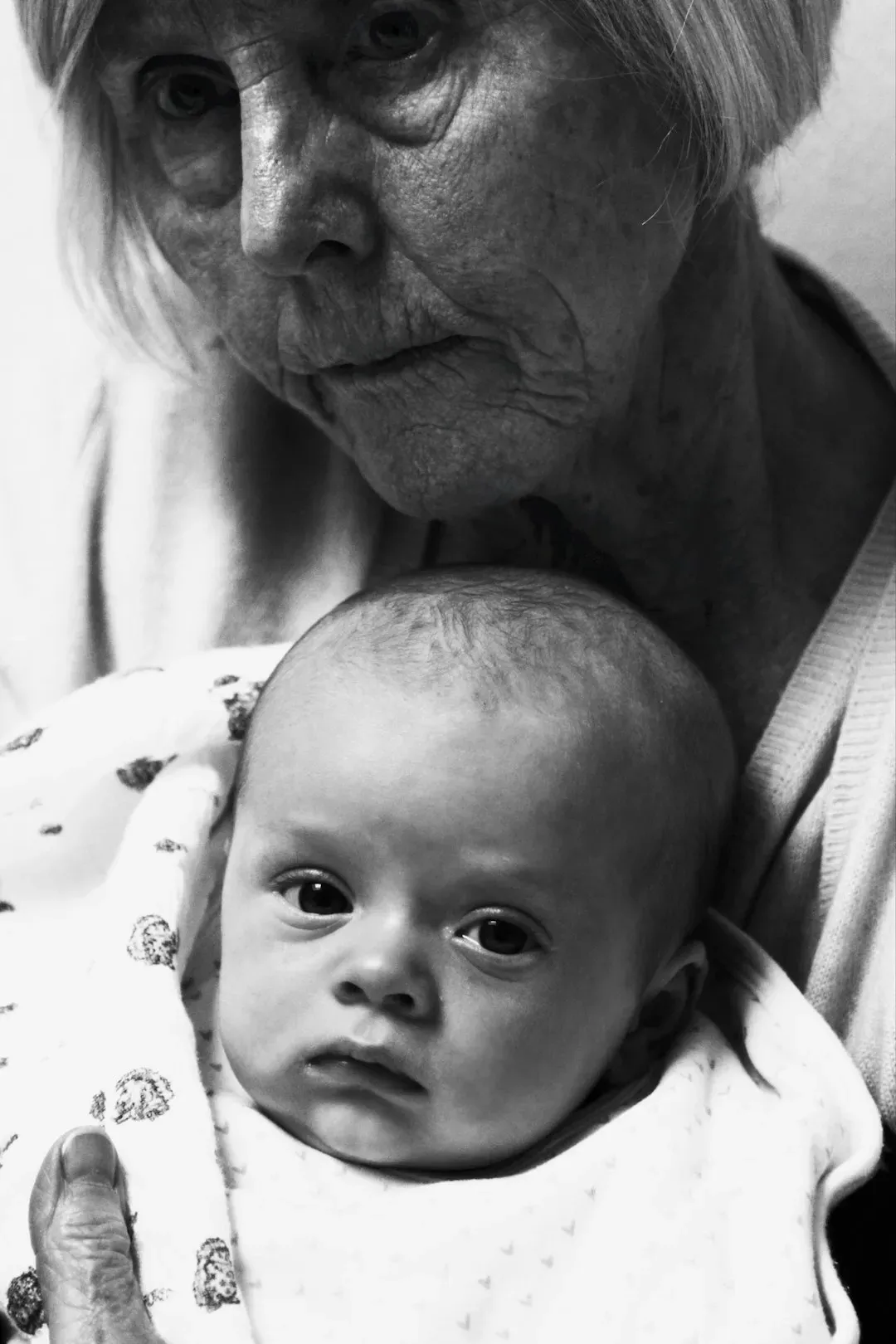
Perhaps the most moving truth of all: the impact grandparents have on children does not end when the grandparent is gone. Grandparenting has been consistently linked to improved well-being for both children and grandparents. A warm relationship with a grandparent provides emotional stability and a strong sense of identity, positively influencing a child’s socialization, emotional development and even their core values.
Life expectancy has increased to almost 80 years now, meaning that more grandparents are able to enjoy sustained relationships with their grandchildren as they move from childhood to adolescence and adulthood. While increased migration means that fewer children than before live close to their grandparents, newer avenues for communication such as video calls may facilitate contact between grandparents and grandchildren independent of the distance.
The memories forged in those moments – the recipes, the stories, the laughter, the presence – become a part of who the child is. Exploring cultural heritage together allows grandparents to pass on not just recipes and rituals, but the values and sense of belonging that define the family. Each tradition, from a special holiday meal to a bedtime story told in the old way, becomes a thread in the fabric of a family’s identity. By sharing these experiences, grandparents give their grandchildren the gift of knowing where they come from, and the confidence to carry these traditions forward.