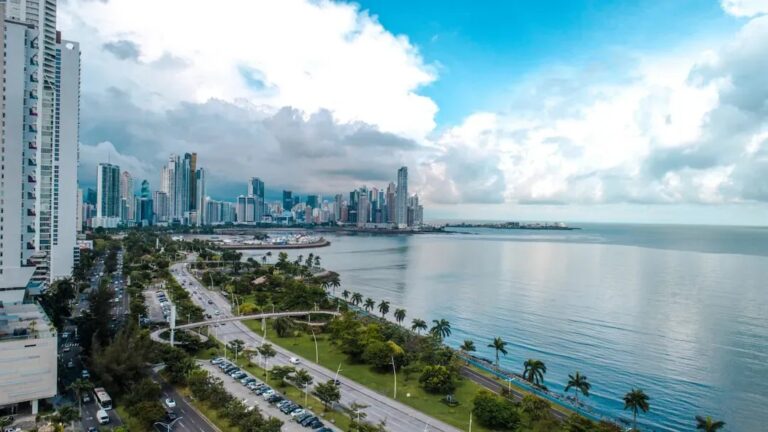
7 Destinations Americans Are Leaving Off Their Bucket Lists in 2025
Europe’s Major Cities Are Losing Their Appeal
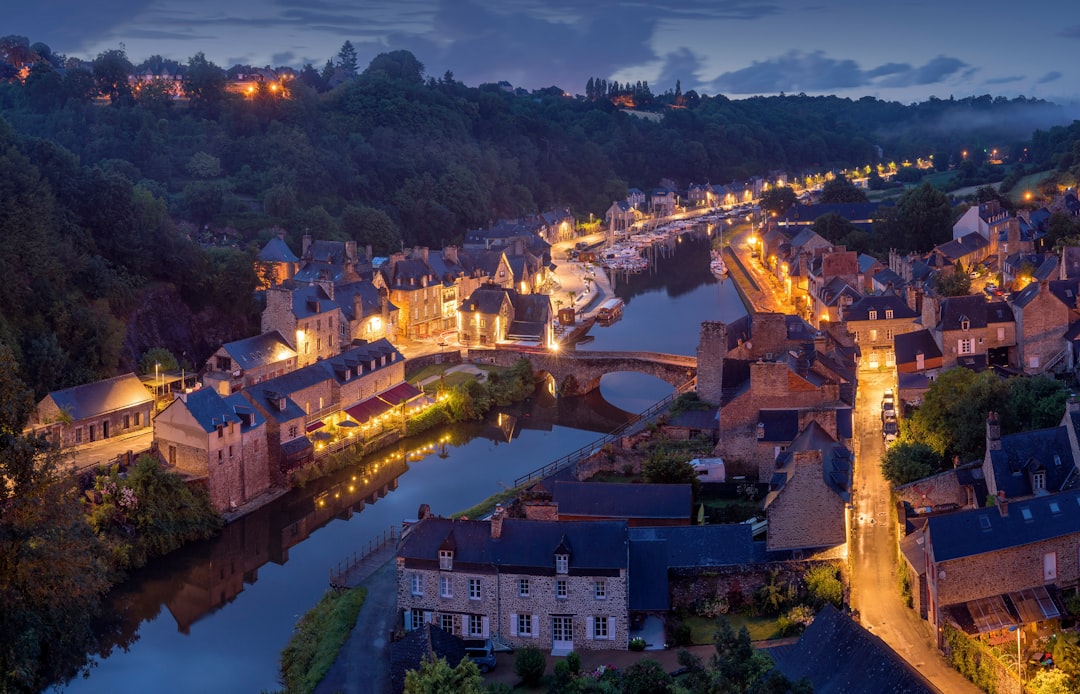
American tourists are noticeably pulling back from trips to Europe, with countries like France, Germany, Spain, and Italy seeing fewer bookings from U.S. travelers. The romance of strolling through Paris or exploring Rome’s ancient streets is being overshadowed by harsh financial realities.
A mix of rising travel costs, a weakening dollar, and growing geopolitical unease has made European cities more expensive than ever, with airfare, hotels, and everyday expenses at record highs. Many Americans are discovering that their vacation dollars simply don’t stretch as far in traditional European hotspots.
Lesser-known destinations in Latin America and Southeast Asia are becoming more attractive alternatives, thanks to lower prices and growing digital nomad communities. Why pay premium prices for crowded tourist traps when you can discover authentic culture and stunning scenery elsewhere for half the cost?
Barcelona and Other Overtourism Hotspots
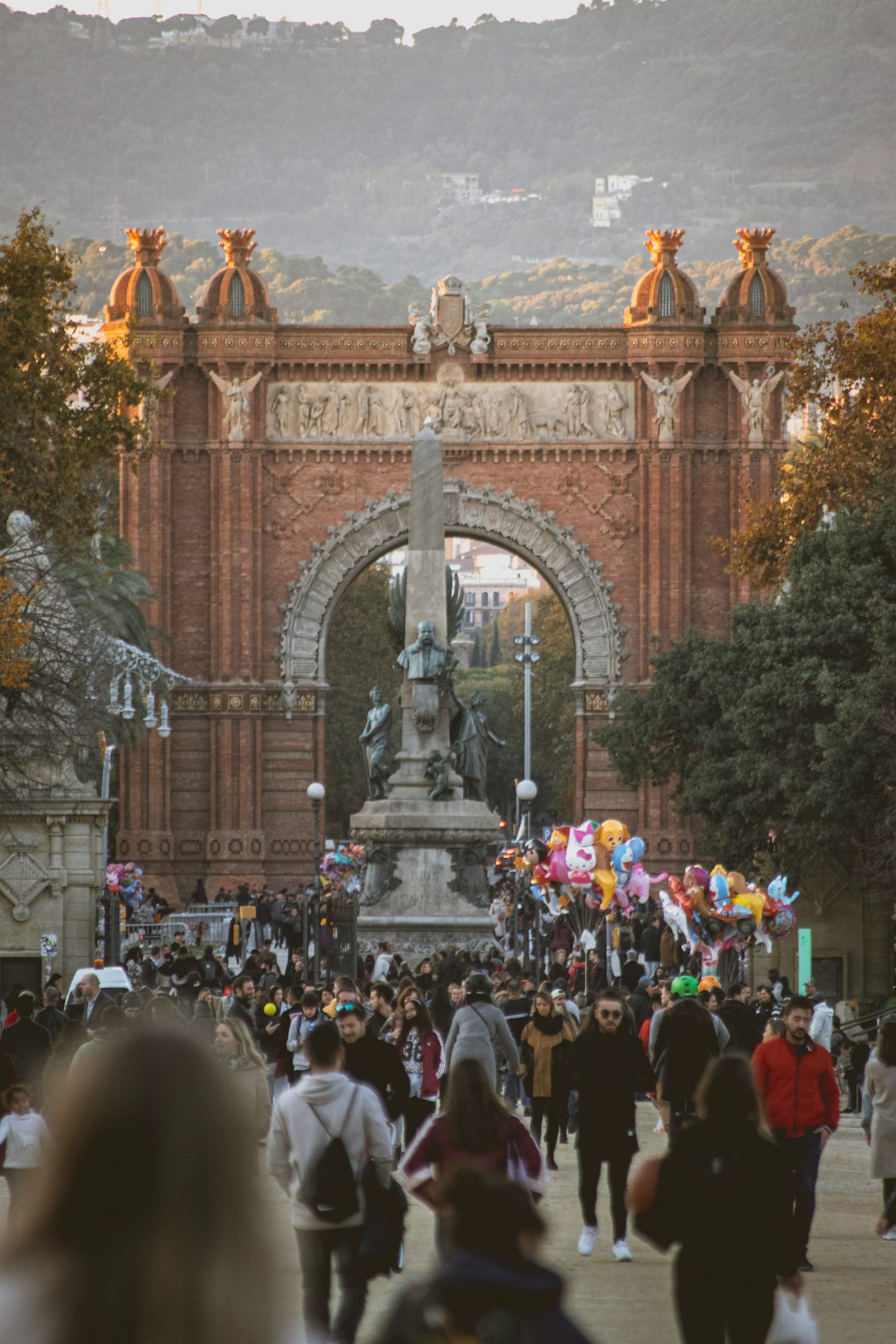
Barcelona, along with Venice, Bali, and several other popular destinations, is facing massive issues with overtourism, overcrowding, and upset locals. The very popularity that once made these places desirable has become their downfall.
Tensions have boiled over with protests erupting across Europe, with Barcelona locals spraying unsuspecting visitors with water pistols while tens of thousands gathered on beaches in Mallorca and the Canary Islands. Nothing ruins a vacation quite like knowing you’re genuinely unwelcome.
The tourist influx isn’t just clogging neighborhoods with excessive foot traffic – it’s raising the cost of living, straining infrastructure and natural resources, and homogenizing the culture of Europe’s most popular places. Smart travelers are recognizing that these destinations have lost much of what made them special in the first place.
Tokyo and Kyoto Are Overwhelmed
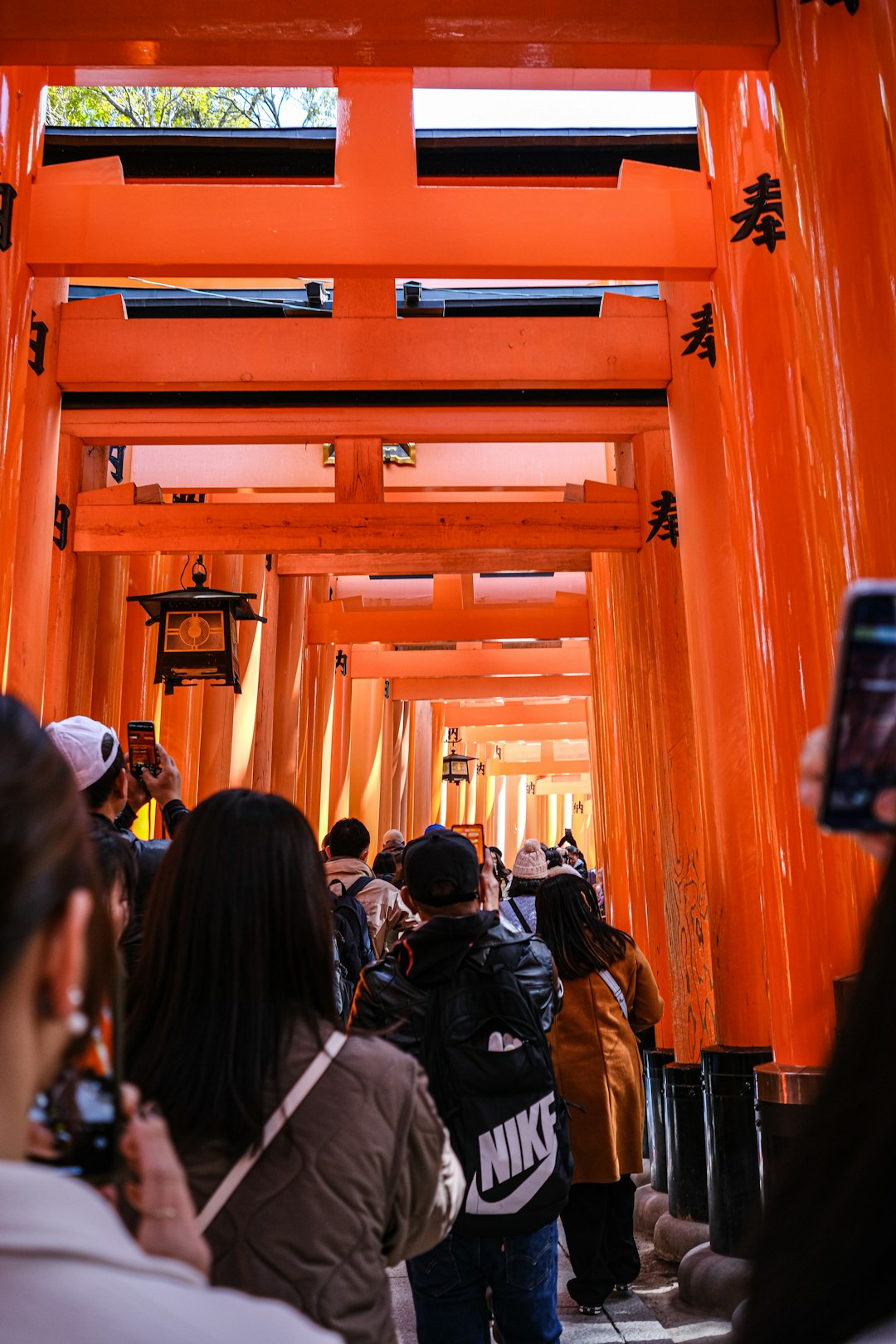
Japan’s most famous cities are struggling under the weight of their own popularity. Tokyo and Kyoto appear on Fodor’s No List for 2025, highlighting massive issues with overcrowding and upset locals. The serene temples and traditional neighborhoods that once defined these cities are now overwhelmed by tourist crowds.
The real problem is mostly about Asian tourists, not Westerners, with tourists from China, Taiwan, Hong Kong, and Korea arriving in much larger numbers than before. The sheer volume of visitors has created a situation where authentic cultural experiences are increasingly difficult to find.
Foreign tourist visits to Japan doubled from 2003 to 2013, then almost doubled again by 2015 and grew another 50% by 2018, with over 60% of visitors coming from just three countries. These numbers tell the story of a destination that has simply reached its breaking point.
Oaxaca, Mexico Is Being Gentrified
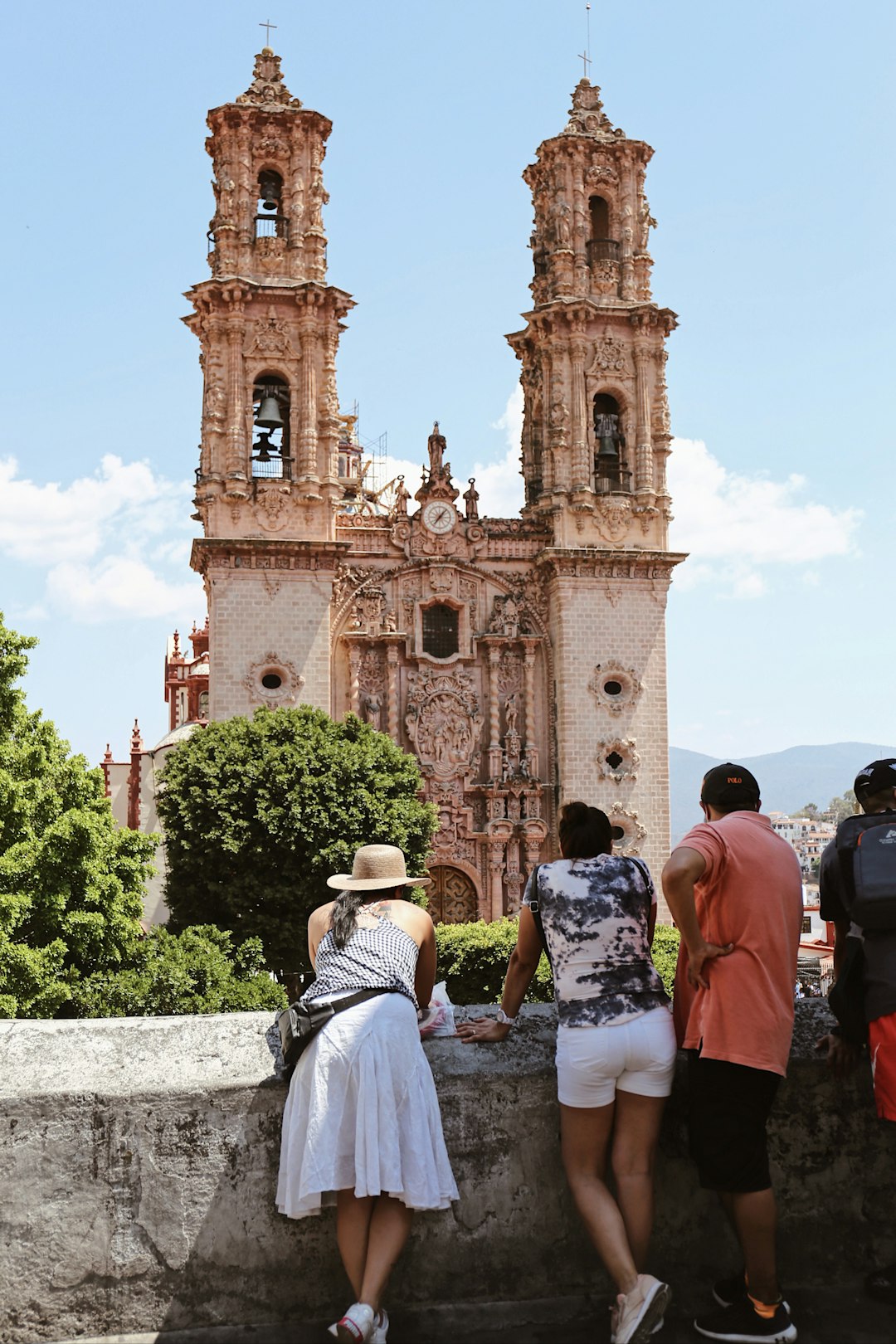
Overtourism in Oaxaca is revealing itself through growing resentment from residents toward tourists, with Oaxacans complaining that their culture and customs are being commercialized, leading to large wealth gaps and environmental degradation. The authentic Mexican experience that drew visitors here is disappearing before their eyes.
Mexico’s open-border policies in recent years attracted a significant wave of North Americans seeking a fresh start abroad. This influx has permanently transformed the character of places like Oaxaca, blending local traditions with new international influences.
Many Oaxacans feel that their cultural emblems like mezcal consumption and the Guelaguetza festival are facing Disneyland-style commercialization, with the celebration being a major draw for many travelers visiting the city. When local traditions become tourist performances, something essential is lost.
Venice Is Sinking Under Tourist Pressure
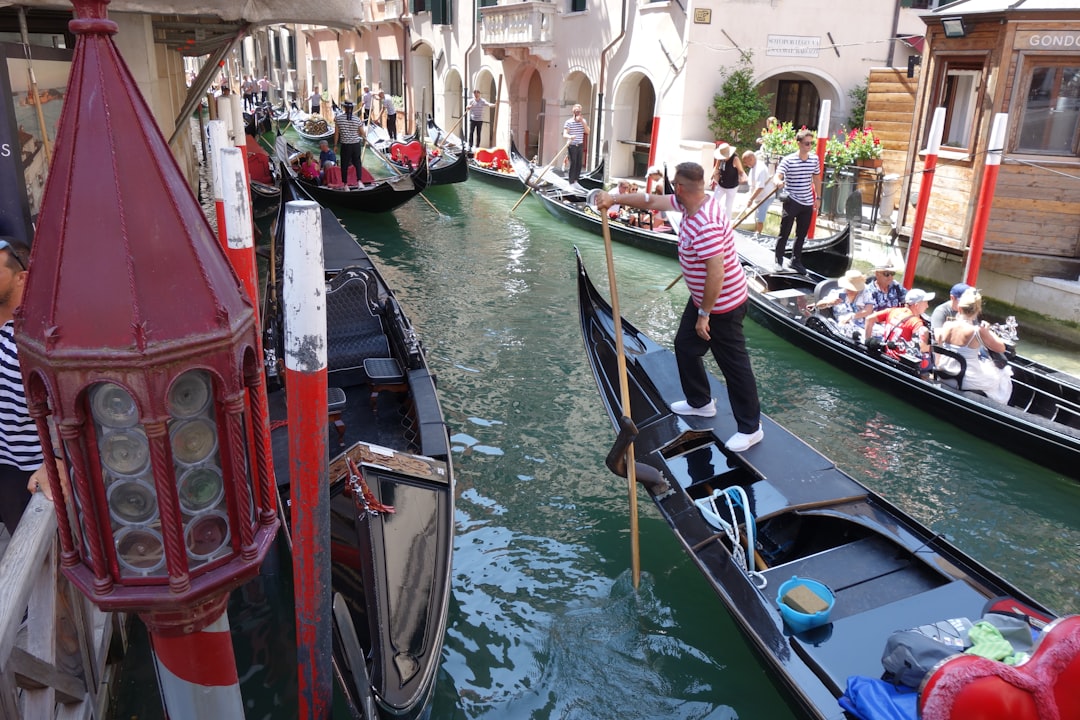
Venice represents perhaps the most extreme case of overtourism destroying the very thing people come to see. Venice appears prominently on Fodor’s No List 2025, highlighting massive issues with waste management, trash, and upset locals. The city has become a cautionary tale about what happens when tourism completely overwhelms local life.
The famous canals are increasingly clogged with cruise ships and water taxis, while the narrow streets have become nearly impassable during peak tourist seasons. Locals are moving away in droves, leaving behind a hollow shell that functions more like a theme park than a living city.
The irony is palpable: people flock to Venice to experience its unique character, but their very presence is erasing what made it special. Americans are starting to recognize that visiting Venice now means contributing to its destruction rather than experiencing its beauty.
Bali Has Lost Its Paradise Status
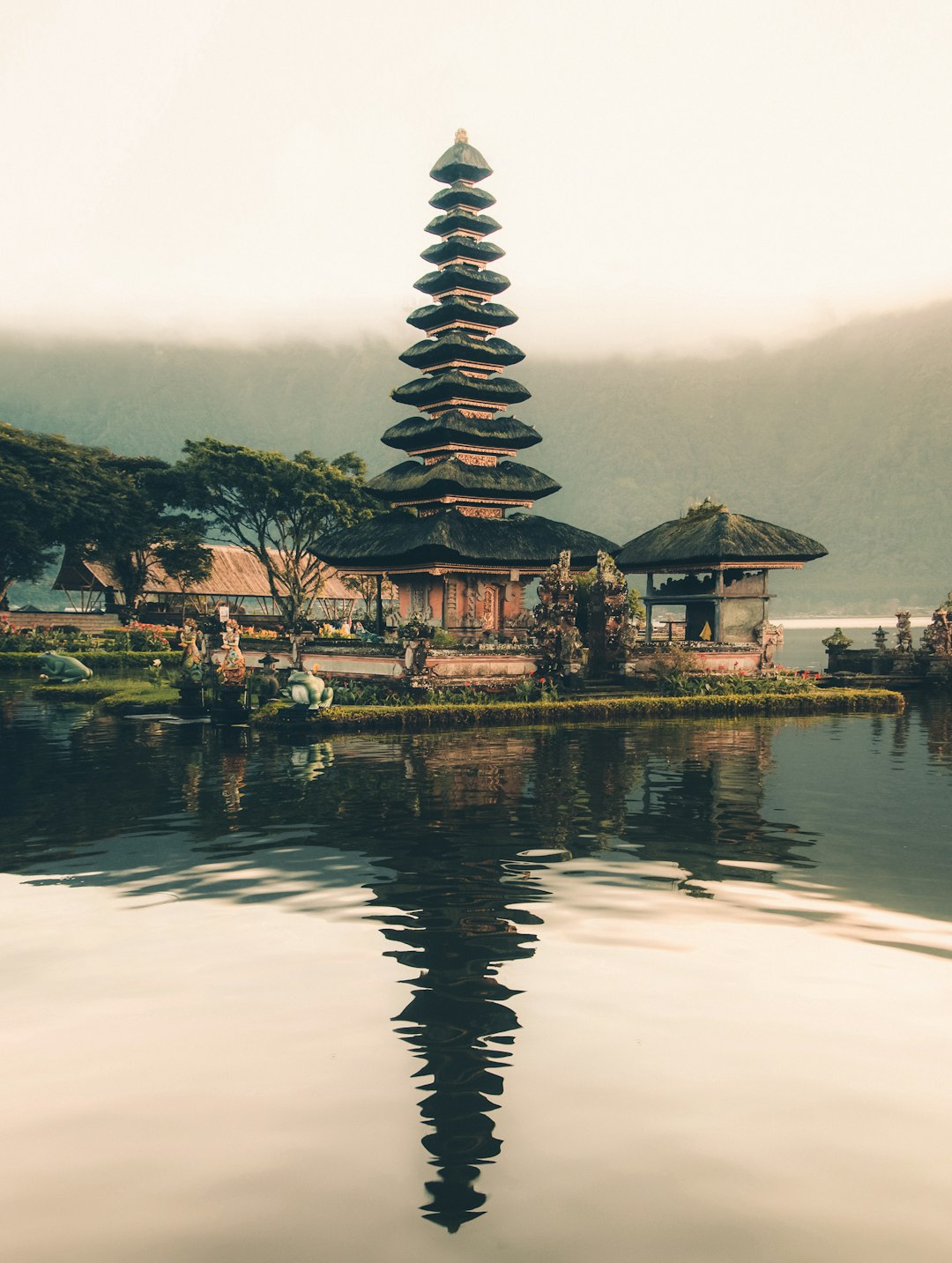
Bali joins the list of destinations to reconsider in 2025, with massive issues of overcrowding and environmental problems. The Indonesian island that once symbolized tropical paradise has become a victim of its own Instagram fame.
Traffic jams now plague areas that were once peaceful rice terraces and quiet beaches. The infrastructure simply wasn’t built to handle the massive influx of tourists, leading to water shortages, waste management problems, and environmental degradation that mars the natural beauty people come to see.
Digital nomads and influencers have also changed the local culture, driving up prices and creating inequality between tourists with foreign currency and locals struggling to afford their own homeland. The spiritual retreats and authentic cultural experiences that once defined Bali are increasingly difficult to find among the crowded beach clubs and tourist traps.
Las Vegas Is Struggling with Multiple Challenges
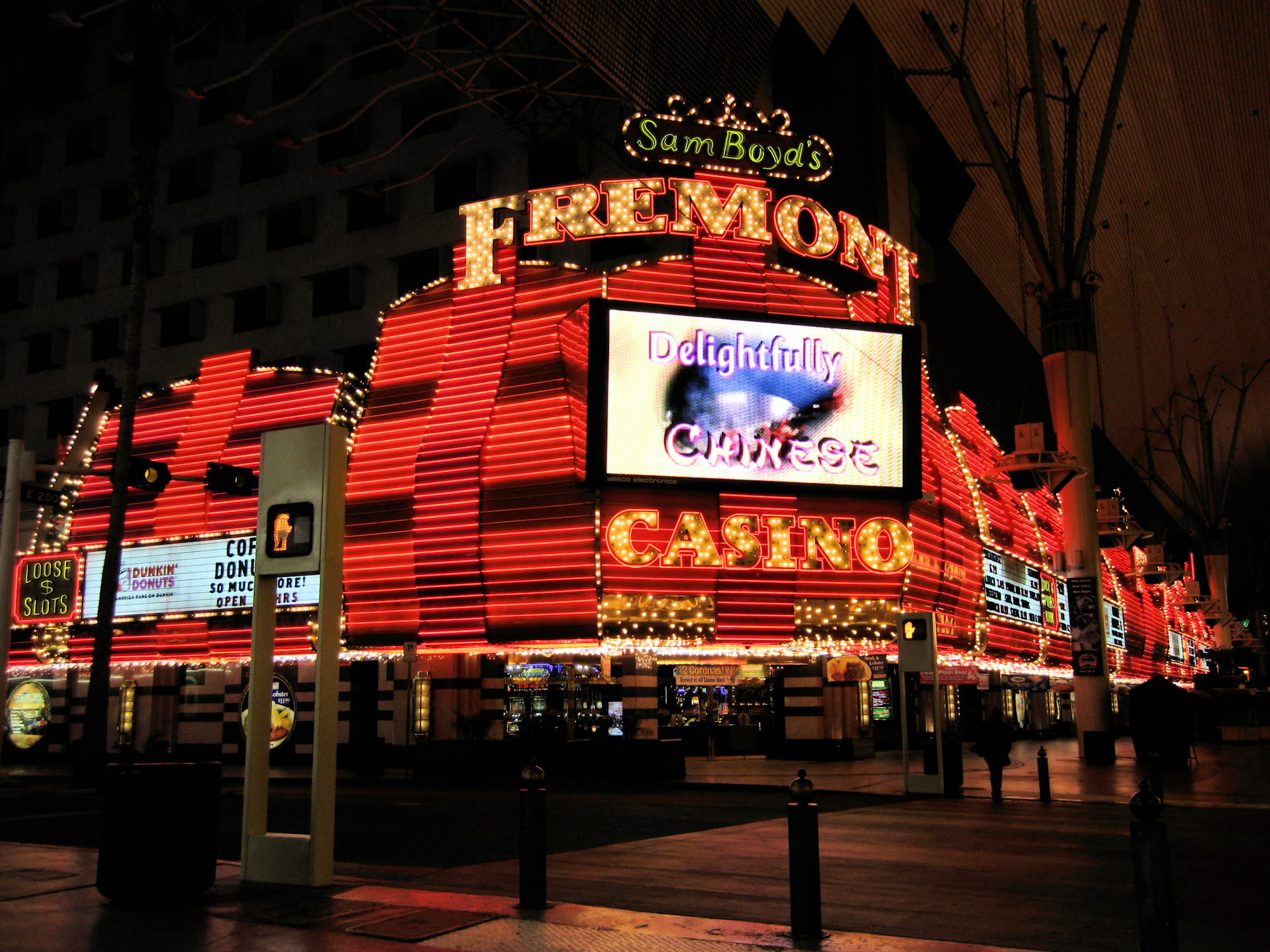
Las Vegas has seen a drop in both domestic and international tourists, with recent reports indicating declining visitor volume compared to previous periods. The city that never sleeps is experiencing a wake-up call about changing travel preferences.
The absence of Canadians has been felt acutely, and other international travelers have named recent policies around tariffs and immigration as reasons they’re staying away. Political tensions are making America feel less welcoming to international visitors.
Beyond political issues, Las Vegas faces the challenge of changing consumer preferences. Younger travelers are more interested in authentic experiences and sustainable travel, while Vegas represents everything artificial and excessive. The city’s gambling-focused entertainment model feels increasingly outdated to a generation that values experiences over material excess.
Key Takeaway

A new travel report highlights seven surprising destinations that Americans are skipping in 2025, despite their cultural richness and affordability. The findings suggest travelers are prioritizing trendier, social-media-driven spots over hidden gems – revealing how perception and popularity are reshaping global bucket lists.
Why Americans Are Skipping These Once-Popular Spots

So what’s really driving Americans away from these iconic destinations? It’s not just about crowds or prices – though those definitely play a role. Travel experts point to a massive shift in how people discover and choose their vacation spots, with Instagram and TikTok now calling the shots more than traditional guidebooks ever did. When a destination starts trending for the wrong reasons – think viral videos of tourist traps or locals protesting overtourism – it creates a ripple effect that scares off potential visitors. Plus, there’s this growing awareness among travelers that their presence might actually be harming the places they love, which creates genuine guilt and pushes them toward less-traveled alternatives. The pandemic also changed everything, making people crave authentic experiences over checking off famous landmarks just to say they’ve been there. Add in the fact that remote work has given Americans more flexibility to explore off-the-beaten-path locations for longer periods, and suddenly those bucket list staples don’t seem as essential anymore.
The Rise of ‘Anti-Bucket List’ Travel Philosophy
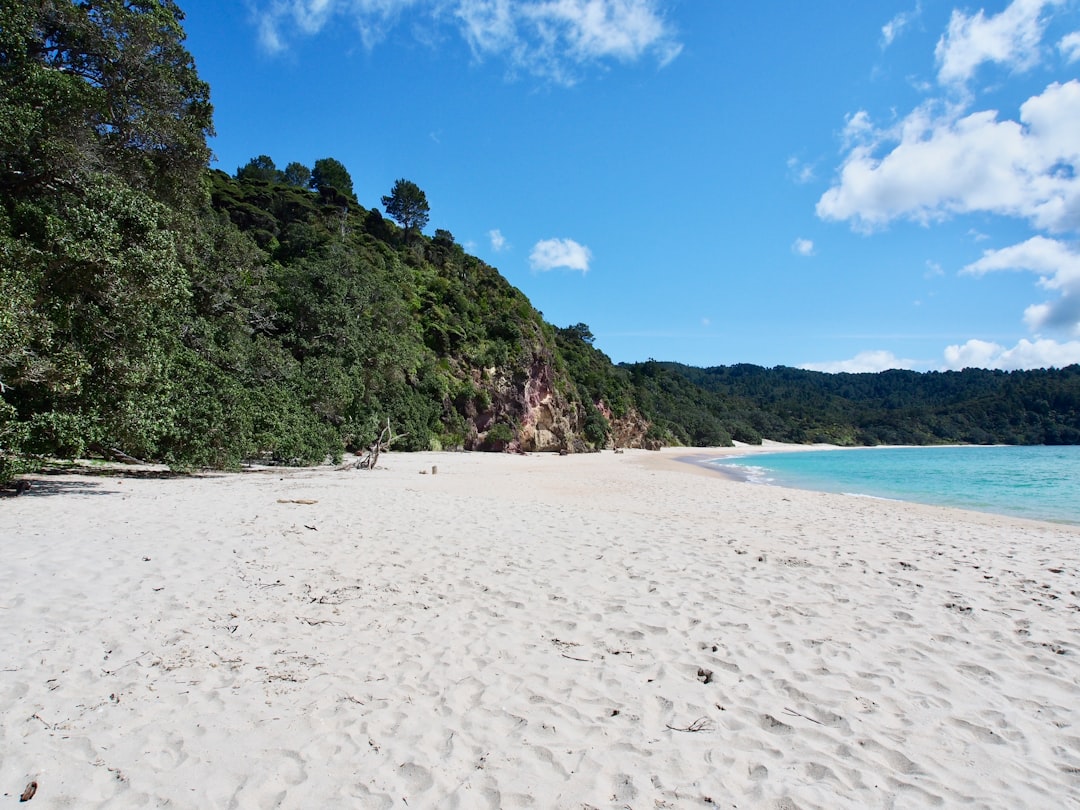
There’s this fascinating movement happening right now where travelers are literally doing the opposite of what everyone else does – and they’re calling it ‘anti-bucket list’ travel. Instead of rushing to see the Eiffel Tower or Machu Picchu because some list told them to, these adventurers are actively seeking out places that nobody’s talking about yet. Think Albania instead of Greece, or Laos instead of Thailand. What’s really interesting is how this isn’t just hipster rebellion – it’s becoming mainstream among everyday Americans who are tired of feeling like cattle being herded through overcrowded attractions. These travelers are finding that lesser-known destinations often offer better value, more genuine cultural experiences, and way fewer selfie sticks blocking their views. The movement has even spawned its own influencers who specifically promote ‘underrated’ destinations, creating a whole new category of travel content that celebrates the road less traveled. It’s ironic, really – the more people try to escape the crowds by going somewhere ‘undiscovered,’ the faster those places end up on everyone’s radar, which just fuels the cycle all over again.
How Social Media Ruined the ‘Secret Spots’

Remember when you could stumble upon a hidden beach or a charming neighborhood café that felt like your own personal discovery? Yeah, those days are pretty much toast thanks to Instagram and TikTok. The second someone posts about a ‘hidden gem,’ it gets bombarded with visitors within weeks – sometimes even days if the algorithm gods smile upon it. That cute little ramen shop in Tokyo that only locals knew about? Now there’s a two-hour wait because some influencer with 500k followers posted a viral video. What’s particularly frustrating for travelers is this impossible paradox: you want to share your amazing experiences, but the act of sharing literally destroys what made the place special in the first place. Some destinations have even started implementing ‘Instagram bans’ at certain viewpoints because the crowds became so dangerous. The worst part is that many travelers aren’t even experiencing these places anymore – they’re just racing from one photo op to the next, checking boxes for content rather than actually being present. It’s created this weird situation where Americans are now actively avoiding destinations they see all over their feeds, even if they genuinely wanted to visit them before they went viral.
The Real Cost of Overtourism Nobody Talks About
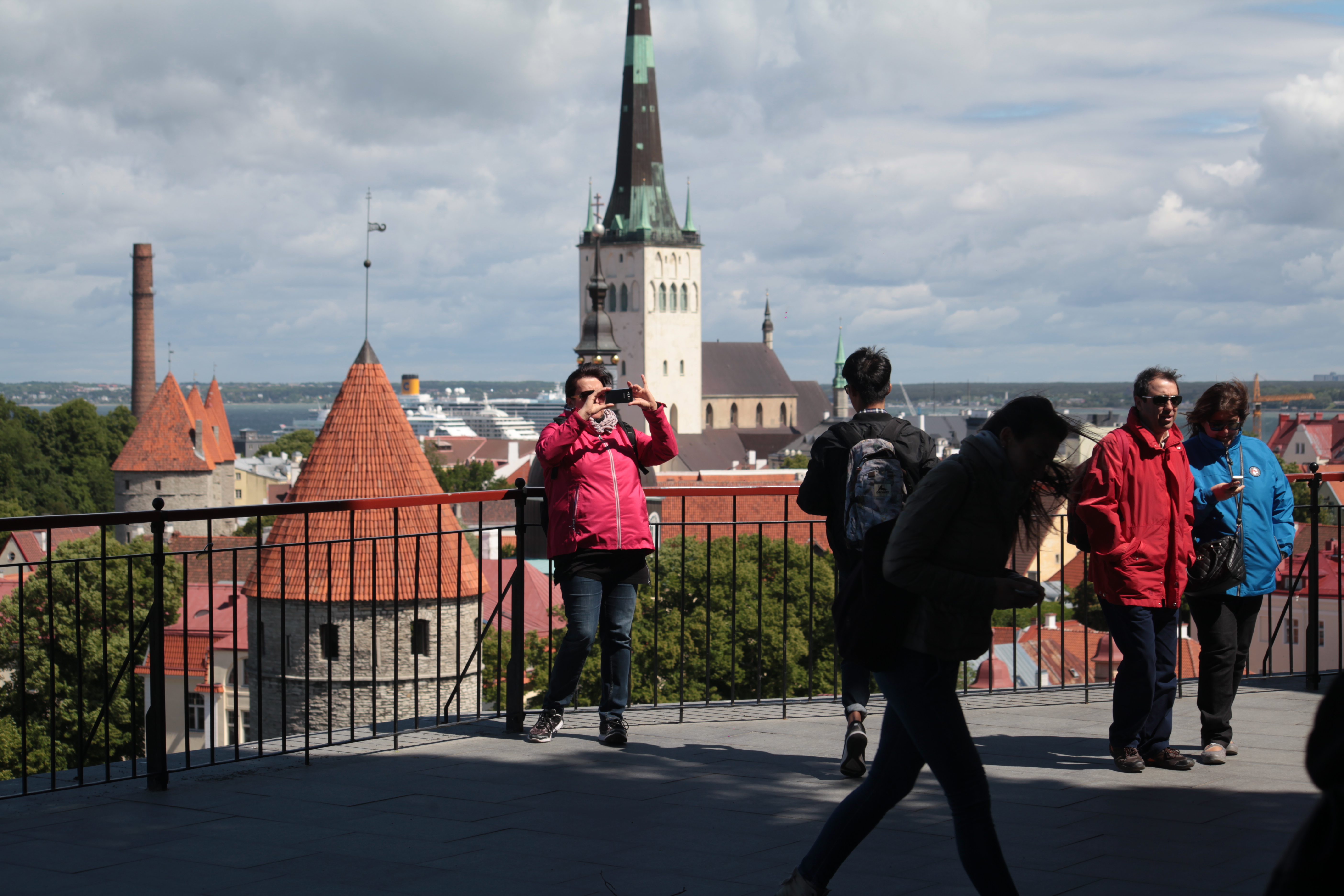
Here’s something that doesn’t get mentioned enough in travel articles: overtourism isn’t just annoying for visitors – it’s absolutely devastating for the people who actually live in these places. Local residents in popular destinations are being priced out of their own neighborhoods because short-term vacation rentals have made long-term housing unaffordable or completely unavailable. In places like Barcelona and Lisbon, entire apartment buildings have been converted into Airbnbs, turning vibrant residential areas into ghost towns where nobody actually lives anymore. The environmental damage is equally shocking, with coral reefs around popular beach destinations dying from sunscreen chemicals and foot traffic, while hiking trails that took nature centuries to create are being eroded beyond repair in just a few years. What really gets me is that local businesses – the authentic restaurants and shops that made these places special – are being replaced by tourist traps selling overpriced garbage because they know visitors will pay anything for convenience. Some communities have started protesting tourism altogether, which creates this uncomfortable tension where travelers feel unwelcome even though they’re just trying to enjoy a vacation. Americans are increasingly aware of this dynamic and feeling guilty about contributing to the problem, which is why many are choosing to skip these bucket-list destinations entirely rather than be part of the destruction.