A Flight Attendant Shares 6 Things You Order That Quietly Get Judged
There’s a silent conversation happening every time the drink cart rolls down the aisle. There’s an unspoken language happening at 35,000 feet, and most passengers have absolutely no idea they’re part of it. Every time you flag down the cart and rattle off your drink order, the person handing you that plastic cup is quietly forming an opinion – not a cruel one, not necessarily a harsh one, but an opinion nonetheless. Flight attendants spend more time in the air than most people spend commuting, and they’ve developed very strong opinions about what passengers eat and drink onboard. Some of it’s about your health. Some of it is about their sanity. Here are six things you order that get quietly judged – and the very real reasons why.
1. Diet Coke – The Order That Quietly Drives Flight Attendants Crazy
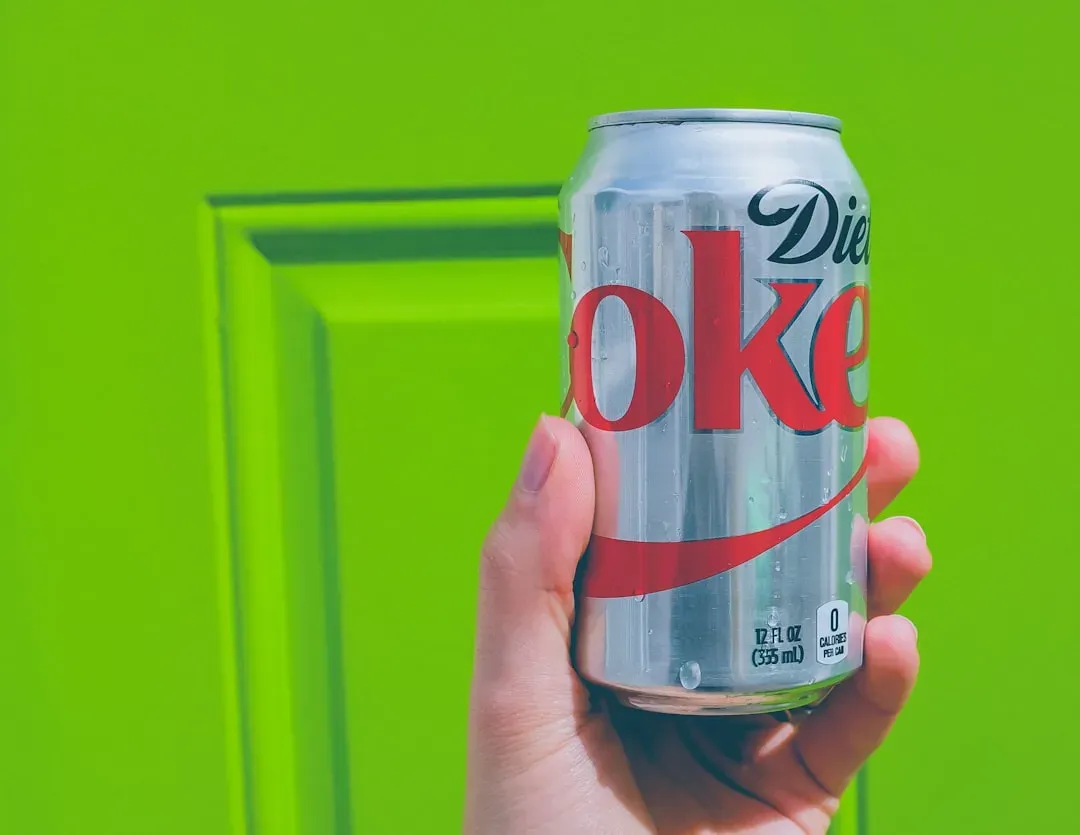
Diet Coke sounds like such a harmless, ordinary request – the kind of thing millions of people order at lunch every single day. Here’s the thing, though: the moment that can opens on a plane, it becomes a fizzy nightmare. The average airplane cabin is pressurized to the equivalent of about 8,000 feet instead of sea level, which means soft drinks foam up significantly more when poured out of a can. The worst culprit for this is Diet Coke. The science behind it is straightforward: all sodas will foam up more, but the effect is especially pronounced with diet soda, thanks to the artificial sweeteners, which create a fizzier product.
A flight attendant literally has to sit and wait for the bubbles to fall before continuing to pour – and if three passengers all ask for Diet Coke, they’ll often get them started, take another three drink orders, serve those, and then come back to finish the Diet Cokes. Some flight attendants will opt to turn the entire Diet Coke can upside down in the cup in an attempt to reduce pouring time, but it only does so much. The carbonation also isn’t great for passengers’ stomachs. “A carbonated beverage in flight can exacerbate the increase in intestinal gas, which typically expands up to 30% due to the decrease in barometric pressure,” one medical expert noted. “This can result in bloating and nausea.”
2. Coffee and Tea – The Hot Drinks Crew Members Almost Never Touch
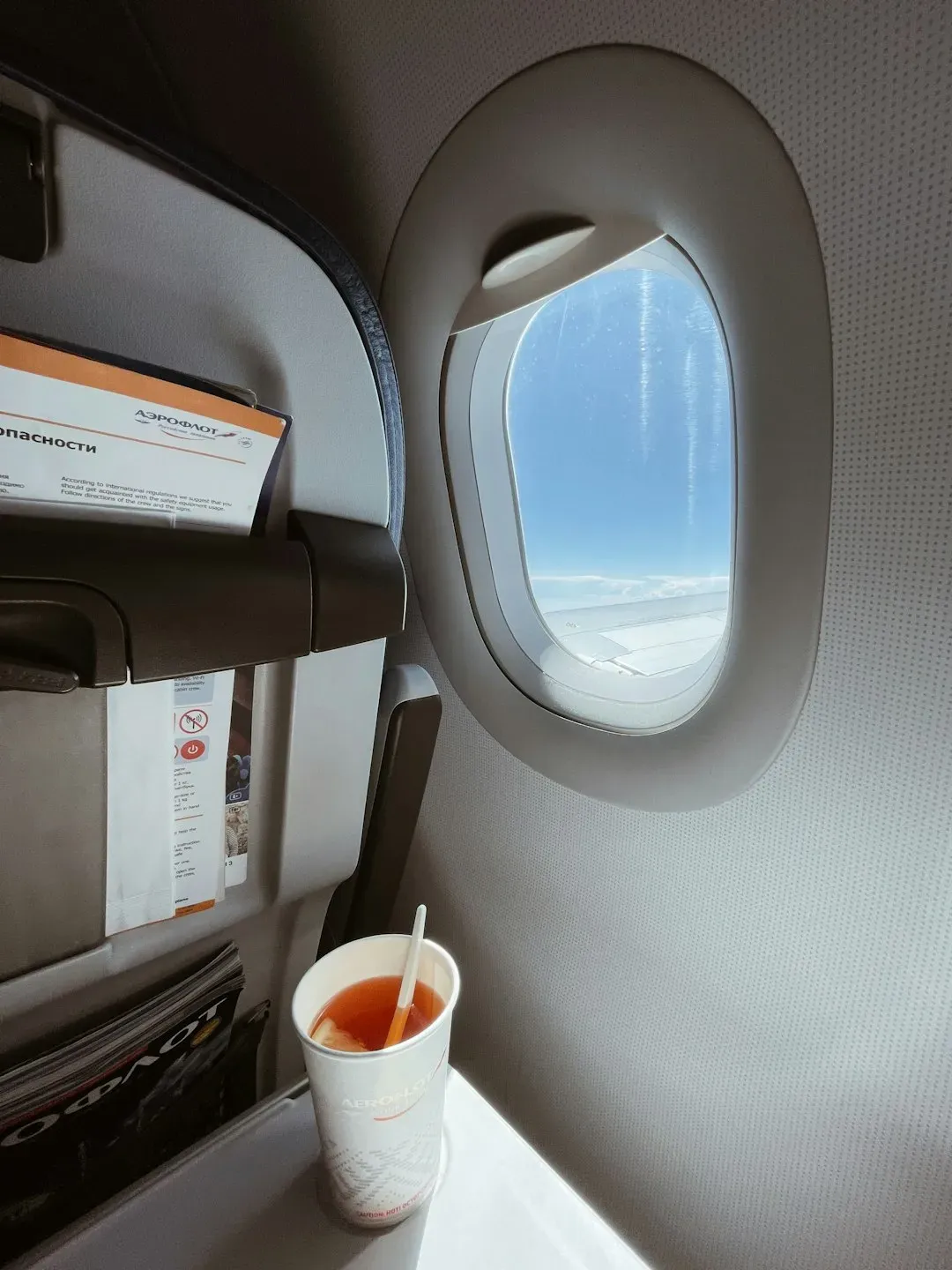
The Center for Food as Medicine and Longevity’s 2026 Airline Water Study found that water used aboard many U.S. airlines may contain traces of coliform bacteria or E. coli. The study evaluated 10 major and 11 regional carriers using Environmental Protection Agency records submitted under the Aircraft Drinking Water Rule between October 1, 2022, and September 30, 2025. Unlike municipal water systems with constant flow and oversight, aircraft water tanks can sit stagnant between flights. Temperature changes during ascent and descent, along with mechanical stress, may encourage biofilm formation and microbial growth. Water is loaded from airport sources that vary in infrastructure quality, and contamination during servicing can persist if cleaning protocols are not rigorously followed.
The 2026 study found American Airlines and JetBlue were the worst offenders among the major airlines. Delta Air Lines and Frontier Airlines won the top spots with the safest water in the sky, and Alaska Airlines finished third, according to Charles Platkin, PhD, JD, MPH, director of the Center for Food as Medicine and Longevity. The airlines with the worst scores are American Airlines and JetBlue. According to flight attendant Whytney, who has worked with a major US airline for seven years, “most flight attendants won’t drink the tap water, coffee, or tea,” noting that the latter two options also tend to dehydrate passengers even further. The 2026 study’s report recommends that passengers never drink any water on board that isn’t in a sealed water bottle, not drink coffee or tea on board, and use alcohol-based hand sanitizer containing at least 60 percent alcohol instead of washing their hands with water.
3. Decaf Coffee – Now This One Really Gets Them
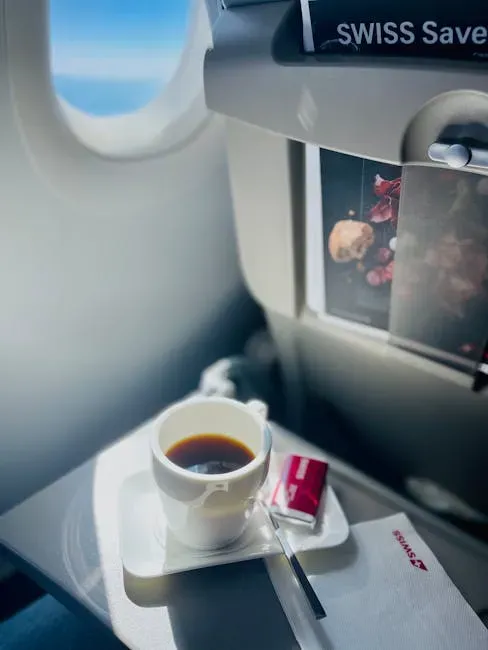
Ordering regular coffee on a plane is already a questionable choice given what we now know about the water. Ordering decaf, however, earns a whole different kind of quiet side-eye from the crew. A tall order of judgment is on the menu for jet-setters thirsty for decaffeinated coffee at 30,000 feet, as flight attendant Leanna Coy has warned. Taking to TikTok, Leanna Coy explained: “I always hear flight attendants talking about what your drink order says about you as a passenger or what drinks they’ll judge you for ordering, and I realized that there’s only one drink I’ll actually judge you for ordering on the plane.” That drink, for her, was decaf coffee specifically.
The decaf issue is more philosophical than hygienic. Think about it from the crew’s perspective: you’re drinking something that’s already suspect, for literally no functional reason. As Coy put it, if you genuinely enjoy the taste of airplane coffee so much that you’re willing to drink it without even the necessity of caffeine, that raises some real questions. It’s just a cup of mud without the buzz. Beyond the sanitary reasons, hot drinks can be a headache for flight attendants. Occasional turbulence at high altitudes makes it challenging to serve coffee and tea without risking spills. The limited resources on board make it time-consuming to prepare individual hot beverages, leading to longer waiting times for other passengers.
4. Tomato Juice – Beloved by Passengers, Puzzling to the Crew
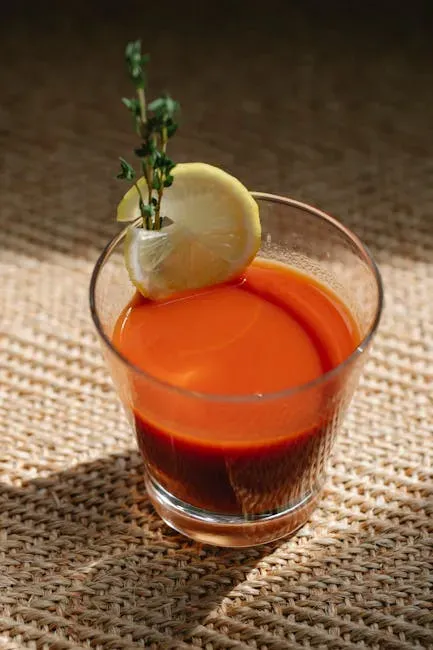
Tomato juice is, by virtually every measure, not a popular drink on the ground. Most people wouldn’t dream of ordering it at a restaurant or pouring a glass at home. Then they step on a plane and suddenly it’s their favorite thing in the world. There’s actual science behind this peculiar shift. In one of the most fascinating studies on this, researchers at Cornell played loud airplane noise – around 85 decibels, similar to what you’d hear in the cabin – for 48 participants as they tasted samples of sweet, salty, sour, bitter, and umami flavors. Noise didn’t affect salty, sour, or bitter tastes. But sweetness got significantly dulled, while umami (the savory flavor) actually became stronger, especially at higher concentrations.
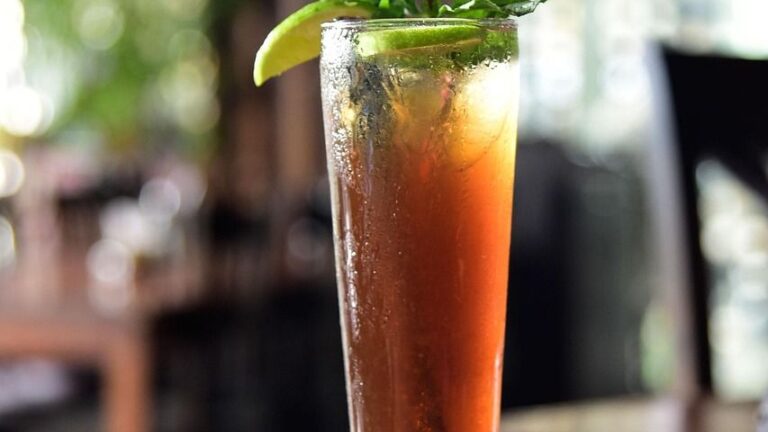
An American Airlines flight attendant advised in an interview with The Sun to avoid tomato juice at all costs while flying. The reason is that a Bloody Mary mix contains roughly 12 times more sodium than a standard soft drink. That’s a staggering amount of salt to pump into your body when the cabin air is already dehydrating you at a rapid pace. Flight attendants inwardly wince when people ask for tomato juice – especially on long flights – because it contains so much sodium. Flying is not only dehydrating, but it bloats passengers as well. The crew will serve it with a smile, but they know exactly what that drink is doing to the person holding the cup.
5. Multiple Alcoholic Drinks – The Order That Raises Red Flags
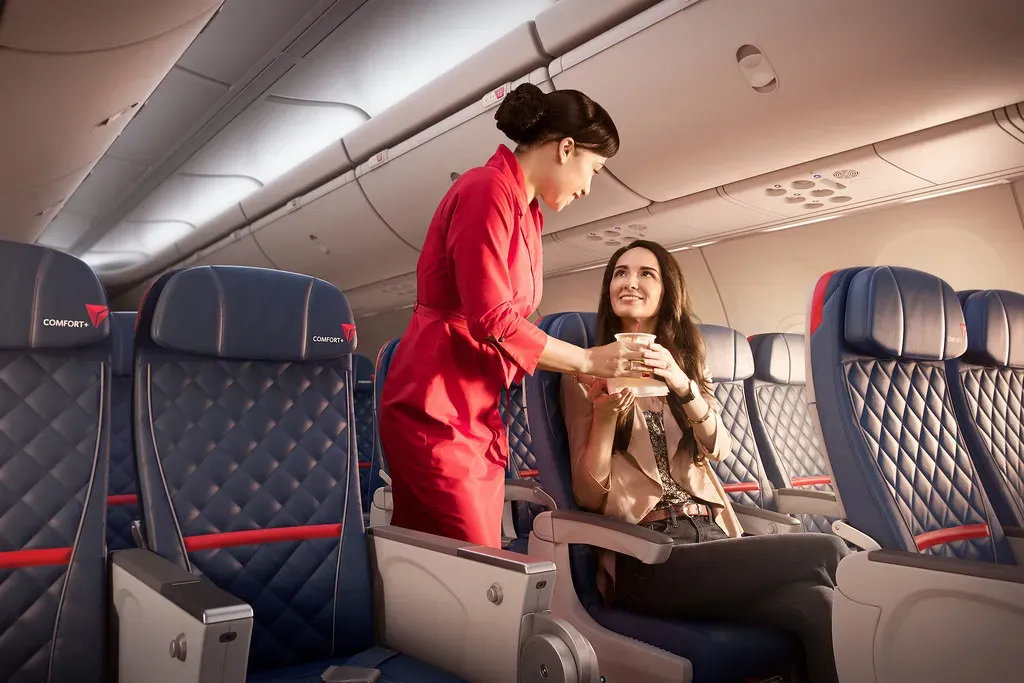
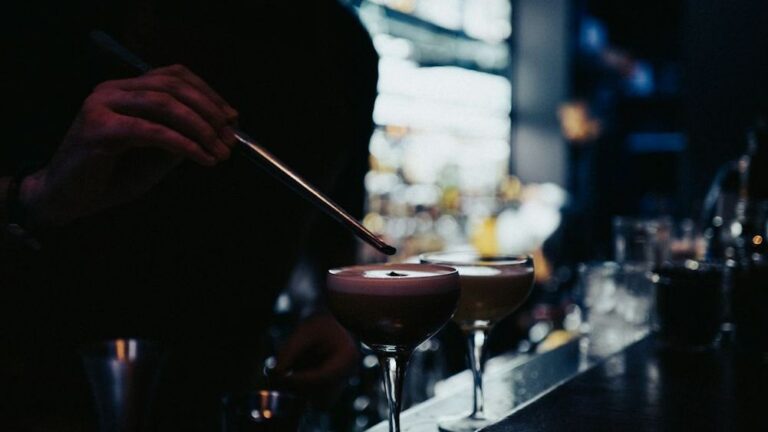
One drink? Totally fine. Two? Still reasonable. Three or more in rapid succession? That’s when a flight attendant’s radar quietly starts pinging. The latest Global Rescue Traveler Sentiment and Safety Survey reveals that 61% of travelers believe alcohol consumption should be managed by trained professionals, such as bartenders and flight attendants. That’s up from 53% in December 2024, reflecting a shift toward trusting crew judgment rather than relying on rigid drink limits. The same survey found that 84% of travelers said these professionals should have firm authority to refuse service when needed.
According to the International Air Transport Association (IATA), alcohol factors into 27% of reported disruptive passenger incidents. Controlled service helps minimize these dangerous situations. To assess whether or not to serve passengers more alcohol, many airlines use a “traffic-light” code. Mellow and affable behavior will put you into the green category, getting more loud and animated puts you in yellow – at which point a flight attendant will clock you and possibly offer some water – and red means it’s cut-off time. Alcohol impairments become more severe at altitude, where lower oxygen levels can heighten intoxication effects. So when you order that third drink, you’re not just ordering a drink – you’re triggering a mental calculation the flight attendant is required to make.
6. Bringing Your Own Alcohol to Mix Into a Soft Drink – This One Is Actually Illegal
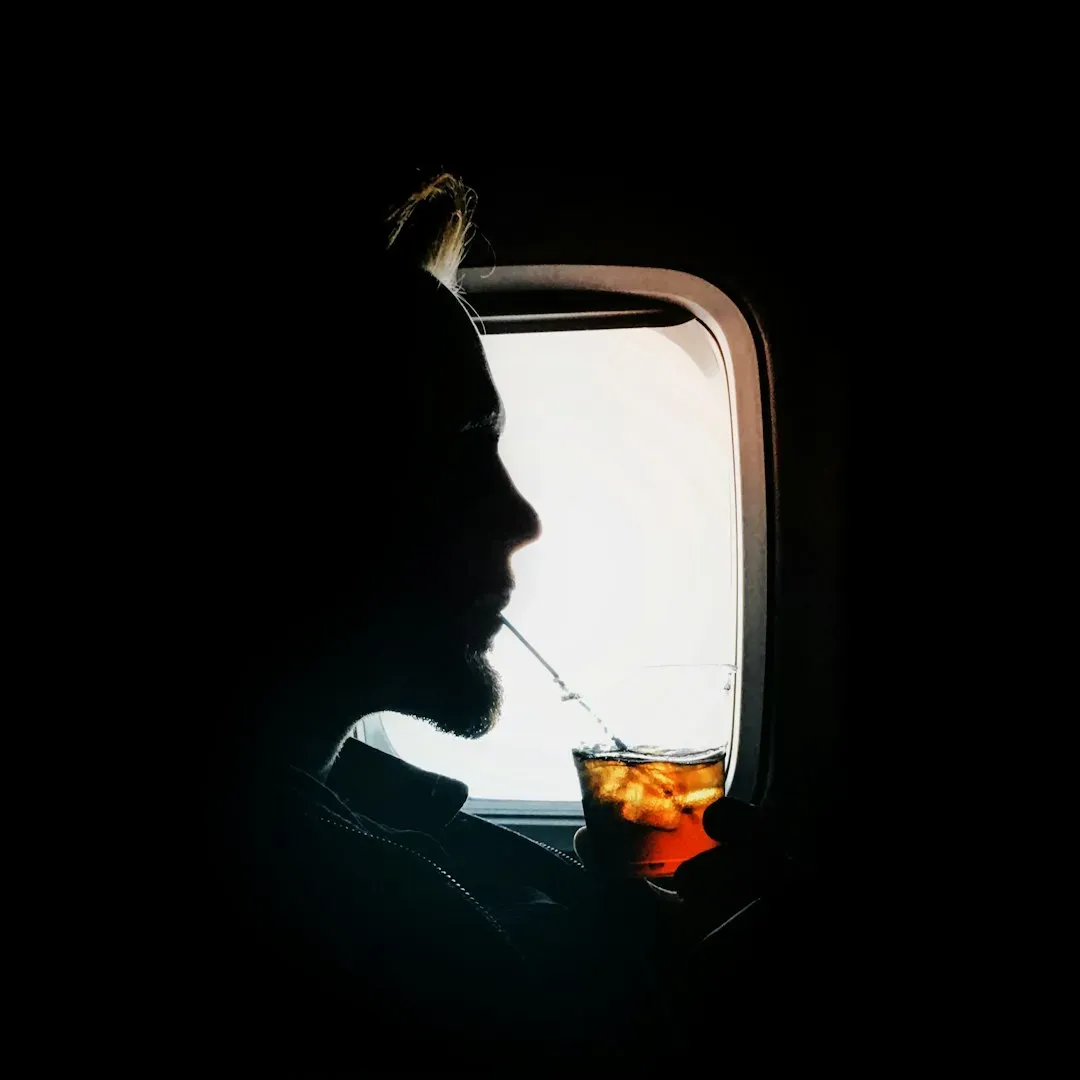
No, you cannot legally drink your own alcohol on commercial flights. FAA regulations 14 CFR § 121.575 explicitly prohibit passengers from consuming personal alcohol unless served by flight attendants. Flight attendants are trained to spot this behavior, and the consequences go well beyond a raised eyebrow. In one documented case from January 2024, a passenger received a $3,000 fine for mixing duty-free vodka with onboard soda, resulting in a six-month airline ban plus a federal fine. Recent cases show fines ranging from $500 to $5,000 for first offenses, with severe violations reaching $40,823.
Federal law prohibits passengers from consuming alcohol aboard a flight that is not served by a flight attendant. In response to growing concerns, the FAA administrator sent a letter to airports requesting that they work to prevent passengers from bringing “to-go” cups of alcohol aboard aircraft. In 2024, the aviation industry saw a significant increase in disruptive passenger behavior, and these incidents put crew members at risk and cause flight delays and serious safety concerns. Flight attendants aren’t judging you for wanting a drink – they’re judging the decision to sneak one, because it puts everyone on the aircraft in a position nobody signed up for.