5 Overlooked Southern Dishes That Truly Deserve a Comeback, Food Historians Argue
Walk into any trendy Southern restaurant in 2025, and you’ll likely find shrimp and grits, fried chicken, or biscuits with gravy. These are the usual suspects, the crowd-pleasers that dominate every menu from Charleston to Memphis. Yet beneath all that predictable comfort lies a forgotten layer of Southern cuisine just begging for recognition.
Food historians across the country are pushing for a culinary renaissance, arguing that certain dishes have been unfairly left behind. These aren’t obscure novelties or weird experiments; they’re genuine classics that once filled tables at Sunday dinners, church potlucks, and family reunions. So why did they disappear? Changing tastes, the rise of convenience food, and shifts in dietary preferences gradually pushed these recipes out of most kitchens. Let’s dig into five dishes that deserve your attention.
Hoppin’ John: More Than Just a New Year’s Tradition
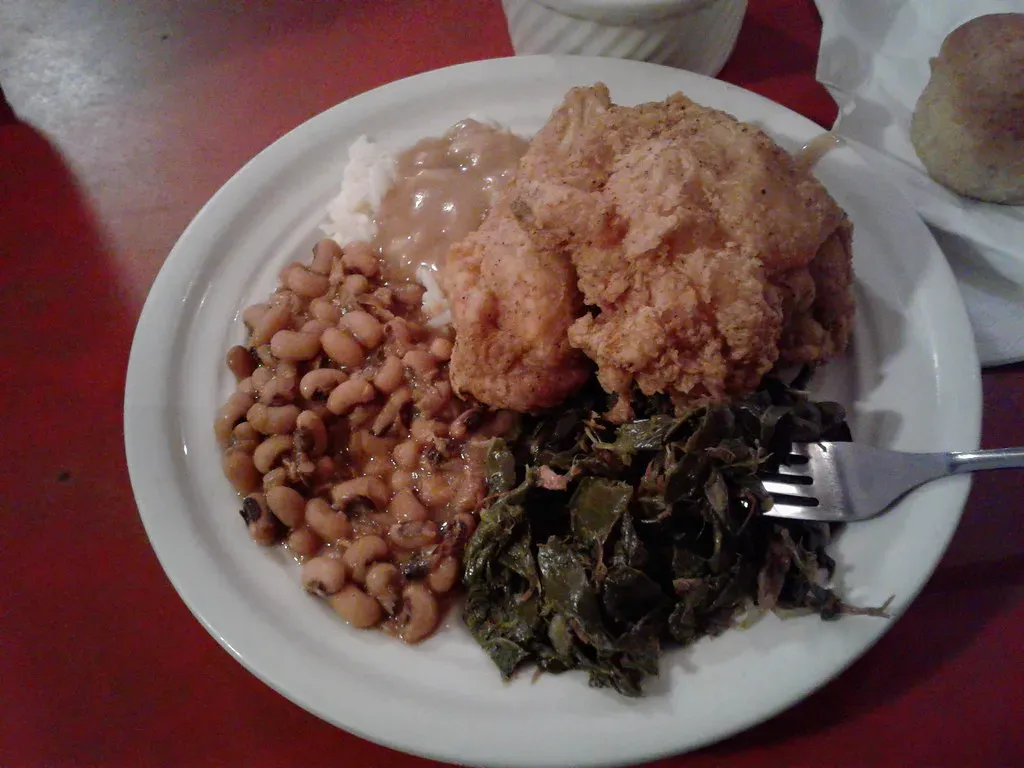
Hoppin’ John originated from the Gullah people and was originally a Lowcountry one-pot dish before spreading to the entire population of the South. This humble mix of black-eyed peas, rice, and pork has been relegated mostly to New Year’s Day celebrations, when superstition says it brings prosperity and luck. The truth is, this dish deserves a spot on your table year-round.
The dish was a popular mainstay of Gullah Geechee cuisine that originated in the Lowcountry of South Carolina, and it appeared in Sarah Rutledge’s 1847 cookbook “Carolina Housewife.” Think about that for a second. Nearly two centuries of documented history, and we’ve reduced it to a once-a-year ritual. Hoppin’ John may have evolved from rice and bean mixtures that were the subsistence of enslaved West Africans en route to the Americas. The resourcefulness behind this dish is staggering, taking minimal ingredients and transforming them into something deeply satisfying.
I think it’s time we reclaim Hoppin’ John as an everyday meal. The combination of earthy peas, savory pork, and fluffy rice hits all the right notes for comfort without feeling heavy. Today, hoppin’ John comes in countless variations, with some recipes incorporating ingredients such as butter, garlic, and varied vegetables.
Chicken Bog: South Carolina’s Best-Kept Secret
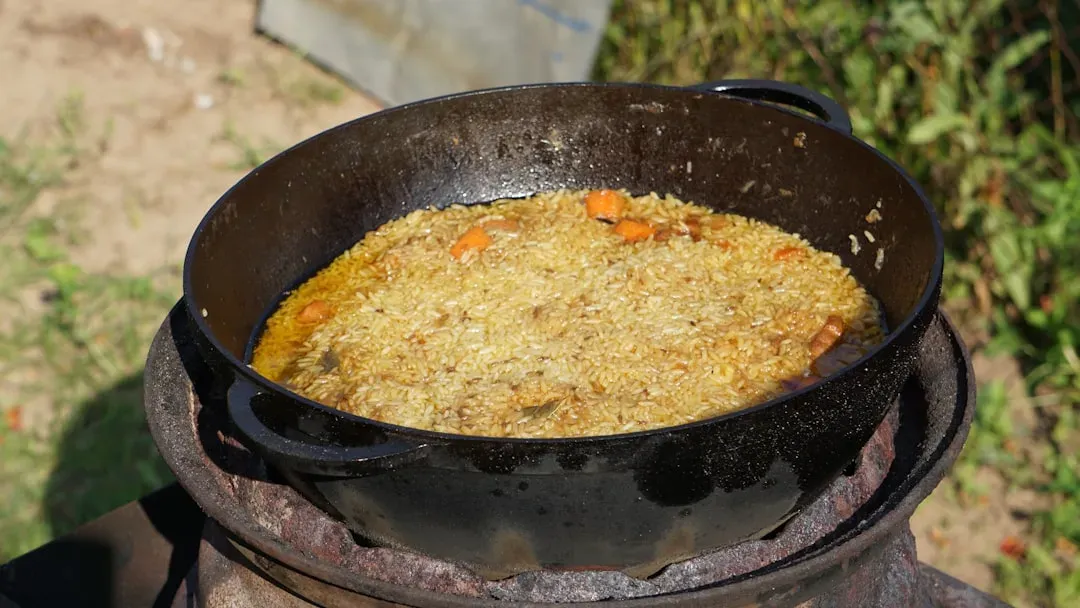
Here’s the thing about chicken bog: it sounds weird, tastes amazing, and almost nobody outside of South Carolina’s Pee Dee region knows about it. It’s a beloved Southern comfort food made with chicken, rice, and smoked sausage, originating in the Lowcountry and Pee Dee regions of South Carolina as a one-pot meal where all the ingredients are simmered together.
The late culinary historian Joseph E. Dabney called chicken bog “unheralded,” and the fortieth annual Loris Bog-Off Festival celebrated this semi-soggy chicken-sausage-and-rice medley. Yes, semi-soggy. That’s not a mistake; it’s part of the charm. The rice absorbs all the rich flavors from the chicken and sausage, creating this unified, cohesive dish that feels like a warm hug from the inside.
Let’s be real: we need more one-pot wonders like this in our cooking rotation. Chicken bog is best known in South Carolina’s Horry County, which includes Myrtle Beach, and each year locals and visitors gather at the Loris Bog-Off Festival, which launched in 1980 as a cooking competition. If an entire festival can be dedicated to this dish, shouldn’t the rest of us pay attention?
Spoonbread: Cornbread’s Softer, Elegant Cousin
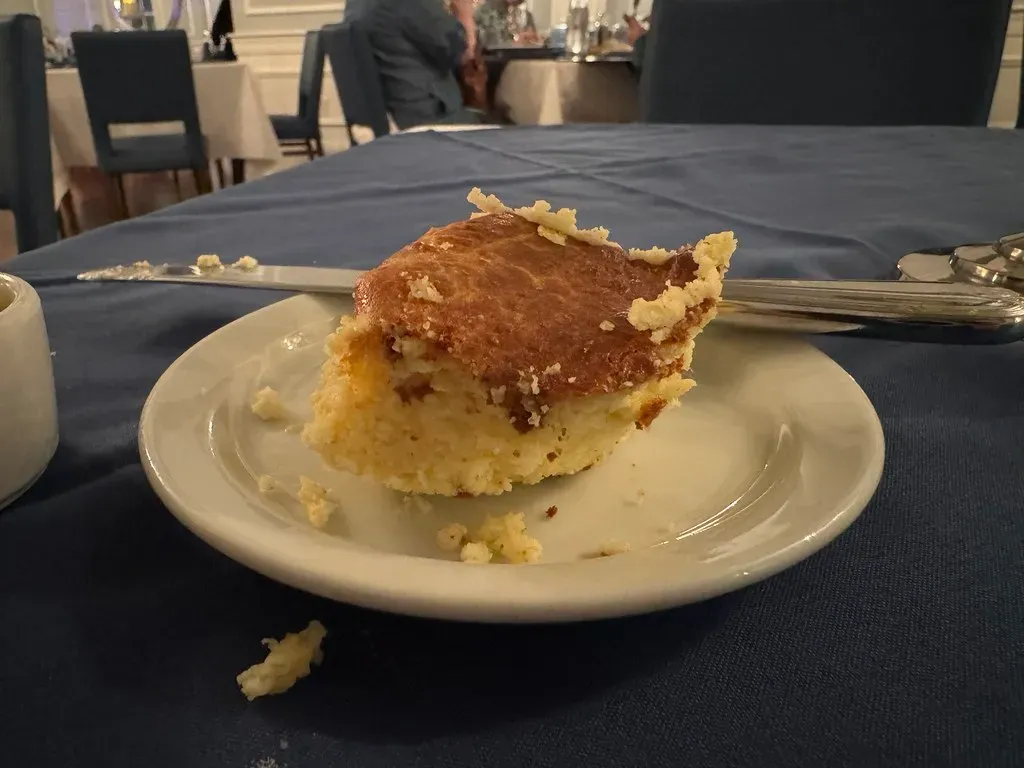
Spoonbread is similar to cornbread using many of the same ingredients, but it’s much more moist with an almost pudding-like texture that isn’t sliceable but is instead spooned onto your dinner plate. This is where the dish gets interesting. While cornbread can be dry and crumbly, spoonbread transforms those same humble ingredients into something luxurious.
The old-fashioned dish was first referenced in cookbooks in the 1840s, but is likely much older, with origins in Native American communities. Native American cooking techniques, European baking methods, and African American culinary traditions all come together in this humble side dish, and you scoop it with a spoon and serve it warm alongside roasted meats or greens.
I’ve noticed that spoonbread rarely appears on restaurant menus anymore, which is honestly a shame. It’s creamy, slightly sweet, and pairs beautifully with everything from fried chicken to braised greens. It’s easy to make and great served with other Southern dishes like fried chicken, black-eyed peas, and collard greens. There’s something almost comforting about its simplicity.
Chicken Mull: The Forgotten Barbecue Stew
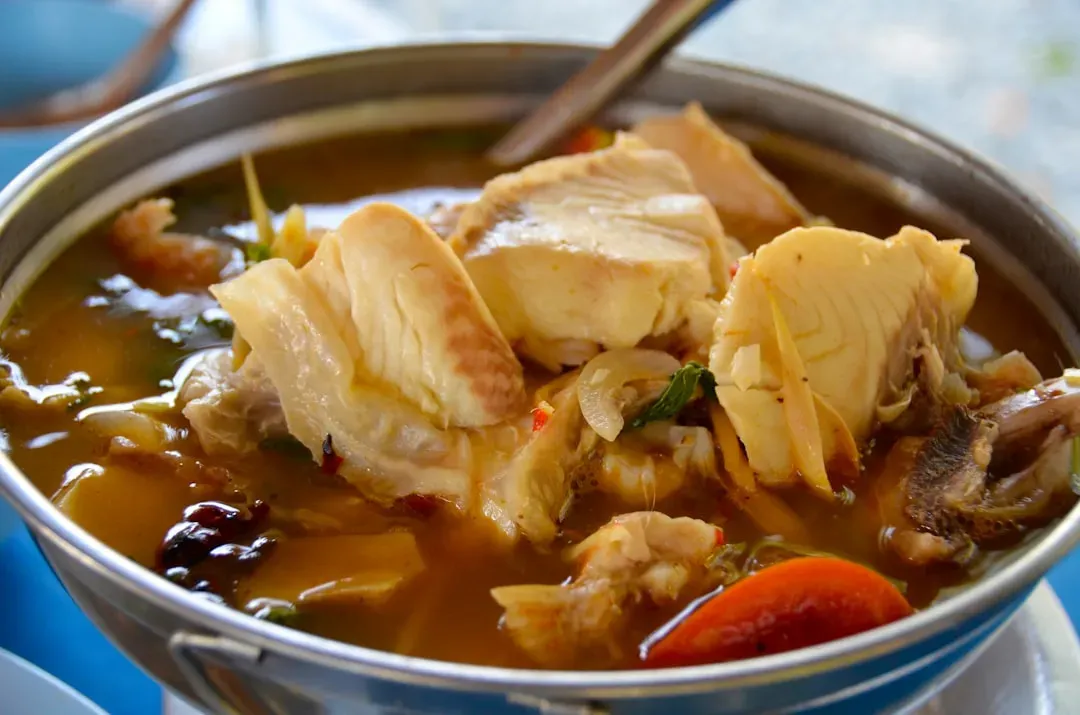
Chicken mull is made with shredded chicken simmered in a rich, creamy broth thickened with crushed saltines, and it’s often considered a traditional barbecue stew because it used to be prepared in huge communal pots and served at large gatherings such as fundraisers and church socials. Imagine gathering around a massive pot, ladling out bowls of this buttery, yellow-hued comfort.
The roots of chicken mull are believed to be tied to 19th-century fish cookouts called “muddles” held by Atlantic coast fishermen, and as the tradition moved inland through the Southern states, fish was replaced with poultry and the name evolved from “muddle” to “mull.” Today, this dish has largely vanished except in pockets of Georgia and North Carolina. Chicken mull is still served at some Southern eateries, particularly in Georgia, where it’s commonly accompanied by saltine crackers.
The texture is unique: creamy without being heavy, savory without being overwhelming. Honestly, it’s hard to say for sure why this one fell out of favor, but it deserves far more love than it gets. It’s perfect for cold evenings or anytime you need something nourishing that doesn’t require fancy ingredients or complicated techniques.
Tomato Pudding: Sweet, Savory, and Surprisingly Delicious
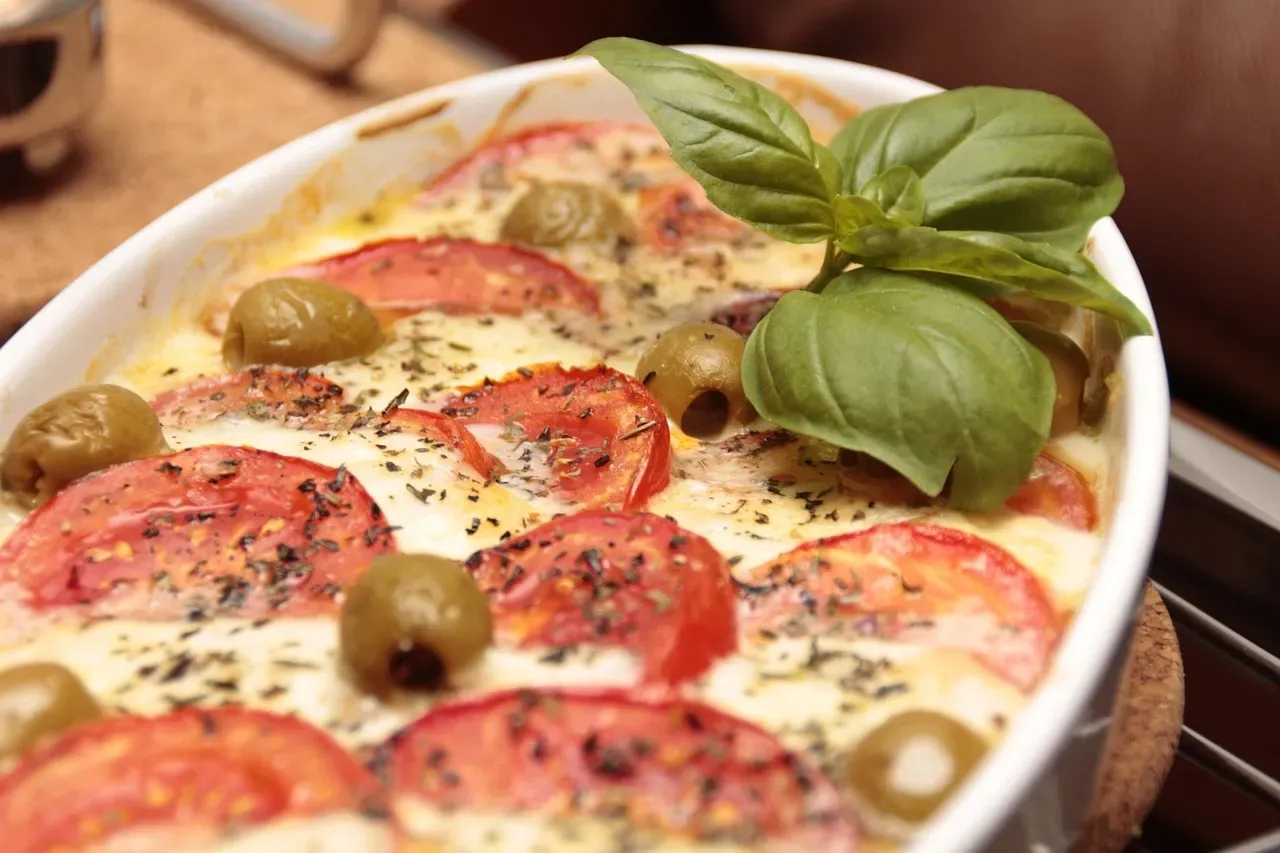
When you hear “tomato pudding,” you might think of something like chocolate pudding, but this forgotten Southern dish is more akin to a bread pudding and is a kind of casserole invented back in the 1800s, possibly in Bertie County, North Carolina, to use up big gluts of tomatoes at the end of the season. Yes, it sounds strange. Stay with me.
Fresh tomatoes are combined with either cubed or crumbled white bread or biscuits, sugar, and a range of herbs and spices, and all the ingredients are baked in the oven to create an almost custard-like texture. The result usually has a sweet-savory vibe like a sweet potato casserole, though some people treat it like a fruity dessert, adding sweet spices like nutmeg, cinnamon, and extra sugar.
It can be an acquired taste, which may be why tomato pudding is not as common as it once was, but this dish deserves a place in your classic casserole repertoire. Look, I’ll admit the first time I tried it, I wasn’t sure what to expect. The sweet-savory balance threw me off. Then I had another bite, and another, and suddenly I understood why grandmothers across the South used to make this regularly.
Food is about more than sustenance; it’s about connection, memory, and history. These five dishes represent generations of resourcefulness, creativity, and cultural exchange. In recent years, there has been a renewed interest in preserving and celebrating Southern culinary traditions, with farm-to-table restaurants showcasing locally sourced ingredients and chefs reviving forgotten recipes. The revival is already underway, quietly gaining momentum in small-town diners and chef-driven restaurants alike. The question is: are you ready to join in? What forgotten dish from your own family history deserves another chance?