8 Once-Popular Home Features Today’s Buyers Now Reject, Realtor Surveys Find
The housing market has always been a mirror to our shifting lifestyles. What felt modern and desirable just a decade ago might now seem like a relic from another era. Here’s the thing: buyer preferences have done a complete turnaround recently, especially since the 2020 pandemic reshaped how we use our homes.
Let’s be real, nobody wants to buy a property that feels stuck in the past. Recent surveys from real estate professionals reveal some surprising reversals in what homebuyers actually want, and honestly, some of these shifts might catch you off guard.
Open Floor Plans Are Losing Their Appeal
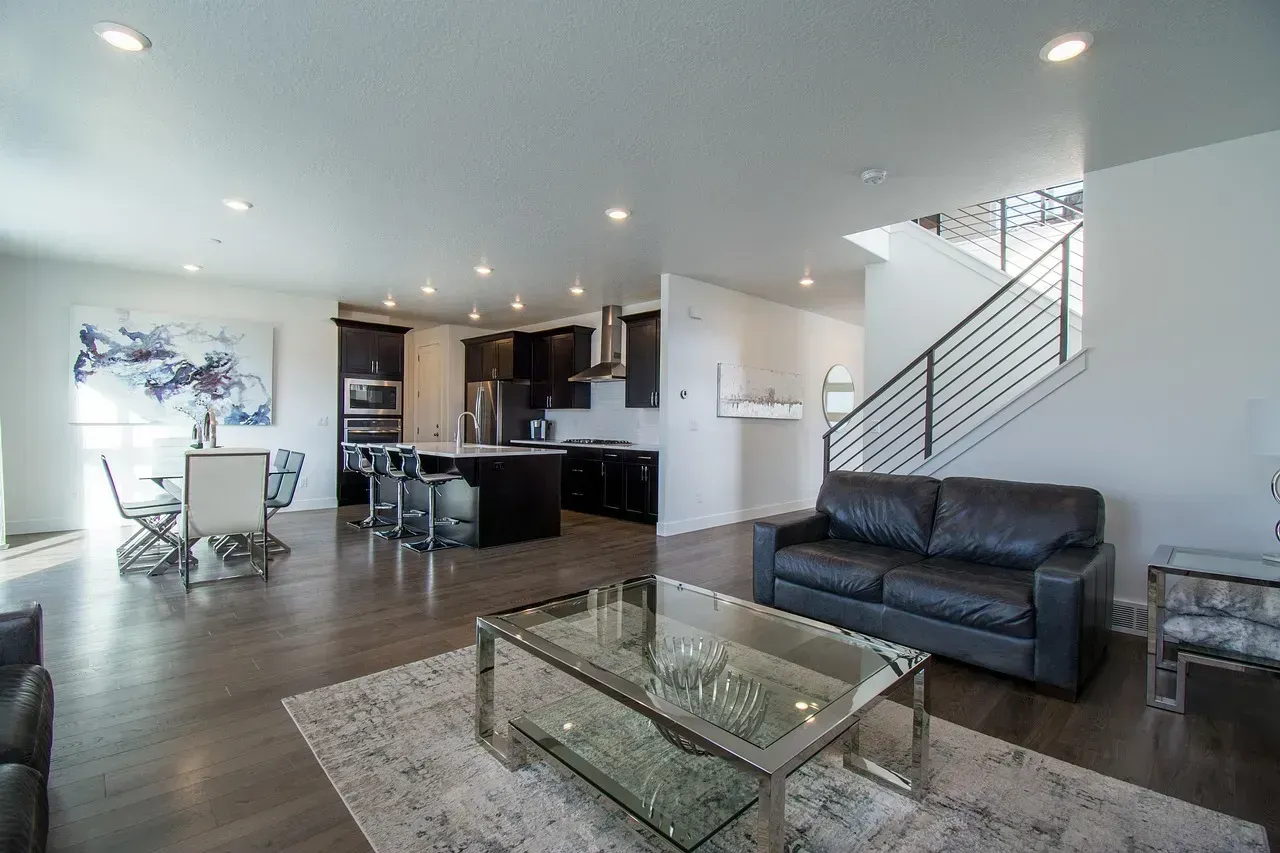
Remember when tearing down every wall was all the rage? Those sprawling spaces without barriers created privacy concerns and noise pollution issues, making it challenging for busy households or people working from home. Difficulty in maintaining distinct functional areas within a shared space has contributed to a reassessment of the open floor plan’s appeal.
The resurgence of closed floor plans highlights the evolving priorities of homeowners seeking privacy, functionality, and efficiency. Think about it: when your Zoom meeting competes with someone’s guitar practice in the same room, walls suddenly seem like a brilliant idea. Many homeowners are finding a middle ground with hybrid layouts that blend the best of both worlds, incorporating semi-open spaces, partial walls, or sliding doors.
Formal Dining Rooms Have a Complicated Status
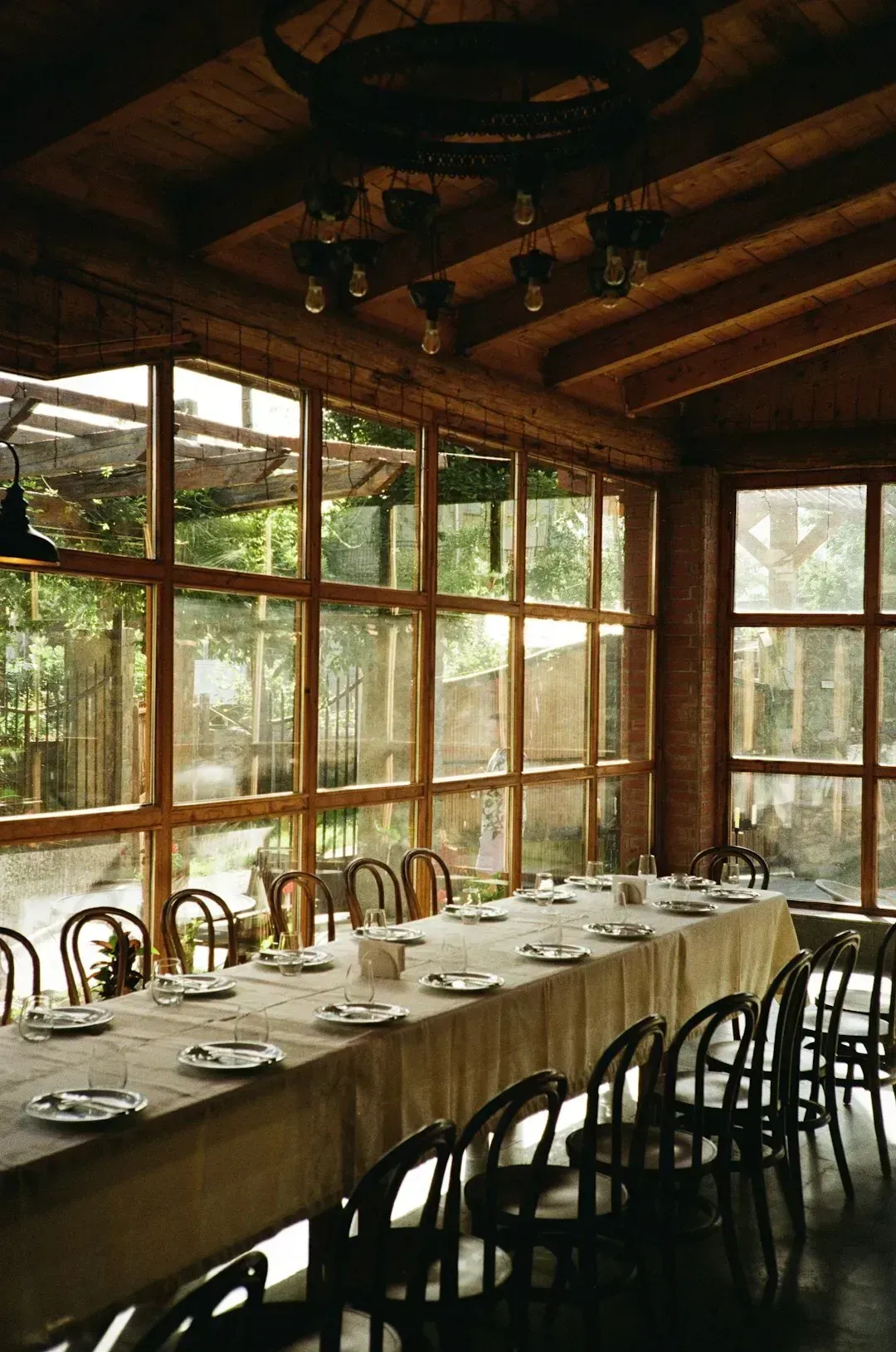
There’s been a shift away from traditional dining rooms in recent months, as they can have a cold formality that homeowners have started to lose appreciation for. The irony? In 2025, designers predict both formal dining rooms and multifunctional dining spaces will be in vogue. It’s complicated, honestly.
The reality is nuanced. The most significant trend is the transformation of the dining room into a multifunctional space, serving purposes beyond hosting meals including remote work, virtual meetings, children’s homework stations, and intimate social gatherings. Buyers want flexibility, not spaces that sit empty except for Thanksgiving dinner.
Wall-to-Wall Carpeting No Longer Reigns Supreme

Carpet in every room used to be standard, but those days are long gone. Many homeowners prefer hardwood for bedrooms, while most will not keep the existing carpet in bedrooms. That’s a brutal reality for sellers hoping their beige carpet will appeal to everyone.
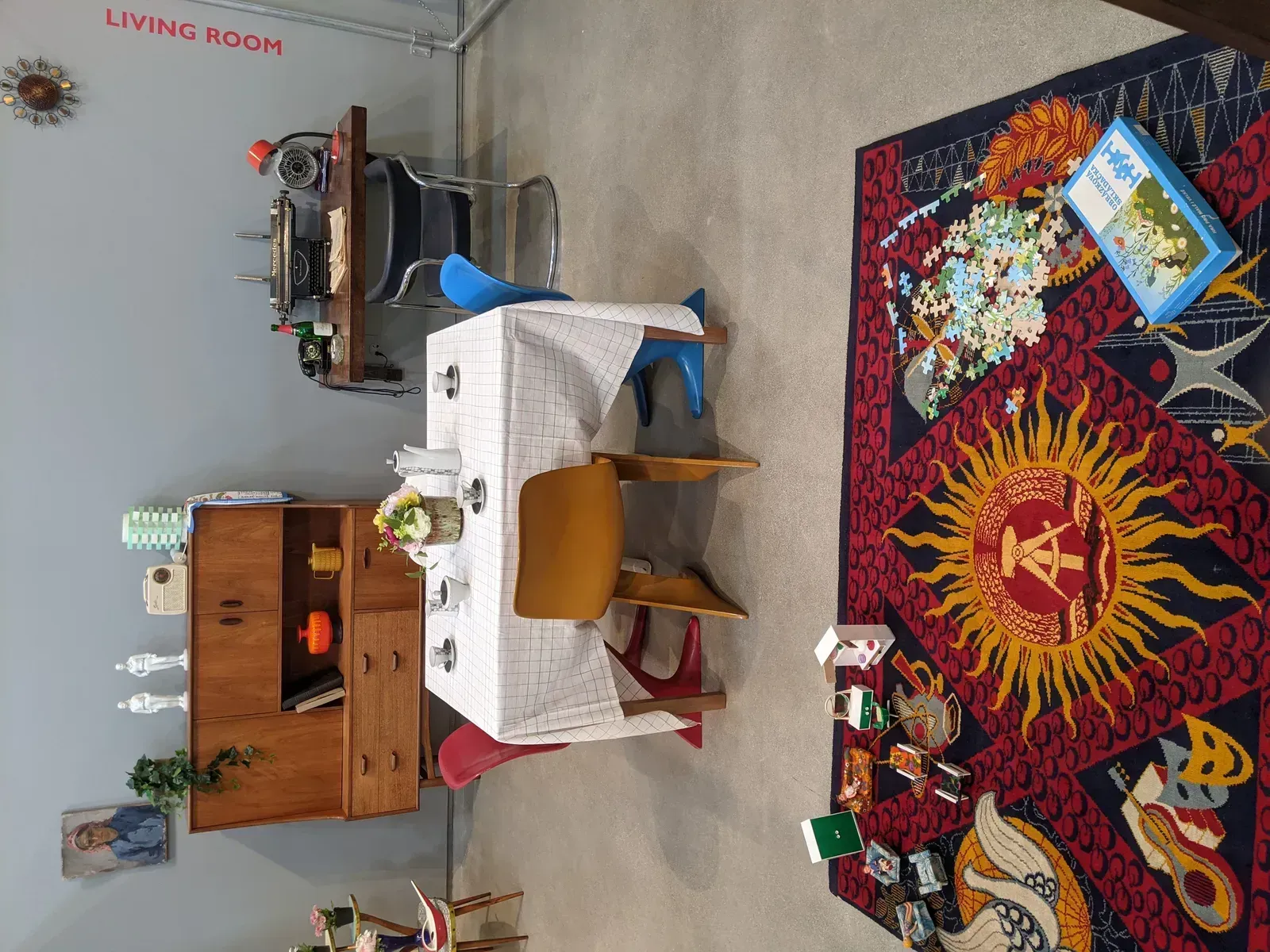
For living rooms, dining rooms, and family rooms on the main level, the preference is overwhelmingly for hardwood. The shift makes sense when you consider maintenance and allergens. Still, carpet hasn’t disappeared entirely. Colorful carpet is making a comeback, though perhaps not wall-to-wall.
All-White Kitchens Are Falling From Grace
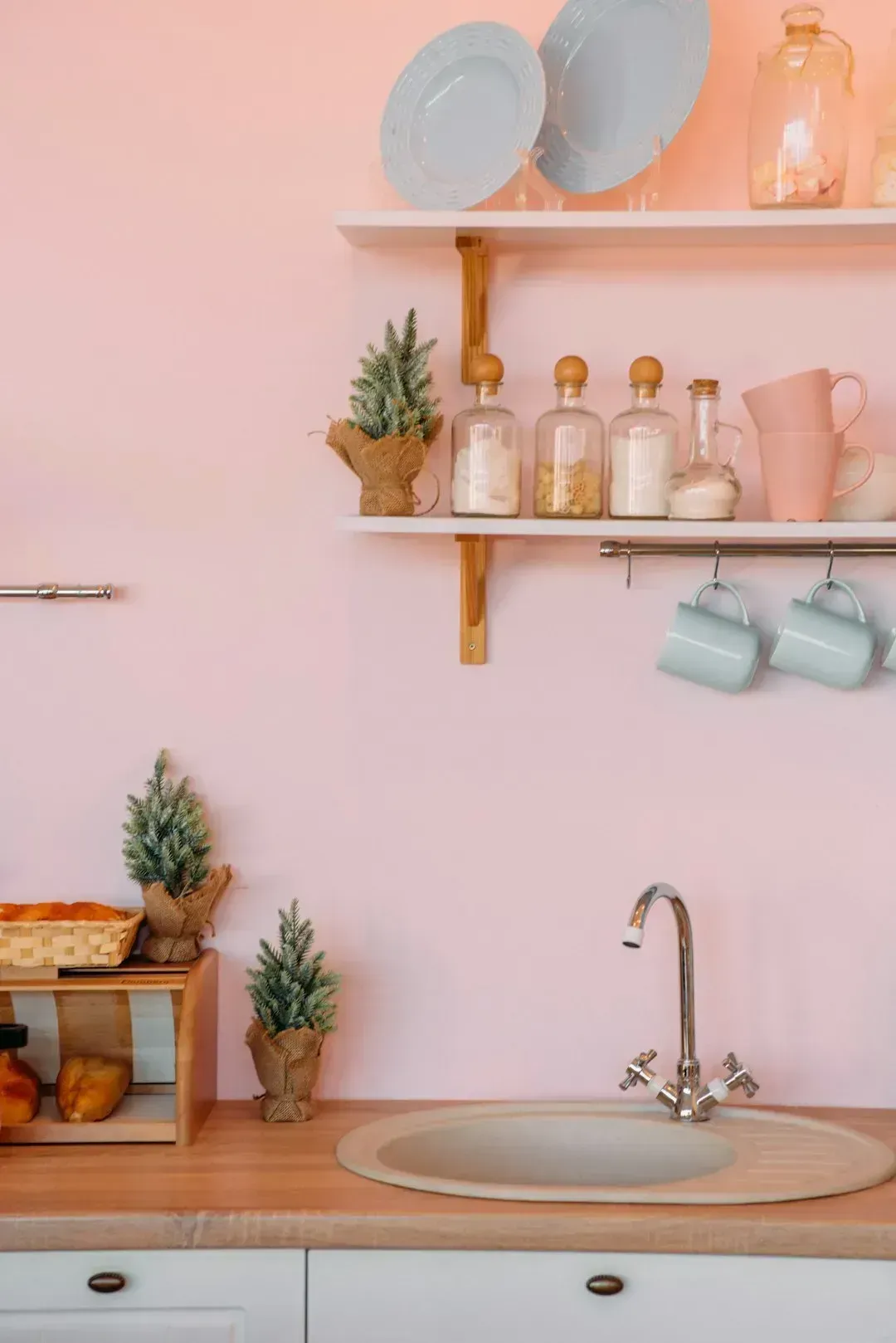
White kitchens are on their way out in favor of bold, bright colorful kitchens, with white receiving the most dramatic decline in popularity. Shocking, right? For years, white kitchens dominated Pinterest boards and real estate listings.
The decline in white and gray reflects an ongoing desire to make homes feel special and layered. Buyers in 2025 want personality, not sterile showrooms. They’re gravitating toward warmer tones, natural woods, and spaces that feel lived-in rather than staged.
Gray Everything Has Overstayed Its Welcome
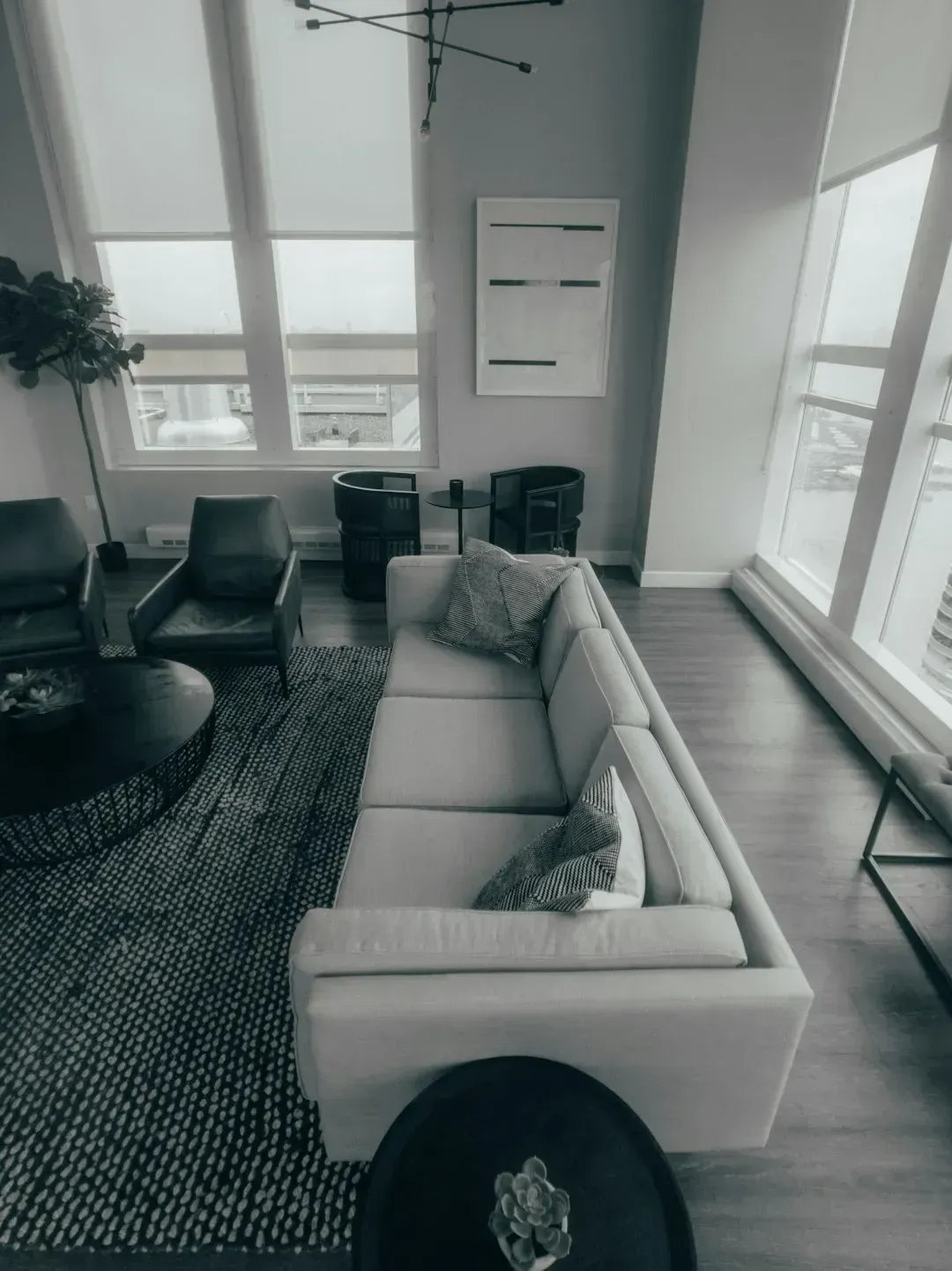
Entire rooms dominated by varying shades of gray were once the epitome of modern sophistication, but this trend is waning as warmer, more inviting color palettes gain popularity, like earth tones, greens and blues. Gray wood flooring, gray walls, gray furniture – it all feels cold and impersonal now.
Expect to see more flooring in colors that are very earthy and natural, including a return to deep browns and strong tan tones that had fallen out of favor in recent years. The pendulum has swung back toward warmth and coziness, and frankly, it’s about time.
Accent Walls Are Losing Their Impact
For a time, there was an unwritten rule that every room needed a feature wall, but this no longer seems to be the case, with a uniform look now favored and a feature wall now screaming outdated. That bold geometric pattern you painstakingly painted? It might actually be hurting your home’s appeal.
Home design is moving away from a single focal point, and designers are bringing color and pattern into all four walls of the room, and also the ceiling. It’s ironic that making everything match is now considered more sophisticated than the accent wall approach that was supposed to add sophistication.
Popcorn Ceilings and Dated Textures

Lack of smart home and eco-friendly features, popcorn ceilings, and matchy-matchy furniture sets are the sure-fire signs of an outdated look. Popcorn ceilings were never really beloved, but now they’re actively rejected by buyers who see them as a renovation nightmare waiting to happen.
Textured ceilings in general have fallen out of favor, replaced by smooth finishes that feel cleaner and more contemporary. It’s hard to say for sure, but removing these dated ceiling treatments might be one of the highest-return improvements a seller can make before listing.
Matching Furniture Sets and Overly Coordinated Looks

Matching furniture sets are another huge don’t, with designers favoring asymmetry for a more visually interesting and inviting space. Those bedroom sets where everything matches perfectly? They make spaces feel like hotel rooms rather than homes with personality.
The previous practice of buying matching sets has become an outdated home trend, making way for eclectic and curated collections. Buyers in 2025 want spaces that look collected over time, not ordered from a single catalog page. Mix and match is the new sophistication, even if it means breaking every rule your grandmother followed.
The real estate market keeps evolving, and what buyers want today might surprise sellers who haven’t kept up with shifting preferences. These eight features once commanded premium prices but now make buyers hesitate or negotiate down. The takeaway? Personalization, warmth, and functionality have replaced one-size-fits-all trends. What surprises you most about these changes? Would your own home pass the 2025 buyer test?