A Café in Vienna That Still Serves Time Instead of Coffee
The UNESCO Recognition of Timeless Tradition
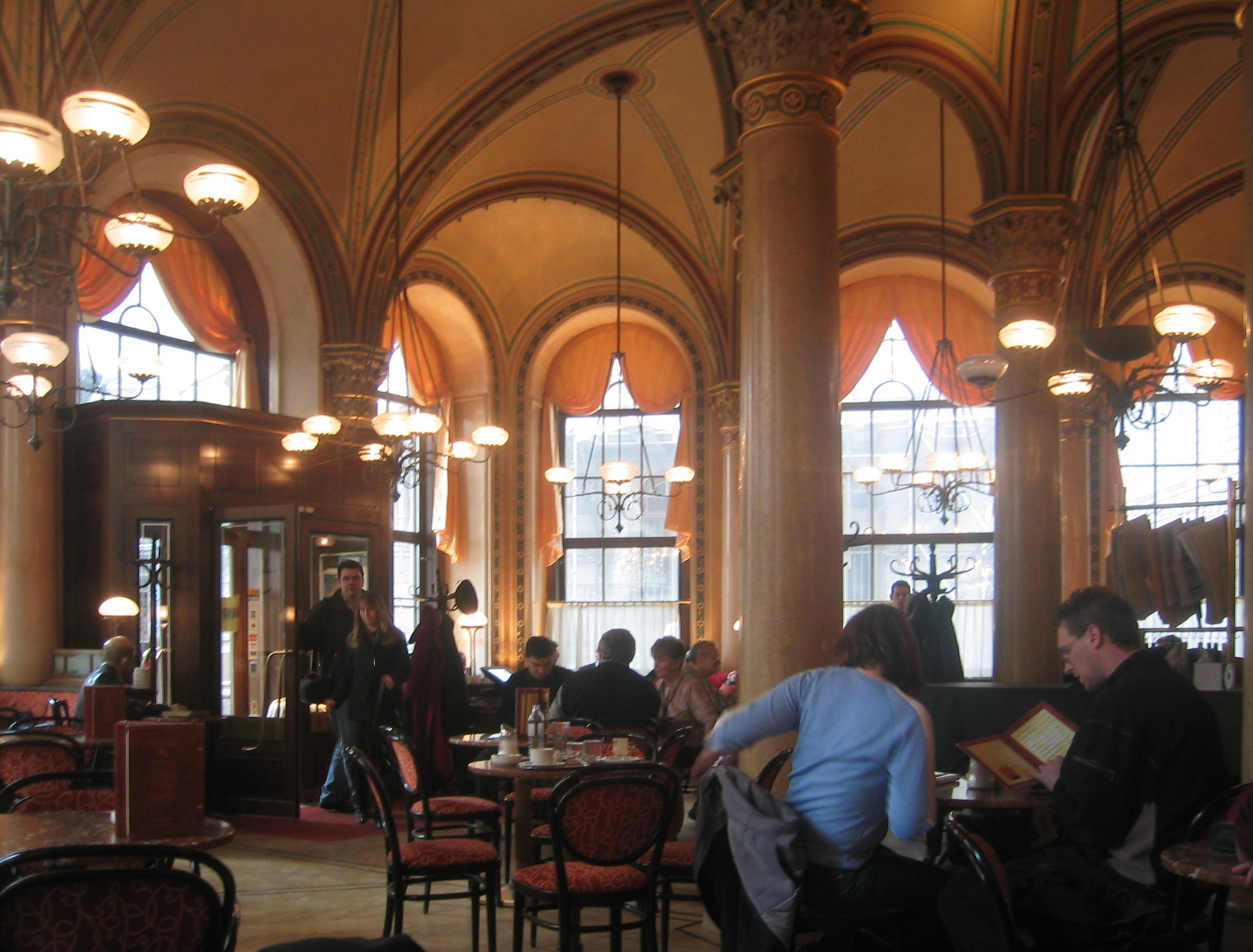
Since October 2011 the “Viennese Coffee House Culture” is listed as an “Intangible Cultural Heritage” in the Austrian inventory of the “National Agency for the Intangible Cultural Heritage”, a part of UNESCO. This recognition stems from a profound understanding of what makes these establishments truly special.
The coffeehouse is a place “in which time and space are consumed, but only the coffee is listed on the bill”. This poetic description captures the essence of Vienna’s approach to hospitality – where the true product being offered isn’t just a beverage, but something infinitely more valuable.
The revolutionary idea seems almost absurd to modern visitors. You can sit for hours having purchased a single coffee, and nobody will pressure you to leave or order more.
The Art of Professional Distance
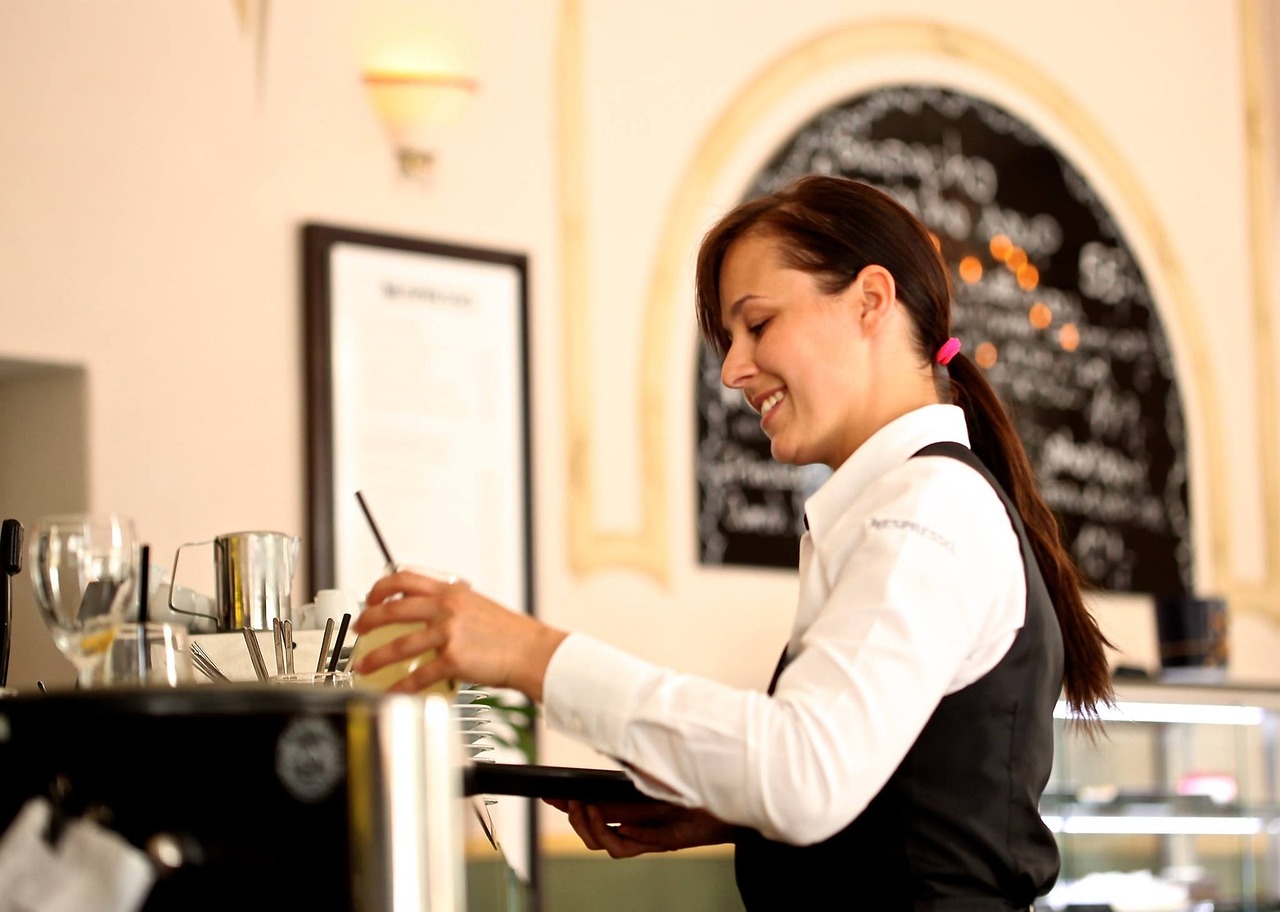
“We provide perfect service, not friendliness,” says Thomas Vogel of Café Sperl. “I’m not your buddy – I’m a professional.” This philosophy might sound cold to outsiders, but it represents something deeper – respect for your personal time and space.
Waiters in pressed black jackets and silver trays move deliberately, never hastily. That wait is not inefficiency – it’s grace. The seemingly formal service style actually creates protective boundaries around your temporal experience.
Instead of constant interruptions and fake cheer, you receive what you truly need – uninterrupted hours to think, read, write, or simply exist without external pressure.
The Newspaper Ritual and Extended Presence
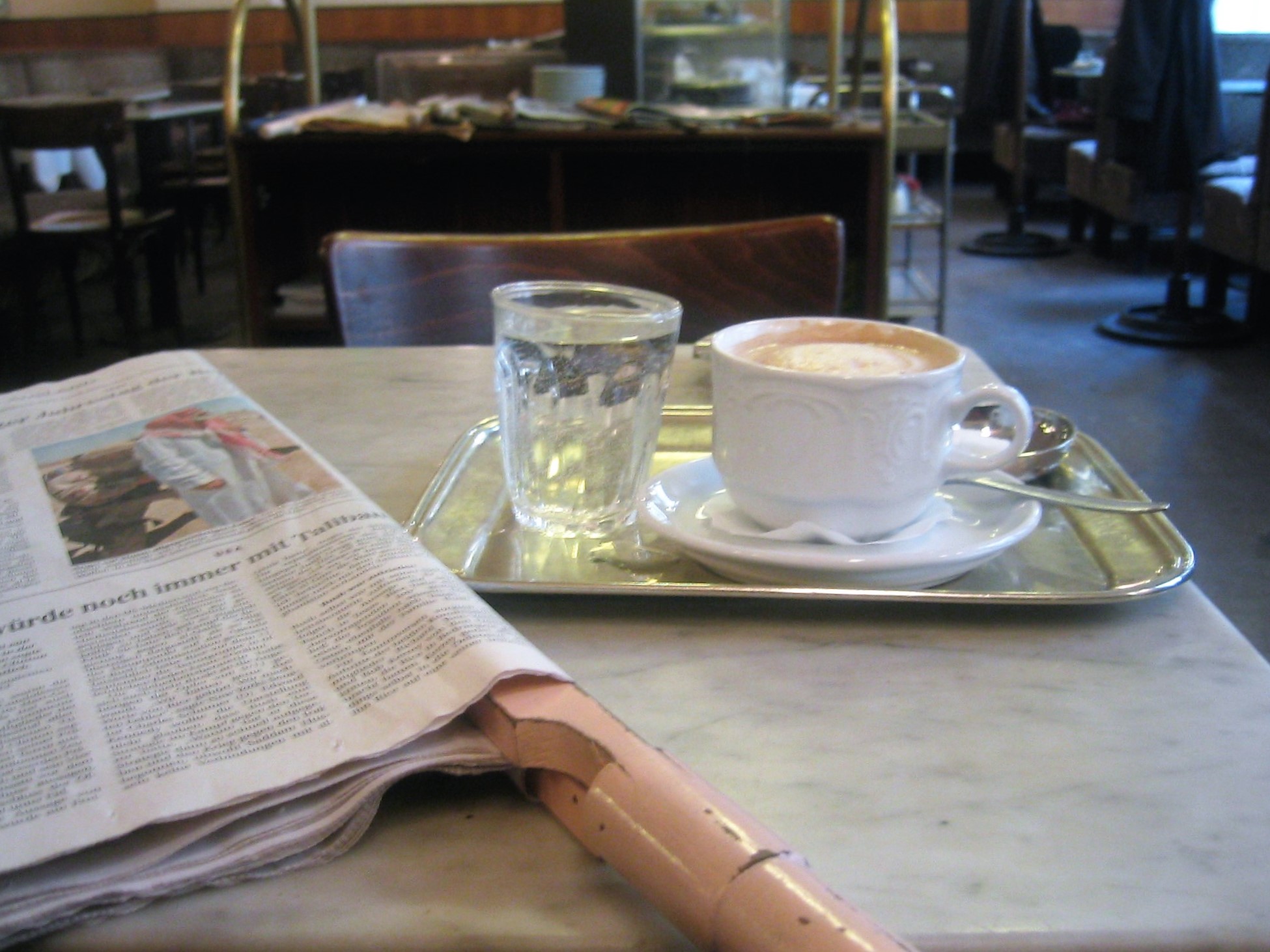
Somewhere inside each one is a rack, table or stand covered in newspapers for you to borrow. At Café Sperl, established in 1880, more than a dozen newspapers still hang from wooden racks. These aren’t mere decorations but essential tools for temporal consumption.
Visitors often spend extended periods reading several newspapers. This statistic reveals how fundamentally different Vienna’s café culture remains from the grab-and-go mentality dominating most of the world.
Unlike some other café traditions around the world, it is normal for a customer to linger alone for hours and study the omnipresent newspaper. The solitary reader becomes part of the café’s living architecture, contributing to its contemplative atmosphere.
The Sacred Pause in Modern Life
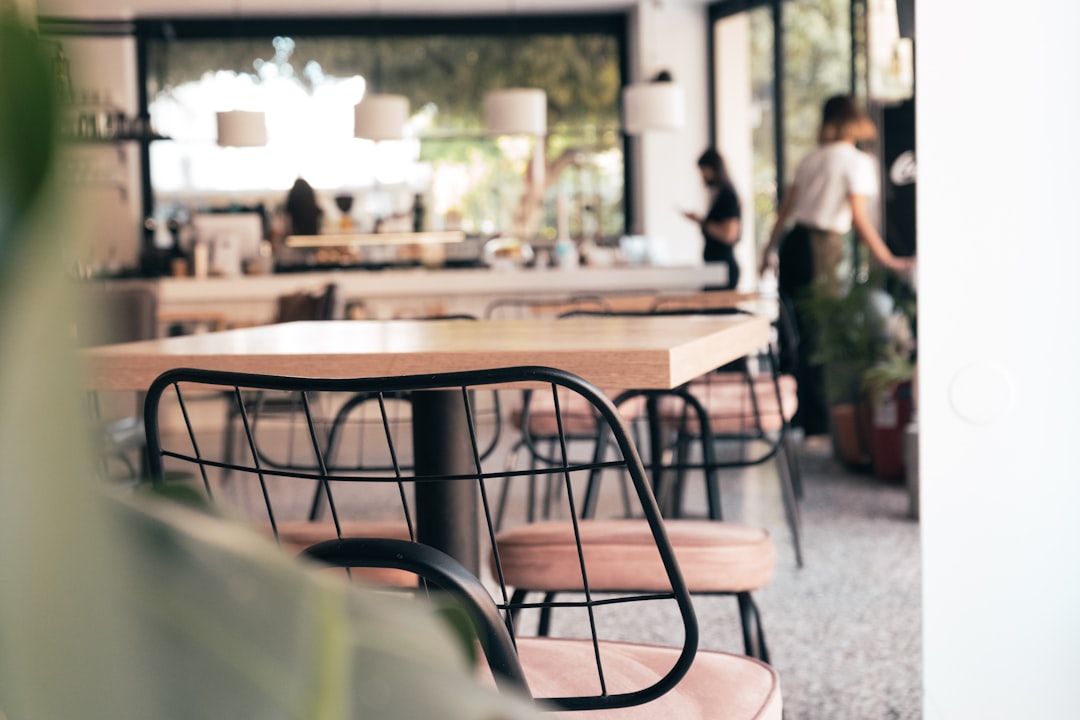
When you cross the threshold, listen closely to hear the tick of your watch slow to a standstill. If you really want to relax, all you need is a Viennese café and your reading glasses. This transformation happens not through meditation apps or wellness programs, but through simple environmental design.
In Vienna, slowness is a form of respect. It allows space for silence, conversation, and observation. The physical environment – with its marble tables, Thonet chairs, and historicist details – creates a temporal bubble where different rules apply.
Modern visitors often struggle with this concept, checking their phones or fidgeting uncomfortably when no server rushes to take their order within minutes.
Tourist Behavior Versus Local Wisdom
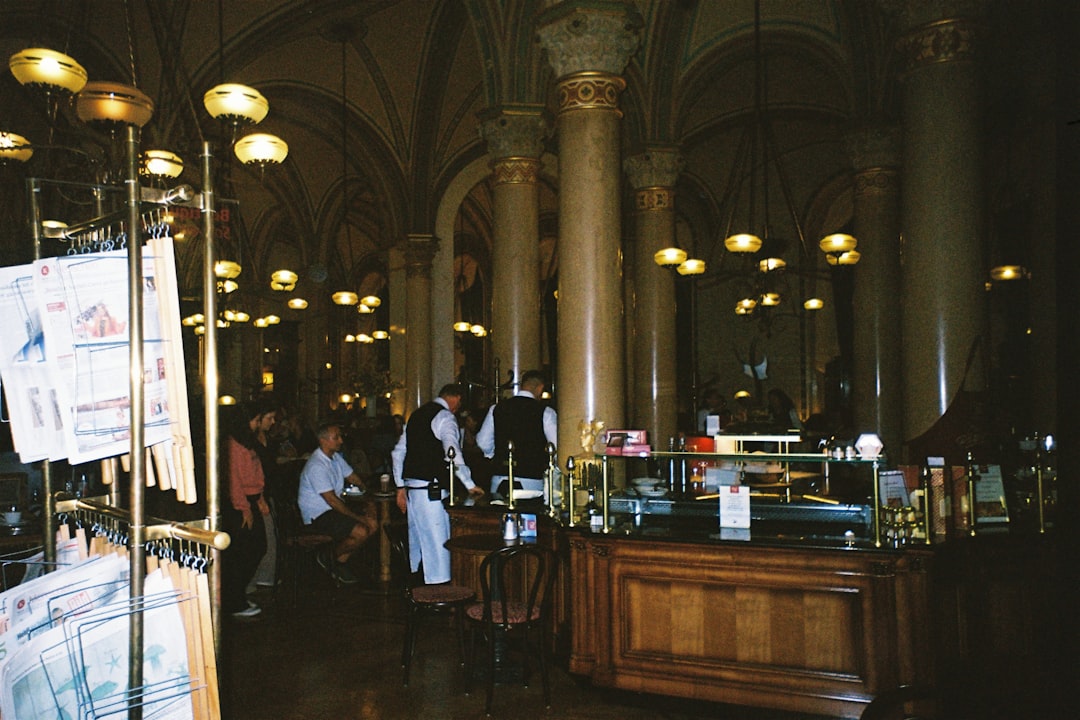
Observations from Vienna’s cafés reveal a consistent pattern: many tourists try to order at the counter, ask simply for “coffee”, and leave within 30 minutes – while locals behave quite differently. These statistics illuminate the cultural divide between hurried visitors and time-conscious Viennese.
As Maria Schneider, who has served at Café Central for nearly three decades, explains: “Within two minutes, I can tell who’s a tourist. They look at their watches while waiting for coffee. Locals know coffee comes when it’s ready.”
The irony is profound – tourists travel thousands of miles to experience Vienna’s famous café culture, then spend their entire visit fighting against its fundamental principles.
The Historical Legacy of Intellectual Gathering
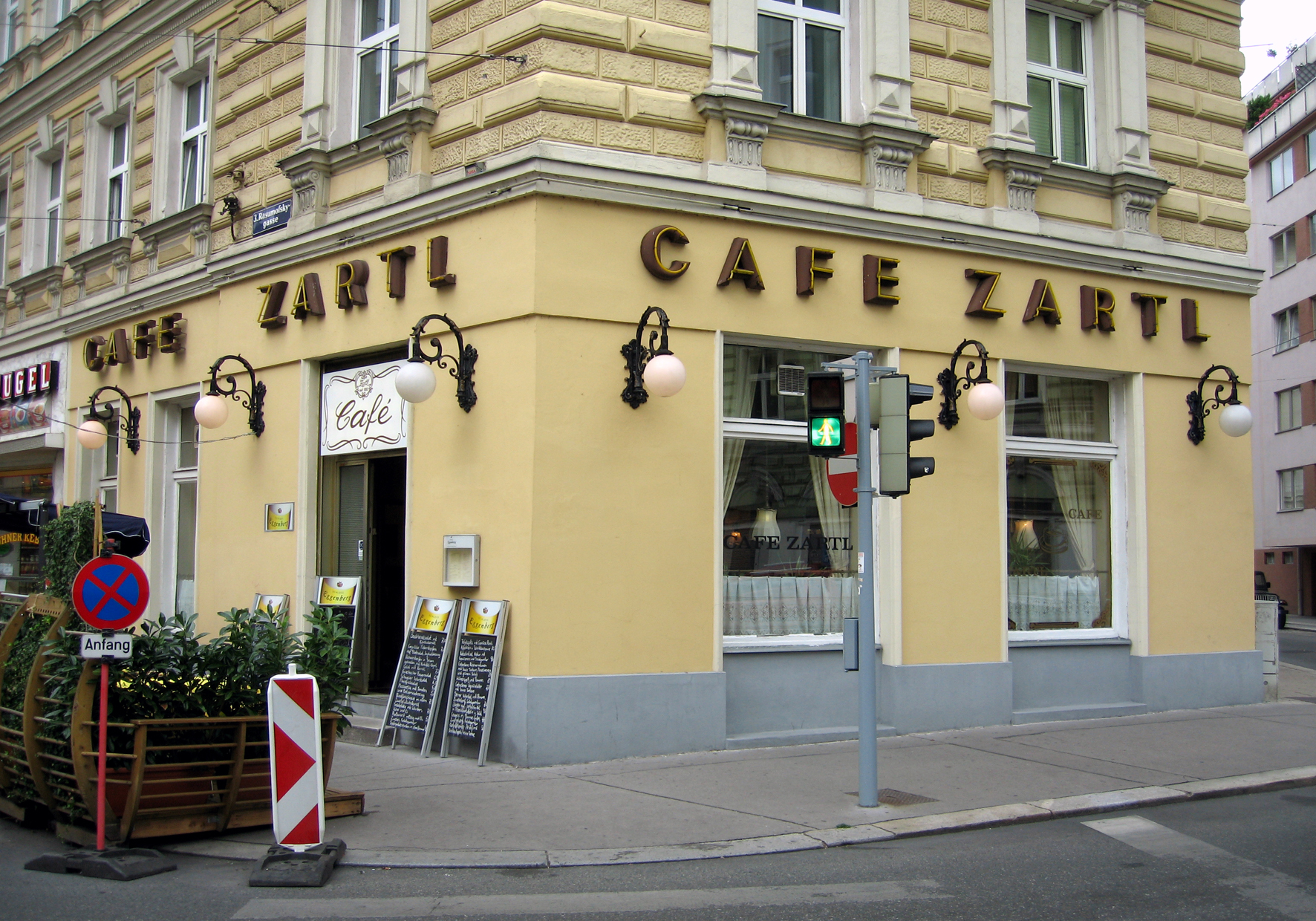
By the 19th century, Vienna’s coffeehouses had evolved into living salons. Poets, philosophers, and revolutionaries gathered under their chandeliers. Sigmund Freud drafted theories at Café Landtmann. Stefan Zweig described the cafés as “democratic clubs open to everyone for the price of a cup of coffee.”
Writer and poet Peter Altenberg had his mail delivered to his favorite café, the Café Central. Writers such as Peter Altenberg, Egon Friedell, and Hermann Broch made coffee houses their preferred place of work and pleasure. These weren’t casual meetings but serious intellectual laboratories.
The term “Kaffeehausliteratur” (coffee house literature) describes the many works of literature written at those marbled tables. This melting pot of minds played a part in the arrival and evolution of Vienna Modernism.
The Economic Model of Time Over Turnover
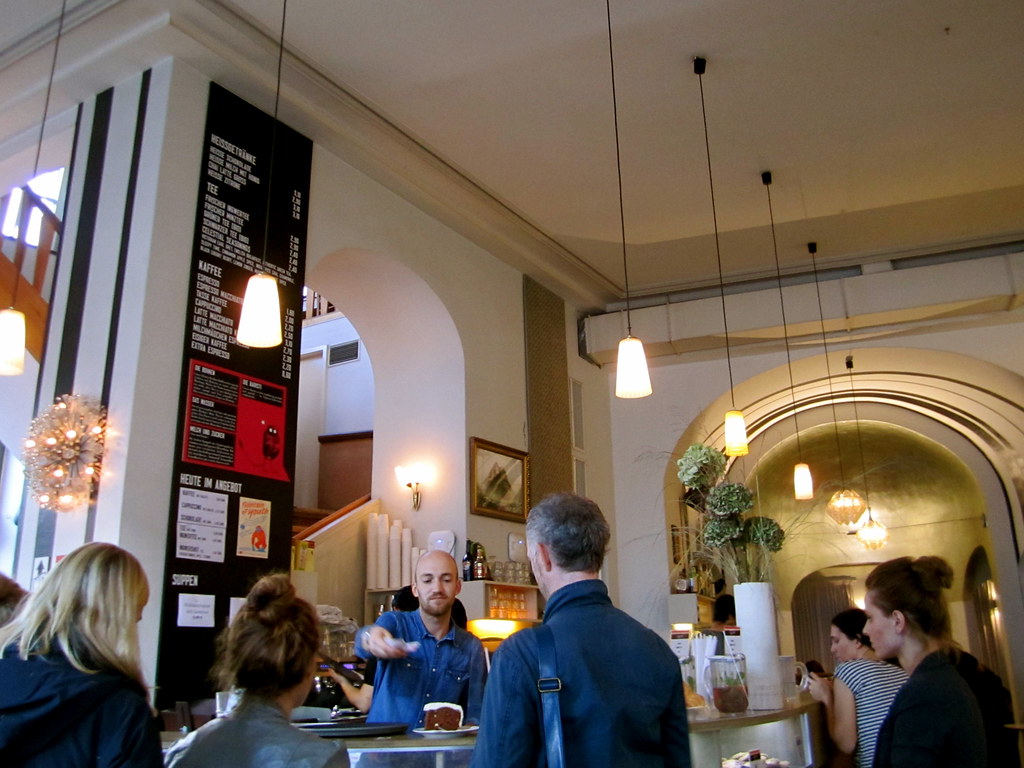
Perhaps the truly defining element is the absence of pressure to order more or move on. You can sit there for a long time having bought a single coffee. This business model seems financially impossible by contemporary standards, yet these establishments have survived centuries of economic upheaval.
I’ve heard rumours that certain coffee houses are introducing timeslots to cope with increasing customer demand. So perhaps this defining tradition is slowly beginning to fray at the edges. Tourism pressure threatens to transform these temporal sanctuaries into conventional restaurants.
However, the core establishments continue resisting this trend, understanding that their true value proposition lies not in rapid table turnover but in providing something increasingly rare – uninterrupted time.
The Physical Elements That Create Temporal Space
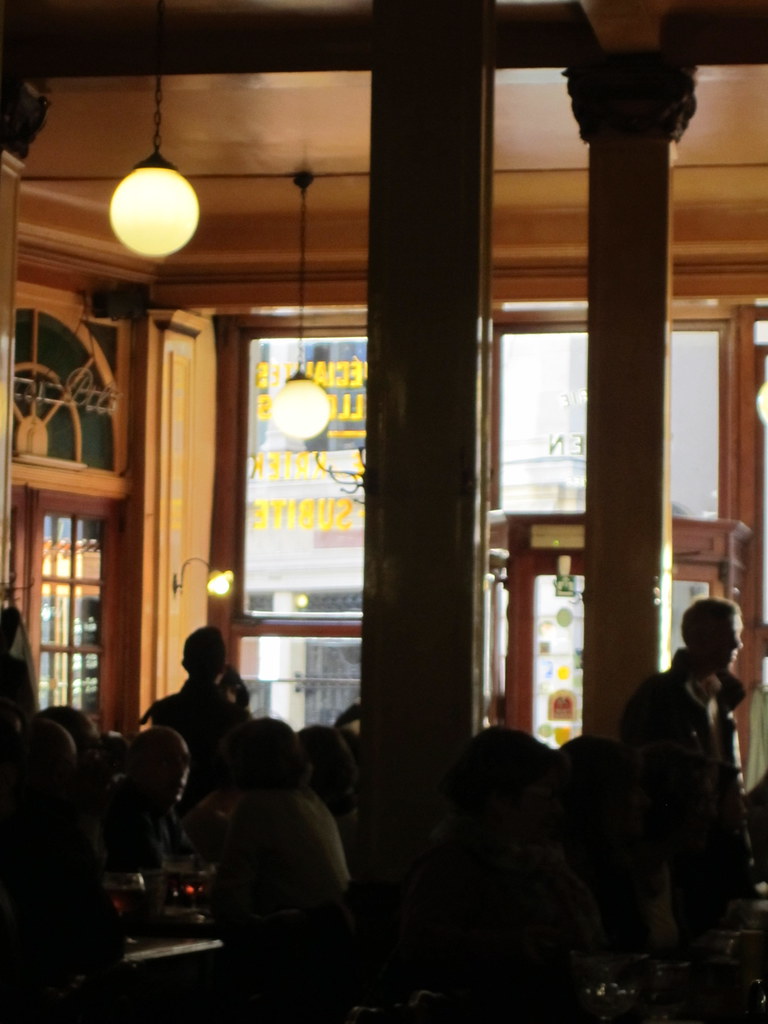
Typical for Viennese coffee houses are marble tabletops, Thonet chairs, newspaper tables and interior design details in the style of historicism. These aren’t arbitrary design choices but carefully crafted elements that encourage extended stays.
Nowhere else is coffee served on a silver tray, always accompanied by a glass of water and a discreet coffee spoon. The interior from back then – marble tables, upholstered sofas, and the Thonet chair – is another hallmark. Every detail supports the temporal experience rather than rushing it.
The heavy marble tables can’t be easily moved, encouraging guests to settle in rather than constantly repositioning themselves. The comfortable upholstered seating invites hours of contemplation rather than quick consumption.
Contemporary Challenges to Time-Based Service

It shows that something is moving in Vienna’s coffee scene. For me, coffee is an expression. Every line, every nuance tells a story about the person preparing it. Modern specialty coffee culture brings new pressures and expectations to Vienna’s traditional establishments.
During my first visit in 2018, I noticed a variety of cafés used the same menu and served the exact same cake. The commercialisation has not stopped. I came all the way to indulge in the real deal and not some standardised mass-produced cake.
The challenge lies in maintaining authentic time-serving practices while adapting to contemporary economic pressures and tourist expectations without losing the essential character that makes these spaces unique.
The Philosophy Behind Temporal Hospitality
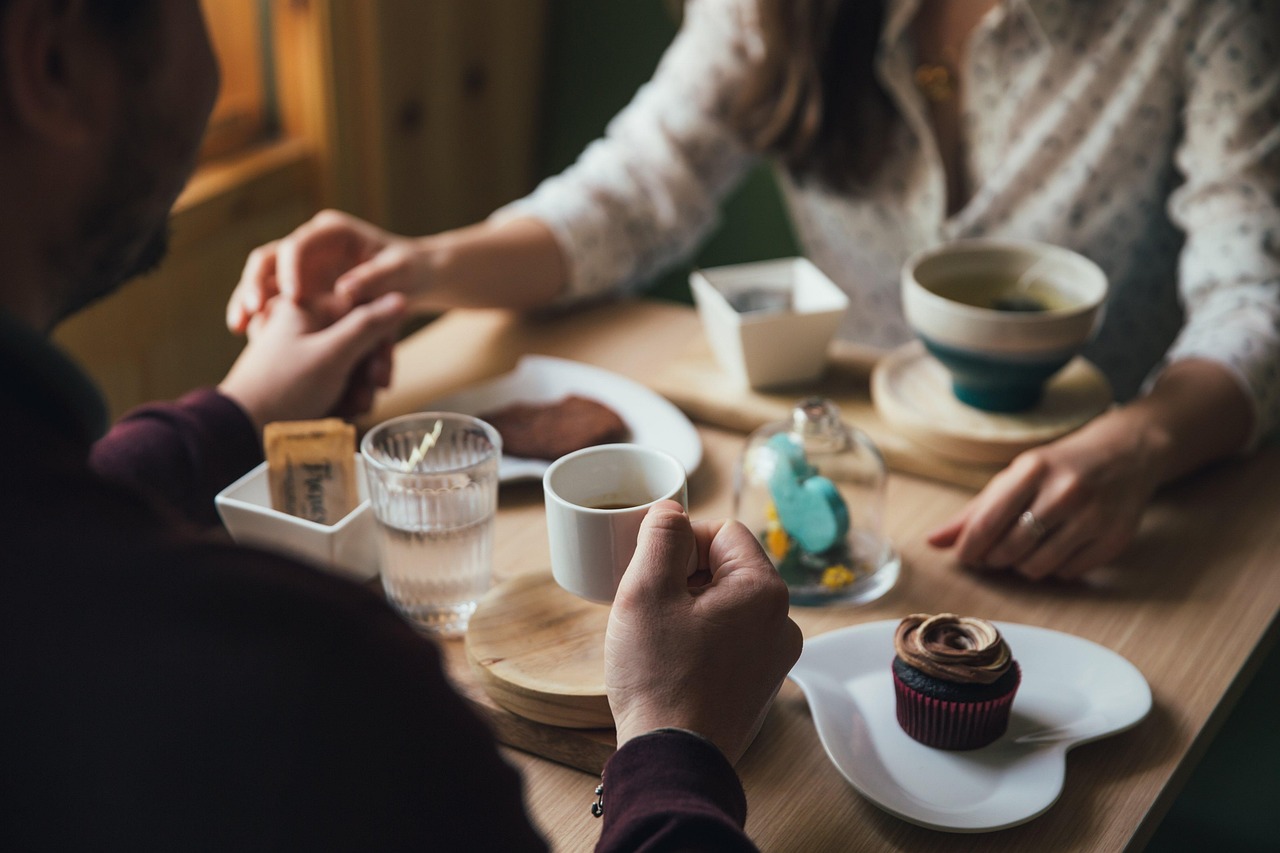
“Here,” says café owner Karl Weber, “we don’t drink coffee to stay awake – we drink it to be with people, or to be alone.” This simple philosophy reveals the sophistication underlying Vienna’s approach to public spaces.
Never rush your coffee. Time is the invisible ingredient in every cup. Linger. The moment you stop watching the clock, you become part of the city. The cultural codes governing behavior in these spaces prioritize temporal generosity over commercial efficiency.
The revolutionary concept isn’t about literal time measurement but about creating environments where human beings can exist without constant productivity pressures, where contemplation takes precedence over consumption.
In a world increasingly dominated by speed and efficiency, Vienna’s traditional coffeehouses continue to offer something radical – the simple luxury of uninterrupted time. They serve not just coffee but the increasingly rare opportunity to pause, reflect, and exist without apologizing for taking up space. What do you think about this approach to hospitality – revolutionary wisdom or outdated inefficiency?