The Fishermen Who Sing to the Tides in Zanzibar
The Timeless Rhythm of the Sea
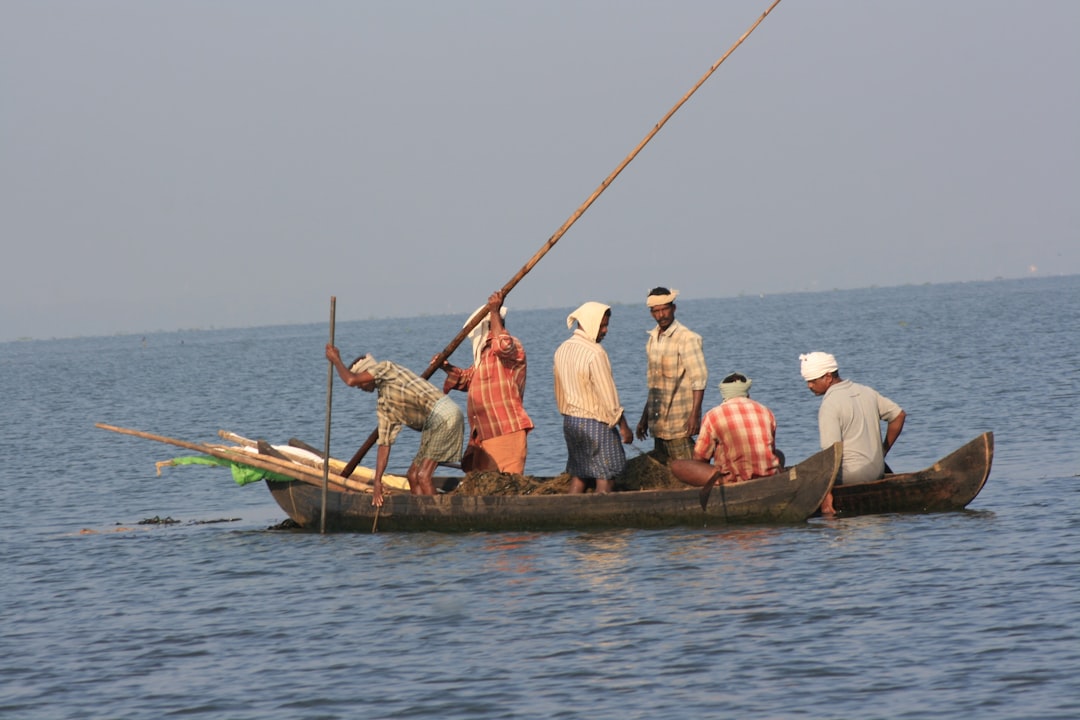
In the warm waters surrounding Kilwa Kisiwani, a small island along Tanzania’s southern coast, something extraordinary unfolds daily. Historically, fishers (both men and women) have engaged in different activities ranging from preparing fishing equipment (traps, nets, fishing vessels), weather forecasting, and sailing to fishing grounds and they continue to do so today. These fishing activities have always been accompanied by maritime customs, traditions, rituals, stories, and gestures. For instance, singing is one key tradition that has continued to accompany the fishing process from the start to the end. This tradition represents one of the most authentic maritime cultural practices still alive in East Africa. The fishing songs are presented in the context of intangible cultural heritage of the east African Swahili coast. What makes these songs so special is that they serve both practical and spiritual purposes in ways that connect directly to the ocean’s rhythm.
When Words Meet Waves
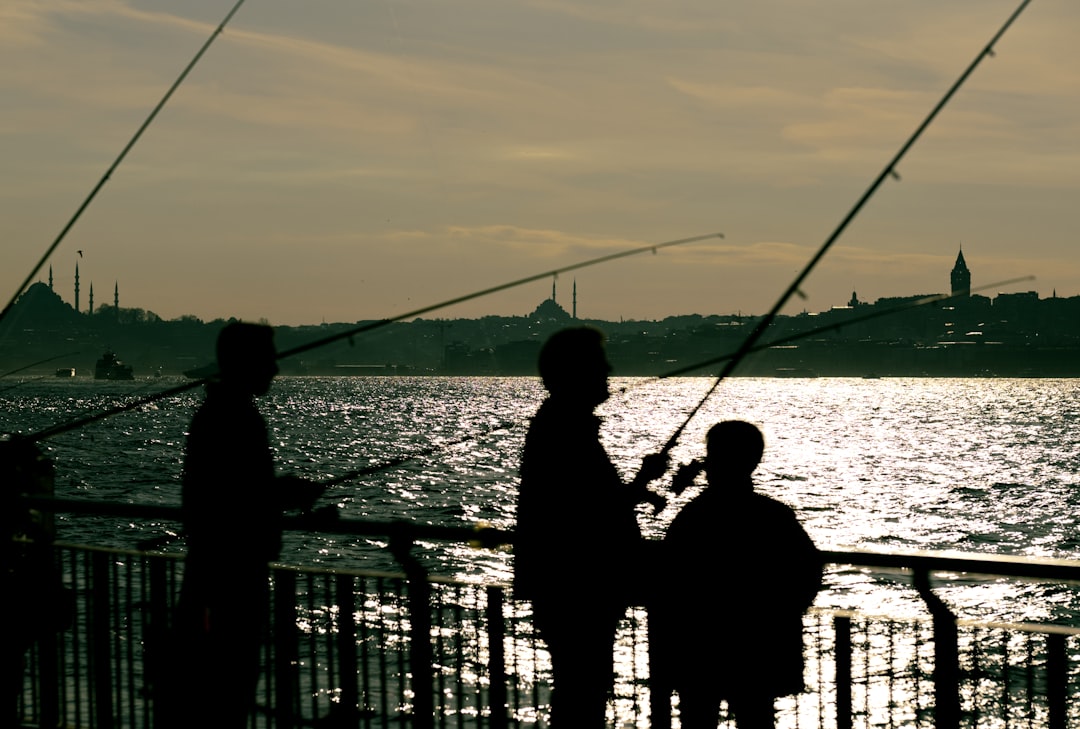
While sailing, fishers paddle collaboratively when the wind is low and when the boat is leaking, some crew will bail the vessel. Once they arrive at the fishing grounds, fishers cast anchor, mend the fishnets, and fix the boat foresheets. Each of these activities comes with its own musical accompaniment. The songs help coordinate the timing of their work, much like how sea shanties helped sailors in other parts of the world. Singing is a social activity which is part and parcel of people’s daily lives. Nketia argues that songs’ themes centre on events and matters of common interest among community members or a social group. The songs may deal with everyday life or the traditions, beliefs, and customs of the society. These melodies transform the hard physical labor of fishing into something approaching a dance.
Voices That Navigate the Deep
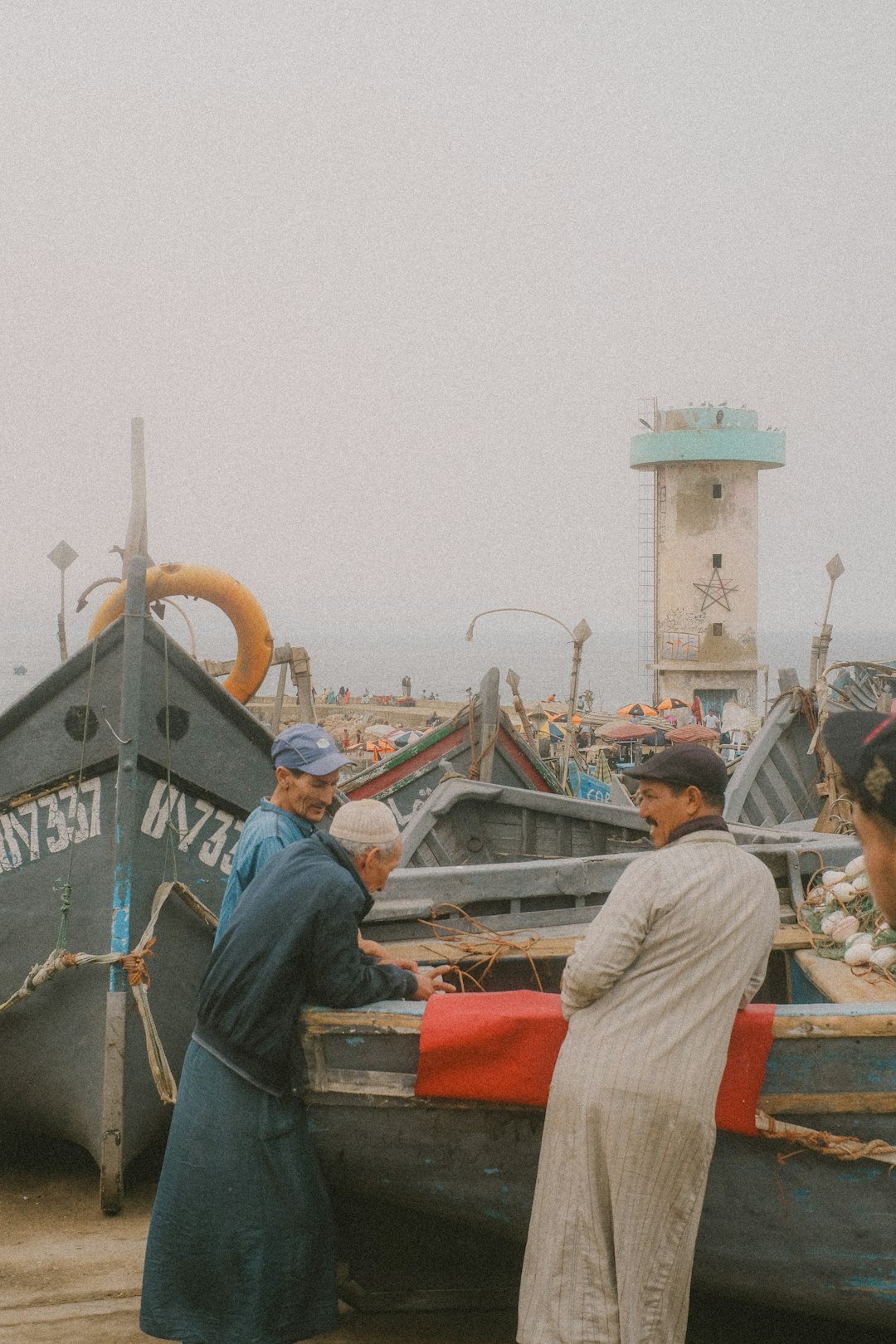
The fishing songs serve as more than entertainment. These fishing activities are accompanied by maritime customs, traditions, rituals, stories, and gestures. One key tradition accompanying the fishing process from the start to the end is singing. Think of them as nautical GPS systems that existed centuries before satellites. The fishermen use different songs to mark various stages of their journey, from departure to return. Some songs help them remember important navigation markers, while others serve as timing mechanisms for collaborative tasks. The lyrics often contain weather forecasting wisdom passed down through generations, making these songs both practical tools and cultural treasures.
The Sound of Swahili Waters
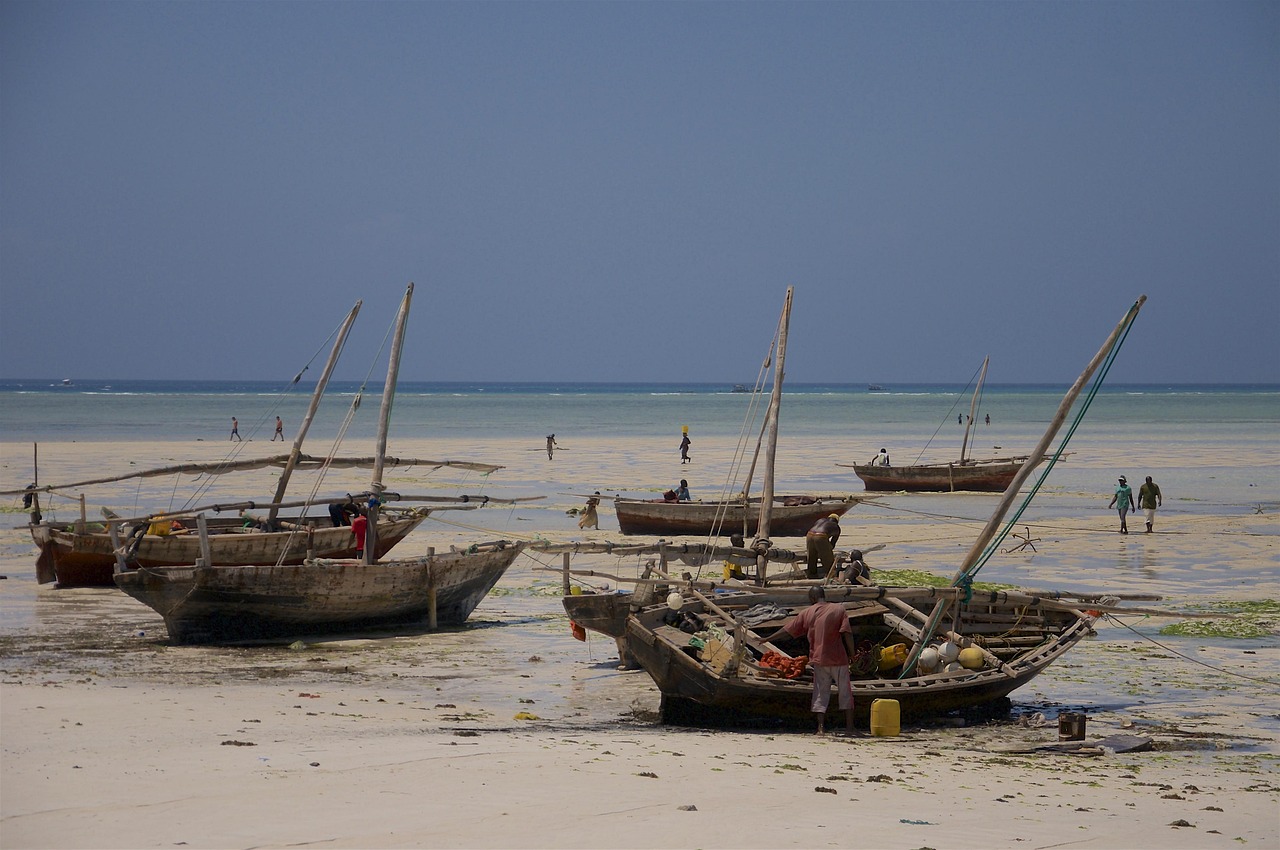
Although it originated in Zanzibar, taarab spread throughout the Swahili coast of Africa and the Indian Ocean. It is still performed in the capital, Dar es Salaam, and Tanga in Tanzania, Mombasa and Lamu in Kenya and the Comoros Islands. While taarab represents the more formal musical tradition of the region, fishing songs offer something more raw and immediate. Zanzibar’s most popular music is taraab, dramatic Swahili orchestral music which features instruments from several continents. However, the working songs of fishermen rely primarily on human voices, sometimes accompanied by the rhythmic slapping of paddles against water or the creaking of wooden boats. These songs connect to the deeper musical heritage of the Swahili coast while serving the immediate needs of working people.
Living Heritage Under Pressure
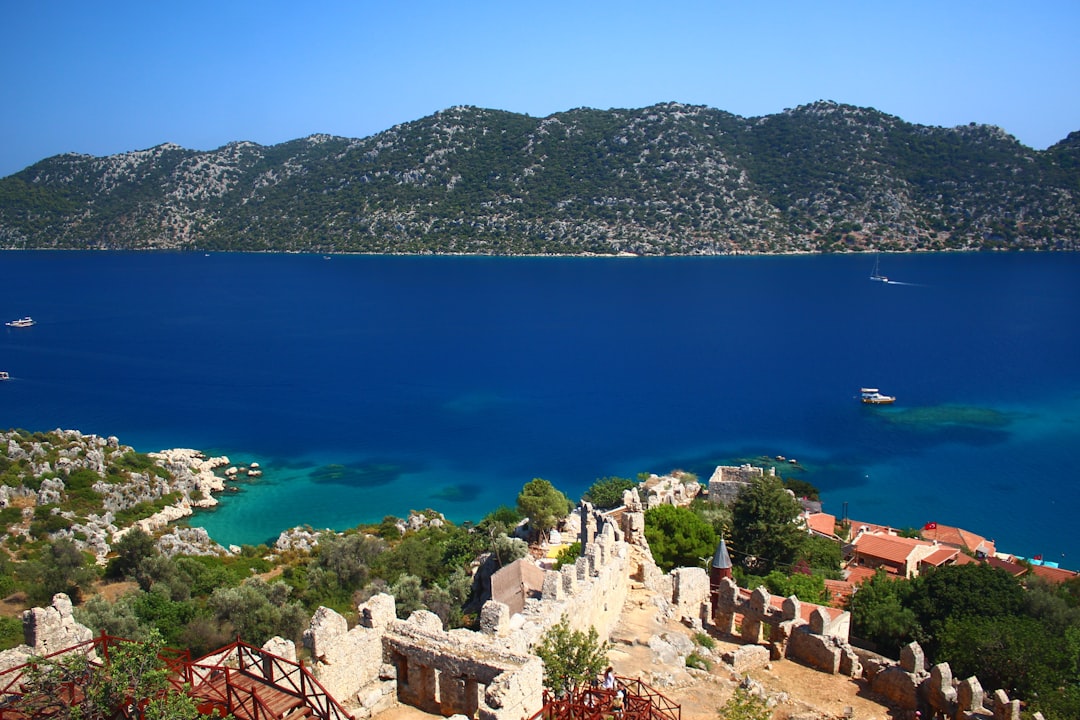
Recent academic research has brought international attention to this disappearing tradition. Despite these initiatives, little has been done to document and safeguard intangible MCH (Maritime Cultural Heritage). Recent academic research has begun to document these songs in scholarly literature. The research shows that these traditions face increasing pressure from modernization, climate change, and the shift toward motorized fishing vessels. Today, the remains of the palace, the grand mosque and merchant trade centre stand in ruins close to a shoreline that is increasing impacted by changing climate. Unlike better-known World Heritage sites, such as the Pyramids of Giza or the Great Wall of China, the Ruins of Kilwa Kisiwani and Songo Mnara have not received the attention they need if they are to survive another eight centuries.
The Keepers of Ancient Melodies
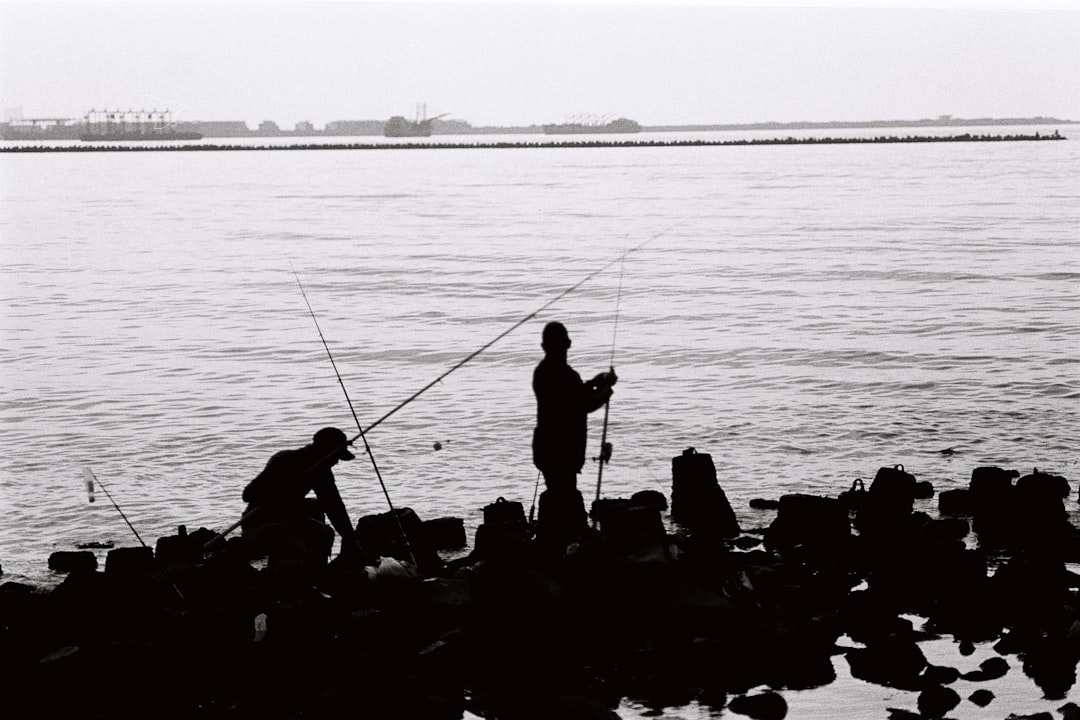
The tradition involves both men and women, though their roles often differ. Historically, fishers (both men and women) have engaged in different activities ranging from preparing fishing equipment (traps, nets, fishing vessels), weather forecasting, and sailing to fishing grounds. Women often lead the songs during net preparation and fish processing, while men take the lead during actual sailing and fishing activities. This gender division creates a rich tapestry of musical expression that covers the entire fishing process. The songs also serve as a form of community bonding, bringing together families and neighbors in shared economic activities.
Cultural Preservation Through Modern Music

A step change in engagement came with the recording of a music video sung by a popular Tanzanian female rapper Claudia Lubao, known as Chemical, and composed by the team’s academic archaeological partner, Dr Elgidius Ichumbaki. The song highlights the importance of heritage with a connection to local people, warning about the impact of climate change to the sites and the environment surrounding them. This innovative approach demonstrates how traditional fishing songs can inspire contemporary artists. Claudia’s music has reportedly set a precedent in bringing cultural heritage to new audiences. The collaboration brought attention to the heritage site through innovative musical outreach. This fusion of old and new offers hope for preserving these ancient traditions in forms that resonate with younger generations.
Beyond the Tourist Trail
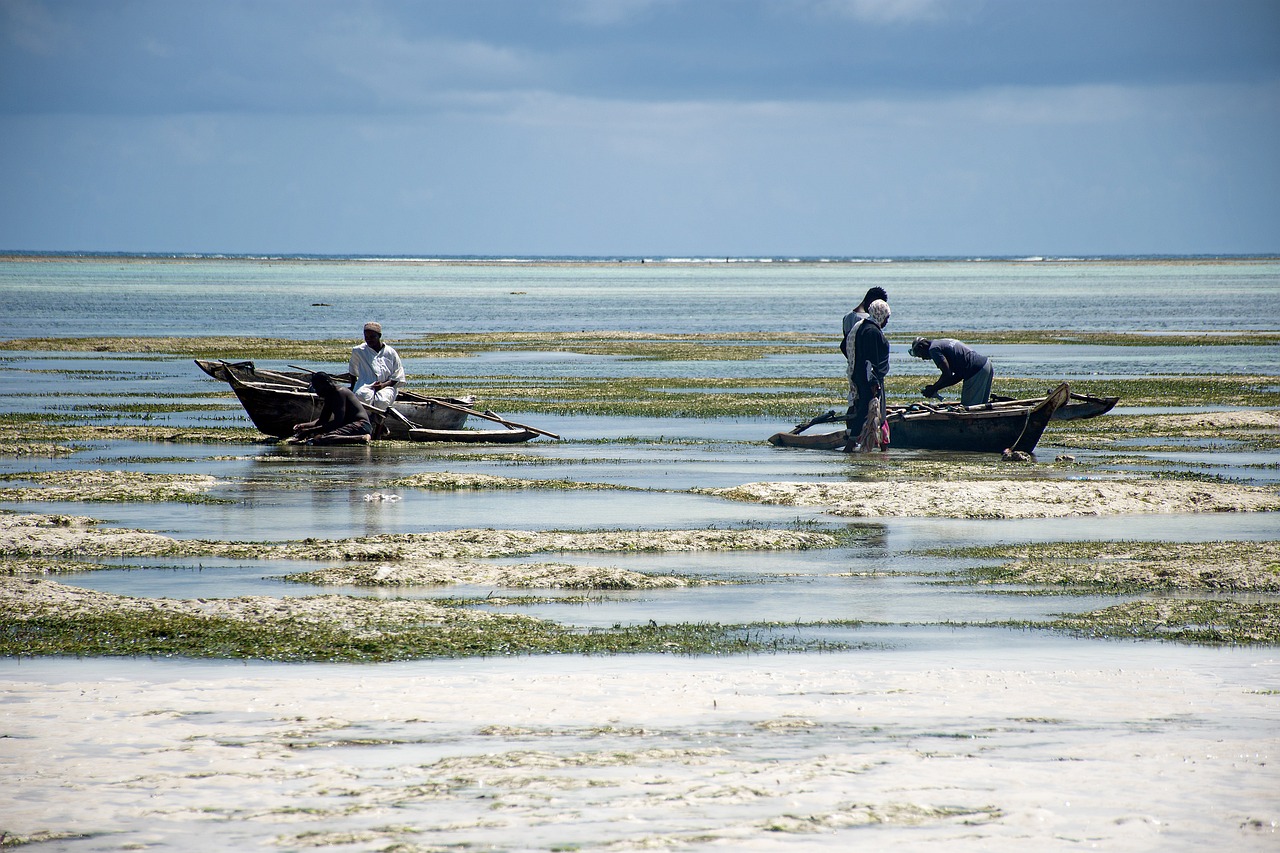
While Zanzibar attracts thousands of visitors each year for its beaches and spice tours, few experience these authentic fishing traditions. Traditional Ngoma music and dance reflect Swahili heritage through drumming, call-and-response singing, and storytelling. The fishing songs share similar call-and-response patterns but serve a more functional purpose. Traditional Ngoma music and dance reflect Swahili heritage through drumming, call-and-response singing, and storytelling. Some ceremonies honor ancestors or mark life transitions. Unlike organized cultural performances, the fishing songs happen organically as part of daily work life, making them more challenging for outsiders to witness but infinitely more authentic.
Scientific Documentation Meets Ancient Wisdom
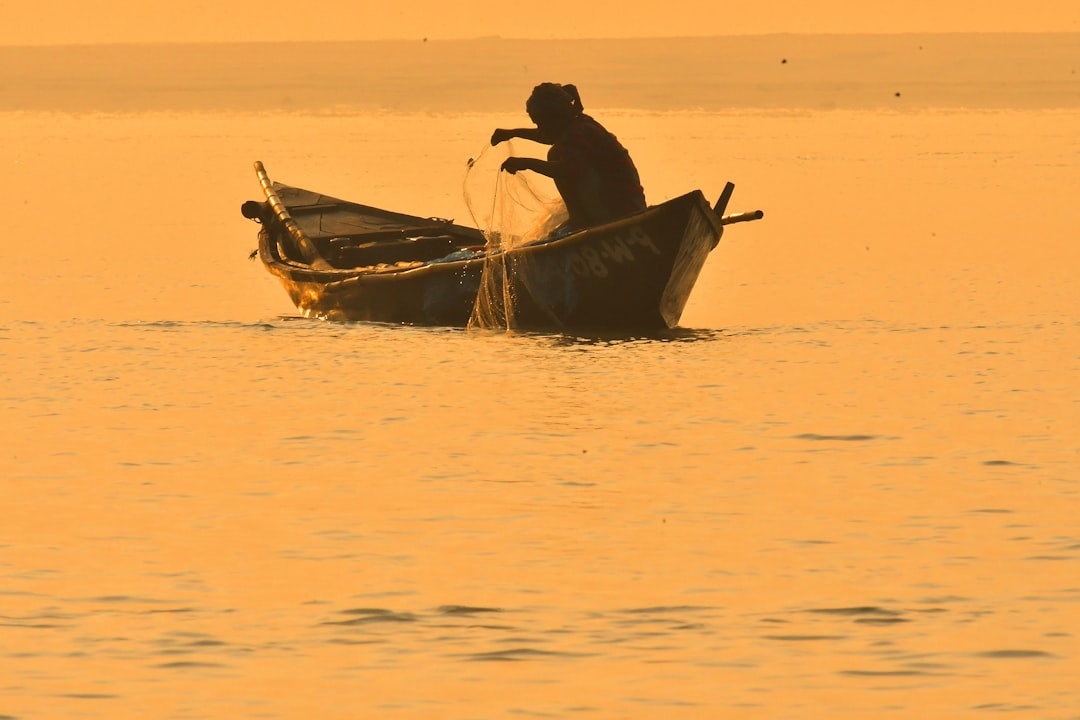
The recent academic study of these songs represents a crucial step in preserving this intangible heritage. This paper documents and present … along the southern coast of Tanzania. The fishing songs are presented in the context of intangible cultural heritage of the east African Swahili coast. Researchers have worked closely with local fishing communities to record not just the melodies but also their meanings and practical applications. This scientific approach ensures that future generations will have access to both the songs themselves and the cultural context that gives them meaning. Cultural preservation initiatives have emerged in the region with aims of protecting and promoting both tangible and intangible heritage throughout Eastern Africa.
The Future of Song and Sea
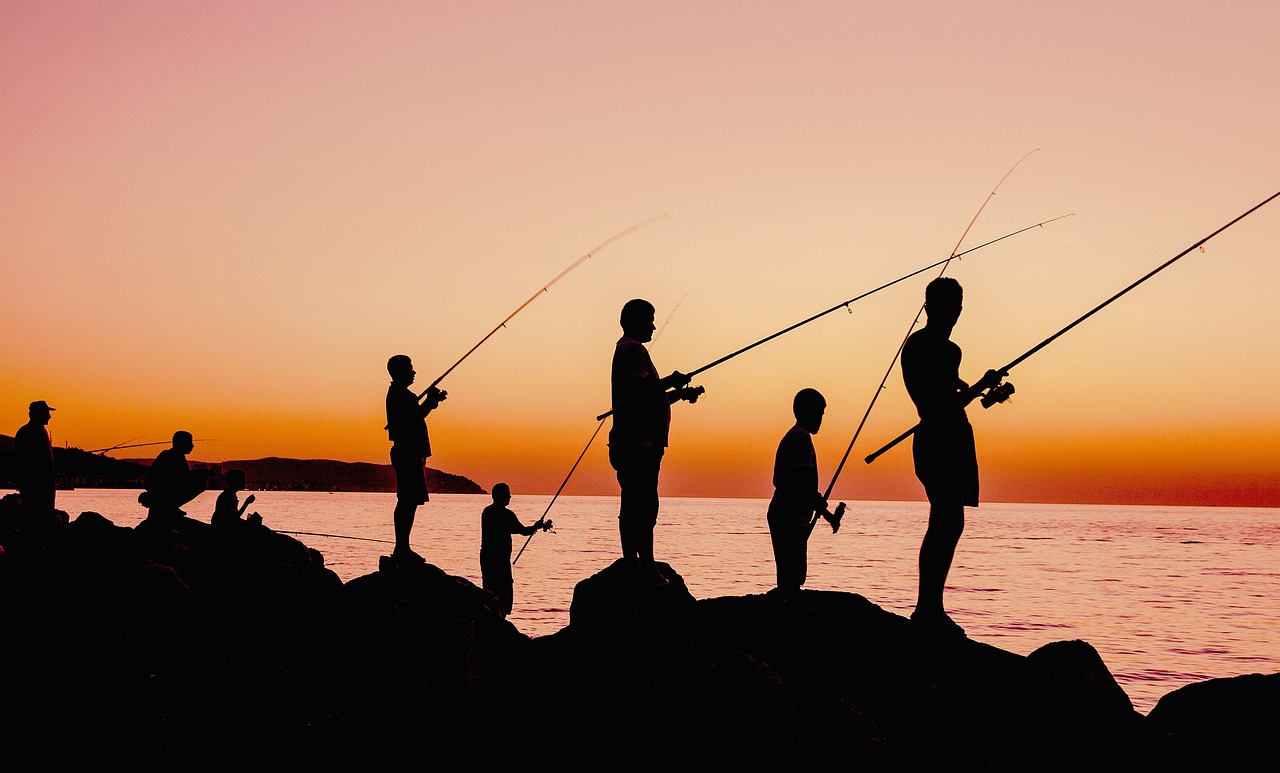
The overall impact has rippled much further than local people learning about their past. With the community and Government working together, the site has been cleared of litter from onshore and no longer spills into the ocean. With the coastal waters kept clean, the surrounding reef will benefit and already tourism is increasing. This environmental improvement creates better conditions for traditional fishing practices to continue. Modern fishing techniques and tourism development could easily overwhelm these ancient traditions. Yet there are encouraging signs that local communities understand the value of preserving their musical heritage. Cleaner waters and a local community that is caring offers the opportunity for education about ocean pollution, fishing practice, reef damage, over-fishing, and the possibilities of a healthier, more economically sustainable blue economy. The challenge lies in finding ways to maintain authenticity while adapting to contemporary realities.
represent more than a quaint cultural curiosity. They embody a profound connection between human beings and the natural world that industrial societies have largely forgotten. Their songs carry within them centuries of accumulated wisdom about weather patterns, marine life, and sustainable fishing practices. As the world grapples with climate change and ocean conservation, these ancient voices offer insights that modern technology alone cannot provide. The question remains whether future generations will hear these songs echoing across the waters of the Indian Ocean, or whether they’ll fade into silence like so many other aspects of our disappearing maritime heritage.