The 10 Worst Places to Travel Alone as a Woman
Traveling alone can be one of the most empowering experiences of your life. You decide where to go, what to eat, and how long to stay. The freedom feels boundless. Yet for women, solo travel comes with an extra layer of planning and caution that most men will never fully understand. Personal safety worries around 66 percent of women when traveling solo, according to recent surveys. While you can explore much of the world safely with the right preparation, some destinations present serious challenges that go beyond typical travel concerns. These are places where gender inequality, violence against women, legal restrictions, and cultural attitudes create genuine risks.
South Africa
South Africa is the most dangerous country in the world for solo female travelers, with only 25% of South African women saying they felt safe walking alone at night. That’s staggering when you think about it. Fewer than one in four women feel secure in their own neighborhoods after dark. It is estimated that reportedly over 40% of South African women will be raped in their lifetime, and South Africa has one of the highest rates of intentional homicides of women. The country’s breathtaking landscapes and incredible wildlife safaris can’t erase these brutal realities. Female travelers are explicitly warned not to hike, drive, or walk alone, and to behave conservatively at all times.
Brazil

Brazil ranks as the second-most dangerous country for women, with only 28% of Brazilian women feeling safe walking alone at night. The country has one of the higher rates of intentional homicide of women and ranks sixth for intimate partner violence, affecting 36.9% of women. Rio de Janeiro and São Paulo attract millions of tourists each year, drawn by Carnival, beaches, and vibrant culture. The U.S. government explicitly warns tourists not to walk alone at night or to physically resist robbery attempts. That tells you something about the severity of the situation. The country’s gender gap and violence rates make it a place where constant vigilance isn’t optional.
Russia
Russia is ranked third, largely due to having high rates of violence against women. It is also among the top ten countries for laws that limit women’s ability to participate in society and the economy, reflecting widespread gender-based legal discrimination. Moscow and St. Petersburg offer magnificent architecture, ballet performances, and rich history. Still, the legal framework itself works against women’s freedoms, and violence remains a critical concern. When a country’s laws systematically restrict what women can do, solo female travelers face more than just crime. They face institutional barriers that can complicate everything from getting help to navigating daily life.
Mexico

Mexico is the fourth most dangerous country for female travelers, with approximately 33% of women feeling safe walking alone at night, and the country has one of the higher rates of intentional homicides of women. Moreover, about 16% of women experience non-partner sexual violence, placing Mexico third in this category. Cancún, Playa del Carmen, and Mexico City remain popular destinations for American travelers, but cartel violence and crime create serious risks. The proximity to the United States doesn’t translate to safety. Many areas, particularly outside major tourist zones, present significant dangers, and female tourists are advised to stay close to resorts and avoid wandering.
Iran
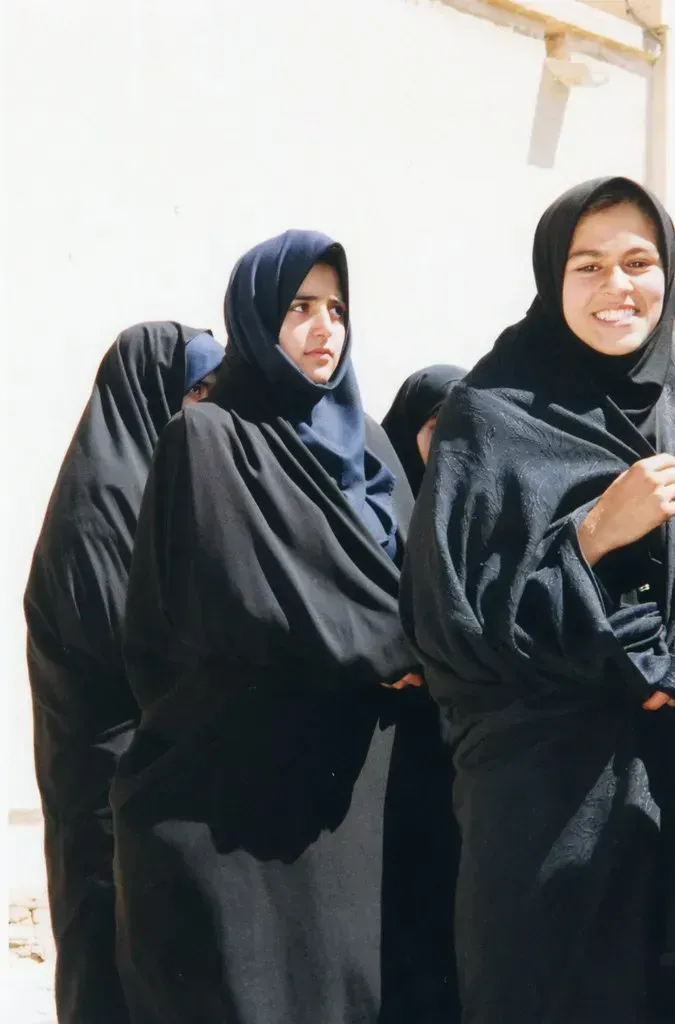
Iran’s place on the most dangerous country list is largely due to its one of the worst rankings for the gender gap, which measures disparities between men and women in economic participation, educational attainment, health, and political empowerment. Additionally, Iran ranked third for legal discrimination against women. The country’s ancient cities, stunning mosques, and Persian culture attract adventurous travelers, but women face mandatory dress codes, including headscarves, and high levels of intimate partner violence. Women in Iran find it unsafe to walk alone at night, and there is a high level of intimate partner violence; solo female travelers also must remember that it is a religious country, so they must dress modestly and cover their heads to avoid harassment or incitement.
The Dominican Republic
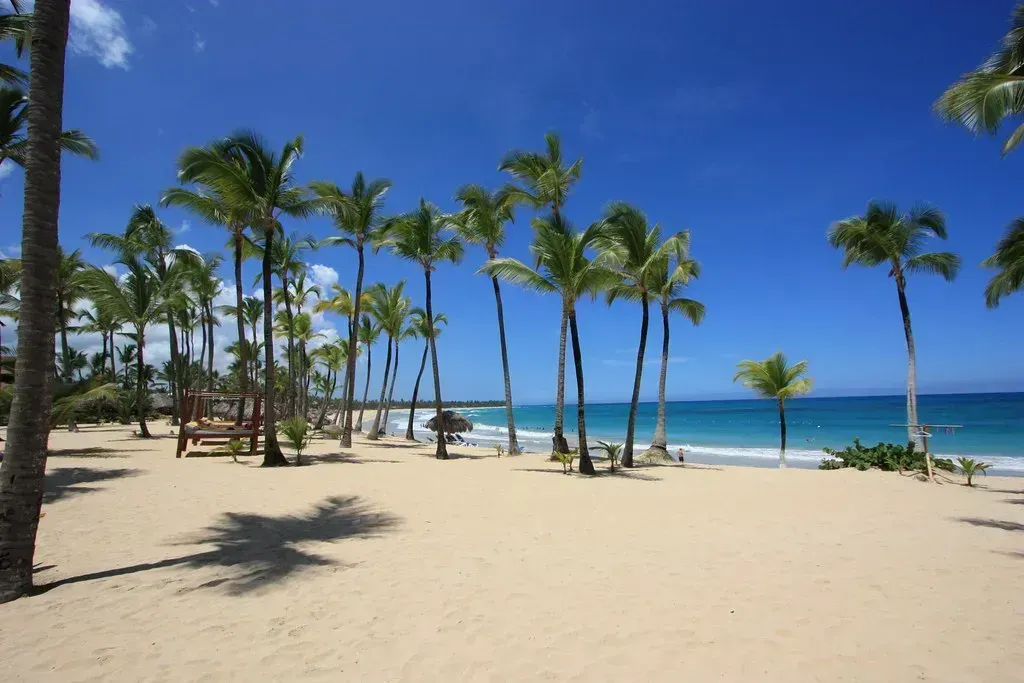
The Dominican Republic ranks sixth on the list, with only 33% of women feeling safe walking alone at night and one of the higher rates of intentional homicides against women. The country also ranks high in terms of gender inequality, which includes health, empowerment, and labor market participation. This Caribbean paradise with white-sand beaches has made headlines after a string of mysterious deaths and safety concerns for tourists. Before these events, many travelers considered it perfectly safe, but data reveals a different picture. Street safety scores particularly poorly, and gender inequality issues compound the risks for women traveling alone.
Egypt

Egypt is the seventh-most dangerous country for female travelers, with only 47% of Egyptian women reported feeling safe walking alone at night. The country has a high global gender gap and ranks poorly in terms of gender inequality, and ranks sixth for laws that restrict women’s participation in society and the economy. The pyramids, the Sphinx, and the Nile River cruises draw travelers from around the world. Yet harassment remains pervasive, particularly in crowded tourist areas. Legal restrictions and cultural attitudes toward women create barriers that go beyond typical safety concerns, affecting everything from how women can move through public spaces to how they’re treated by authorities.
Morocco
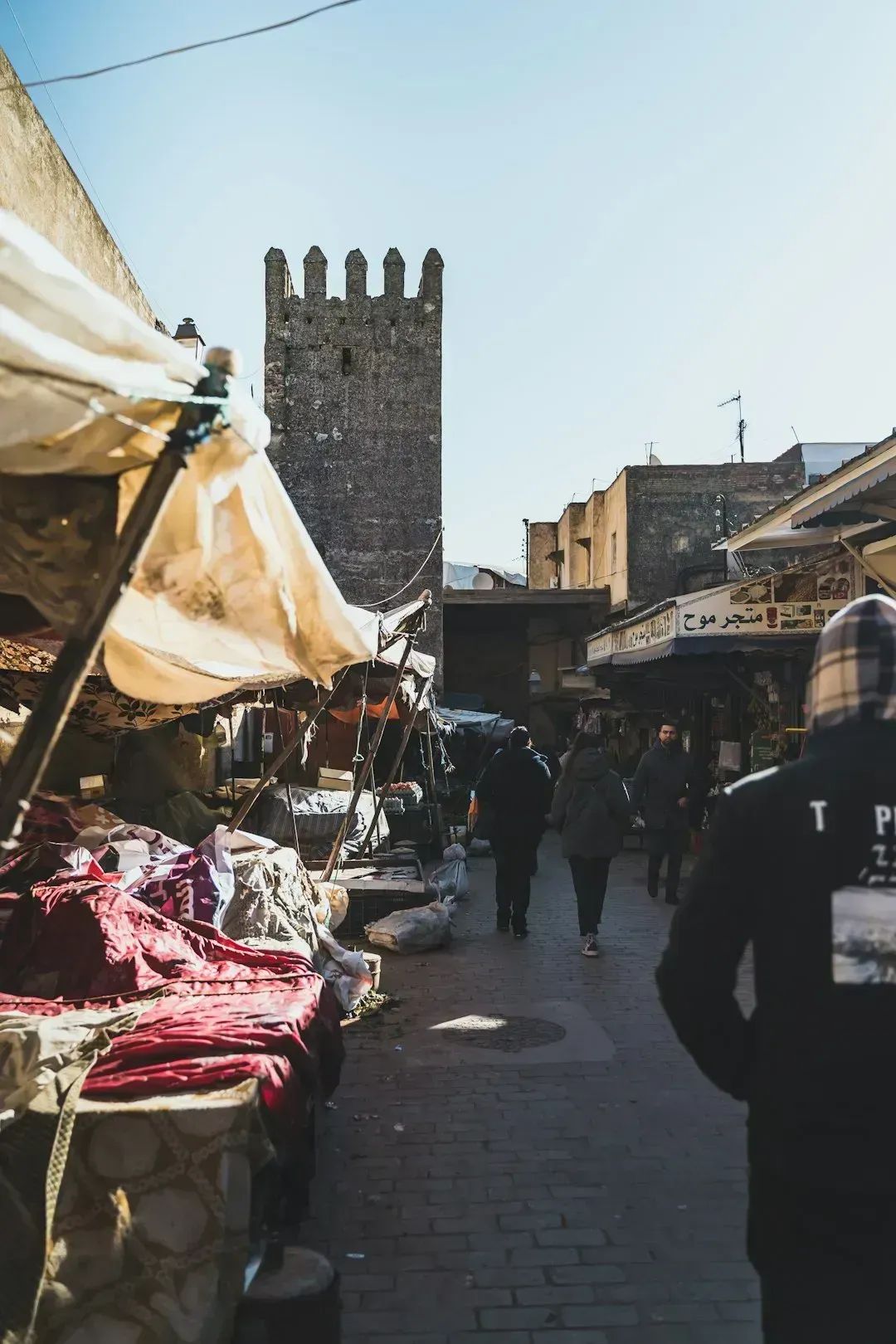
Morocco ranks eighth, with 45% of women experiencing physical or sexual violence from their intimate partners – the highest rate on the list. Approximately 32% of Moroccan women believe that violence against women is justified under certain circumstances. The souks of Marrakech, the blue streets of Chefchaouen, and the Sahara Desert offer unforgettable experiences. However, cultural attitudes toward violence against women are deeply troubling. When nearly half of women have experienced violence from partners, and a significant portion of the population believes it can be justified, the environment for solo female travelers becomes unpredictable and potentially dangerous.
Afghanistan
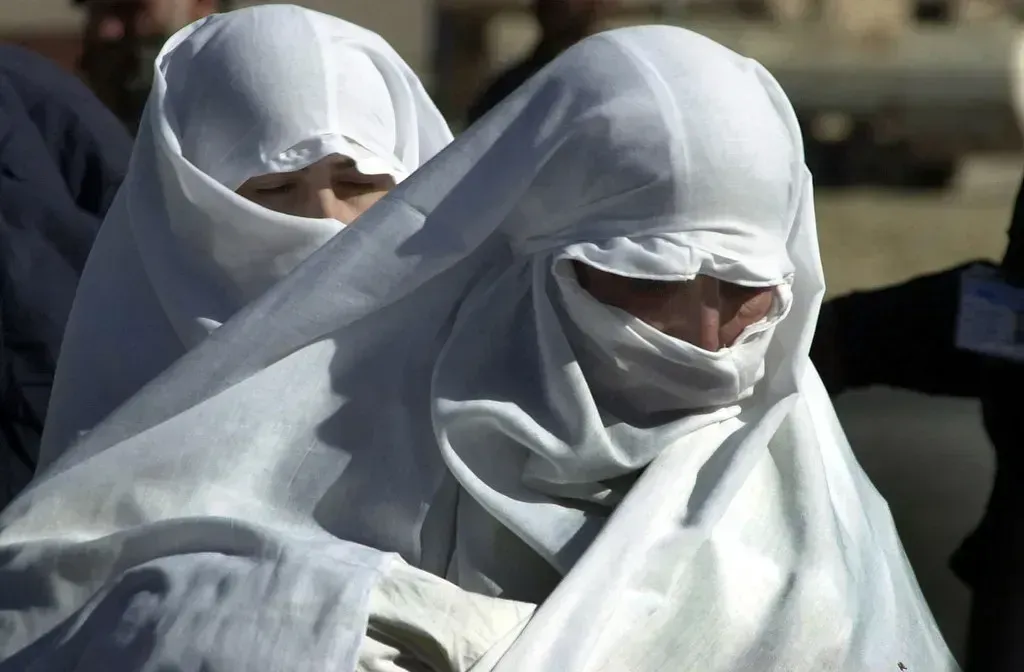
Afghanistan remained the only country where girls and women were banned from secondary and university education in 2024, while also facing significant barriers to employment and freedom of movement. In August 2024, the Taliban issued laws banning the transportation of women traveling alone, and women and men who are not related to each other mixing; also stating women must always veil their bodies in public and that a face covering is necessary. Women are expected to be escorted by a male relative and can be detained for traveling alone. The country’s situation has worsened dramatically since 2021, with systematic erasure of women from public life. Travel there is simply not an option for solo female travelers.
Yemen
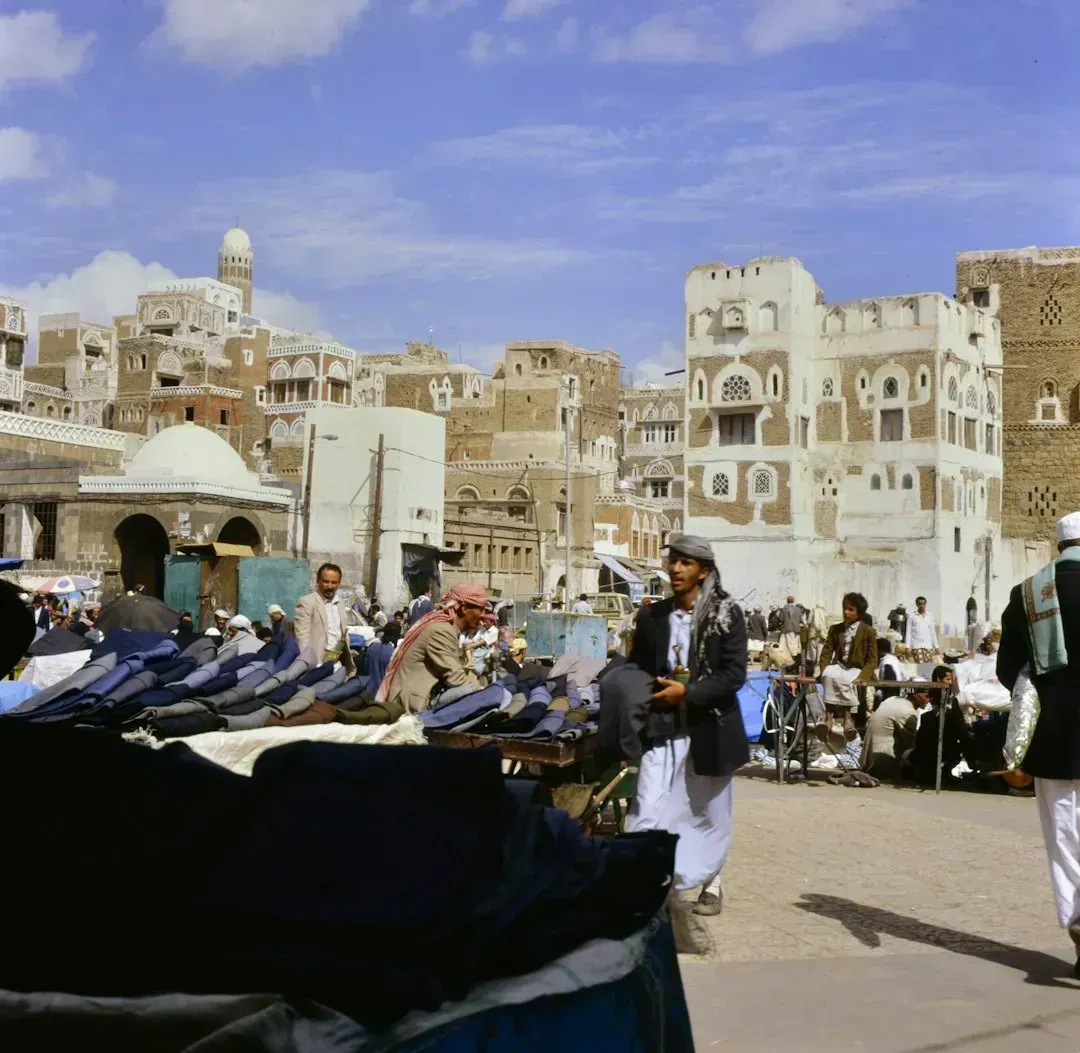
Women said that checkpoint officers, both in the north and the south, specifically target women believed to be working with nongovernmental organizations, asking whether they are affiliated with organizations and conducting harsher interrogations if they say yes. The Houthi authorities in northern Yemen have imposed a ‘mahram’ requirement, which bans women from travelling without a male guardian; in some cases, evidence of a male guardian’s written approval may be sufficient. Women travelling alone have been subject to different types of harassment, verbal abuse, or physical assaults. The ongoing civil war, terrorism threats, and kidnapping risks make Yemen one of the most dangerous places on earth for any traveler, but women face additional layers of restrictions and violence.
These destinations share common threads. High rates of violence against women. Legal systems that discriminate. Cultural attitudes that justify or normalize harm. Weak street safety. Limited freedom of movement. It’s hard to say for sure, but understanding these patterns helps women make informed choices about where to go and how to prepare. Solo female travel continues to grow, with more women than ever exploring the world independently. Choosing destinations wisely doesn’t mean abandoning adventure. It means traveling smarter and safer. What’s your take on balancing wanderlust with personal safety?