12 Everyday Household Items That May Be Releasing Toxic Fumes
You probably think your home is the safest place to breathe, right? Think again. While you’re going about your daily routine, certain common household items are quietly releasing toxic fumes into the air you and your family breathe. Some of these culprits might surprise you.
Non-Stick Cookware
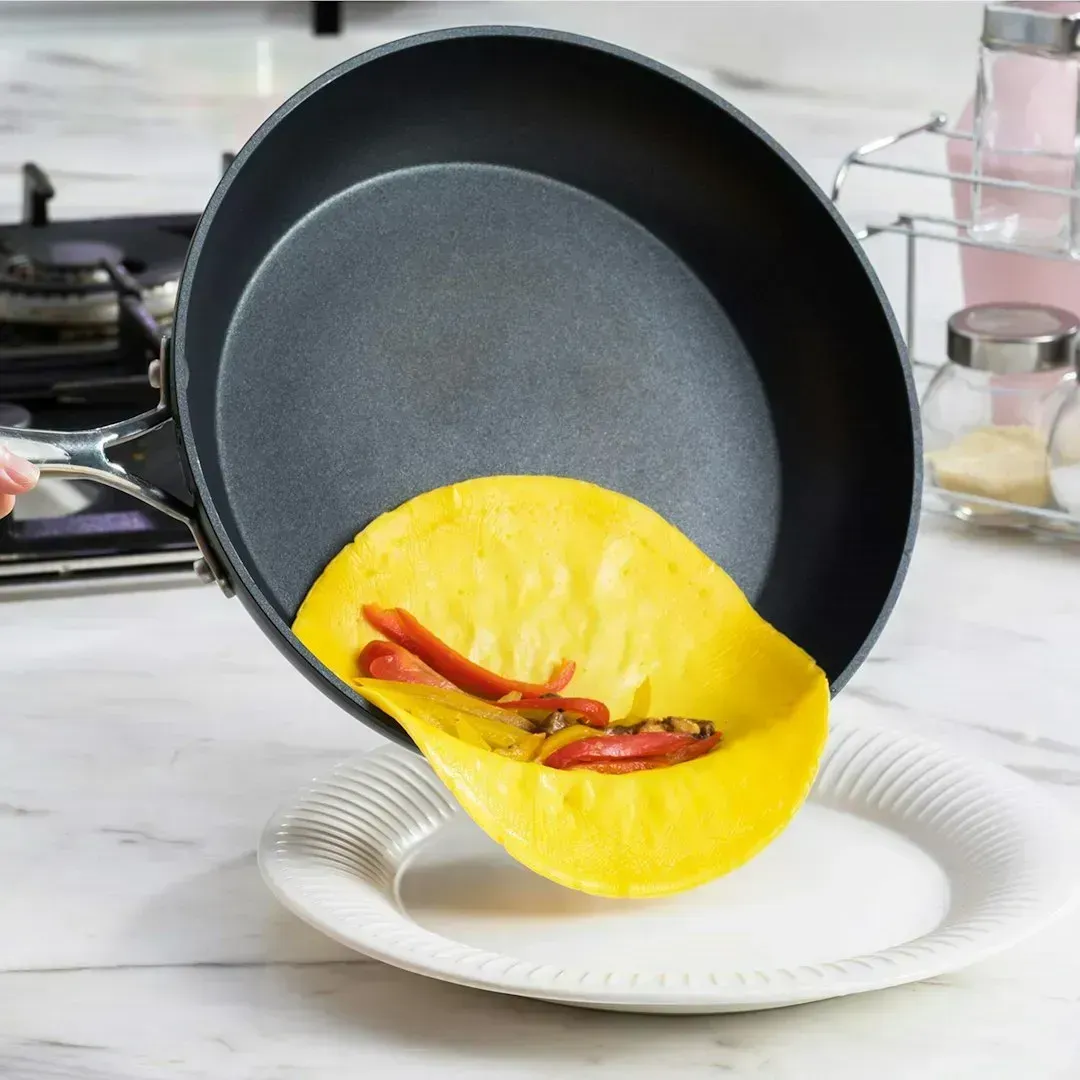
Research indicates that roughly eighty percent of tested nonstick cooking pans are coated with PTFE, a type of PFAS chemical often known by the brand name Teflon. When scratched or worn, PFAS-coated nonstick pans may leach harmful chemicals into food. The problem gets worse with heat and repeated use. Studies found that concentrations of PFAS increase with the increasing number of exposures, with levels more than tripling after ten uses compared to first use. Evidence indicates some PFAS contribute to liver disease, increased cholesterol, impaired response to vaccines, thyroid disease, asthma, lowered fertility, and high blood pressure in pregnant women. Additional studies have identified gas stoves as a source of benzene, a known carcinogen linked to leukemia and other blood disorders.
Gas Stoves
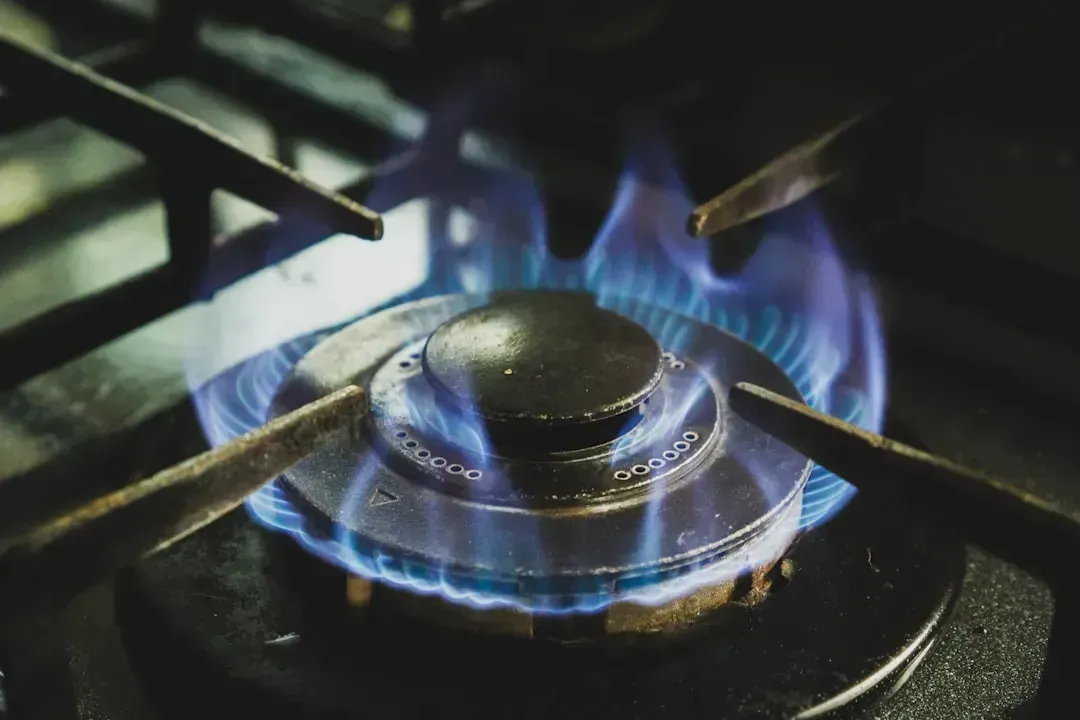
Your kitchen stove might be cooking more than just dinner. A 2024 investigation found that gas stoves release nitrogen dioxide at unsafe levels that persist for hours after cooking ends. This isn’t just a minor irritation. A new study of air pollution in U.S. homes reveals how much gas and propane stoves increase people’s exposure to nitrogen dioxide, a pollutant linked to childhood asthma. The invisible nature of these fumes makes them particularly dangerous because you can’t see or smell nitrogen dioxide building up in your kitchen, bedroom, or living areas long after you’ve finished cooking.
Air Fresheners and Plug-Ins
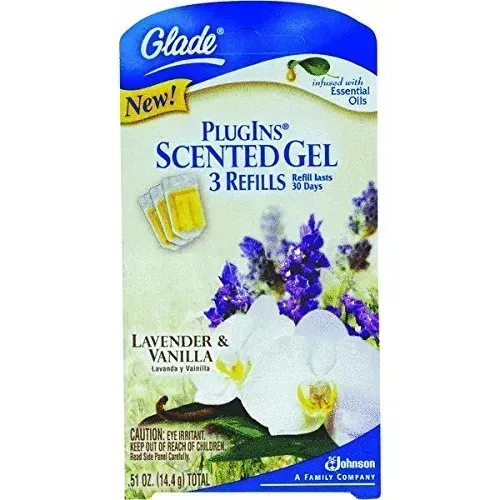
The average number of VOCs emitted from scented products was seventeen, with each product emitting one to eight toxic or hazardous chemicals, and nearly half generated at least one carcinogenic hazardous air pollutant such as acetaldehyde, formaldehyde, or methylene chloride. Here’s something that’ll make you rethink that fresh linen scent. According to one study, seventy-three percent of Americans use air fresheners or deodorizers weekly and fifty-eight percent are exposed to these products secondhand. These exposures have been associated with migraine headaches, asthma attacks, breathing and respiratory difficulties, dermatitis, and neurological problems particularly for sensitive individuals. Comparing regular air fresheners with natural or green air fresheners, no significant difference was found in emissions of hazardous compounds, and all products emitted at least one VOC classified as potentially hazardous.
Cleaning Products with Bleach
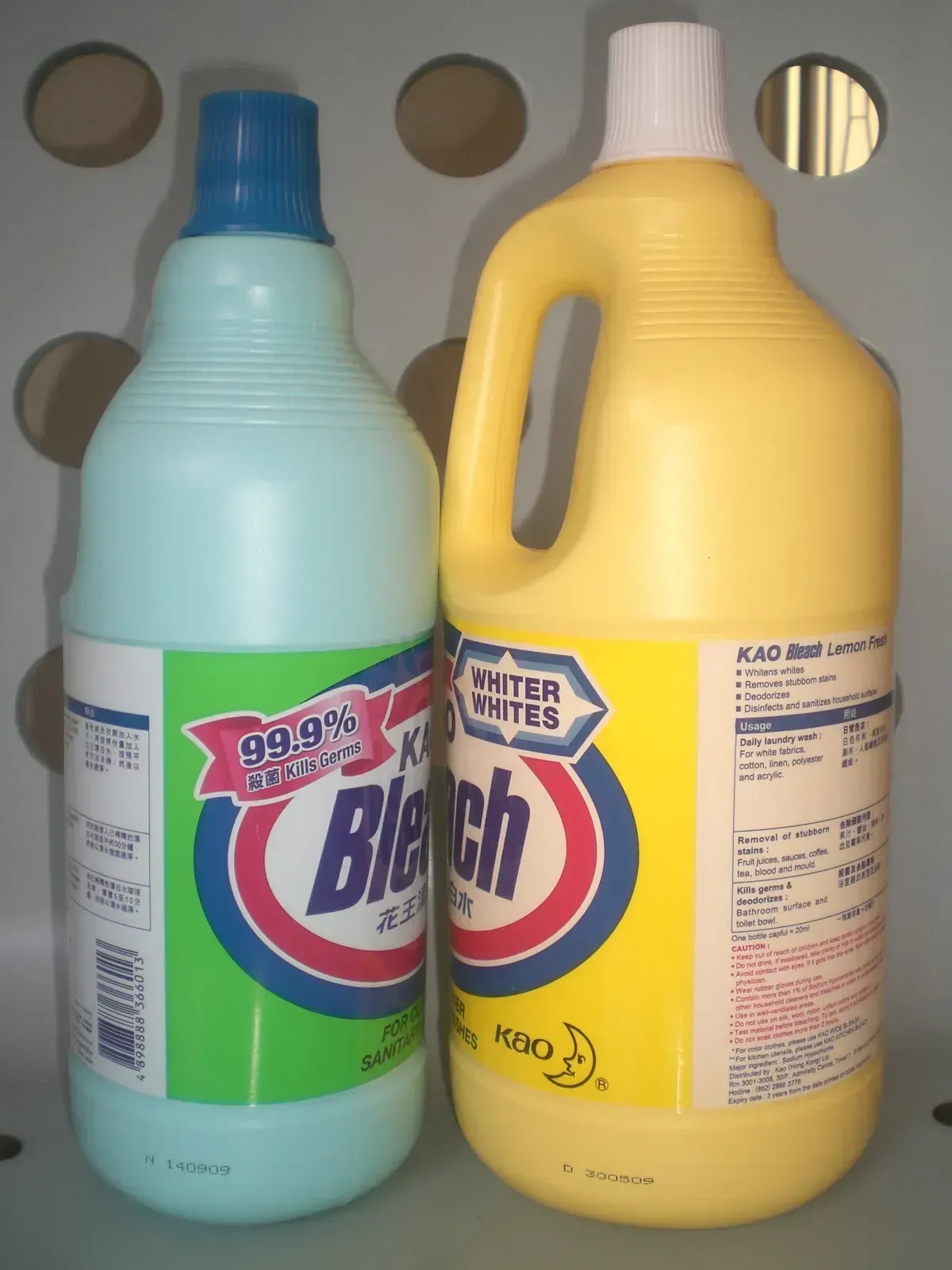
Bleach is practically a household staple. Most of us grew up believing it was the gold standard for disinfection. Mixing bleach and ammonia creates a toxic gas called chloramine, which can hurt your lungs and even cause death in high concentrations. When bleach is mixed with ammonia, toxic gases called chloramines are produced, causing shortness of breath, watery eyes, and chest pain. Even without mixing, bleach alone poses risks. Exposure to bleach can cause temporary irritation to the skin, eyes, and respiratory system, with symptoms including red or tearing eyes, blurry vision, coughing, wheezing, and chest tightness.
Ammonia-Based Cleaners
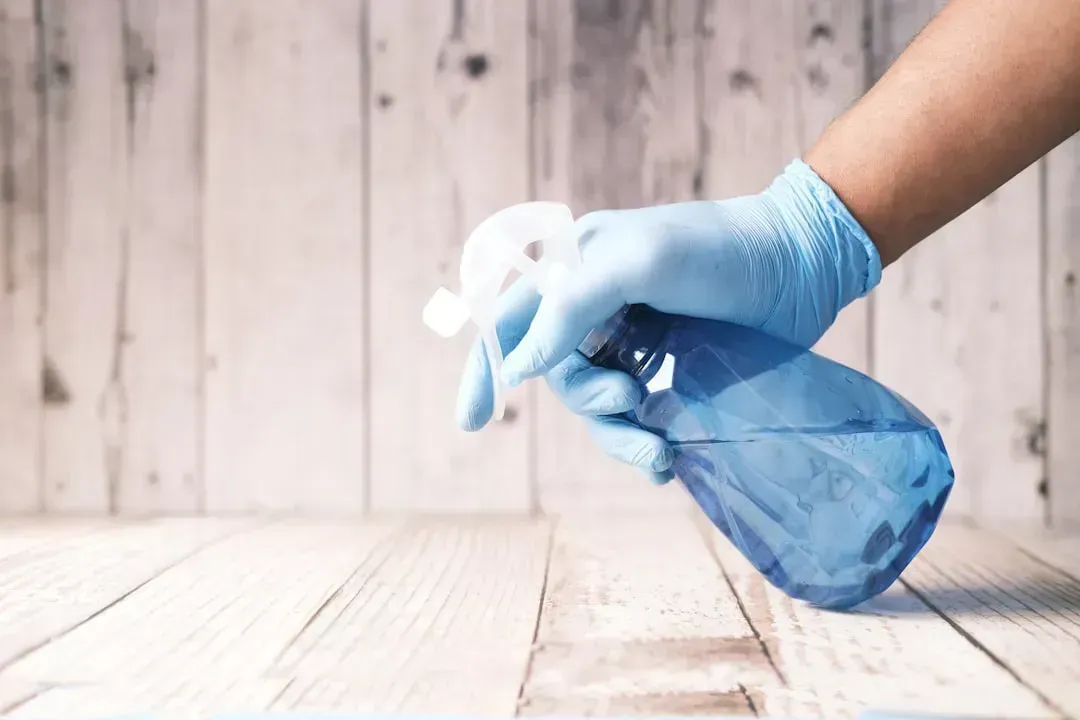
Certain harsh cleaning chemicals like ammonia and bleach are particularly toxic to breathe, with exposure to cleaning solutions containing bleach and quaternary ammonium compounds especially likely to cause COPD later in life. The fumes aren’t just unpleasant. When inhaled, chloramines react with moisture of the respiratory tract to release ammonia, hydrochloric acid, and oxygen free radicals, with higher concentrations causing corrosive effects, cellular injury, pneumonitis and edema. Glass cleaners, floor polishes, and multipurpose sprays often contain ammonia without clearly stating it on the front label. Women who used spray cleaning products at least once a week showed a decline in lung function that was faster than usual, with women who worked as professional cleaners seeing the most rapid rate of lung function decline.
Scented Candles

Let’s be real, there’s something cozy about lighting a candle at the end of a long day. When you burn a paraffin candle, it releases volatile organic compounds, with one VOC often emitted from candles being toluene, a neurotoxin associated with dizziness, headaches or more serious effects at prolonged exposures. Benzene, a known carcinogen, is another VOC released by paraffin candles, with long-term exposure linked to blood disorders such as leukemia. The burning of paraffin releases VOCs into the air like acetone, benzene, and toluene, with synthetic fragrances containing phthalates that are released into the air and can be inhaled or absorbed through the skin. Even those expensive soy or beeswax candles aren’t completely innocent when they’re scented.
Dry-Cleaned Clothing
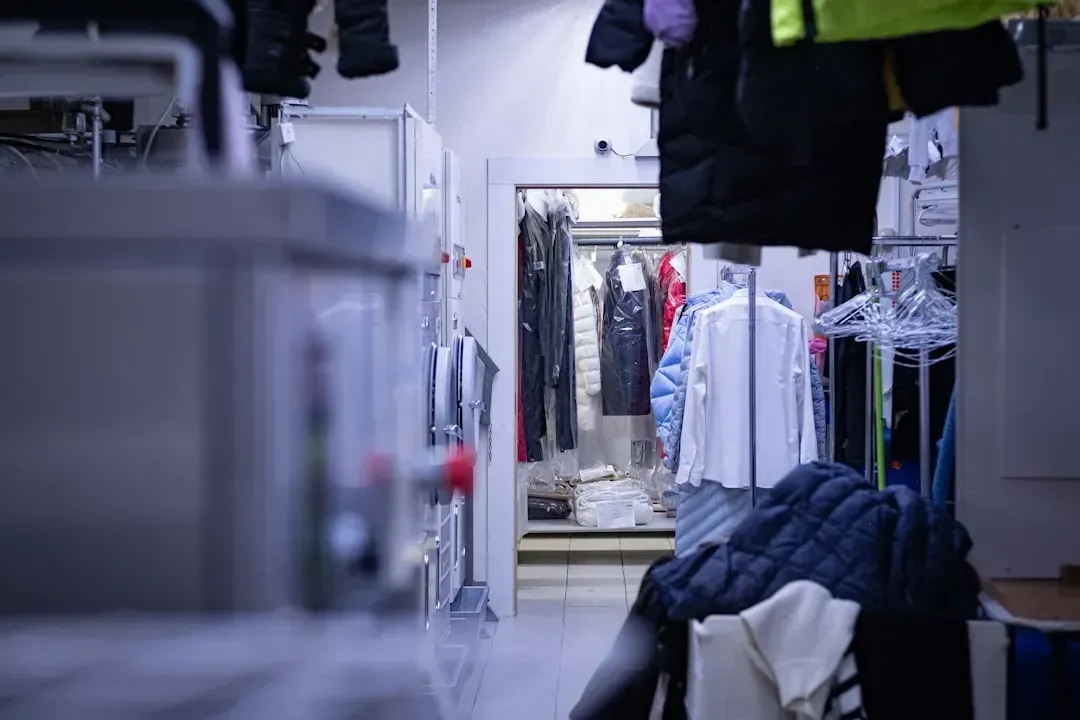
Dry-cleaned clothing off-gas the chemical solvents used to clean the fabric long after you pick them up from the cleaners, with perchloroethylene, a suspected carcinogen, still found in high levels on fabrics weeks after cleaning. You might think once you’ve hung your freshly cleaned suit in the closet, you’re done. Wrong. Even still in the bag, clothes can off-gas these chemicals into the air. That plastic wrapping isn’t protecting your other clothes from contamination. It’s actually trapping those fumes inside until you open it, giving you a concentrated dose when you unwrap your garments. The solvents don’t just disappear.
Craft Supplies and Adhesives
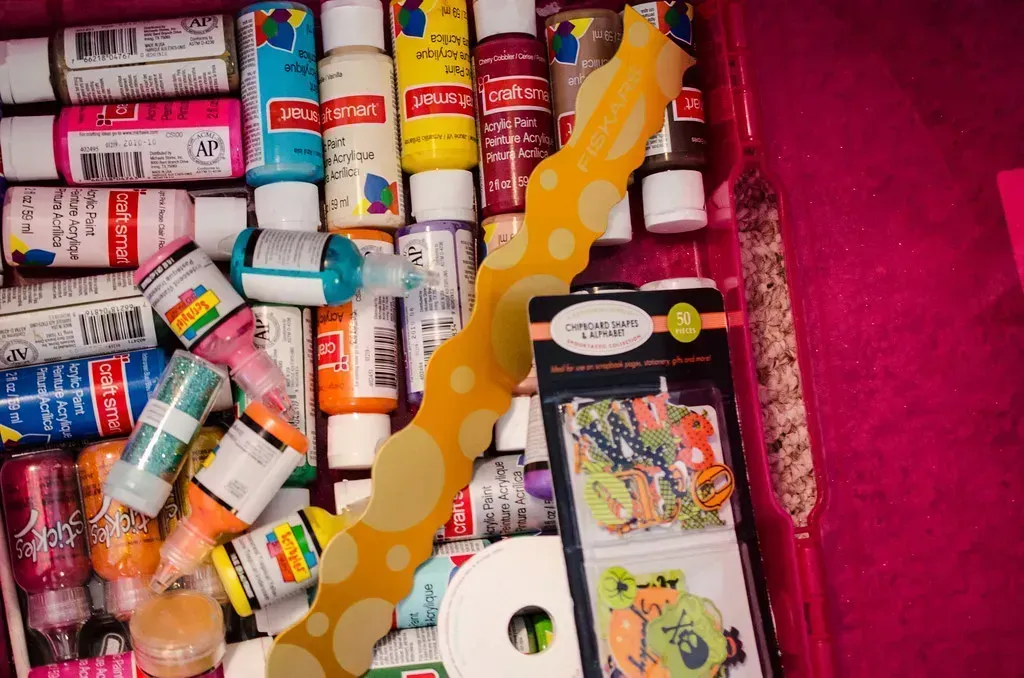
Art and craft supplies like glues, markers, aerosol spray paints and photographic solutions can contain high levels of VOCs. If you’re someone who enjoys DIY projects or has kids who love crafting, this one hits close to home. Even craft supplies labeled as non-toxic release chemicals into your home, particularly with solvents and alcohol-based products, causing headache, nausea, burns, dizziness, and lung and kidney damage. That glue stick might seem harmless compared to rubber cement, but the cumulative exposure from multiple craft sessions adds up. Permanent markers, spray adhesives, and model paints are some of the worst offenders.
Oven Cleaners and Degreasers

Oven cleaners are among cleaning supplies and household products containing VOCs and other toxic substances. These products are formulated to cut through baked-on grease and grime, which means they contain some seriously aggressive chemicals. Product categories that have been reported to cause respiratory irritation include certain air fresheners, fabric softeners and caustic drain and oven cleaners. The fumes from oven cleaners can linger for hours even with ventilation. Many cleaning products contain volatile organic compounds that can easily evaporate at room temperature, causing various short and long-term health effects including headaches, nausea, and damage to the liver, kidney and central nervous system.
New Furniture and Carpeting

VOCs may be released into your indoor air from new furniture, new clothes and fabrics, freshly applied paints, finishes, and building materials, with well-sealed, energy-efficient homes with poor ventilation especially vulnerable to a toxic buildup of harmful VOCs. That new couch smell? It’s actually a chemical cocktail. Outgassing is the process a material or solution goes through as the VOCs are released into the air, like when a new air mattress has a strong smell when you first unroll and inflate it from the vinyl material outgassing. The offgassing process can continue for weeks or even months after purchase, depending on the materials used and your home’s ventilation.
Printer Toner and Ink Cartridges

Products containing VOCs are commonly found in your office including printers, markers, and correction fluid. Home offices have become standard for many people, which means we’re spending more time near laser printers and copiers than ever before. When these machines heat up to print, they release ultrafine particles and VOCs into the air around your workspace. Studies show that indoor air is likely to be two to five times more polluted than the air we breathe outside. Toner dust contains fine particulate matter that easily becomes airborne during cartridge changes or when the machine is running.
Pressed Wood Products and Particleboard

Paraffin candles emit VOCs including polycyclic aromatic hydrocarbons, which contain benzene and formaldehyde, another known carcinogen to humans. Furniture made from particleboard, plywood, or medium-density fiberboard often contains formaldehyde-based resins that bind the wood pieces together. Air freshener emissions can react with naturally occurring indoor air compounds such as ozone to produce secondary pollutants such as formaldehyde. These products are everywhere in modern homes, from kitchen cabinets to bookshelves to bed frames. The formaldehyde slowly releases into your indoor air over time, a process that accelerates in warm, humid conditions.
The truth is, we can’t eliminate every source of indoor air pollution. Life would be pretty inconvenient without cookware, cleaning products, or furniture. What we can do is make smarter choices about what we bring into our homes and how we use these items. Open your windows more often. Choose natural alternatives when possible. Pay attention to labels and ingredient lists. Your lungs will thank you for it.