A Flight Attendant Shares 9 Habits That Make Passengers More Likable
Most of us step onto a plane thinking we’re invisible. Just another body in seat 24C, waiting on a ginger ale. But here’s the thing: flight attendants are watching from the moment you walk through that jet bridge door. They notice more than you’d ever guess, and the passengers who stand out in the best possible way all tend to share certain quiet habits.
Flight attendants notice everything. The subtle gestures, the tone of voice, even how you board the plane. What separates the truly likable passengers from the forgettable ones isn’t money, status, or a first-class ticket. It’s smaller than that. Way smaller. Let’s dive in and find out what really makes cabin crew warm to you instantly.
1. You Actually Return Their Greeting at the Door
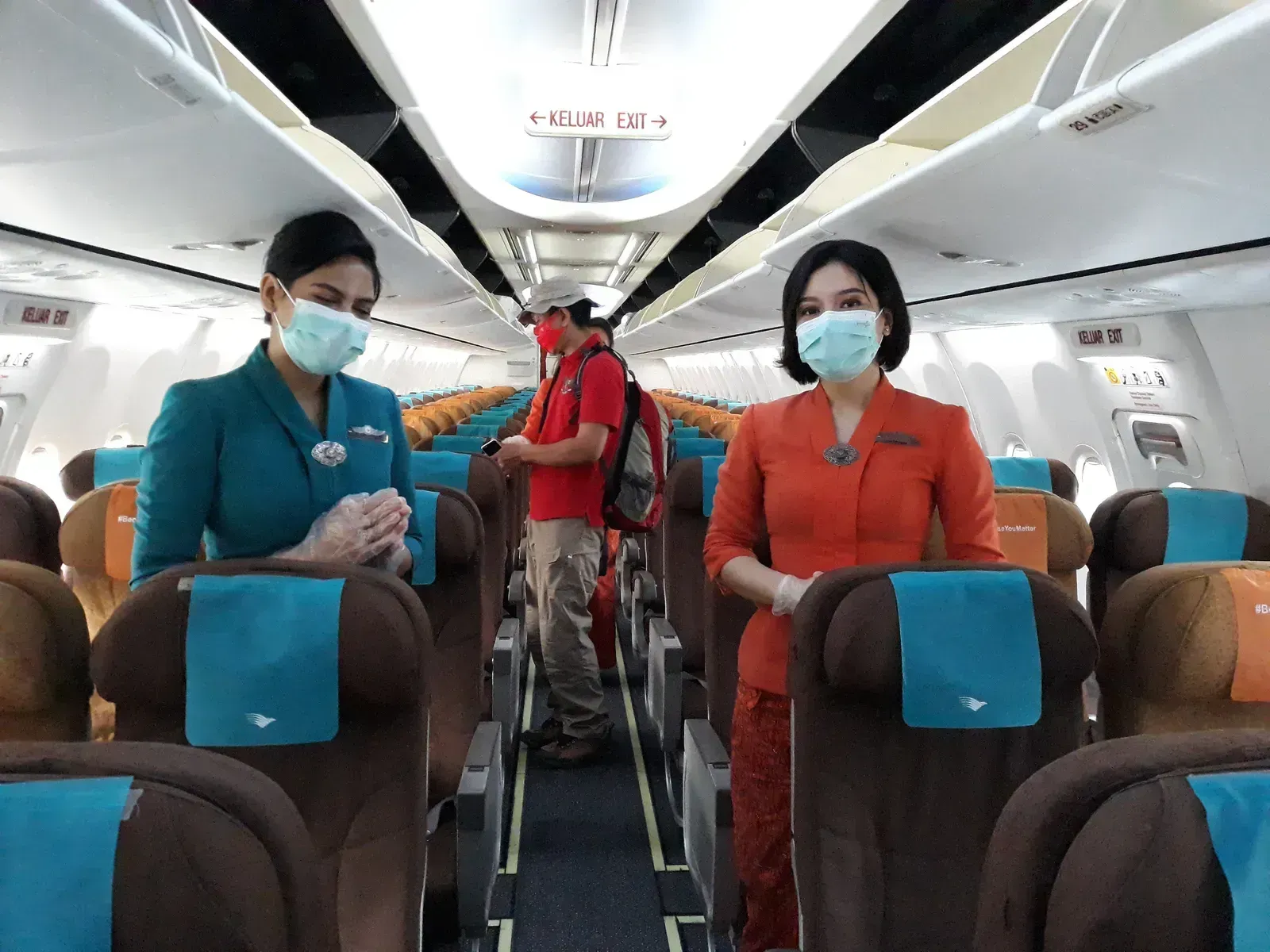
It sounds almost too simple to matter, but this one hits differently when you’re on the receiving end of it. When a crew member smiles and says hello as you’re boarding the plane, returning the sentiment genuinely makes you stand out – in a good way. Most people file past like they’re walking through a turnstile, barely lifting their eyes from their phone.
Flight attendants greet you not just out of politeness. They’re secretly assessing your safety and who can help in emergencies. That greeting is their first chance to read your demeanor and gauge if you might be a problem later. So that cheerful “hello” is doing double duty you probably didn’t know about.
Making eye contact and offering a warm hello back shows you’re present, respectful, and approachable. It sets a positive tone for the entire flight. Honestly, after greeting hundreds of passengers who walk by like zombies, a genuine response can brighten someone’s entire shift.
2. You Use Please and Thank You Without Being Prompted
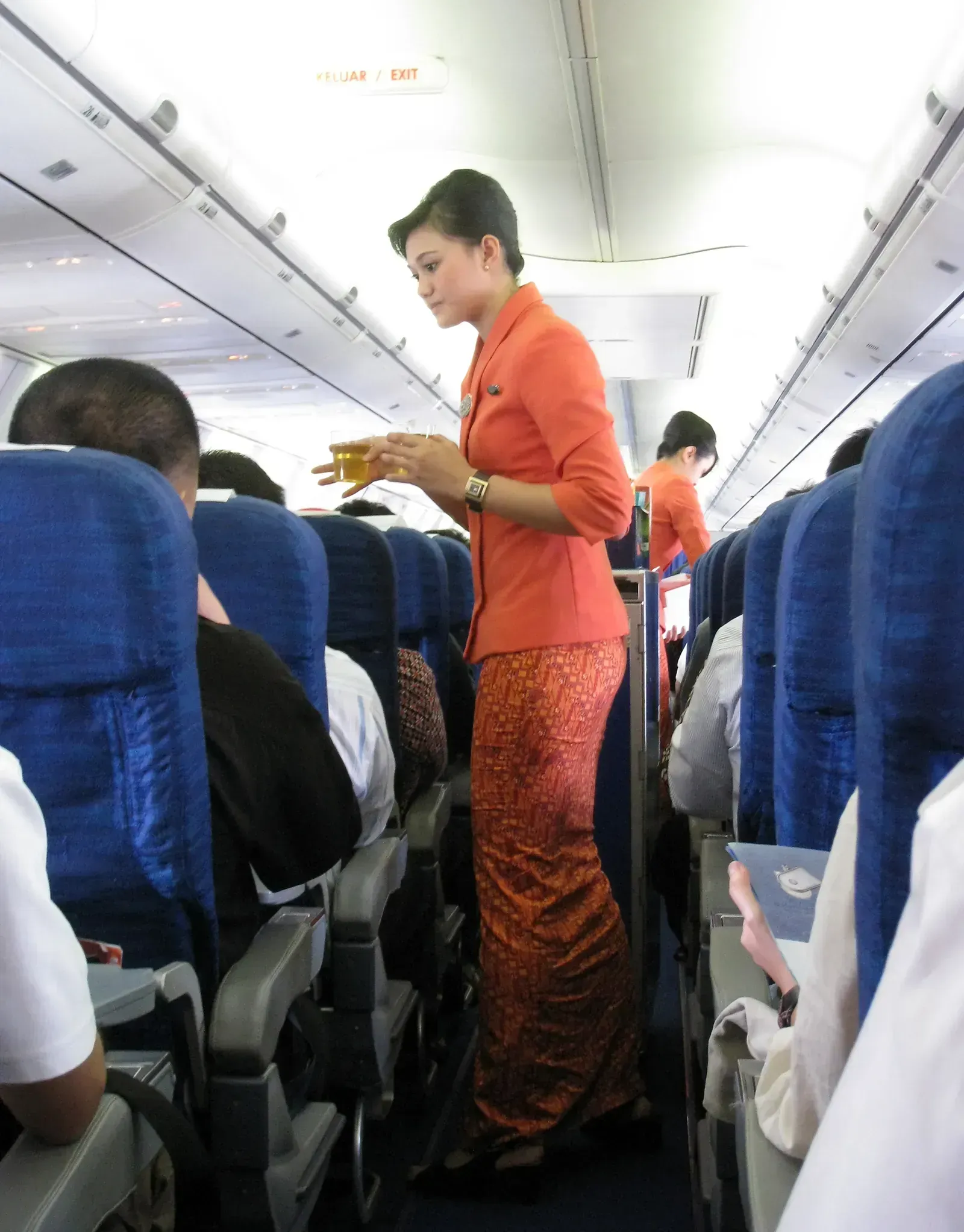
Here’s something that flight attendant Charity Moore shared that really stuck with me. Flight attendants love it when you say “Can I have a ginger ale, please” instead of just “ginger ale.” If you use basic kindness and manners, it is noted because not everyone is doing that. Think about that for a second. Basic politeness is now notable. That tells you everything about how rare it has become up there at 35,000 feet.
It’s also good practice to take off your headphones when the food service begins and not block the aisle when attendants are rolling through with a cart. Those little courtesies compound fast. A crew that feels genuinely respected will go to the ends of the earth for you.
Even a simple “thank you” can mean a lot. Flight attendants work long hours and appreciate when passengers recognize their effort to provide a comfortable experience.
3. You Sit in the Right Seat
I know this sounds like something you’d tell a kindergartner, but it’s a bigger deal than you’d think in the real world of crowded flights. Flight attendants love it when you look at your seat assignment before you come on board and sit in the correct seat. It creates a lot of confusion and chaos when one person doesn’t sit in the correct seat.
The confusion can spiral quickly, and if a delay results from sorting it all out, it lands on the flight attendants to fix it. What starts as one person’s casual “it’s just a seat” attitude becomes a domino effect of reshuffling, complaints, and frustrated crew members working overtime to restore calm.
Flight attendants appreciate when guests ask for help rather than touch them to get attention, including when they request assistance in finding their seat assignment, which Moore prefers over passengers sitting in any seat they wish.
4. You Can Lift Your Own Luggage
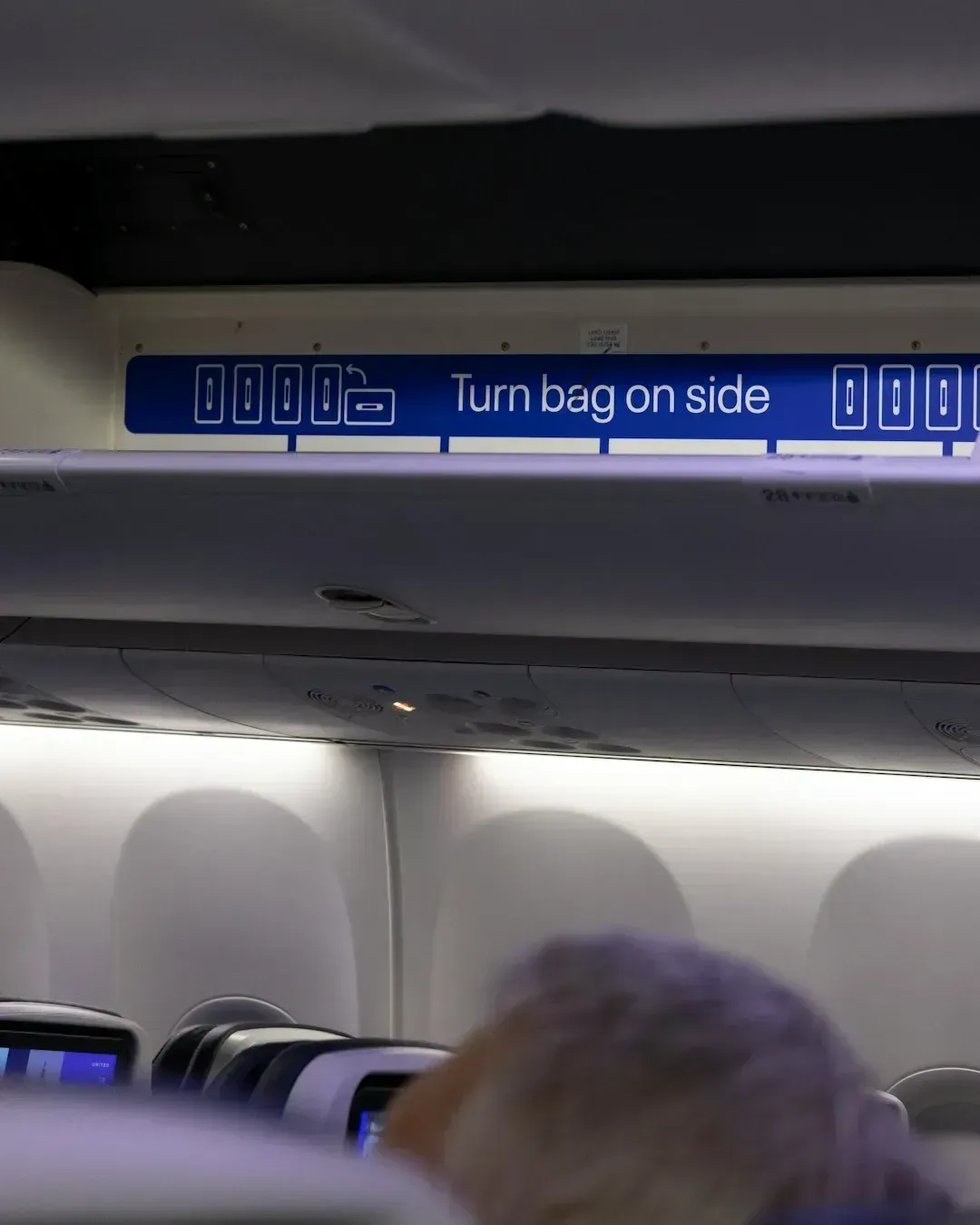
This one trips people up all the time. Flight attendants are not required to lift bags for passengers, and if a bag is too heavy, they risk injury without coverage for on-the-job injury. Yet passengers regularly show up with overstuffed rolling bags and simply… wait, as if the crew will materialize and hoist it overhead. It’s an unspoken rule that gets broken constantly.
One of the top complaints from cabin crew is that passengers bring carry-on luggage that is way too heavy and then expect the crew to lift it over their heads into the overhead compartments. If you packed it, you should be able to lift it. That’s the unspoken rule.
A polite “Would you mind helping me with this?” goes much further than a silent stare. The crew will help if they can, but respecting their physical limits shows consideration that doesn’t go unnoticed. It’s a bit like asking a colleague for help vs. simply dumping your workload on their desk without a word.
5. You Follow the Seatbelt Sign Without Being Asked
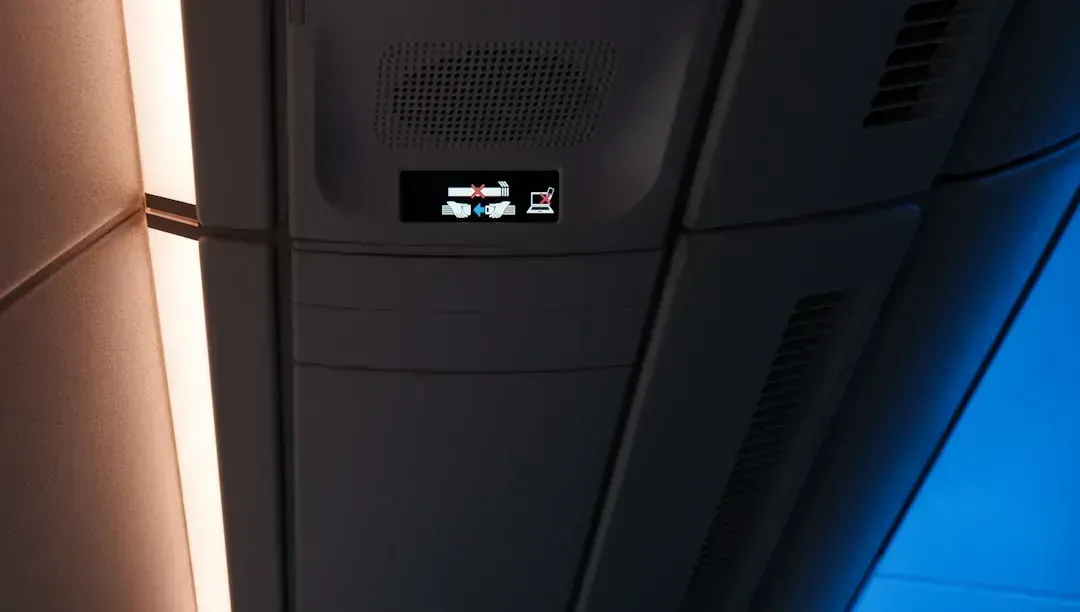
If there’s one rule passengers constantly overlook, it’s adhering to the fasten seatbelt sign. Flight attendants joke it’s “the most ignored sign in the world.” People see it light up, stretch, grab something from the overhead bin, and stroll to the lavatory as if physics simply doesn’t apply to them at altitude.
The pilots have better intel about turbulence. Flight attendants don’t always know when they’re going to hit a pocket of rough air like pilots do. A good rule of thumb is to leave your seat belt buckled whenever you’re seated to avoid any unpleasant mishaps.
Ignoring that illuminated sign puts you at risk and creates unnecessary stress for the crew. When the plane drops suddenly, unsecured objects, including humans, become projectiles. Staying buckled isn’t just following rules; it’s basic self-preservation.
6. You Don’t Touch or Poke the Crew to Get Attention
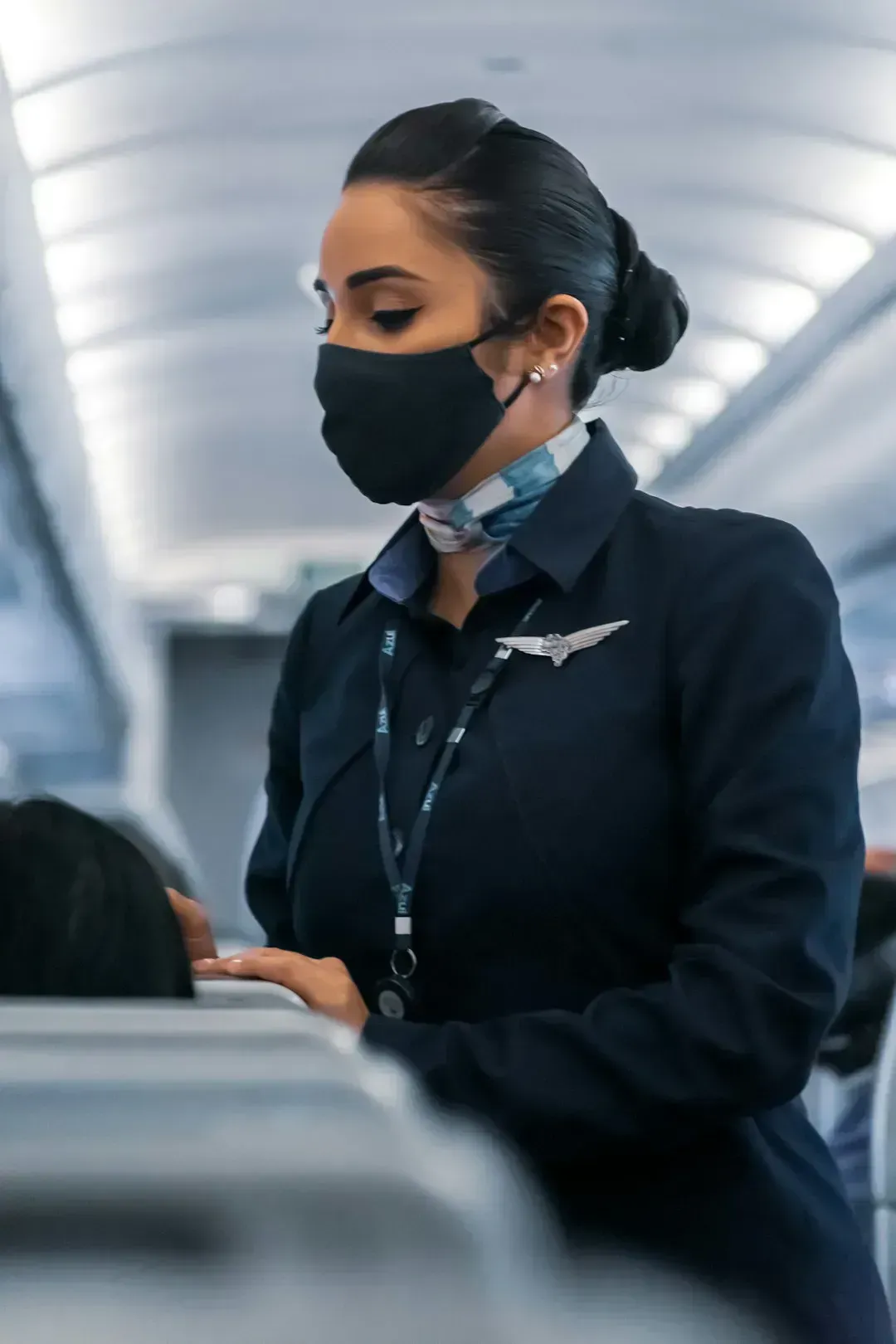
Let’s be real: would you tap a stranger on the shoulder at a restaurant to get their attention? Hopefully not. Yet somehow, on a plane, all social norms seem to evaporate. Pulling, poking, or even friendly slapping to get a flight attendant’s attention? Big no.
You’d be surprised at how much this actually happens. Flight attendants report getting poked or having their apron pulled pretty much every flight, and it’s one of the biggest pet peeves in the profession. The call button exists for a reason. It’s not rude to use it. It’s actually the polite option.
Flight attendants appreciate when guests ask for help rather than touch them to get attention. Use your words. Use the call button. Your likability score will quietly skyrocket among the crew.
7. You Keep Your Space Tidy and Respect the Shared Cabin
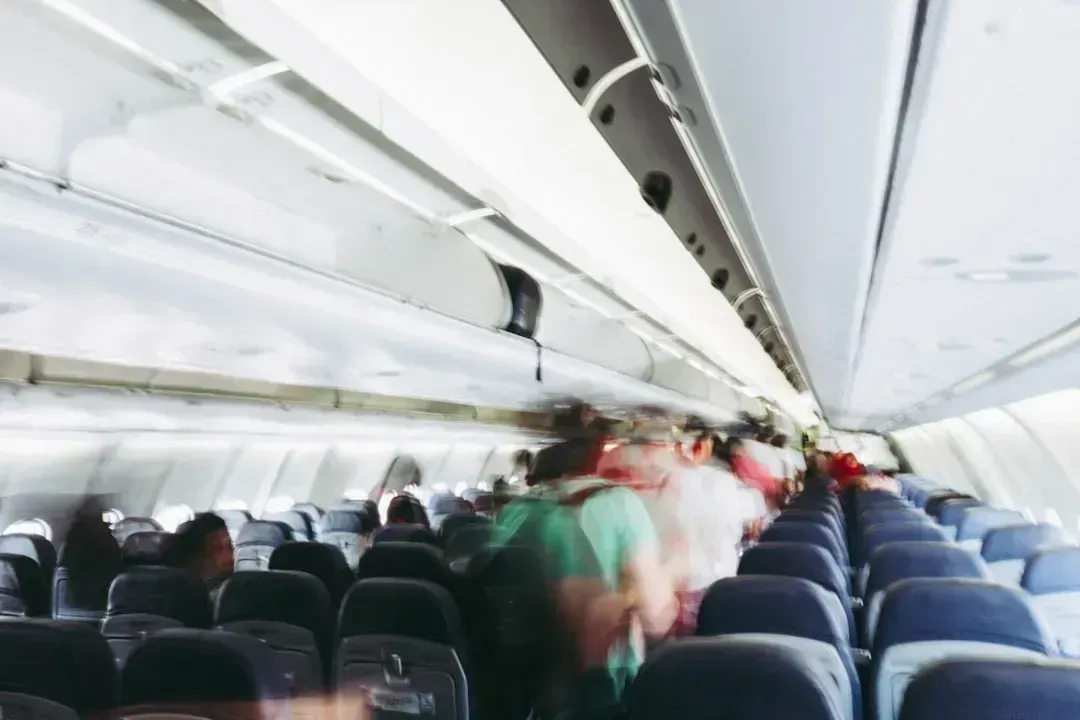
Treating your fellow passengers like temporary neighbors matters: wearing headphones if you’re watching something, not eating strong-smelling foods, and trying to keep your limbs in your own little bubble. These aren’t just courtesy norms between passengers. Crew members notice who creates chaos and who keeps things calm. It directly affects their workload.
You should treat fellow passengers like temporary neighbours, wear headphones if you’re watching a show, and avoid eating strong-smelling foods. Space is tight, but that doesn’t mean the seat in front is a footrest, a drum kit, or a punching bag for your knees.
Flight attendants must maintain a visibly positive attitude when in public situations and must address passenger requests in a cordial yet authoritative manner, despite many work-related stressors. When you’re someone who makes their environment easier rather than harder, you become genuinely memorable in all the right ways.
8. You Watch the Safety Demonstration (or at Least Pretend To)
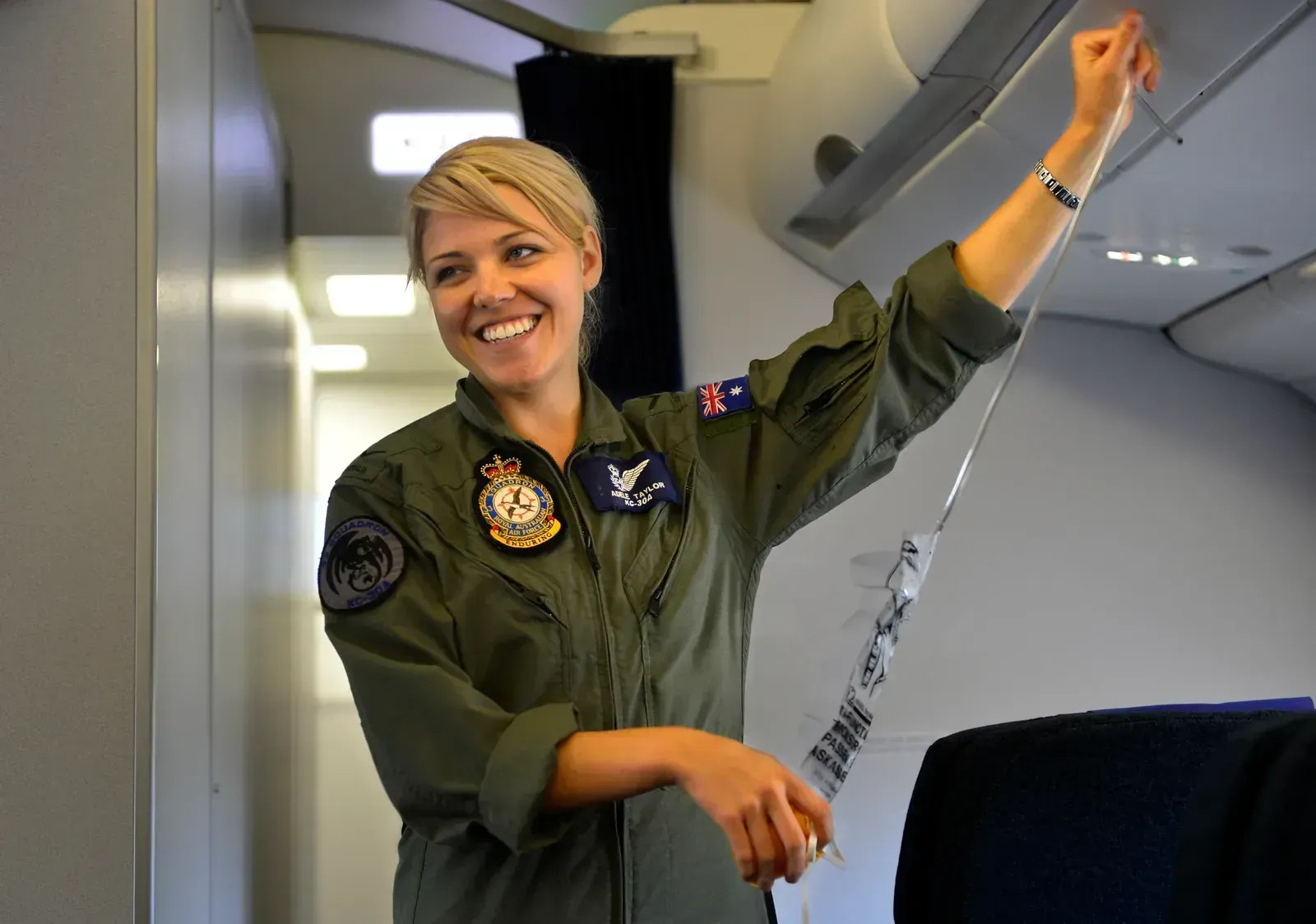
Honestly, most frequent flyers have mentally checked out of the safety demo for years. But think of it from the crew’s perspective: they are required to deliver it regardless, and doing so while rows of passengers scroll Instagram without a glance is demoralizing. Flight attendants really appreciate it when you take off your headphones or AirPods while they are doing the preflight safety instructions.
Flight attendants are responsible for everyone’s safety, so following their directions without delay matters. Simple things like fastening your seatbelt and stowing items during takeoff and landing keep everyone safe. The demonstration isn’t theater. It’s a legal safety requirement, and the crew takes it seriously even when passengers don’t.
Because their first concern is safety, what flight attendants notice about you includes your ability to keep yourself and others safe. They’ll make a mental note of passengers who are in good shape and who can help lift heavy items and lend a hand if necessary. A passenger who pays attention is always flagged as a potential ally in the crew’s mental map of the cabin.
9. You Bring a Small Treat for the Crew (and Mean It)
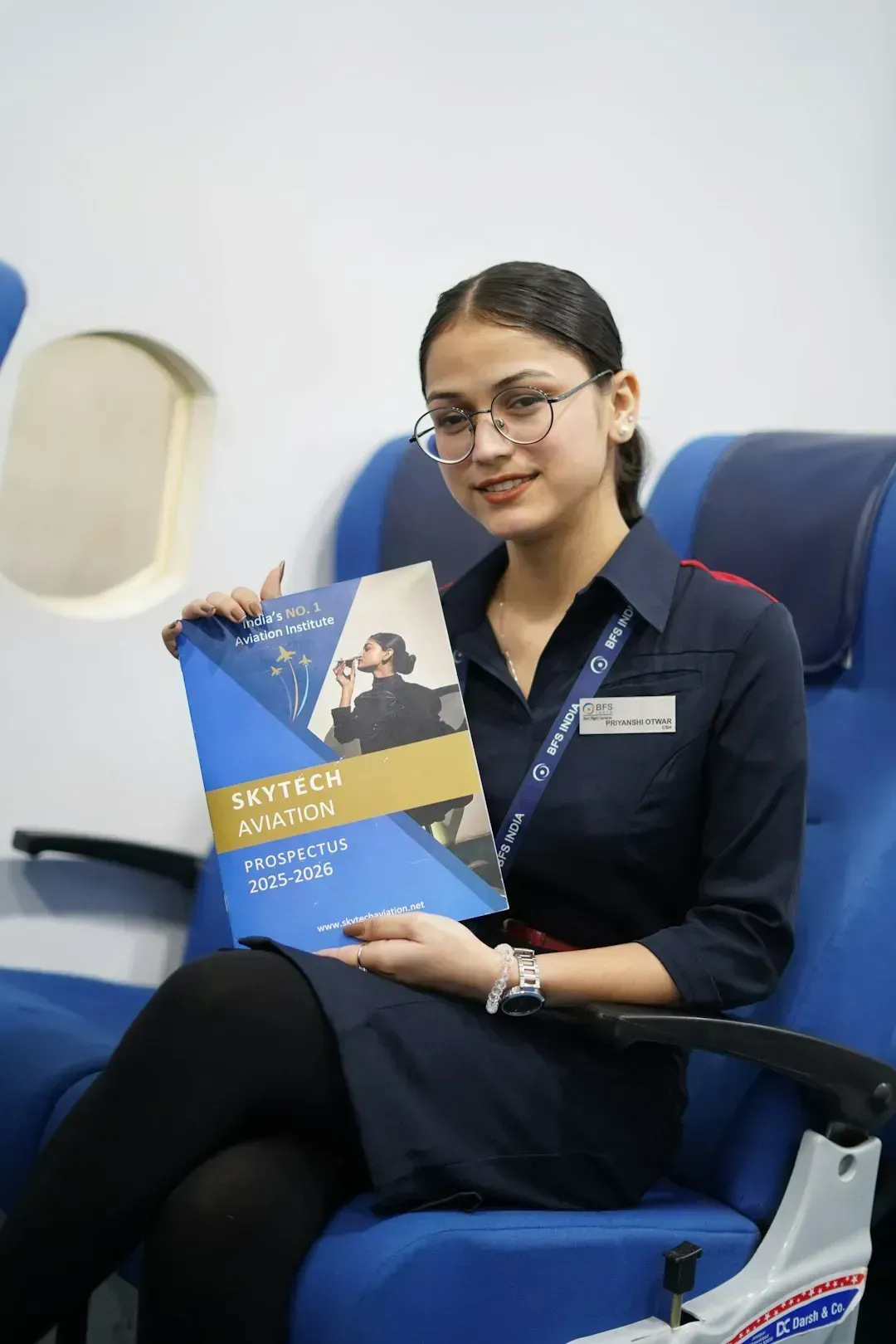
This one isn’t required, obviously. Nobody expects it. That’s precisely what makes it so impactful. Treats are always welcome for flight attendants. They love goody bags with things like Starbucks gift cards, hand sanitizer, ChapStick, under-eye patches, or little snacks. It doesn’t have to be elaborate. A small bag of candy from duty-free is genuinely appreciated.
Crew members love getting tipped in snacks, and that happens pretty frequently. If you’re headed to duty-free before your flight, picking up a bag of candy for your flight crew is a great way to make friends. Flight attendants often spend up to 14 hours in the air, and small gestures from passengers genuinely sustain them through long, demanding hauls.
All people really want sometimes is to be seen, heard, appreciated, and valued. Sometimes the smallest gesture can mean so much. A little packet of chocolates paired with a genuine “thank you for what you do” is the kind of thing crew members actually talk about for the rest of the day.