11 Grocery Store Tricks Shoppers Almost Never Notice, Ex-Employees Reveal
Most of us think we’re savvy shoppers, but grocery stores are carefully crafted psychological battlegrounds designed to part you from your money. Former employees have pulled back the curtain on an industry built around manipulating your buying behavior in ways you probably never suspected. These insider revelations show just how sophisticated grocery store manipulation has become, using everything from scent machines to cart sizes to extract more dollars from every shopping trip.
The Shopping Cart Size Deception
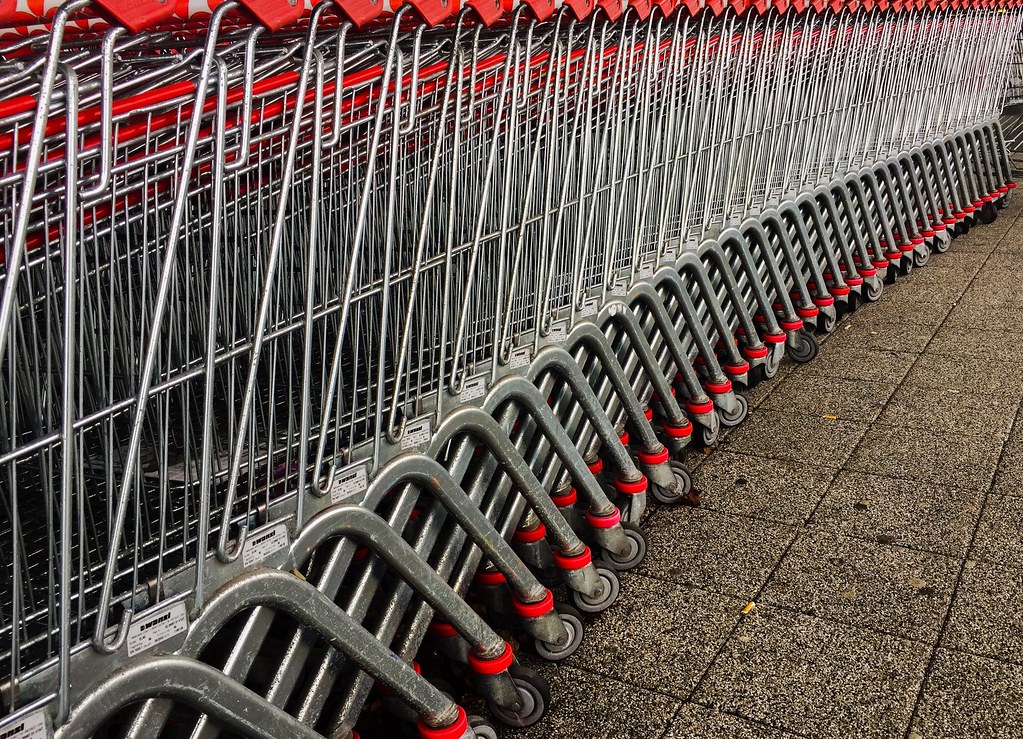
Shopping carts have grown significantly larger since their invention, and they’re still growing larger. Doubling the size of the shopping cart leads shoppers to buy forty percent more. Former employees reveal that aside from those planning for a zombie apocalypse, very few people need a shopping cart that large. When humans are put in charge of a hole, they have a psychological need to fill it. That’s why the shopping cart has doubled in size and those little carry baskets are intentionally hard to find. The psychological principle behind this trick is called “anchoring and adjustment,” where the large cart serves as an anchor that influences how much you think you should buy.
The Produce Section Welcome Mat Strategy
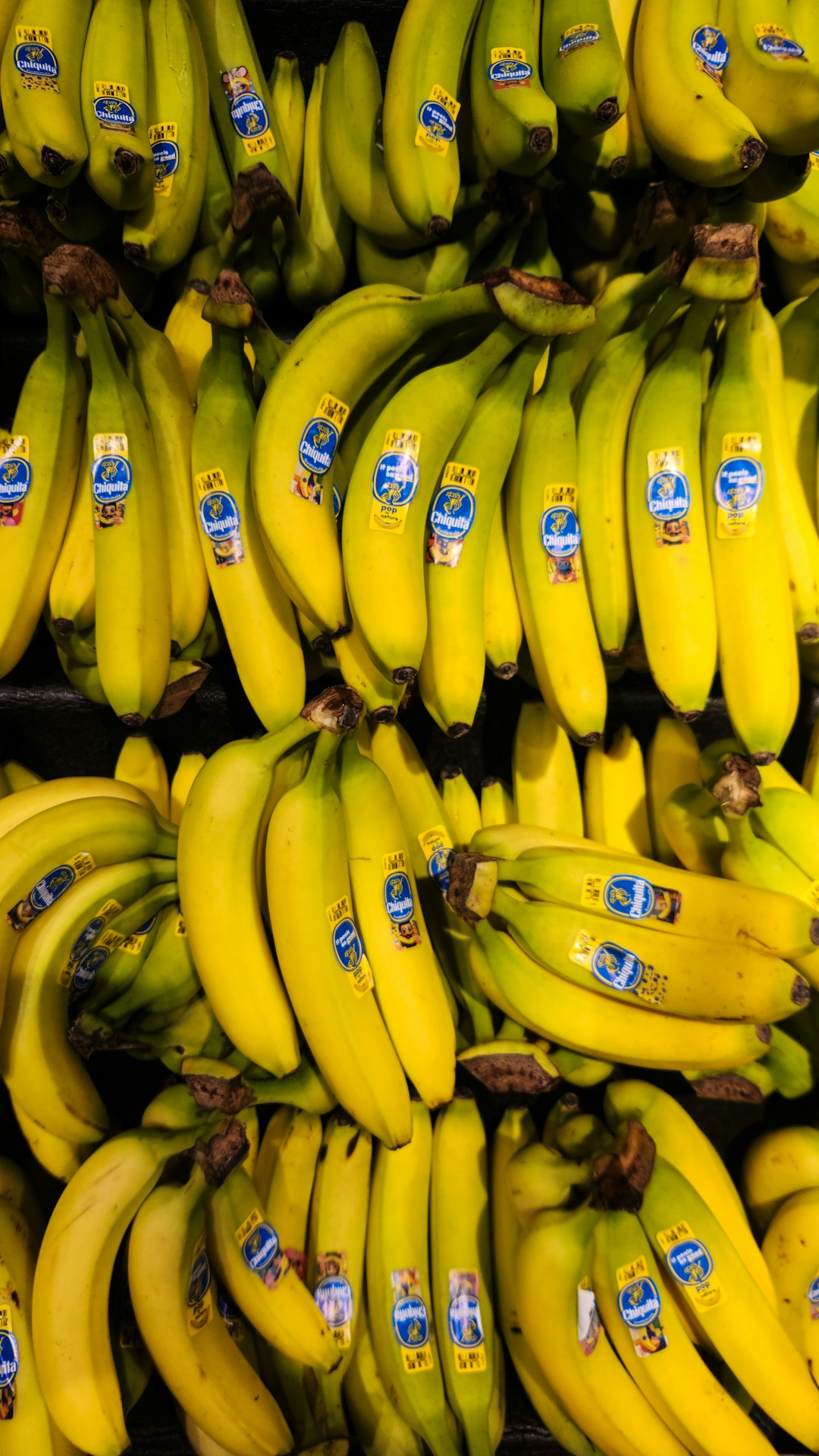
Lighting is chosen to make fruits and veggies appear at their brightest and best, and the periodic sprays of fresh water that douse the produce bins are all for show. Though used to give fresh foods a deceptive dewy and fresh-picked look, the water actually has no practical purpose. In fact, it makes vegetables spoil faster than they otherwise would. As you enter your supermarket, you’re greeted by a sensory assault. The bright colors and fresh seasonal scents are designed to lift your mood for the shopping experience ahead of you. Because the science tells us that when you feel good, you spend more. Psychologists call this effect “implicit priming.”
The Scent Marketing Machine
Stores often go beyond strategic layout and also use scents to encourage you to buy certain products. Sometimes those scents go hand-in-hand with samples, and sometimes grocery stores use machines to pump scents such as apple pie or chocolate chip cookies through the air, drawing you toward the bakery section. It’s called “scent marketing,” and yes, it works. The bakery serves the same purpose. The grocer stimulates your appetite with one of the world’s most-primal intoxicants: the smell of baked bread. It urges you to shop with your stomach, not your budget-conscious brain.
The Time Trap Layout
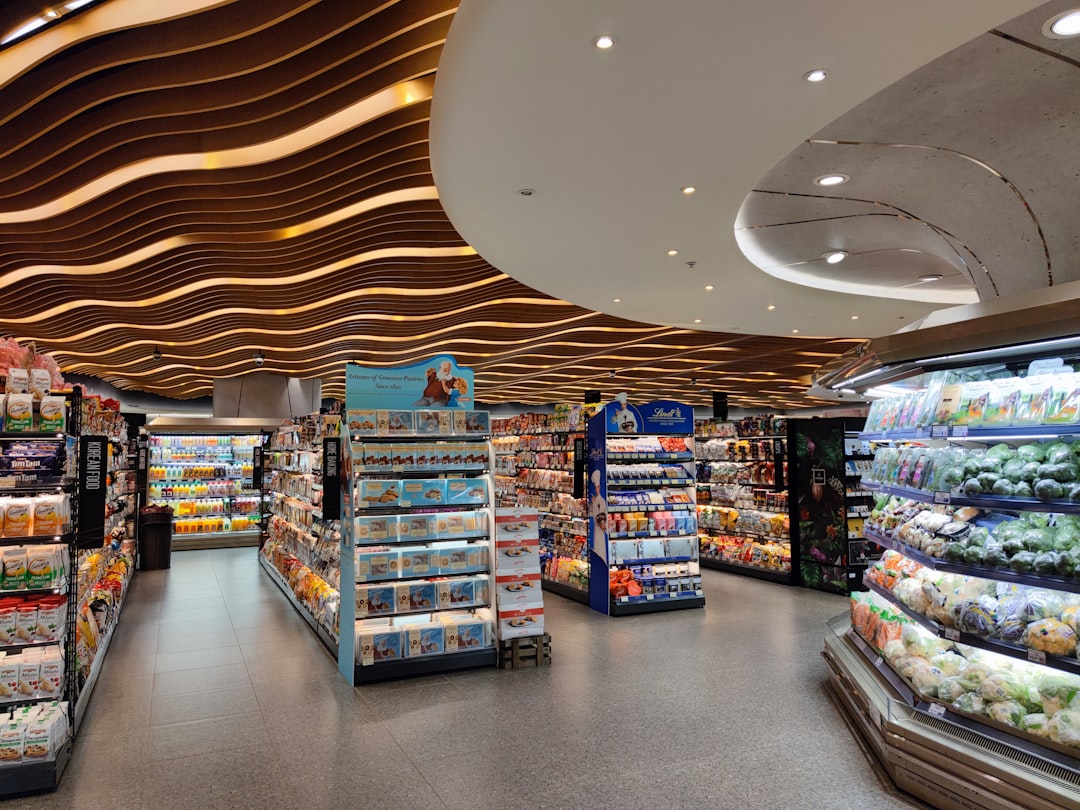
Ever wondered why there are rarely any windows in grocery stores? When was the last time you saw a clock in one? All of these supermarket tricks are deliberately designed to make you lose track of time, take longer to do your shopping, and spend more of your money. It’s like a casino without the slot machines. In a mock-up supermarket they found that after around twenty-three minutes, customers began to make choices with the emotional part of their brain, rather than the cognitive part of the brain. Worse still, after forty minutes, the brain gets tired and effectively shuts down, ceasing to form rational thoughts. All of this leaves us ripe for poorer quality spending decisions.
The Eye Level Money Grab
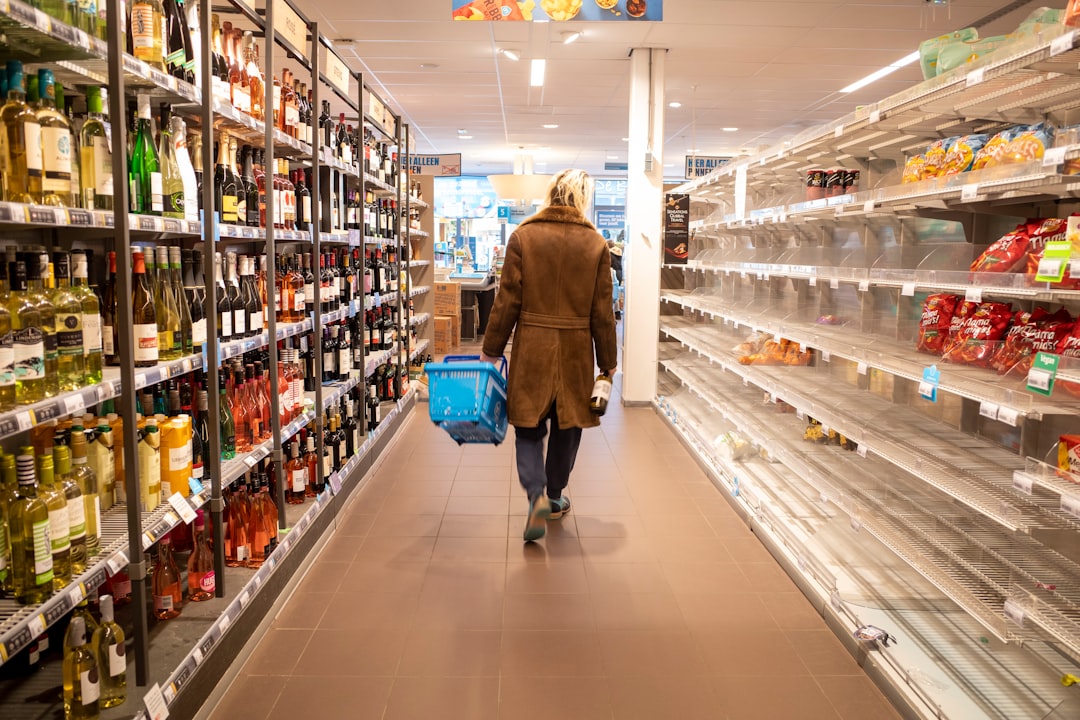
As the saying goes, “eye level is buy level.” In a 2014 study, the Cornell University Food and Brand Lab examined 65 cereals in 10 different grocery stores. Researchers found that cereals marketed to kids are placed at roughly half as high on market shelves as adult cereals. Additionally, the average angle of the gaze of box characters marketed to kids is downward at 9.6 degrees. An in-store experiment was performed to investigate the effects of shelf placement on consumers’ purchases of potato chips. Placement of potato chips on the middle shelf was associated with the highest percentage of purchases. The results confirm the importance of item placement as a factor in consumers’ buying behavior.
The End Cap Illusion
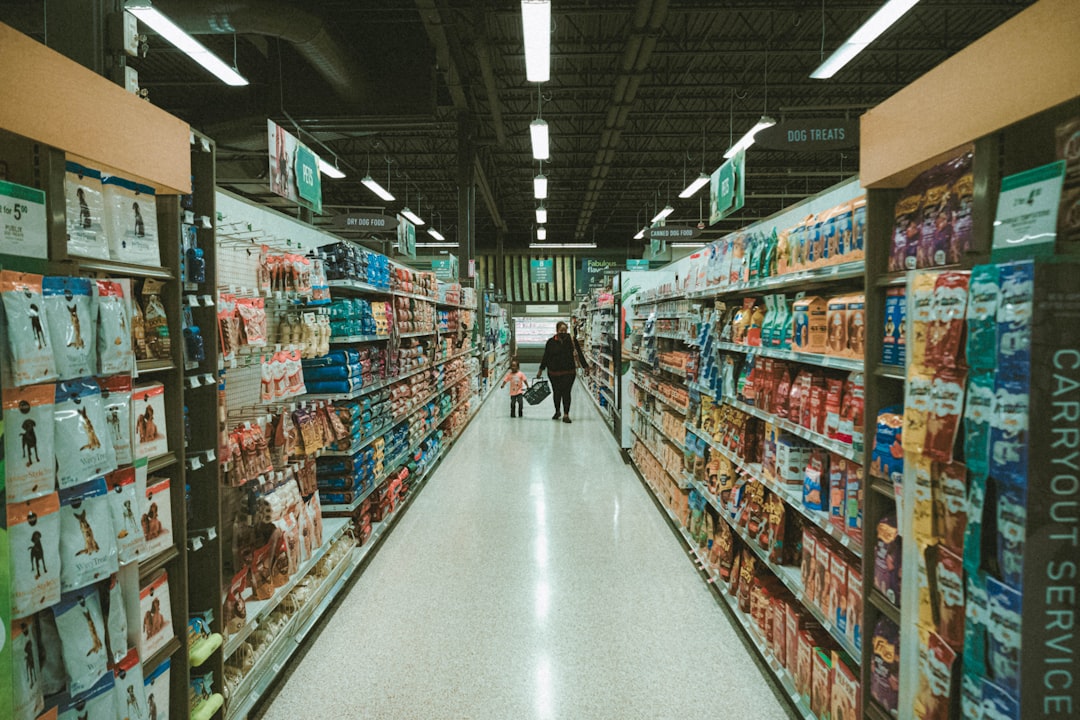
The displays at the ends of the aisles are known in the supermarket business as end caps and are astute shopper traps. The ends of the aisles are reported to be among the most profitable sections to place products. Often, manufacturers will pay an additional premium to have their products placed there because studies show that customers are often interested in what they will find at the end of the aisle. One survey showed that forty-four percent of participants remember fixating on the end caps. Additionally, prominently displayed sale prices can activate the anchoring heuristic, making shoppers perceive the regular price of the product as higher. Endcap displays can also trigger the availability cascade heuristic and the scarcity heuristic, making products seem more desirable and valuable.
The Musical Manipulation
Ever wondered why many supermarkets play easy listening or classical music? Because shopping slower makes you spend more. Professor Ronald E. Milliman’s study found grocery stores that played slow music significantly increased their sales by encouraging customers to spend more time shopping Studies show that you slow down and take your time when you hear music. Speed metal is out; Air Supply is in. This psychological trick exploits our natural tendency to move to the rhythm of background music, keeping us browsing longer and buying more impulse items.
The Milk Run Strategy
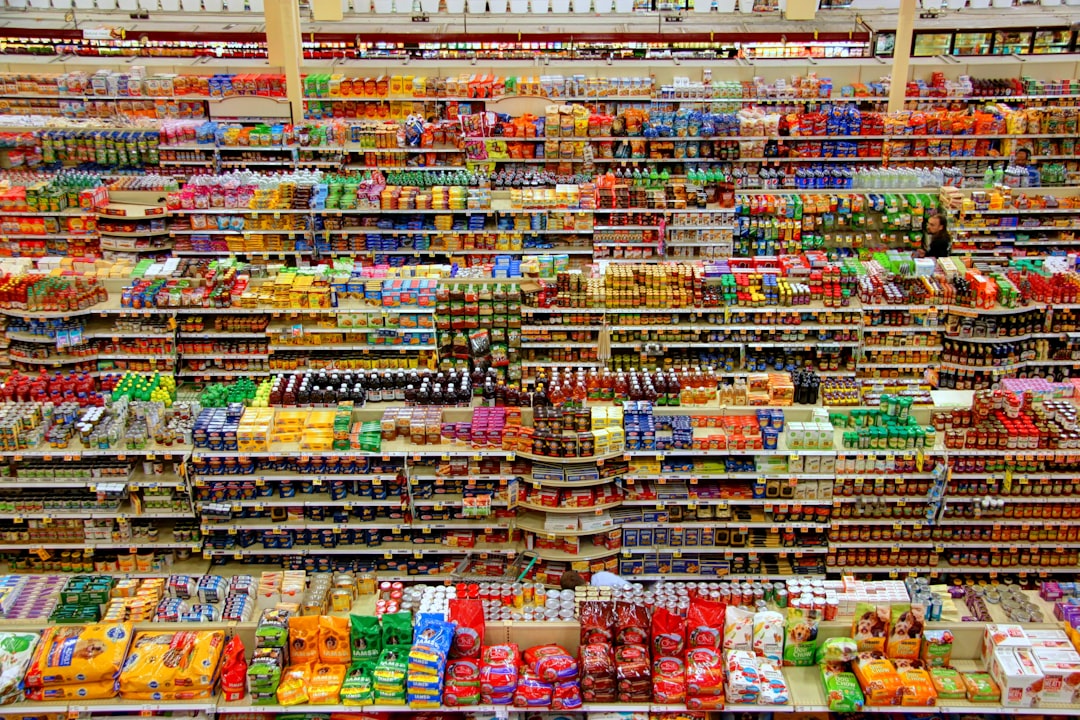
Dairy departments are almost invariably located as far from the entrance as possible, ensuring that customers will have to walk the length of the store, passing a wealth of tempting products, en route to the milk, eggs, cheese, and yogurt. Especially popular items are routinely located in the middle of aisles, so that even the most single-minded buyer has a chance to be distracted by alternatives. Then, there’s the milk, bread, eggs, and other staples at the far corner of the store so you have to walk across the entire length of the supermarket to get to them. Stores typically put these items in the farthest reaches of the store to expose customers to the maximum amount of product on their “quick trip.”
The Decision Fatigue Checkout Trap
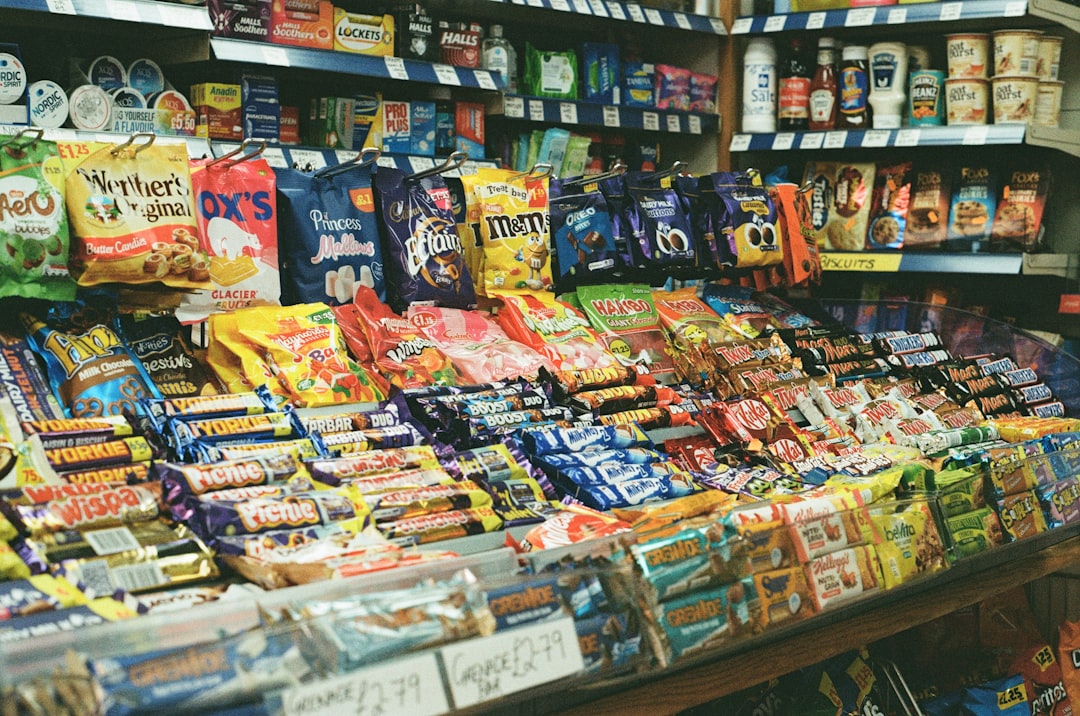
Perhaps one of the oldest tricks in the book is the fact that many grocery store chains place candy, magazines, and gum at the registers in an attempt to take advantage of analysis paralysis. In psychology, this is called “decision fatigue,” the idea that consumers tend to make irrational, impulsive decisions after a series of serious choices. The more decisions your brain makes, the more fatigued your willpower becomes. According to marketing research, Americans spend billions of dollars annually in checkout purchases.
The Fresh Bread Lie
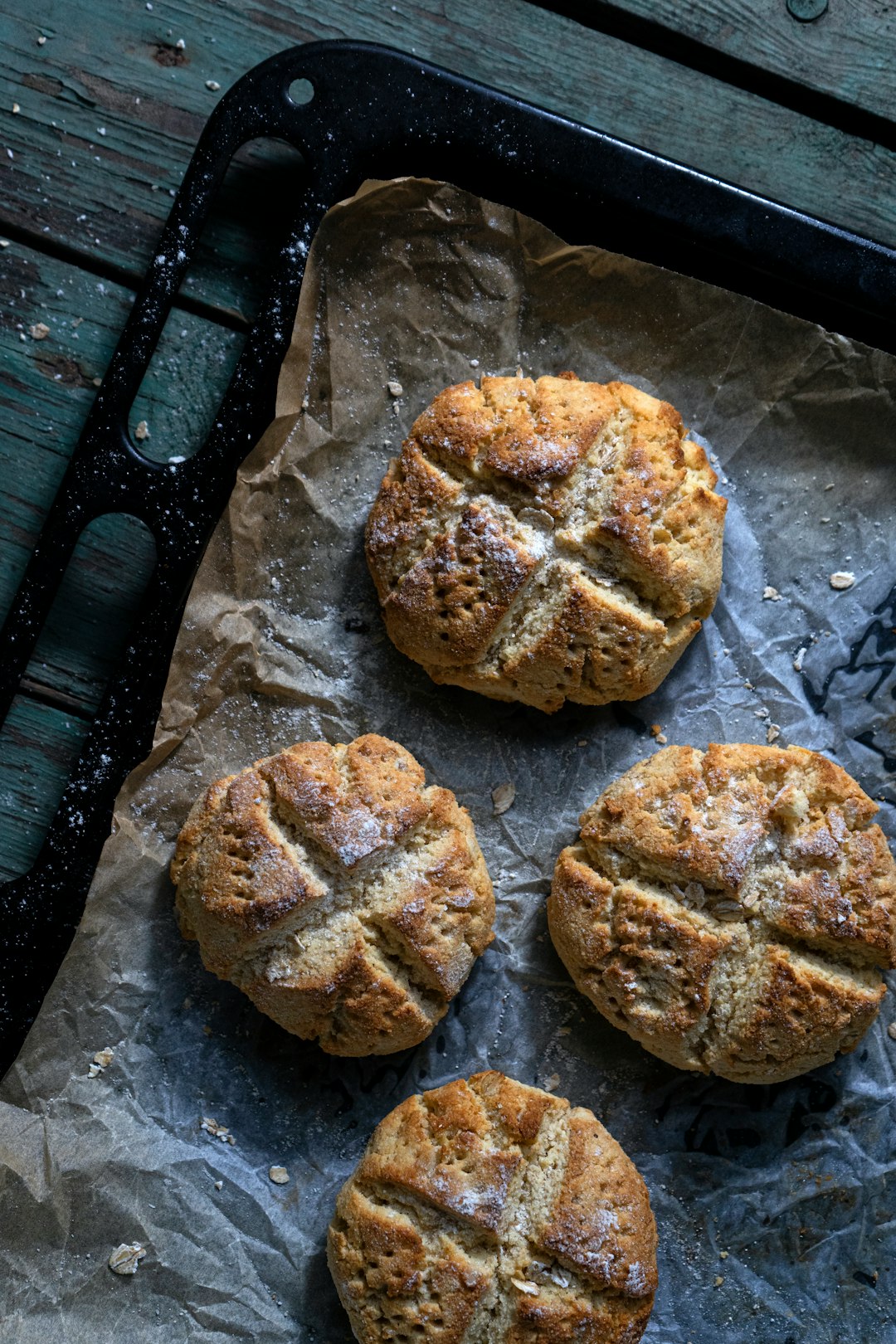
The enticing smell from the in-store bakery is often by design. Many “freshly baked” breads, cookies, and pastries arrive at the store as frozen, pre-made dough or par-baked items. Employees then simply bake them off in ovens. While technically baked fresh on-site, they aren’t usually made from scratch in that location, which is a common misconception. The exact wording of these advertisements is a technical truth. While there are plenty of grocery stores that offer fresh baked goods, there are very few that actually make their dough fresh on-site. Saying something is baked fresh just means that it’s been baked on-site that day.
The Store Shuffle and Product Relocation
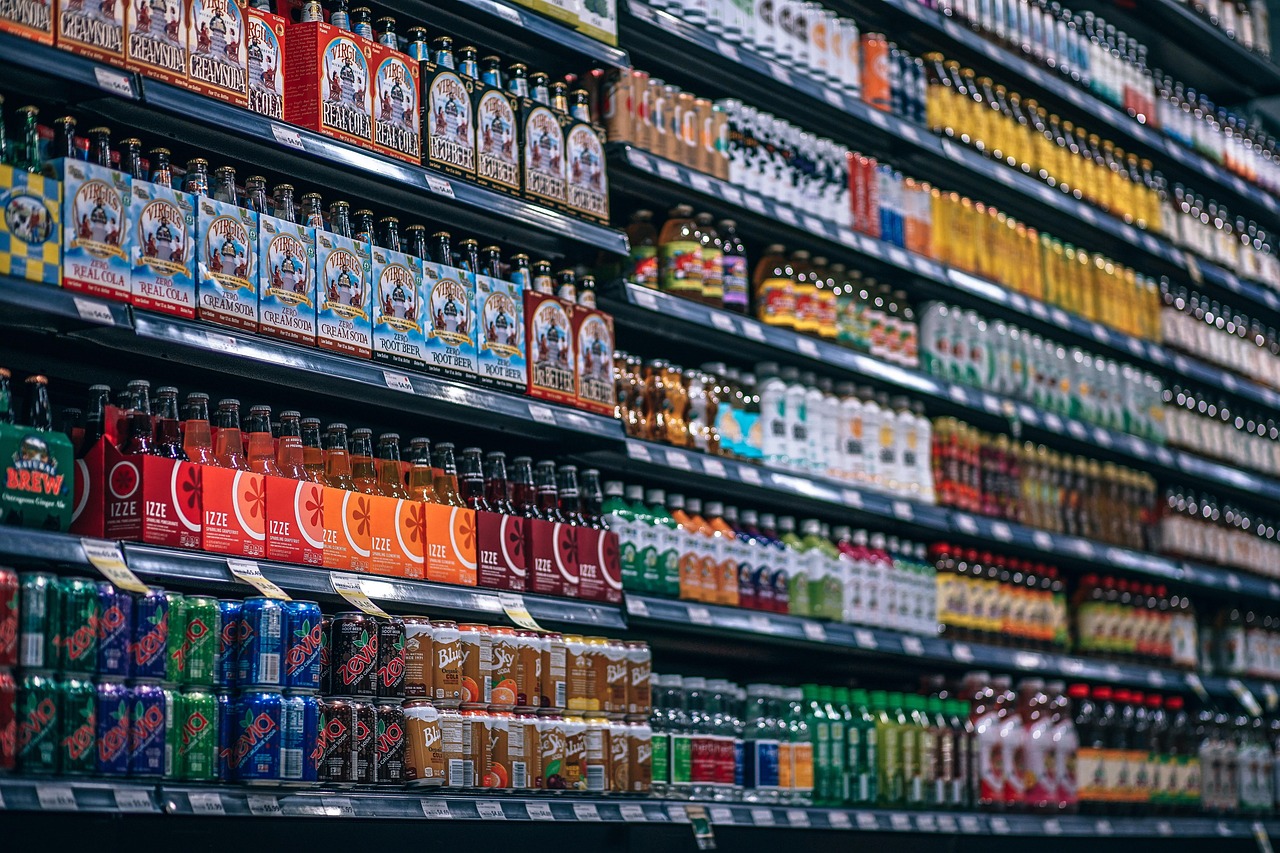
Curious why stores will switch things up every now and then? It’s another tactic! As you search for the product you need, you come across new food items you think you need. That frustrating moment when your favorite pasta sauce has mysteriously moved three aisles over isn’t a mistake – it’s strategy. Face it: Most of us go back to the store for the same ten items every few days. Doing so, we could easily develop our own “route” through the store and set autopilot when we enter the door. That’s why grocers shuffle the deck. This forces you to spend more time searching, exposing you to more products and increasing impulse purchases.
Understanding these psychological tricks doesn’t make you immune to them, but it does give you the power to shop more intentionally. A 2023 Slickdeals survey found that thirty-six percent of Americans say the majority of their purchases are unplanned. Armed with this knowledge, you can make more conscious choices about where you spend your hard-earned money. What tricks have you noticed during your next grocery run?
Key Takeaway
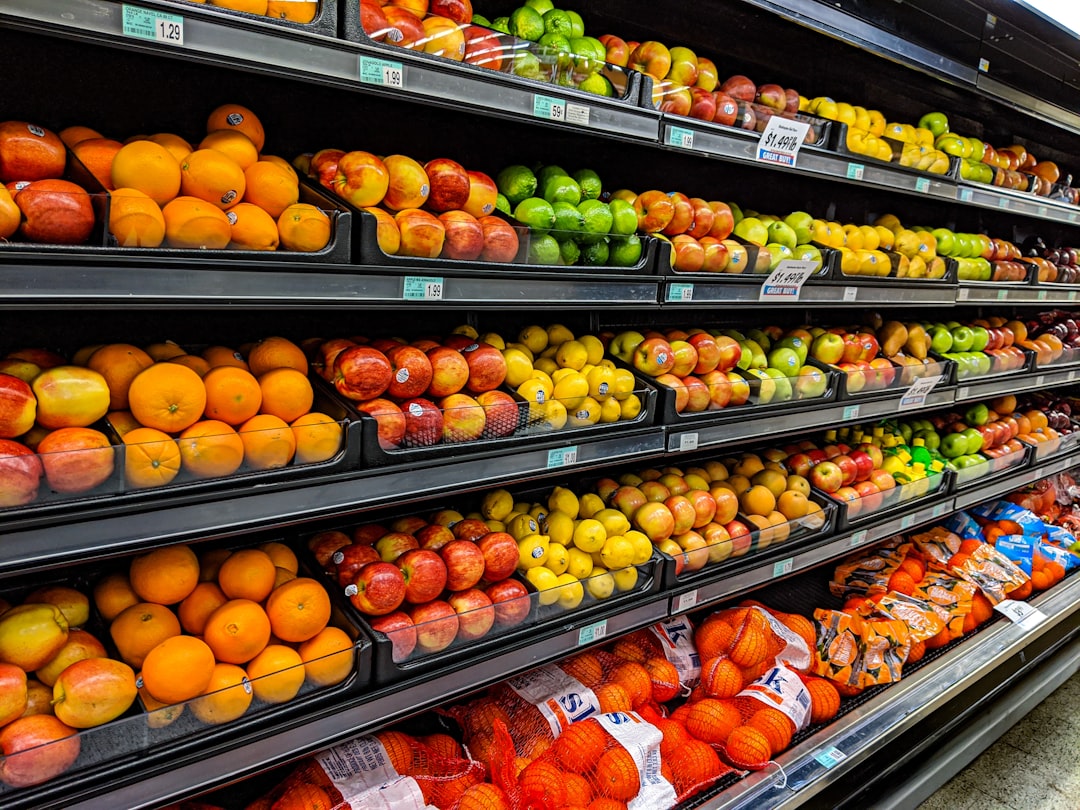
Grocery stores use subtle psychological tactics and layout tricks to influence what shoppers buy and how much they spend – often without them realizing it. Former employees reveal that everything from product placement and shelf height to lighting, music, and sample stations is strategically designed to encourage impulse purchases, extend shopping time, and make pricier items look like better deals. Understanding these behind-the-scenes techniques can help consumers shop smarter, save money, and avoid falling for marketing manipulation.