7 Cooking “Hacks” Chefs Admit They Never Use
Everyone loves a good kitchen hack that promises to make cooking faster, easier, or more foolproof. Social media is flooded with clever tricks that seem revolutionary. Yet professional chefs who’ve spent years perfecting their craft often shake their heads at these viral shortcuts. Some of these popular cooking hacks don’t just fail to deliver on their promises – they can actually make your cooking worse.
Throwing Spaghetti at the Wall to Test Doneness
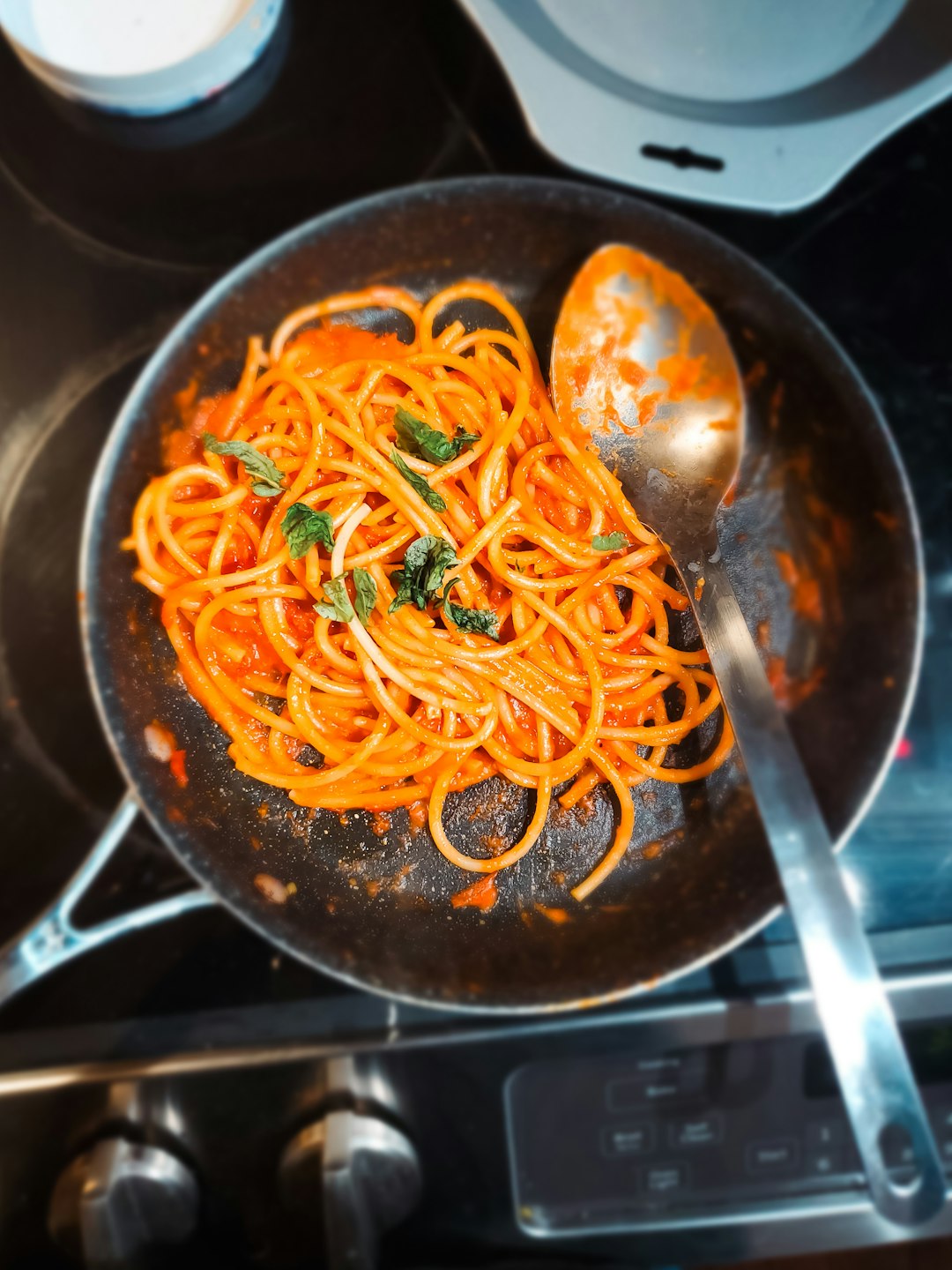
There’s a popular belief that tossing spaghetti against a wall can tell you if it’s perfectly cooked – if it sticks, it’s ready. The problem is that pasta is naturally sticky, so it will likely cling to the wall whether it’s done or not. Rather than risking your kitchen walls, a simpler and more reliable method is to take a piece out of the pot and taste it. If the texture feels right to you, then it’s good to go. Professional chefs rely on their palate, not their walls, to determine perfect pasta texture.
Using Plastic Chopping Boards Instead of Wood
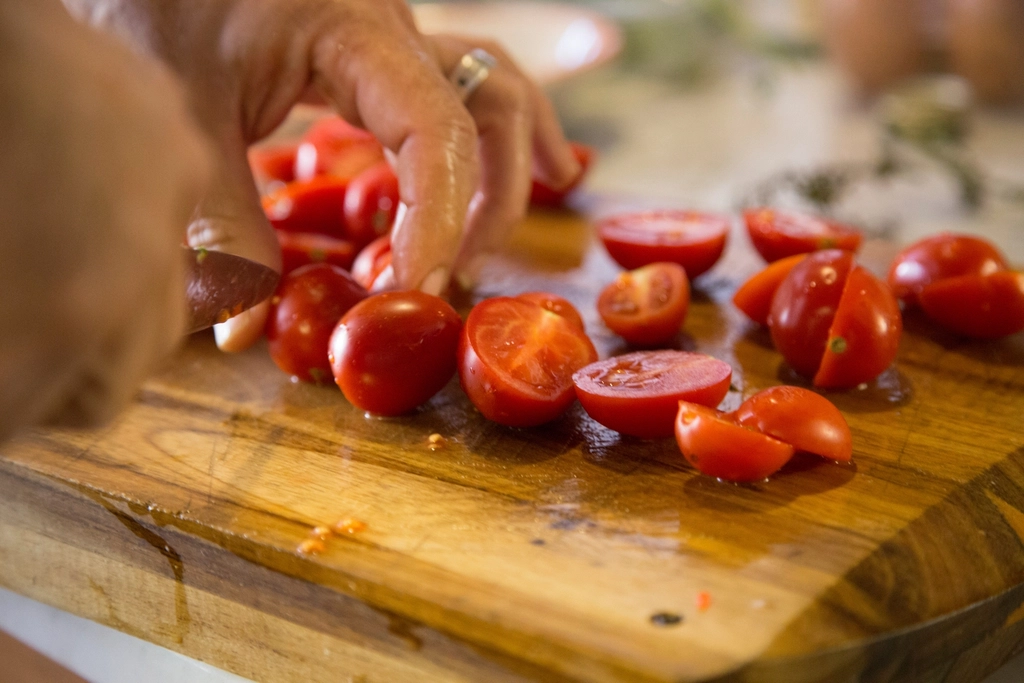
For the longest time, we were all advised to use plastic chopping boards because they were safer and easier to clean in, say, the dishwasher. Recent research has raised concerns about plastic chopping boards potentially releasing microplastics into food during use. The organisation believes chefs should be using wooden boards which, when properly maintained, have the potential to be more hygienic than their plastic counterparts. What’s more, wooden chopping boards are much kinder to knives especially when made from woods like maple, cherry and beech.
Adding Oil to Pasta Water
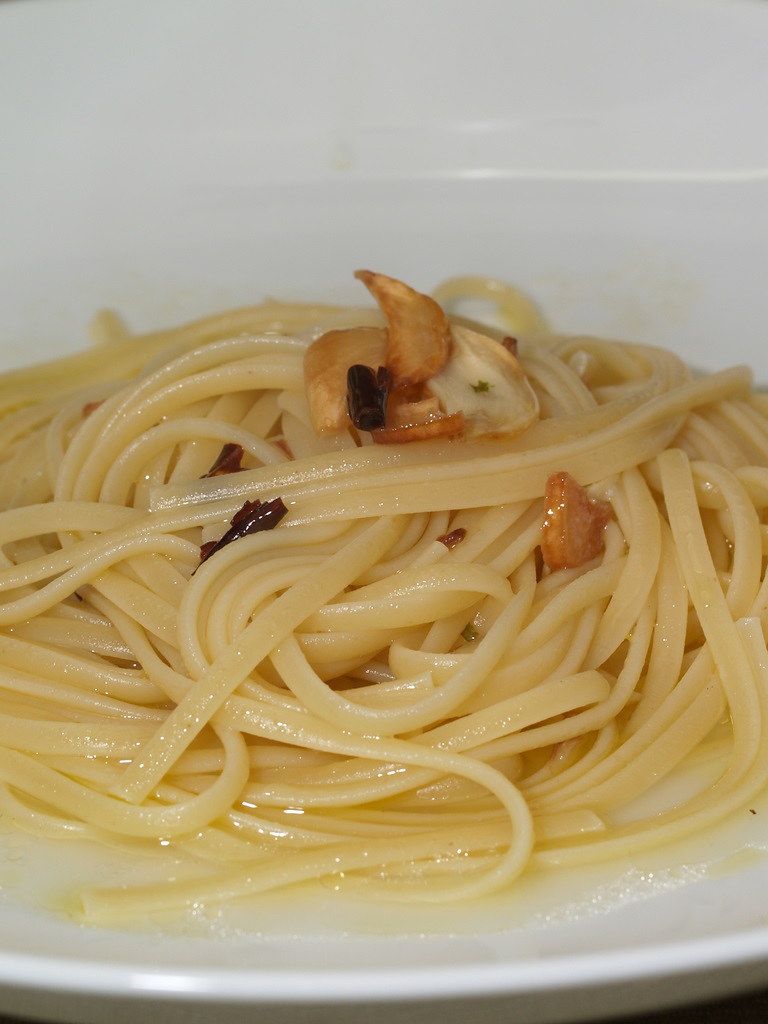
Perhaps the most overlooked crime against pasta, adding oil to the water has been positioned as a way to keep starchy noodles from sticking together. However, Nashville-born chef Carla Hall, known from “Top Chef” and “The Chew,” said in a YouTube post that it’s one of those things you’ll never see a chef doing in the kitchen. Because those substances don’t mix, oil does nothing to coat your noodles until the very last second when you dump them from pot to colander. At that point, all it does is keep your noodles from getting appropriately sauced. The best way to keep pasta from sticking together during the cooking process is to just keep stirring. Agitating the water with a wooden spoon for a few minutes after the pasta hits the water ensures that those sticky starches don’t bond to one another.
Microwaving Bacon for “Perfect” Results
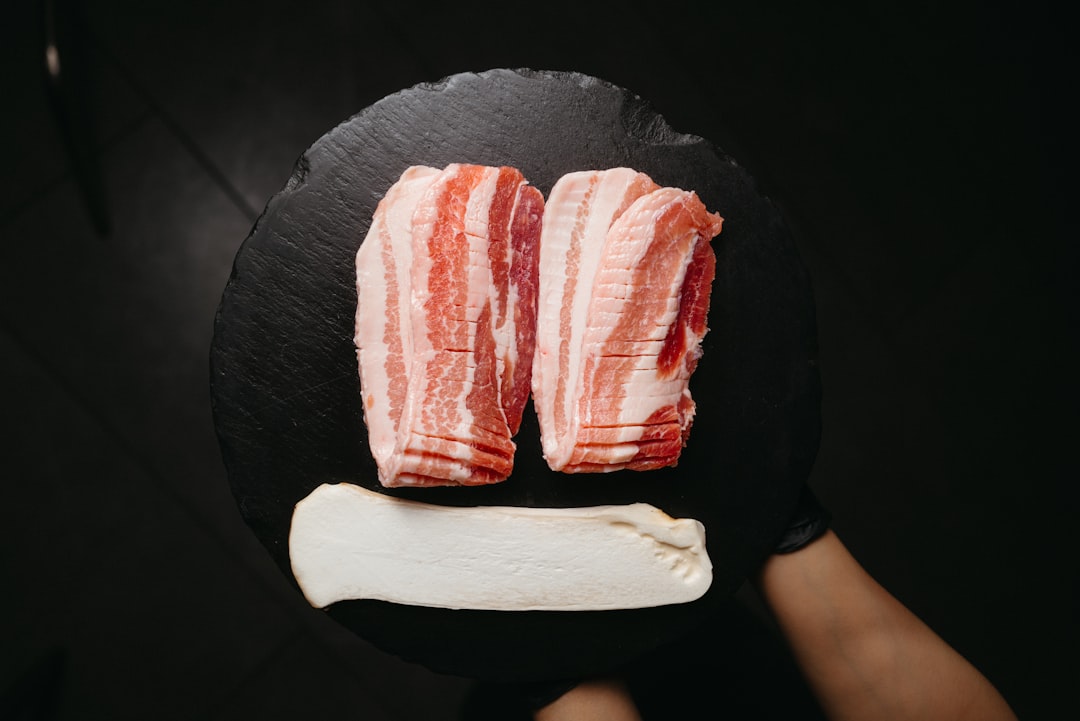
Some cooking enthusiasts have claimed that microwaved bacon produces superior results. Now, it’s perfectly acceptable to cook bacon in a microwave – but is it the best way to cook it? If nothing else, it requires a fair amount of clean-up, and it leaves your microwave smelling like bacon for a long time. To hack your way to delicious bacon, we suggest skipping the microwaving and going with the air fryer instead. Professional chefs prefer methods that give them better control over texture and browning.
Poaching Eggs in the Microwave
One particularly popular trick involves poaching an egg in the microwave by cracking it into a small bowl, covering it with water and zapping it for 40 seconds or so. But, while the resulting egg looks good on TikTok, some users reported messy microwaves and hard eggs after giving the method a go. No matter which hack you try, it’s hard to beat poaching eggs in a pot of simmering water. The traditional stovetop method gives chefs the control they need for consistently perfect results with silky whites and runny yolks.
Over-Prepping Everything in Little Bowls (Mise en Place at Home)
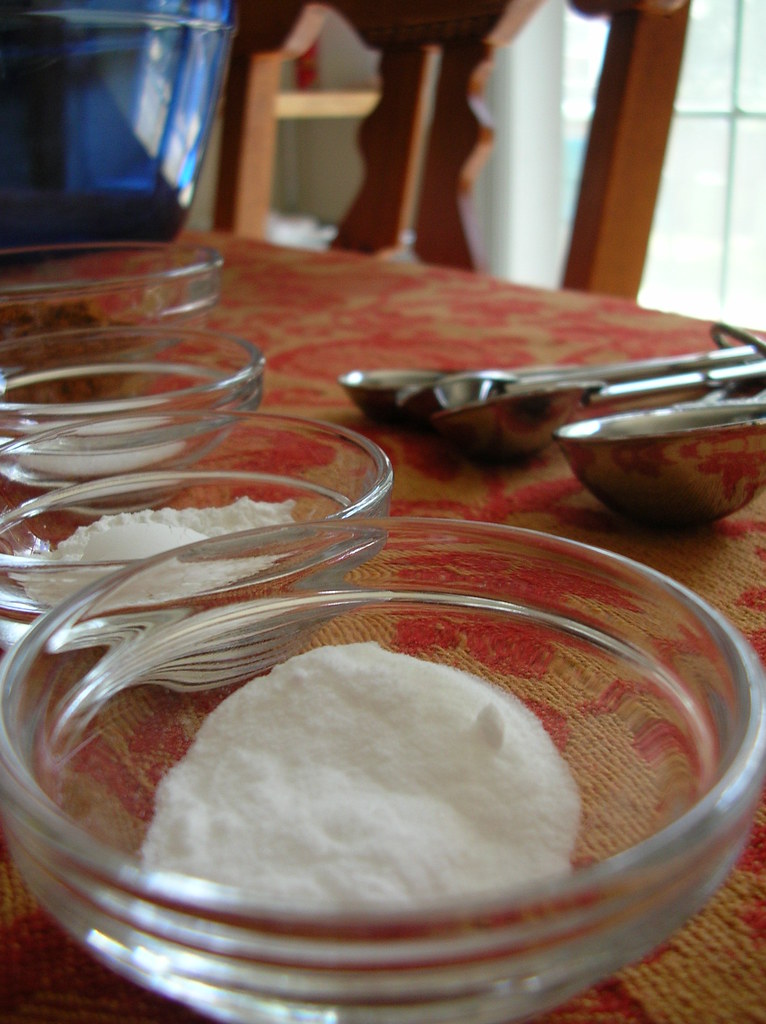
Chefs often talk about mise en place (‘everything in its place’), and it’s useful if you’re working in a commercial kitchen. But home cooks who’ve been encouraged to prep ahead and put all their ingredients in little bowls before they even start cooking are probably not going to see much benefit. If you prep as you go, it’ll decrease the amount of time you spend cooking and mean fewer dirty dishes. While mise en place is essential in professional kitchens where speed is crucial, home cooks often create unnecessary work for themselves.
Using Piping Bags When a Zip-lock Will Do
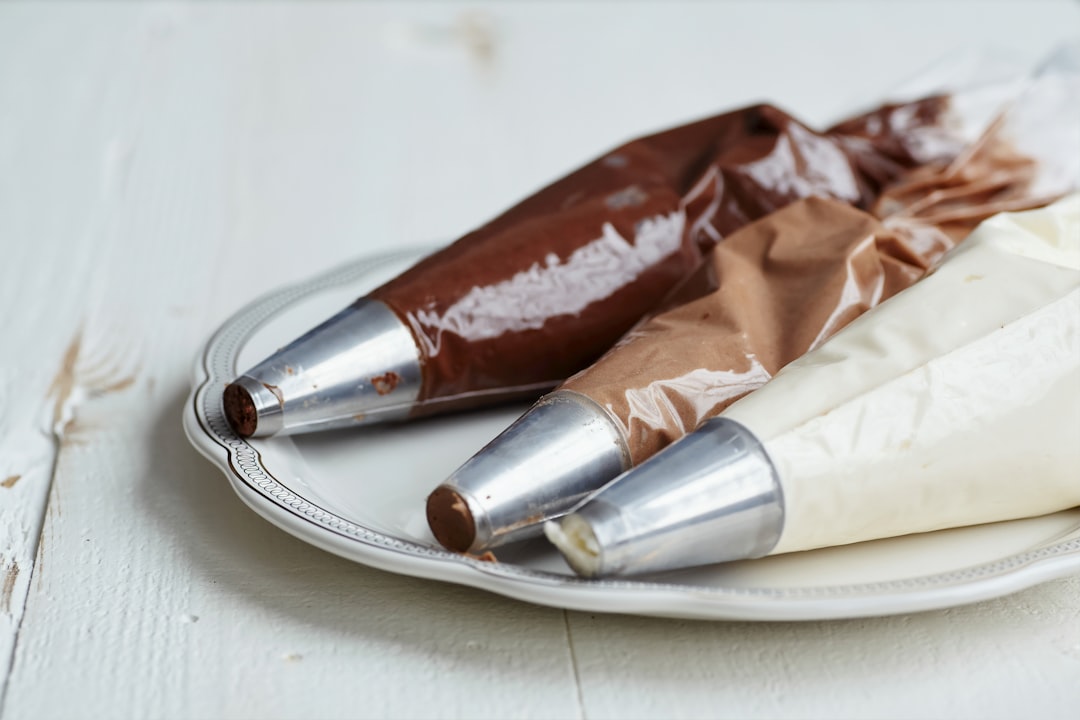
American chef and TV personality Alton Brown is famously against ‘unitaskers’ – kitchen utensils that only serve one purpose. He lumped piping bags into this category, claiming that you’ll get the same results by popping icing into a Ziploc bag and snipping off one of the corners. While this hack seems practical, many pastry chefs find that actual piping bags offer better control and create more professional results. The investment in proper tools often pays off in precision and ease of use for anyone serious about baking.
These cooking “hacks” might seem appealing because they promise shortcuts or solutions to common kitchen problems. However, professional chefs know that some traditional methods exist for good reasons – they simply work better. Rather than chasing viral tricks, focus on mastering fundamental techniques that have stood the test of time in professional kitchens worldwide.