7 Regional Sandwiches You’ve Probably Never Tried
Think you know American sandwiches? While everyone talks about Philly cheesesteaks and po’ boys from New Orleans, there’s a hidden universe of regional sandwich culture that most people never experience. From Michigan’s Upper Peninsula to the streets of Chicago, from Iowa’s diners to Pittsburgh’s steel mills, extraordinary sandwiches have been quietly feeding locals for generations.
These aren’t just food items. They’re expressions of local identity, immigration stories, and working-class history layered between two pieces of bread. Each one tells a story about the people who created it and the communities that keep it alive.
The Primanti Brothers “Almost Famous” Sandwich from Pittsburgh
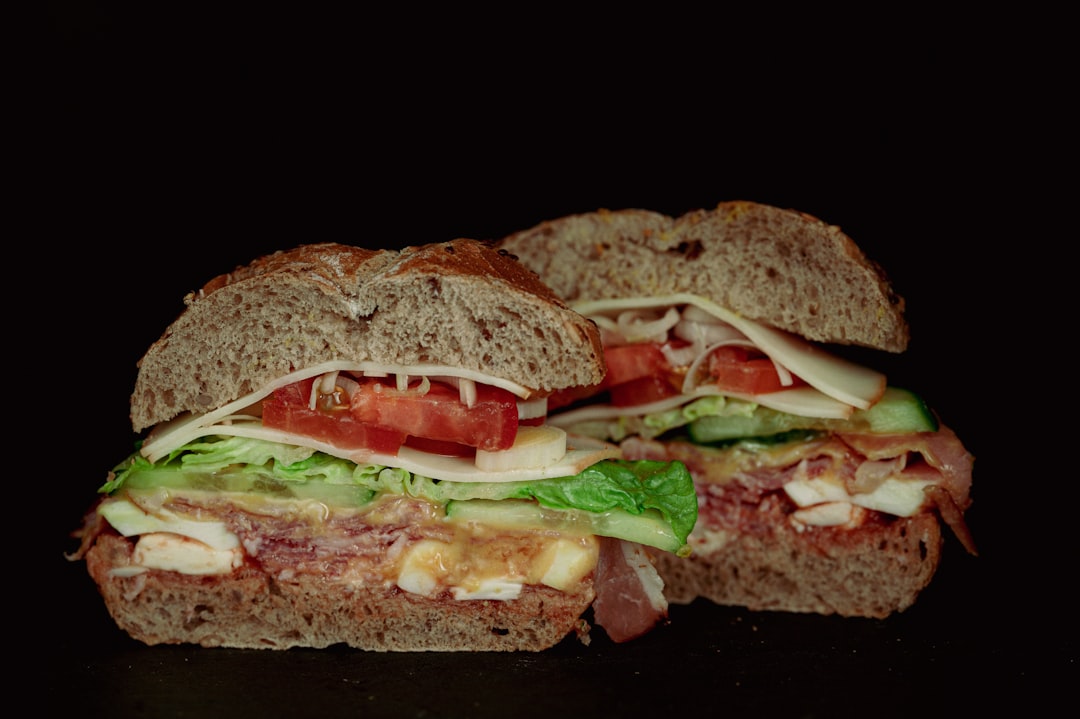
The chain is known for its signature sandwiches made of grilled meat, melted cheese, an oil and vinegar-based coleslaw, tomato slices, and French fries between two thick slices of Italian bread. This towering creation emerged from necessity during the Great Depression when Joe Primanti invented the restaurant’s sandwich during the Great Depression. The sandwich’s design and packaging was created to reduce spillage for busy depression-era truck drivers in Pittsburgh’s Strip District, allowing them to eat one-handed on the job instead of sitting down at a deli counter. The key isn’t just putting fries on a sandwich – it’s the specific combination of thin-sliced, warmed pastrami, a half-melted slice of provolone cheese atop it; some surprisingly good fresh-cut fries; a nice, vinegar-based slaw with a touch of sweetness; and a couple slices of tomato between two thick-cut slices of soft but sturdy white Italian bread.
Pittsburgh Steelers draft picks have been known to visit the original Primanti Bros. location in the Strip District as part of their introduction to the city. The restaurant has since expanded beyond Pittsburgh, but locals insist the original location maintains something special that can’t be replicated.
The Indiana Breaded Pork Tenderloin Sandwich
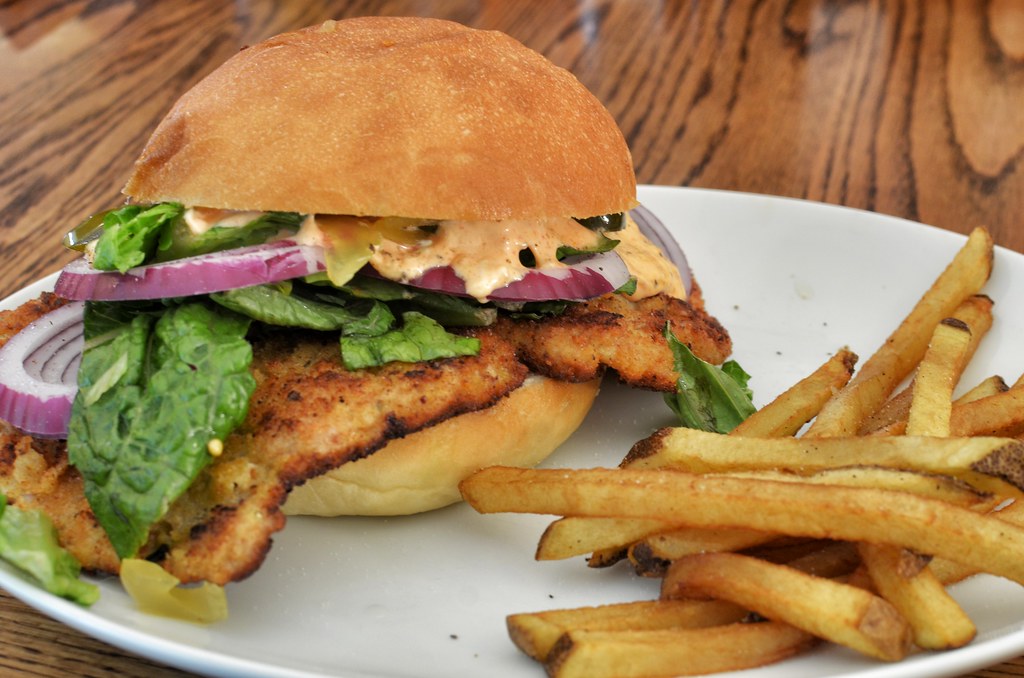
Picture a sandwich where the meat literally hangs over the bun by several inches on all sides. The pork tenderloin sandwich, also known as a breaded pork tenderloin sandwich (BPT), contains a breaded and fried cutlet similar to Wiener schnitzel and is popular in the Midwest region of the United States, especially in the states of Indiana, Illinois, Nebraska, Missouri, and Iowa. A staple in restaurants and at fairs, it’s said that the sandwich was created in 1908 at Nick’s Kitchen in downtown Huntington. Owner Nick Freienstein played off of his family’s German heritage doing a version of a Wiener Schnitzel which is a thin, tenderized cut of veal, breaded and fried.
The preparation is deceptively simple but requires technique. A pork tenderloin cutlet is butterflied and coated in a cornmeal breading before being pan-fried to golden brown perfection. You know it is a real Hoosier breaded pork tenderloin sandwich when the meat overhangs the bun. It is a little bit messy, and a whole lot of good! Standard toppings include mayonnaise, mustard, dill pickle slices, lettuce, tomatoes, and onions.
The Cudighi from Michigan’s Upper Peninsula
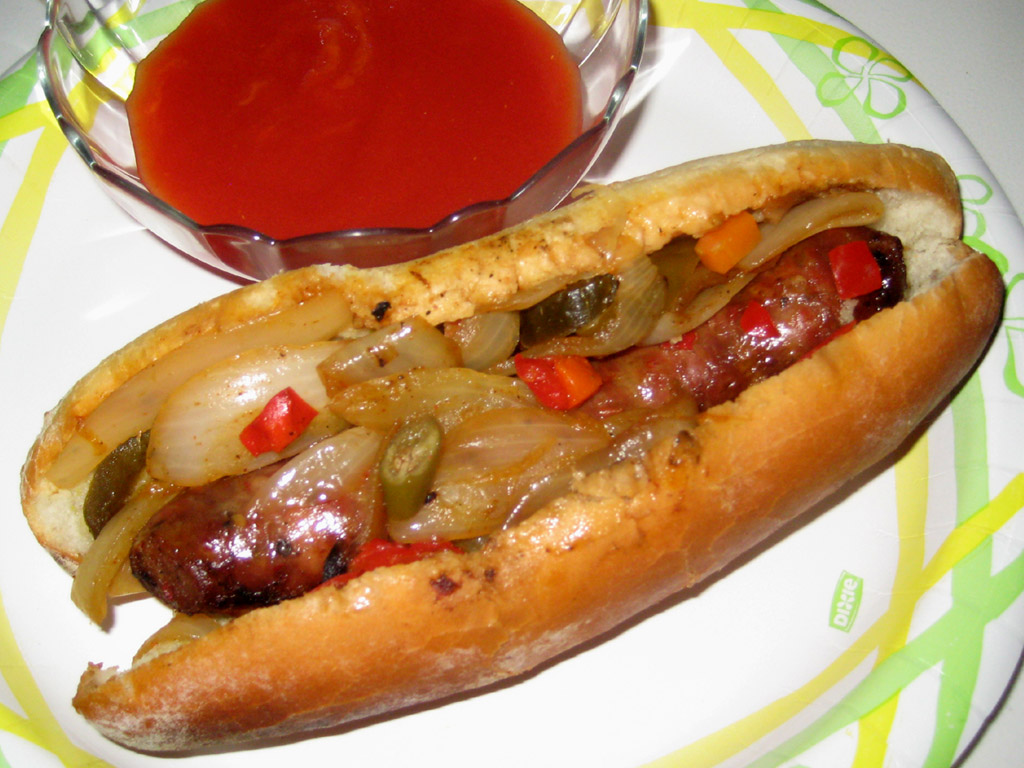
Most pizzerias, delis, and restaurants in the UP all have cudighi, a local version of an Italian sausage sandwich. It’s made with pork sausage seasoned with wine, cinnamon, and garlic, but with no fennel, a typical Italian sausage ingredient. This unique sandwich reflects the Italian immigration to Michigan’s mining regions, where traditional recipes adapted to local tastes and available ingredients.
What makes cudighi special isn’t just the spice blend. It’s cooked in patties instead of links, then placed on a roll with marinara, mozzarella, and sometimes peppers and onions. In its sandwich form, the sausage is a patty on an Italian-style hard roll topped with onion, mozzarella, and tomato sauce. The absence of fennel creates a completely different flavor profile than traditional Italian sausage, making it uniquely Upper Peninsula.
The Chicago Mother-In-Law Sandwich
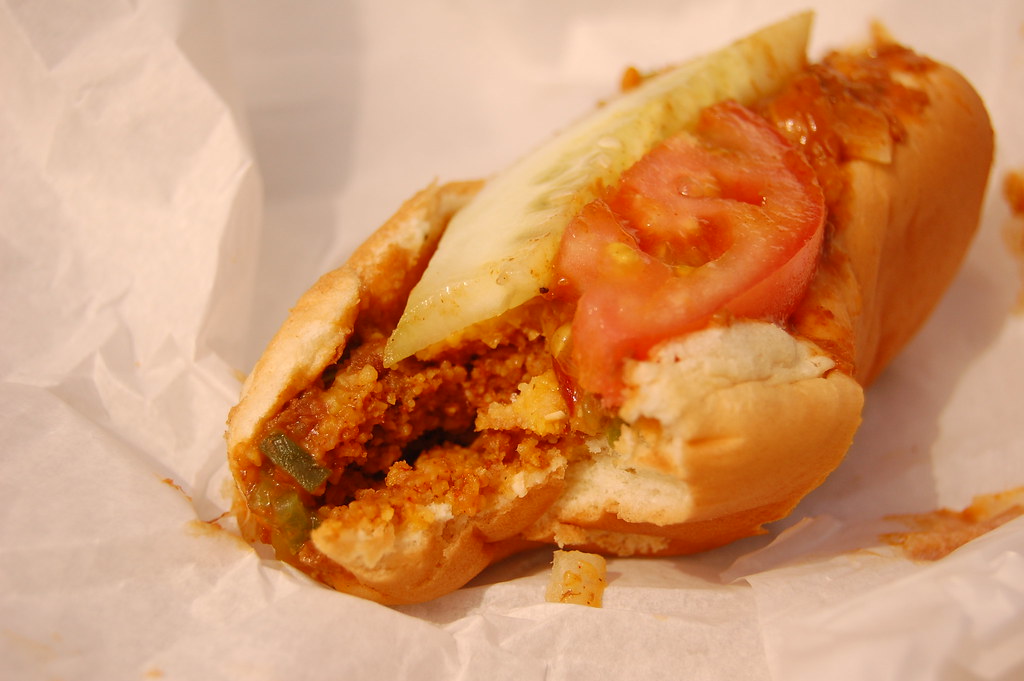
This Southside Chicago sandwich has a history as fascinating as its name. It’s a hot dog bun that holds a commercially made hot tamale, covered in chili. Though we don’t know exactly how or where this sandwich got its name, we do know that Chicago’s unique hot tamales made their journey north from the Mississippi Delta with African Americans over a century ago. The name alone sparks curiosity, but the combination tells a deeper story about migration and cultural adaptation.
To make a Chicago-style Mother-In-Law, Chicagoans use their local method of making tamales (a hot dog-shaped, meat-filled log made of cornmeal). The “tamale” is put on a hot dog bun and topped with chili and (sometimes) a pickle. You can find authentic versions at places like Fat Johnnie’s Famous Red Hots. The sandwich represents the unique fusion of Southern comfort food with Chicago street food culture.
The Loose Meat Sandwich from Iowa
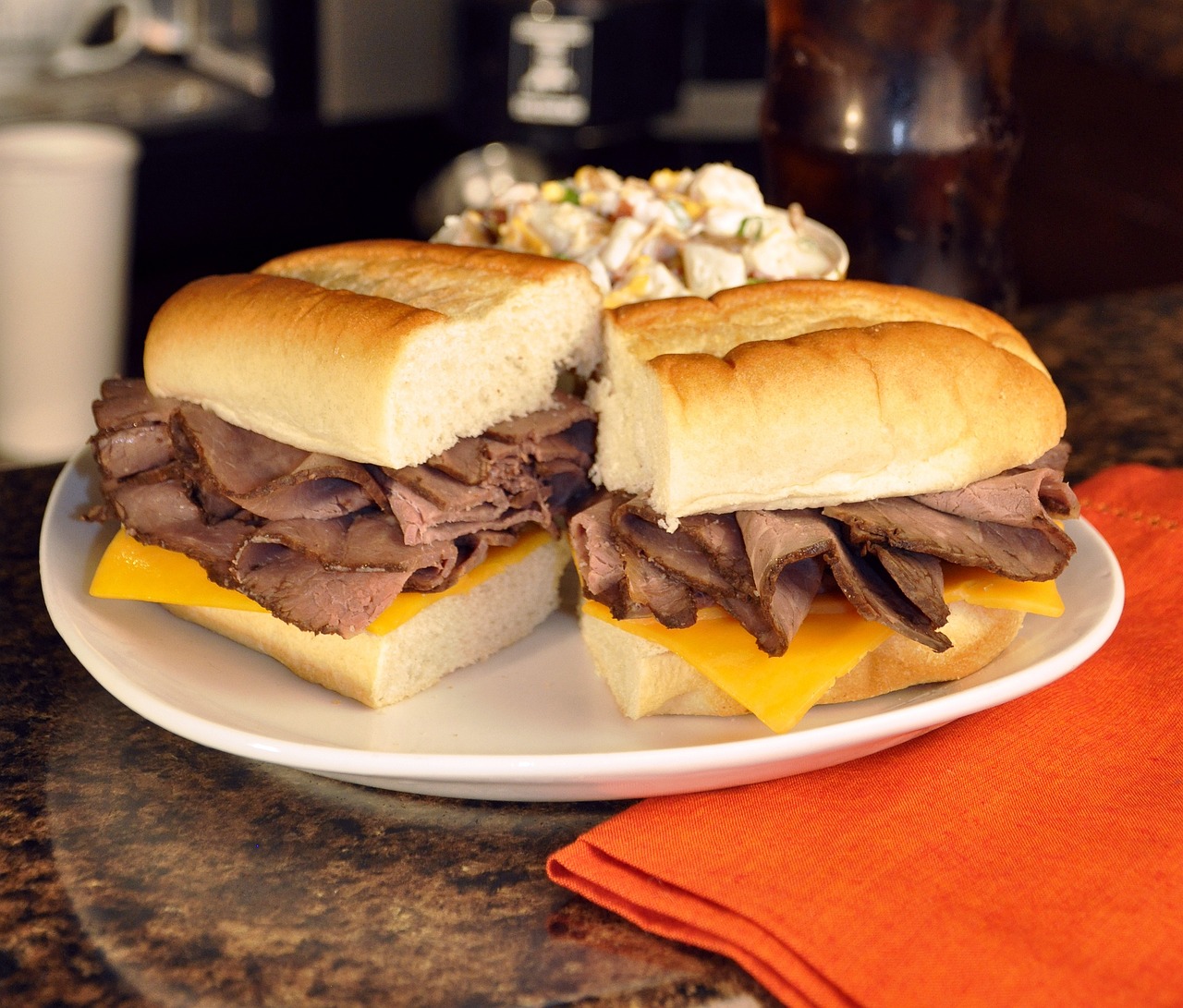
Imagine a ground beef sloppy joe, but take out the sloppy joe sauce. Voila, you’ve got a loose meat sandwich. It’s a specialty of Iowa, where diners like Maid-Rite serve the unwieldy sandwich with a spoon so you can eat all the beef left in your basket. Also appearing on menus as a tavern or canteen sandwich, a loose meat sandwich is a sauceless Sloppy Joe or an unpattied hamburger. Basically, it’s a pile of cooked and seasoned ground beef loaded onto a bun and adorned with mustard and pickles.
They invented the Sloppy Joe, and while that messy miracle of meat and sauce is certainly venerated in the Hawkeye State, its sauceless cousin is actually more popular. Made famous by regional chain Maid-Rite, the loose meat is a subtle but delightful treat. Popular as a food truck and lunch counter offering, Iowa’s biggest seller is Maid-Rite, a loose meat sandwich shop with over a dozen locations in the state.
The Beef on Weck from Buffalo, New York
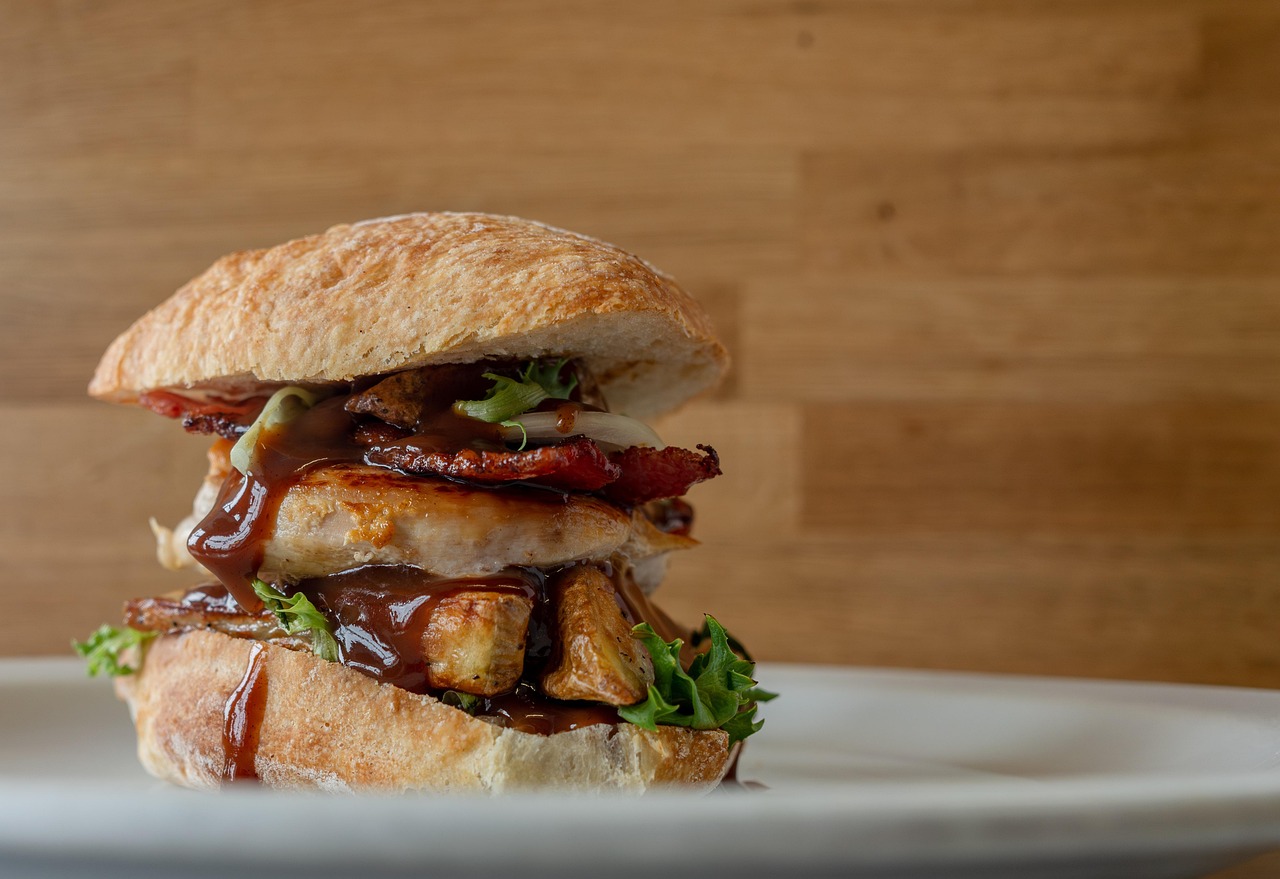
The beef is straightforward, but what the heck is weck? It’s the shortened local name for a kummelweck roll: a German-style a soft roll topped with salt and caraway seeds. To make the sandwich, dip half of the split roll in beef jus, and pile on thinly sliced rare beef and horseradish. This sandwich represents Buffalo’s German heritage beyond just the obvious influences.
A favorite of German immigrants to upstate New York, the Weck is a roast beef sandwich on a salt and caraway seed-encrusted kümmelweck roll. The beef is often served rare and sometimes with mustard, but pickles and horseradish should always be available. Salty, spicy, messy and designed to be eaten with beer, the Beef on Weck proves that Buffalo is about more than chicken wings. You can find authentic versions at establishments like Bob & John’s.
The Fry Bread Sandwich from the Southwest
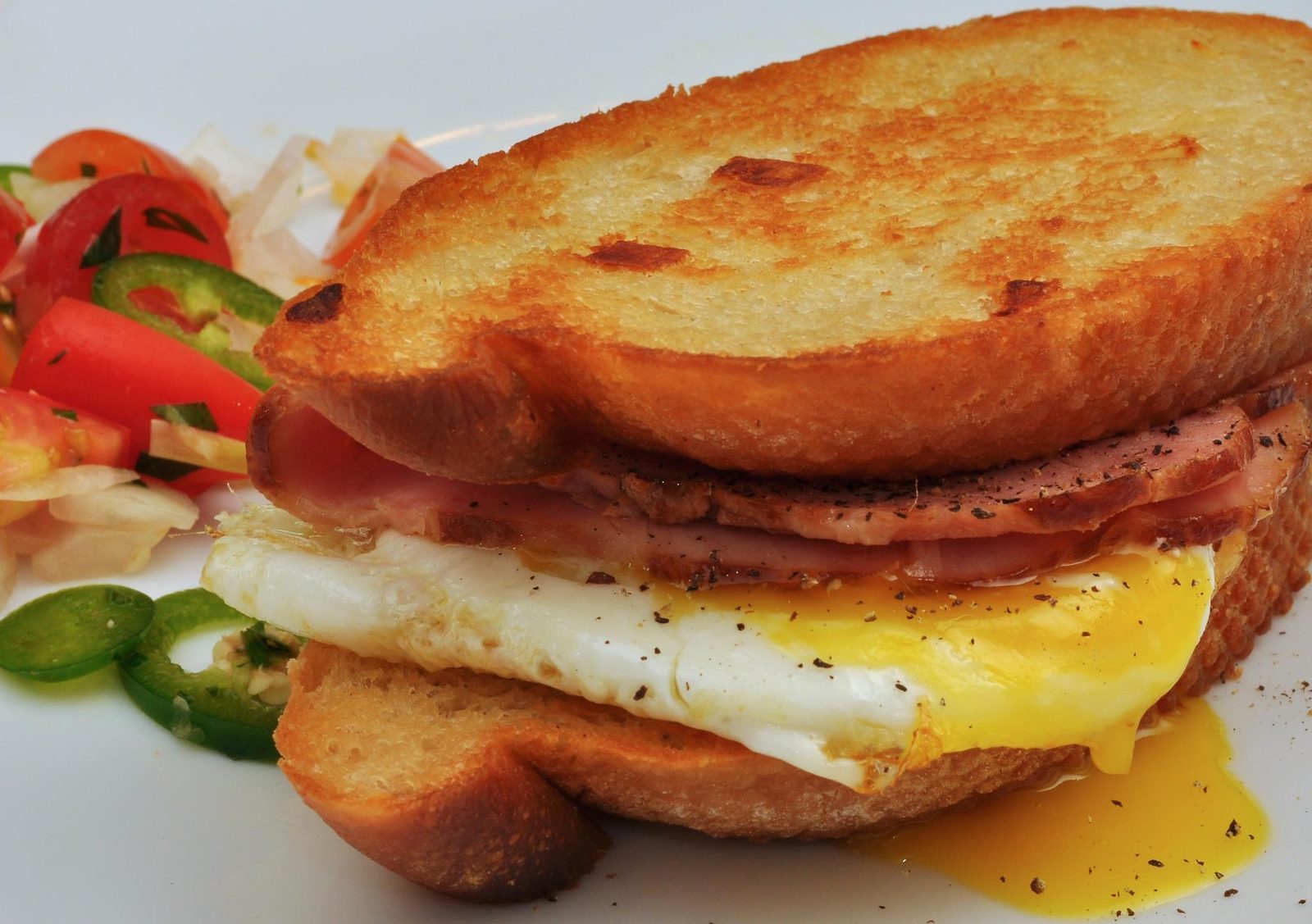
While the rest of the sandwiches on this list were largely inspired and created by immigrant communities, sandwiches made with fry bread are the opposite. When the Diné Indigenous peoples were displaced and forced to walk approximately 450 miles to internment camps by the US government, they were given army rations of flour, sugar, lard, and salt. With it they made crispy and fluffy fry bread out of necessity. This sandwich carries profound historical weight, transforming ingredients of survival into something nourishing.
Today, you’ll find it topped with sweet ingredients like pumpkin or sugar, but the slightly sweet dough also lends itself extraordinarily well to ground beef, lettuce, tomato, and onion. You’ll find high-quality fry bread all across the Southwest, particularly on or near Native American reservations in Arizona and New Mexico. It’s most often sold at roadside stands rather than sit-down restaurants. Unlike other regional sandwiches born from convenience, fry bread sandwiches represent resilience and cultural preservation.
Conclusion
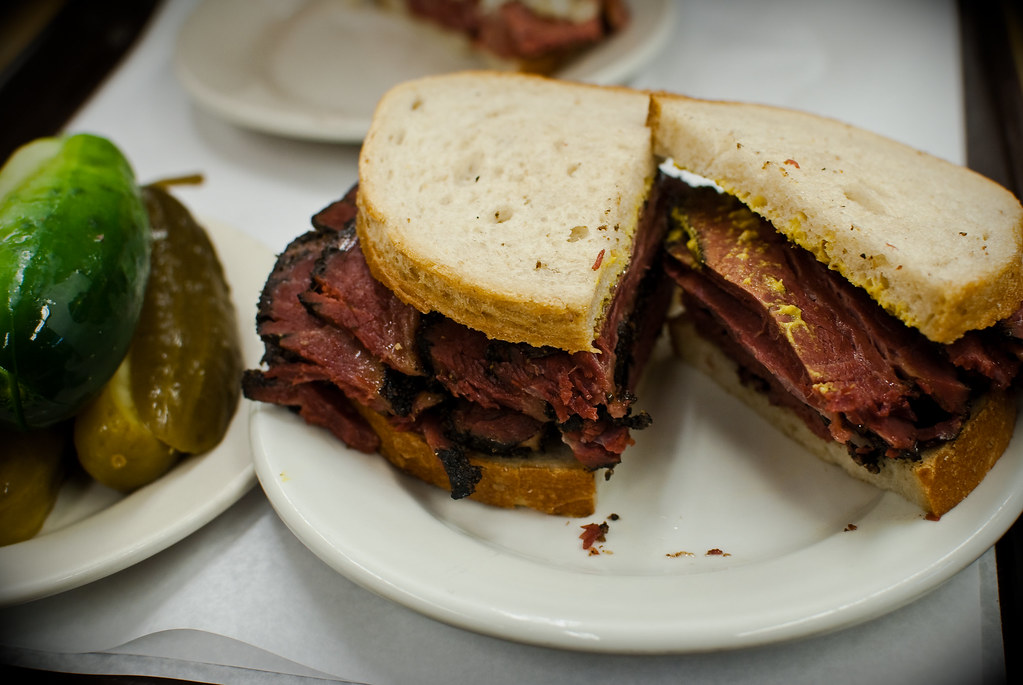
These seven sandwiches prove that America’s best food stories often hide in plain sight. Each represents not just local taste preferences, but immigration patterns, economic necessity, and cultural adaptation. From Depression-era innovation to indigenous survival foods, these sandwiches carry the DNA of their communities.
The next time you travel, skip the familiar chains and seek out these regional treasures. They offer something no national brand can replicate: the authentic taste of place, history, and community identity served between two pieces of bread. What regional sandwich from your area deserves to be on this list? Tell us in the comments.