13 Classic American Dishes That Have Become Nearly Impossible to Find Today
Liver and Onions
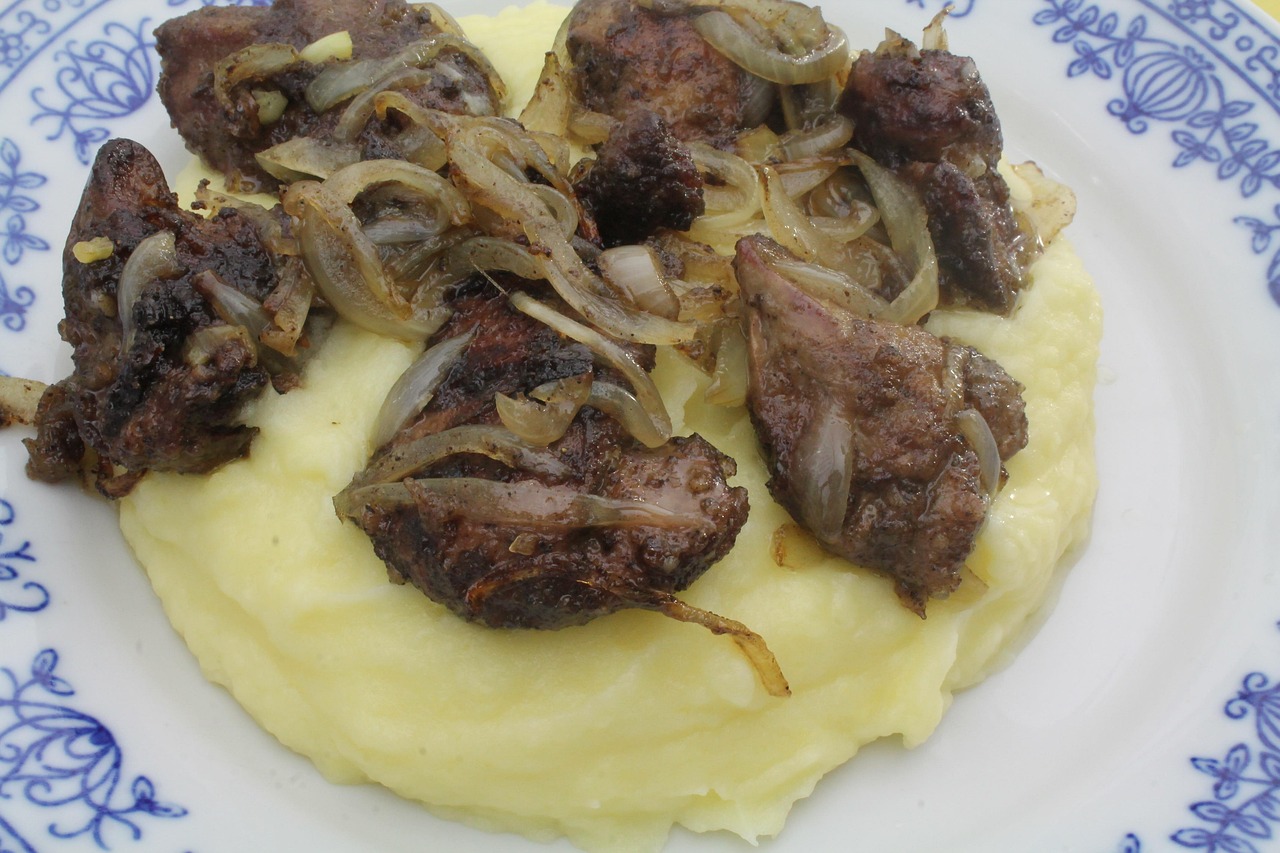
By the mid-century, it was a weeknight regular on American dining tables. The unmistakable aroma of frying onions mixed with liver was a hallmark of grandma’s kitchen or the neighborhood diner. Liver and onions is one of those classic dishes that seems to have fallen out of favour over the years. Even though it’s been lost on the palate of the younger generations, this traditional meal still has a lot to offer! Once a common American comfort food, liver and onions have fallen out of favor due to changing preferences and perceptions about offal as a food source. The strong flavor of liver and the texture that many find unappealing have contributed to its decline. Though nutritious, liver’s popularity has waned compared to more universally palatable meats.
Tuna Noodle Casserole
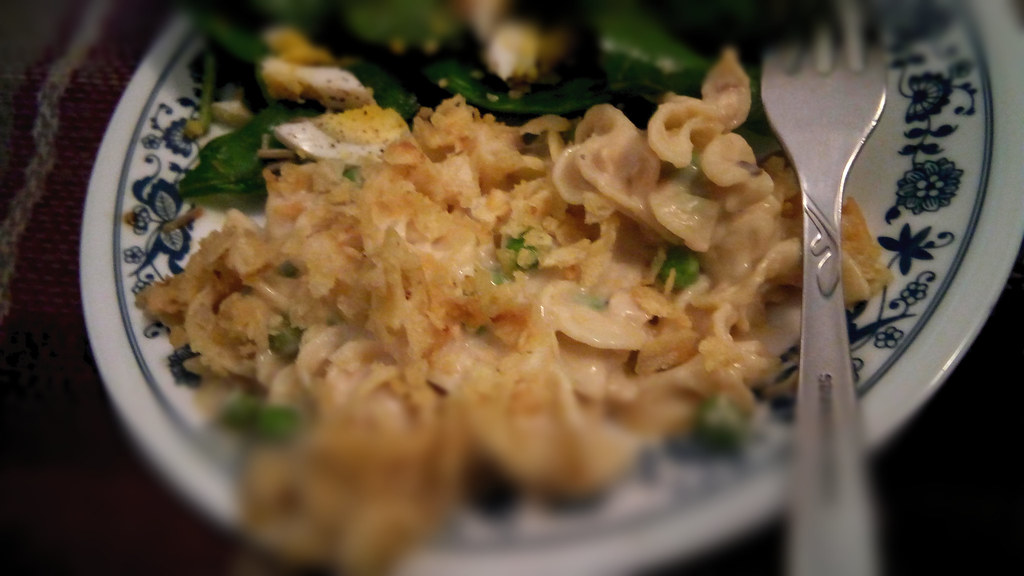
At one time, the tuna casserole was the queen of quick weeknight dinners. Creamy and savory, topped with fried onions or potato chips to give it a crunch, it was the essence of a cozy meal. The earliest published recipes appeared in the 1950s, and by the 1950s, it was riding the popularity charts. Tuna casserole became a perfect fit for a post-war America discovering its penchant for convenience foods and electric appliances. By the ’80s and ’90s, its appeal had begun to dull. Environmental issues like overfishing and sustainability, worries over high mercury content in tuna, and a growing awareness of the ill effects of high-sodium diets all contributed to its waning popularity as words like “organic”, “fresh”, and “health foods” became the new standard. Tuna casserole hasn’t gone extinct as yet, but its rare sighting at dinner tables makes it an endangered species.
Welsh Rarebit
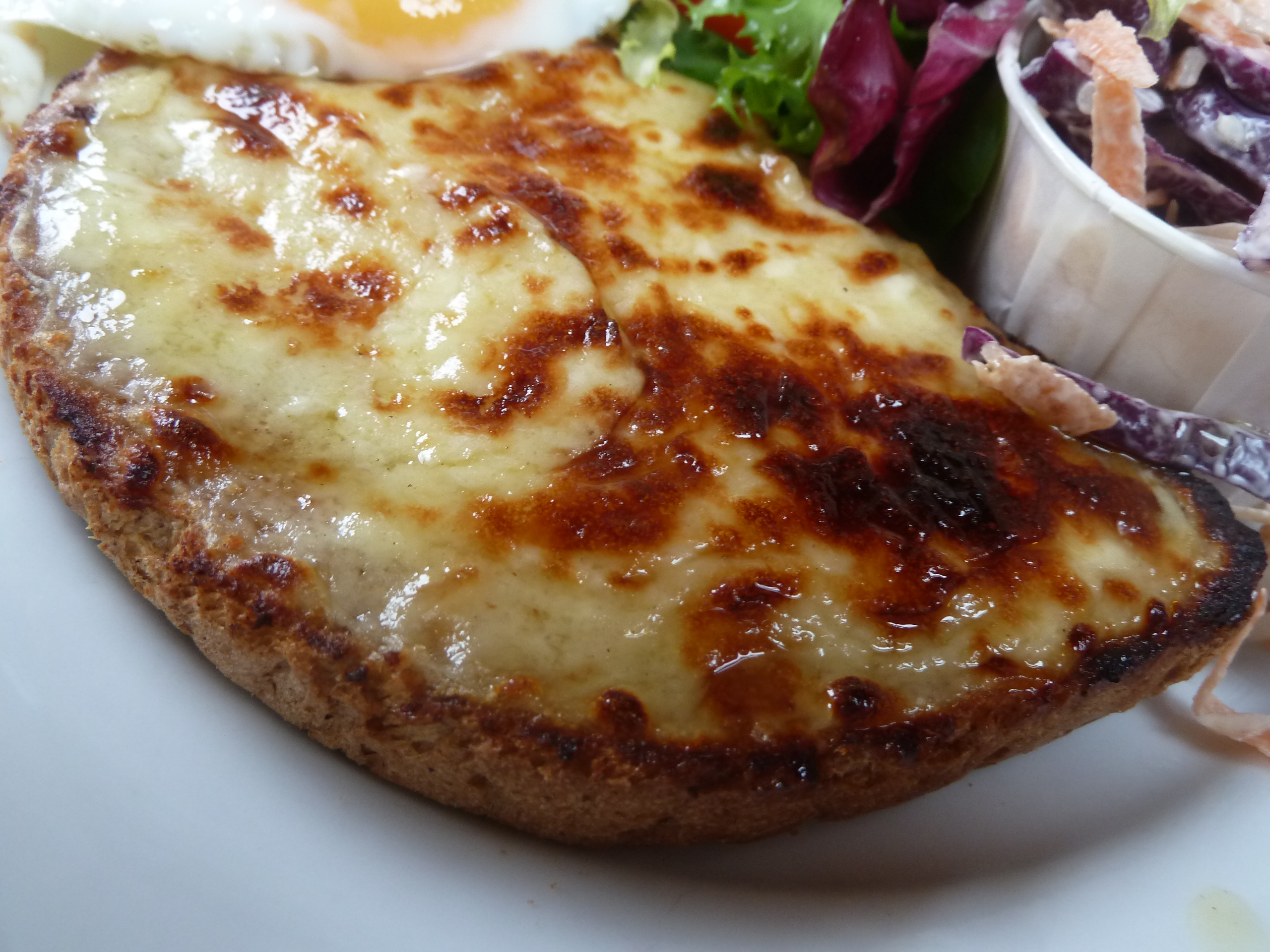
Far more than glorified cheese toast, Welsh Rarebit represented sophisticated simplicity in mid-century kitchens. Sharp cheddar melted into a velvety sauce, enhanced with beer, mustard, and Worcestershire sauce. Poured hot over toasted bread, the bubbling mixture satisfied late-night cravings or light suppers. Welsh Rarebit, a savory delight, features melted cheese sauce over toast. Rich with mustard and ale, it warms hearts and bellies. This dish, with its British roots, is perfect for lunch or a late-night snack. Despite its elegant simplicity and rich flavor profile, this sophisticated dish has virtually disappeared from American tables, replaced by simpler grilled cheese sandwiches and more modern comfort foods.
Chicken À La King
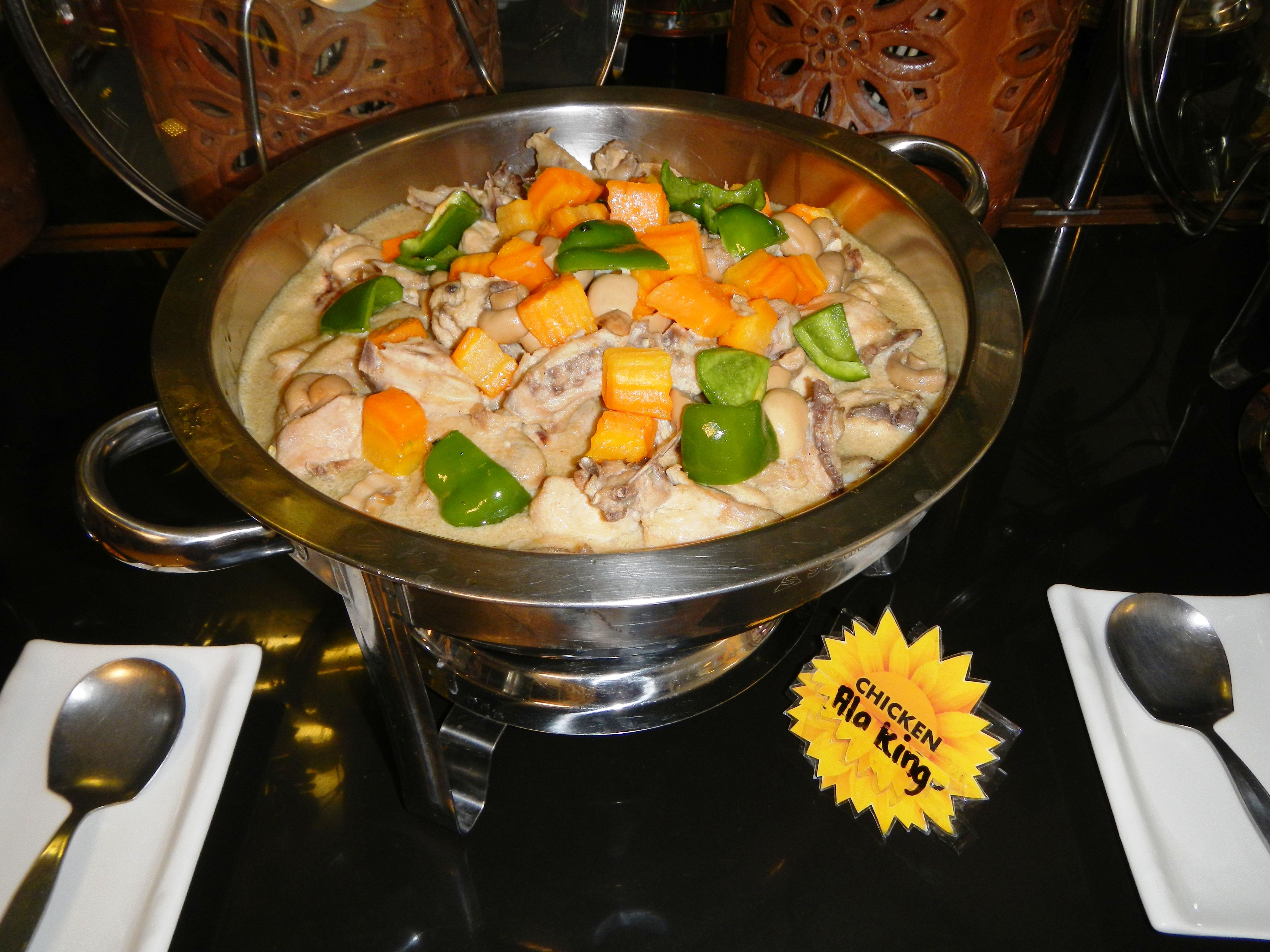
This creamy, savory classic was a go-to for busy households. Chunks of tender chicken, bell peppers, and mushrooms swam in a buttery white sauce, often poured over toast, biscuits, or rice. It was cozy, comforting, and versatile enough to use leftovers wisely. Some dinners were so similar you could hardly tell them apart – like chicken à la king and chicken tetrazzini. This once-popular dish epitomized American comfort food but has faded as dining preferences shifted toward fresher, less processed ingredients and more diverse cuisines.
Ambrosia Salad
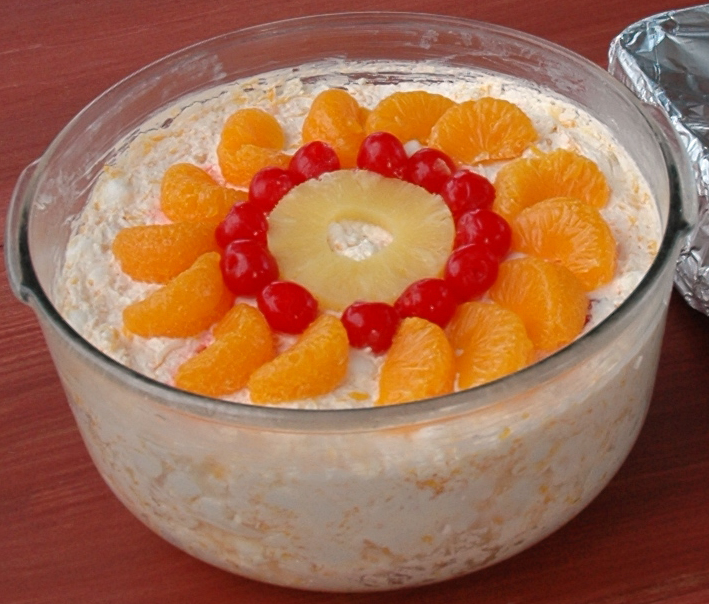
Ambrosia salad is a creamy, dreamy fruit salad straight out of a church potluck or grandma’s holiday table, alongside other retro recipes like Jello poke cake, cheese balls, and deviled eggs. Ambrosia salad has roots in the late 1800s, when ingredients like oranges and coconut were considered exotic luxuries – hence the name “ambrosia,” the food of the gods. Ambrosia, a fruit salad traditionally made with pineapple, coconut, marshmallows, and cherries, often bound with whipped cream or yogurt, has seen a decline as a popular. This dish’s fall from grace reflects dietary trends toward natural food presentations and a move away from the heavily sweetened, processed dishes of the past. While ambrosia salad may still make an appearance at some family gatherings, its once-prominent place on the American table has diminished significantly.
Deviled Eggs
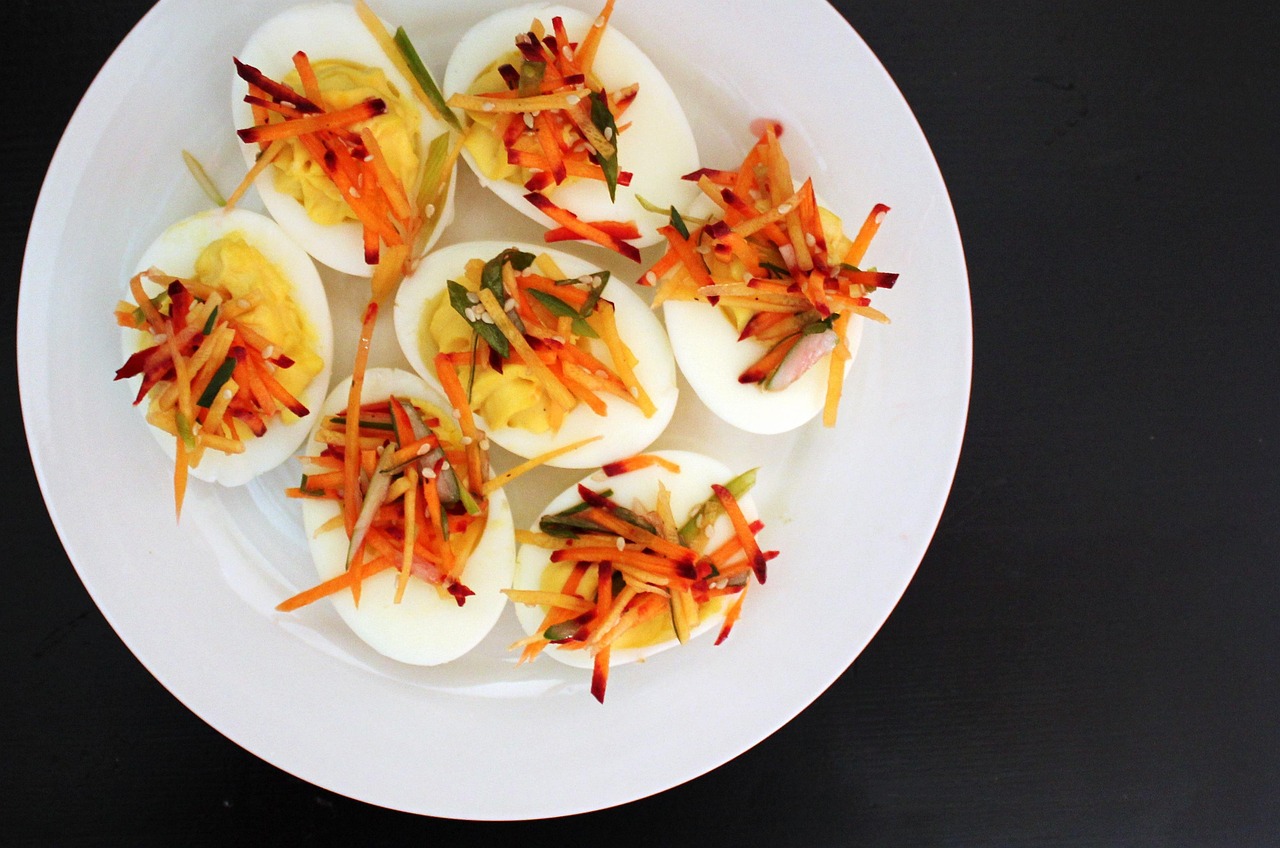
Deviled eggs, hard-boiled eggs cut in half and filled with a creamy, seasoned yolk mixture, are often associated with mid-century American picnics and potlucks. While still a favorite at some gatherings, their prevalence has declined as appetizers and snacks have evolved towards more sophisticated and diverse cuisines. Once considered a staple of entertaining, deviled eggs are now often viewed as too simple or outdated for modern gatherings. Despite this, they remain a beloved treat for those who appreciate their classic flavor. Simple yet beloved, deviled eggs were the ultimate retro appetizer. Boiled eggs were halved, and their yolks mashed with mayo, mustard, and spices.
Salisbury Steak
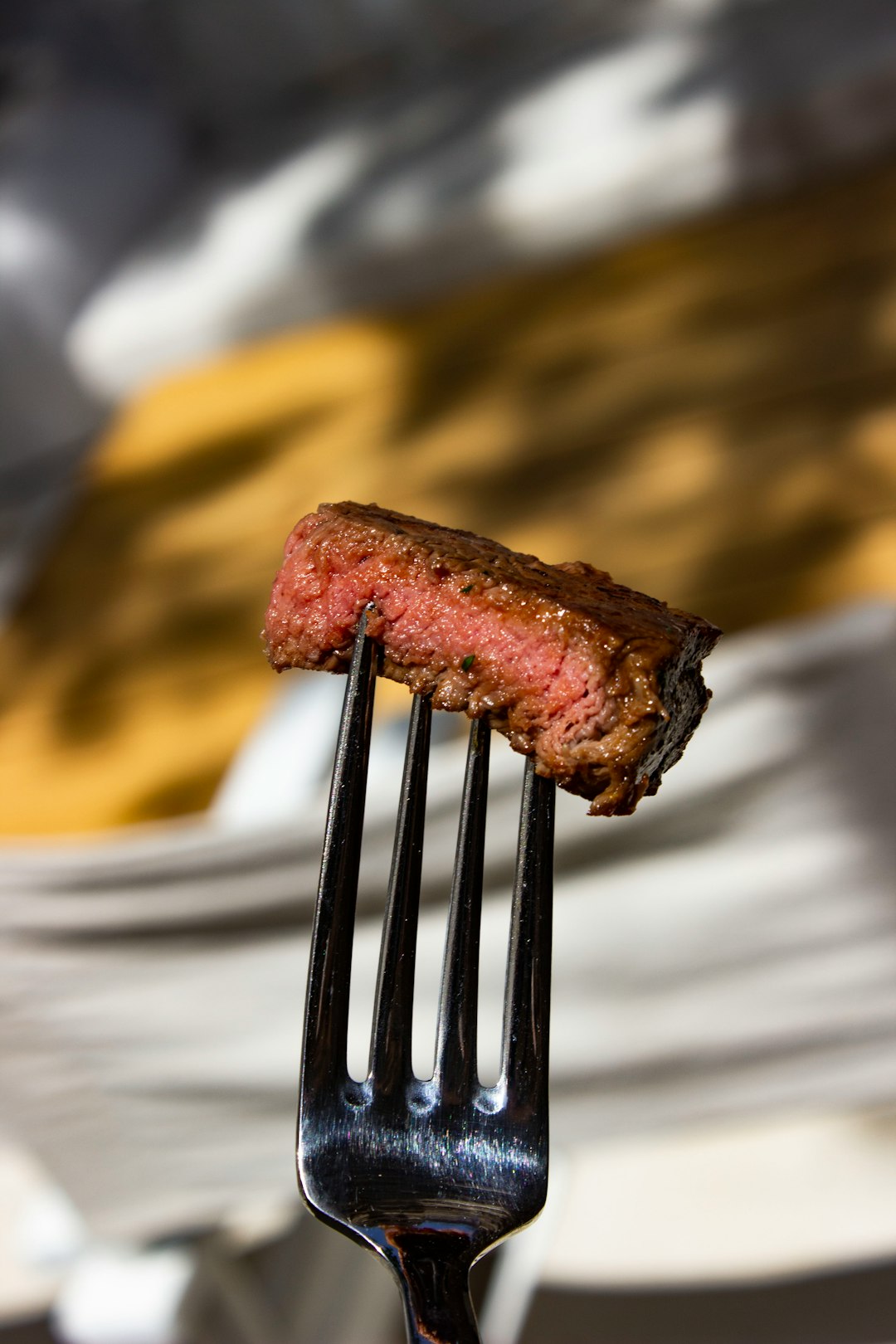
This was weeknight comfort at its finest. Ground beef, shaped into oval patties, was pan-seared and simmered in a rich mushroom and onion gravy. Served with mashed potatoes or green beans, it was a full, filling meal in under an hour. The savory aroma alone could bring the whole family to the table. Salisbury steak, a dish made from ground beef and other ingredients, shaped to resemble a steak and served with gravy, has dwindled in popularity in home kitchens and restaurants. This affordable protein option once graced dinner tables nationwide but has largely vanished as Americans moved away from processed meat dishes.
Beef Stroganoff
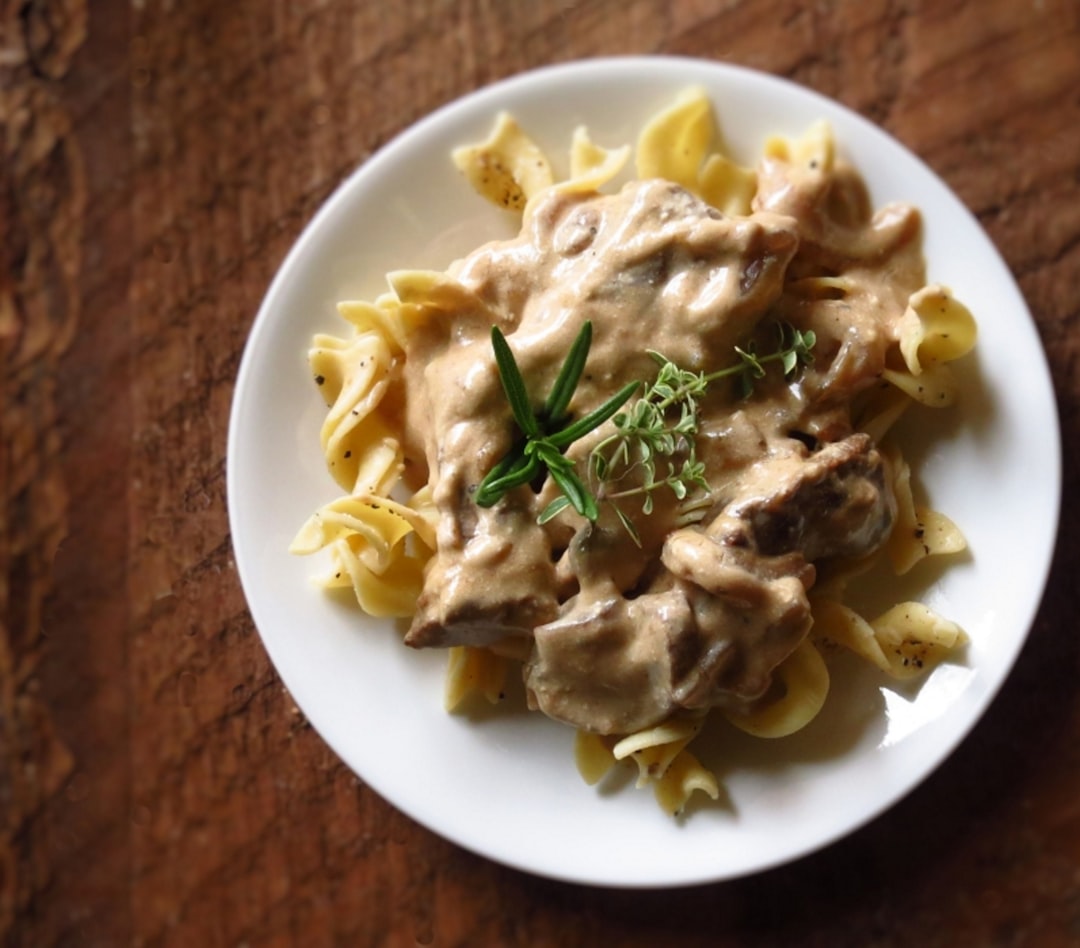
This Russian-inspired meal was an American favorite. Sliced beef, mushrooms, and onions were cooked in a sour cream sauce and served over egg noodles. Creamy, savory, and deeply satisfying, it was pure cold-weather comfort. This hearty dish was a dinner party staple throughout the 1960s and 70s. The combination of tender beef strips in a rich sour cream sauce represented elegant home cooking, often served when families wanted to impress guests. Its decline reflects the shift away from heavy, cream-based dishes as American palates evolved toward lighter fare.
Jello Salads
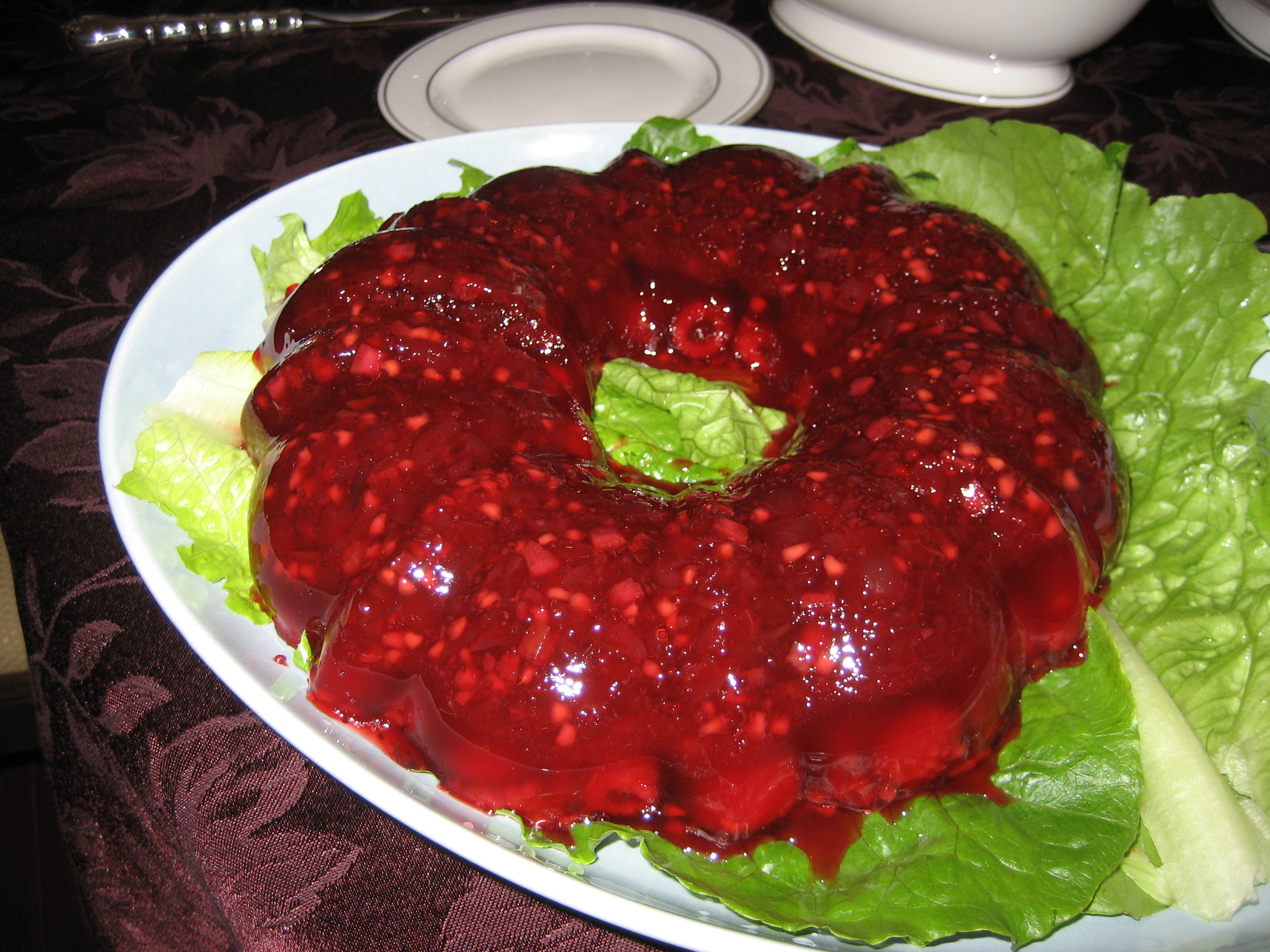
A fixture on every potluck table, Jell-O salad wasn’t just dessert – it was edible art. Layers of gelatin trapped fruit, vegetables, and sometimes even meat. Whether you loved it or avoided it, you have to admit: no other dish shimmered like this one. Jello salad is an American salad made with flavored gelatin, fruit, and sometimes grated carrots or (more rarely) other vegetables. Other ingredients may include cottage cheese, cream cheese, marshmallows, nuts, or pretzels. These colorful, jiggly creations were once the centerpiece of American entertaining but have nearly vanished from modern tables.
Chicken Divan
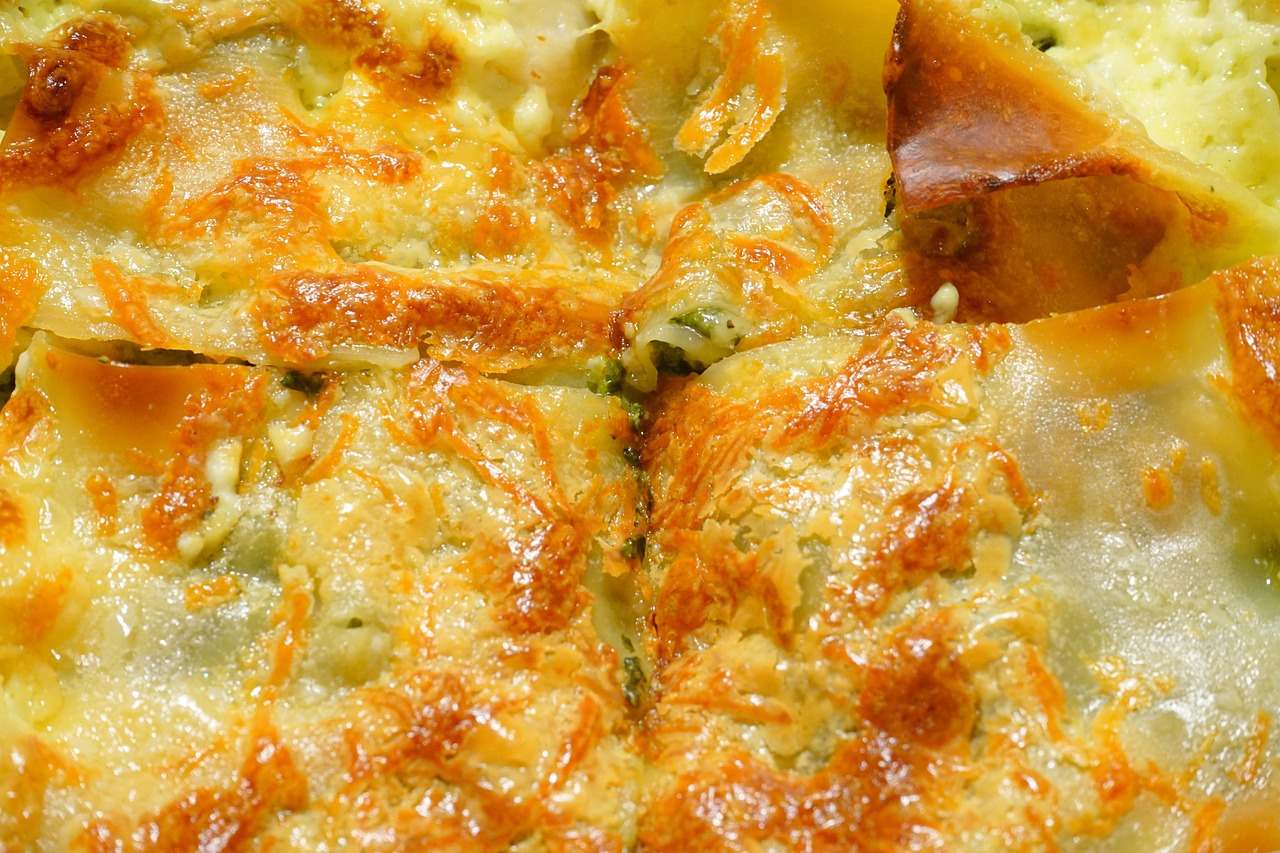
From Chicken Divan to ambrosia salad, these once-beloved American dinner dishes have faded from the mealtime rotation. This elegant casserole combined cooked chicken with broccoli, covered in a creamy cheese sauce and often topped with breadcrumbs or almonds. It was sophisticated enough for company yet simple enough for busy weeknights. The dish represented the height of 1950s entertaining, when hostesses prided themselves on serving something that looked impressive but didn’t require hours in the kitchen.
Pineapple Upside-Down Cake
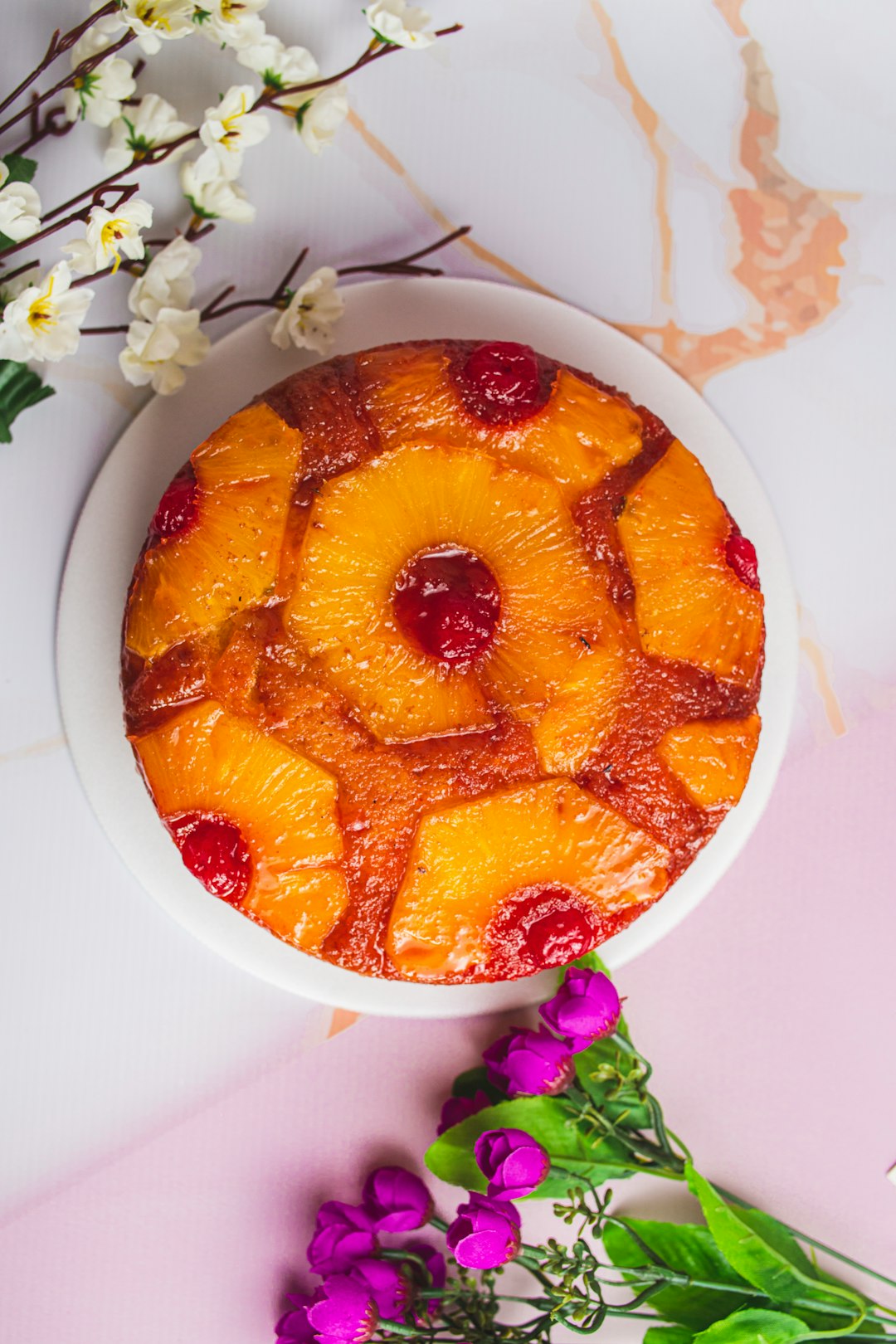
This dessert was pure vintage charm. Pineapple rings and maraschino cherries were baked under a brown sugar glaze, then flipped to reveal a sticky, golden crown. Sweet, tangy, and tender, every slice felt like a celebration. Pineapple Upside-Down Cake delights with its playful presentation. Caramelized pineapple rings and cherries adorn its top. A sweet, tropical touch graces the table with this cake. Dessert lovers will appreciate its nostalgic charm, with a moist base and fruity topping that complement each other perfectly. This show-stopping dessert was once a symbol of American ingenuity and hospitality.
Chipped Beef on Toast
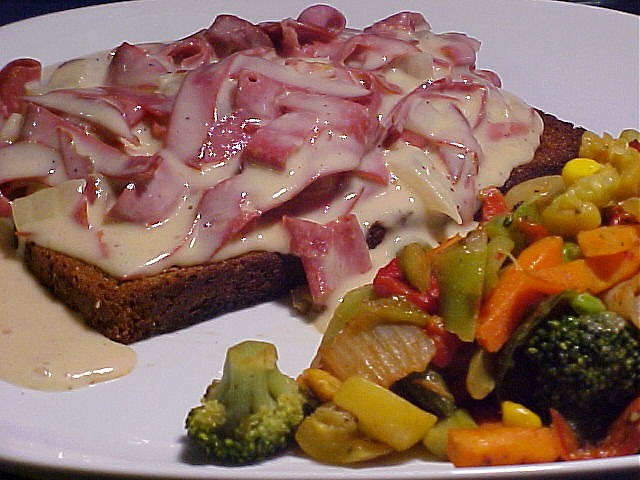
Also known as “SOS” in military slang, this dish was no joke. Sliced dried beef was stirred into a creamy white sauce and ladled over crispy toast. It was cheap, fast, and hearty – no wonder it fed millions during and after wartime. This budget-friendly meal sustained families through tough economic times and was particularly popular among veterans who had grown accustomed to it during their military service. The dish’s decline reflects changing attitudes toward processed meats and heavy cream sauces.
Oyster Casserole
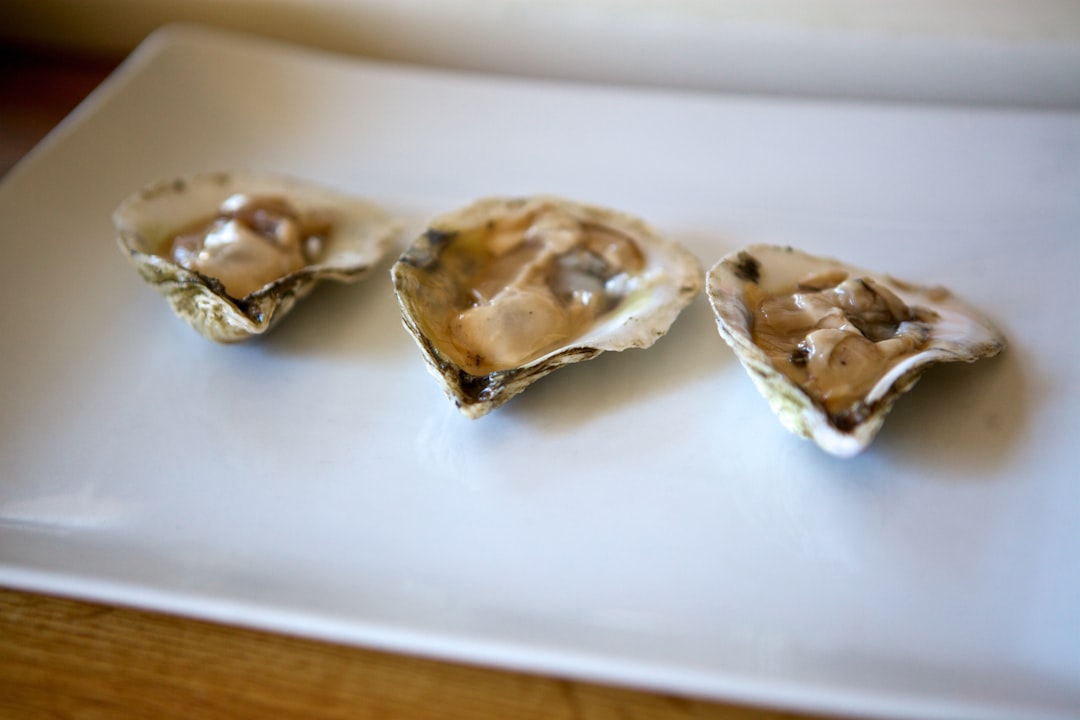
Oyster casserole was traditionally a favorite holiday dish, much like pineapple casserole, with regional variations. At the end of the day, an oyster casserole can be boiled down to a simple formula: oysters sitting in a creamy sauce, in a casserole dish, sprinkled with a crunchy topping. Of course, as is the way with casseroles, convenience is king here, so the oysters are either canned or jarred. This regional specialty was particularly popular along coastal areas and represented a more affordable way to enjoy oysters during holiday celebrations. Environmental concerns and changing seafood preferences have contributed to its near-complete disappearance from American tables.
These forgotten dishes weren’t just food – they were cultural artifacts that reflected American values of practicality, creativity, and making the most of available ingredients. Changes in grocery store offerings, preferences, restaurant cultural shifts (why visit a soda parlor when you have a McDonald’s?), availability of ingredients, and even migrant bird laws (yes, you read that right) have all played a role in these particular foods losing popularity amongst Americans – reflecting broader societal changes in how and what we eat. What do you think about these vanished classics? Would any of them deserve a spot on your dinner table today?
Why These Dishes Really Disappeared

The vanishing of these classic American dishes tells us something pretty fascinating about how dramatically our food culture has shifted in just a couple of generations. Sure, changing tastes played a role, but the real culprits run much deeper than simple preference. The rise of convenience culture in the 1980s and 90s meant that dishes requiring any real prep time got tossed aside for microwave dinners and takeout. Grocery stores stopped stocking specialty ingredients like chipped beef or canned oysters because nobody was buying them anymore – creating a vicious cycle where even nostalgic cooks couldn’t recreate grandma’s recipes. The health consciousness movement also dealt a crushing blow to many of these comfort foods, with their heavy reliance on cream soups, butter, and organ meats suddenly becoming dietary villains. Perhaps most surprisingly, the internet and Food Network changed everything by exposing Americans to global cuisines that made liver and onions seem downright boring by comparison. When you can order Thai curry or make authentic tacos at home, who wants to mess around with Welsh rarebit? The final nail in the coffin came from shifting family dynamics – these were dishes that required someone home to cook them, and as dual-income households became the norm, the time-intensive casseroles and multi-step preparations simply couldn’t compete with pizza delivery.