Global Data Highlights the World’s Biggest Snack and Sugar Consumers
Modern consumers have transformed their eating habits dramatically, with snacking now emerging as a global phenomenon that transcends traditional meal patterns. Recent market analysis reveals staggering growth patterns and consumption behaviors that reshape how we understand global food markets. The numbers paint a fascinating picture of cultural shifts, economic influences, and changing lifestyles worldwide.
North America Dominates the Global Snacking Market
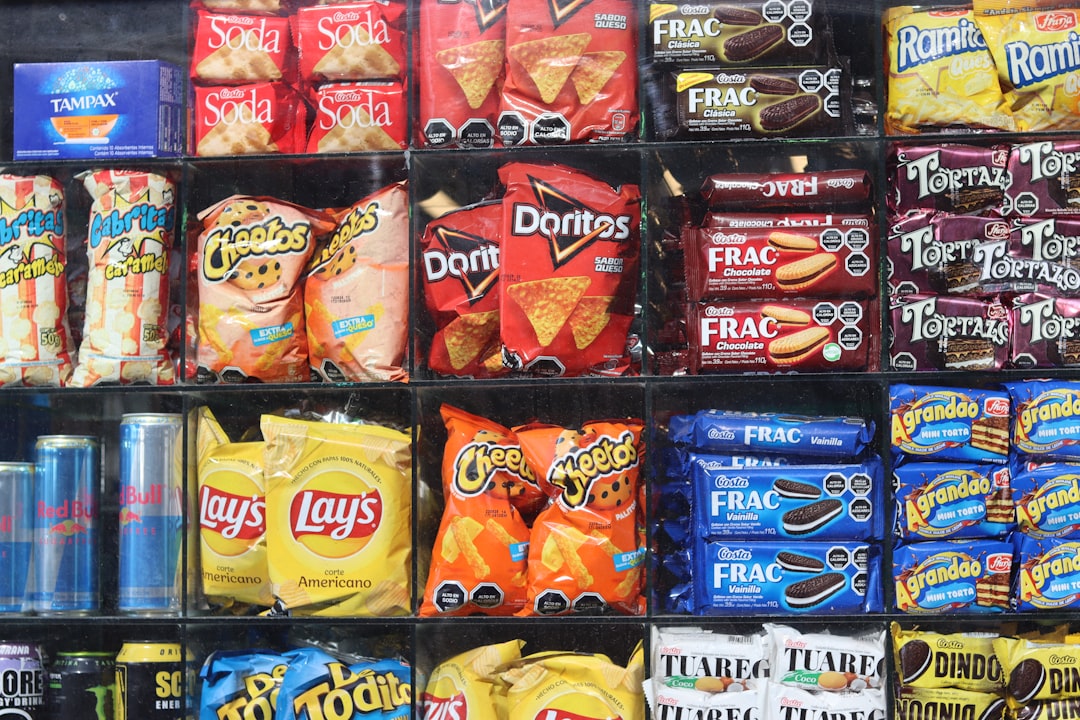
North America reportedly leads with approximately 28% share of global snack sales, establishing itself as the undisputed champion of snacking culture. This dominance is fueled by high demand for innovative, convenient options that cater to on-the-go lifestyles. The American market alone generates extraordinary revenue figures, with the United States standing as the top revenue generator, with reported revenue of around $114 billion.
Asia Pacific Emerges as the Fastest Growing Snack Region
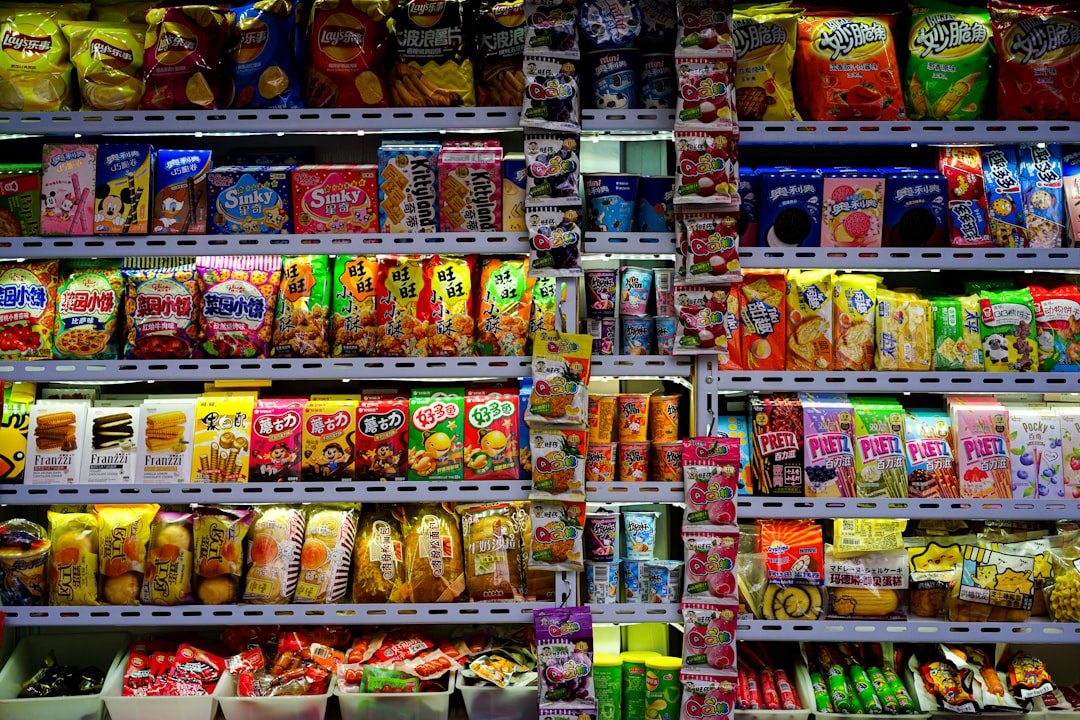
Asia Pacific followed with 24%, while Western Europe accounts for 23% of global snack sales. However, the real story lies in Asia’s explosive growth trajectory. Asia Pacific reportedly dominated the global snacks market with a significant share of global value during 2021. China demonstrates this remarkable expansion, where by 2024 the market was projected to be around $131 billion.
Europe Shows Consistent Snacking Strength
Europe dominated the global snacks market and accounted for a revenue share of 25.41% in 2023. The UK market exemplifies European snacking culture, with Statista valuing the nation’s snack market at over £3bn in 2023, projected to grow by 3.74% annually from 2025 to 2029. Traditional favourites like crisps and biscuits dominate – approximately six billion packets of crisps and £5.6bn worth of biscuits sold every year, making it one of the most robust snack markets in Europe.
Sugar Consumption Patterns Reveal Global Sweet Tooth
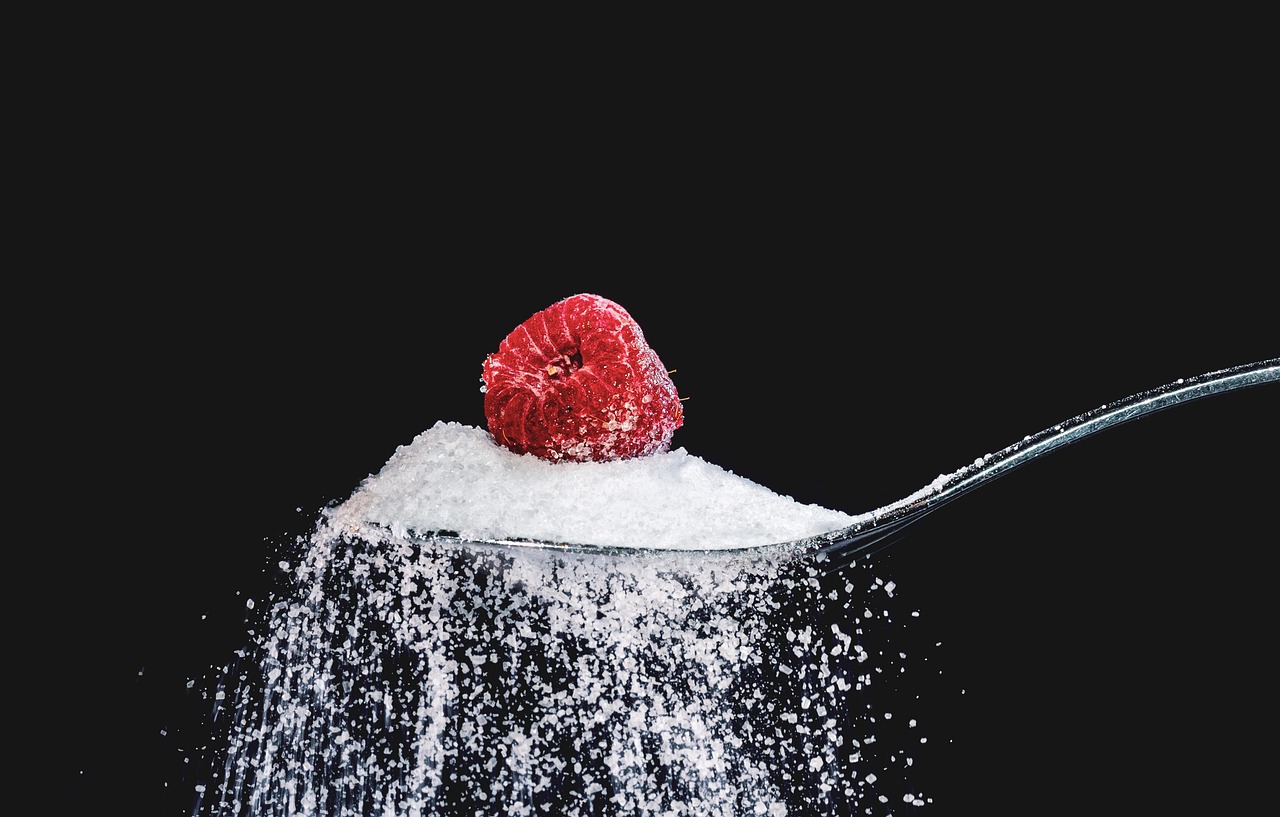
India consumes the most sugar of any country, followed by the European Union and China. However, when examining per capita consumption, the picture changes dramatically. Mexico reportedly had among the highest sugar consumption per capita, with high daily intake levels. The average American consumes around 17 teaspoons (71.14 grams) of added sugar per day, ranking among the top countries with high sugar intake, with an average daily sugar consumption of approximately 126 grams per person.
India Leads Global Meal Replacement Trends
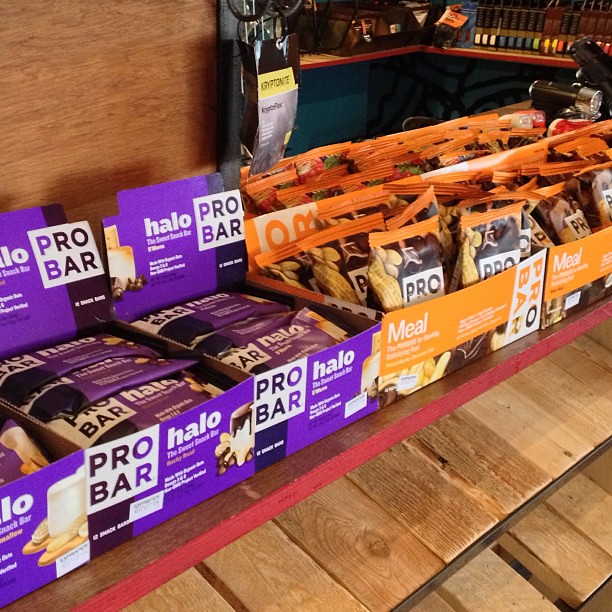
18% of adult Indians, 17% of adult Americans and 13% of adult Britons have been replacing their meals with snacks, showcasing a fundamental shift in dining patterns. India remained at the forefront of the snackification revolution, with 18% of adults having replaced meals with snacks in 2024, according to Euromonitor. This trend reflects deeper cultural and economic changes, as the Indian snack market was projected to grow from $5.34bn in 2024 to $10.92bn by 2033, with a robust CAGR of 8.26%.
Americans Embrace Stress-Driven Snacking

The United States and United Kingdom have seen the highest year-to-year growth for the percentage of adults who replace meals with snacks, as the former has grown to 17% in 2024 from 14% in 2023 while the latter has grown to 13% in 2024 from 10% in 2023. A survey encompassing over 2,000 American adults in April 2023, revealed a significant trend of people substituting an average of 4 meals per week with snacks.
Global Snack Market Reaches Record Breaking Numbers
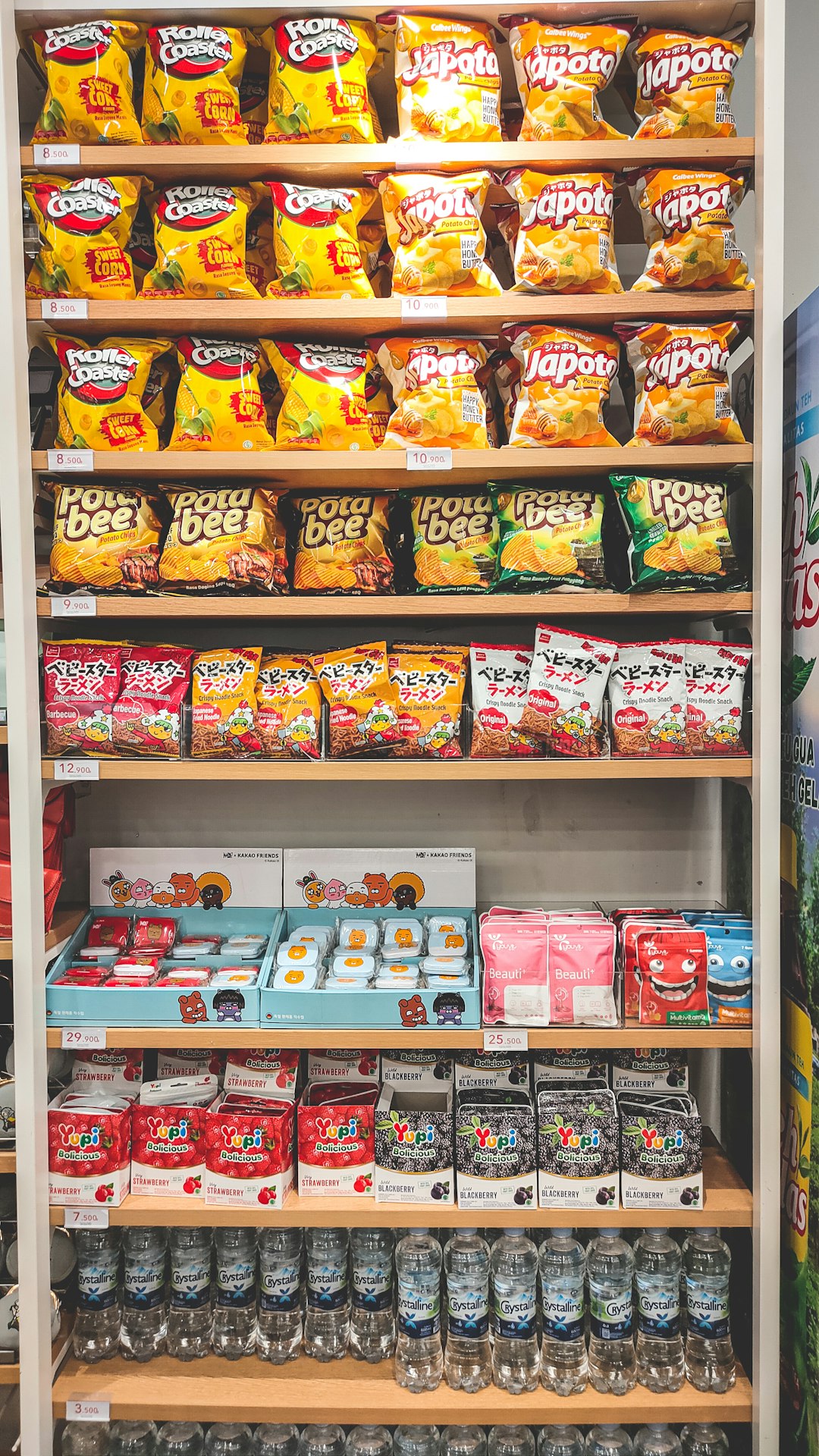
The global market for snacks saw sustained value growth, with retail sales projected to have surpassed USD 680 billion in 2024, up 3.7% from 2023 in constant value prices. The market showed remarkable consistency, with 91% of global consumers having at least one snack per day and 61% having at least two. Even more telling, according to the 2023 Snacking Survey conducted by Circana, nearly half of consumers – 49 percent – reported that they were enjoying more than three snacks daily.
Sugar Production and Consumption Reach New Heights
World production during 2023 reportedly reached approximately 178 million tonnes, showing growth from the previous year. Global consumption in 2023 was finalised at 177.883 mln tonnes, up 1.074 mln tonnes on last year. Meanwhile, globally sugar consumption is also increasing continuously exceeded 178 million metric tons by 2024/2025.
Emerging Markets Drive Future Growth

Emerging regions like the Middle East and Africa are forecast to lead snack value growth with a CAGR of 4.6% from 2024 to 2029. These regions are experiencing a rapid increase in urbanisation and disposable incomes, driving demand for a wide range of snack products. Other countries that registered strong growth in meal replacement during 2024 include Singapore, Canada and Brazil, with each market showing a 3% increase.
Health Consciousness Reshapes Snacking Patterns
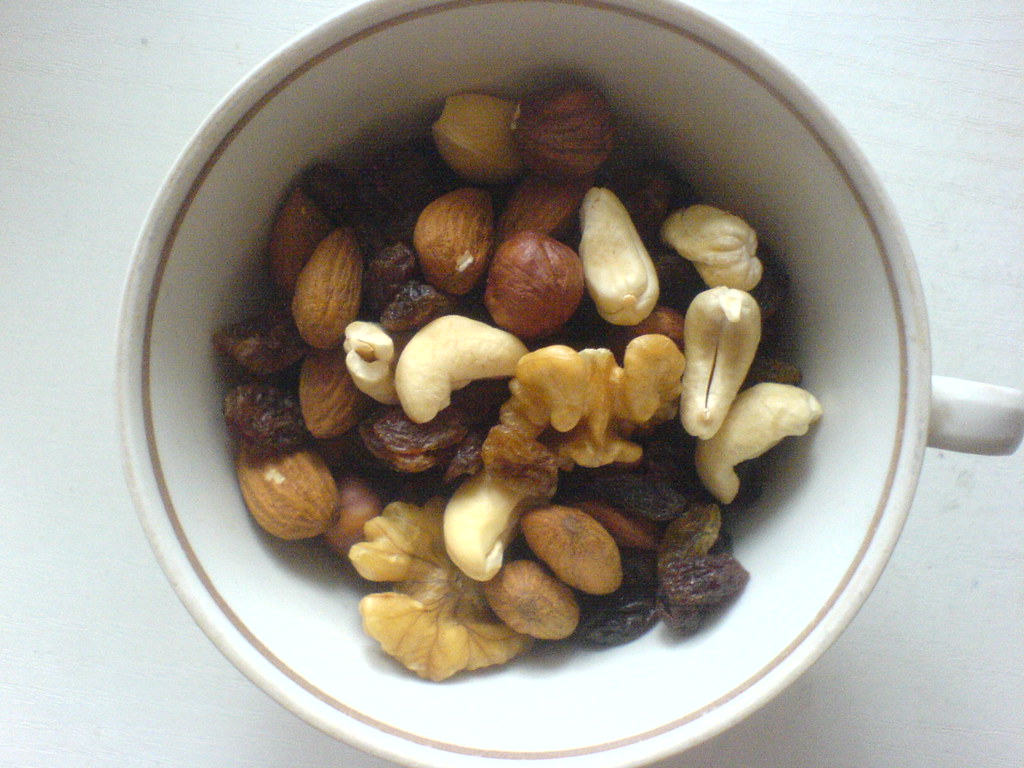
Consumers in Europe, Asia, and the US are cutting back on these less healthy options, while simultaneously seeking alternatives. Concerning healthy snacks, in 2021, 91% of surveyed consumers emphasized convenience as their top priority, an increase from 87% in 2020. In 2023, the total healthy snack market revenue reached 89.1 billion USD. By 2032, Nuts, Seeds & Trail Mixes are projected to reach 41.4 billion USD in revenue.
The global snacking and sugar consumption landscape reveals a world increasingly defined by convenience, cultural adaptation, and economic pressures. These consumption patterns highlight not just what we eat, but how modern life shapes our relationship with food itself. What would you predict becomes the next major shift in global snacking behavior?