9 Classic ’70s Snacks Collectors Still Seek Out – Experts Say
The decade of the seventies brought us disco, bell-bottoms, and an unprecedented explosion of creative snacking. While platforms today overflow with social media influencers showing off their vintage finds, some collectors are hunting for something far more elusive: authentic seventies snack packaging from an era when food companies threw caution to the wind.
Space Food Sticks: The Ultimate Astronaut Fantasy
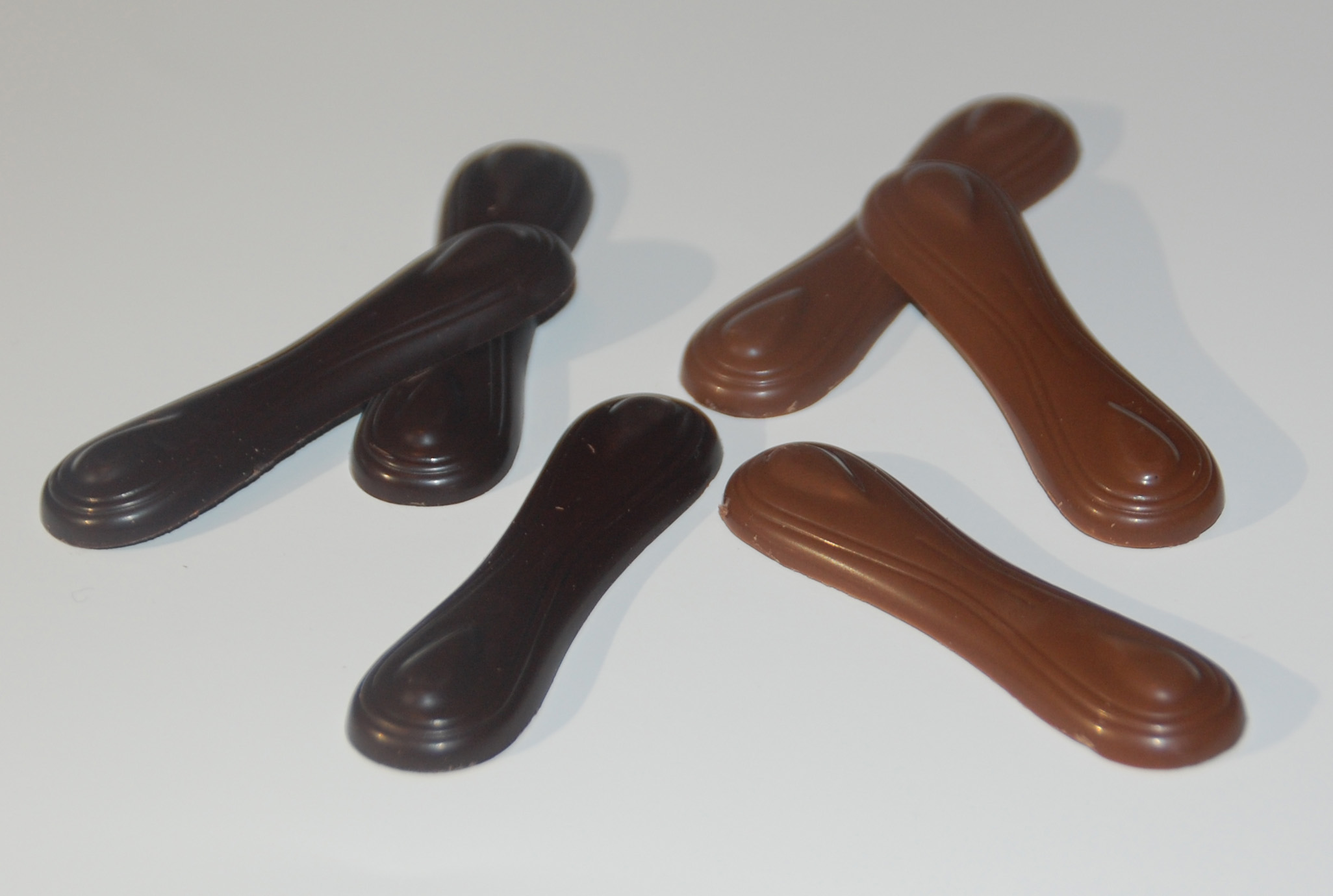
Space Food Sticks were promoted by Pillsbury for their association with NASA’s efforts to create safe, healthy and nutritional space food, capitalizing on the popularity of the Apollo space missions and marketed as a “nutritionally balanced between-meal snack.” In the 1960s, NASA contracted with Pillsbury to develop a high-energy snack for American astronauts, with a team at Pillsbury, led by Howard Baumann, developing a rod-shaped energy bar that was then marketed and sold to the public. These chewy, chocolate-covered cylinders promised to deliver the same nutrition astronauts ate in orbit, launched by Pillsbury in 1970 during the Apollo mission hype when every kid eating one felt like they were training for NASA, with an unforgettable texture somewhere between taffy and chalk. Space Food Sticks disappeared from North American supermarket shelves in the 1980s but were revived by Retrofuture Products in 2006, with chocolate and peanut butter flavors sold at flight museums until production stopped in 2014.
Quisp Cereal: The Saucer-Shaped Sugar Rush
What everyone remembers about Quisp is how they stayed crunchy in milk longer than any cereal had a right to, letting you eat a bowl, answer the phone, have a full conversation, and come back to find them still crispy, though Quisp was discontinued nationally in 1972. Quisp was launched by Quaker Oats in 1965, no doubt because they wanted to hitch a ride on the profits stemming from space-related products, released along with another cereal called Quake, both with very goofy cartoon characters to represent them. These were more or less Cap’n Crunch knock-offs, but easily the best cereal anyone ever made anywhere, at anytime. The final year of the Quisp v. Quake competition was 1972, when Quaker Oats planned to discontinue one of the brands, with Quisp coming out victorious and remaining in limited on-and-off production ever since.
Koogle: Flavored Peanut Butter Gone Wild
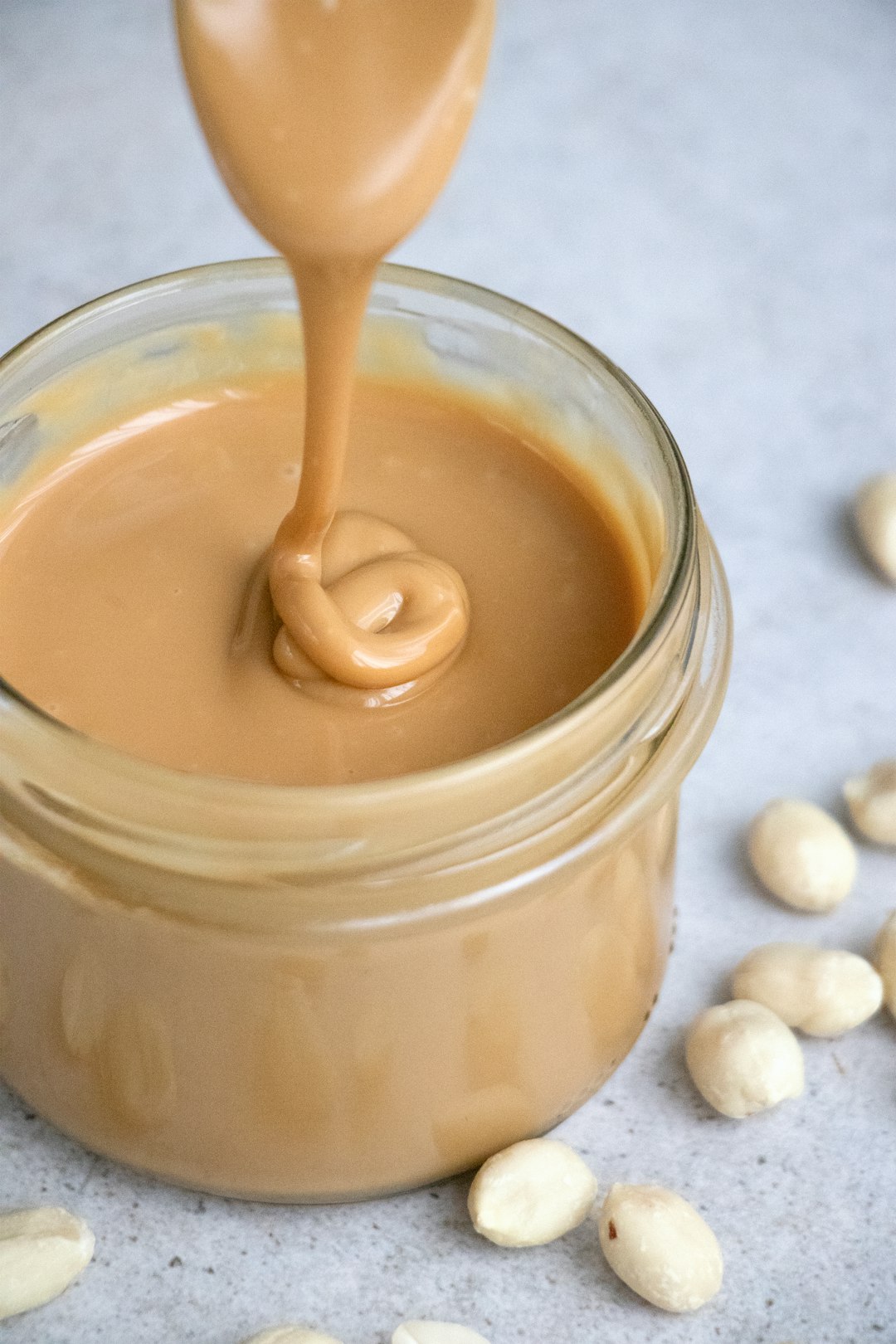
Koogle wasn’t just peanut butter – it was peanut butter that had given up all pretense of being healthy, with Kraft’s flavored peanut spread coming in chocolate, cinnamon, vanilla, and banana, each sweetened to the point where calling it “peanut” anything felt like false advertising, introduced in 1971 with a googly-eyed jar mascot. The chocolate version tasted like Nutella’s hyperactive American cousin, with kids eating it straight from the jar with a spoon, turning breakfast into dessert and lunch into a sugar crash waiting to happen. The banana flavor was particularly bizarre – artificial fruit mixed with peanuts in a combination that somehow worked when you were seven years old and had no concept of culinary boundaries, vanishing by the late 1970s probably because parents finally read the ingredient list.
Pop Rocks: The Crackling Candy Sensation
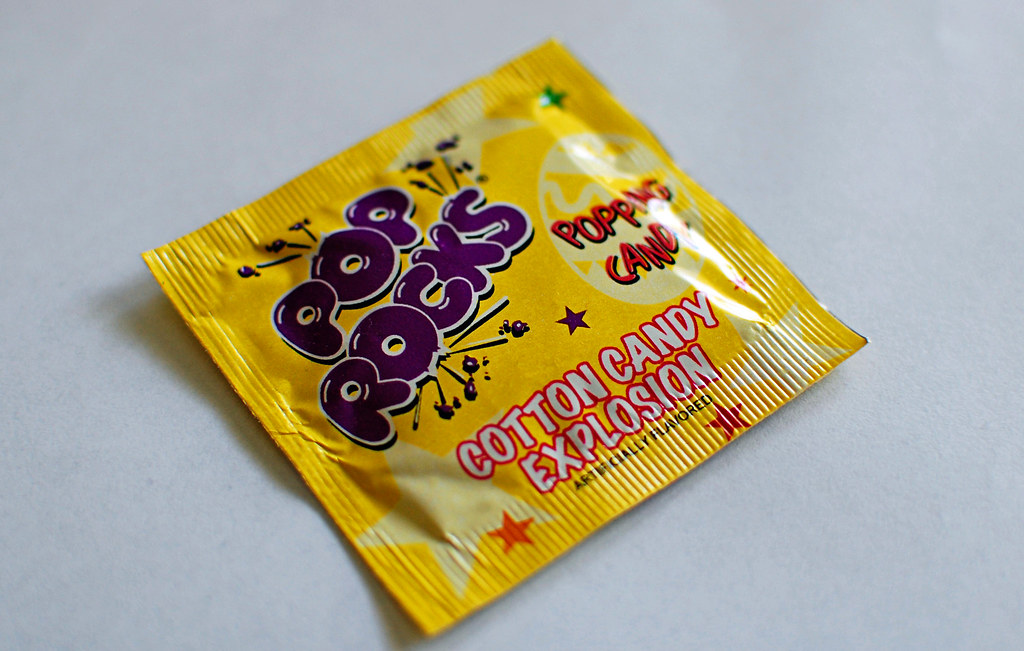
If you were a kid in the ’70s, Pop Rocks were magical, with this carbonated candy crackling and bursting on your tongue, creating an explosive sensation that had everyone hooked. Playing off the success of Pop Rocks, General Mills released a “Space Dust” candy in 1976 that was basically a ground-up, powdery version of the candy, but there was one problem: Parents were concerned the powdery texture and name was too similar to illegal drugs like “Angel Dust,” with the candy rebranded as Cosmic Candy and an open letter to parents assuring them the candy was safe.
Jell-O 1-2-3: The Three-Layer Wonder
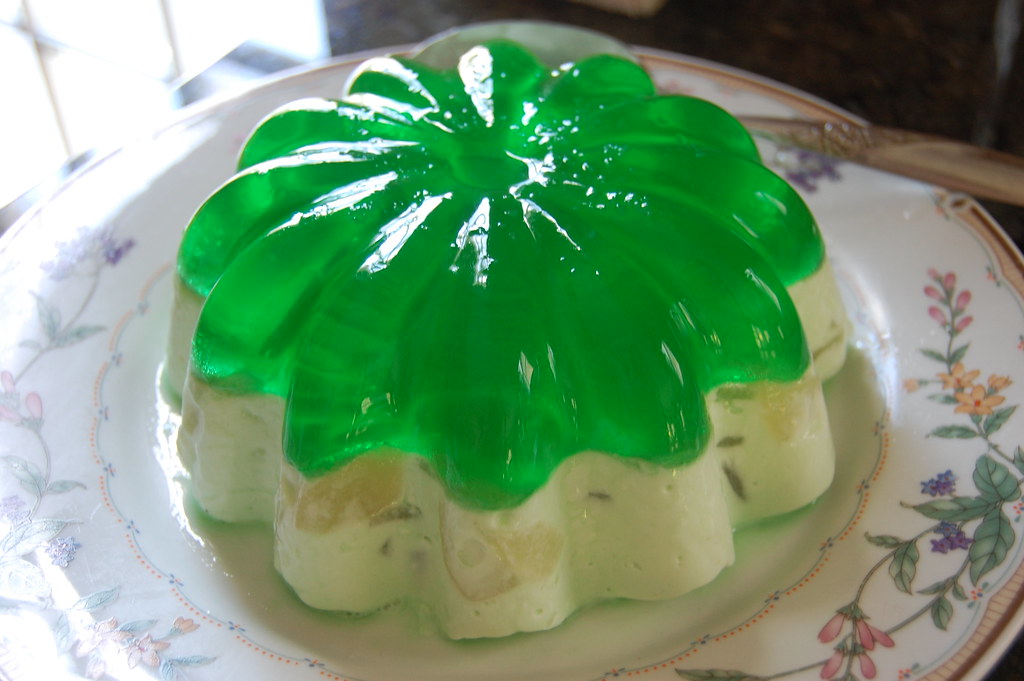
Jell-O 1-2-3 came in various flavors like mixed berry, strawberry, or orange, with the three-in-one dessert having the texture of Jell-O, pudding and mousse, though while you can’t get the packet anymore, Kraft Foods has a recipe that recreates this dessert with a Jell-O packet and Cool Whip. The idea was that you could create a layered Jell-O dessert with integrated toppings, which had a more elegant appearance than the classic product, though the problem with Jell-O 1-2-3 was that it was pretty complicated to make through several stages of blending and adding liquid.
Marathon Bar: Eight Inches of Braided Bliss
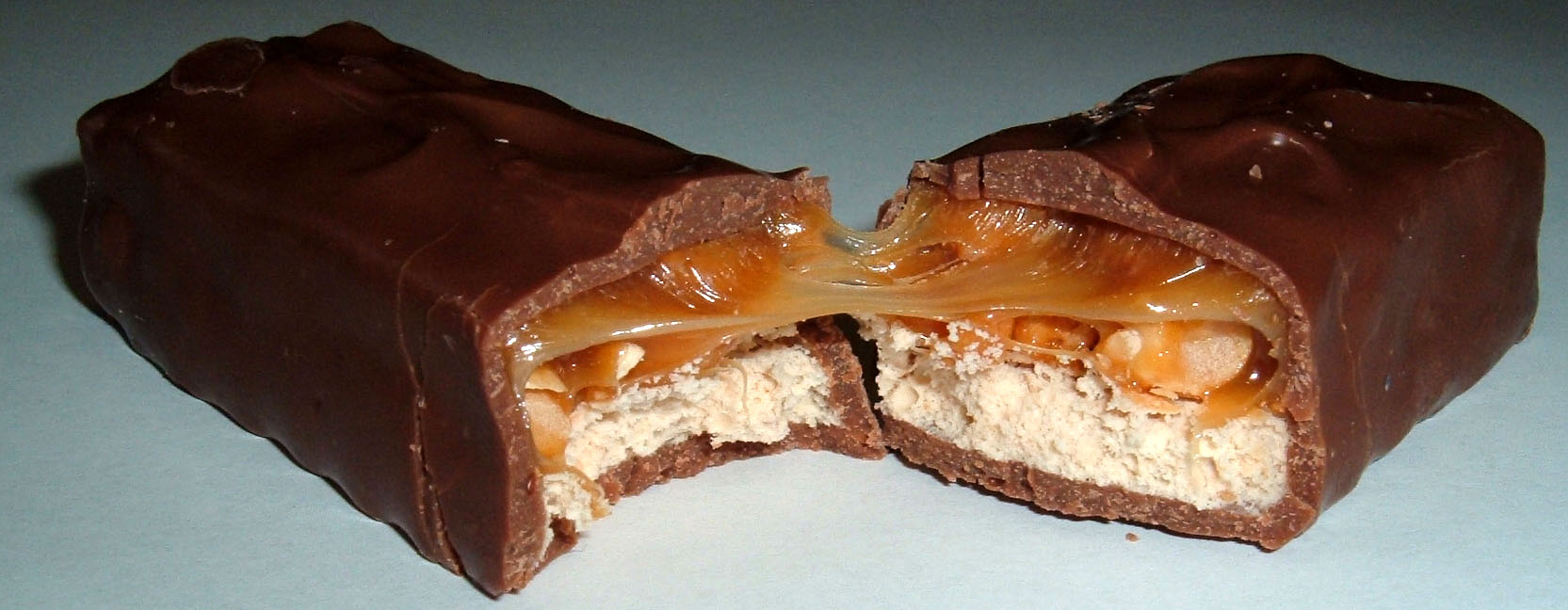
Made by Mars, the Marathon Bar was a braided rope of chocolate-covered caramel that stretched to 8 inches in length, with the unique selling point being its impressive size that the company claimed would last longer than any other candy bar, even including a ruler on the back of each package so kids could verify the length, with the Marathon Bar’s production run lasting from 1973 to 1981. Eight delicious inches of caramel and chocolate made up the Marathon Bar, which the Mars company introduced in 1973.
Pizza Spins: Bite-Sized Italian Dreams
Pizza might not have been easy to come by for everyone in the 1970s, but you could enjoy the flavors of pizza in this General Mills snack any time, with Pizza Spins introduced in the early 1970s, with these small bite-sized corn-based snacks being cheese, tomato, and pizza spice flavored. They looked more like little wagon wheels, but the box itself was green, white, and red supposed to bring to mind the colors of the Italian flag, though unfortunately the company discontinued the snack in 1975 and has never brought it back, meaning if you didn’t get to enjoy Pizza Spins in the 1970s, you’re out of luck.
Banana Flips: The Half-Moon Cake Treat
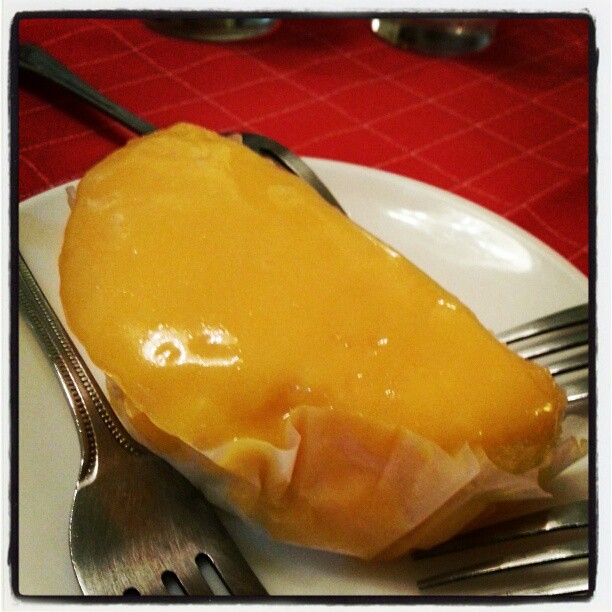
The Banana Flip, made by a few snack cake brands like Nickles and Mickey’s, was a yellow banana cake folded into a half-moon and stuffed with a cream filling that almost looked like a cake taco. These individual treats represented the era’s fascination with portable, sweet snacks that could fit easily into lunch boxes. The combination of artificial banana flavor and cream filling captured the decade’s love affair with processed convenience foods that somehow managed to taste better than they had any right to.
Kool-Aid Packets: The Original Flavor Revolution
Believe it or not, those Kool-Aid packets we used to beg our moms for are now worth something, with unopened packets from the 1970s, especially discontinued flavors or those with the original package design, selling for $50-$100 each, and complete sets of different flavors from specific years being particularly valuable to collectors. Collectors treasure these packets not just for their monetary value but for their connection to childhood summers spent mixing up pitchers of artificially colored drinks. The vintage packaging designs and discontinued flavors like Rock-A-Dile Red and Choo-Choo Cherry have become holy grails for those seeking authentic seventies nostalgia.
The collecting market for these vintage snack items has grown exponentially in recent years. The collectibles market has grown significantly in recent years, with the vintage market for collectibles constituting a robust and rapidly expanding sector characterized by items from the early to mid-20th century that hold significant sentimental, cultural, and financial value. What makes these seventies snacks particularly sought after isn’t just nostalgia – it’s the fact that they represent a unique moment in American food history when manufacturers prioritized novelty and fun over health concerns, creating products that would never make it to market today.