8 Vintage Soda Cans That Became Collector Gold – Historians Reveal
You wouldn’t believe what people are paying for rusty old soda cans these days. Walk into any auction house or browse online collectors’ forums, and you’ll discover a hidden world where empty beverage containers fetch thousands of dollars. What started as disposable packaging has become serious treasure, with historians documenting sales that would make your head spin.
These aren’t just any old cans gathering dust in someone’s garage. We’re talking about specific pieces that capture moments in soda history when everything from design to distribution went wrong, creating scarcity that collectors now fight over. From factory errors to failed marketing campaigns, these metal artifacts tell stories of corporate missteps that accidentally created gold mines for savvy collectors.
1938 Cliquot Club Ginger Ale Cone Top – The Pioneer That Started It All
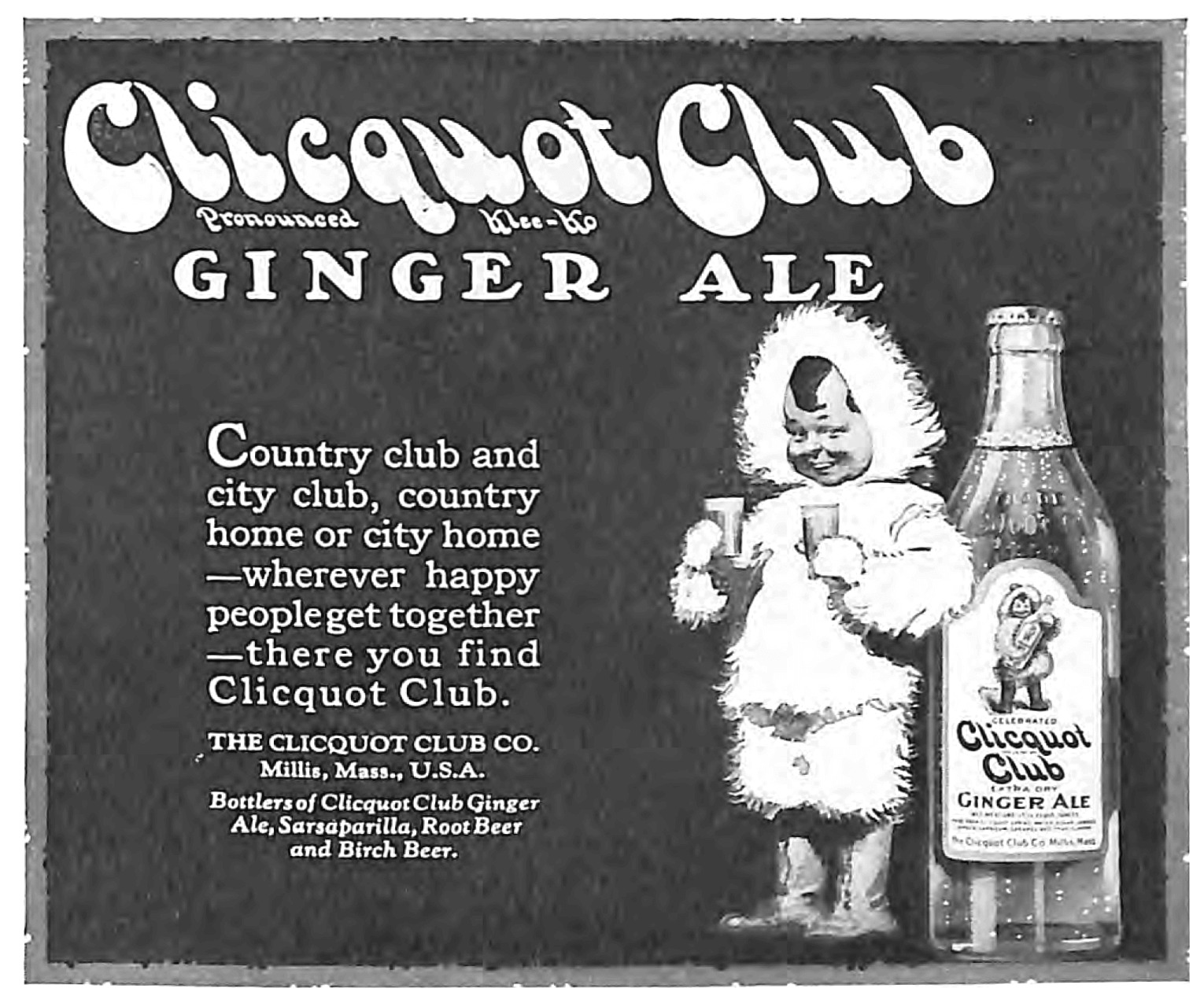
Among the early pioneers of canned soda was Massachusetts-based Cliquot Club, which rolled out its ginger ale around 1938 in steel cone tops made by Continental Can. Because only a handful survived in collectible condition, sharp examples are highly sought after. High-quality examples have reportedly sold for thousands of dollars at auction, and similar “near-mint” cans have traded privately for comparable sums. Think about it – this was the very first attempt at putting fizzy drinks in metal containers, making these cans true pioneers of the industry.
Condition is everything: a few pinholes of rust can cut the value in half. Collectors prize these early experiments not just for their age, but for the engineering challenges they represented when carbonated beverages were still figuring out how to survive in metal packaging.
1950s Pepsi-Cola Double Dot Cone Top – The Wartime Rarity
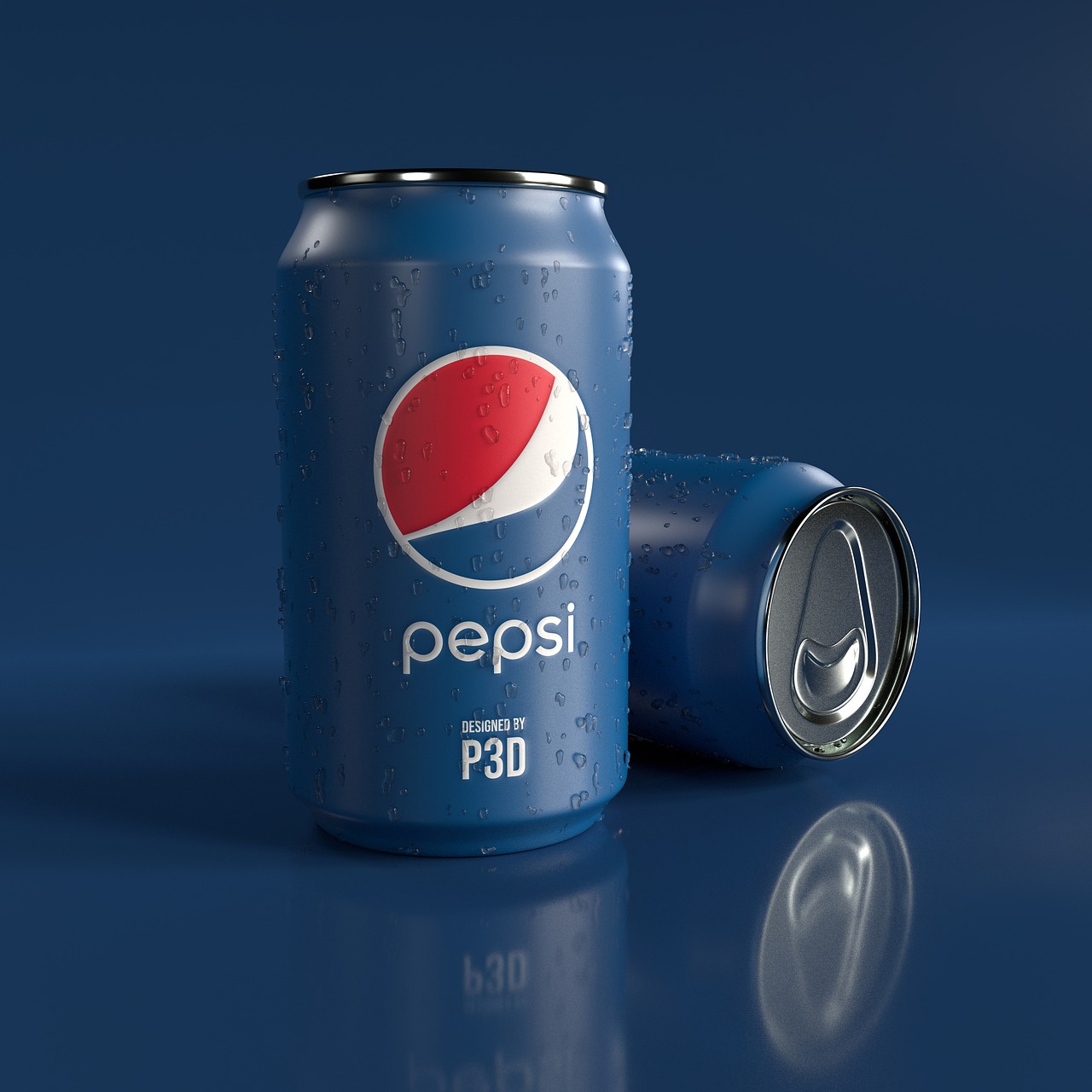
Pepsi used the “double-dot” logo (Pepsi•Cola) until the early 1950s, but the can was short-lived because wartime steel shortages pushed bottlers back to glass. Fewer than two dozen intact examples are known, according to the Soda Pop Collectors Club registry. Clean specimens have reportedly sold for several thousand dollars at auction.
Collectors prize the wartime back-story as much as the graphic design. These cans represent a fascinating chapter when World War II metal rationing forced the entire industry to pivot, leaving behind only scattered examples of what could have been the future of soft drink packaging.
Never-Released Coca-Cola King Size Cone Top – The Corporate Secret
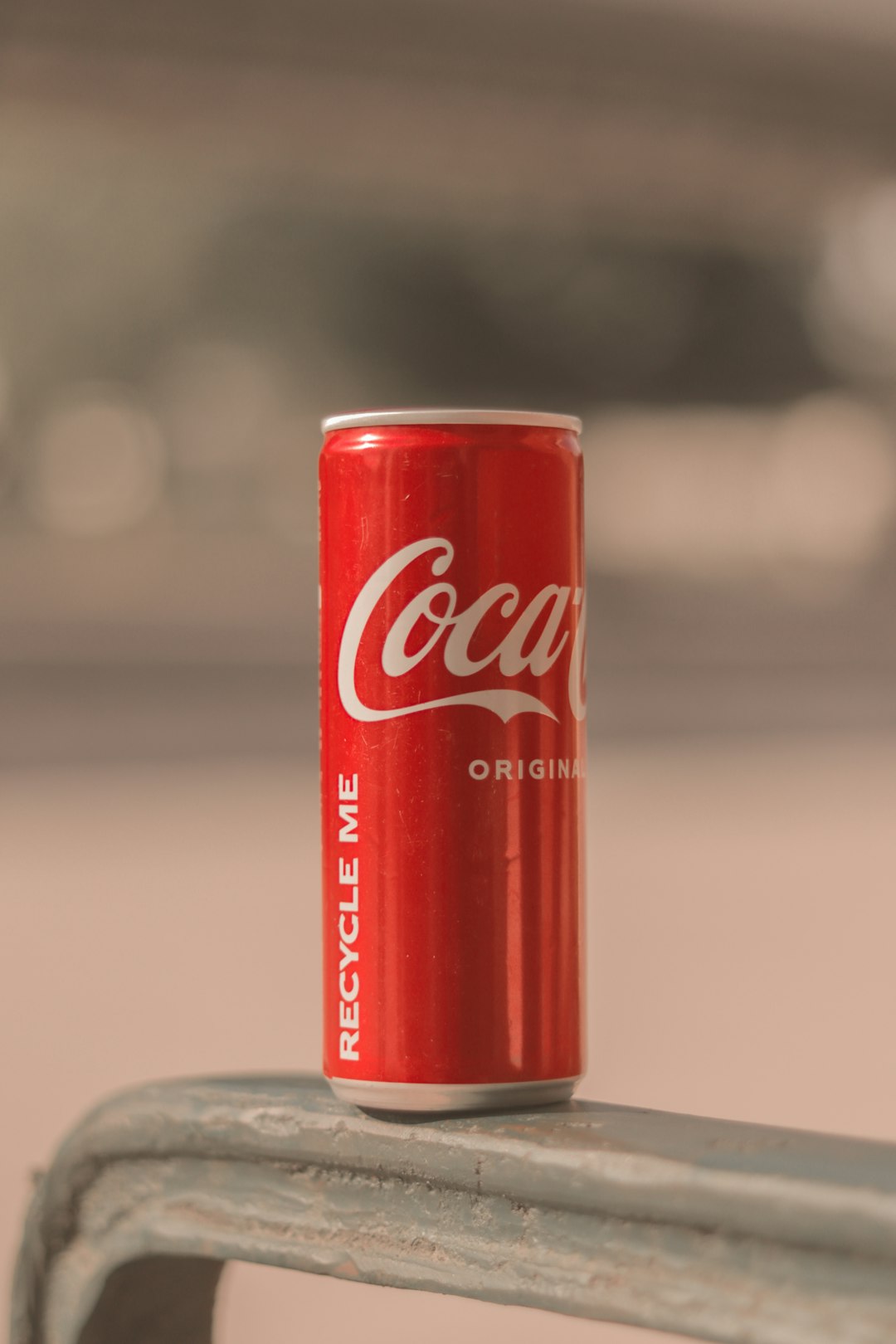
Coca-Cola never officially released this king-size cone top – only a few test cans reached distributors before the project was scrapped. Because they were never meant for public sale, surviving samples border on museum pieces. Pristine examples have reportedly sold for five-figure sums at auction. Even dented examples can break four figures simply due to the minuscule population.
What makes these cans absolutely fascinating is their status as corporate secrets that accidentally escaped into the wild. You’re looking at Coca-Cola’s internal experiments that never made it to store shelves, making each surviving can essentially a piece of unreleased company history.
1940s Hires Root Beer Cone Top – The Sweet Destroyer
Hires Root Beer was among the first national brands to experiment with cans, though very few survived because root beer’s sweetness accelerated internal rust. Morphy Auctions hammered a high-grade example for $2,900 in 2019, a price driven by its bright paint and intact spout. Collectors prefer the post-war version with the stylized barrel illustration, which rarely shows up with gloss intact.
Here’s the cruel irony – the very thing that made Hires root beer taste so good ultimately destroyed most of the cans. The high sugar content literally ate through the metal from the inside, creating a natural scarcity that collectors now pay premium prices to own.
1950s Nehi Corporation Draft Ginger Ale – The Bartender’s Reject
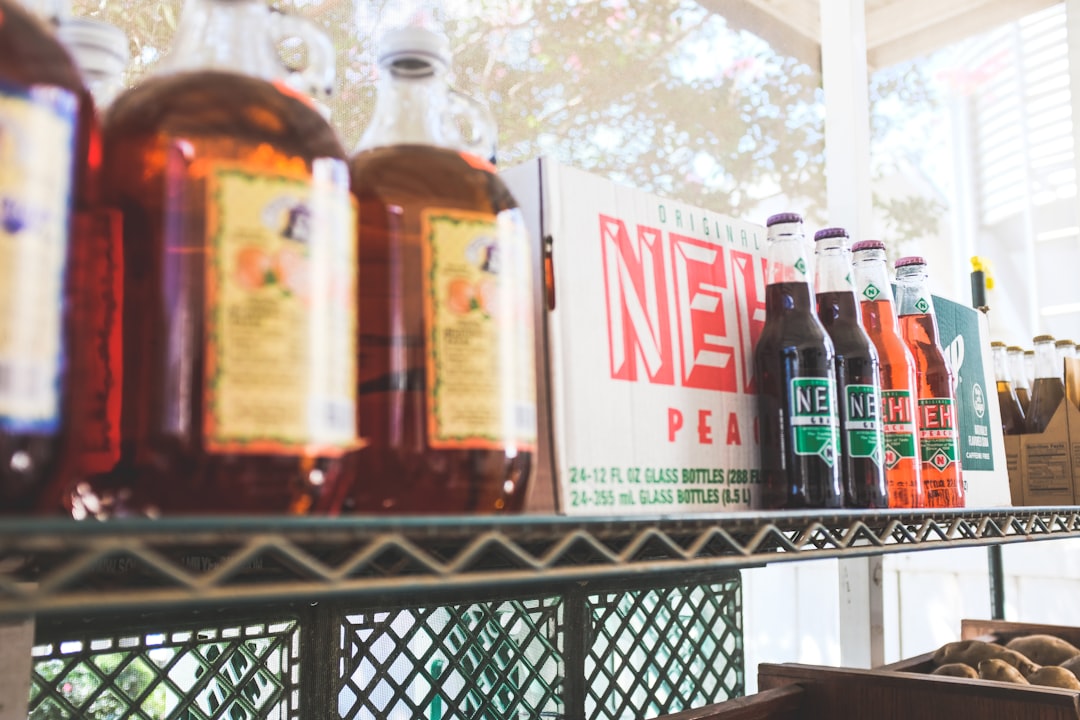
The Nehi Corporation produced a brief run of “draft” ginger ale in flat-top cans aimed at cocktail bars, but bartenders preferred glass. Most cans were discarded during the 1950s, leaving collectors with only a handful of survivors. A clean example changed hands for $2,200 in a 2020 private sale noted by the National Pop Can Collector newsletter. Sharp factory paint and an intact steel top are paramount for this issue.
Sometimes the market just isn’t ready for innovation. These cans represent a fascinating attempt to bridge the gap between traditional cocktail culture and modern convenience packaging, but bartenders simply weren’t having it.
1960s Grapette Purple Cone Top – The Flaking Beauty
Grapette’s vibrant purple paint often flakes, so intact cans are exceptionally scarce. Morean Auctions sold a near-mint example for $2,600 in 2021, surprising even seasoned bidders. Collectors love the can’s bright color and playful bubble graphics, which scream mid-century Americana. Expect values to climb as the supply of clean examples dries up.
The beautiful irony here is that Grapette’s most distinctive feature – that eye-catching purple paint – became its own worst enemy. The very characteristic that made these cans stand out on store shelves now makes pristine examples incredibly rare and valuable.
Prototype 7-Up “Spot” Can – The Focus Group Failure
Before 7-Up adopted its famous red dot, the company tested a can featuring only a green circle nicknamed “Spot” by collectors. The design never cleared focus groups, so fewer than 15 prototypes are documented. One sold through Breweriana.com’s Marketplace for $3,100 in 2021, even though the paint showed light scratching. Because the can was never released, any specimen – scratched or not – draws attention.
Focus groups have killed plenty of good ideas over the years, but rarely do their victims become this valuable. These prototype cans represent corporate decision-making in action, preserved in metal form for collectors who appreciate marketing history as much as design evolution.
1990 Pepsi “Cool Cans” Controversy Set – The Accidental Adult Content
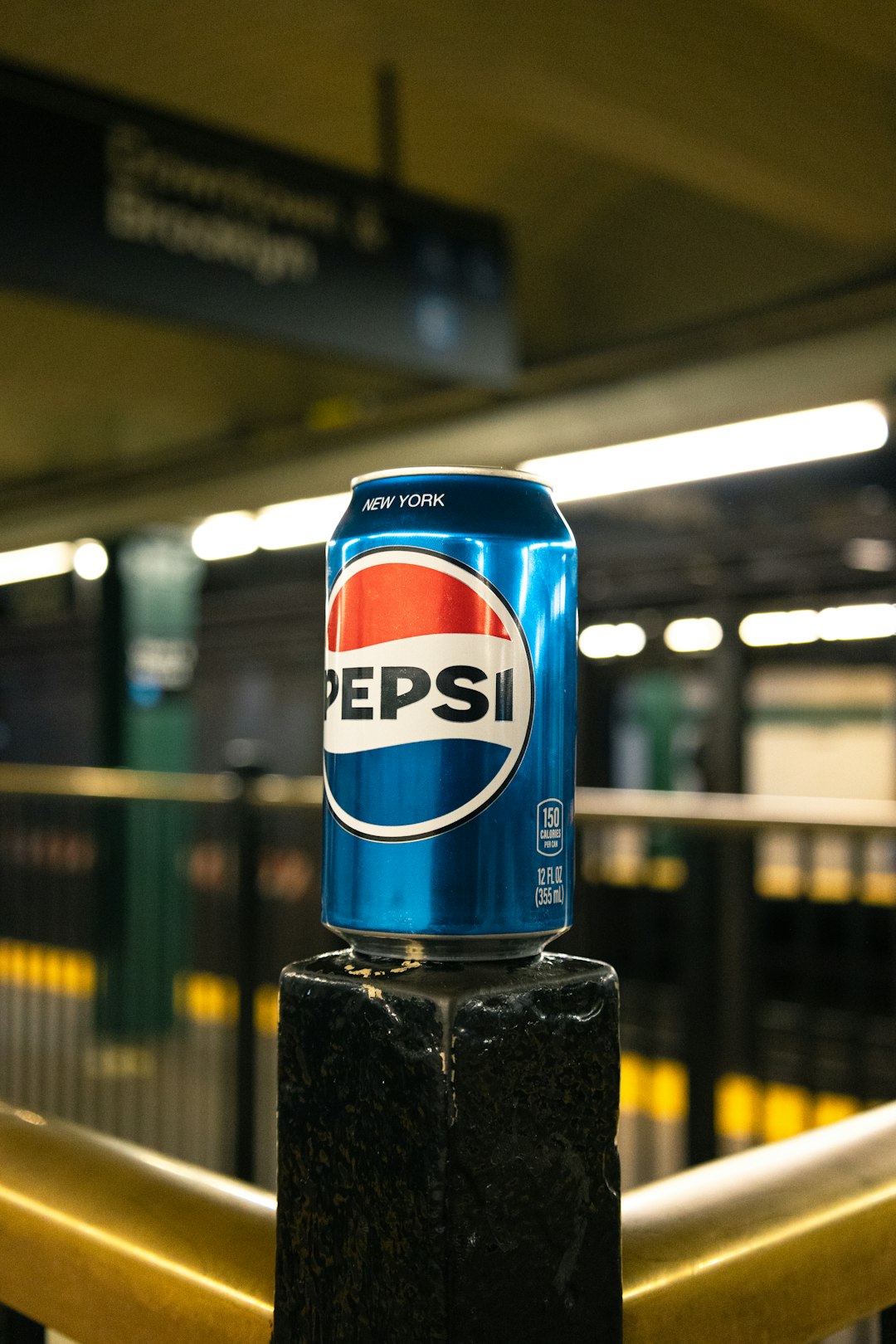
Pepsi’s 1990 “Cool Cans” promotion featured graffiti-inspired graphics that formed larger pictures when arranged in sets of four. One particular combination spelled out an unintended word, and the cans were yanked within weeks. Complete, undented sets have reportedly sold for thousands of dollars at auction, even though the cans themselves are only three decades old. Because most people opened and crushed them, intact sets remain scarce.
Sometimes corporate disasters create the best collectibles. These relatively modern cans prove that age isn’t everything in the collecting world – controversy, scarcity, and a good story can make even recent items incredibly valuable. The fact that most people actually opened and drank these makes complete sets genuinely rare finds.
Why These Metal Relics Matter More Than Ever
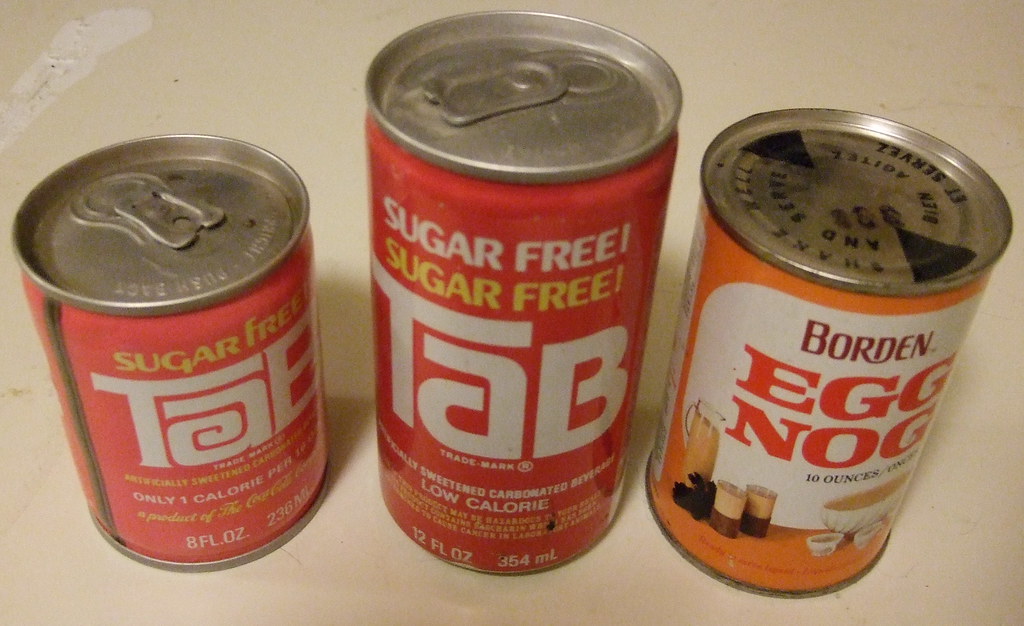
Most cans were tossed in the trash, which leaves today’s surviving examples surprisingly scarce. Serious “can-tique” collectors scour flea markets, estate sales, and specialist auctions for the rarest pieces, and some of those rusty relics now command four- and even five-figure prices. We’re living through a fascinating moment where yesterday’s trash has literally become today’s treasure, with auction houses treating vintage soda cans like fine art.
These old beer cans were never meant to be collectibles. They were designed to be disposed of, which makes them incredibly rare. The disposable nature of these items created an accidental scarcity that modern collectors are now paying handsomely to own, proving that sometimes the most valuable things are hiding in plain sight.
What started as simple drink containers has evolved into a sophisticated collecting market where condition, rarity, and backstory determine value more than age alone. These eight cans represent the perfect storm of corporate mishaps, market failures, and historical accidents that created modern treasure. The next time you see an old soda can, remember – you might be looking at someone’s retirement fund. What do you think about it? Tell us in the comments.