Beginning of the end for pennies?
The Trump Administration Makes It Official
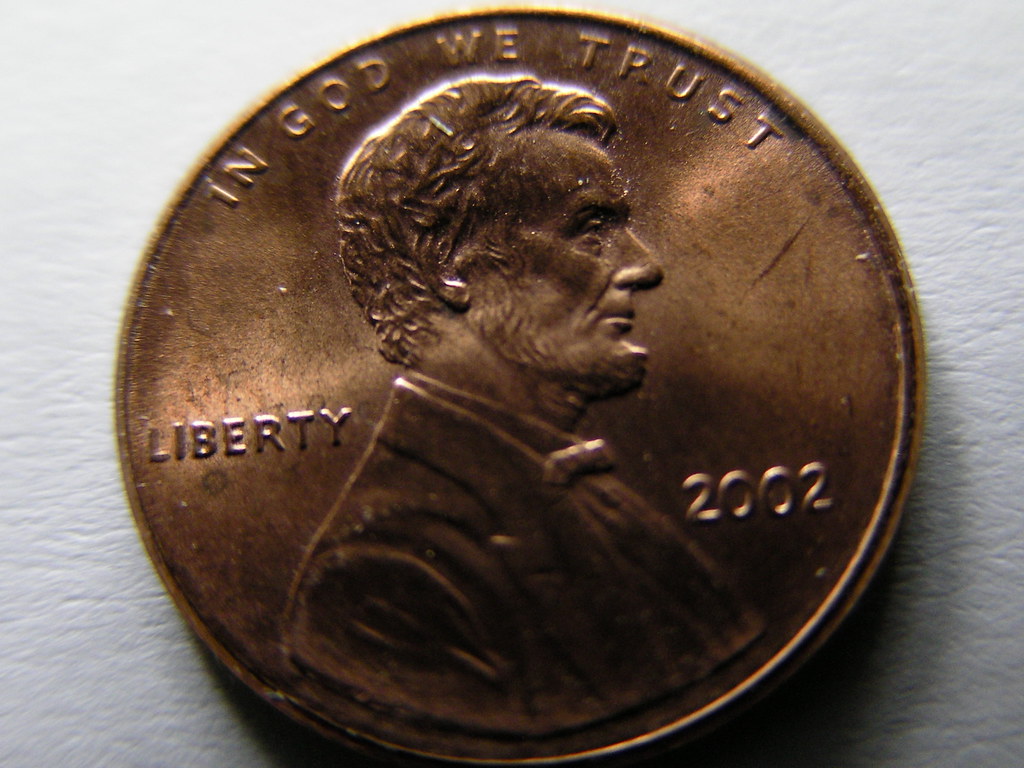
There have been ongoing discussions about potentially ending penny production; the coin will remain legal tender and in circulation. The Mint will stop making pennies after it runs out of the blank templates used to make the one-cent coins, the Treasury Department told Axios. The final order of blanks was placed this month, a Treasury spokesperson said. Various proposals have been made to eliminate penny production.
The Economics Tell a Stark Story

According to the U.S. Mint, in 2024, it cost the Mint approximately 3.7 cents to produce each penny, for a total gross cost of approximately $117 million. The Mint said reported losing $85.3 million on the nearly 3.2 billion pennies it produced in the 2024 fiscal year. “The unit cost for [producing] pennies (3.69 cents) and nickels (13.78 cents) remained above face value for the 19th consecutive fiscal year.” Think about that for a moment – the government has been throwing money away every single time it mints a penny for nearly two decades.
The Congressional Debate That Never Ends

In the 119th Congress (2025-2026), legislation has been introduced to eliminate the penny. Legislation has been proposed to eliminate the penny, such as the Common Cents Act, a bill to formalize an end to penny production and require cash transactions to be rounded to the nearest nickel. If the government goes through with the plan, it would end a decades-long debate: The first bill proposing to eliminate the penny was introduced in Congress in 1990.
Public Opinion Shifts Away from the Penny

It seems that many Americans are familiar with this message: 55% of Americans say that they think producing a penny costs more than one cent. In 2025, that share is 62%. This shift is particularly pronounced among younger adults, especially those under 30. Today, more adults under 30 say they would tend to leave pennies on the ground (44%) than say they would tend to pick them up (40%). Americans have grown increasingly indifferent toward the coin that once held sentimental value.
The Hidden Productivity Drain

A few seconds spent with the coins can ripple through everyone standing in a line, for example, or cars paying a toll with pennies. In any individual case, the amount of time is tiny, but in the aggregate, the net economic cost can be in the billions. Even if store clerks only spend a few extra seconds per cash transaction counting out pennies to make change, that could add up to substantial lost productivity aggregated across the entire economy. The penny wastes time in ways most people never consider.
The Cash Transaction Reality

According to Federal Reserve data, cash transactions have significantly declined in recent years. Persons aged 55 and older used cash for 19% of transactions, while those aged 18–24 used cash for only 10%. Consumers younger than age 55 used cash for just 12% of payments in 2023, compared to 22% for those age 55 and older. Cashless transactions will still be priced at exact change. Physical pennies matter less when most transactions happen electronically.
The Nickel Problem Nobody Talks About
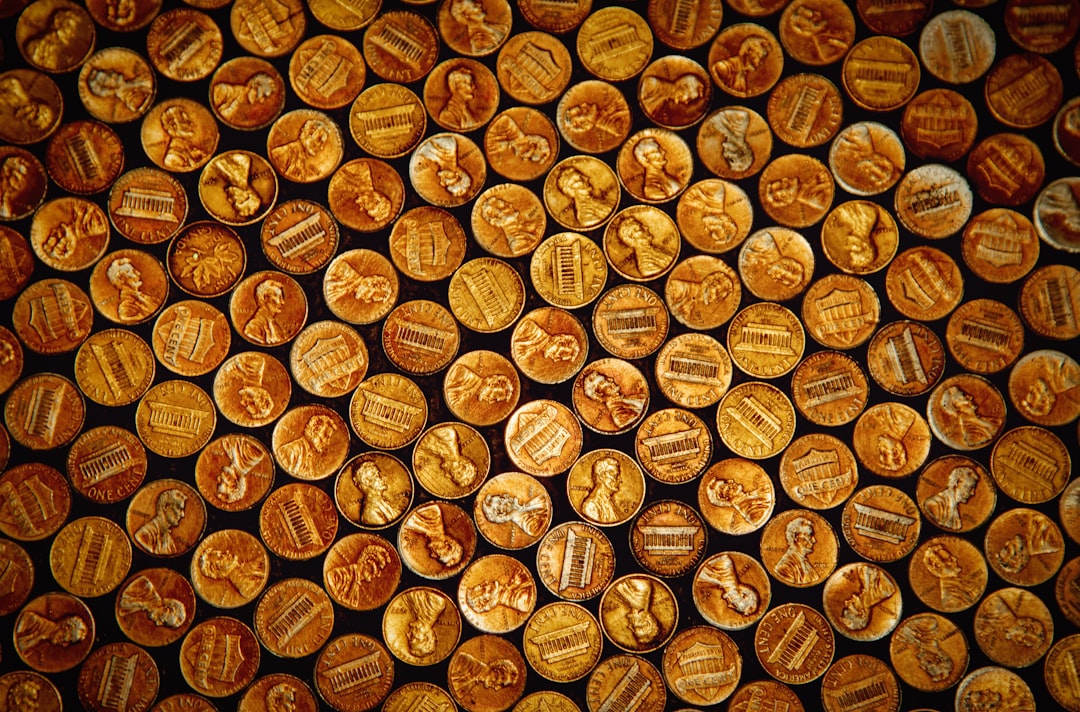
If this is the case, the overall cost to produce coins could increase, as nickels are more expensive to produce than pennies ($0.13 per unit total cost in 2024). In 2024, it cost 13.8 cents to mint a nickel – more than double its face value – resulting in a seigniorage loss of $1.75 for every $1 issued in nickels. The Treasury incurred a seigniorage loss of $17.7 million last year from minting 202 million new nickels. Ironically, eliminating pennies could make the government’s coin losses even worse if nickel demand surges.
How Canada Led the Way
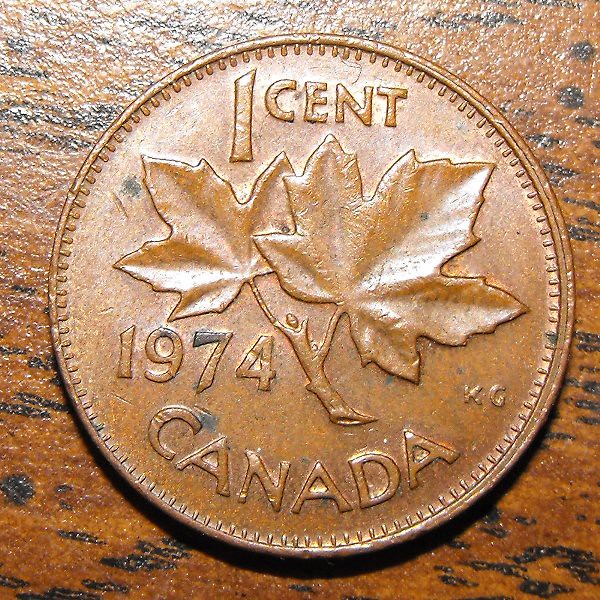
Canada stopped distributing pennies as of February 4, 2013, though they remain legal tender. The estimated savings for taxpayers from eliminating the penny is $11 million a year. By the middle of 2013, every retailer I know of had stopped spreading them into the public,” he said. “Economically, I don’t think [eliminating the penny] has had much of an impact,” McKenzie remarked. Today, the practice of rounding up or down to the nearest 5-cent increment when paying with cash has become as ordinary to Canadians as being a fan of ice hockey.
The Global Trend Toward Elimination
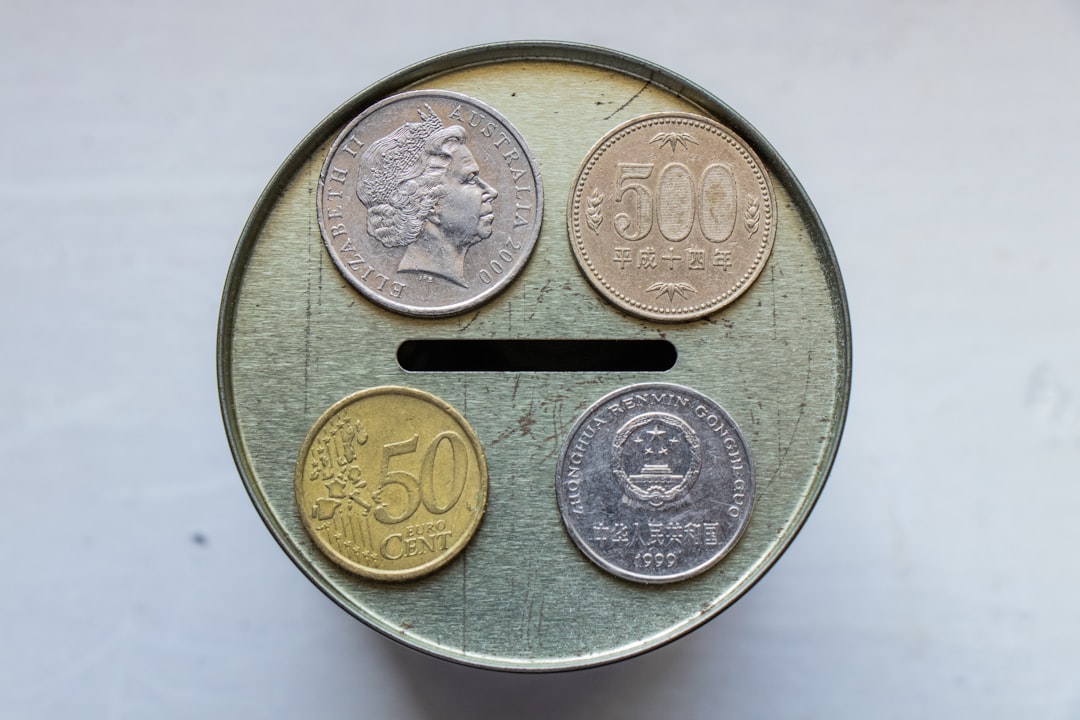
Australia and New Zealand abolished their pennies – the one cent coins – in the 1990s. New Zealand went a step further and eliminated its five-cent coin in 2006. Canada eliminated its penny in 2012. In Switzerland, one centime is one-hundredth of a franc. But the one-centime coin was used so rarely that Switzerland stopped making it in 2006. In Europe, countries like Finland, the Netherlands, and Ireland have stopped producing 1 and 2 euro cent coins and implemented a rounding system to the nearest 5 cents. America is actually late to this global trend.
The Environmental Cost Few Consider

Mining zinc and copper produces carbon dioxide emissions and pollutants and uses vast amounts of energy. Over the last 35 years, 107 million pounds of carbon dioxide have been emitted due to pennies being delivered from the Mint to banks. A California company called Mike’s Bikes has banned the penny from its registers because “making pennies wastes natural resources [and] is toxic to people and the environment.” The penny’s environmental footprint extends far beyond its tiny physical size.
What Happens Next for American Shoppers

As pennies phase out, businesses are likely to round cash transactions to the nearest 5 cents, resulting in a “rounding tax.” Using data from the 2023 Diary of Consumer Payment Choice, we estimate that rounding tax could cost U.S. consumers approximately $6 million annually. Wake Forest University economics professor Robert Whaples found that the odds of rounding up or rounding down are about as even as, well, a coin toss. According to the National Association of Convenience Stores and the National Retail Federation, retailers will eventually round prices to the nearest nickel when the supply of penny rolls runs out.
The penny’s demise represents more than just the end of a coin. It reflects rising production costs, reduced use of physical cash and the growing dominance of electronic payments. After surviving for more than two centuries, America’s smallest denomination coin finally meets economic reality. What started as a cost-cutting measure may signal broader changes in how Americans handle money altogether.