8 Vintage China Sets Worth Thousands That Collectors Still Chase
Maybe you’ve walked past that dusty cabinet in your grandmother’s dining room a hundred times, barely giving the old dishes a second glance. Or perhaps you’ve spotted something at an estate sale that caught your eye but dismissed it as just another set of plates. Here’s the thing: some of those vintage china sets sitting forgotten in attics and tucked away in antique shops are now commanding eye-watering prices at auction. We’re talking about thousands of dollars for patterns most people wouldn’t recognize on sight.
The market for vintage china has shifted dramatically. What once seemed outdated now represents craftsmanship and artistry that simply doesn’t exist anymore. Let’s be real, collectors aren’t just buying plates. They’re chasing pieces of history, hand-painted works of art that took months or even years to produce.
Royal Copenhagen Flora Danica
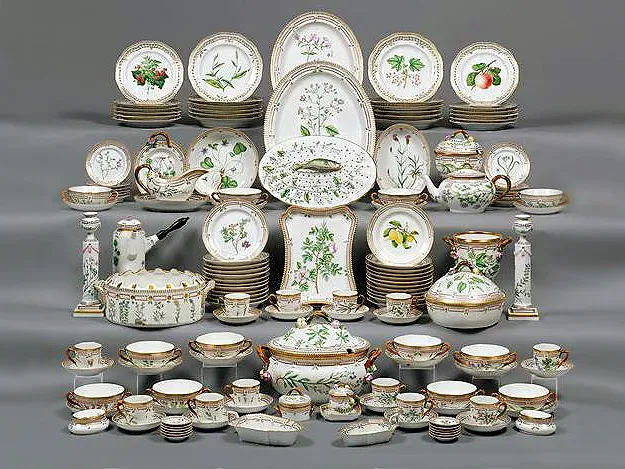
This pattern is legendary, honestly. The Flora Danica pattern is one of the most valuable dinnerware lines in the world, and individual pieces can sell for thousands of dollars in the right conditions. Each piece features botanically accurate paintings of Danish flowers copied from an 18th-century encyclopedia. Single pieces of Flora Danica porcelain can range from about $1,000 to over $40,000 depending on the size, pattern, and complexity of the item. A single dinner plate in this pattern can fetch over $1,000, while tea cup and saucer sets are available on eBay.
There are fewer than 20 craftspeople in the world qualified to produce Flora Danica, as the work requires in-depth knowledge of botany, illustration, and working with porcelain. Think about that for a second. Each piece is still made to order today, hand-painted by specialists who must match flowers to original botanical illustrations from the 1790s. By the time they are finished, a single Flora Danica piece will have been fired at least 8 times. The pattern was originally commissioned by Denmark’s king as a gift for Catherine the Great of Russia, though she died before receiving it. That royal pedigree? It absolutely adds to the allure.
Meissen Ming Dragon Red
An extraordinarily rare Meissen group of lovers with a birdcage sold for €171,850, more than quadrupling its low estimate. Meissen porcelain is Europe’s oldest hard-paste porcelain manufacturer, dating back to 1710. The Ming Dragon Red pattern features vivid red flying dragons outlined in gold on white porcelain. Meissen’s Ming Dragon Red features the classic design of flying Chinese dragons in red color on white porcelain and is outlined by a magical golden trim, priced between $120 and $2000 for a single unit and $200 – $5000 for a set or collection.
You can identify authentic Meissen by the crossed swords mark on the bottom. The craftsmanship is extraordinary, with pieces feeling substantial yet delicate. A 55-lot sale of Meissen porcelain fetched an impressive €948,450, significantly surpassing its pre-sale high estimate of €594,800, which happened in 2024. I think what really drives collectors wild is the combination of age, artistic mastery, and the fact that early pieces were made for European royalty. The prices reflect that heritage.
Chinese Export Tobacco Leaf Pattern
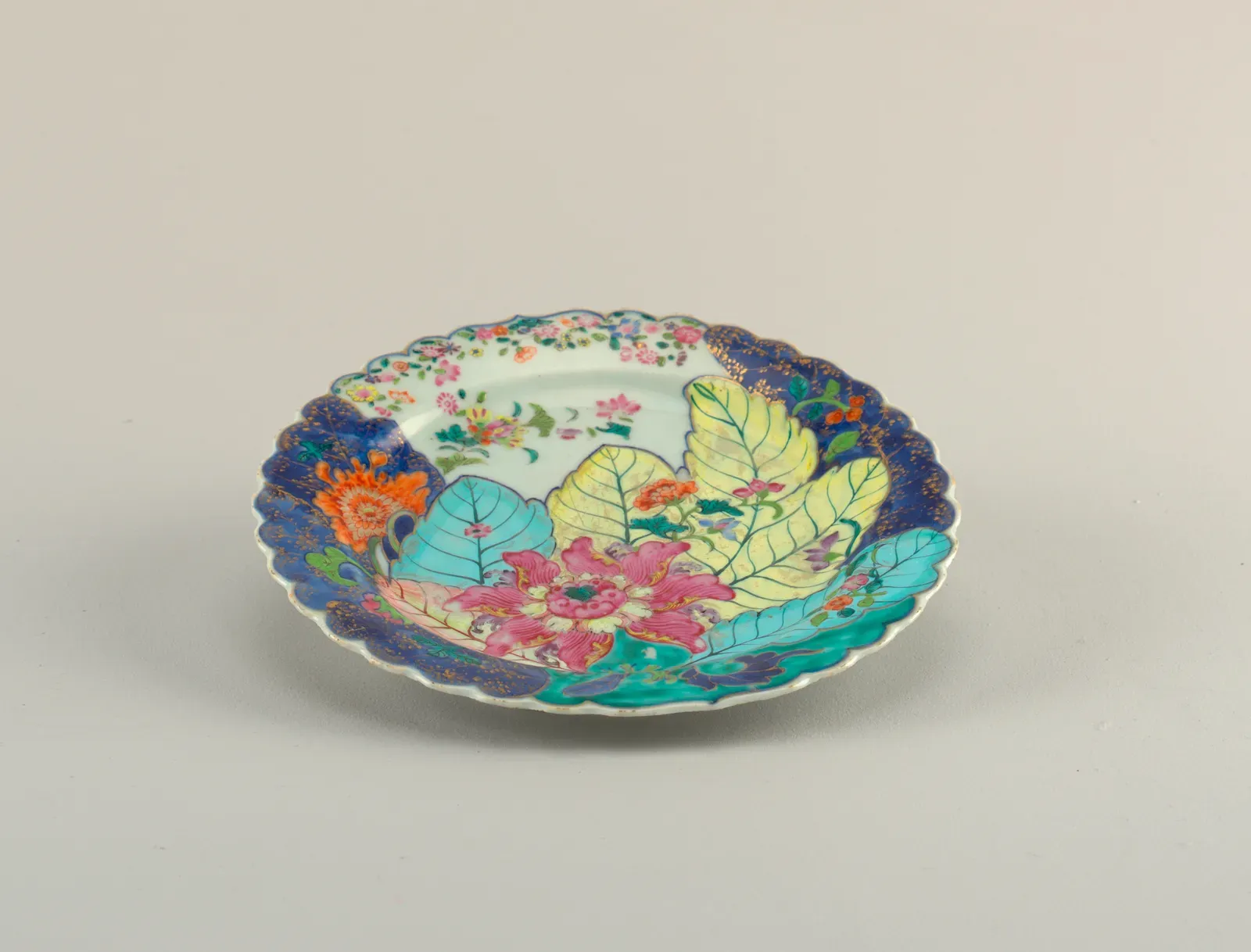
Now this is where things get really expensive. A circa 1775 80+ piece set sold for $81,900 in 2025, while a circa 1775 150+ piece set sold for $1,152,500 in 2018 at Christie’s. The Tobacco Leaf pattern was created during the Qianlong period specifically for Western markets. It features large, colorful tobacco leaves and flowers in vibrant enamels.
A 100+ set sold for $60,000 in 2023. These pieces are incredibly rare because they were commissioned by wealthy Western families in the 18th century. Many sets were broken up or damaged over the centuries. Complete services are museum-quality treasures. The pattern itself is unmistakable once you know what to look for: oversized leaves in greens, pinks, and purples dominating the composition. Honestly, it’s hard to say for sure, but I suspect many people have no idea what they’re looking at when they encounter this pattern at sales.
Wedgwood Fairyland Lustre
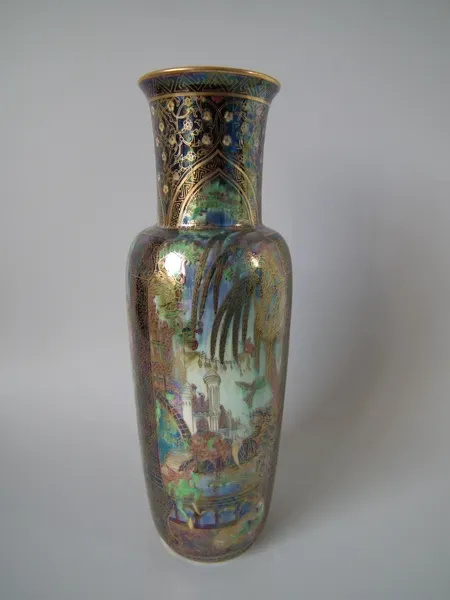
An exquisite vase in the Dragon King pattern achieved $87,500, while a second vase in the rare Ghostly Woods pattern brought $43,000 at a March 2025 auction. Fairyland Lustre was created by designer Daisy Makeig-Jones between 1916 and 1941. The pieces feature fantastical scenes with fairies, elves, dragons, and mythical creatures rendered in brilliant iridescent glazes with gold accents.
A Pillar pattern vase achieved $4,032 at auction in 2024, exceeding its $3,500-5,000 estimate, while standard bowls typically realise £320-£800 at auction. The most valuable patterns are the rarest ones like Ghostly Woods and Dragon King. The most valuable of all Fairyland designs is “Ghostly Wood,” a rather spooky pattern with three white spectres in the midst of an ancient woodland, with a Malfrey pot of the largest size estimated at £15,000-20,000 and a charger estimated at £8,000-12,000. Let’s be real, these pieces look like nothing else. The colors shimmer and shift in the light, creating an almost otherworldly effect.
Chinese Export Famille Rose Dragon and Flaming Pearl
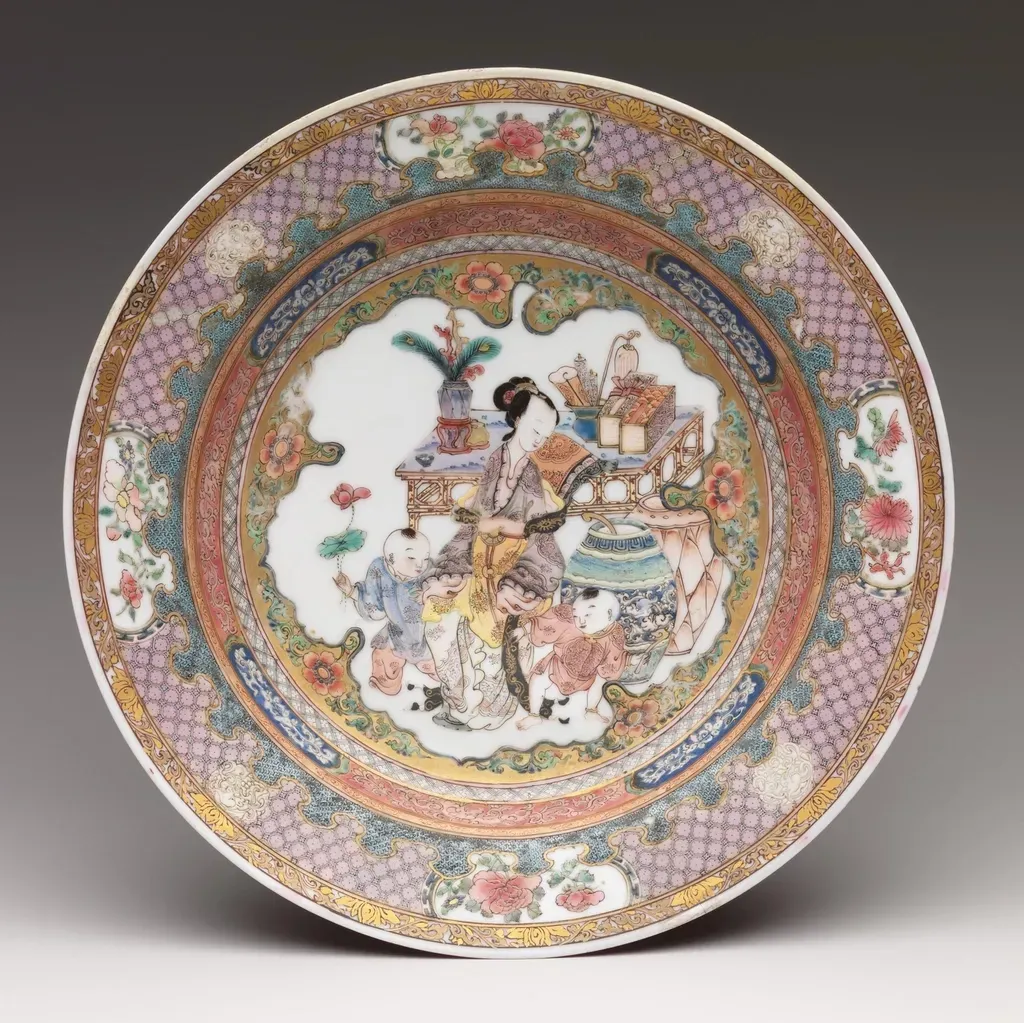
A 20th century 72 piece set sold for $30,000 in 2023, while a 20th century 37 piece set sold for $3,600 in 2020. This pattern dates from approximately 1875 to 1908 and features dragons chasing flaming pearls, often surrounded by butterflies, florals, and birds. The famille rose technique uses pink-based enamel colors that create remarkably vivid designs.
These sets were made for wealthy Chinese families and export markets. The dragons typically have five claws, which historically indicated imperial connections. Collectors value complete sets highly, though even individual pieces in excellent condition command strong prices. The pattern variations are endless since each set was custom-painted, making some designs more desirable than others. What strikes me most is how vibrant the colors remain even after more than a century.
Meissen Blue Onion Pattern
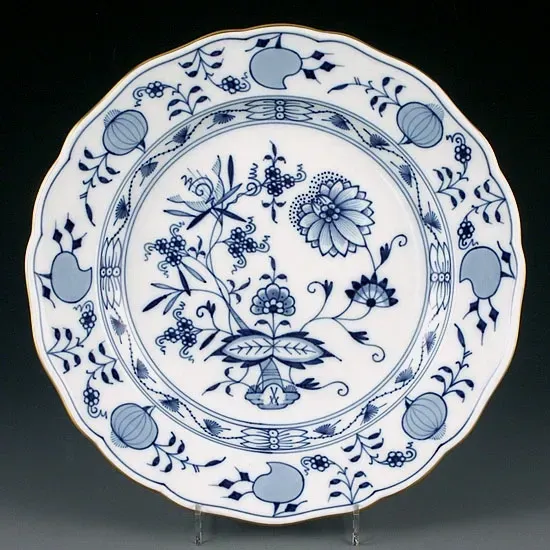
This is one of Meissen’s most iconic patterns, introduced in 1739 and still produced today. A 19th/20th century 200+ set sold for $23,894 in 2025. The pattern was actually inspired by Chinese porcelain, though European decorators famously misinterpreted the peaches and melons as onions. The design features blue underglaze decoration on white porcelain with a distinctive border pattern.
A 20th century 90+ piece set sold for $5,500 in 2020, while a 36 piece set sold for $1,100 in 2024. While not as rare as some patterns, antique Blue Onion sets in excellent condition with proper Meissen marks are highly collectible. The pattern has been widely copied by other manufacturers, making authentication crucial. Genuine Meissen pieces bear the crossed swords mark and often additional marks indicating production period. I know it sounds crazy, but this pattern has maintained popularity for nearly three centuries for good reason.
Herend Queen Victoria Pattern
The Queen Victoria pattern was first presented at the London World Exhibition in 1851, where it caught Queen Victoria’s attention. This china pattern was first presented during the London World Exhibition in 1851, where it caught the eye of Queen Victoria, who ordered a large table service in the pattern for Windsor Castle, and the pattern was subsequently named Queen Victoria. The pattern features delicate hand-painted flowers and butterflies on white porcelain with a scalloped edge.
A 120+ piece set sold for $5,500 in 2025, while a 20th century 170+ piece set sold for $9,500 in 2024. Herend porcelain from Hungary is known for exceptional quality and intricate hand-painting. Each piece is signed by the artist who painted it. The Queen Victoria pattern remains in production, though vintage pieces from the 19th and early 20th centuries are most valuable. Complete dinner services are increasingly difficult to find as families break up sets over generations.
Spode Stafford Flowers
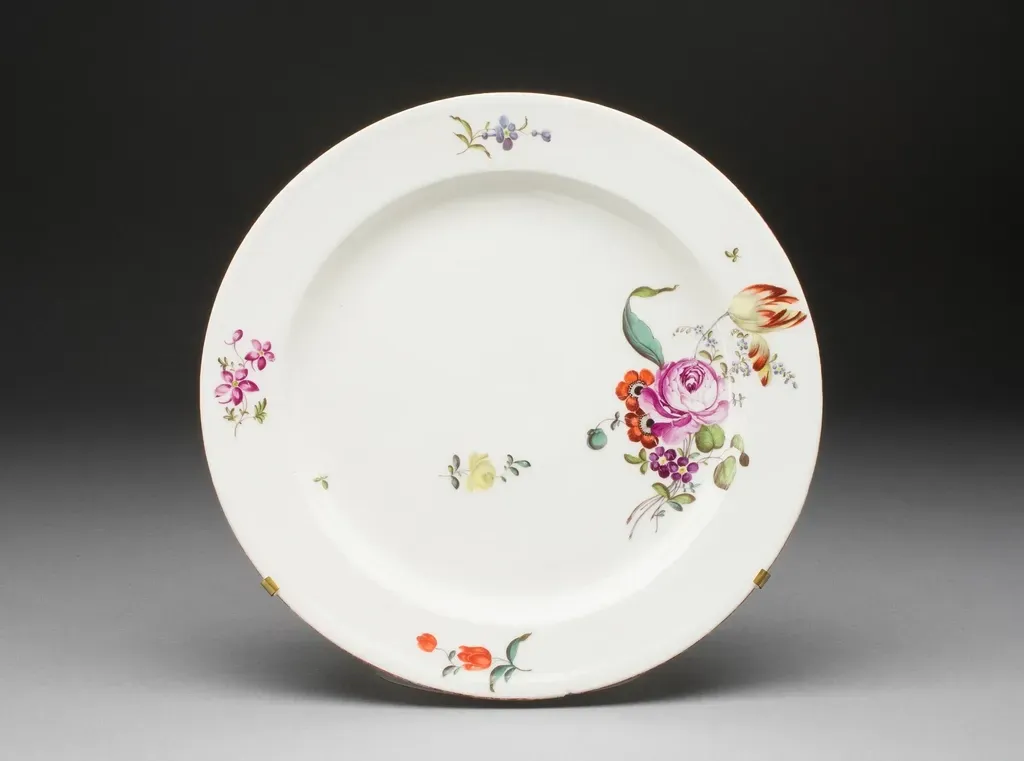
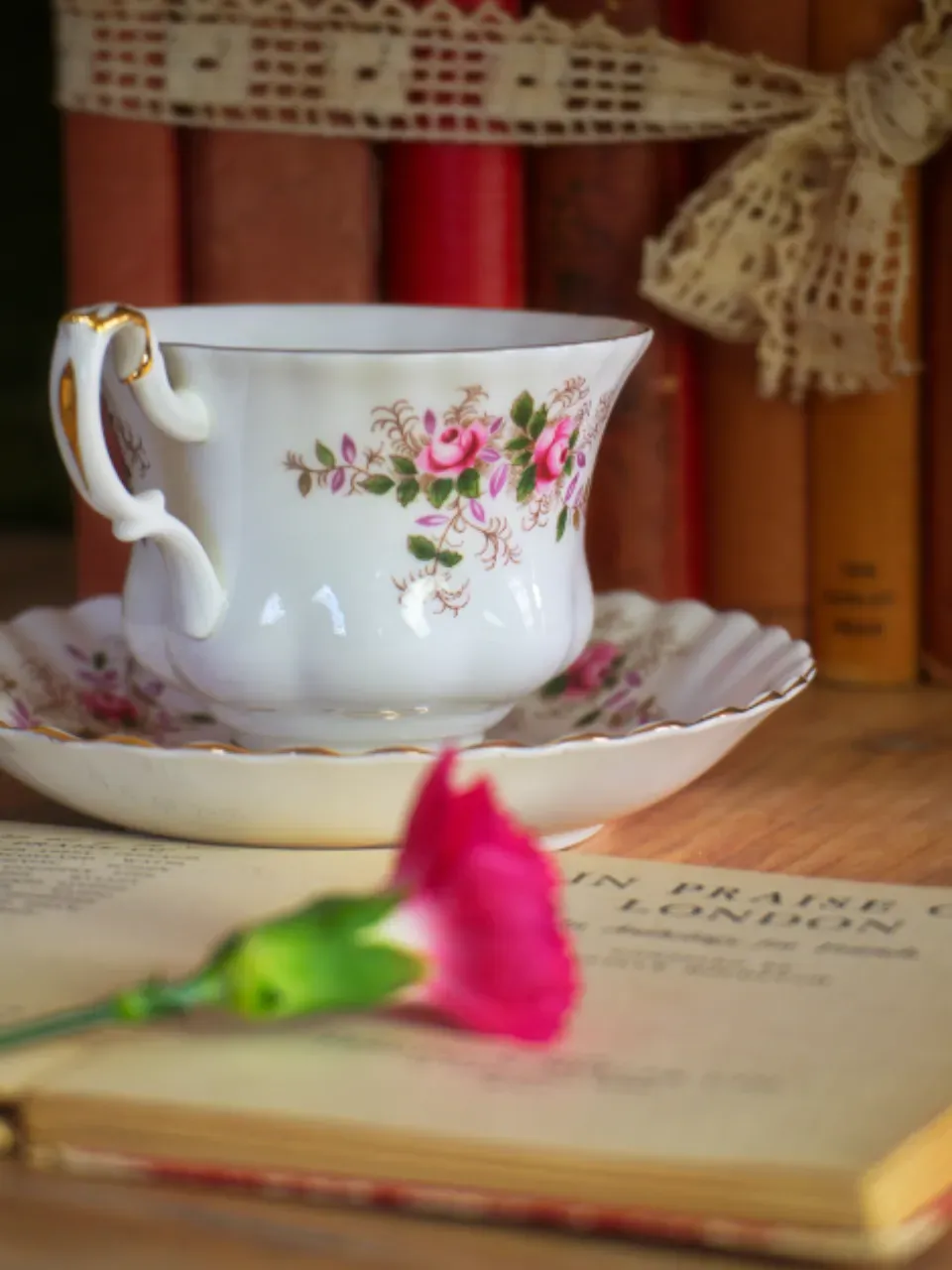
Spode Stafford White was in production from 1989 to 2015, with a 22-carat gold design along the edge of the dinnerware. Stafford Flowers was introduced 1986 to 2015, based on the botanical designs from the Curtis’s Botanical Magazine using mid-19th century shape in bone china, very reminiscent of Flora Danica. A 150+ set sold for $8,500 in 2025, while a 15 piece set sold for $1,800 in 2021.
The pattern features beautifully detailed botanical illustrations on bone china with gilt edges. Since it was discontinued in 2015, prices have been climbing steadily. A plate could earn you $650 on the resale market. The pattern’s similarity to the much more expensive Flora Danica makes it attractive to collectors seeking that aesthetic at a more accessible price point. Though honestly, these prices are still substantial for discontinued china. The botanical accuracy and artistic quality rival pieces that cost far more.
The vintage china market continues to surprise. Patterns once relegated to dusty cabinets now sell for prices that would make your grandmother’s jaw drop. Whether you’re hunting treasures at estate sales or finally investigating that family heirloom, understanding what makes these patterns valuable can mean the difference between a yard sale price tag and a serious payday. Did any of these surprise you?