Stop Reheating These 5 Foods: They Can Actually Become Toxic if Not Handled Right
You might be surprised to learn that your innocent leftovers could harbor hidden dangers. Millions of people worldwide reheat food daily without a second thought, yet certain items undergo chemical transformations that create health hazards. The way we store and reheat specific foods can trigger bacterial growth or convert harmless compounds into potentially toxic substances.
Here’s the thing: modern refrigeration changed everything, yet many traditional food safety warnings still hold water. Your microwave or stovetop might seem like a safe reheating solution, but temperature inconsistencies create danger zones where bacteria thrive. Let’s be real, most of us grab leftovers from the fridge and zap them without considering what’s happening at the molecular level.
Rice Becomes a Bacterial Breeding Ground
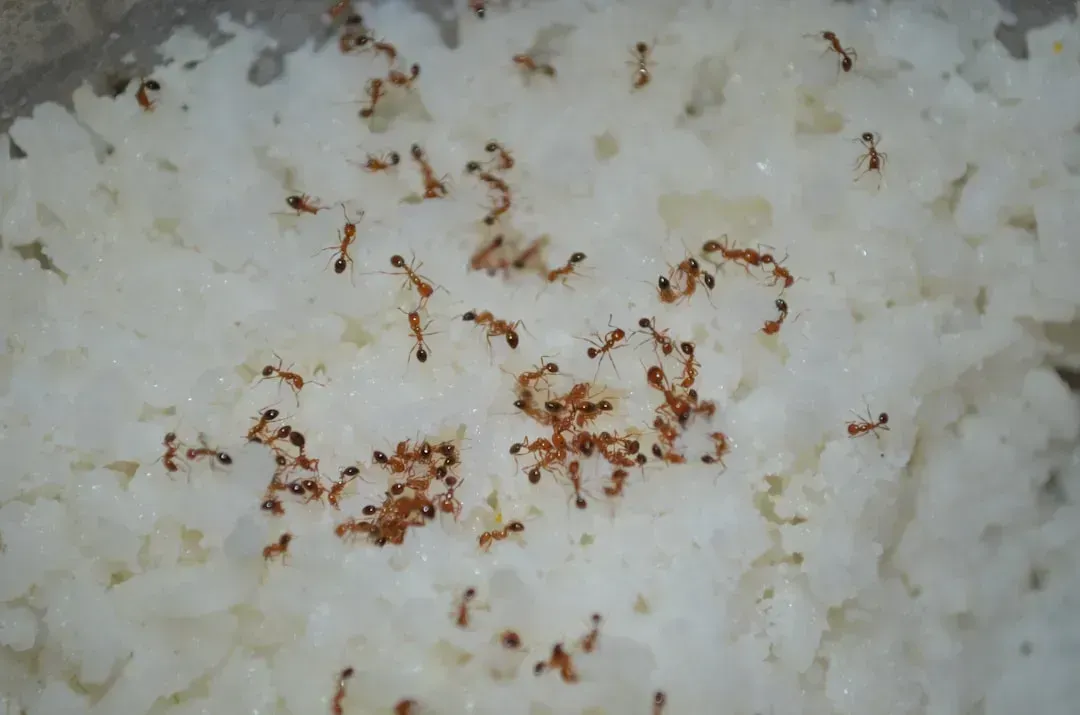
Rice is often contaminated with spores of Bacillus cereus, a ubiquitous microorganism found mainly in the soil. The culprit behind reheated rice syndrome is a spore-forming bacteria called Bacillus cereus, and unlike common foodborne bacteria like Salmonella and E. coli, cooking or reheating your food won’t protect you from infection because the toxins are heat-resistant.
When rice is cooked, the heat kills most bacteria, but the spores of B. cereus can survive, and if cooked rice is left at room temperature, these spores can germinate and multiply, producing heat-stable toxins that are resistant to reheating. The problem intensifies when families prepare large batches for meal prep, leaving rice out to cool before refrigerating. Between 2000 and 2008, B. cereus was responsible for 63,400 cases of foodborne illness and 20 hospitalizations in the United States each year.
Storage is absolutely critical here. Freezing or cold storage of rice-based meals at temperatures lower than 4°C is an important strategy to control B. cereus, with refrigeration at temperatures below 4°C being the main control measure. Cooked rice should be cooled rapidly and stored in the refrigerator within two hours of cooking.
Spinach Transforms Nitrates Into Harmful Compounds
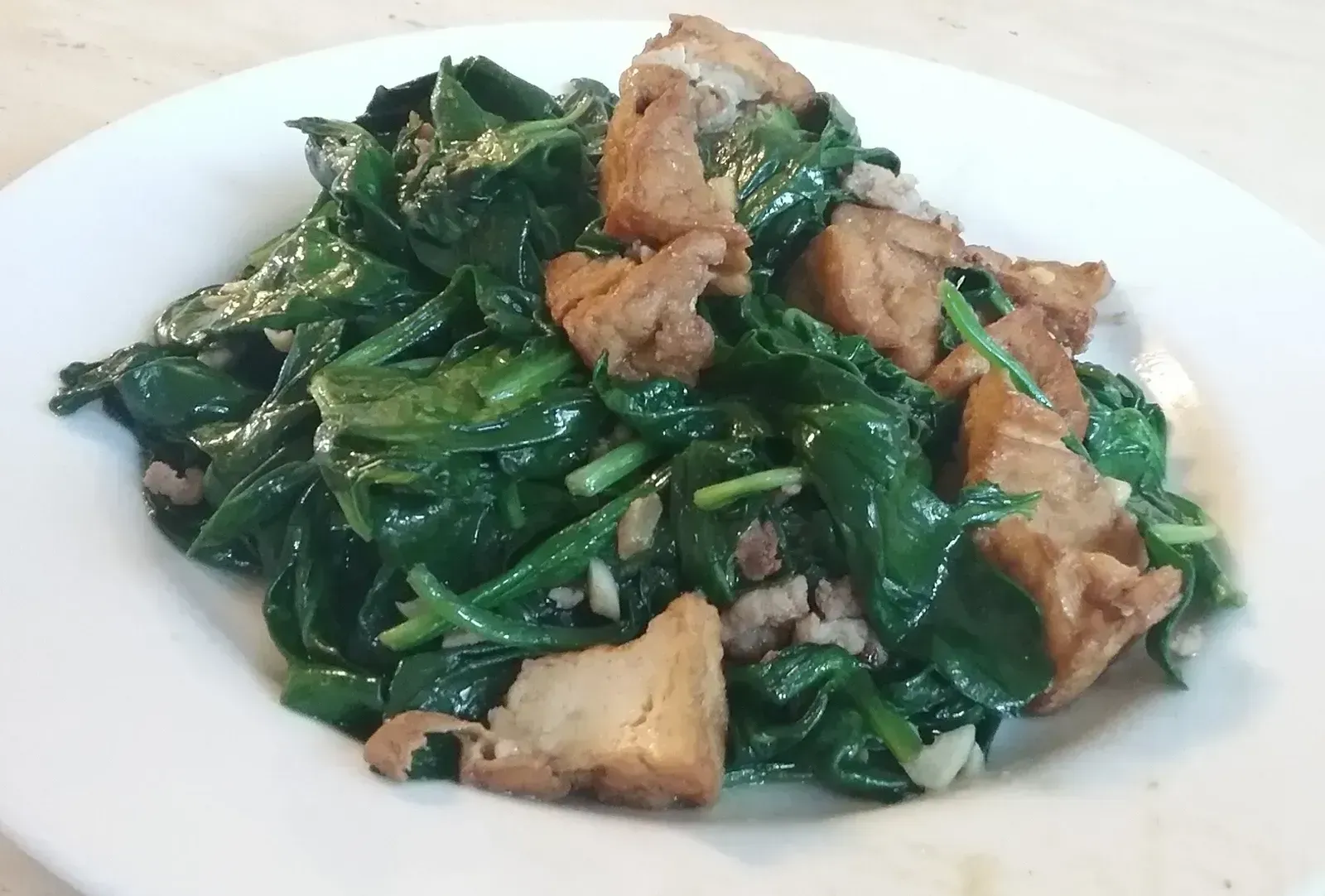
Cooking and reheating can convert nitrates in spinach to nitrites. The chemistry behind this is genuinely concerning. When heated, nitrates begin to break down and become nitrites, which can then convert into nitrosamines, and nitrites can affect oxygen intake while nitrosamines are a known carcinogen.
Spinach naturally contains nitrate, which can convert to nitrite if stored incorrectly or heated repeatedly, and nitrite can be harmful, especially for young children, because it can affect oxygen absorption in the blood. Still, there’s more nuance to this story than panic suggests. If you have a diet rich in antioxidants, which come from foods like leafy greens, they will help prevent nitrates from converting into nitrosamines, so eating your spinach in the first place can protect you from the unlikely possible harm of reheating it.
It is especially important to refrigerate spinach within two hours of cooking to minimize the formation of nitrite and preserve quality, and to reheat spinach properly, it should be heated quickly and evenly, ideally to at least 70°C. Honestly, the safest approach is consuming spinach cold in salads or eating it immediately after cooking.
Chicken Protein Breaks Down Into Problem Zones
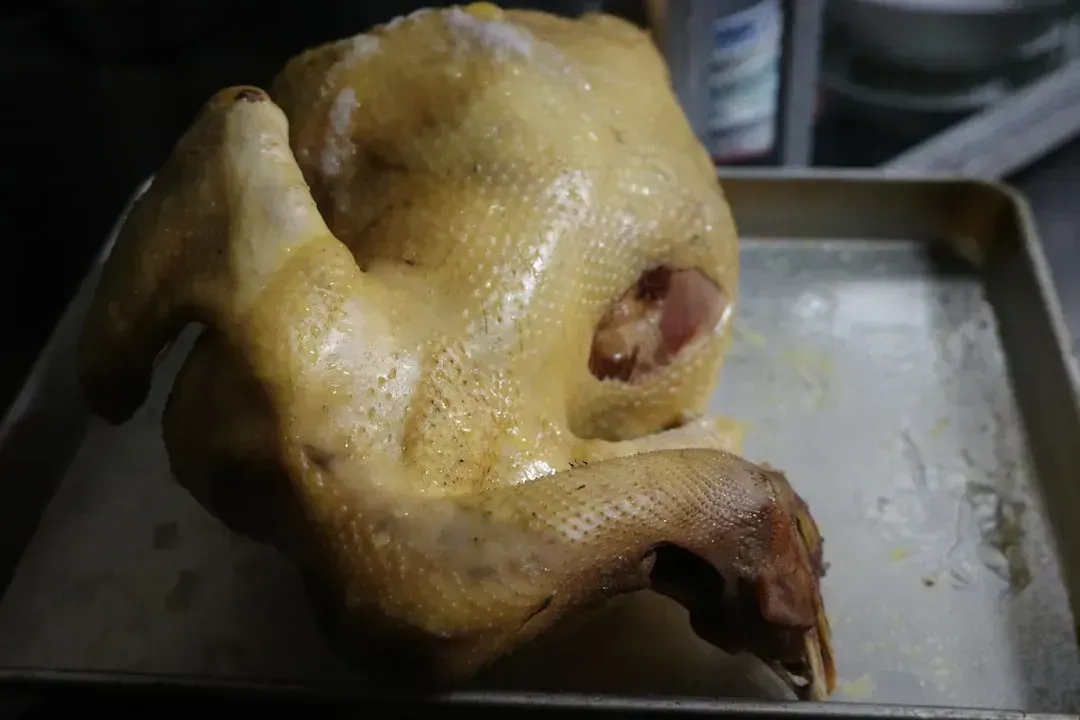
Think thoroughly reheated chicken is always safe? Salmonella and Campylobacter bacteria thrive in the protein-rich environment of cooked chicken left in the temperature danger zone between 40°F and 140°F, and microwaving creates hot and cold spots where bacteria can survive. The scary reality is that chicken can look and smell perfectly fine while harboring deadly pathogens.
Reheating chicken can cause proteins to break down further, potentially resulting in the production of harmful compounds including toxic substances such as free radicals and reactive oxygen species, which can have detrimental effects on health when consumed. According to the Centers for Disease Control and Prevention, eating improperly reheated poultry can cause food poisoning with common symptoms including nausea, vomiting, diarrhoea, and fever.
Temperature precision matters immensely. If you must reheat chicken, ensure it’s heated to an internal temperature of at least 165°F to kill any bacteria. In the UK, the general advice for domestic kitchens is to eat leftover chicken within two days, while the Food Standards Agency recommends a 48-hour limit.
Mushrooms Develop Dangerous Protein Deterioration
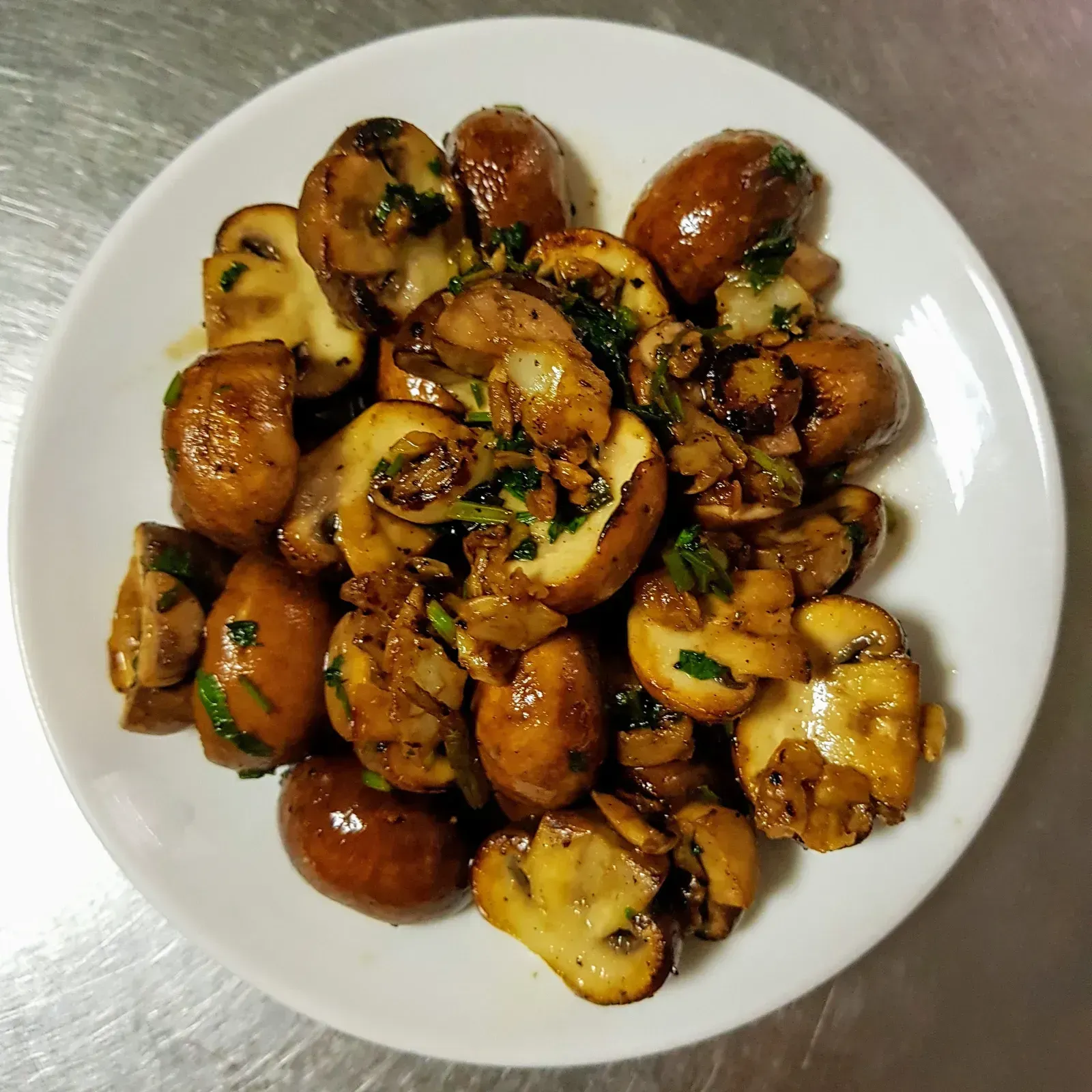
If mushrooms are not refrigerated immediately after cooking, their complex enzymes and protein structure can be destroyed, and once this has happened, reheated mushrooms are unsafe to eat and can cause stomach upsets. The cellular changes happening inside these fungi are genuinely alarming.
If mushrooms are not refrigerated quickly after being cooked, their complex enzymes and proteins will begin to break down, making them susceptible to dangerous bacteria, which can be worsened by the reheating process. On reheating, some proteins break down, which not only changes the flavor of the food but also produces certain toxins that can lead to upset stomach and digestive problems.
Yet there’s hope if you act quickly. Food safety guidelines suggest if cooked mushrooms are kept in the fridge for no longer than 24 hours, they can safely be reheated to a temperature of 158 degrees Fahrenheit or 70 degrees Celsius. To protect yourself from bacteria, don’t leave your cooked mushrooms at room temperature for more than two hours before placing them in the fridge.
Potatoes Create Perfect Conditions for Botulism

Potatoes should never be left at room temperature, as when stored improperly, they can promote the growth of Clostridium botulinum, a bacterium that causes botulism, which can lead to paralysis or even death. This isn’t some theoretical risk from dusty medical journals.
A botulism outbreak in 1997 affecting 17 people was traced back to potatoes, with the source being potatoes stored at room temperature for two weeks, and according to Food Safety News and the Food Poisoning Bulletin, the greatest risk comes from baked potatoes stored in the fridge in aluminum foil. The foil wrapping creates that perfect oxygen-free environment where this deadly bacteria loves to multiply.
I know it sounds crazy, but the humble potato demands respect. The low-acid, high-moisture environment of cooked potatoes provides ideal conditions for bacterial growth. Store cooked potatoes in the fridge and reheat them only once, avoiding leaving them at room temperature. Remove that aluminum foil before refrigeration, cool potatoes quickly after cooking, and consume them within a couple of days.
What strikes me most about these five foods is how ordinary they seem. We’re not talking about exotic ingredients or unusual preparations. Rice, spinach, chicken, mushrooms, and potatoes appear on dinner tables worldwide every single day. The difference between safe and dangerous often comes down to those critical two hours between cooking and refrigeration. Proper storage at temperatures below 40°F slows bacterial multiplication dramatically, while thorough reheating to at least 165°F kills most pathogens. Have you been storing your leftovers correctly, or could your next meal be hiding invisible dangers?