Global Report Reveals the World’s Biggest Tea Drinkers
A striking revelation about global tea consumption patterns has emerged from recent comprehensive studies. The world’s relationship with tea goes far beyond simple beverage preferences, revealing deep cultural traditions, economic factors, and surprising geographic trends that challenge conventional assumptions about who drinks the most tea.
Sri Lanka Claims the Crown with Record-Breaking Consumption

According to the 2022 report on per capita tea consumption, Sri Lanka is among the world’s major tea-consuming nations, though exact per capita consumption figures vary by source. This extraordinary figure places the island nation far ahead of any other country in per capita consumption.
Whether you’re visiting a friend, stepping into a shop, or just taking a midday break, you’ll almost always be offered a hot cup of tea. It’s how people connect, unwind, and welcome each other. Most Sri Lankans prefer a bold black brew – strong, sweet, and often served with a splash of condensed milk.
Argentina’s Surprising Runner-Up Position
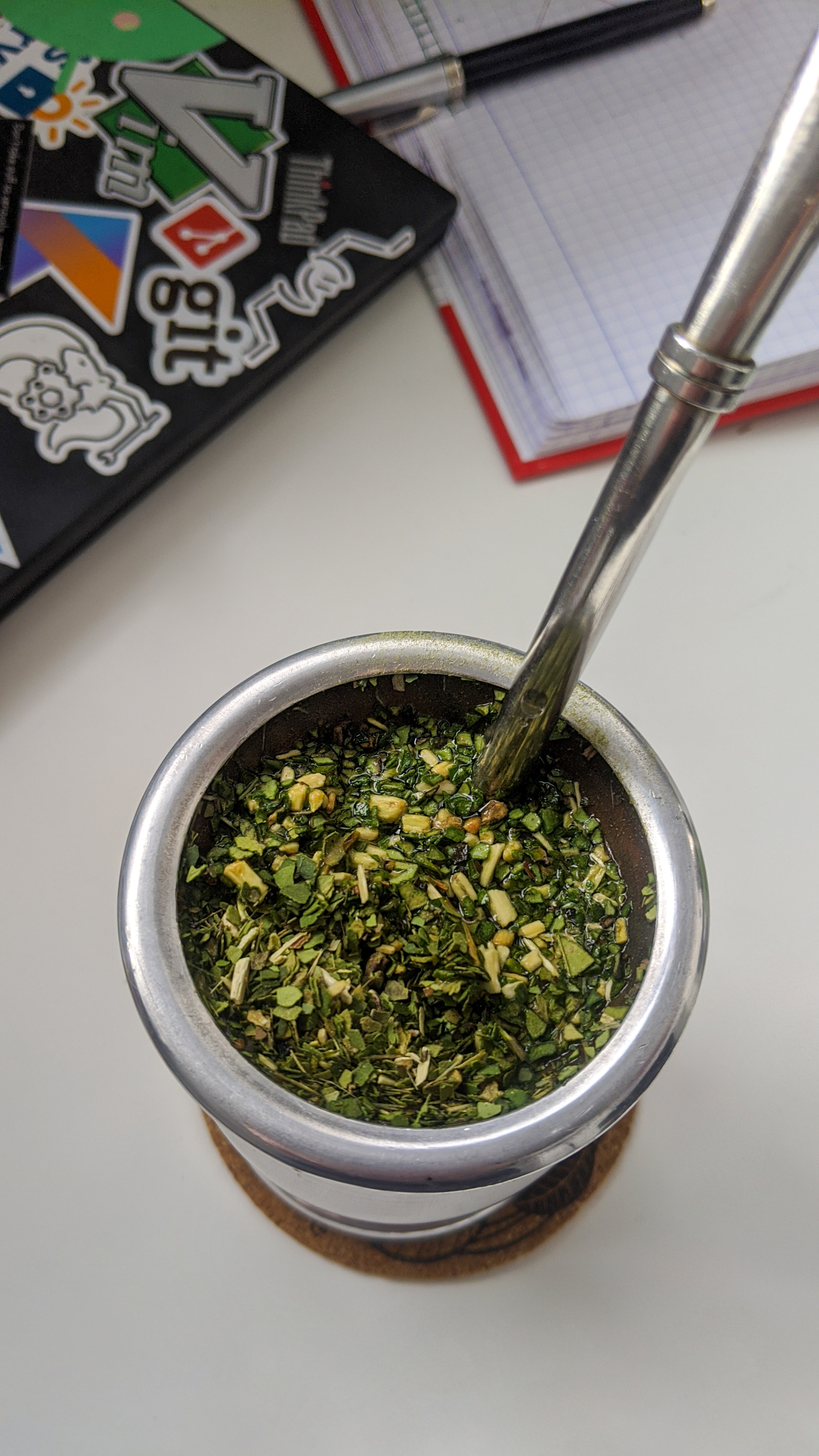
Argentina is among the world’s significant tea consumers, particularly due to their beloved yerba mate tradition – no small feat in a country better known for its steak and soccer. The secret lies in their beloved yerba mate tradition.
This beloved herbal tea isn’t just a drink – it’s a cornerstone of Argentine daily life and culture. Whether shared among friends in a city plaza or sipped solo at sunrise, mate is a ritual of connection and comfort. Served in a hollowed gourd and sipped through a metal straw (bombilla), it’s passed around in groups as a symbol of hospitality and trust.
Turkey’s Cultural Tea Phenomenon
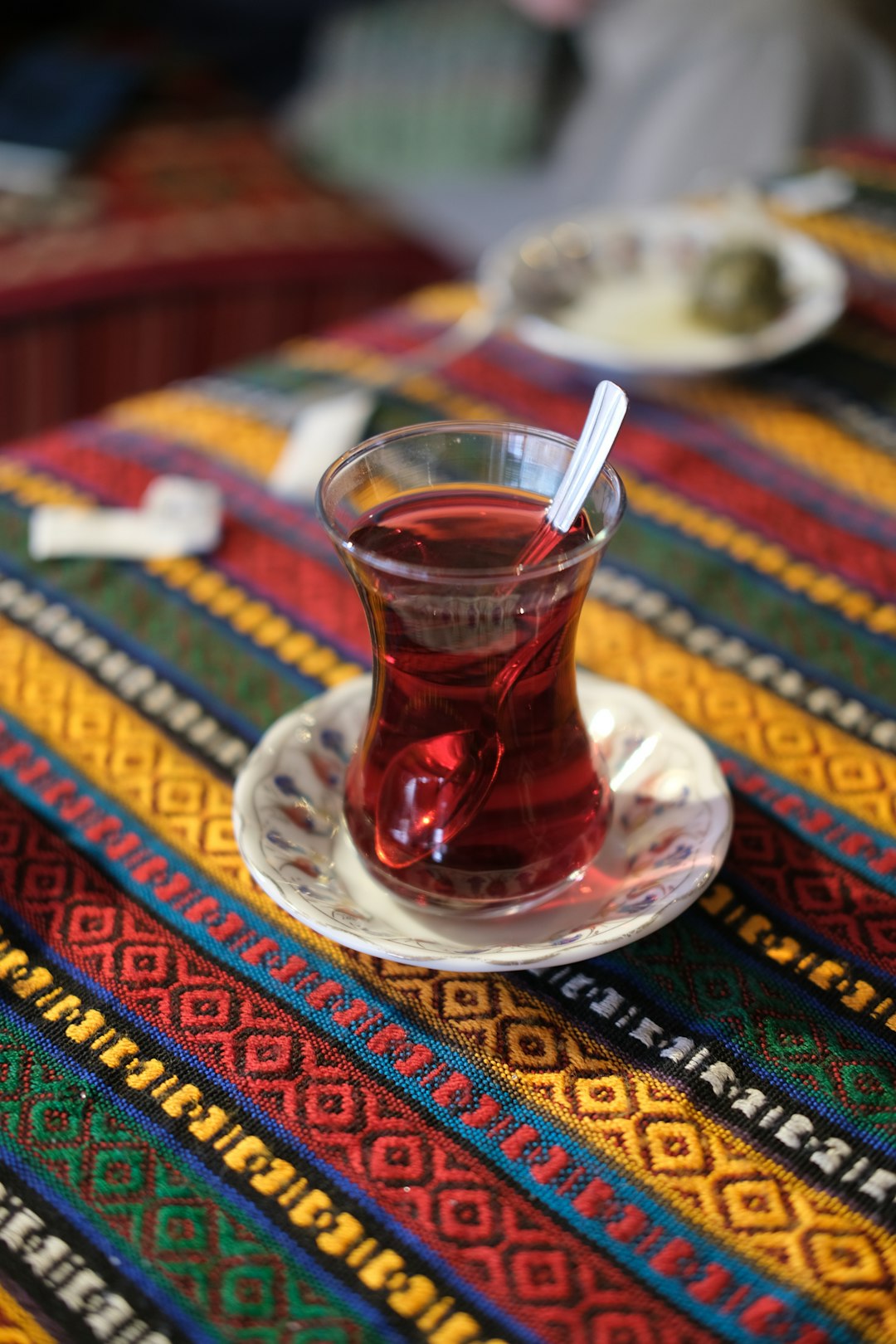
In 2024, Turkey stands as the foremost consumer of tea globally, with an impressive average consumption of 1,300 tea cups per person annually. Tea drinking is deeply entrenched in Turkish culture, with individuals typically enjoying 3 to 5 cups daily, a number that rises to 10 cups during the colder months.
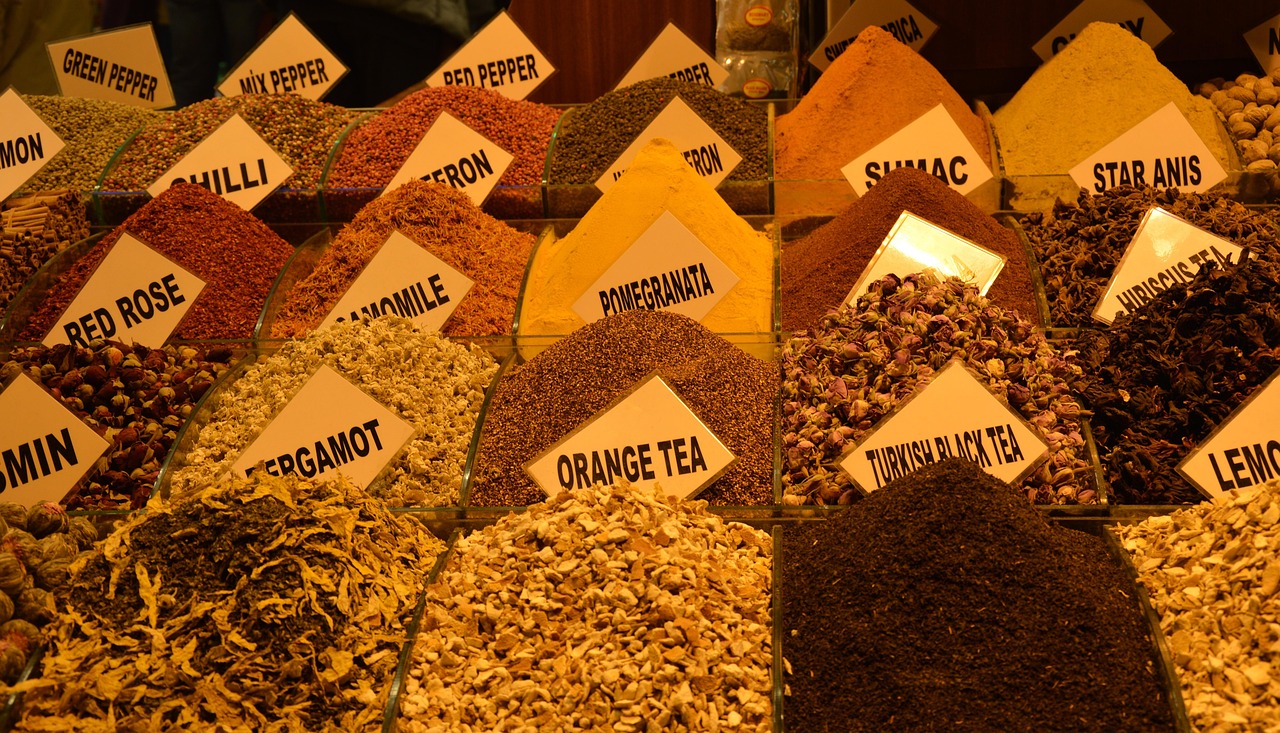
Turkey had the highest rate of tea drinkers of those polled, with around nine in ten people saying that they regularly have the hot drink. Turkish people have a strong preference for black tea, which is typically brewed in a teapot and served in small, tulip-shaped glasses. The consumption of tea is deeply ingrained in Turkish culture, with tea being served to guests as a sign of hospitality.
Paraguay’s Cold Tea Revolution

Paraguay is a notable tea consumer globally, with each person consuming substantial amounts of tea annually. But the tea story here has a unique twist: in Paraguay, tea is often served ice-cold. The most popular form is tereré, a chilled version of yerba mate traditionally sipped from a guampa (horn-shaped cup) using a metal straw.
In Paraguay, every shared round of tereré is a small act of community, grounding modern life in something timeless and human.
Vietnam’s Rising Tea Market Position
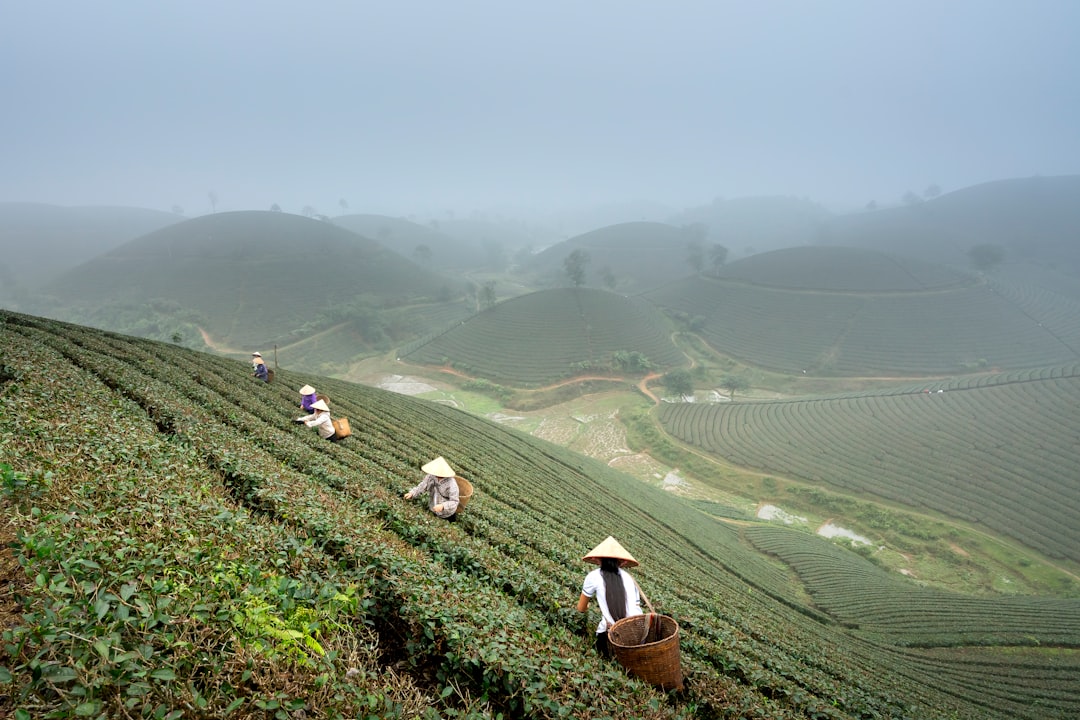
Data on the consumption of tea in various countries, including the five leading consumers of tea in the world: Sri Lanka, Argentina, Turkey, Paraguay, and Vietnam. Vietnam’s place among the top five tea-consuming nations reflects both its production capabilities and growing domestic market.
Vietnam – 240,000 tons (2,535 Kg per person) places the Southeast Asian nation as a significant player in both consumption and production. The country’s tea culture combines traditional Asian brewing methods with modern market dynamics.
The United Kingdom’s Traditional Tea Heritage

The United Kingdom is among the world’s top tea consumers with approximately 1.8-4 kg per person annually. British people drink about 2.7 cups daily. Tea lovers who consume over four cups daily make up 44% of the population, and 98% of Brits drink tea every day.
In the United Kingdom, 100 million teacups are consumed every day. Despite this impressive daily consumption, the UK falls below some countries when measured by per capita annual consumption.
China’s Massive Market Despite Lower Per Capita Figures
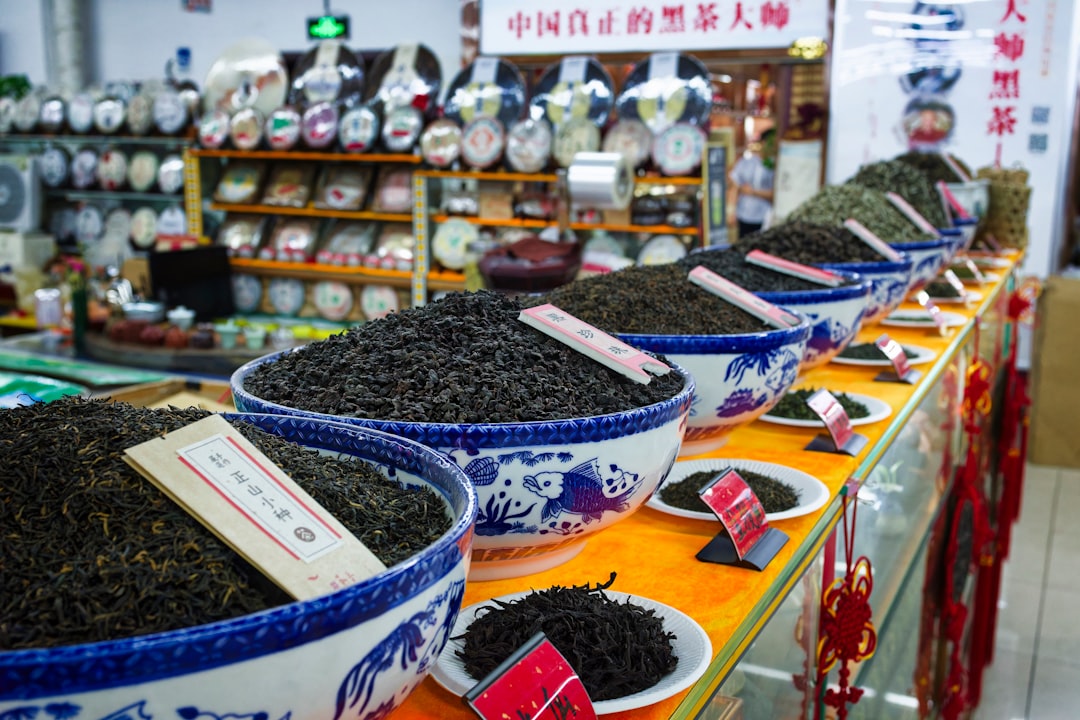
China is a leading country with the highest revenue in the tea market in 2023, representing 106,548.96 million in total. India and Japan, on almost an equal level, generated revenue of 19,870.34 million and 17,537.45 million, respectively.
In 2023, China was the top tea exporter with a value of USD 1,739.2 million. In 2024, China is expected to generate the most revenue in the at-home tea segment, amounting to USD 52,500 million. Though China dominates global production and revenue, its per capita consumption ranks lower than the top consuming nations.
Global Market Growth and Consumer Trends

Tea Statistics of the global volume of consumption state the year-wise rate as: 6,897.9 million kilograms (2022), 7,123.2 million kilograms (2023), 7,274.6 million kilograms (2024), and 7,442.8 million kilograms (2025). This steady growth demonstrates tea’s expanding global appeal.
Tea is the second most consumed drink in the world, after water. Every morning, 2 billion people drink tea. Around the world, 80% of homes have at least one type of tea.
Regional Variations and Market Dynamics

Considering the Tea Statistics by demographics, 53% of the drinkers are women and 47% are men. Collectively out of these tea lovers, 14% are below the age of 20. The highest number of tea drinkers belong to 30 to 39 years resulting in 23%.
According to the Tea Association of the USA, Inc., four out of five US consumers drink tea, with a majority of millennials (87%) being tea drinkers. This demographic shift suggests continued growth potential in established markets.
Economic Impact and Future Projections
According to the Statista Consumer Market Outlook, the global tea market size is expected to hit $134.4 billion by 2025. The worldwide revenue of the Tea segment as of 2023 amounts to $247.20 billion, this has seen a change of 12% as compared to last year. According to the Tea Statistics, the global Tea Market is projected to grow at a CAGR of 4.22% between 2023 to 2025.
Tea Statistics show that herbal tea consumption is projected to grow by 7% annually from 2024 to 2029. This indicates evolving consumer preferences toward health-conscious options and specialty varieties.
The global tea landscape reveals fascinating patterns that go beyond simple consumption numbers. While countries like Turkey and other nations lead in per capita tea consumption, countries like Turkey lead in daily cups consumed, and nations like China dominate market revenue despite lower per capita figures. These findings highlight how cultural traditions, economic factors, and social customs shape our relationship with the world’s second most popular beverage after water.