Why Mediterranean Nations Still Dominate Healthy Eating, Data Confirms
Looking at global health statistics reveals a fascinating pattern. While diet trends come and go worldwide, Mediterranean countries maintain remarkably consistent advantages in nutrition outcomes. Year after year, the Mediterranean diet comes out on top in the U.S. News and World Report annual ranking of best diets. The numbers tell a compelling story that goes beyond marketing hype.
Heart Disease Protection Remains Unmatched

Recent research confirms what Mediterranean populations have experienced for generations. A recent meta-analysis of randomized controlled trials found that the Mediterranean diet serves as an effective intervention for both primary and secondary prevention of cardiovascular disease – and that it has a substantial and long-term impact in reducing the incidence of major adverse cardiovascular events, including myocardial infarction and stroke. This study demonstrated that following a Mediterranean diet enriched with extra-virgin olive oil or nuts significantly reduces the risk of cardiovascular disease.
The Mediterranean diet limits saturated fats (butter and high-fat meats) and trans fats (prepackaged foods, margarines and fried fast foods), while encouraging more heart-healthy fats found in salmon, avocado, olive oil, nuts and seeds. What’s more, the diet prioritizes herbs and spices over sodium, which can raise your blood pressure and increase your risk for heart attack or stroke.
Diabetes Prevention Shows Dramatic Results
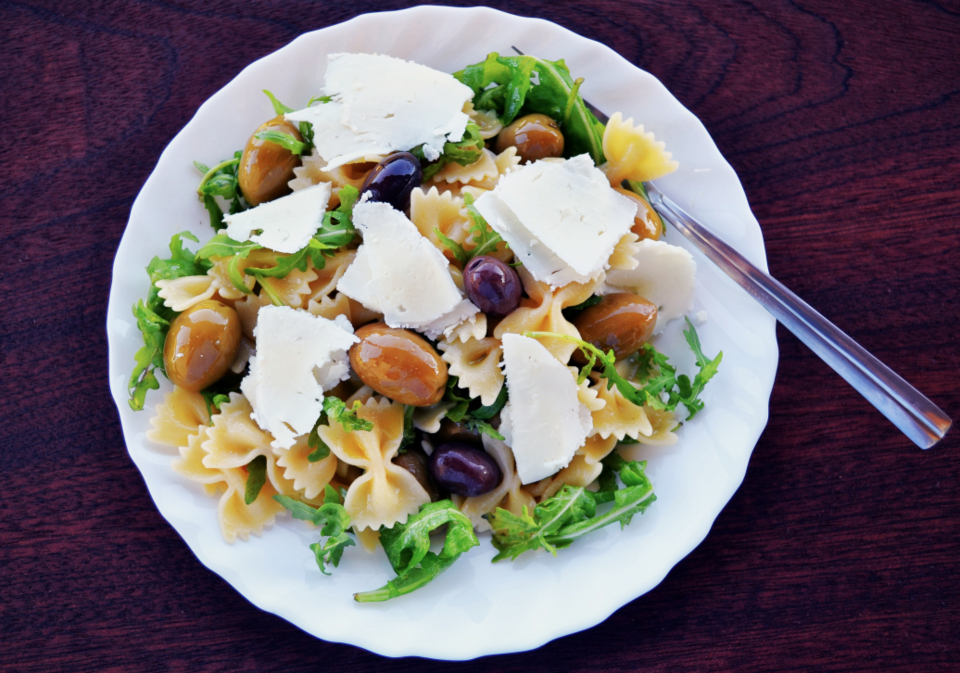
The numbers surrounding diabetes prevention are particularly striking. A Mediterranean diet alone is healthy, but when combined with calorie control, exercise, and support, it substantially reduces type 2 diabetes risk. This finding comes from the PREDIMED-Plus study, which followed several thousand participants.
Traditional Mediterranean eating patterns naturally regulate blood sugar through their emphasis on whole grains, legumes, and healthy fats. Recent research shows the Mediterranean diet lowers the risk of developing Type 2 diabetes.
Cancer Risk Reduction Backed by Large Studies

There is much evidence behind the Mediterranean diet and cancer prevention – including a recent study, published in JAMA Network Open, which analyzed data on more than 450,000 people taking part in a European study across 10 countries. The protective effects extend to multiple cancer types.
The Mediterranean diet has been shown to reduce the risk of certain cancers, including breast, colorectal, bladder, and head and neck cancers. The eating pattern encourages foods high in fiber and antioxidants, which help control inflammation, regulate hormones and promote cellular health to protect against some cancers.
Brain Health Benefits Emerge From Latest Research

Recent discoveries about cognitive function reveal compelling advantages. A 2024 study from the University of Barcelona followed nearly 850 French citizens age 65 and over for more than a decade. Those who followed the Mediterranean diet were less likely to have age-related cognitive decline.
A 2023 study, published in BMC Medicine, found that those who ate a traditional Mediterranean-type diet had up to a 23% lower risk for dementia than those who did not. A 2023 study and 2018 study showed a 23% reduced risk of dementia and 1.5 to 3.5 years of protection against Alzheimer’s disease progression in people who adhered to the Mediterranean diet.
Mental Health and Quality of Life Improvements

In a 2023 study, researchers compared the effects of various plant-based dietary patterns on mood, among 333 healthy participants, and found that those who stuck with a Mediterranean diet had a consistently more positive mood. The psychological benefits extend beyond mood regulation.
A study in a 2025 issue of Nutrients found that university students who adhere closely to the Mediterranean diet have higher levels of emotional intelligence, fewer emotional problems, and less compulsive internet use. A 2025 study published in Nutrients looked at the multidimensional concept of health-related quality of life (HRQoL) – which comprises an individual’s physical, mental, and social well-being.
Weight Management Success Over Decades
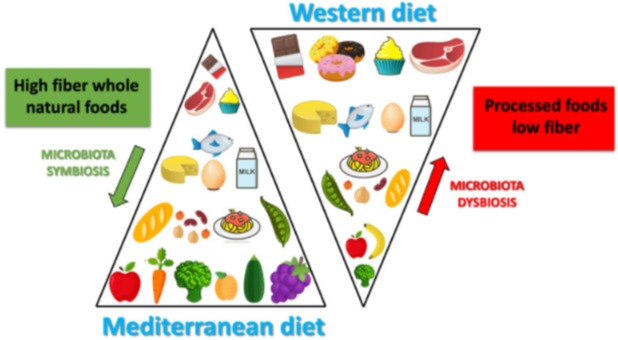
A study in a 2024 issue of the journal Nutrients found that adults in Greece who closely adhere to the Mediterranean diet are significantly less likely to gain weight over the course of 20 years. This long-term weight stability occurs naturally rather than through restrictive dieting.
The Mediterranean approach emphasizes satisfaction and enjoyment of food rather than deprivation. The Mediterranean diet has become a popular way of eating because the foods are flavorful, it’s easy to follow and it’s budget-friendly. This consistent top ranking highlights the diet’s emphasis on fruits, vegetables, whole grains, beans, nuts, and healthy fats like olive oil, which contribute to its recognition as a leading dietary pattern.
Longevity Advantages Confirmed by Large Studies

In a study in a 2023 issue of JAMA Internal Medicine, researchers compared the effects of adherence to several healthy eating patterns and found that people who closely followed a Mediterranean diet long term had a nearly 20 percent lower risk of dying prematurely from any cause over a 36-year period.
These findings aren’t a fluke: A study in a 2024 issue of JAMA Network Open found that women with higher adherence to the Mediterranean diet had a 23 percent reduced risk of dying from any cause over a 25-year period. According to a study in The New England Journal of Medicine, followers who incorporated at least seven of the diet’s nine food groups into their daily diet reduced their risk for dying by any cause by 25%.
Lower Obesity Rates in Mediterranean Regions
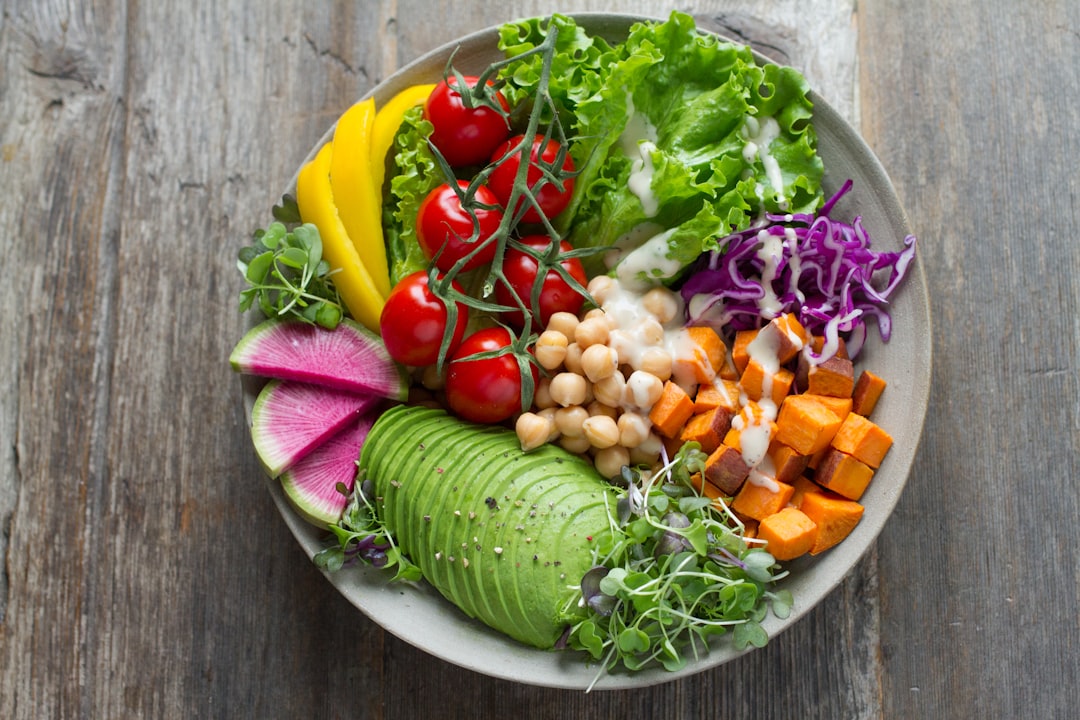
European countries, especially those in the Mediterranean region, emphasize a diet rich in fresh produce, whole grains, and healthy fats, such as extra virgin olive oil. Comparatively, obesity rates in most European countries remain below 25 percent, with some nations, particularly in Southern and Western Europe, reporting levels under 15 percent.
The contrast with other regions is stark. The color-coded visualization shows that in many U.S. states, obesity rates exceed 30 percent, with some surpassing 40 percent. Southern and Midwestern states, such as Mississippi and West Virginia, report the highest levels, while Western states like Colorado and Hawaii have comparatively lower rates, though still above most European nations.
Global Recognition Through Scientific Rankings

Despite the changes to its categorization, US News & World Report’s top diet choice remains the Mediterranean diet. It has consistently earned the top diet spot for multiple consecutive years. The 2025 rankings show even broader recognition across health categories.
In 2025, U.S. News and World Report ranked it #1 overall, as well as giving it first place as the best diet for mental health, for healthy eating, for inflammation, for gut health and for being the easiest diet to follow. In the 2025 ratings, it achieved a 4.8 rating in the Best Overall Diets category, surpassing other well-regarded diets such as the DASH diet (4.6 rating) and the flexitarian diet (4.5 rating) that rounded out the category.
Mediterranean Nations Face Their Own Challenges

However, the picture isn’t entirely rosy. A systematic review of studies conducted in Mediterranean countries revealed that adult populations have had low to moderate adherence to MD during the last decade. Studies in Greek populations have shown that less than one-third of adults have high adherence to traditional Greek MD.
Despite the well-known benefits of MD, a recent systematic review of 57 studies with over 1 million participants worldwide indicated moderate adherence to the MD, with decreasing trends worldwide. Even in their countries of origin, traditional eating patterns face pressure from globalization and changing lifestyles.
The data makes one thing clear: Mediterranean nations continue to demonstrate measurable advantages in health outcomes linked directly to their traditional eating patterns. While modern challenges exist everywhere, the fundamental principles that have sustained these populations for centuries remain as relevant as ever. What would it mean for global health if more regions adopted these time-tested approaches to nutrition?